The best walks and hikes around Pietrarubbia
4.5
(1013)
3,877
hikers
183
hikes
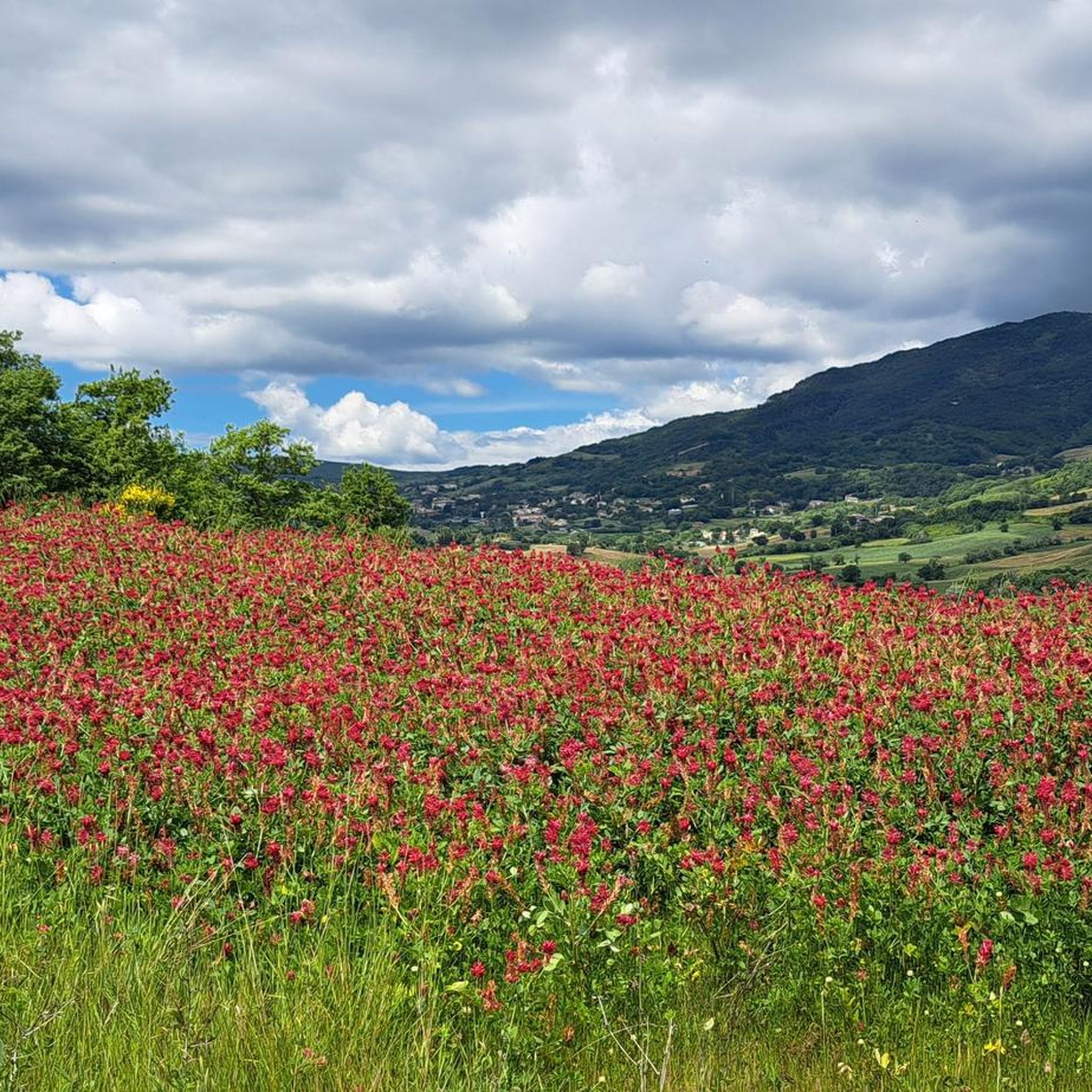
Hiking around Pietrarubbia offers diverse landscapes within the Sasso Simone and Simoncello Interregional Park. The region is characterized by varied terrain, including paved, unpaved, and asphalted paths, and features distinct reddish rock formations. Monte Carpegna, standing at 1415 meters, is a prominent feature providing elevated views. Natural water features like the Conca waterfalls and the notable Pietrafagnana rock formation also define the area's geology.
Best hiking trails around Pietrarubbia
- The most popular hiking route is Carpegna Memorial Stone – Trabocchino…
Last updated: August 23, 2026
4.5
(20)
32
hikers
5.18km
01:40
220m
220m
Easy hike. Great for any fitness level. Easily-accessible paths. Suitable for all skill levels.
4.4
(12)
31
hikers
8.71km
02:40
280m
280m
Hard hike. Good fitness required. Sure-footedness, sturdy shoes and alpine experience required.

Sign up for free
4.5
(13)
36
hikers
15.8km
04:50
530m
530m
Hard hike. Good fitness required. Sure-footedness, sturdy shoes and alpine experience required.
4.7
(10)
15
hikers
4.57km
01:34
240m
240m
Easy hike. Great for any fitness level. Easily-accessible paths. Suitable for all skill levels.
4.2
(6)
21
hikers
12.2km
03:43
420m
420m
Moderate hike. Good fitness required. Easily-accessible paths. Suitable for all skill levels.
Get access to more routes and recommendations from other explorers.
Sign up for free
Already have an account?
Our route recommendations are based on thousands of hikes, rides, and runs completed by other people on komoot.
Start today with a free account
Your next adventure awaits.
Login or Signup
Tips from the Community


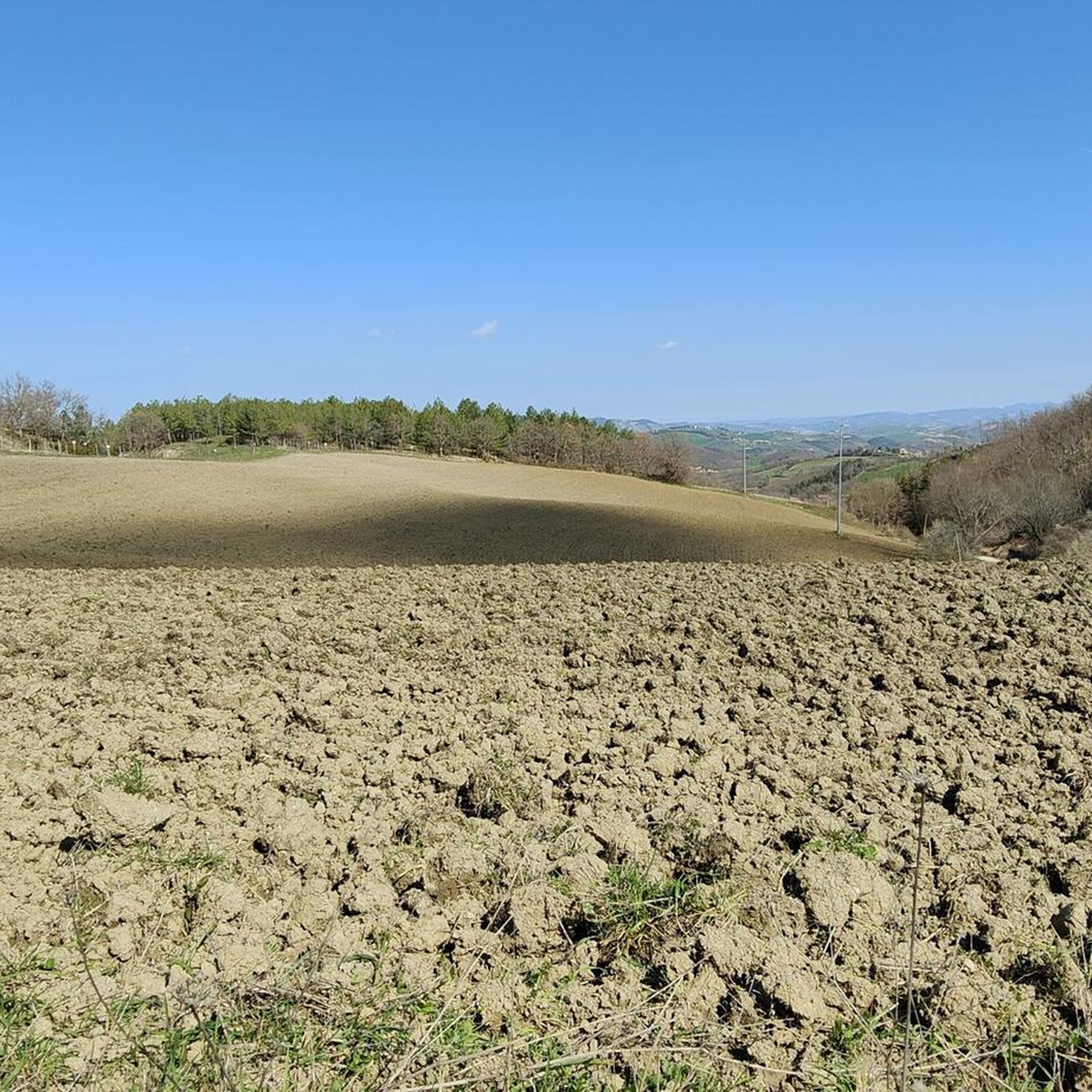
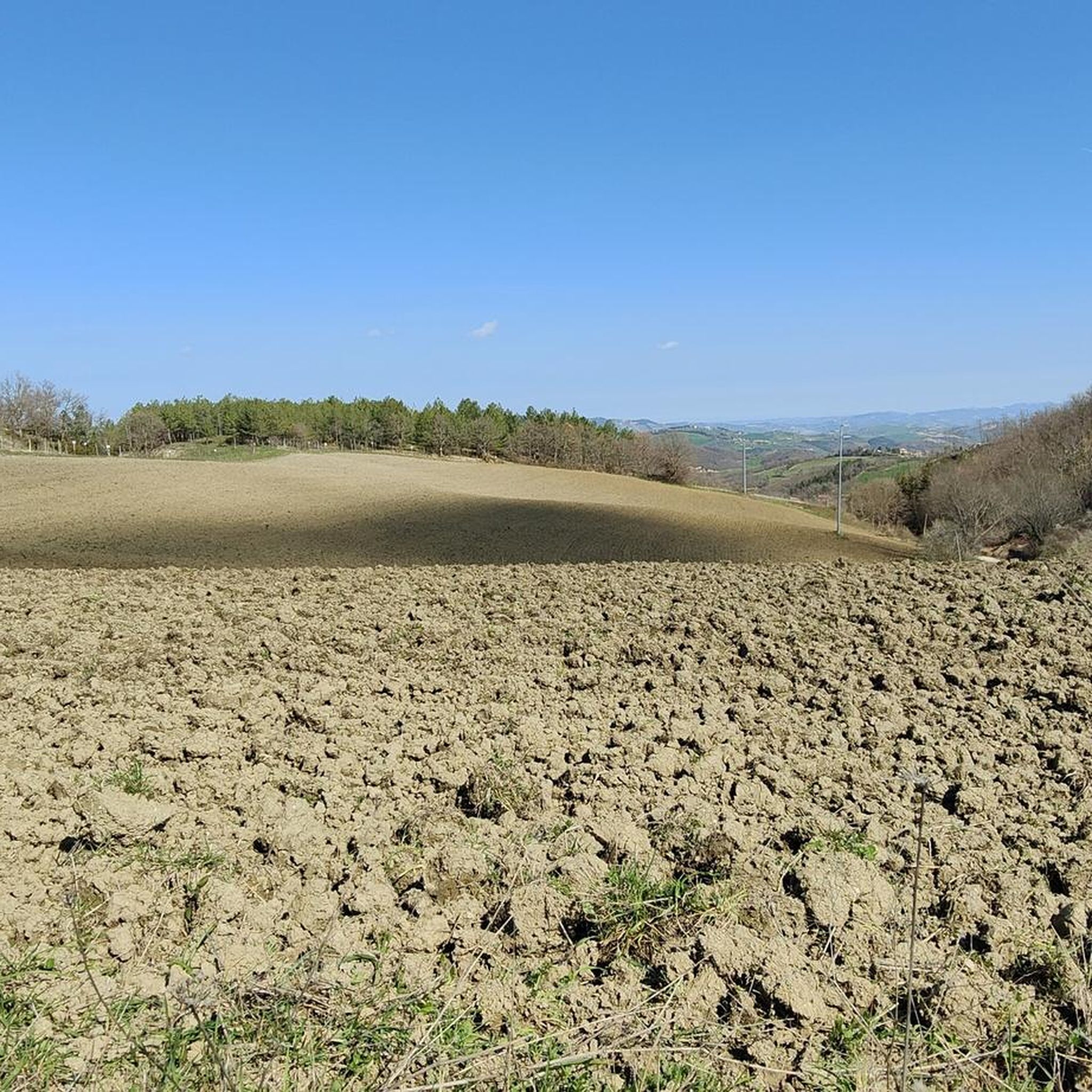
The tiny village of Pietarubbia is located on the slopes of Mount Carpegna in a quiet and panoramic position. It is one of the oldest fortified villages in Montefeltro and is dominated by a Castle of which only one tower remains today. The name derives from Pietra Rubea, meaning "red stone", due to the reddish color of the rocks on which it stands.
0
0

Perched on a rock overlooking the Apsa torrent valley, on the southern slopes of Mount Carpegna, the village of Pietrarubbia is one of the oldest (if not the oldest) of the entire Montefeltro, with its origins that can be dated around the year 1000 ... What is certainly certain is that the village belonged to the Counts of Carpegna as early as 1137, and was equipped with an imposing Castle that stood on a red stone rock (from which the name petra rubea derives, later becoming Pietrarubbia) overlooking the valley below, characterized by excellent natural defenses so much so that it was later called "castrum inexpugnabile". The Montefeltro family originated from a branch of the Counts of Carpegna family, which gradually extended its influence throughout the Duchy of Urbino, with Pietrarubbia playing the role of an important defensive bulwark ... In the following centuries Pietrarubbia was the scene of bloody battles, first between the Guelph and Ghibelline factions within the Montefeltro family, and then between the Montefeltros and the Malatestas, who fought for a long time for control of the Castle, which changed hands several times. ... The following centuries were certainly quieter than the era of great battles that had just ended, however Pietrarubbia, precisely because of its particular conformation that transformed it into an almost impregnable fortress, went through a phase of decline and progressive abandonment, as in a period of peace the defensive function of the Castle became superfluous, and the inhabitants gradually but inexorably moved towards the valley ... The ancient village was completely depopulated around 1960, going through a phase of further decline, interrupted in the last years of the last century thanks also to the intervention of the famous sculptor Arnaldo Pomodoro who, after having acquired the ownership of some of the most important buildings in the town, founded in 1990 the T.A.M., a school dedicated to the treatment of metals located right inside the historic center of Pietrarubbia. Nowadays the village is completely renovated and, although not permanently inhabited, it is very popular with tourists or simply curious people attracted by this place that presents itself as a real open-air museum. (Source: https://www.borghipesarourbino.it/castelli-e-rocche/pietrarubbia/ )
0
0
Pietrarubbia Castle is an ancient manor house located in the village of the same name, perched on a spur of red rock approximately 700-760 meters above sea level. Built by the Counts of Carpegna around the year 1100, the castle enjoyed excellent natural defenses and was called "impregnable castrum"
0
0

A beautifully created “sculpture” pays tribute to Marco Pantani on the land where he prepared.
3
1
Cippo di Carpegna (the name derives from the fact that this climb leads to the locality of the same name, so called due to the presence of a cippus erected there in memory of Sandro Italico Mussolini.
1
0
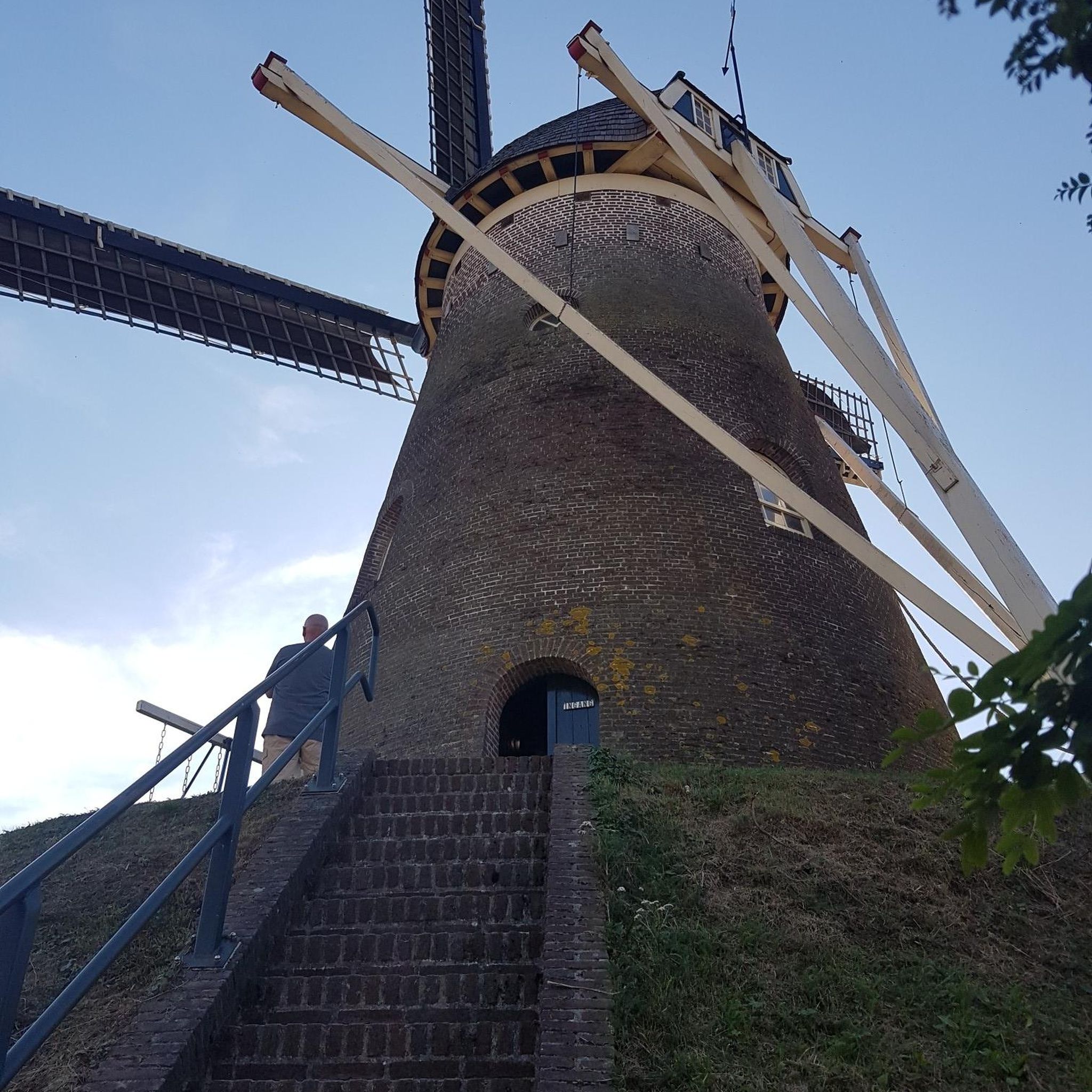
The name Monteboaggine means "Mount of oxen" due to the grazing of cattle that has been practiced in this area since ancient times. A pearl of the place is the ancient castle of Monteboaggine, of which the bell tower and some traces of the ancient village and church remain today.
1
0
Frequently Asked Questions
How many hiking trails are available around Pietrarubbia?
Pietrarubbia offers a wide variety of hiking experiences, with over 180 routes available. These trails cater to different skill levels, including easy walks, moderate treks, and more challenging hikes.
Are there easy hiking trails suitable for beginners or families in Pietrarubbia?
Yes, Pietrarubbia has nearly 50 easy hiking trails. An excellent option for a relaxed walk is the Conca Cascades – Conca Waterfalls loop from Villagrande, which is 3.2 miles (5.2 km) long and explores natural water features.
What kind of natural features can I expect to see on hikes in Pietrarubbia?
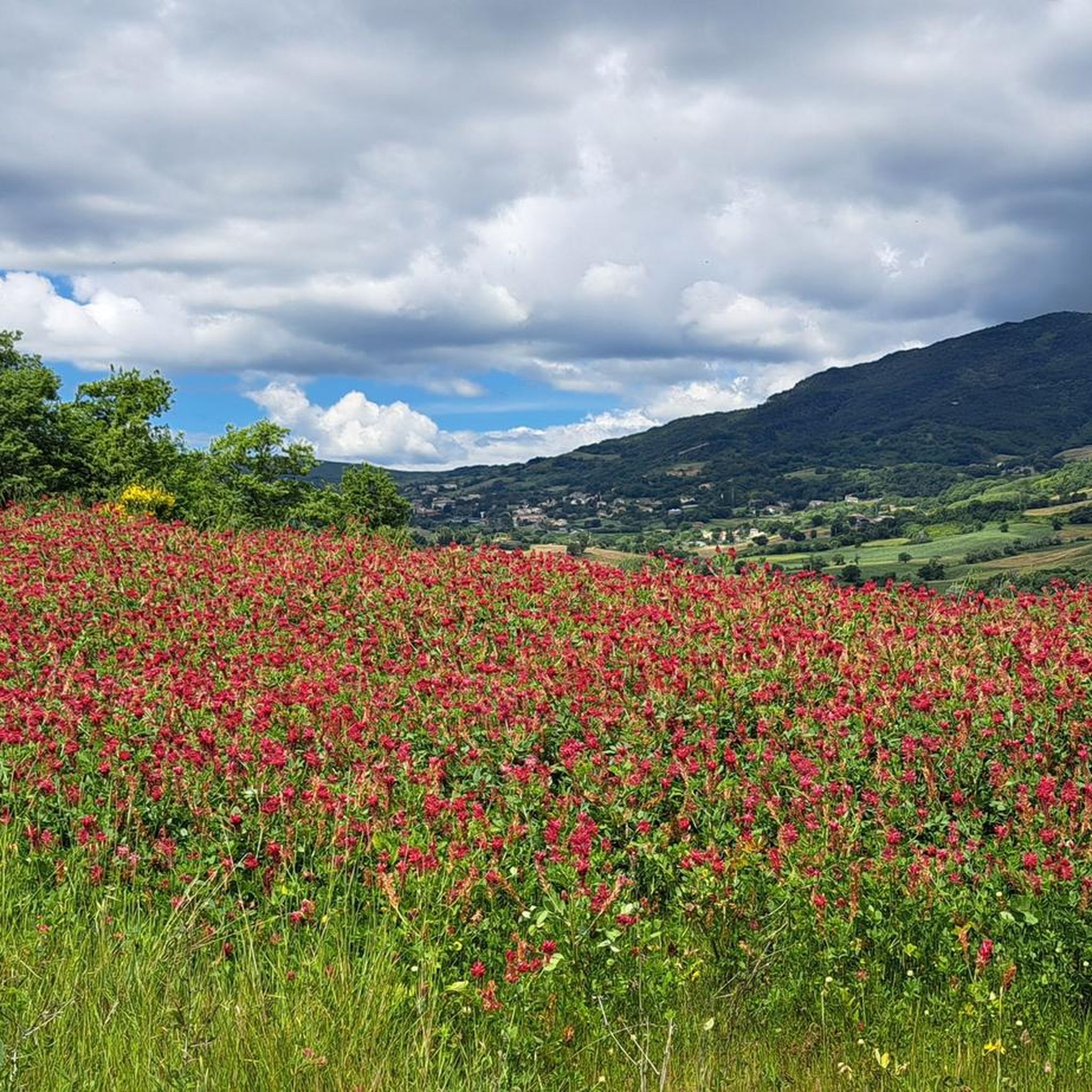
The region is rich in natural beauty. You'll encounter varied terrain, from paved to unpaved paths, and the distinct reddish hue of local rocks, which gives Pietrarubbia its name. Prominent features include Monte Carpegna, the highest mountain in the area, and the special rock formation known as Pietrafagnana. The Conca Cascades – Conca Waterfalls loop from Villagrande is a great way to experience some of the area's water features.
Are there any challenging hikes for experienced trekkers?
Absolutely. For experienced hikers, there are over 40 difficult routes. A challenging option is the Carpegna Memorial Stone – Trabocchino Pass loop from Carpegna, a 3.6-mile (5.7 km) trail with significant elevation gain. Another difficult route is the Ponte Cappuccini Convent – Pietrafagnana rock formation loop from Pietrarubbia.
What are some notable landmarks or points of interest to see while hiking?
Hikers can explore several significant landmarks. The historic hamlet of Pietrarubbia itself, with its ancient castle, is a key destination. You can also find the special rock formation of Pietrafagnana, and explore trails leading to mountain passes like Passo Marco Pantani and Trabocchino Pass. The Summit of Monte Carpegna offers magnificent views.
Are there any circular hiking routes in Pietrarubbia?
Yes, many of the trails around Pietrarubbia are designed as loops, allowing you to start and end in the same location. Examples include the Marco Pantani Pass – Carpegna Stables Spring loop from Carpegna and the Carpegna Memorial Stone – Carpegna Stables Spring loop from Carpegna.
What do other hikers say about the trails in Pietrarubbia?
The hiking routes in Pietrarubbia are highly regarded by the komoot community, holding an average rating of 4.5 stars from over 800 reviews. Hikers often praise the diverse landscapes, the serene atmosphere, and the variety of trails suitable for different abilities.
Is Pietrarubbia suitable for dog-friendly hiking?
The Interregional Natural Park of Sasso Simone e Simoncello, where Pietrarubbia is located, generally welcomes dogs on trails. However, it's always recommended to keep dogs on a leash, especially in protected areas, and to check for any specific local regulations or signage on individual trails.
What is the best time of year to go hiking in Pietrarubbia?
Pietrarubbia offers hiking opportunities throughout much of the year. Spring and autumn generally provide pleasant temperatures and beautiful scenery, with vibrant foliage or blooming wildflowers. Summer can be warm, but higher elevation trails offer cooler conditions. Winter hiking is possible, but some trails may be affected by snow or ice, particularly on Monte Carpegna.
Are there places to eat or stay near the hiking trails in Pietrarubbia?
While the focus of the area is on natural beauty, the historic hamlet of Pietrarubbia and nearby villages offer options for cafes, pubs, and restaurants. Accommodation is also available in the vicinity, ranging from agriturismos to small hotels, providing convenient bases for exploring the trails.
Is public transport available to reach hiking trailheads in Pietrarubbia?
Public transport options to specific trailheads within the Interregional Natural Park of Sasso Simone e Simoncello can be limited. It is often more convenient to reach many starting points by car. However, local bus services may connect Pietrarubbia to larger towns, from which you might need to arrange further transport or walk to trailheads.
Where can I find parking for hiking trails in Pietrarubbia?
Many trailheads, especially those near villages like Pietrarubbia or Carpegna, offer designated parking areas. It's advisable to check the specific route details on komoot for information on parking availability at the start of your chosen trail.
Most popular attractions around Pietrarubbia

Get inspired with the komoot mobile app


Explore more
Browse the best Hikes in other regions.
