Top 9 Castles around Cattolica
Best castles around Cattolica are found in its immediate surroundings, offering rich history and architectural marvels. Located on the Adriatic coast, Cattolica serves as a gateway to numerous medieval fortifications and villages. The region features a landscape of coastal views and inland hills, providing strategic locations for historical strongholds. These sites reflect centuries of defensive architecture and cultural development in the Romagna and Marche regions.
Best castles around Cattolica
- The most popular castles is Fiorenzuola di Focara, a settlement that is a medieval village with views of the Adriatic Sea in the Monte San Bartolo natural park. Its historical significance as a defensive outpost makes it notable.
- Another must-see spot is San Clemente Historic Center, a historical site with well-preserved Malatesta-era walls and bastions. Visitors can expect to see a characteristic medieval aspect, including the central church and Piazza Mazzini.
- Visitors also love Saludecio, a medieval village with fortified walls and two 14th-century access gates. Its unique murals depicting 19th-century inventions and elevated position with views of the Valconca valley make it special.
- Cattolica is known for medieval fortresses, fortified rural estates, and picturesque fortified villages. The area offers a variety of castles to see and explore, from coastal strongholds to inland defensive structures.
- The castles around Cattolica are appreciated by the komoot community, with more than 240 upvotes and over 100 photos shared.
Last updated: October 17, 2026
Fiorenzuola di Focara
Highlight • Settlement
Translated by Google •
Tip by

Gradara
Highlight • Castle
The imposing structure is protected by two city walls, the extreme being almost 800 meters long. Particularly striking is the view of the rock and the underlying historic village at night.
The castle is state owned and is one of the most visited attractions in the region. The castle is the scene of a museum and various musical and artistic events.
Translated by Google •
Tip by

Sign up now to discover places like this
Get recommendations on the best single tracks, peaks, & plenty of other exciting outdoor places.
San Clemente Historic Center
Highlight • Historical Site
Translated by Google •
Tip by

Saludecio
Highlight • Settlement
Translated by Google •
Tip by

Agolanti Castle
Highlight • Castle
Translated by Google •
Tip by

Sign up for free to discover even more castles around Cattolica.
Already have an account?
Start today with a free account
Your next adventure awaits.
Popular around Cattolica
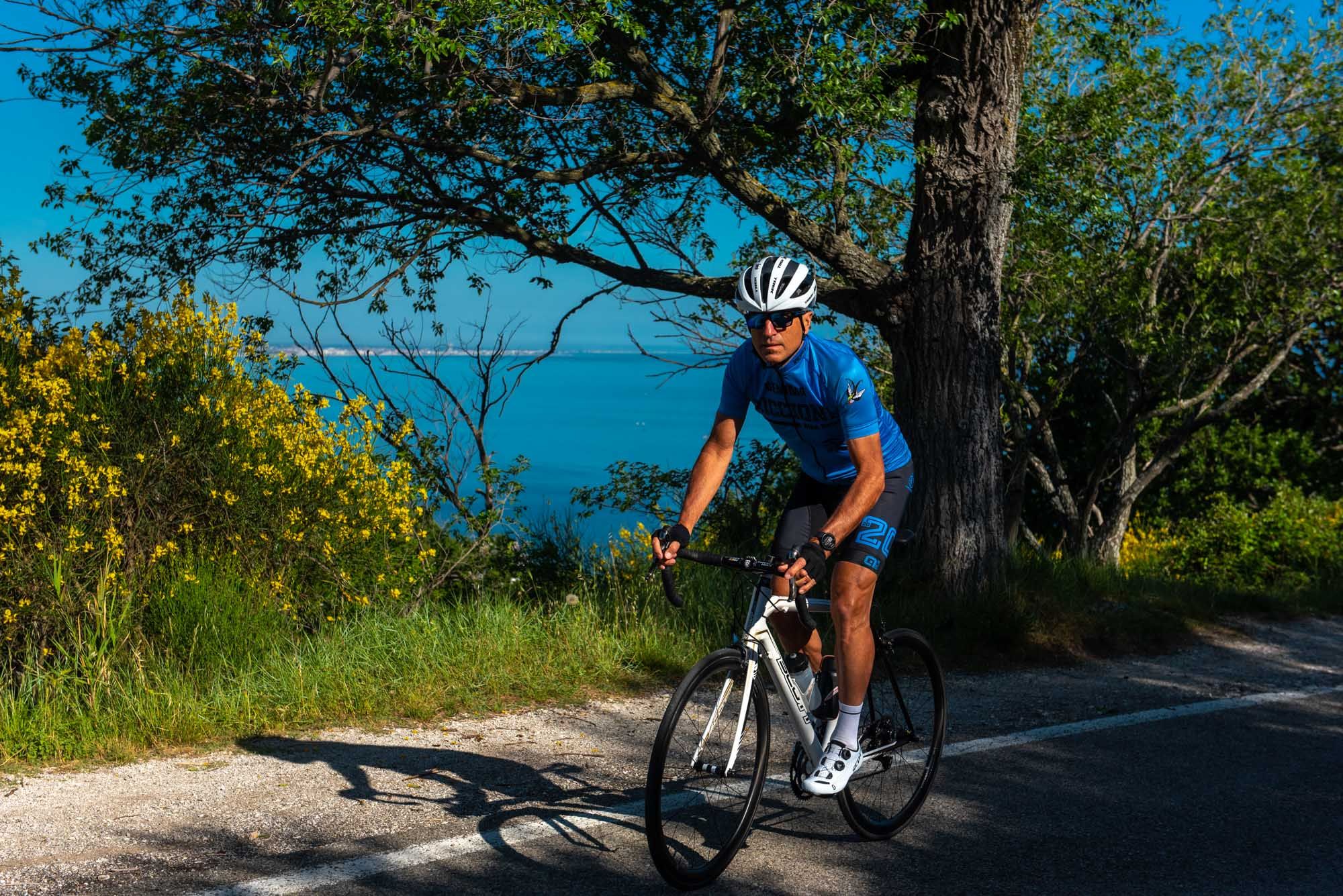
Explore Romagna on eight medium-difficulty rides
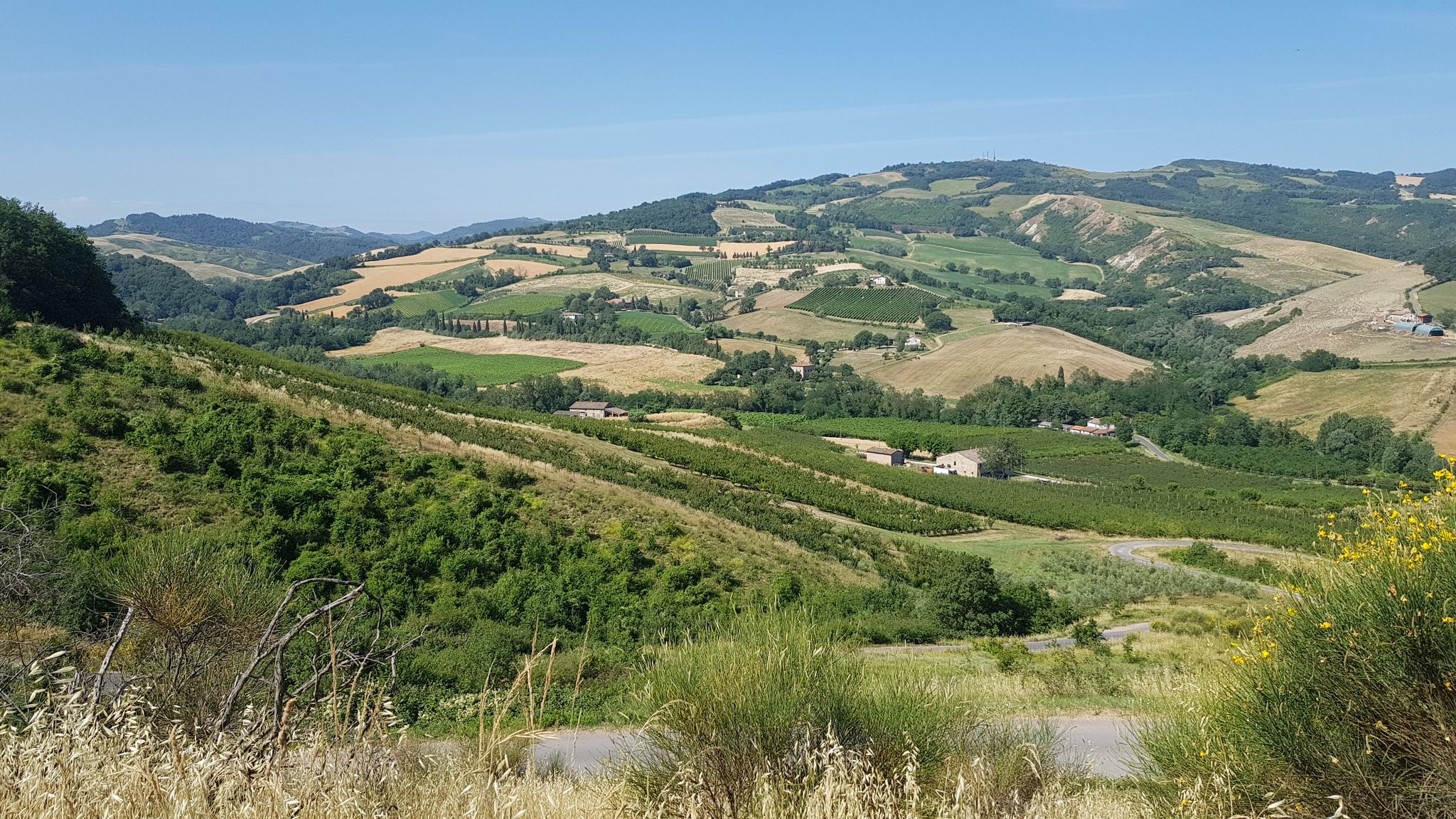
Preappennino 15K – a hilly crossing from Cattolica to Piacenza
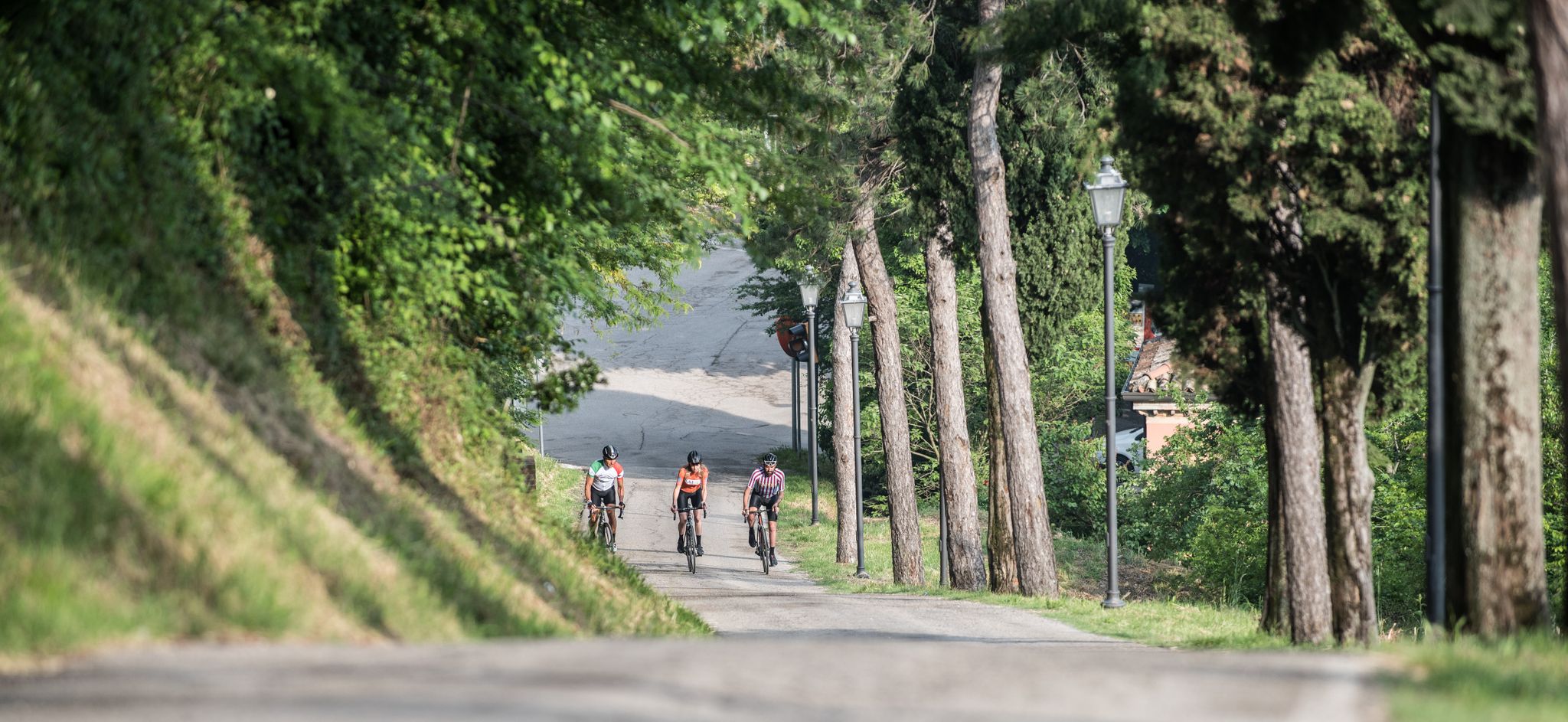
Enjoyment, culture and nature – cycling Tours in Italy’s Emilia Romagna region
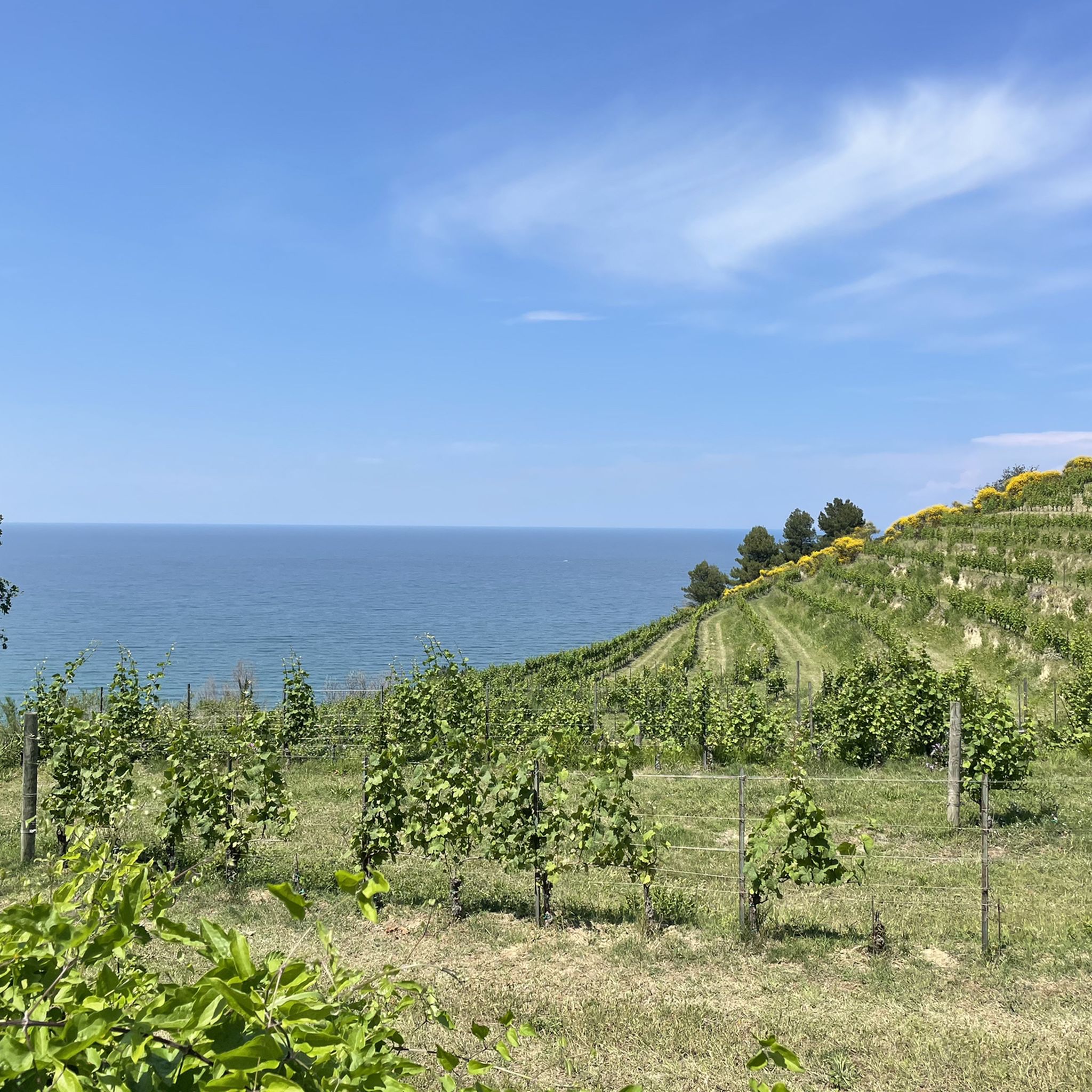
Road Cycling Routes around Cattolica
Cycling around Cattolica
Running Trails around Cattolica
Hiking around Cattolica
MTB Trails around Cattolica

Gravel biking around Cattolica
Other adventures around Cattolica


Tips from the Community

It tells of an older page of the city; the building linked to the Agolanti family dates back to the first half of the 14th century, is located on a hilly position a short distance from the crowded center and returns a different image from the more seaside and chaotic Riccione.
0
0

The castle preserves original furnishings, 15th-century frescoes, and a chapel with terracotta altarpieces. The structure is famous for its connection to the story of Paolo and Francesca, the two lovers mentioned by Dante in the Divine Comedy. The village is known for its double ring of walls and drawbridge, examples of medieval military architecture. The interior houses the courtyard of honor, the torture chambers, and the room attributed to the betrayal of the two young people.
2
0

Entering the medieval village of Gradara has its own charm...
2
0
Saludecio is registered in the Italian Association of Painted Villages because of the 50 splendid murals that color its streets.
0
0

Dating back to the Malatesta era and still well preserved today, the village of San Clemente is one of the best destinations in the Romagna hinterland. The walls and bastions are clearly visible, enclosing the center of the village as they once did. Not far away is also Castelleale, commissioned in 1388 by Leale Malatesta, bishop of Rimini.
0
0

The Castello degli Agolanti or Tomba takes its name from the noble Florentine family in exile who had it built in the first half of the 14th century, probably on a pre-existing building. The building is described in documents of the time as a valuable fortification. Its history is linked to the Agolanti until the 18th century. Due to its important strategic position, the building represented a privileged observation point and outpost, so much so that in 1743, on the orders of General Lobkowitz, it was transformed into the headquarters of the Austrian army. The Municipality of Riccione carried out a major renovation of the building, which was given new life as a cultural container, while preserving its historical and environmental value. https://www.comune.riccione.rn.it/tematiche/Musei-di-Riccione/castellodegliagolanti
1
0

Small village overlooking the sea
1
0

The Agolanti castle is a fine example of a 14th century fortress. It can be reached with a short walk inside the park of the same name. An evocative and unusual place in the city of Riccione.
1
0
Frequently Asked Questions
What are some of the most historically significant castles and fortified villages near Cattolica?
The region around Cattolica is rich in history. Gradara Castle is renowned for its well-preserved medieval architecture and the tragic love story of Paolo and Francesca. The San Clemente Historic Center showcases well-preserved Malatesta-era walls, while Saludecio is a medieval village with fortified walls and a history tied to the Malatesta family.
Which castles near Cattolica offer the best panoramic views?
For breathtaking vistas, Fiorenzuola di Focara, perched in the Monte San Bartolo Natural Park, provides stunning views of the Adriatic Sea. Castello Degli Agolanti also offers panoramic views of the Adriatic coast from its hillside location above Riccione. You can also walk along the fortified walls of Gradara Castle for sweeping views of the countryside and the sea.
Are there family-friendly castles around Cattolica?
Yes, several castles and fortified villages are suitable for families. Gradara Castle, Castello Degli Agolanti, Saludecio, Fiorenzuola di Focara, and San Clemente Historic Center are all categorized as family-friendly. They offer engaging historical exploration, open spaces, and charming village environments.
What makes Gradara Castle particularly famous?
Gradara Castle is most famous as the setting for the tragic love story of Paolo and Francesca, immortalized by Dante Alighieri in his *Divine Comedy*. This legend gives the castle a unique romantic and melancholic atmosphere. Beyond the legend, its exceptionally well-preserved medieval architecture and extensive fortifications also contribute to its fame.
Are any castles near Cattolica accessible for visitors with mobility challenges?
Castello Degli Agolanti in Riccione is partially accessible, featuring ramps and barrier-free paths to its main exhibition areas and gardens. For other sites, it's advisable to check specific accessibility details beforehand, as many medieval structures may have uneven terrain or stairs.
What outdoor activities can I do near the castles around Cattolica?
The area around Cattolica offers various outdoor activities. You can find numerous cycling and mountain biking routes that pass by or near these historical sites. For example, there's a 'Gradara Castle – Porta Marina of Saludecio' route for moderate mountain biking, and a 'San Clemente Historic Center – Eco Via Nature Trail' route for gravel biking. You can explore more options in the MTB Trails around Cattolica and Gravel biking around Cattolica guides.
Are there unique cultural experiences at castles or fortified villages near Cattolica?
Yes, Castello Degli Agolanti has transformed into a vibrant cultural venue, hosting art exhibitions, musical performances, and historical reenactments. The village of Saludecio is known as a 'painted village' with over 50 murals depicting 19th-century inventions, creating an open-air art gallery and hosting an annual '800 Festival'.
What is the best time of year to visit the castles near Cattolica?
The spring (April-May) and autumn (September-October) months are generally ideal for visiting the castles. The weather is pleasant for exploring, and the crowds are typically smaller than during the peak summer season. Summer can be hot, but many sites offer cultural events and longer opening hours.
Can I find cafes or dining options near the castles?
Many of the fortified villages, such as Gradara and Saludecio, have charming historic centers with local cafes, restaurants, and shops where you can enjoy traditional Romagnola cuisine and refreshments. These villages are often designed for visitors to spend time exploring and dining.
How difficult are the visits to castles near Cattolica?
The difficulty varies. Many castles and fortified villages involve walking on cobblestone streets, uneven terrain, and sometimes stairs, especially if you wish to explore towers or fortified walls. Sites like Saludecio and Fiorenzuola di Focara are situated on hills, requiring some uphill walking to reach them. Generally, a moderate level of fitness is recommended for a comfortable visit.
Are there any fortified structures within Cattolica itself?
Within Cattolica, you can find the Rocca Malatestiana and the Torre Malatestiana. Both date back to around 1490-91 and served defensive purposes. However, they are now privately owned and primarily visible from the exterior, offering a glimpse into Cattolica's historical past rather than extensive internal tours.
Most popular routes around Cattolica
Most popular attractions around Cattolica

Get inspired with the komoot mobile app


Explore more
Looking for the best castles somewhere else? Discover other guides around Cattolica:
