Attractions and Places To See around Pontinia - Top 20
Best attractions and places to see around Pontinia include a blend of historical significance, cultural sites, and natural beauty. This town in the Lazio region of Italy is notable for its rationalist architectural style, stemming from its foundation in 1934 as part of a land reclamation project. The surrounding area features extensive natural landscapes, including coastal lakes and the fertile Pontine Plain, offering diverse exploration opportunities. Visitors can discover ancient landmarks, unique natural formations, and museums detailing the region's history…
Last updated: June 24, 2026
Fossanova Abbey
Highlight • Religious Site
Translated by Google •
Tip by

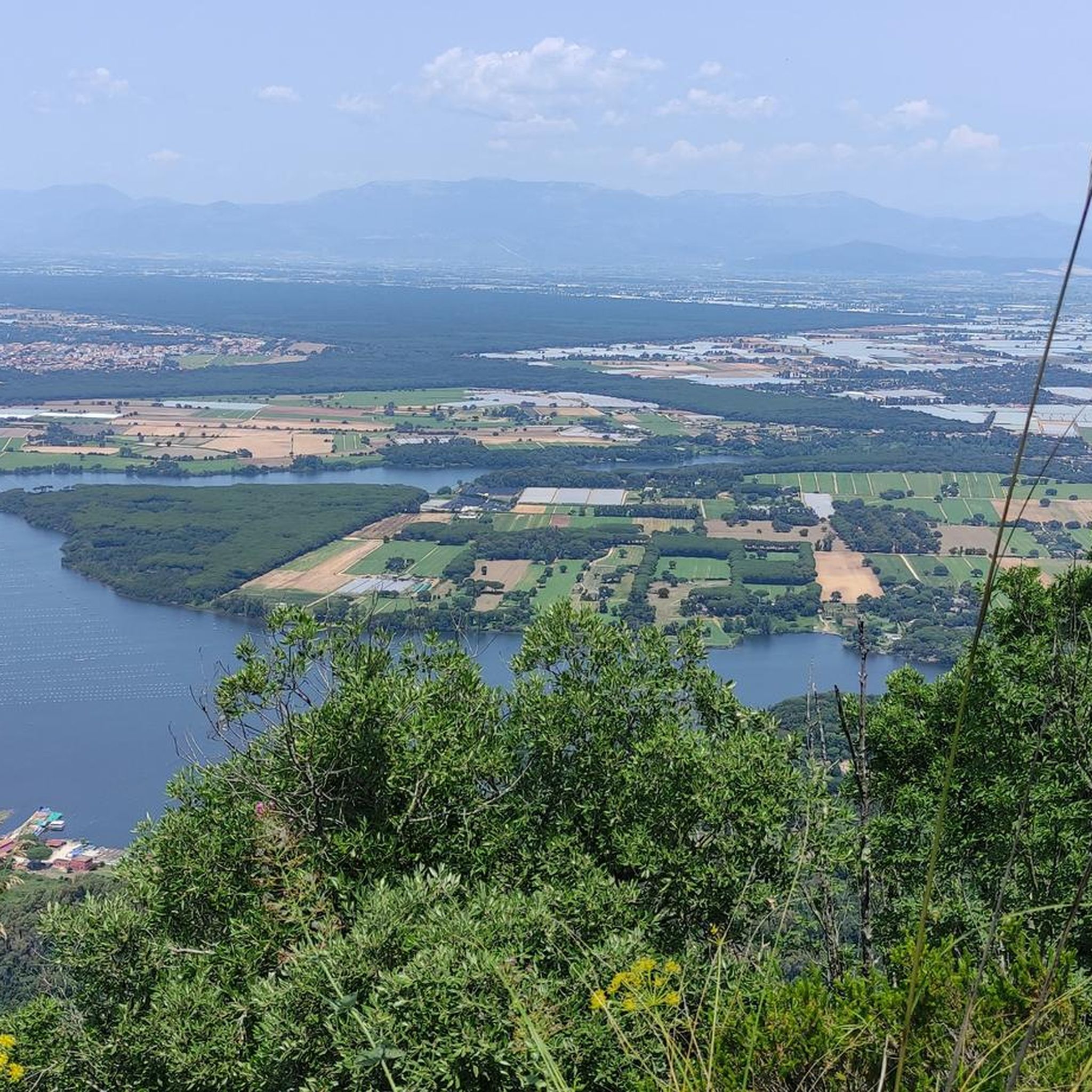
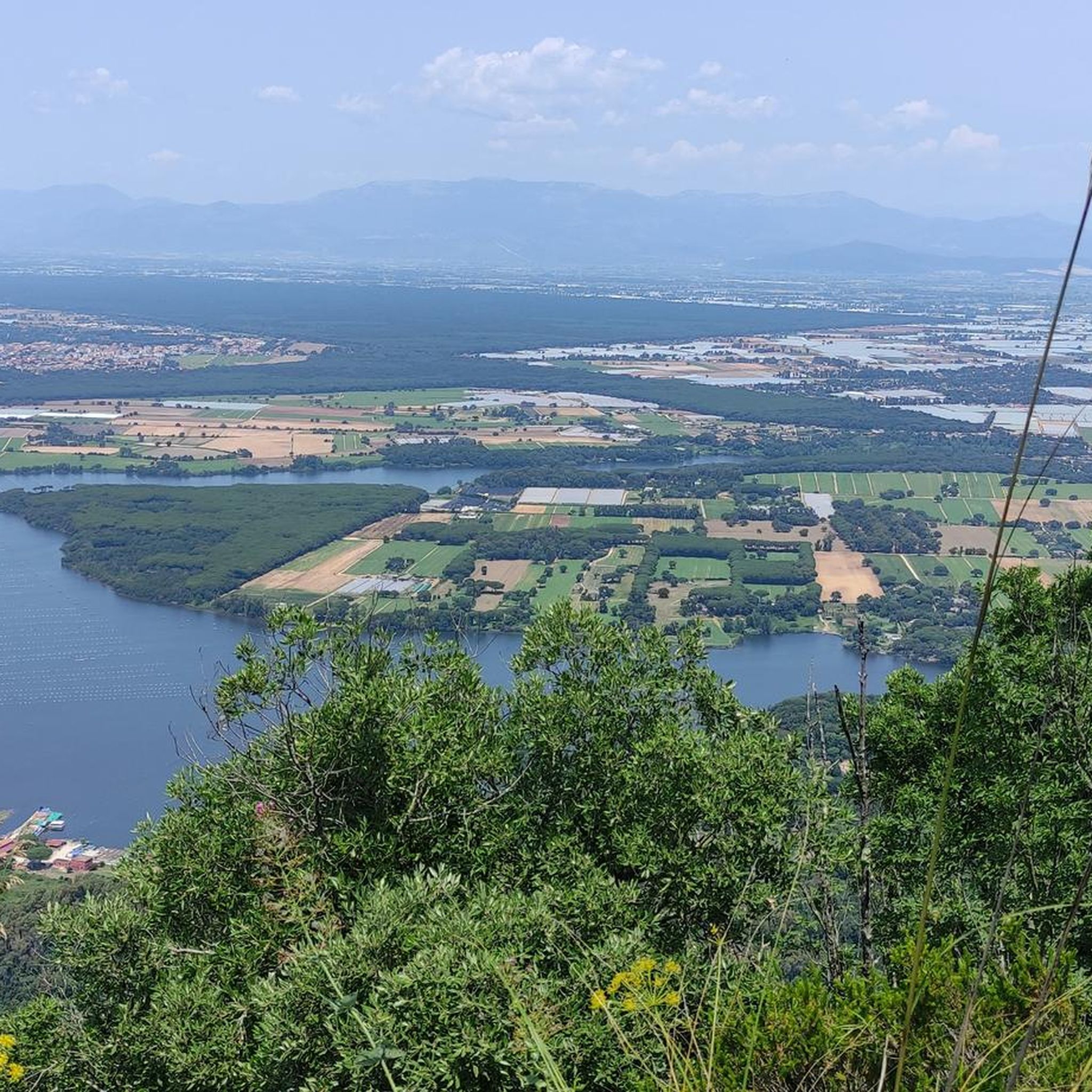
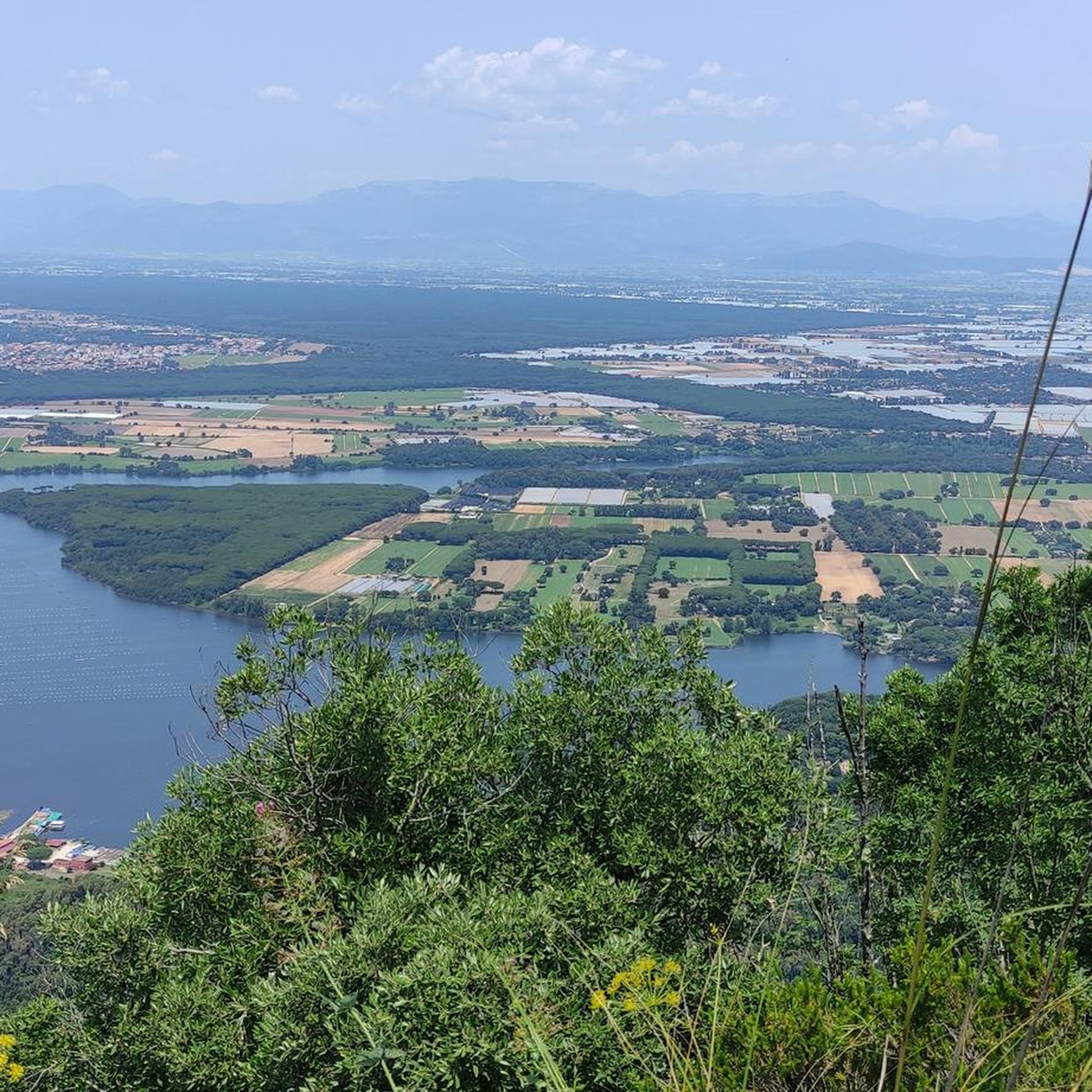
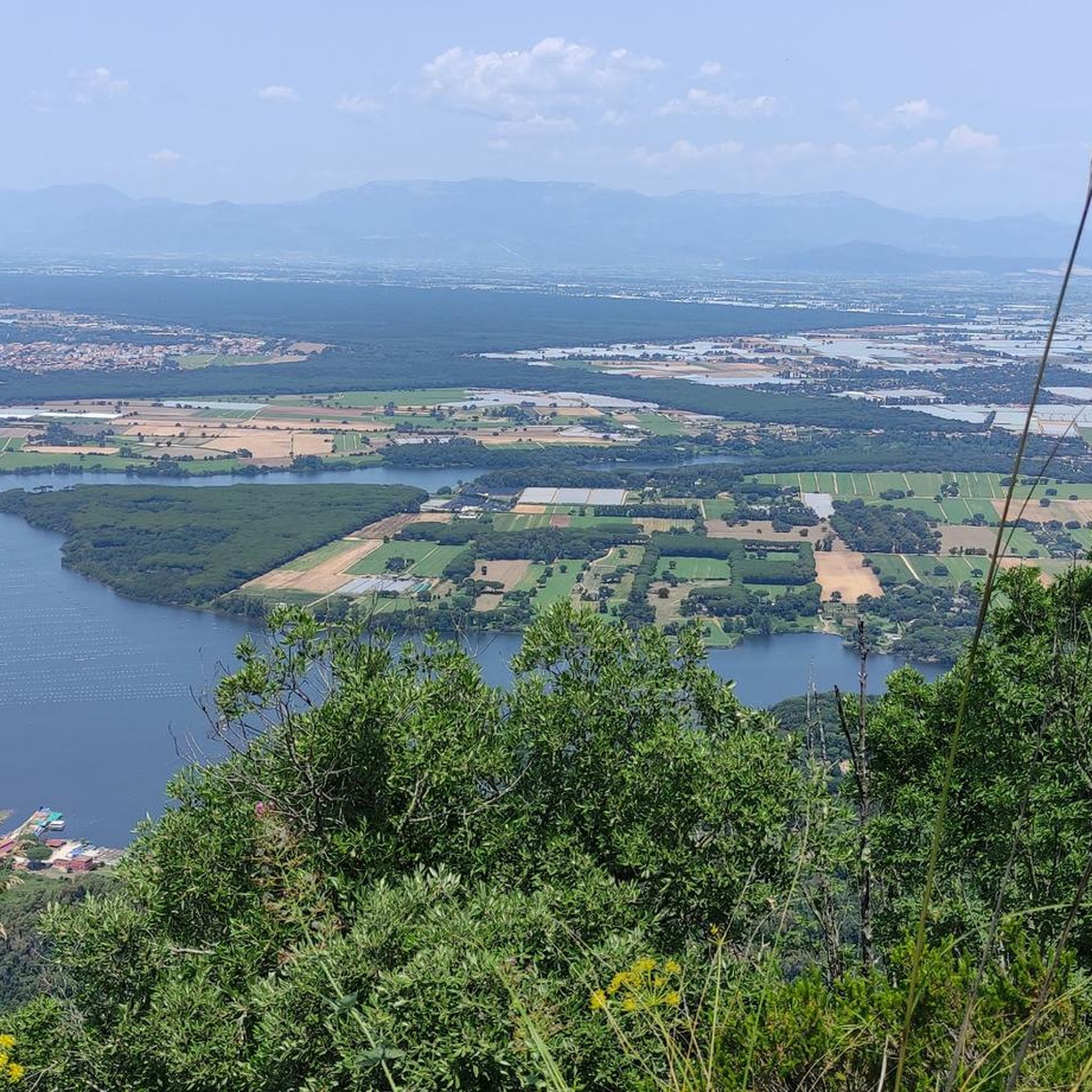
Lake Fogliano
Highlight • Lake
Translated by Google •
Tip by

Sign up now to discover places like this
Get recommendations on the best single tracks, peaks, & plenty of other exciting outdoor places.
Sign up for free
Verdesca Pool
Highlight • Natural Monument
Translated by Google •
Tip by

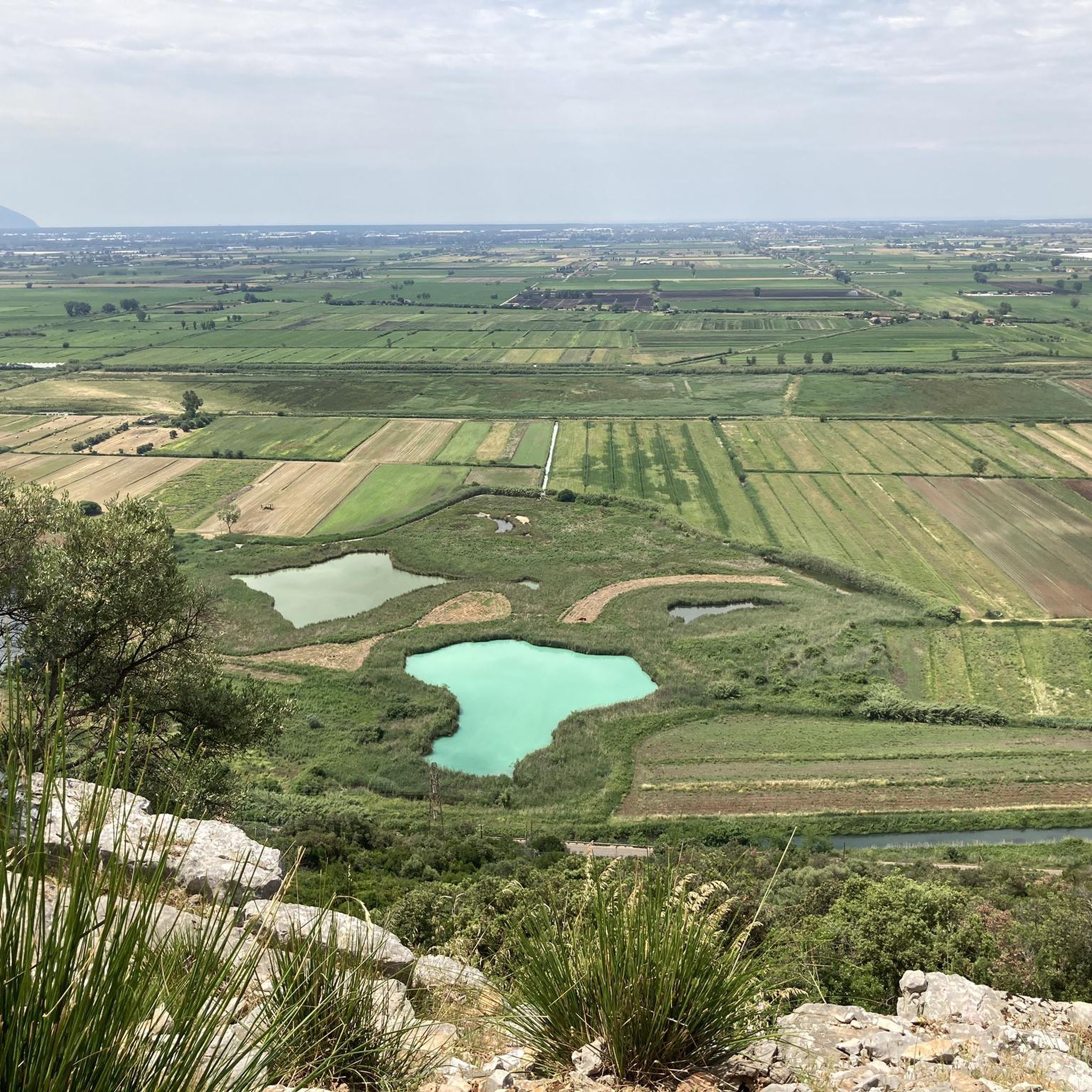
Lakes of Gricilli
Highlight • Lake
Translated by Google •
Tip by

Campo Soriano Karst Rock Formation
Highlight • Natural Monument
Translated by Google •
Tip by

Sign up for free to discover even more attractions around Pontinia.
Sign up for free
Already have an account?
Start today with a free account
Your next adventure awaits.
Login or Signup
Tips from the Community

For those who live in the area, they are perhaps just rocks. A closer look instead notes the history of our territory. It is definitely worth at least one visit. The place is welcoming with benches, tables and educational panels. Going down towards Terracina, a magnificent panorama opens up.
0
0

A new wooden bridge to observe the marsh area more safely.
1
0

It is not possible to travel the entire route, but the part from Villa Fogliano to Sabaudia is worth the trip alone!
1
0
In some places the marsh habitat is the same as before the reclamation
1
0
The Cistercian abbey where Saint Thomas Aquinas died, located not far from the Via Appia and the Via Francigena, the roads that connected Rome with the East and Jerusalem in the medieval period.
2
0
A beautiful reconstruction of the original marshy environment, a wonderful ecosystem rich in biodiversity. To be visited preferably in spring and in very rainy periods.
1
0

Fossanova Monastery is a former Benedictine abbey, then a Cistercian and later a Carthusian monastery, and today a Franciscan convent. The monastery is an Italian national monument. The monastery church can be visited, as can the museum.
2
0

It is a true "jewel" of history and nature set in the Circeo National Park. Anyone can get more in-depth information by searching for it on the internet, here it is sufficient to know that the village of Fogliano today represents a significant example of conservation and enhancement of the natural and cultural heritage. Managed by the Forestry Carabinieri, the village represents an area dedicated to the protection of biodiversity and the protection of the natural environment. The area, now owned by the State, includes the Circeo state forest and various spaces dedicated to teaching and environmental research. Among the most important structures is the Center for the care and rehabilitation of injured wildlife, a fundamental facility for the recovery and rehabilitation of injured wild animals.
1
0
Frequently Asked Questions
What kind of natural landscapes can I explore around Pontinia?
The Pontinia area is rich in natural beauty. You can visit the extensive Lake Fogliano, one of the largest coastal lakes in the Pontine region, or the unique Lakes of Gricilli, known for their sky-blue sulphurous waters. The Campo Soriano Karst Rock Formation offers an extraordinary geological landscape within the Regional Natural Park of Monti Ausoni and Lago di Fondi. Additionally, the Verdesca Pool is a natural monument surrounded by lush nature.
Are there any historical landmarks or cultural sites to visit in Pontinia?
Pontinia itself is a 'City of Foundation' with notable rationalist architecture. Key historical sites include the 12th-century Torre Acquapuzza, the Roman Statio Ad Medias (Mesa di Pontinia) with its ancient milestones, and the Ex Torre Idrica, a restored rationalist water tower now housing the Museo Agro Pontino. The town's original urban core, including the Town Hall and Parish Church of S. Anna, also showcases this unique architectural style. Nearby, the Fossanova Abbey is a significant example of Gothic-Cistercian art.
What outdoor activities can I do near Pontinia's attractions?
The region around Pontinia offers various outdoor activities. You can find numerous cycling routes, including a moderate touring bicycle route through the Circeo National Park, between lakes and woods. For mountain biking, there are challenging trails like the Pisco Montano loop or a moderate route through the Selva di Circeo Nature Reserve. Road cyclists can enjoy routes like the Ascent to Campo Soriano or a scenic ride to the Sabaudia Coastal Road. You can explore more options on the dedicated guides for Cycling around Pontinia, MTB Trails around Pontinia, and Road Cycling Routes around Pontinia.
Are there family-friendly attractions around Pontinia?
Yes, several attractions are suitable for families. The Fossanova Abbey offers a pleasant historical site with amenities like a coffee shop. Natural spots like Lake Fogliano, Verdesca Pool, and the Lakes of Gricilli are great for nature walks and exploration. The Campo Soriano Karst Rock Formation also has benches, tables, and educational panels, making it accessible for families. Additionally, the Park of the Continents botanical theme park is designed to engage visitors of all ages with diverse flora and recreated environments.
What is the best time of year to visit Pontinia for outdoor activities?
The Lazio region, where Pontinia is located, generally experiences mild winters and hot summers. Spring (April to June) and autumn (September to October) are typically the most pleasant seasons for outdoor activities, offering comfortable temperatures for exploring natural sites and historical landmarks without the intense summer heat. During these periods, the natural landscapes are vibrant, and conditions are ideal for cycling and walking.
Where can I find unique natural swimming spots near Pontinia?
The Lakes of Gricilli, also known as 'Fontana di Muro,' offer pure and clear spring-fed waters, ideal for relaxing and cooling off on warmer days. This area is part of an uncontaminated natural environment at the foot of the Lepini mountains. While not explicitly for swimming, the coastal lakes within Circeo National Park, such as Lago di Paola and Lago di Fogliano, provide beautiful natural settings.
What are some hidden gems or lesser-known places to visit around Pontinia?
Beyond the main highlights, consider visiting the Museo delle Arti e Tradizioni Contadine in the Baronial Palace, which offers a glimpse into rural life. The Pinacoteca Civica d'Arte Moderna showcases modern and contemporary art. For a unique historical perspective, the Museum of Malaria and its History, located in the Casa della Cultura, details the region's land reclamation efforts. The Mausoleo di Clesippo, an ancient Roman mausoleum, also offers a quiet historical discovery.
What do visitors enjoy most about the attractions around Pontinia?
Visitors frequently appreciate the blend of history and nature. For instance, Fossanova Abbey is loved for its historical significance and pleasant atmosphere, often noted as a great spot for a coffee. Natural areas like the Lakes of Gricilli are praised for their unique sky-blue waters and the opportunity to cool off. The Campo Soriano Karst Rock Formation is valued for its extraordinary beauty and educational panels, offering insights into the territory's history.
Are there any significant national parks or protected areas nearby?
Yes, the extensive Parco Nazionale del Circeo (Circeo National Park) is located very close to Pontinia. This park features over 20 kilometers of dunes, four coastal lakes (including Lago di Paola and Lake Fogliano), vast forests, and diverse plant and animal species. It also contains historical sites like the Villa of Domitian. The Regional Natural Park of Monti Ausoni and Lago di Fondi, home to the Campo Soriano Karst Rock Formation, is another important protected area.
Can I find examples of rationalist architecture in Pontinia?
Absolutely. Pontinia was founded in 1934 as part of a land reclamation project, making it a prime example of a 'City of Foundation' with a distinct rationalist architectural style. Key buildings like the Town Hall, Post Office, Cinema-Theatre, and the Casa del Fascio (now Casa della Cultura) form the original urban core and showcase these essential features. The Ex Torre Idrica, a former water tower, is another striking example that has been restored and now serves as an exhibition space.
What museums are available in Pontinia that focus on the region's history and culture?
Pontinia offers several museums that delve into its unique history and cultural heritage. The Museo Agro Pontino (MAP), housed in the Ex Torre Idrica, focuses on the land reclamation efforts and the cultural insights of the Agro Pontino region. The Museo delle Arti e Tradizioni Contadine displays objects related to rural life, while the Museum of Malaria and its History explores the eradication efforts during the reclamation of the Pontine Marshes. The Pinacoteca Civica d'Arte Moderna also features works by modern and contemporary artists.
Most popular attractions around Pontinia

Get inspired with the komoot mobile app


Explore more
Still not found the Highlight you’re looking for? See guides of the top attractions in other regions:
