The best road cycling routes around Castelforte
4.3
(64)
859
riders
53
rides
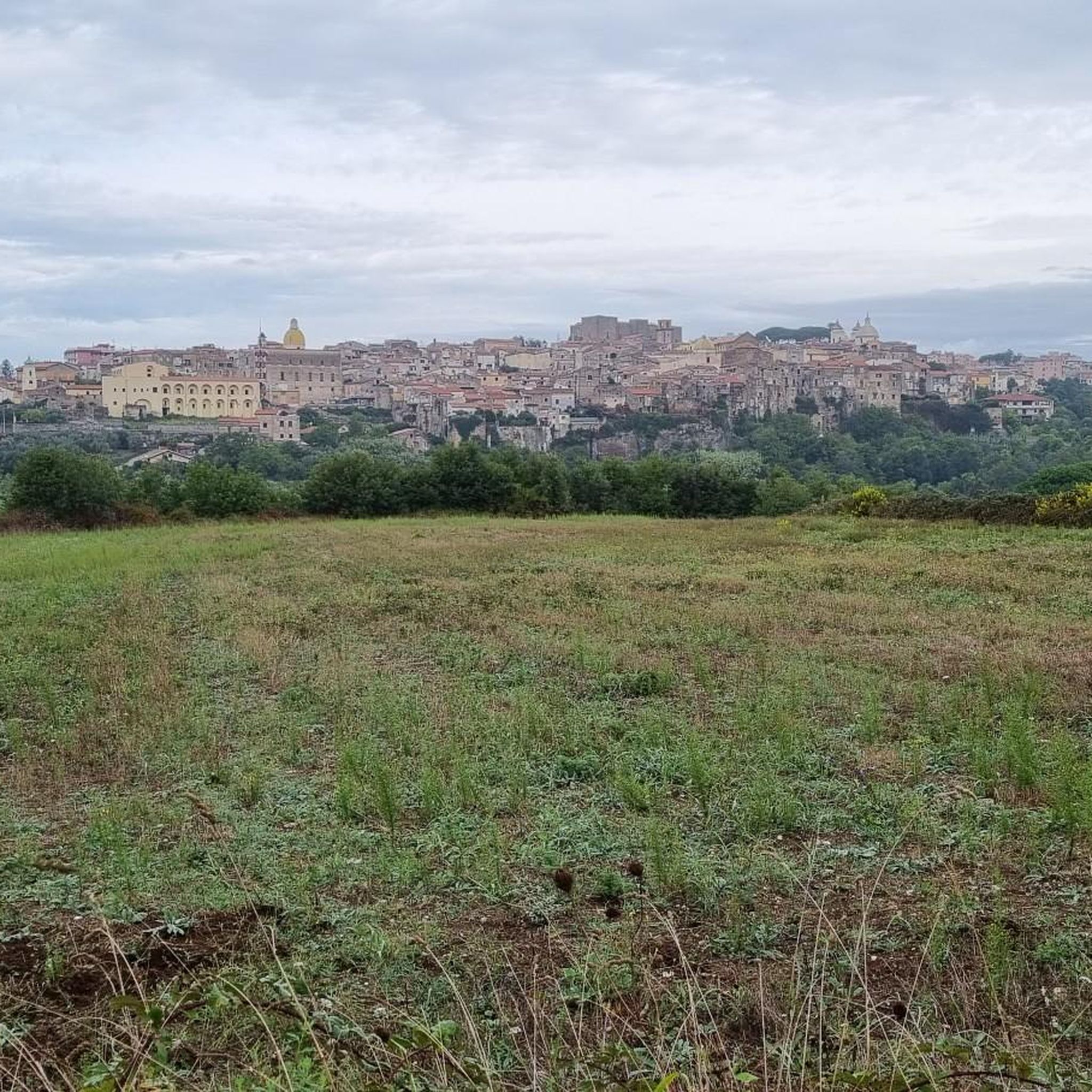
Road cycling routes around Castelforte are set within Italy's Lazio region, offering diverse landscapes. The area features the foothills of the Monti Aurunci, providing varied elevation profiles, alongside views of the Garigliano River plain and the Tyrrhenian Sea. The terrain includes limestone slopes, olive groves, and Mediterranean woodland, creating a mix of flat, rolling, and hilly sections suitable for road cycling.
Best road cycling routes around Castelforte
- The most popular road cycling route is Vespasian Aqueduct – Church of Saint…
Last updated: July 2, 2026
4.6
(8)
88
riders
73.4km
03:14
430m
430m
Moderate road ride. Good fitness required. Some segments of this route may be unpaved and difficult to ride.
4.8
(4)
79
riders
74.9km
03:42
1,090m
1,090m
Hard road ride. Very good fitness required. Mostly well-paved surfaces and easy to ride.

Sign up for free
5.0
(1)
31
riders
31.6km
01:28
290m
300m
Easy road ride. Great for any fitness level. Mostly well-paved surfaces and easy to ride.
3.0
(1)
24
riders
51.6km
02:38
750m
750m
Moderate road ride. Good fitness required. Mostly well-paved surfaces and easy to ride.
46
riders
42.5km
01:58
350m
350m
Moderate road ride. Good fitness required. Mostly well-paved surfaces and easy to ride.
Get access to more routes and recommendations from other explorers.
Sign up for free
Already have an account?
Our route recommendations are based on thousands of hikes, rides, and runs completed by other people on komoot.
Start today with a free account
Your next adventure awaits.
Login or Signup


Tips from the Community


The Castle was built by Frederick II of Swabia between 1223 and 1226. The Castle had an important strategic function: from here one accessed the Kingdom of Sicily by sea. Frederick II's Castle remained standing for a few years because it was demolished during a revolt. In 1266, the new lord of Southern Italy, Charles I of Anjou, occupied Gaeta and rebuilt a fortress on the ruins of Frederick II's Castle facing the sea. A decisive year in the history of the Castle is 1435 because the Spaniard Alfonso V of Aragon established his seat and that of his court here, and from Gaeta began his expansion into the Kingdom of Naples. From the following year, Alfonso began the expansion and fortification works of the building. The French and the Spaniards long contested Gaeta, but the city and its Castle always remained in Spanish hands until the beginning of the eighteenth century. In 1734, the Kingdom of Naples came under the control of Charles III of Bourbon, who immediately began the restoration works of the Castle of Gaeta.
0
0

excellent yes it goes well in the Gulf of Gaeta
0
0

As spectacular as it can get. Exceptional views of Sperlonga and the sea. The nice thing: definitely an easy climb averaging not more than 5-7% and the descent is wonderful. Best time is early morning or sunset.
1
0

I rushed by, but I was still curious to visit it!
0
0

It can only be visited a couple of Sundays a month.
1
0
It's a shame that the cycle path is not continuous and has not been built along the entire seafront.
0
0

a nice city direct at the ocean. I recommend to do sightseeing
0
0
Frequently Asked Questions
What types of road cycling routes can I find around Castelforte?
Castelforte offers a diverse range of road cycling routes, from easy to difficult. You'll find paths that traverse the foothills of the Monti Aurunci, providing varied elevation profiles, as well as routes with views of the Garigliano River plain and the Tyrrhenian Sea. The terrain includes limestone slopes, olive groves, and Mediterranean woodland, catering to different fitness levels and preferences.
How many road cycling routes are available in the Castelforte area?
There are over 35 road cycling routes around Castelforte, with options ranging from easy to difficult. This includes 6 easy routes, 24 moderate routes, and 7 challenging routes, ensuring there's something for every road cyclist.
Are there any challenging road cycling routes near Castelforte?
Yes, Castelforte offers several challenging road cycling routes, particularly those that ascend into the Monti Aurunci foothills. For example, the Medieval castle – Montecassino Abbey loop from Ausonia is a difficult 107.1 km route with over 1500 meters of elevation gain, ideal for experienced cyclists seeking a significant climb.
What kind of scenic views can I expect on road cycling routes around Castelforte?
Road cycling around Castelforte offers picturesque scenery, including charming views of medieval villages, roads lined with dry-stone walls, and expansive olive groves. You'll also enjoy changing landscapes from plains to mountains, with panoramic glimpses of the Tyrrhenian Sea and the silhouette of the old town.
What historical landmarks can I see along road cycling routes in Castelforte?
Many routes around Castelforte offer a journey through history. You can encounter the town's medieval origins, ancient defenses, and arched gateways. Notable landmarks include the historic Ponte Real Ferdinando, a suspension bridge over the Garigliano River, and the ancient Vespasian Aqueduct. The medieval town of Suio with its castle ruins also adds to the historical appeal.
Are there any loop trails for road cycling in Castelforte?
Yes, many road cycling routes around Castelforte are designed as loops. Examples include the moderate Vespasian Aqueduct – Church of Saint Peter the Apostle loop from Minturno, which is 55.5 km, and the Garigliano Dam Crossing – Ascent to Castelforte loop from Rocca d'Evandro, a 68.7 km route that includes an ascent towards Castelforte.
What do other road cyclists say about the routes in Castelforte?
The road cycling routes in Castelforte are highly rated by the komoot community, with an average score of 3.8 stars from over 40 reviews. Cyclists often praise the varied terrain, the combination of historical sites with natural beauty, and the well-paved surfaces that make for an enjoyable ride.
What is the best season for road cycling in Castelforte?
The region around Castelforte is suitable for road cycling for much of the year due to its Mediterranean climate. Spring and autumn generally offer the most pleasant temperatures and conditions, avoiding the peak heat of summer and potential chill of winter. However, many routes feature mostly well-paved surfaces, making them accessible in various seasons.
Are there any easy road cycling routes for beginners or families in Castelforte?
While the guide focuses on road cycling, which often involves some elevation, there are easier routes available. Castelforte offers 6 routes classified as 'easy' with less significant elevation gain, typically under 300 meters (1000 feet). These routes often explore the Garigliano River plain or lower-lying areas, providing a gentler introduction to road cycling in the region.
Can I find cafes or places to stop along the cycling routes in Castelforte?
Cycling through the Castelforte area often takes you through or near medieval villages and towns. These settlements typically offer opportunities to stop at local cafes or small shops, especially in the main centers like Castelforte itself or other towns along the routes, allowing for refreshments and breaks.
What kind of terrain can I expect on road cycling routes around Castelforte?
The terrain around Castelforte is quite varied. You'll encounter picturesque limestone slopes, lush valleys covered with olive groves and Mediterranean woodland. Routes can feature a mix of flat sections along the Garigliano River plain, rolling hills, and more challenging ascents into the Monti Aurunci, providing a dynamic cycling experience.
Are there any routes that offer views of the Tyrrhenian Sea?
Yes, due to Castelforte's elevated position, many routes offer panoramic views that extend to the Tyrrhenian Sea. Cycling through the region allows for dynamic experiences that combine inland, more challenging terrain with coastal vistas, especially on routes that traverse higher ground or offer strategic viewpoints.
Most popular attractions around Castelforte

Get inspired with the komoot mobile app


Explore more
Browse the best Road cycling routes in other regions.
