Attractions and Places To See around Sorianello - Top 20
Best attractions and places to see around Sorianello include a blend of historical, cultural, and natural sites. This charming hill town in the Province of Vibo Valentia is situated on a rocky outcrop, offering views of the surrounding landscape. Visitors can explore ancient landmarks and natural features that reflect the region's past and environment. The area provides a variety of points of interest for those seeking to discover its heritage and scenery.
Best attractions and places to see around Sorianello
…Last updated: October 18, 2026
Chapel of the Charterhouse of Serra San Bruno
Highlight • Religious Site
The Charterhouse of Santo Stefano
The first monastery was in the Dauphiné, a region on the western slope of the Alps, southwest of Savoy, …
Translated by Google •
Tip by

Sanctuary of Santa Maria nel Bosco
Highlight • Religious Site
Surrounded by centuries-old silver firs and young beech trees, the complex of the Sanctuary of Santa Maria del Bosco is the …
Translated by Google •
Tip by
Sign up now to discover places like this
Get recommendations on the best single tracks, peaks, & plenty of other exciting outdoor places.
Church of Our Lady of Sorrows Maria SS. of the Seven Sorrows, Serra San Bruno
Highlight • Religious Site
Church of Our Lady of Sorrows
The Church of Our Lady of Sorrows was built in 1721 according to a …
Translated by Google •
Tip by
San Bruno Pond
Highlight • Lake
The lake recalls the legend according to which San Bruno did penance and prayed kneeling in the water 1645,
Translated by Google •
Tip by
Baroness Scoppa Castle
Highlight • Castle
Translated by Google •
Tip by

Sign up for free to discover even more attractions around Sorianello.
Already have an account?
Start today with a free account
Your next adventure awaits.
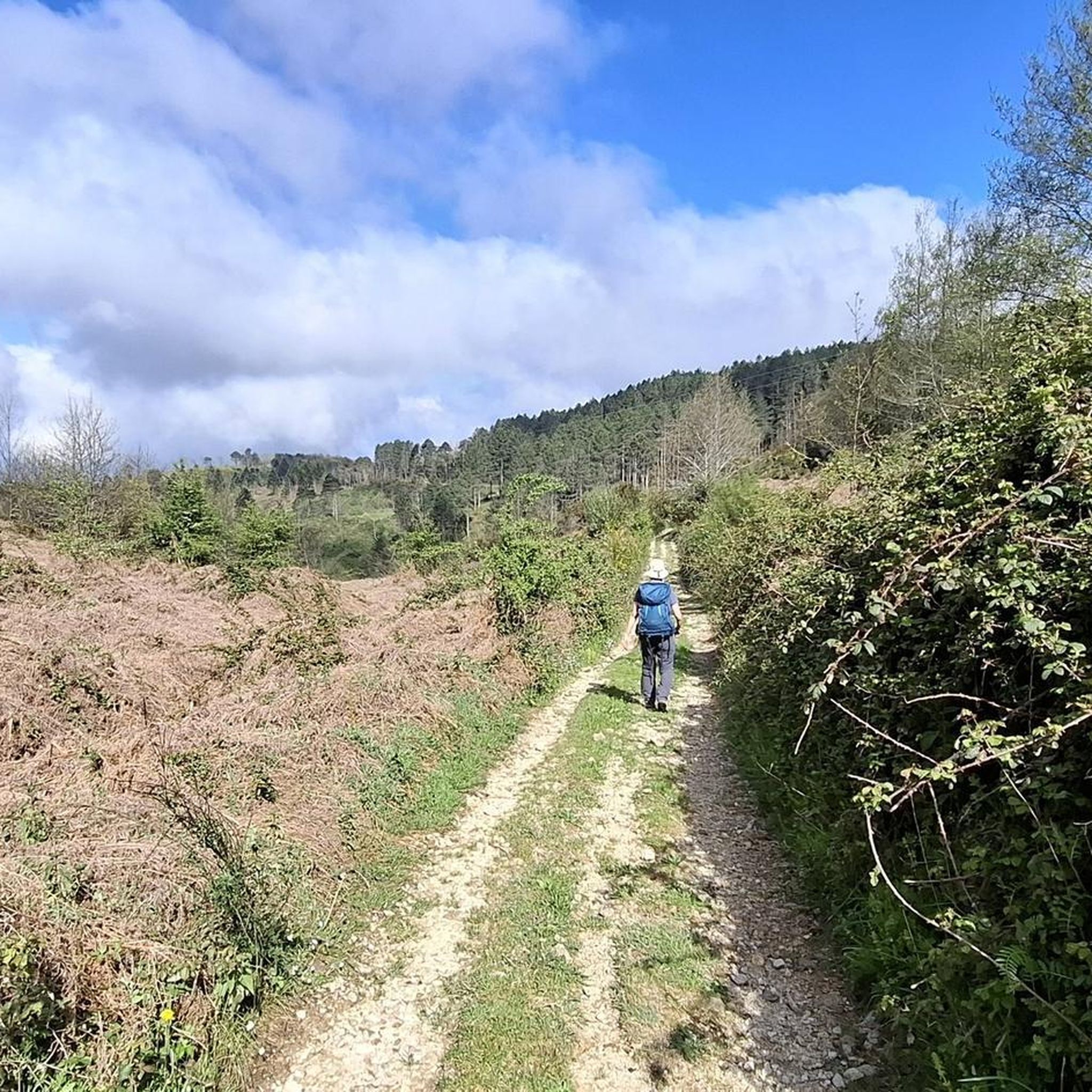
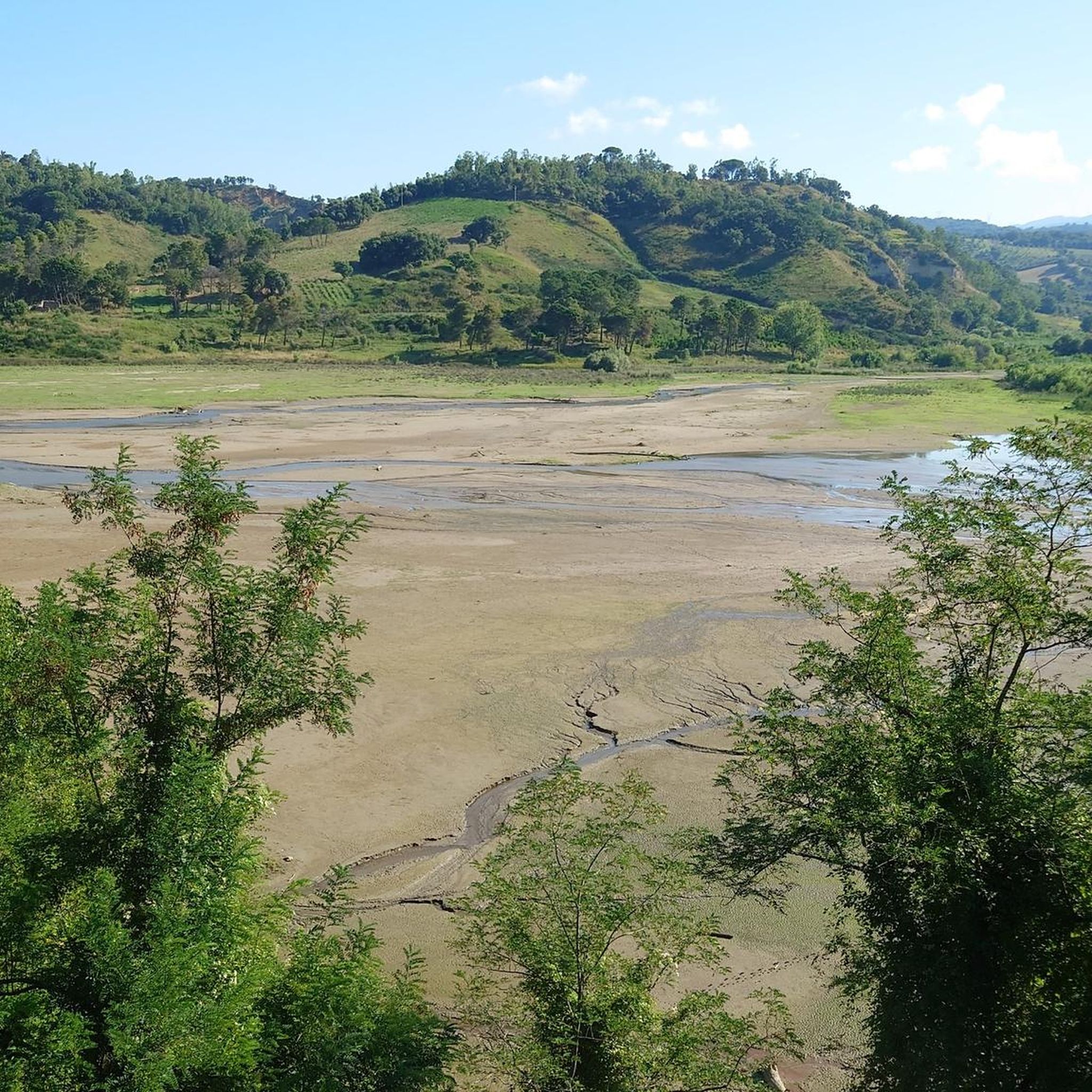
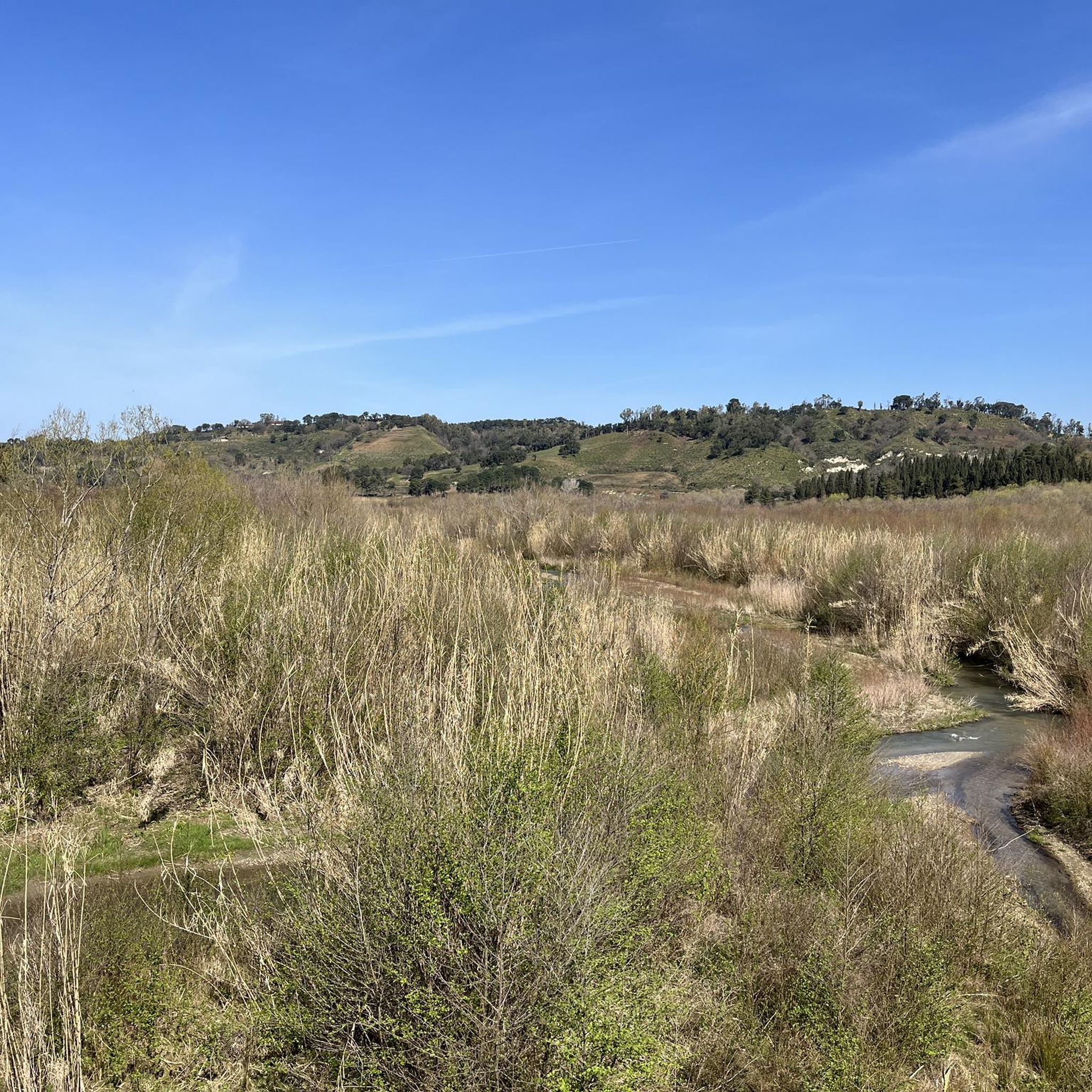

Tips from the Community

Magnificent and evocative ruins of an ancient 16th-century castle, complete with ruined towers, once belonging to Baroness Scoppa of Badolato. The literature consulted states that on the lower floor there were the soldiers' lodgings and stables, while on the upper floor were the Baroness's rooms. Now, seeing the Castle in reality and on site, despite what has been said, I cannot imagine, considering its size, how "soldiers" and "stables" could have found space there; because I assure you it appears truly small compared to what is said of its use. Precisely for this reason, however, it is very nice to see and to imagine in its era. Around it and around the Baroness, various legends naturally exist: That she, a devout believer, did not disdain entertaining herself with young men (perhaps in those upper rooms?) whom she then made disappear into the marshes, and furthermore that her ghost would still seem to wander at night around the Castle and thereabouts in the entire Bosco della Lacina. Seeing is believing.
0
0

Trekking & Yoga Day: A special day dedicated to relaxation.
0
0

Serra San Bruno is worth a visit. Its historic center, full of characteristic churches, the tree-lined avenue leading to the Certosa, and last but not least, the Hermitage of San Bruno, where you can enjoy the cool, tranquil atmosphere, especially during the week. There's also a stream, a cool path, and tables where you can rest under the trees, perhaps enjoying a bite to eat.
0
0

Beautiful church, right in the middle of town. Like most churches in Italy, it's always open.
7
0
Magnificent Charterhouse. A must-visit. Info: https://www.certosini.info/
6
0
Beautiful pond, built from granite stone
7
1
Beautiful pilgrimage site where Saint Bruno lived.
6
0

Very suggestive place for its history, the castle and the nature that surrounds it, not to be missed
1
0
Frequently Asked Questions
What historical and cultural sites can I explore in Sorianello?
Sorianello offers a rich historical experience. You can wander through the Historic Center and City Walls, which show evidence of past barbarian invasions, with its narrow alleys and closely built houses. Notable churches include the Church of San Giovanni Battista with panoramic views, the ancient Church of San Nicola which survived the 1783 earthquake, and the Church of Santa Maria del Soccorso known for its Baroque high altar. For cultural insights, visit the Parish Museum, housed in a feudal castle, or the Museum of Peasant Civilization in the Imeneo-Florenzano Palace.
Are there any natural attractions or outdoor activities near Sorianello?
Absolutely. A significant natural and historical site is the Mills Valley (Valle dei Mulini), featuring refurbished water mills, an artificial lake, and ruins of ancient Basilian monk settlements. The valley also has an olive tree where Saint Bruno is believed to have rested. For more active pursuits, you can find various outdoor routes. For example, there are several hiking trails around Sorianello, including easy loops like the 'Bosco di Santa Maria' or moderate options like the 'Frassati Trail Loop'.
What are some family-friendly attractions around Sorianello?
Several attractions around Sorianello are suitable for families. The Chapel of the Charterhouse of Serra San Bruno and the Sanctuary of Santa Maria nel Bosco are both historical and religious sites that welcome families. Additionally, San Bruno Pond is a natural monument with a historical legend that can be an interesting stop for all ages. The Mills Valley also offers a mix of nature and history that can be engaging for families.
Can I find hiking trails near Sorianello?
Yes, there are numerous hiking opportunities near Sorianello. You can explore trails within the Parco Naturale Regionale delle Serre. Some options include the easy 'Bosco di Santa Maria – loop hike' or the 'San Bruno's Resting Place – San Bruno Pond loop'. For more challenging routes, consider the 'Frassati Trail Loop' or the 'Serra San Bruno – Archiforo Trail'. You can find more details and routes on the Hiking around Sorianello guide.
What kind of cycling routes are available around Sorianello?
The area around Sorianello is great for cycling. You can find various routes for both touring bicycles and mountain bikes. Options include the 'Calabria Parks Cycle Route' which offers moderate to difficult sections, or loops like 'Ciclovia dei Parchi: Mongiana and Fabrizia Loop'. For mountain biking, trails like 'Pietra Lu Moru Loop' or 'Lake Sambuco of Mongiana – Certosa di Serra San Bruno loop' are available. Explore more routes on the Cycling around Sorianello guide and the MTB Trails around Sorianello guide.
What is the significance of the Mills Valley near Sorianello?
The Mills Valley (Valle dei Mulini) is a historically and naturally significant site. It features ancient water mills that were once crucial for grain processing, showcasing industrial archaeology. Beyond the mills, it includes an artificial lake fed by the Cornacchia river and the ruins of old Basilian monk settlements. It's also associated with Saint Bruno, who is believed to have rested under an olive tree within the valley, adding to its spiritual importance.
Are there any notable religious sites in the Sorianello area?
Yes, the region is rich in religious heritage. Besides the local churches in Sorianello like the Church of San Giovanni Battista and the Church of San Nicola, you can visit the Chapel of the Charterhouse of Serra San Bruno, which marks the site of the first Carthusian monastery. The Sanctuary of Santa Maria nel Bosco is another important pilgrimage site nestled among ancient trees, associated with Saint Bruno's later years.
What is the best time of year to visit Sorianello for outdoor activities?
The best time to visit Sorianello for outdoor activities is generally during the spring (April to June) and autumn (September to October) months. During these periods, the weather is typically mild and pleasant, ideal for hiking, cycling, and exploring the natural landscapes like the Mills Valley. Summers can be warm, while winters are cooler and may have some rain or snow, especially in higher elevations.
Is there parking available for visitors in Sorianello's historic center or at attractions?
Parking availability can vary. In the historic center of Sorianello, you may find limited street parking or designated small parking areas. For specific attractions like the Mills Valley, there might be visitor parking available, though it's advisable to check local signage upon arrival. For popular sites, arriving earlier in the day can help secure a spot.
What kind of museums can I visit in or near Sorianello?
Sorianello and its vicinity offer several museums. Within Sorianello, you can explore the Parish Museum, located in the remains of a feudal castle, which houses 18th-century Neapolitan oil paintings and other artworks. The Museum of Peasant Civilization provides insight into local agricultural history. Additionally, the Museo di Arte Sacra ('Valentianum') collects ecclesiastical heritage from the Vibonese territory, and the Museo Archeologico Statale 'V. Capialbi' (likely in nearby Vibo Valentia) displays findings from the Vibo Valentia necropolis.
Are there any castles or ancient fortifications to see?
Yes, Sorianello's historic center still retains visible city walls, a testament to its ancient past. Additionally, the Parish Museum is housed within the remains of a feudal castle. Further afield, you can visit the Baroness Scoppa Castle, located in the mountains of Cardinale, which is a mysterious place with a rich history and local legends surrounding it.
What do visitors enjoy most about the attractions around Sorianello?
Visitors often appreciate the blend of history, culture, and natural beauty. The serene and spiritual atmosphere of sites like the Sanctuary of Santa Maria nel Bosco and the historical depth of the Chapel of the Charterhouse of Serra San Bruno are frequently highlighted. The unique legend and granite construction of San Bruno Pond also captivate many. The overall charm of the hill town and its picturesque views are also highly regarded.
Most popular routes around Sorianello
Most popular attractions around Sorianello

Get inspired with the komoot mobile app


Explore more
Still not found the Highlight you’re looking for? See guides of the top attractions in other regions:
