Attractions and Places To See around Drapia - Top 20
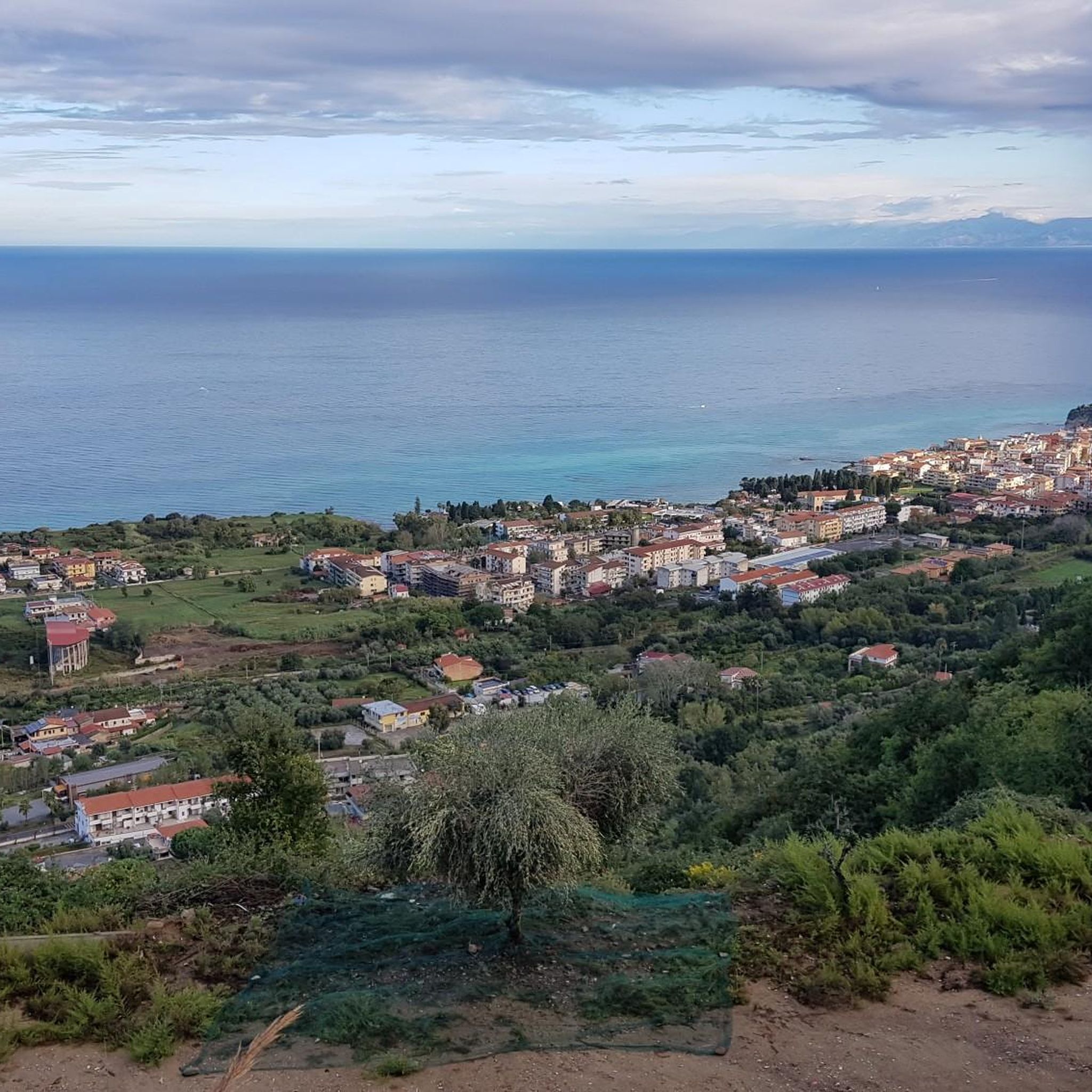
Best attractions and places to see around Drapia include a blend of historical sites, natural beauty, and panoramic viewpoints. This municipality in the Province of Vibo Valentia, Calabria, is perched on a hillside, offering expansive views of the "Costa degli Dei" and the Tyrrhenian Sea. The area features ancient origins with Greek-Byzantine traces and evidence of Neolithic settlements. Visitors can explore charming historic centers, significant churches, and natural trekking paths.
Best attractions and places to see around Drapia
- The most…
Last updated: October 11, 2026
Sanctuary of Santa Maria dell'Isola
Highlight • Religious Site
Translated by Google •
Tip by

Villetta Square
Highlight • Settlement
Tropea, also called "the pearl of the Tyrrhenian Sea", is probably the most famous town in Calabria and a "must" for …
Translated by Google •
Tip by

Sign up now to discover places like this
Get recommendations on the best single tracks, peaks, & plenty of other exciting outdoor places.
Capo Vaticano Lighthouse
Highlight • Monument
Translated by Google •
Tip by

Cimitero Monumentale di Amboilat
Highlight • Monument
Translated by Google •
Tip by

Stairway to Tropea's Old Town
Highlight (Segment) • Structure
Translated by Google •
Tip by
Sign up for free to discover even more attractions around Drapia.
Already have an account?
Start today with a free account
Your next adventure awaits.
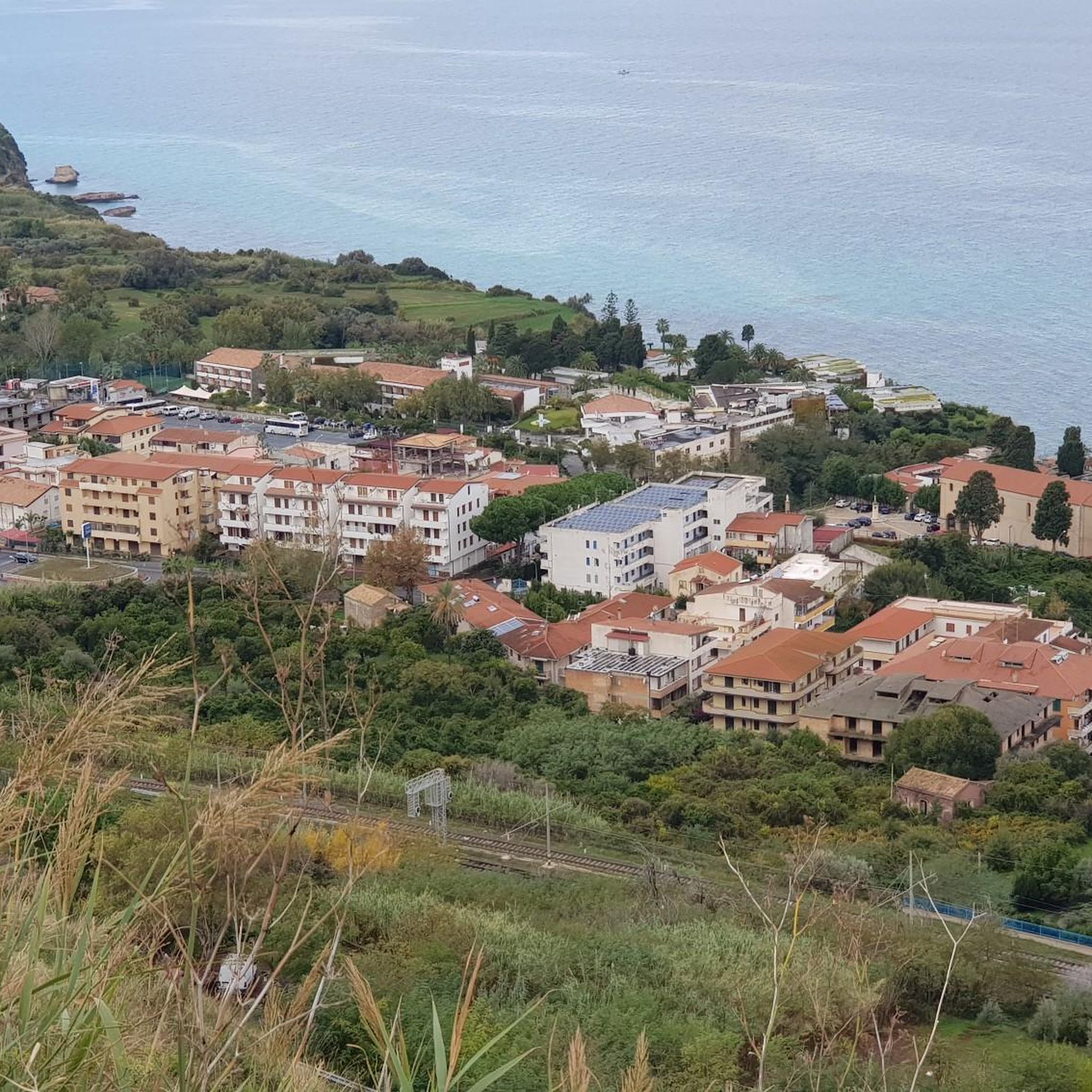
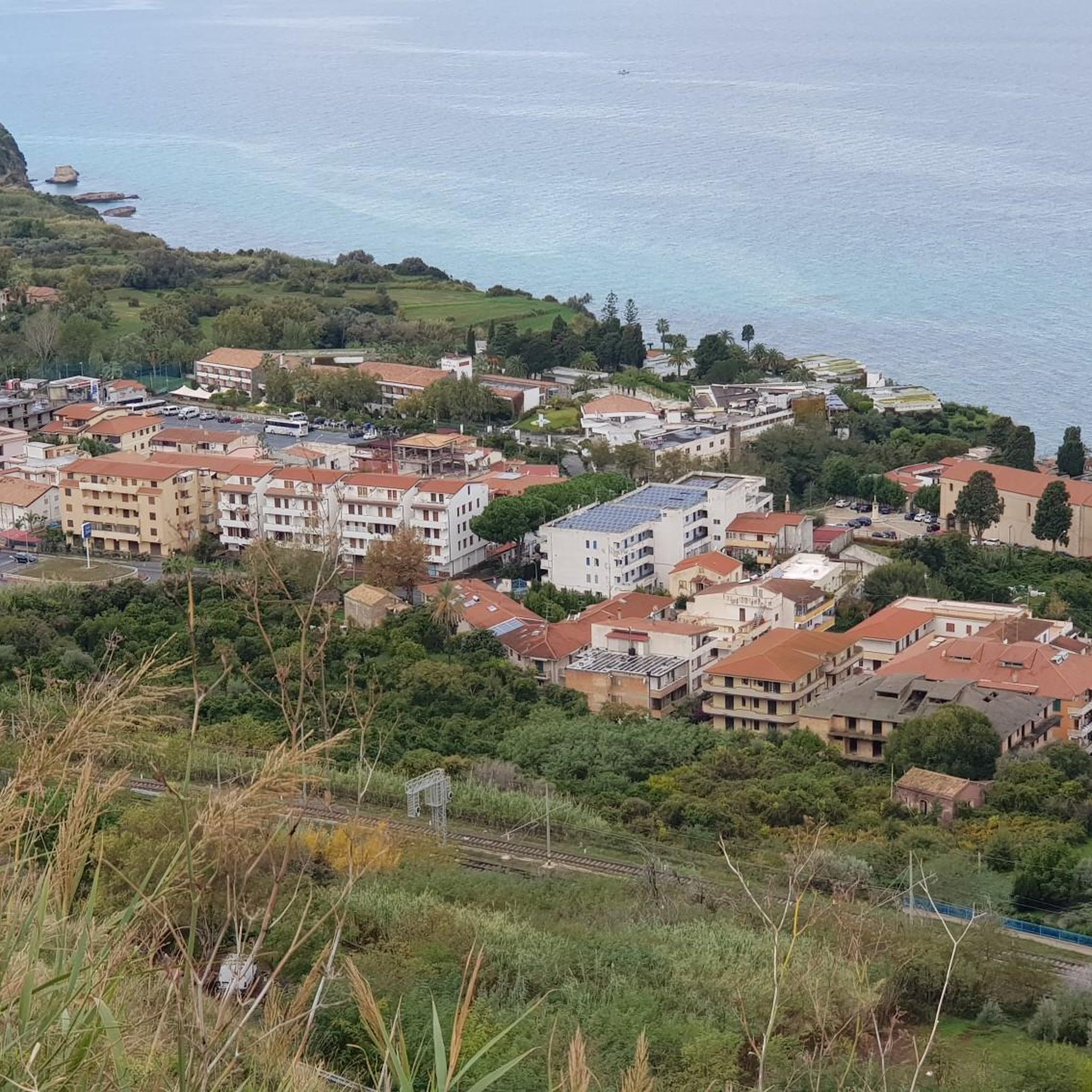
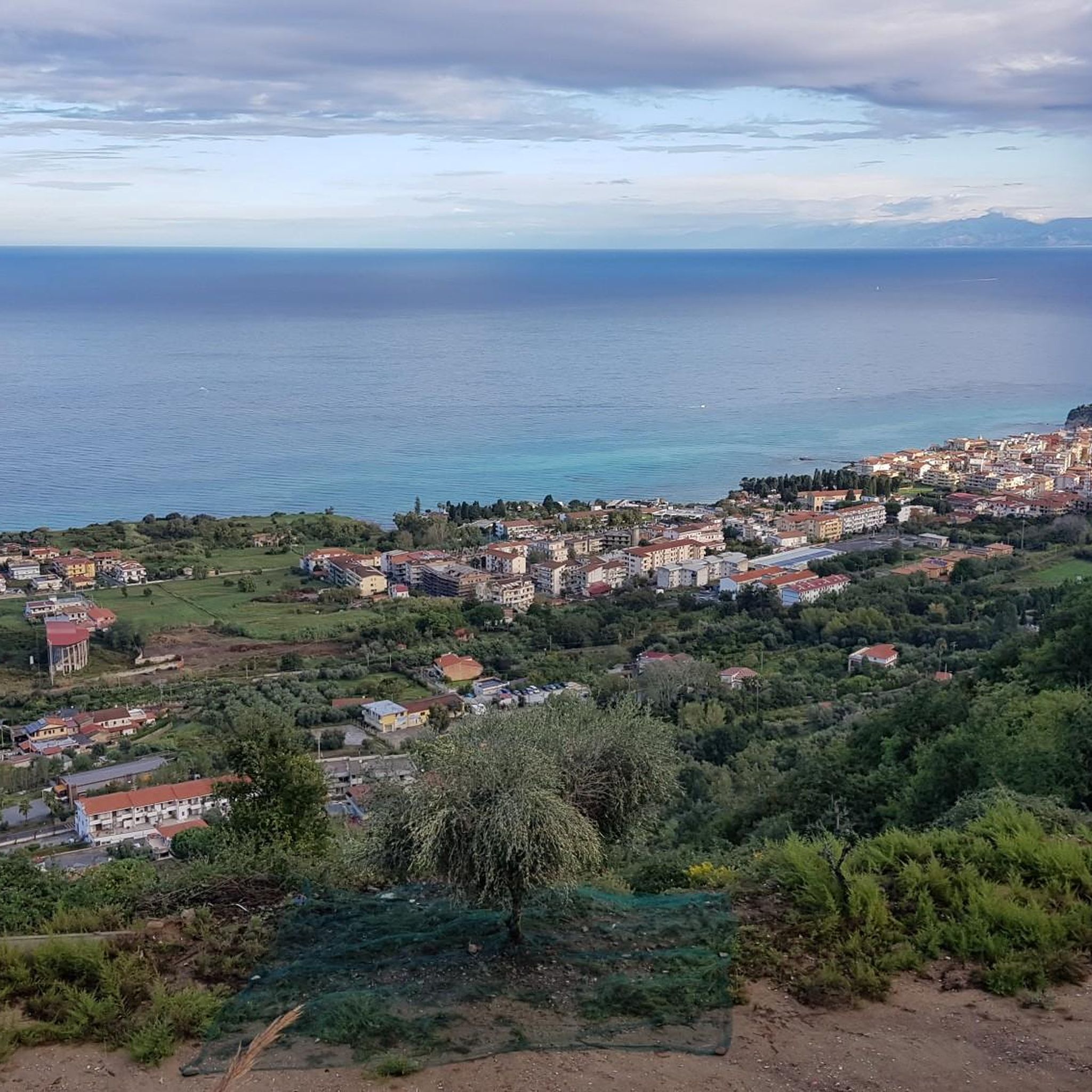
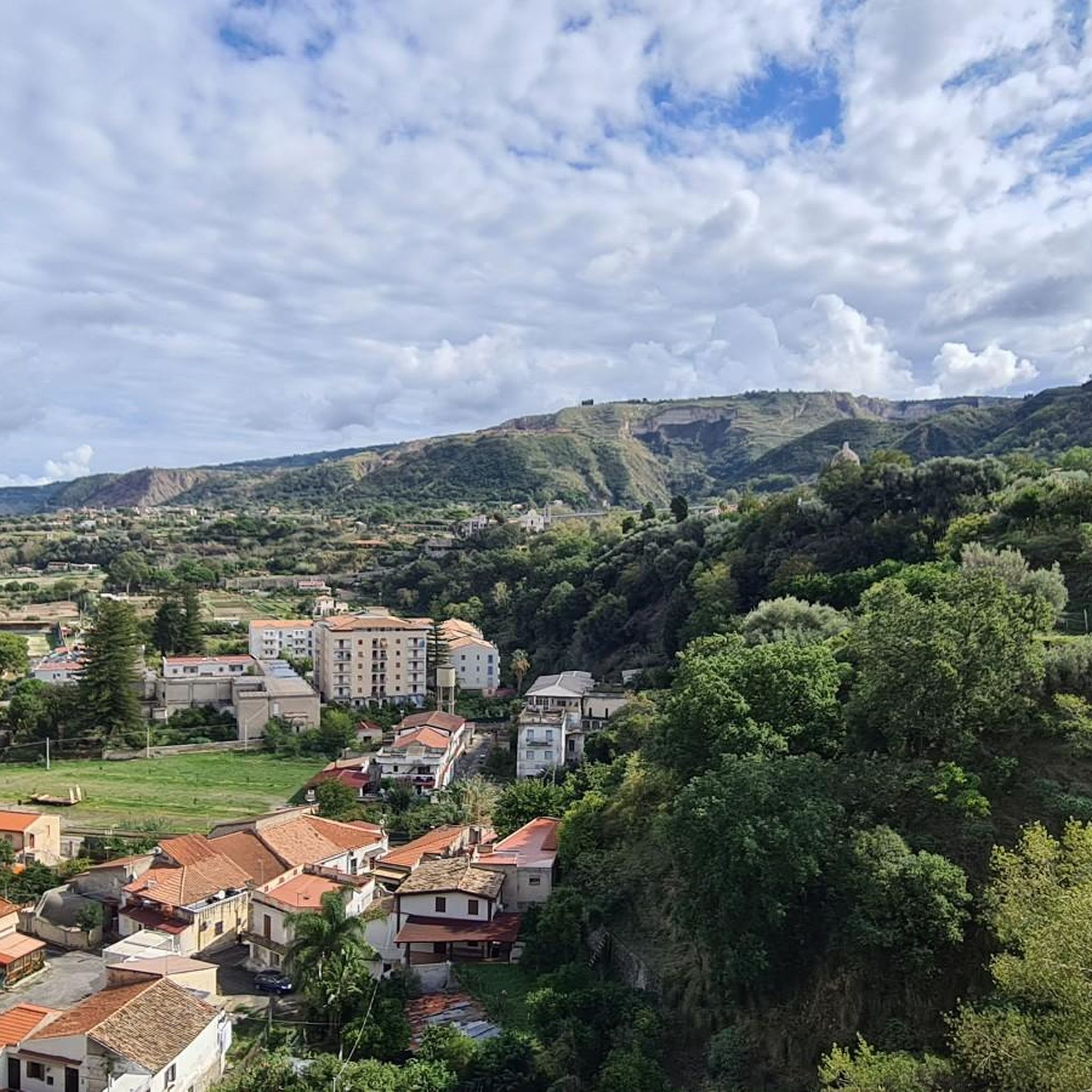
Tips from the Community

It is worth climbing the steps up to the church. From up there you have a magnificent view of the Tropea cityscape and the mountain landscape behind it. The basilica is surrounded by a garden with cacti and olive trees. The dreamlike view of the turquoise-blue sea and the beach "Spiaggia della Rotonda" below the old town of Tropea, in particular, makes a visit to the small park worthwhile. (Source KunstundReisen)
0
0

...there is a second staircase west of Tropea that leads from the old town down to the harbor. This one is quite something...
0
0

A story by Giovanni Guareschi – the literary "father" of "Don Camillo and Peppone" – ends with the sentence "Things happen there, in this strange region... where people think more with their clubs than with their brains, but where at least the dead are respected." To understand it, one must recall the political situation in Italy at that time, immediately after the end of World War II: The monarchy had been abolished, the royal family was in exile, and the communists were partially in power (as was the case in Don Camillo's village). In the story "The Old Teacher," the woman who had taught generations of villagers their ABCs has died. She had expressed her last wish to Mayor Peppone and Don Camillo that her flag – the old one with the coat of arms from the time of the monarchy – be placed above her coffin. However, all factions of the municipal council had spoken out against it. Peppone replied: "So I tell you... that I don't care about your opinion and that Signora Cristina will go to the cemetery tomorrow with the flag she likes, because I value her more dead than you alive." Hence the sentence quoted at the beginning, "where at least the dead are respected."
0
0

The construction of the houses on the rocks is very impressive
0
0

Capo Vaticano is a cape located on a rocky outcrop in Calabria in the municipality of Ricadi. From the cape there is a wide view of the Strait of Messina (Stretto di Messina) and all of the Aeolian Islands (Stromboli, Vulcano, Lipari, Salina, Filicudi, Alicudi and Panarea). When visibility is good, you can see the high power pillars that once supplied Sicily with electricity from Calabria above ground. The place has nothing to do with the Vatican. The name refers to an oracle that was visited by sailors during the time of Greek settlement. Source: Wikipedia
5
1

A tour of the cemetery is worthwhile. The monumental tombs are impressive.
1
0
The lighthouse was built in 1885 and consists of a white cylindrical tower 8 metres (26 ft) high with a balcony and a lantern attached to the front, single-story white keeper's house. The lantern, painted in metallic gray, is located 108 metres (354 ft) above sea level and emits four white flashes every 20 seconds, which are visible at a distance of 24 nautical miles (44 km; 28 mi). The lighthouse is fully automatic, operated by the Marina Militare and bears the code number 2708 EF. Source: https://en.m.wikipedia.org/wiki/Capo_Vaticano_Lighthouse There is a military restricted area around the lighthouse, so it cannot be visited.
3
1
To say that the Benedictine Sanctuary of Santa Maria dell'Isola (the Santuario benedettino di Santa Maria dell'Isola) is magnificent would be a sheer understatement, and it's not hard to see why it's one of Tropea's most photographed attractions. The sanctuary stands on a high rocky outcrop, surrounded by the beach and sparkling sea. Source: https://www.italia.it/en/calabria/things-to-do/tropea
5
1
Frequently Asked Questions
What historical and cultural sites can I explore in Drapia?
Drapia's historic center is rich with charm, featuring narrow alleys, courtyards, and ancient portals like "Curtijju" from 1789. You can also visit the noteworthy Church of Saints Cosmas and Damian and the Church of St. Peter in Brattirò. In Carìa, the Galluppi Castle (Palazzo Storico) served as the summer residence of the philosopher Galluppi. The area itself has Greek-Byzantine origins and evidence of Neolithic settlements, including a 10th-century BC necropolis at Torre Galli.
Where can I find the best panoramic views around Drapia?
Drapia's elevated position offers incredible vantage points. Along the "Santa Lucia" road, you can ascend to higher spots for expansive views of surrounding towns, the crystalline Tyrrhenian Sea, and the distant Aeolian Islands, including Stromboli. These locations are particularly renowned for spectacular sunsets. You also get a privileged observation point over the beautiful Costa degli Dei Regional Marine Park.
Are there any unique natural attractions near Drapia?
Yes, the territory around Drapia is rich with unspoiled nature and trekking paths. These routes often lead to small waterways like the Burmaria stream, which flows into the sea at Tropea and is home to a rare prehistoric fern. You can also find ancient water mills once powered by these streams. Additionally, the Sanctuary of Santa Maria dell'Isola, while a religious building, is dramatically situated on a rock formation overlooking the sea, offering stunning natural beauty.
What outdoor activities are available near Drapia?
The Drapia area is excellent for outdoor enthusiasts. You can explore numerous trekking paths and rural roads. For cycling, there are various routes for touring bikes, road bikes, and mountain bikes. For example, you can find routes like 'Between Tropea and Capo Vaticano via Zungri' or 'Capo Vaticano Viewpoint loop'. You can find more details on cycling routes in the Cycling around Drapia, Road Cycling Routes around Drapia, and MTB Trails around Drapia guides.
What is the best time to visit Drapia for cultural events?
To experience Drapia's local culture, the best time to visit is on August 10th, during the annual Wine Festival. This event provides a wonderful opportunity to taste the region's excellent wine, a primary product of the local agricultural economy.
Are there family-friendly attractions or activities around Drapia?
Yes, several attractions around Drapia are suitable for families. The town of Tropea, with its charming streets and beautiful beaches, is considered family-friendly. The Zungri Cave Settlement, a unique historical site with caves carved into sandstone, also offers an engaging experience for families.
What are some popular nearby towns or destinations easily accessible from Drapia?
Drapia's location makes it a great base for exploring nearby popular destinations. The famous coastal town of Tropea, known as the 'Pearl of the Tyrrhenian Sea,' is very close. You can also easily reach the Zungri Cave Settlement, about 20 km away, and the Capo Vaticano Lighthouse, which offers extensive views of the Strait of Messina and the Aeolian Islands.
What do visitors enjoy most about the attractions around Drapia?
Visitors particularly appreciate the stunning views and historical depth. For instance, the Sanctuary of Santa Maria dell'Isola is loved not only for its dramatic setting and views but also for its beautiful small garden. Tropea is cherished for its charming cobblestone streets, historic old town, and access to beautiful sandy beaches. The Zungri Cave Settlement offers a unique glimpse into ancient cultures, with its fascinating rock-carved dwellings.
Are there any significant religious sites in the Drapia area?
Yes, Drapia and its hamlets host several significant religious sites. In Brattirò, you can visit the Church of Saints Cosmas and Damian and the Church of St. Peter. A prominent religious landmark nearby is the Sanctuary of Santa Maria dell'Isola in Tropea, a former monastery dramatically perched on a rock formation overlooking the sea.
Can I find ancient ruins or archaeological sites in Drapia?
Drapia has ancient origins, with Greek-Byzantine traces dating back to the 8th-10th centuries. The area also boasts very ancient human settlements, with evidence from the Neolithic period and a 10th-century BC necropolis at Torre Galli on Monte Poro. The Zungri Cave Settlement, believed to date back to the 6th or 7th century, offers a unique archaeological experience with its caves carved into sandstone.
What kind of hiking trails can I expect near Drapia?
The Drapia territory is rich with trekking paths and rural roads that wind through unspoiled nature. These trails often lead to scenic spots, including small waterways like the Burmaria stream. While specific difficulty levels vary, you can find routes suitable for different experiences. For more detailed information on hiking and walking routes, you can explore the various guides available on komoot for the Drapia region.
Are there any specific events or festivals in Drapia?
Yes, Drapia hosts an annual Wine Festival on August 10th. This event is a great opportunity to immerse yourself in the local culture and taste the region's excellent wine, which is a significant part of the local agricultural economy.
Most popular attractions around Drapia

Get inspired with the komoot mobile app


Explore more
Still not found the Highlight you’re looking for? See guides of the top attractions in other regions:
