Attractions and Places To See around Rombiolo - Top 20
Best attractions and places to see around Rombiolo include historic buildings, cultural sites, and natural landscapes in the Vibo Valentia province of southern Italy. The village itself features historic palaces and the ruins of a Dominican Convent, offering a glimpse into its rich past. The surrounding area provides diverse attractions, from coastal towns to ancient cave settlements. This region blends historical charm with natural beauty, making it a notable destination for exploration.
Best attractions and places to see around Rombiolo
…Last updated: June 22, 2026
Sanctuary of Santa Maria dell'Isola
Highlight • Religious Site
Translated by Google •
Tip by

Tropea
Highlight • Settlement
Tropea, also called "the pearl of the Tyrrhenian Sea", is probably the most famous town in Calabria and a "must" for …
Translated by Google •
Tip by

Sign up now to discover places like this
Get recommendations on the best single tracks, peaks, & plenty of other exciting outdoor places.
Sign up for free
Zungri Cave Settlement
Highlight • Cave
Translated by Google •
Tip by

Cimitero Monumentale di Amboilat
Highlight • Monument
Translated by Google •
Tip by

Church of the Gesù, Tropea
Highlight • Religious Site
The Church of the Gesù in Tropea
From the original Greek Orthodox Cathedral of St. Nicholas to the Catholic Church of the Society of Jesus and …
Translated by Google •
Tip by
Sign up for free to discover even more attractions around Rombiolo.
Sign up for free
Already have an account?
Start today with a free account
Your next adventure awaits.
Login or Signup
Tips from the Community

Beautiful view and peaceful to stay for a small contribution. The garden is cozy to walk around in, although some cannot resist carving their names into the cacti.
0
0

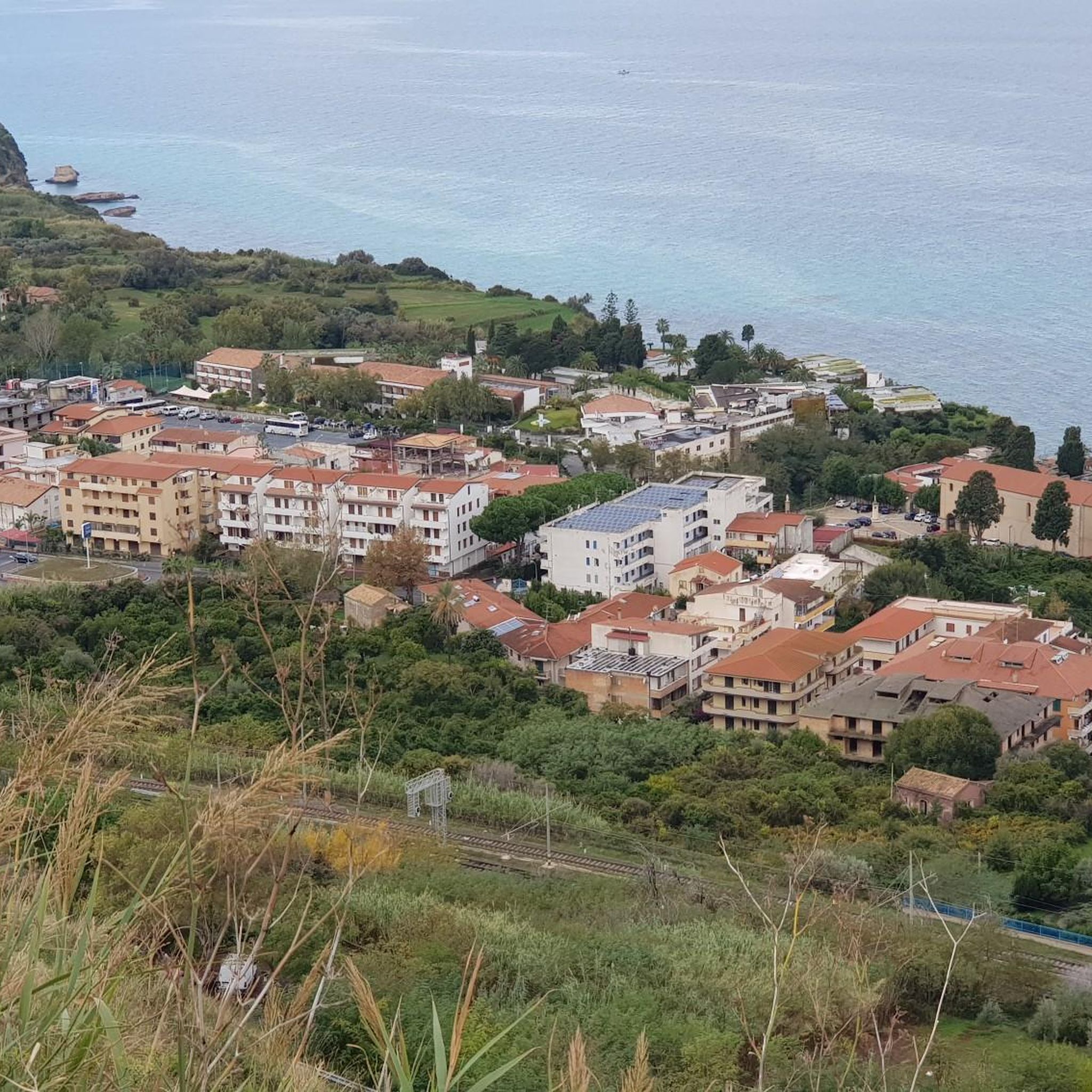
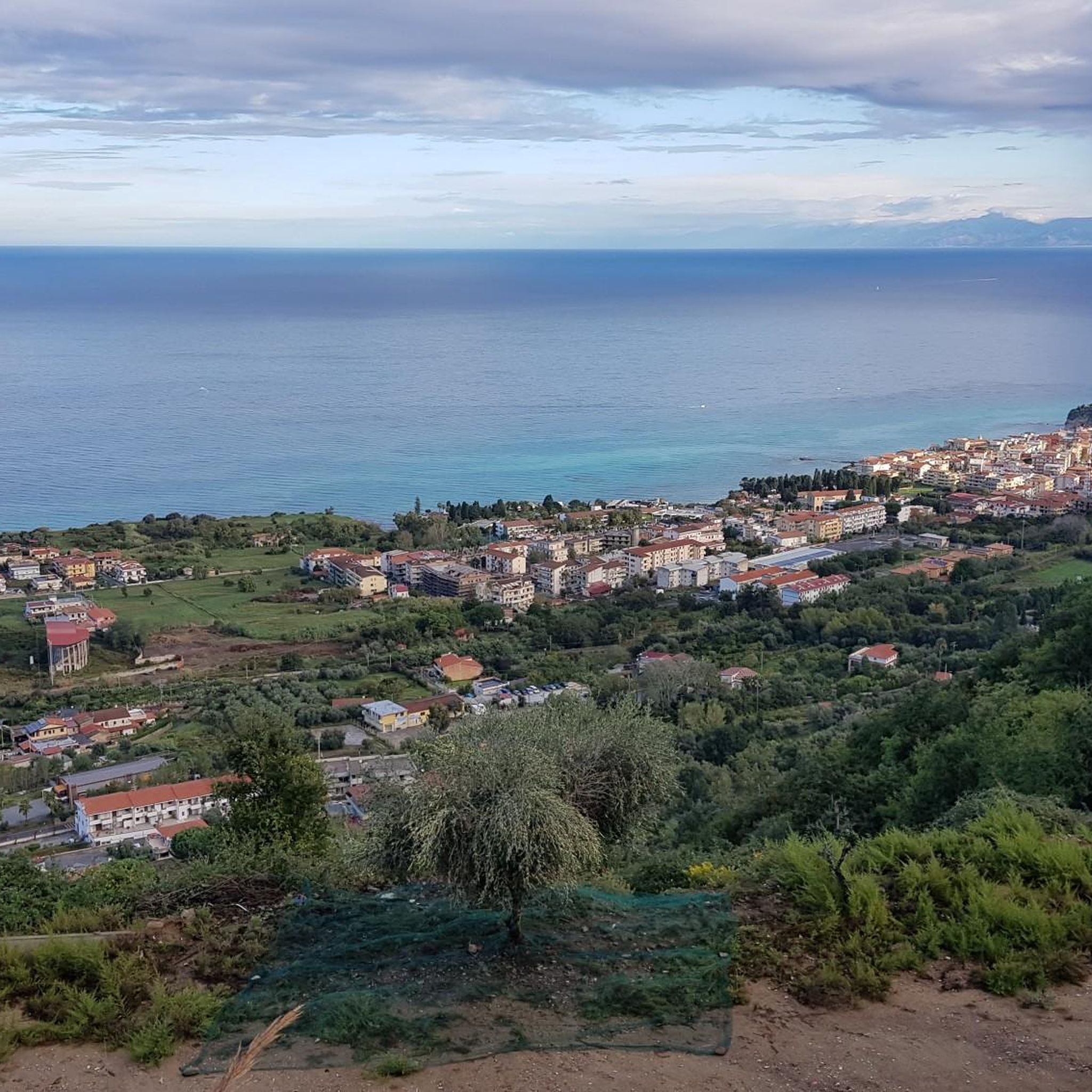
It is worth climbing the steps up to the church. From up there you have a magnificent view of the Tropea cityscape and the mountain landscape behind it. The basilica is surrounded by a garden with cacti and olive trees. The dreamlike view of the turquoise-blue sea and the beach "Spiaggia della Rotonda" below the old town of Tropea, in particular, makes a visit to the small park worthwhile. (Source KunstundReisen)
0
0

A story by Giovanni Guareschi – the literary "father" of "Don Camillo and Peppone" – ends with the sentence "Things happen there, in this strange region... where people think more with their clubs than with their brains, but where at least the dead are respected." To understand it, one must recall the political situation in Italy at that time, immediately after the end of World War II: The monarchy had been abolished, the royal family was in exile, and the communists were partially in power (as was the case in Don Camillo's village). In the story "The Old Teacher," the woman who had taught generations of villagers their ABCs has died. She had expressed her last wish to Mayor Peppone and Don Camillo that her flag – the old one with the coat of arms from the time of the monarchy – be placed above her coffin. However, all factions of the municipal council had spoken out against it. Peppone replied: "So I tell you... that I don't care about your opinion and that Signora Cristina will go to the cemetery tomorrow with the flag she likes, because I value her more dead than you alive." Hence the sentence quoted at the beginning, "where at least the dead are respected."
0
0

A tour of the cemetery is worthwhile. The monumental tombs are impressive.
1
0
To say that the Benedictine Sanctuary of Santa Maria dell'Isola (the Santuario benedettino di Santa Maria dell'Isola) is magnificent would be a sheer understatement, and it's not hard to see why it's one of Tropea's most photographed attractions. The sanctuary stands on a high rocky outcrop, surrounded by the beach and sparkling sea. Source: https://www.italia.it/en/calabria/things-to-do/tropea
5
1
Already popular in Roman times, Tropea was finally elevated to a bishopric in the 8th century. Then it was the Normans and especially the Angevins and Aragonese who brought prosperity to the Calabrian city. The Cathedral, also a result of the Norman era, was remodeled several times after seismic damage. Note the fascinating Gothic portals and then go inside to admire the various works of art. The structure is at the center of some myths and legends: one of them tells of an incident in which two bombs were placed at the entrance of the church but never exploded, supposedly due to the protection of the Virgin of Tropea. Source and more info: https://www.italia.it/en/calabria/things-to-do/tropea
9
1

A mixture of local history museum and contemporary history. The collections range from old clay pots to a wedding dress from 1990. Included in the entrance fee to the grottos (4 euros in 2024), there are toilets with washbasins.
0
0

The houses carved into the rock are worth seeing, very characteristic, a 30-minute tour and a subsequent visit are worth it.
1
0
Frequently Asked Questions
What historical sites can I explore within Rombiolo itself?
Within Rombiolo, you can discover several historic buildings and palaces, such as Palazzo Prestia, Palazzo Massara, and Palazzo De Lorenzo. Palazzo De Siena houses the Museum of Peasant Civilization (Museo della Civiltà Contadina di Rombiolo), offering insights into local history. The village also contains the ruins of a Dominican Convent, once a significant site for sacred culture.
Are there any unique cultural experiences or local festivities in Rombiolo?
Yes, Rombiolo hosts cultural and entertainment events during the "Estate Rombiolese" in July and August. Seasonal festivals include the Sagra della Patata (Potato Festival) in Pernocari, the Festa dell'Emigrante (Emigrant Festival) in Rombiolo Capoluogo, and the Sagra del Maiale (Pork Festival) in Presinaci.
What are some notable historical or religious landmarks near Rombiolo?
Beyond Rombiolo, you can visit the iconic Sanctuary of Santa Maria dell'Isola in Tropea, a former monastery perched on a rock with spectacular views. Another significant site is the Zungri Cave Settlement, an ancient rock formation with around one hundred caves carved into sandstone, located about 20 km from Tropea.
Where can I find scenic viewpoints or natural features in the Rombiolo area?
The Sanctuary of Santa Maria dell'Isola in Tropea offers breathtaking views from its clifftop garden. Additionally, the Belvedere of St. Francis of Paola in Zaccanopoli provides enchanting views overlooking Tropea, the Costa degli Dei, and the Aeolian Islands. The Zungri Cave Settlement is set in a unique rock formation overlooking a deep valley.
What kind of outdoor activities can I do near Rombiolo?
The region around Rombiolo offers various outdoor activities. You can find several cycling routes, such as the challenging "Castello di Nicotera – Riaci Beach loop from Limbadi." For mountain biking, consider routes like the "View of Tropea – View of Tropea loop from Tropea." There are also running trails, including the "Pineta loop from Nicotera." You can explore more options on the Cycling around Rombiolo, MTB Trails around Rombiolo, and Running Trails around Rombiolo guide pages.
Are there any family-friendly attractions or activities in the area?
Yes, the town of Tropea is considered family-friendly, offering cobblestone streets to stroll, cafes, and shops. The Zungri Cave Settlement can also be an engaging historical exploration for families. The beautiful sandy beaches with crystal-clear waters accessible from Tropea are also great for families.
What is the best time to visit Rombiolo and its surrounding attractions?
The summer months, particularly July and August, are vibrant with local festivities like the "Estate Rombiolese." However, for outdoor activities and exploring historical sites comfortably, spring and early autumn offer milder temperatures and pleasant weather, making them ideal for visiting the region's attractions.
What do visitors enjoy most about the attractions near Rombiolo?
Visitors particularly appreciate the stunning views from the Sanctuary of Santa Maria dell'Isola and its beautiful garden. The charm of Tropea, with its unique cliffside location and picturesque streets, is also highly praised. The historical depth and unique rock formations of the Zungri Cave Settlement offer a truly immersive cultural experience.
Are there any other towns or villages near Rombiolo worth visiting for their history or culture?
Absolutely. Tropea, known as "the pearl of the Tyrrhenian Sea," is a must-see coastal town with rich history and charming streets. Nicotera, about 8 km from Rombiolo, features an ancient noble castle and is recognized as a UNESCO site for the Mediterranean Diet. The Norman-Swabian Castle of Arena, approximately 19 km away, is another significant historical site.
Can I find any unique natural caves or shrines in the Rombiolo area?
Yes, the Zungri Cave Settlement is a unique rock formation with ancient caves. Additionally, the Madonna delle Fonti Shrine in Spilinga is nestled within an ancient hermit cave. On Tropea's famous traffic circle beach, you can find the Cave of St. Leonard, a fantastic semi-submerged cave offering a romantic atmosphere.
What kind of historical architecture can I expect to see in the region?
The region boasts a variety of historical architecture. In Rombiolo, you'll find 17th-century structures like Palazzo Prestia and the ruins of a Dominican Convent. Nearby, the Sanctuary of Santa Maria dell'Isola is a former monastery with a long history. Nicotera features an ancient noble castle, and the imposing Norman-Swabian Castle of Arena is also a notable example of historical fortifications.
Most popular attractions around Rombiolo

Get inspired with the komoot mobile app


Explore more
Still not found the Highlight you’re looking for? See guides of the top attractions in other regions:
