Top 20 Castles around Montefiore Conca
Best castles around Montefiore Conca are situated in a region characterized by rolling hills, the Conca valley, and views extending to the Romagna coast and Apennine mountains. This area holds significant historical importance, particularly due to the influence of the Malatesta family. Montefiore Conca itself is recognized as one of Italy's most beautiful towns, offering a blend of historical architecture and natural landscapes. The castles here served strategic military and residential purposes, reflecting centuries of regional power struggles.
Best castles…
Last updated: October 4, 2026
Tavoleto Castle
Highlight • Castle
Translated by Google •
Tip by

Montefiore Conca
Highlight • Castle
Translated by Google •
Tip by

Sign up now to discover places like this
Get recommendations on the best single tracks, peaks, & plenty of other exciting outdoor places.
San Clemente Historic Center
Highlight • Historical Site
Translated by Google •
Tip by

Saludecio
Highlight • Settlement
Translated by Google •
Tip by

Montescudo
Highlight • Settlement
Translated by Google •
Tip by
Sign up for free to discover even more castles around Montefiore Conca.
Already have an account?
Start today with a free account
Your next adventure awaits.
Tips from the Community

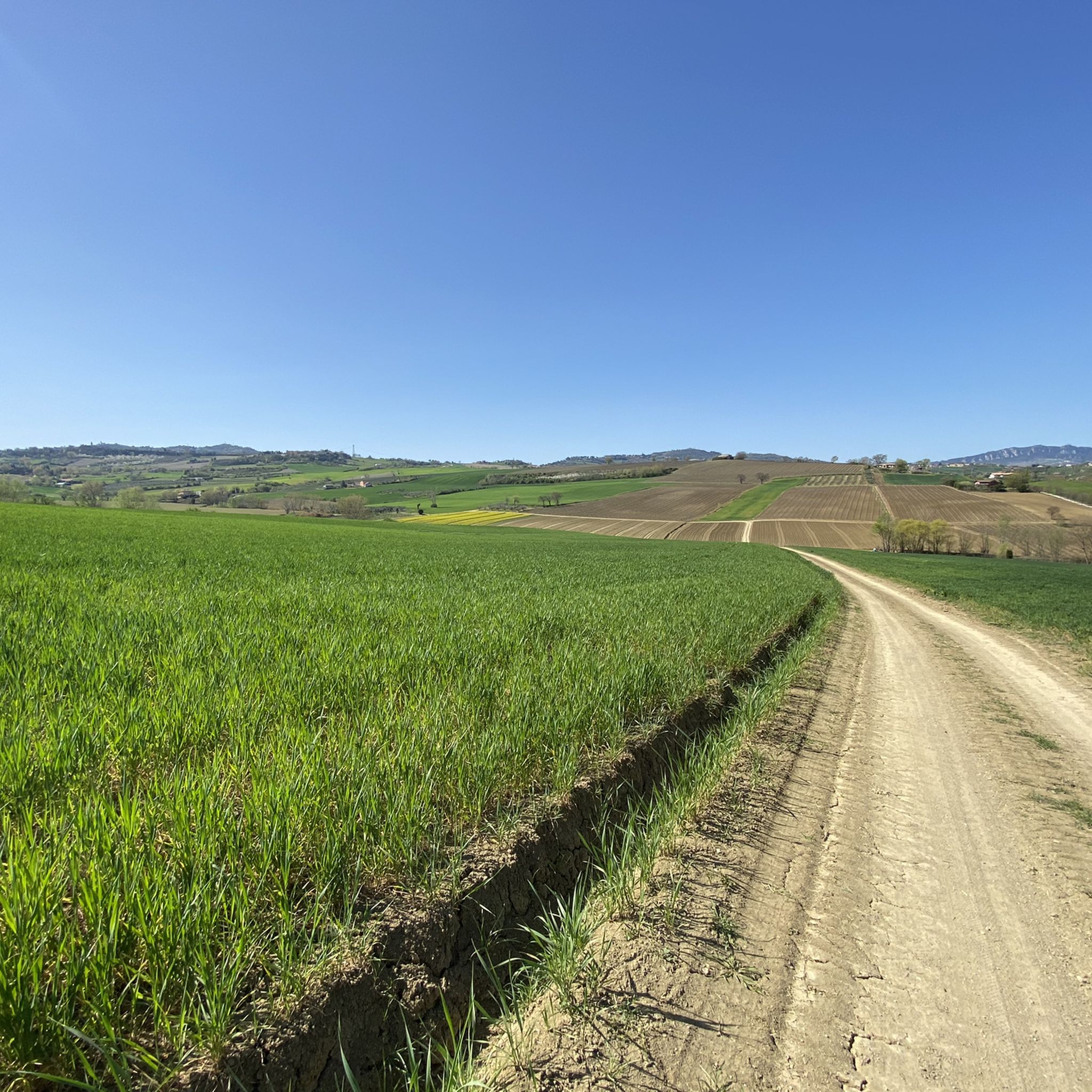
suggestive passage. I recommend the ascent from Morciano, The descent from the other side is - at times - steep but safely doable.
0
0

Saludecio is registered in the Italian Association of Painted Villages because of the 50 splendid murals that color its streets.
0
0

Dating back to the Malatesta era and still well preserved today, the village of San Clemente is one of the best destinations in the Romagna hinterland. The walls and bastions are clearly visible, enclosing the center of the village as they once did. Not far away is also Castelleale, commissioned in 1388 by Leale Malatesta, bishop of Rimini.
0
0

Nice tour, ours was slightly longer than usual because it started from another point on the panoramic road near the Gibas restaurant and between the return journey with the muscular mountain bike there are a few km on the legs but the tour is also very nice and the visit to the castle
0
0

The village of San Clemente dates back to the Malatesta era and its origins are still clearly visible today. The walls enclose, as in the past, the heart of the historic center and the complex known as Castelleale. It is one of the rare examples remaining in the Rimini area of a building that is both a large farm and a fortified villa, built in 1388 by Leale Malatesta, bishop of Rimini.
0
0
The construction of the castle took place by the family of Sigismondo Malatesta in the early 1300s and was disputed between the Malatesta and Montefeltro families in the battles for the acquisition of the territory. It was thus lost and reconquered five times, until Federico da Montefeltro finally conquered Tavoleto in 1458. Federico ordered the demolition of the castle and then rebuilt it under the work of the architect Francesco di Giorgio Martini who finished it before 1474. In 1631 it became the direct domain of the Papacy, but in 1885 it was donated to the Lawyer Petrangolini at the same time as the assignment of the title of count and the subjugation of the surrounding territories. It was subsequently sold to a private individual who transformed it into a restaurant in the more recent 1960s and renovated it according to the standards of those years. The current owners instead purchased it with the intention of bringing it back to its origins. Today it is home to receptions and ceremonies.
1
0
A hamlet of the Montescudo-Monte Colombo municipality, Montescudo was an autonomous municipality until 31 December 2015. A village of Malatesta origins, the local potato festival is particularly famous, a typical variety which is harvested in the month of August.
3
0

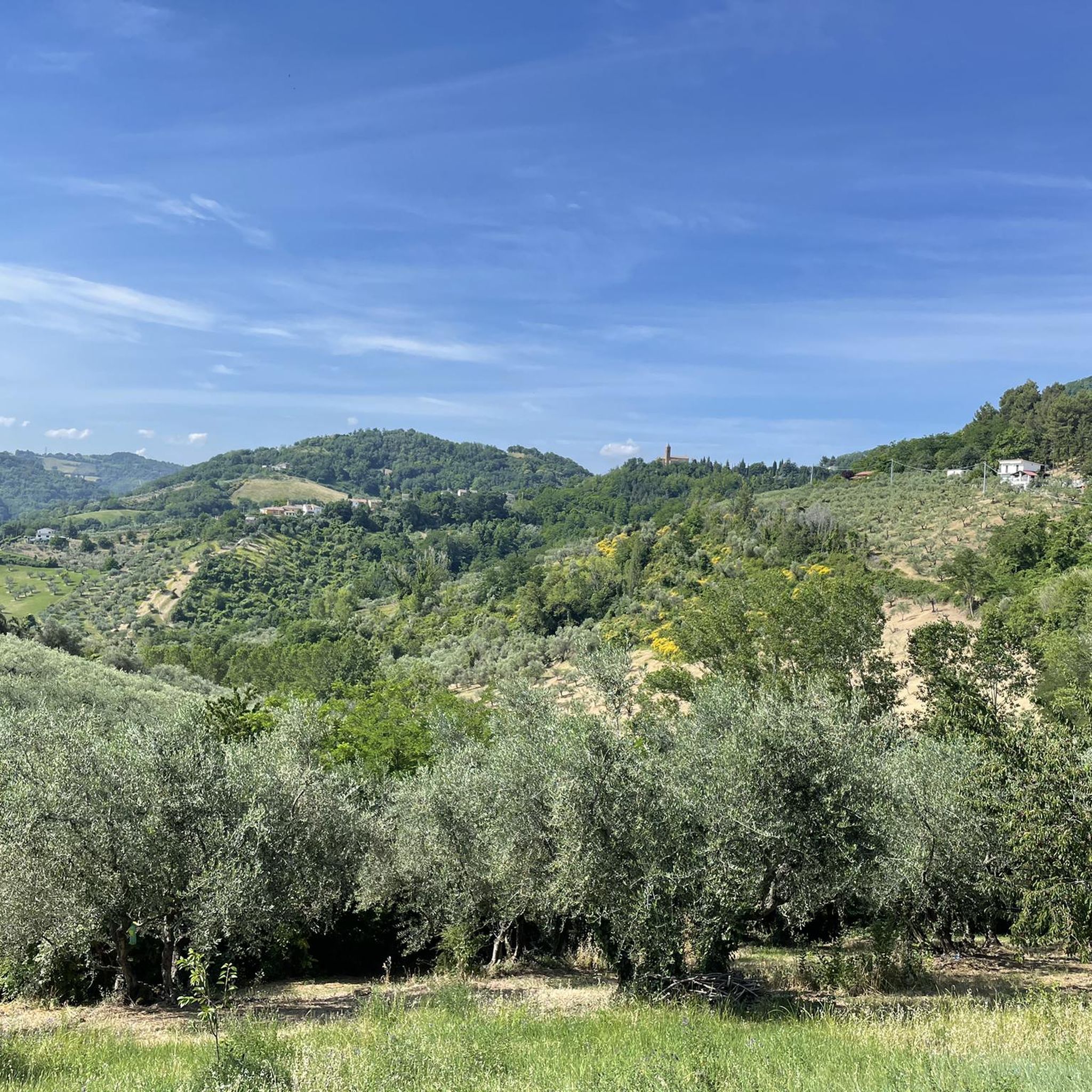
The town has a characteristic medieval aspect, but different from the other towns in the hinterland of the province of Rimini. In the times of the Malatesta noble family, the area was not very contested and so it was not necessary to make a fortress out of the village. Among the sights of the municipality is the central church that can be seen in the photo, the historic center and Piazza Mazzini. In the districts of Agello and Castelleale there are some country houses and farms that have a medieval character and were built in the 14th century, such as the Fattoria fortificata di Castelleale.
1
0
Frequently Asked Questions
What is the most historically significant castle in Montefiore Conca?
The most prominent and historically significant castle in the area is the Rocca Malatestiana, also known as the Malatesta Fortress. Perched on a hill at 385 meters above sea level, it offers breathtaking panoramic views of the Romagna coast and the Conca valley. Built in the 14th century by the powerful Malatesta family, it served as both a formidable military construction and an elegant residential palace, hosting figures like King Louis I of Hungary and Pope Gregory XII.
What makes the Rocca Malatestiana a unique visit?
The Rocca Malatestiana is unique for its strategic location offering unparalleled views, its distinctive 14th-century architecture with square walls and fortified towers, and its rich history. Inside, you can explore beautifully preserved frescoes, intricate stone carvings, and historical artifacts. Local legends, such as the souls of two lovers roaming the fortress and the mystery of the 'Tower of the Treasure,' add to its intrigue.
Are there other notable historical sites or castles to visit in the Montefiore Conca area?
Yes, beyond the Rocca Malatestiana, you can explore several other significant sites. These include the San Clemente Historic Center, a well-preserved Malatesta-era village, and Mondaino, a settlement featuring a fortress that was a key defensive structure for the Malatesta Lordship. Also, consider visiting Saludecio, a characteristic settlement with bell towers and walls, and Tavoleto Castle, which has a history of being disputed between the Malatesta and Montefeltro families.
Are there family-friendly castles or historical sites around Montefiore Conca?
Many of the historical sites and castles in the area are suitable for families. For instance, the San Clemente Historic Center, Saludecio, Mondaino, and Tavoleto Castle are all categorized as family-friendly. These sites often offer engaging historical exploration in a safe environment.
What outdoor activities can I do near the castles in Montefiore Conca?
The region around Montefiore Conca offers various outdoor activities. You can find numerous cycling routes, including challenging touring bicycle loops like the Casteldimezzo – Montefiore Conca loop, or more moderate road cycling routes such as the San Savino Castle – Morciano di Romagna loop. For hikers, there are trails like the Ventena Valley Loop or the Medieval fortress trail to Big Bench. You can find more details on these activities in the Cycling around Montefiore Conca, Road Cycling Routes around Montefiore Conca, and Hiking around Montefiore Conca guides.
Are there hiking trails around the castles in Montefiore Conca?
Yes, there are several hiking trails that allow you to explore the area around the castles. Popular options include the moderate CAI trails of Ventena and Val di Ranco, or the easier Medieval fortress trail to Big Bench. For a longer trek, consider the CAI Trail 021 from Chiesa di San Paolo to Montefiore Conca Monastery. More hiking routes can be found in the Hiking around Montefiore Conca guide.
What is the best time to visit the castles in Montefiore Conca?
The castles in Montefiore Conca, particularly the Rocca Malatestiana, offer stunning panoramic views. Visiting during clear weather conditions will allow you to fully appreciate the vistas of the Romagna coast, the Conca valley, San Marino, and the Apennine mountains. Spring and autumn generally provide pleasant temperatures for exploring both the castles and the surrounding towns.
What do visitors enjoy most about the castles and historical sites in this region?
Visitors frequently appreciate the well-preserved medieval architecture and the tangible connection to history, especially the Malatesta era. The strategic locations of many castles, like the Rocca Malatestiana, are highly praised for their breathtaking panoramic views. The unique character of towns like Montefiore Conca, recognized as one of 'Italy's most beautiful towns,' also adds to the overall charm and cultural experience.
Are there viewpoints overlooking the castles in Montefiore Conca?
Yes, the castles themselves often serve as excellent viewpoints. The Rocca Malatestiana, for example, is renowned for its panoramic views from its elevated position. Additionally, the settlement of Montescudo, another historical site with castle elements, is situated on a small hill offering a wonderful view of the sea and surrounding landscape.
How long should I plan for a visit to the castles in Montefiore Conca?
For a comprehensive visit to the main Rocca Malatestiana, including exploring its interior, frescoes, and enjoying the panoramic views, allow at least 2-3 hours. If you plan to visit multiple castles or historical settlements like San Clemente, Mondaino, or Saludecio, you should dedicate a full day or even spread your visits over several days to fully appreciate each site and its surroundings.
Are there places to eat or drink near the castles in Montefiore Conca?
Montefiore Conca, being recognized as one of 'Italy's most beautiful towns,' offers a special atmosphere with historic restaurants surrounding the Rocca Malatestiana. Similarly, other historical settlements like Saludecio also have local establishments, such as Bar Novecento, where you can stop for refreshments.
Most popular routes around Montefiore Conca
Most popular attractions around Montefiore Conca

Get inspired with the komoot mobile app


Explore more
Looking for the best castles somewhere else? Discover other guides around Montefiore Conca:
