Top 8 Mountain Passes around Pennabilli
Best mountain passes around Pennabilli are situated in the Apennine mountains, providing access to the Sasso Simone and Simoncello Natural Park. This region features a mountainous landscape with opportunities for exploring scenic routes and hiking trails. Pennabilli serves as a base for discovering the area's natural beauty and outdoor activities.
Best mountain passes around Pennabilli
- The most popular mountain passes is Passo Marco Pantani (Cippo di Carpegna), a mountain pass that is also a historical site and climb. It…
Last updated: August 20, 2026
Passo Marco Pantani (Cippo di Carpegna)
Highlight (Segment) • Mountain Pass
Translated by Google •
Tip by

Siepi Pass
Highlight • Mountain Pass
Translated by Google •
Tip by
Sign up now to discover places like this
Get recommendations on the best single tracks, peaks, & plenty of other exciting outdoor places.
Sign up for free
Viamaggio Pass (1050 m)
Highlight • Mountain Pass
Translated by Google •
Tip by

Trabocchetto Pass
Highlight • Mountain Pass
Translated by Google •
Tip by

Sella dei Sassi
Highlight • Mountain Pass
Translated by Google •
Tip by

Sign up for free to discover even more mountain passes around Pennabilli.
Sign up for free
Already have an account?
Start today with a free account
Your next adventure awaits.
Login or Signup
Popular around Pennabilli
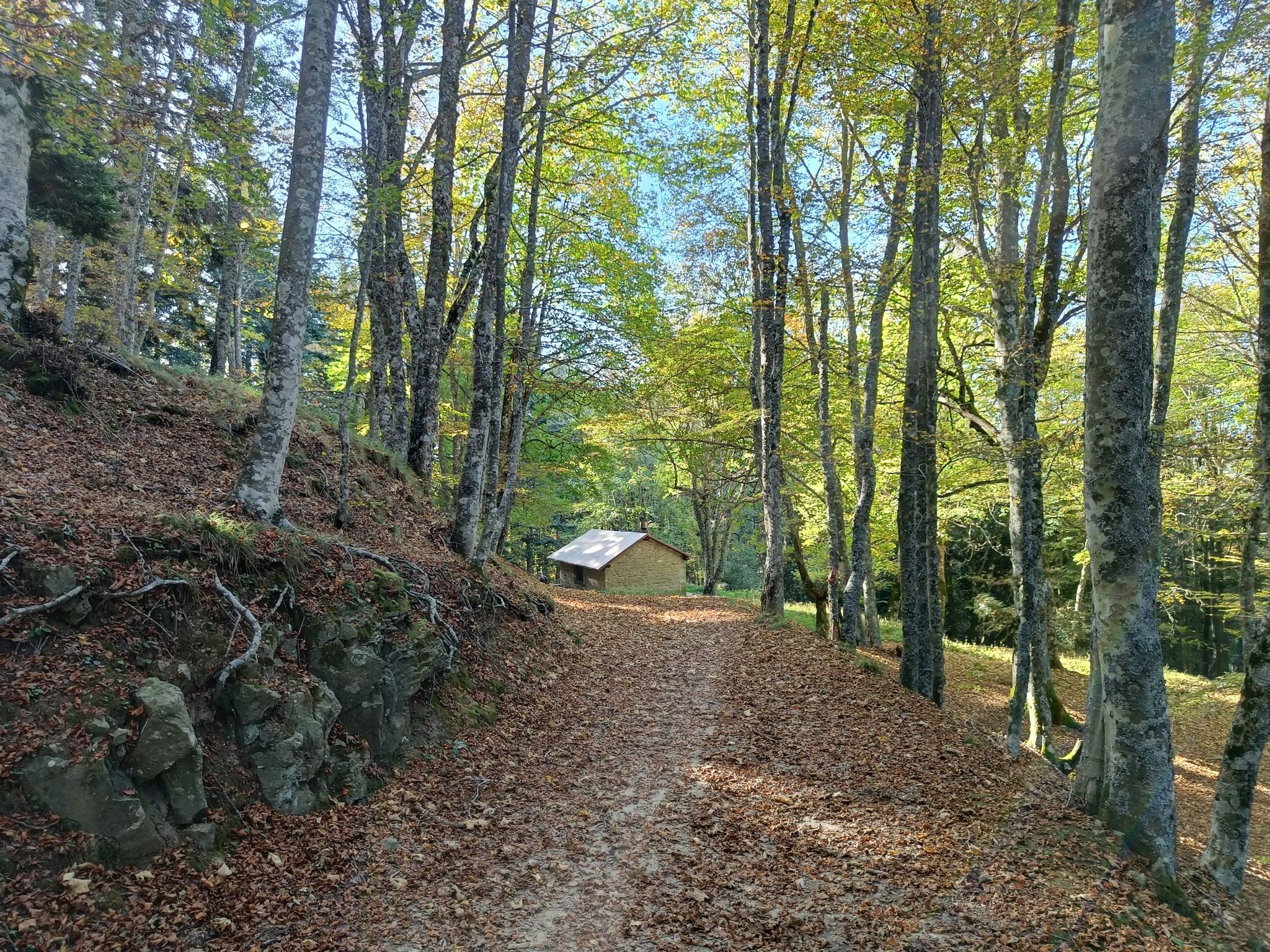
Camaldoli to Carpegna – Alta Via dei Parchi (part 5)
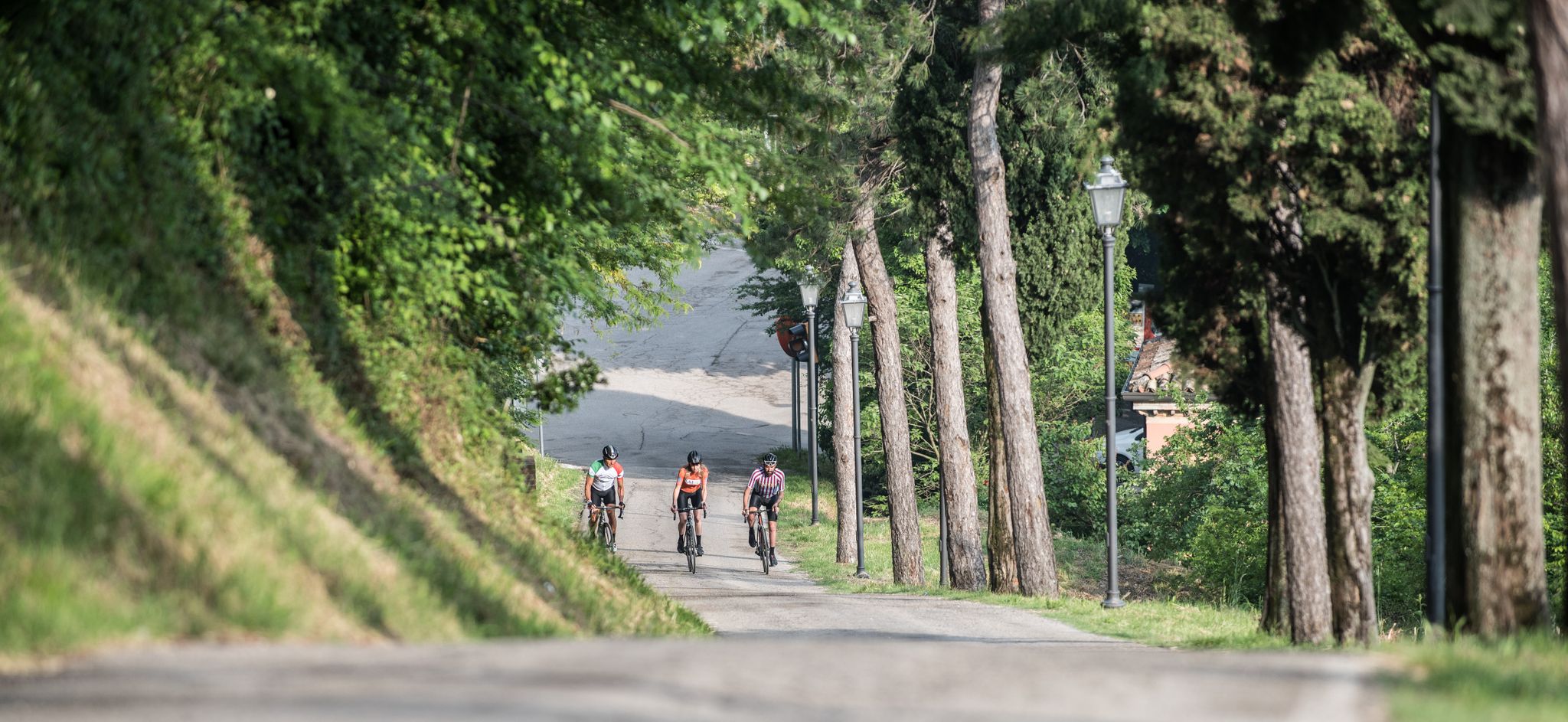
Enjoyment, culture and nature – cycling Tours in Italy’s Emilia Romagna region
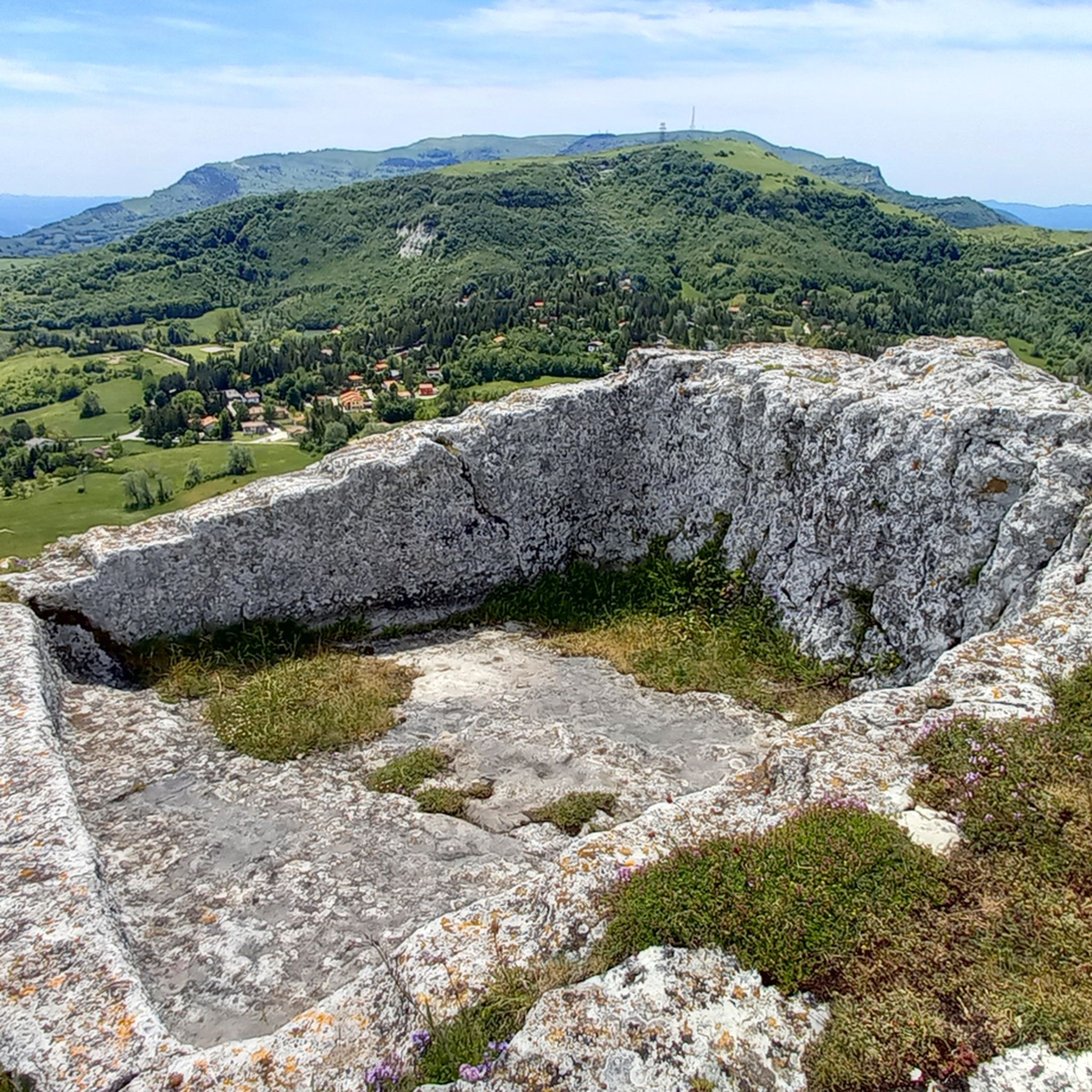
Hiking around Pennabilli
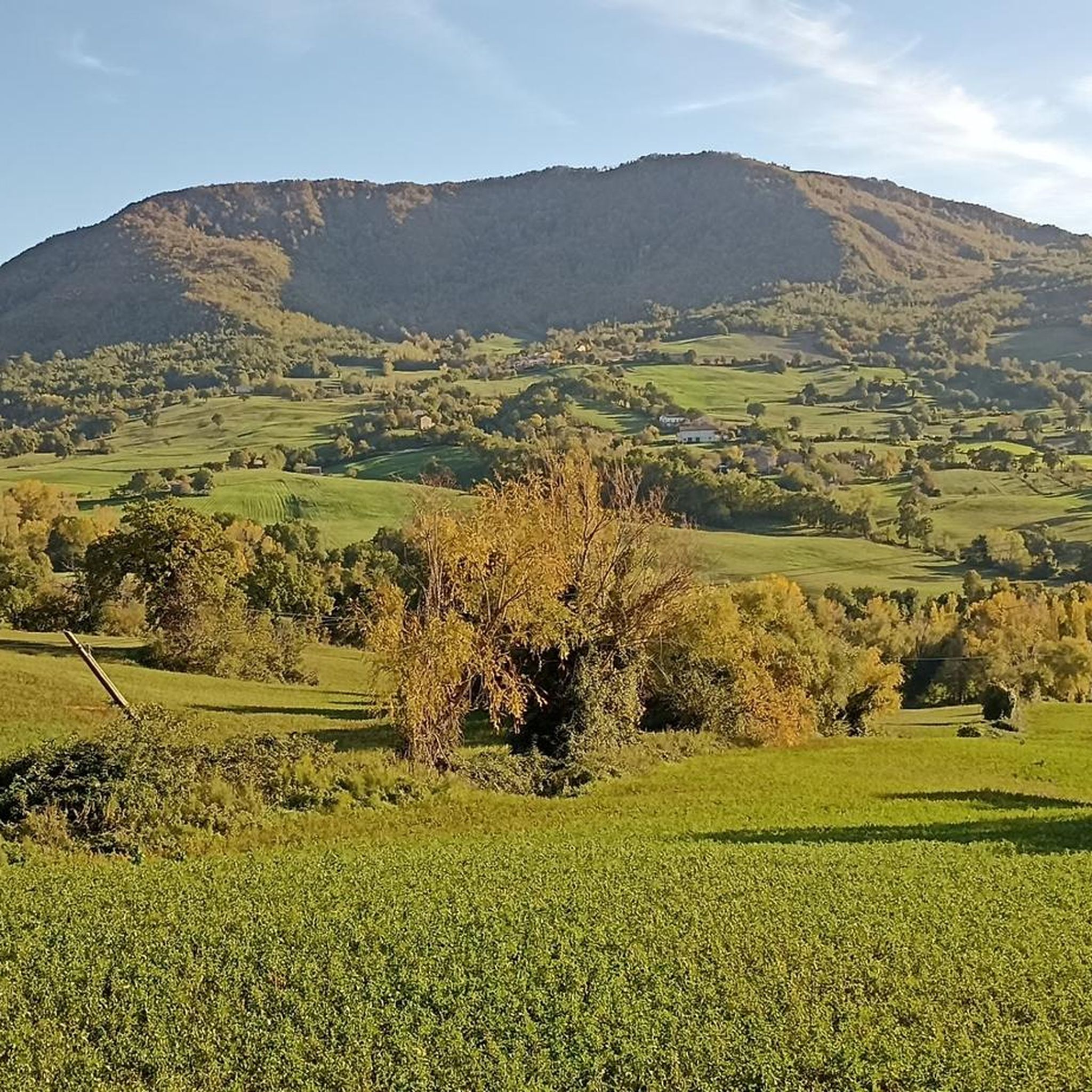
Road Cycling Routes around Pennabilli
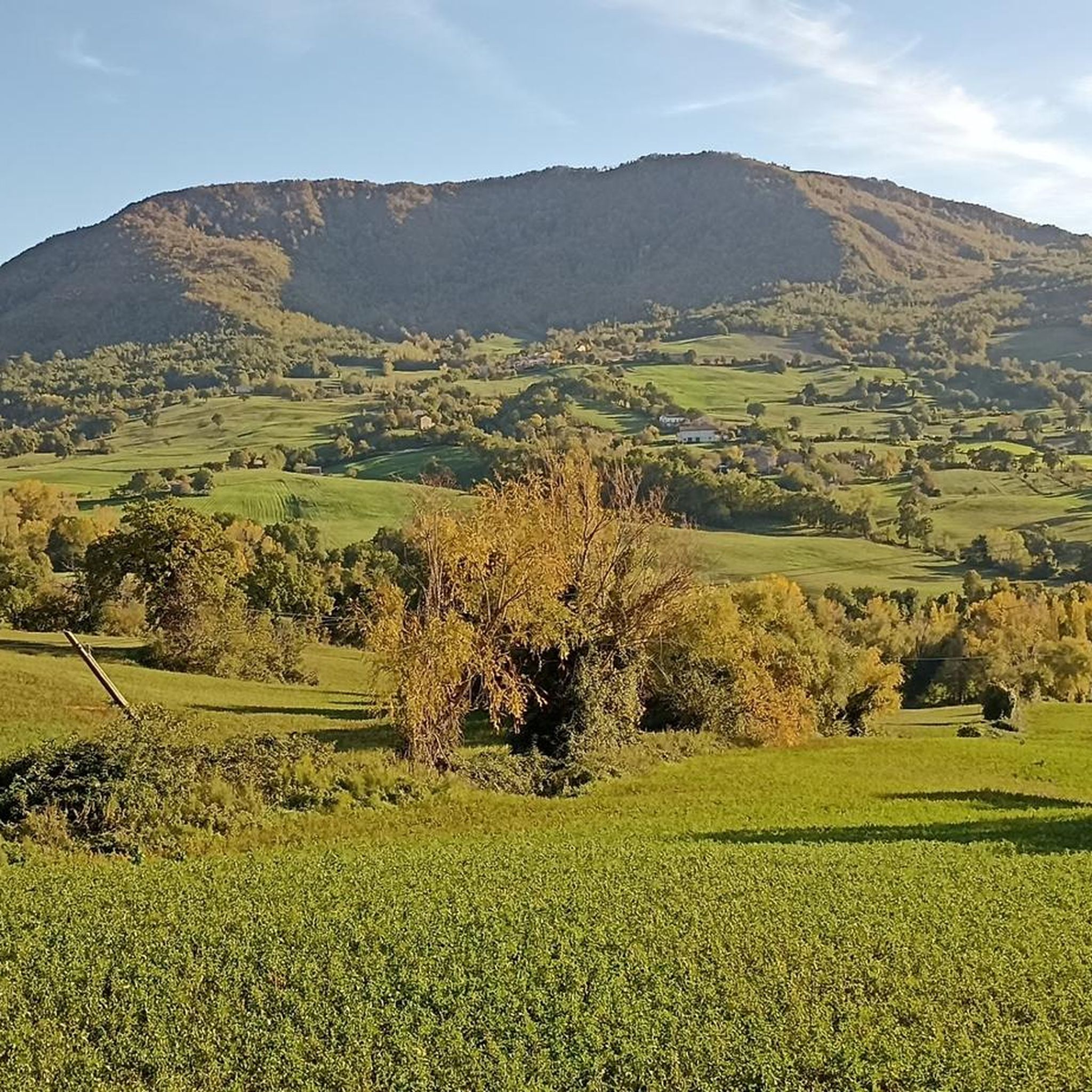
MTB Trails around Pennabilli
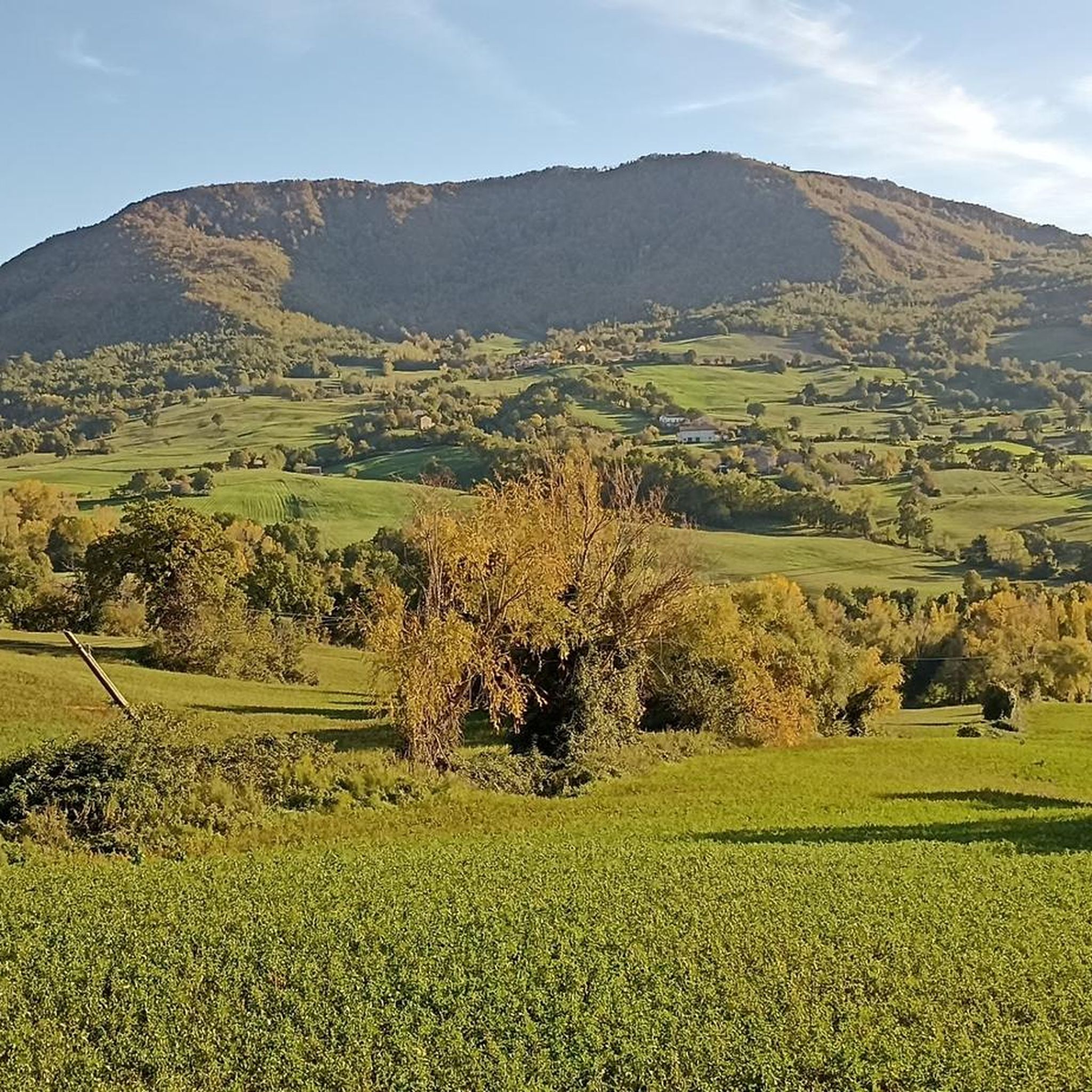
Cycling around Pennabilli
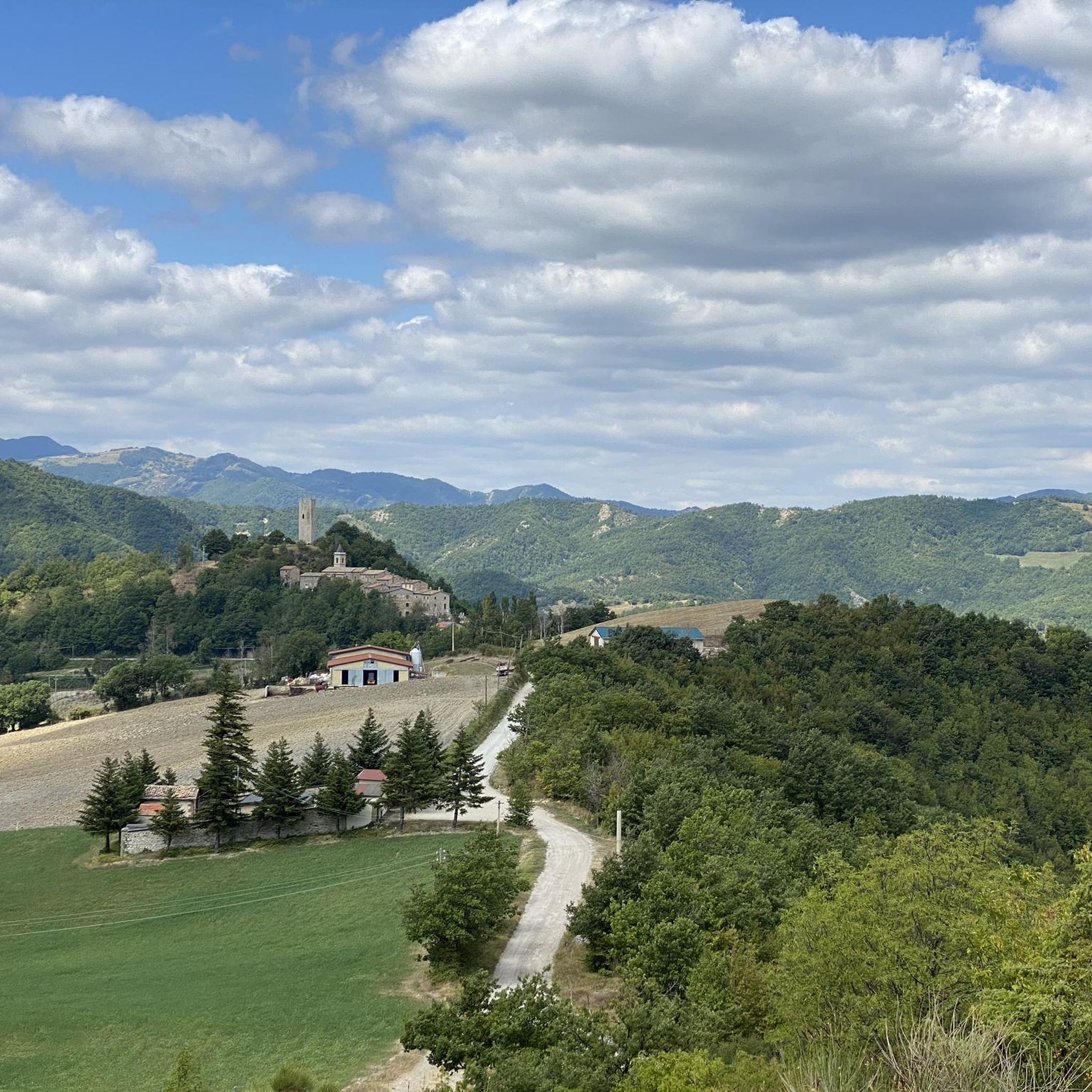
Running Trails around Pennabilli
Gravel biking around Pennabilli


Tips from the Community

It's beautiful, I rest there and enjoy the view
0
0


Hi, roughly how far is Sasso Simone from Sella dei Sassi? I mean without climbing up 😅. Thanks!
0
0

View of the Marecchia valley from the Trabocchetto Pass
0
0
No comments needed, it has to be done... It is worth it for what it represents and also because it is quiet, without traffic.
1
1

Everything is reminiscent of Marco Pantani
0
0

The Sassi saddle is located at an altitude of 1,150 metres. This is the pass that separates Sasso di Simone and Mount Simoncello, the latter reachable with a detour that starts right from here.
0
0
Frequently Asked Questions
What kind of natural features can I expect to see around the mountain passes near Pennabilli?
The region around Pennabilli's mountain passes is rich in natural beauty, particularly within the Sasso Simone and Simoncello Natural Park. You can find unique geological formations, such as the impressive limestone boulders of Sasso Simone and Simoncello. The Sella dei Sassi pass, for instance, is located between these two mountains. The Cantoniera Pass, near Carpegna, is known for one of Europe's largest turkey oak woods, featuring ancient trees and diverse flora and fauna, including wolves and birds of prey. Passes like Trabocchino Pass offer panoramic views of valleys and stratified rock formations.
Are there family-friendly mountain passes or trails suitable for children near Pennabilli?
Yes, some mountain passes and nearby trails are suitable for families. While specific 'family-friendly' routes for all passes aren't detailed, the Passo Marco Pantani (Cippo di Carpegna) is categorized as family-friendly. The Trabochetto Pass, mentioned in regional research, offers a moderate physical challenge with well-defined trails, making it accessible for a range of fitness levels, including families looking for an engaging outdoor experience.
Can I bring my dog on the trails around Pennabilli's mountain passes?
Yes, several trails around Pennabilli's mountain passes are dog-friendly. For example, the Passo Marco Pantani (Cippo di Carpegna) is explicitly categorized as dog-friendly. The Trabochetto Pass also permits dogs on its trails, provided they are leashed. Always ensure your dog is under control and respect local regulations regarding pets in natural areas.
What outdoor activities can I do near the mountain passes around Pennabilli?
The area around Pennabilli's mountain passes is ideal for various outdoor activities. You can find numerous routes for cycling, mountain biking, and running. For instance, there are challenging cycling loops like the 'Pennabilli – Passo Cantoniera di Carpegna loop' and mountain biking trails such as the 'Cantoniera Pass (1,005 m) – Passo Marco Pantani loop'. Running enthusiasts can explore routes like the 'Passo del Trabocchetto – Rifugio Fontanelle loop'. You can find more details on these activities in the dedicated guides for Running Trails around Pennabilli, Cycling around Pennabilli, and MTB Trails around Pennabilli.
Are there any historical or cultural sites associated with the mountain passes?
Yes, some passes have historical significance. The Passo Marco Pantani (Cippo di Carpegna) is a notable historical site and climb, famously known as Marco Pantani's training ground. It features writings, statues, and memories of Pantani along the ascent. It also holds historical importance for the Giro d'Italia, with Eddy Merckx winning there in 1973. The broader Sasso Simone and Simoncello Natural Park also contains historical elements, such as the ruins of a fortress-city on Sasso Simone.
What is the best time of year to visit the mountain passes near Pennabilli?
The best time to visit the mountain passes around Pennabilli largely depends on your preferred activity. Spring and autumn offer pleasant temperatures for hiking and cycling, with vibrant foliage or blooming wildflowers. Summer provides warmer weather, ideal for longer days outdoors, though some areas, like the Cantoniera Pass with its large turkey oak woods, offer refreshing walks. Winter can bring snow, making some passes challenging or only accessible for specific winter sports, but also offering a different kind of scenic beauty.
Are there any permits required for hiking or accessing the mountain passes?
Generally, permits are not required for hiking or accessing the mountain passes themselves in the Pennabilli area. The Sasso Simone and Simoncello Natural Park, which encompasses many of these passes, is open for exploration. However, it's always advisable to check for any specific local regulations or temporary restrictions, especially if planning activities in protected or private areas.
Where can I find parking when visiting the mountain passes?
Parking availability varies by pass and trailhead. For passes like the Trabochetto Pass, which can be part of a loop starting from Maciano, you would typically find parking in or near the starting village. For other passes, parking might be available at designated viewpoints or trailheads. It's recommended to check specific route details on Komoot or local signage for the most accurate parking information for your chosen starting point.
What makes the Cantoniera Pass unique?
The Cantoniera Pass, located near Carpegna within the Sasso Simone and Simoncello Natural Park, is particularly unique for its association with one of Europe's largest turkey oak woods. This vast, ancient forest, with trees over 30 years old and a diverse range of other species, offers a lush, immersive natural environment. It's an ideal spot for cool, refreshing walks, environmental education, and observing diverse ecosystems within the broader park's unique geomorphology.
What is the difficulty level of the mountain passes around Pennabilli?
The mountain passes around Pennabilli offer a range of difficulty levels. Some, like the Passo Marco Pantani (Cippo di Carpegna), are considered challenging, with an average gradient of 10% over 6 km, making them popular for experienced cyclists. Other passes, such as Siepi Pass and Trabocchino Pass, are rated as intermediate. The Trabochetto Pass, mentioned in regional research, offers a moderate physical challenge, making it accessible to a wider range of fitness levels.
Are there cafes or restaurants near the mountain pass trails?
While the mountain passes themselves are often in natural, less developed areas, you can typically find cafes and restaurants in the nearby towns and villages that serve as starting points or bases for exploring the passes. Pennabilli itself offers various dining options. For specific passes, it's best to check local amenities in the closest village before or after your activity.
What is the <a href="https://www.komoot.com/highlight/6534912" target="_blank" rel="noopener">Sella dei Sassi</a> and what does it offer?
The Sella dei Sassi is a mountain pass located at an altitude of 1,150 meters. It serves as the saddle separating the prominent Sasso di Simone and Mount Simoncello. From this pass, you can access Mount Simoncello via a detour. It's a significant point for hikers and offers viewpoints and forest trails, making it an intermediate-level destination for those exploring the Sasso Simone and Simoncello Natural Park.
How long does it take to hike or cycle the mountain passes?
The duration of hiking or cycling routes over the mountain passes varies greatly depending on the specific pass, the chosen route, and your pace. For example, the climb of Cippo di Carpegna is 6 km long with a steep gradient, which can be a significant cycling challenge. Hiking loops, such as the 'Passo del Trabocchetto – Rifugio Fontanelle loop' for running, can be over 20 km, taking several hours. It's best to consult specific route details on Komoot for estimated times and distances.
Most popular routes around Pennabilli
Most popular attractions around Pennabilli

Get inspired with the komoot mobile app


Explore more
See even more epic mountain passes by checking out these guides around Pennabilli:
