Attractions and Places To See around Pennabilli - Top 20
Best attractions and places to see around Pennabilli include a blend of historical sites, natural landscapes, and unique cultural installations. This village, located in the Alta Valmarecchia of Emilia-Romagna, is surrounded by the Apennine mountains and lies within the Sasso Simone and Simoncello Regional Park. Pennabilli is also recognized for its connection to poet Tonino Guerra and its surprising links to Tibetan culture. Visitors can explore a variety of sites reflecting the area's rich history and artistic heritage.
Best attractions…
Last updated: October 11, 2026
Hermitage of Saint Alberico
Highlight • Religious Site
Translated by Google •
Tip by

Passo Marco Pantani (Cippo di Carpegna)
Highlight (Segment) • Mountain Pass
Translated by Google •
Tip by

Sign up now to discover places like this
Get recommendations on the best single tracks, peaks, & plenty of other exciting outdoor places.
San Leo Fortress and Historic Village
Highlight • Castle
Translated by Google •
Tip by

Fortress of San Leo
Highlight • Castle
Translated by Google •
Tip by

Sasso Simone
Highlight • Natural Monument
Translated by Google •
Tip by

Sign up for free to discover even more attractions around Pennabilli.
Already have an account?
Start today with a free account
Your next adventure awaits.
Popular around Pennabilli
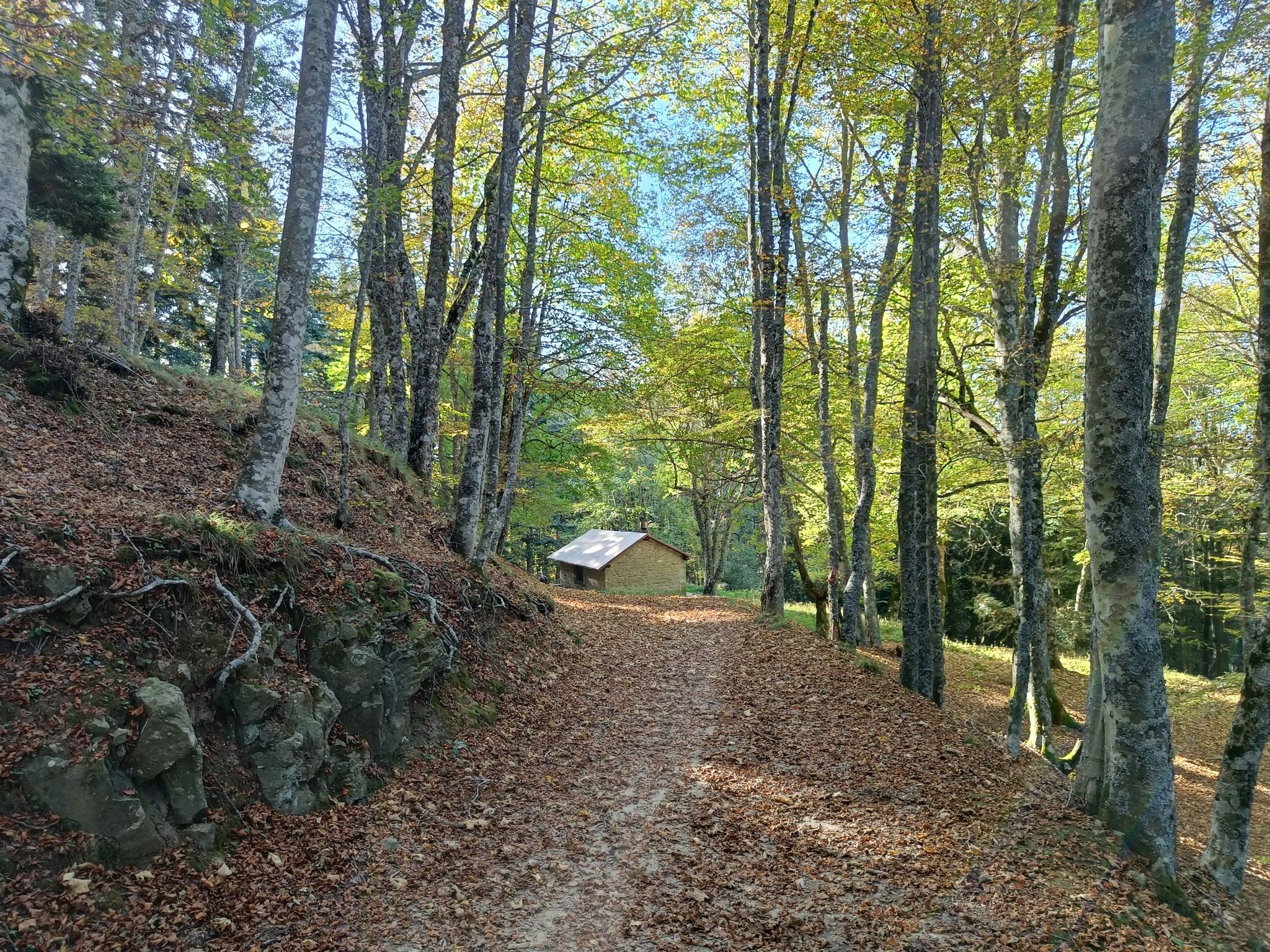
Camaldoli to Carpegna – Alta Via dei Parchi (part 5)
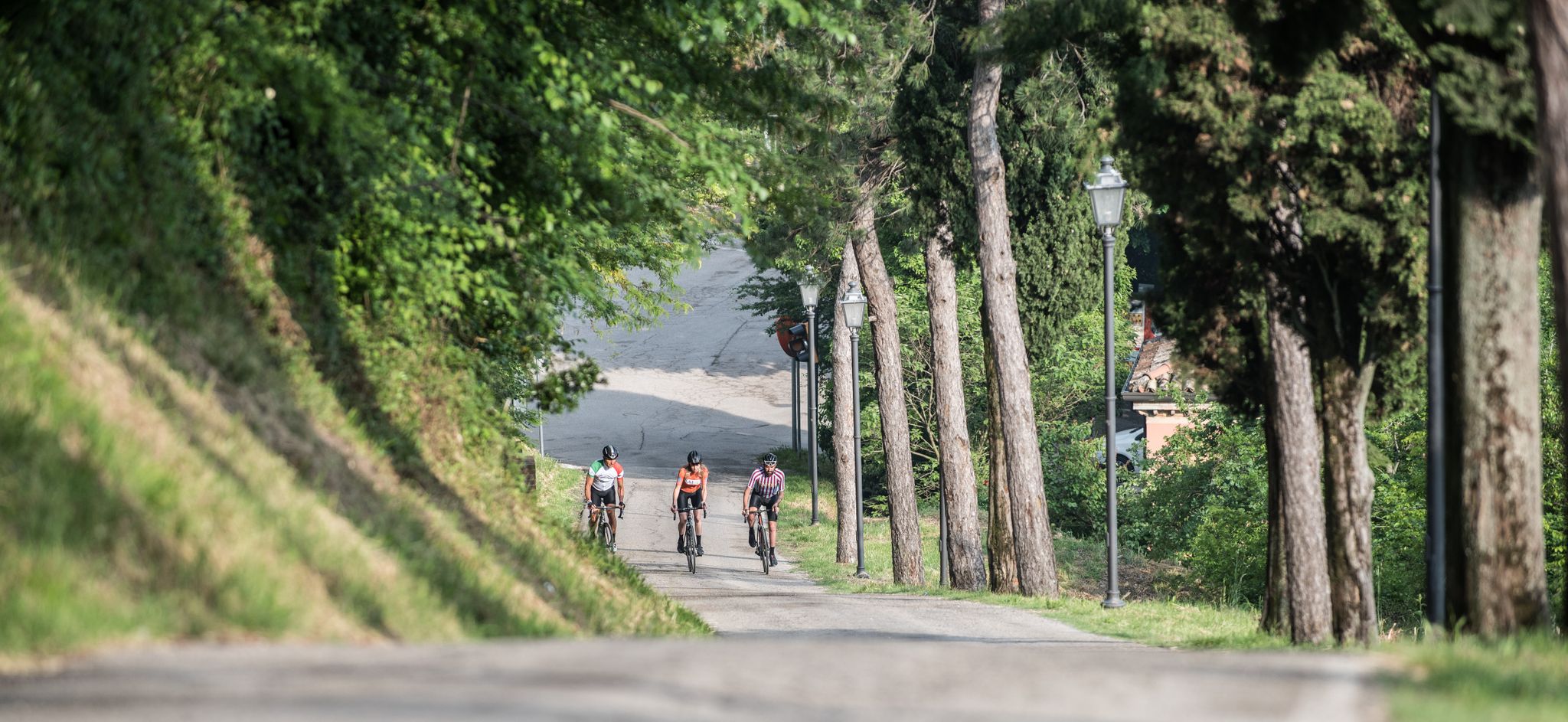
Enjoyment, culture and nature – cycling Tours in Italy’s Emilia Romagna region
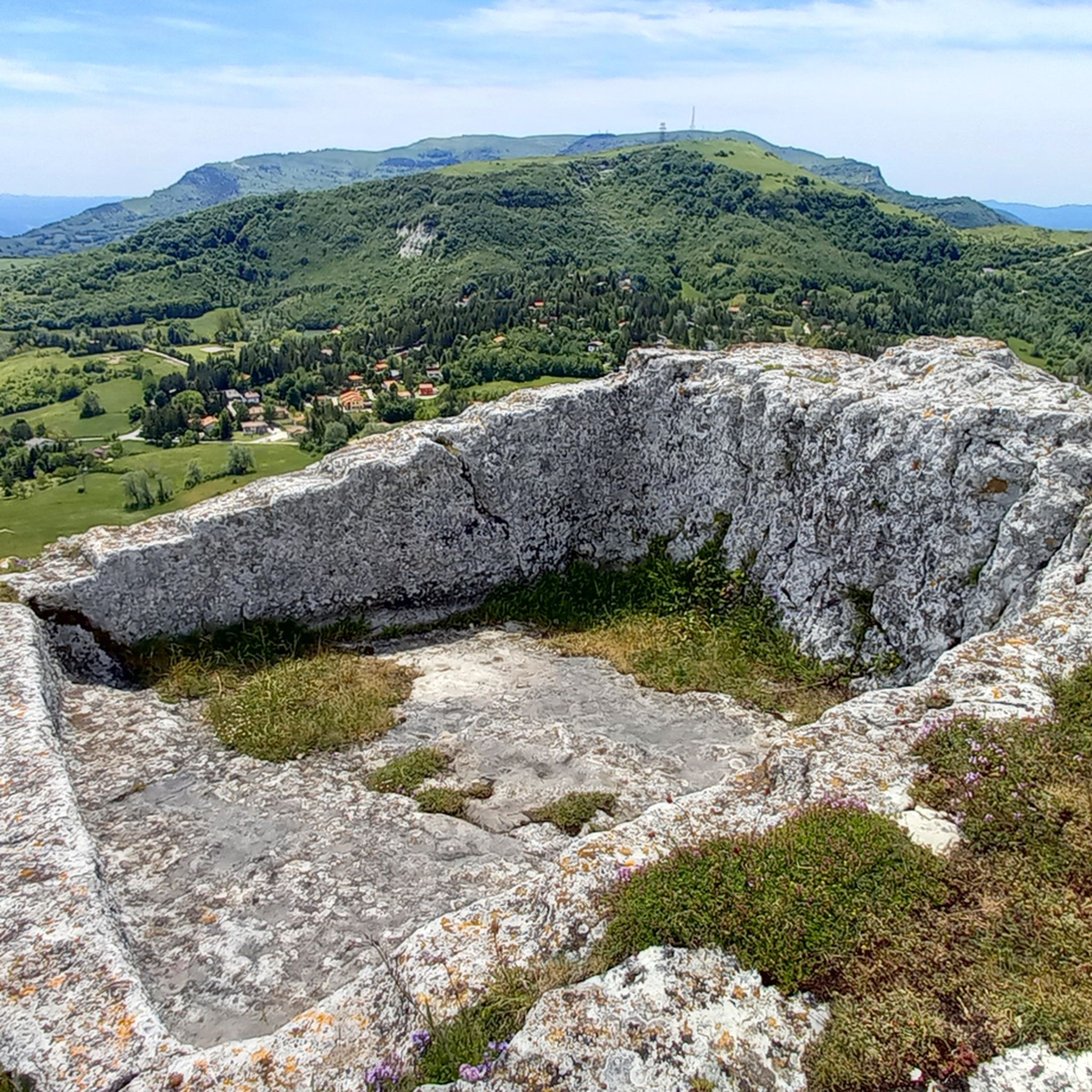
Hiking around Pennabilli
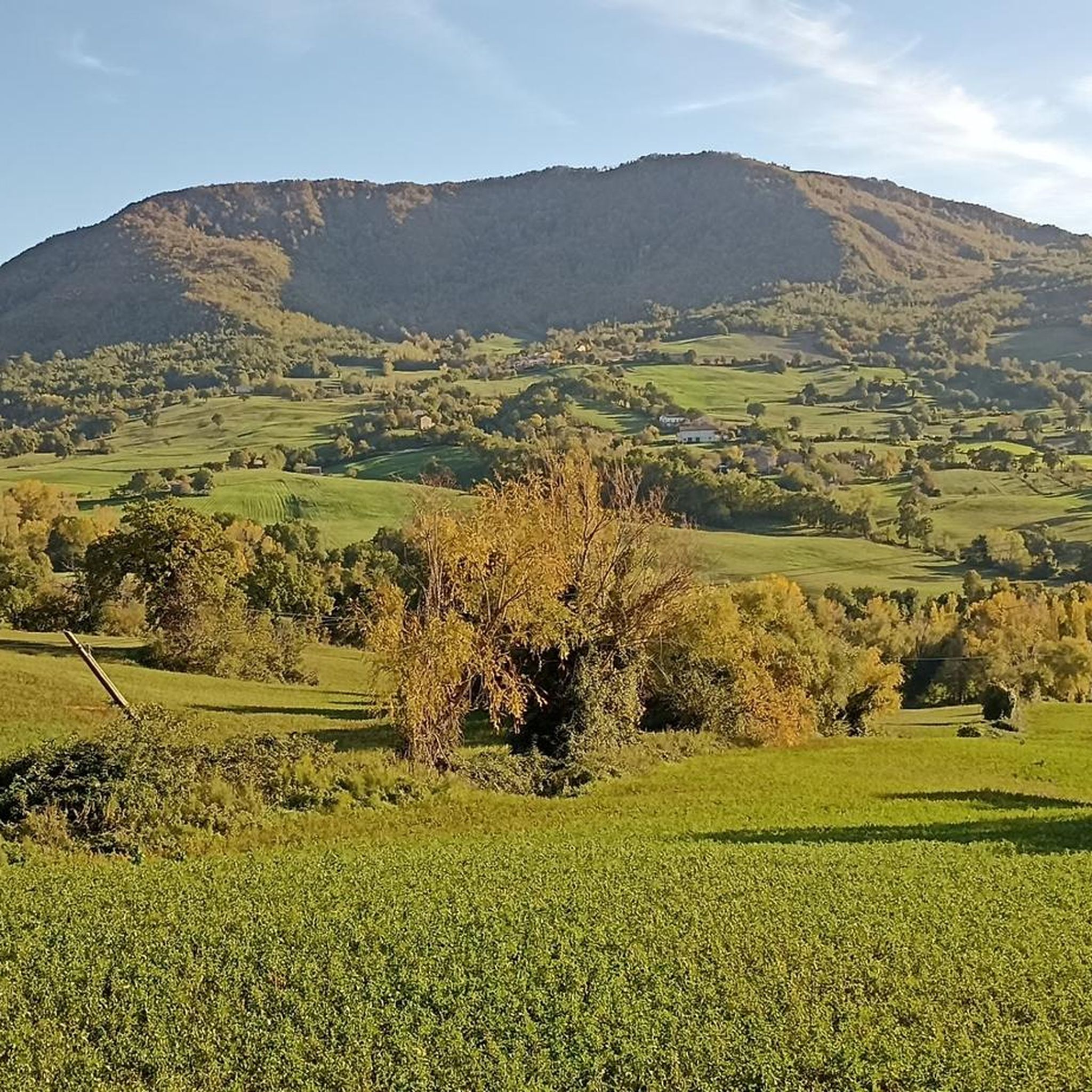
Road Cycling Routes around Pennabilli
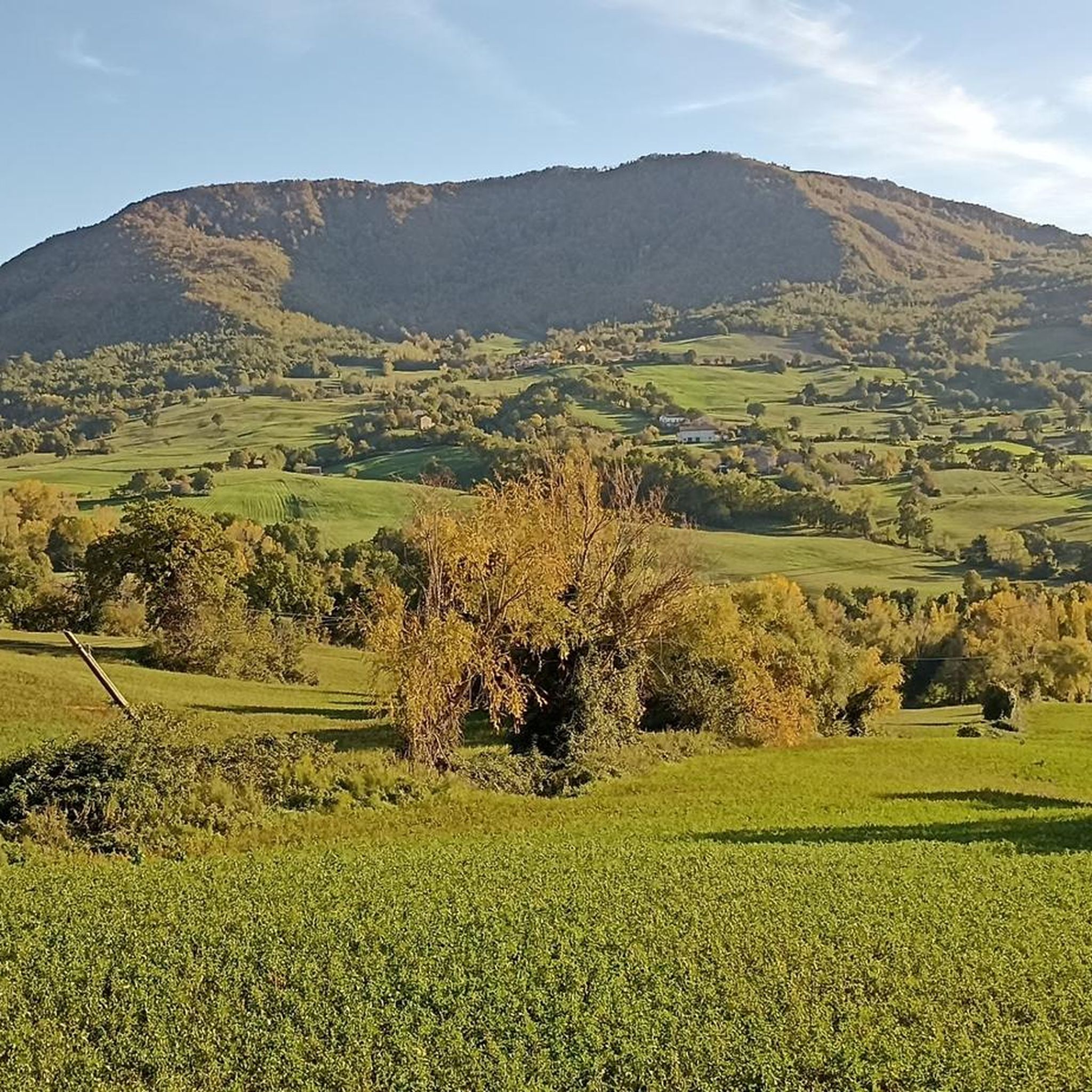
MTB Trails around Pennabilli
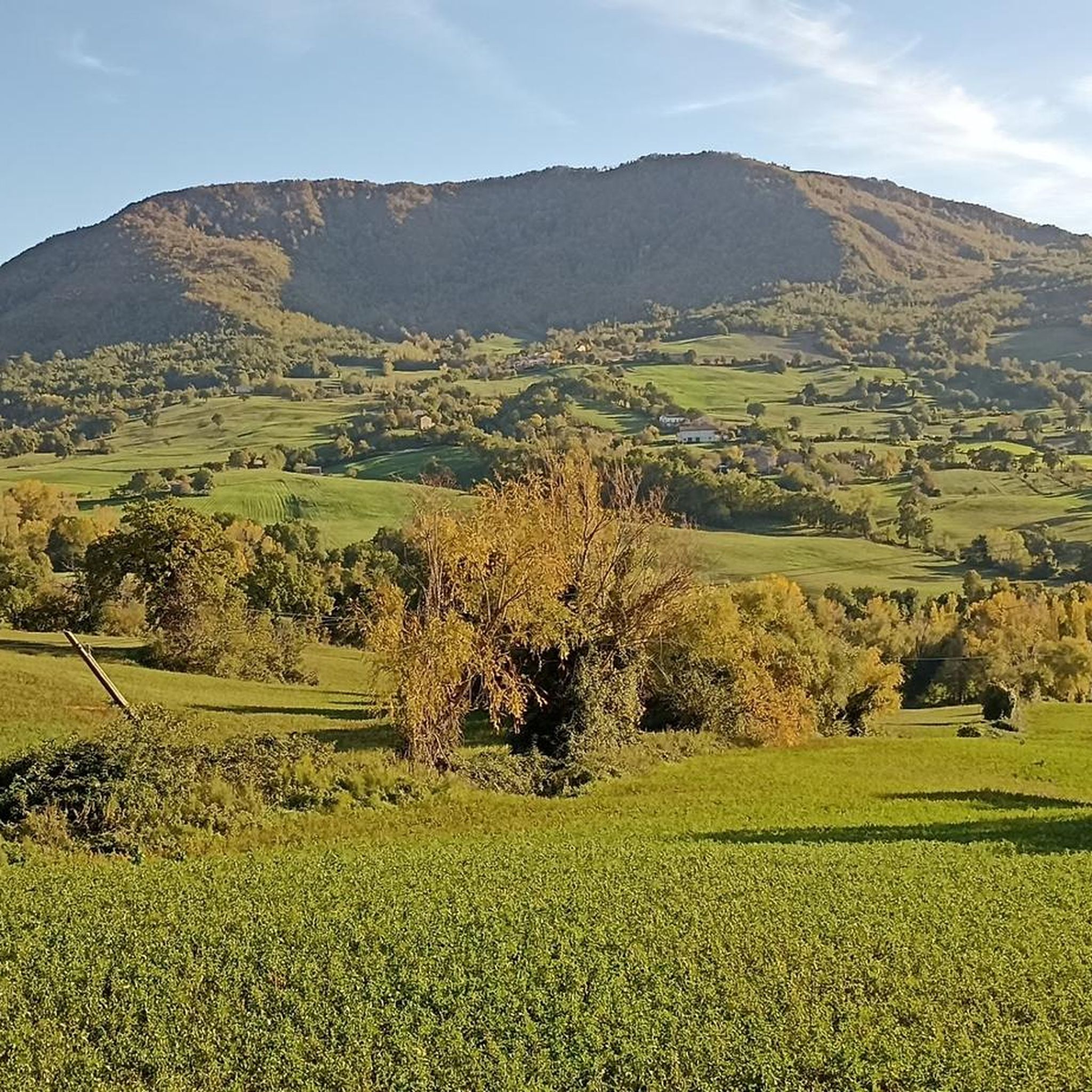
Cycling around Pennabilli
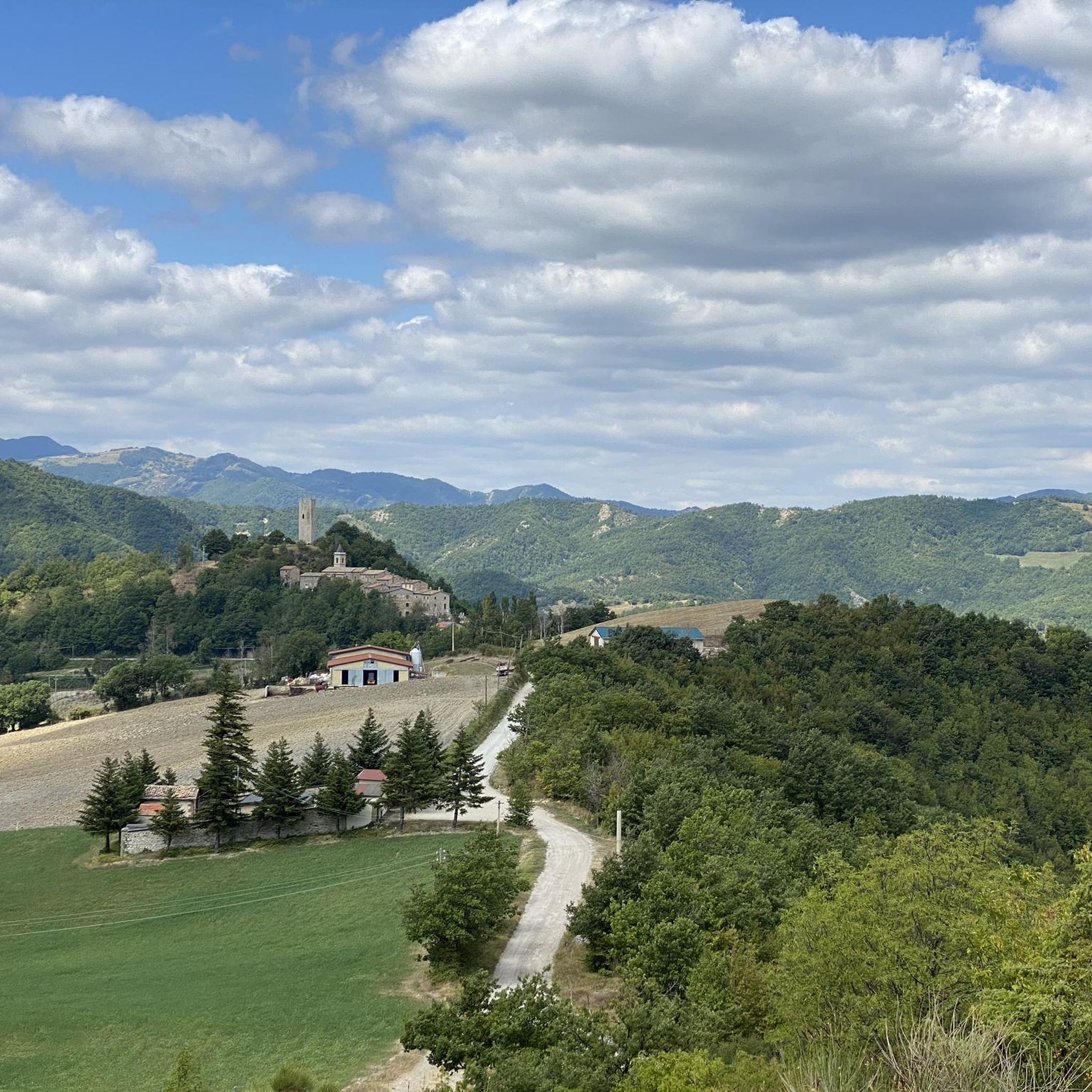
Running Trails around Pennabilli
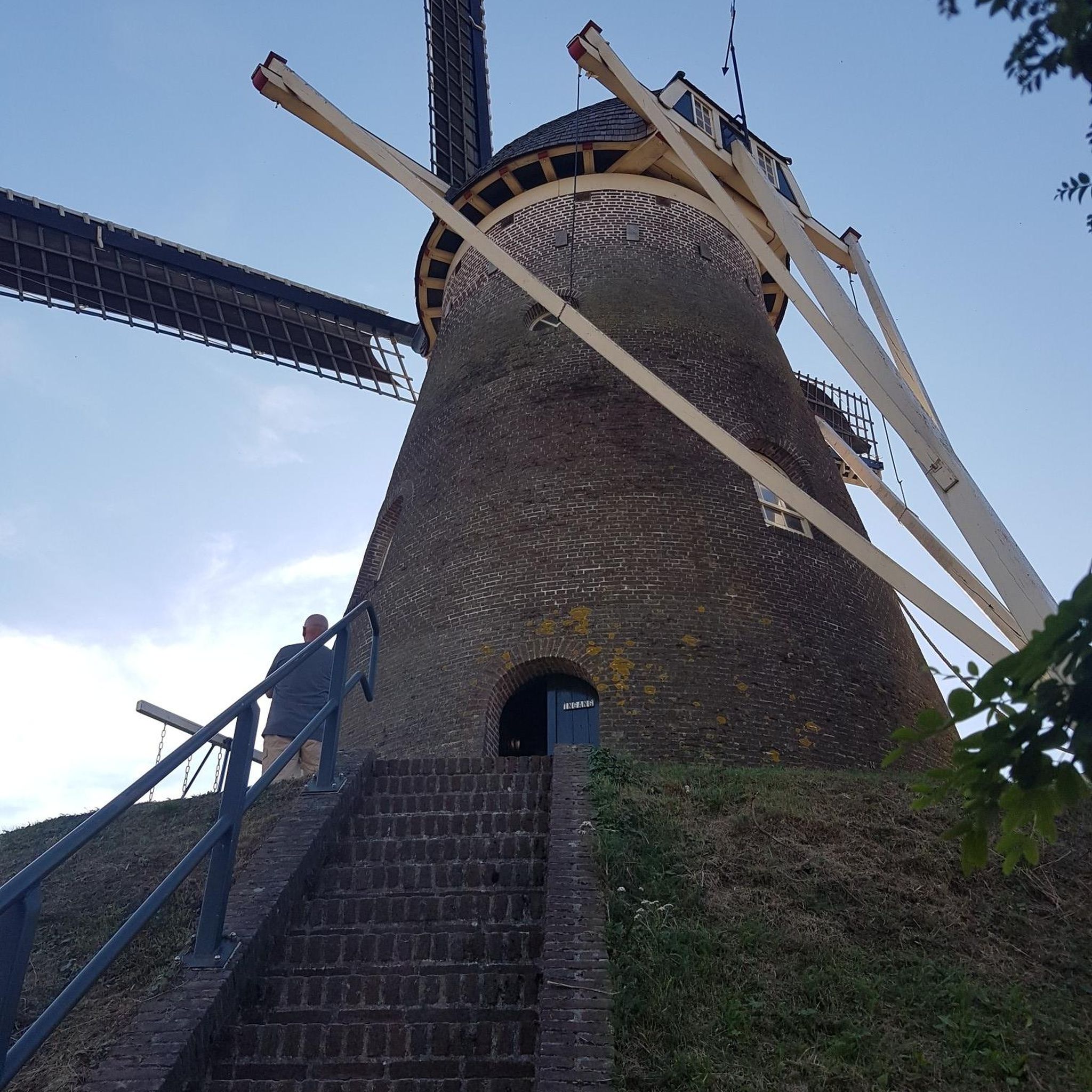
Gravel biking around Pennabilli


Tips from the Community

beautiful rock platform with a flat summit and vertical surrounding walls, with beautiful views all around. There are two climbing possibilities: from the west with a steep path equipped with ropes and from the east, from the bivouac, with a wider and walkable path.
1
0

The Fortress of San Leo, built on the summit of the cliff overlooking the village, is one of the most imposing military works of the Renaissance. Modified in the 15th century based on a project attributed to Francesco di Giorgio Martini, it was considered an almost impregnable fortress. Over the centuries, it also became a papal prison, known for having hosted the famous adventurer Cagliostro in the final years of his life. Today it can be visited as a museum and hosts exhibitions dedicated to the history of the fortress, ancient weapons, prisons, and the figure of Cagliostro, as well as offering spectacular views of the Valmarecchia.
1
0

No comments needed, it has to be done... It is worth it for what it represents and also because it is quiet, without traffic.
1
1

The Hermitage of Sant'Alberico is a fascinating place located at 1,147 meters above sea level in the Emilia-Romagna region, precisely between the town of Balze and the Celle monastery. This hermitage is located in a deep gorge at the foot of the Aquilone, Celle and Ocri mountains. An atmosphere of austere solitude reigns here, inviting reflection and prayer.
1
0

Everything is reminiscent of Marco Pantani
0
0

When we visited, in the summer of 2023, preparations were being made for a wedding at the castle, it is very romantic to get married in this beautiful place.
6
1
The famous Dante already had great words for the small town of San Leo near the dwarf state of San Marino in his “Divine Comedy”. Thanks to its exceptional attractiveness, the municipality in the Emilia-Romagna region has often served as a film set. Not only has San Leo been named one of the most beautiful villages in the country, but it has also been awarded a seal of quality by the Italian Touring Club. No wonder that the town on the bizarre rock formation is a real visitor magnet. The buildings of San Leo are extremely remarkable, both artistically and architecturally. Source: www.italien.de/staedte/san-leo
7
1
The Rocca di San Leo is a fortress located on the municipality of the same name in the province of Rimini, Emilia Romagna, Italy. The fortress is built on the top of the rocky peak that overlooks the Leonine town and dominates the Valmarecchia. It was built in 1441 by Francesco di Giorgio Martini to keep up with the new military techniques of the time. The fortress was used as a prison and hosted historical figures such as Felice Orsini and Cagliostro.
1
1
Frequently Asked Questions
What are the main historical landmarks to visit in Pennabilli?
Pennabilli is rich in history. You can explore the ancient rocky peaks of Roccione and Rupe, which once housed 14th-century castles. The village also features the 16th-century Sant'Igne Convent, the Pennabilli Cathedral, and the Sanctuary Church of Saint Augustine. Don't miss the historic gates like Porta Cinzia and Porta dei Malatesta, or the Fortress of San Leo, an imposing structure offering panoramic views.
What unique cultural attractions does Pennabilli offer?
Pennabilli is deeply influenced by the poet Tonino Guerra. His legacy is seen in the open-air museum 'The Places of the Soul,' which includes installations like the Garden of Forgotten Fruits, the Road of Sundials, and the Sanctuary of Thoughts. You can also visit the World of Tonino Guerra Museum to see his art and archives. The village also has a unique connection to Tibet, with Tibetan prayer wheels and flags visible around town.
Are there any natural parks or features to explore near Pennabilli?
Yes, Pennabilli is largely situated within the Sasso Simone and Simoncello Regional Park, offering extensive natural beauty. You can enjoy relaxing walks amidst the Apennine mountains. The Hermitage of Saint Alberico, a place of solitude and reflection, is nestled at 1,147 meters above sea level within this natural setting.
What kind of outdoor activities can I do around Pennabilli?
The area around Pennabilli is excellent for outdoor enthusiasts. You can find numerous routes for cycling, mountain biking, and hiking. For challenging cycling, consider routes that include the Passo Marco Pantani (Cippo di Carpegna), a famous training ground for the cyclist. Explore MTB trails or road cycling routes around Pennabilli by visiting the dedicated komoot guides: MTB Trails around Pennabilli, Road Cycling Routes around Pennabilli, and Cycling around Pennabilli.
Are there family-friendly attractions in Pennabilli?
Many attractions in Pennabilli are suitable for families. The Hermitage of Saint Alberico and the San Leo Fortress and Historic Village are both categorized as family-friendly. The Sasso Simone and Simoncello Park Museum in Pennabilli offers interactive exhibits on local flora and fauna, which can be engaging for children. The open-air installations of Tonino Guerra's 'Places of the Soul' also provide an interesting and accessible cultural experience.
What is the best time to visit Pennabilli?
Pennabilli offers different experiences throughout the year. The spring and summer months are ideal for exploring the natural parks and outdoor installations like 'The Places of the Soul.' June hosts the international street art festival 'Artisti in Strada,' and July features a National Antiques Fair. The autumn brings beautiful foliage to the Apennine mountains, while winter can offer a serene, snow-covered landscape, especially at higher elevations like the Hermitage of Saint Alberico.
Where can I learn more about the local wildlife and nature?
To delve deeper into the local ecosystem, visit the Sasso Simone and Simoncello Park Museum in Pennabilli. Located in a former slaughterhouse, this museum features interactive exhibits and dioramas that showcase the diverse flora and fauna of the regional park, as well as a collection of minerals found in the area.
What is the significance of Tonino Guerra in Pennabilli?
Tonino Guerra, a renowned poet and screenwriter, made Pennabilli his home and profoundly influenced the village's cultural landscape. He conceptualized 'The Places of the Soul,' an open-air museum designed to inspire a 'poetic awakening' through various artistic installations scattered across the historic center and the Marecchia Valley. His work is also celebrated at the World of Tonino Guerra Museum.
Are there any religious sites of interest in Pennabilli?
Pennabilli has several significant religious sites. The 16th-century Monastery of Sant'Antonio da Padova offers enchanting views, while the Pennabilli Cathedral, with its distinctive red brick facade, is a notable landmark. The Sanctuary Church of Saint Augustine houses a historic Bolognese organ. For a spiritual retreat, the Hermitage of Saint Alberico has remained active since the Middle Ages and is known for its austere solitude.
What is the 'Fountain of Peace' and its history?
The 'Fountain of Peace' is located in Pennabilli's main square. This architectural feature symbolizes a historical truce between the rival Penna and Billi families, which once inhabited the two rocky peaks defining the village. It is marked by a 'stone of peace,' commemorating the reconciliation that led to the unified village of Pennabilli.
What is the connection between Pennabilli and Tibet?
Pennabilli has a unique and surprising sister-city relationship with a Tibetan town. This connection dates back to the 1700s when a friar from Pennabilli traveled to Tibet. The Dalai Lama has visited Pennabilli twice, and as a result, you can find Tibetan prayer wheels and flags displayed throughout the town, adding an unexpected cultural layer to the village.
Are there any museums in Pennabilli besides those dedicated to Tonino Guerra?
Yes, Pennabilli hosts other interesting museums. The Mateureka - Calculus Museum is dedicated to mathematics and computer science, offering a unique educational experience. Additionally, the Diocesan A. Bergamaschi Museum, housed in Palazzo Bocchi, showcases a collection of religious works, objects, and art from Montefeltro churches, dating from the 14th to the 18th century.
Most popular routes around Pennabilli
Most popular attractions around Pennabilli

Get inspired with the komoot mobile app


Explore more
Still not found the Highlight you’re looking for? See guides of the top attractions in other regions:
