Top 17 Castles around Montegridolfo
Best castles around Montegridolfo include the remarkably well-preserved medieval fortified village itself, often referred to as "Montegridolfo Castle." This historical site is considered one of the best-preserved medieval fortified villages in the Rimini area, strategically located on the border between the Romagna and Marche regions. From its elevated position, the village provides panoramic vistas of the Romagna coast and the Adriatic Sea. Montegridolfo is recognized as one of the "Borghi più belli d'Italia" due to its aesthetic and cultural significance.
…Last updated: June 23, 2026
Gradara
Highlight • Castle
The imposing structure is protected by two city …
Translated by Google •
Tip by

Tavoleto Castle
Highlight • Castle
Translated by Google •
Tip by

Sign up now to discover places like this
Get recommendations on the best single tracks, peaks, & plenty of other exciting outdoor places.
Sign up for free
San Clemente Historic Center
Highlight • Historical Site
Translated by Google •
Tip by

Saludecio
Highlight • Settlement
Translated by Google •
Tip by

Mondaino
Highlight • Settlement
The external …
Translated by Google •
Tip by

Sign up for free to discover even more castles around Montegridolfo.
Sign up for free
Already have an account?
Start today with a free account
Your next adventure awaits.
Login or Signup

Tips from the Community

The castle preserves original furnishings, 15th-century frescoes, and a chapel with terracotta altarpieces. The structure is famous for its connection to the story of Paolo and Francesca, the two lovers mentioned by Dante in the Divine Comedy. The village is known for its double ring of walls and drawbridge, examples of medieval military architecture. The interior houses the courtyard of honor, the torture chambers, and the room attributed to the betrayal of the two young people.
1
0

Entering the medieval village of Gradara has its own charm...
1
0

Saludecio is registered in the Italian Association of Painted Villages because of the 50 splendid murals that color its streets.
0
0

Dating back to the Malatesta era and still well preserved today, the village of San Clemente is one of the best destinations in the Romagna hinterland. The walls and bastions are clearly visible, enclosing the center of the village as they once did. Not far away is also Castelleale, commissioned in 1388 by Leale Malatesta, bishop of Rimini.
0
0

The village of San Clemente dates back to the Malatesta era and its origins are still clearly visible today. The walls enclose, as in the past, the heart of the historic center and the complex known as Castelleale. It is one of the rare examples remaining in the Rimini area of a building that is both a large farm and a fortified villa, built in 1388 by Leale Malatesta, bishop of Rimini.
0
0
The construction of the castle took place by the family of Sigismondo Malatesta in the early 1300s and was disputed between the Malatesta and Montefeltro families in the battles for the acquisition of the territory. It was thus lost and reconquered five times, until Federico da Montefeltro finally conquered Tavoleto in 1458. Federico ordered the demolition of the castle and then rebuilt it under the work of the architect Francesco di Giorgio Martini who finished it before 1474. In 1631 it became the direct domain of the Papacy, but in 1885 it was donated to the Lawyer Petrangolini at the same time as the assignment of the title of count and the subjugation of the surrounding territories. It was subsequently sold to a private individual who transformed it into a restaurant in the more recent 1960s and renovated it according to the standards of those years. The current owners instead purchased it with the intention of bringing it back to its origins. Today it is home to receptions and ceremonies.
0
0

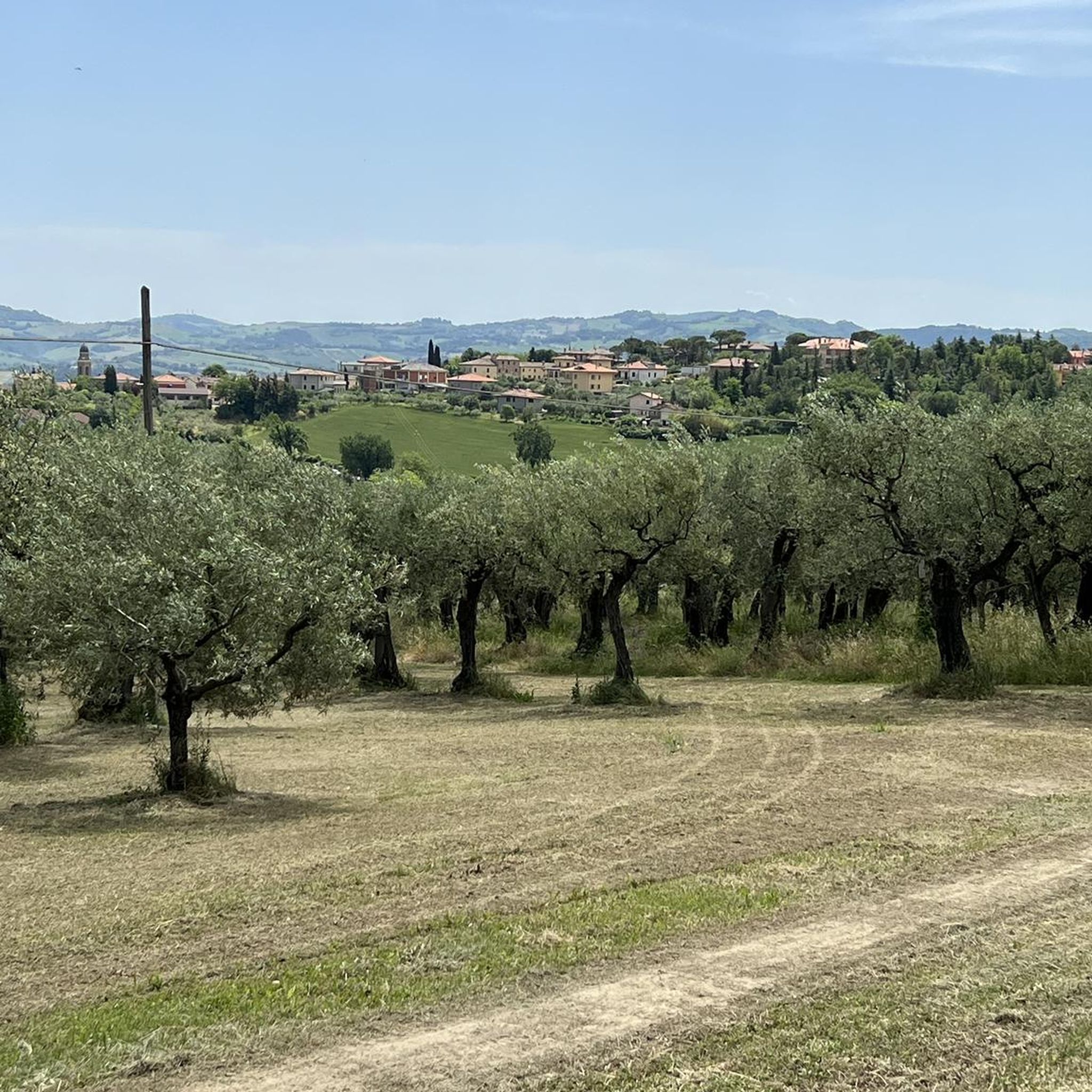
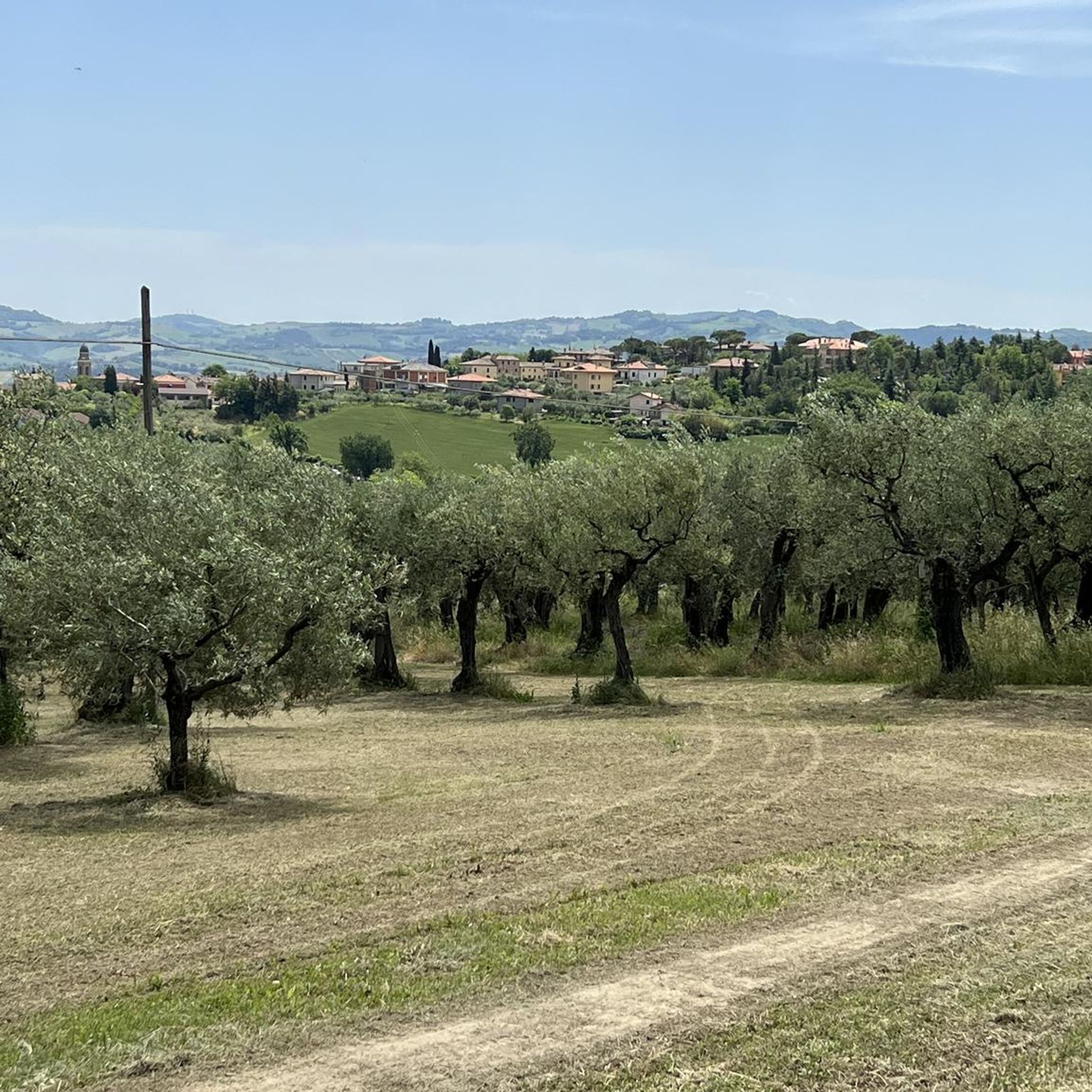
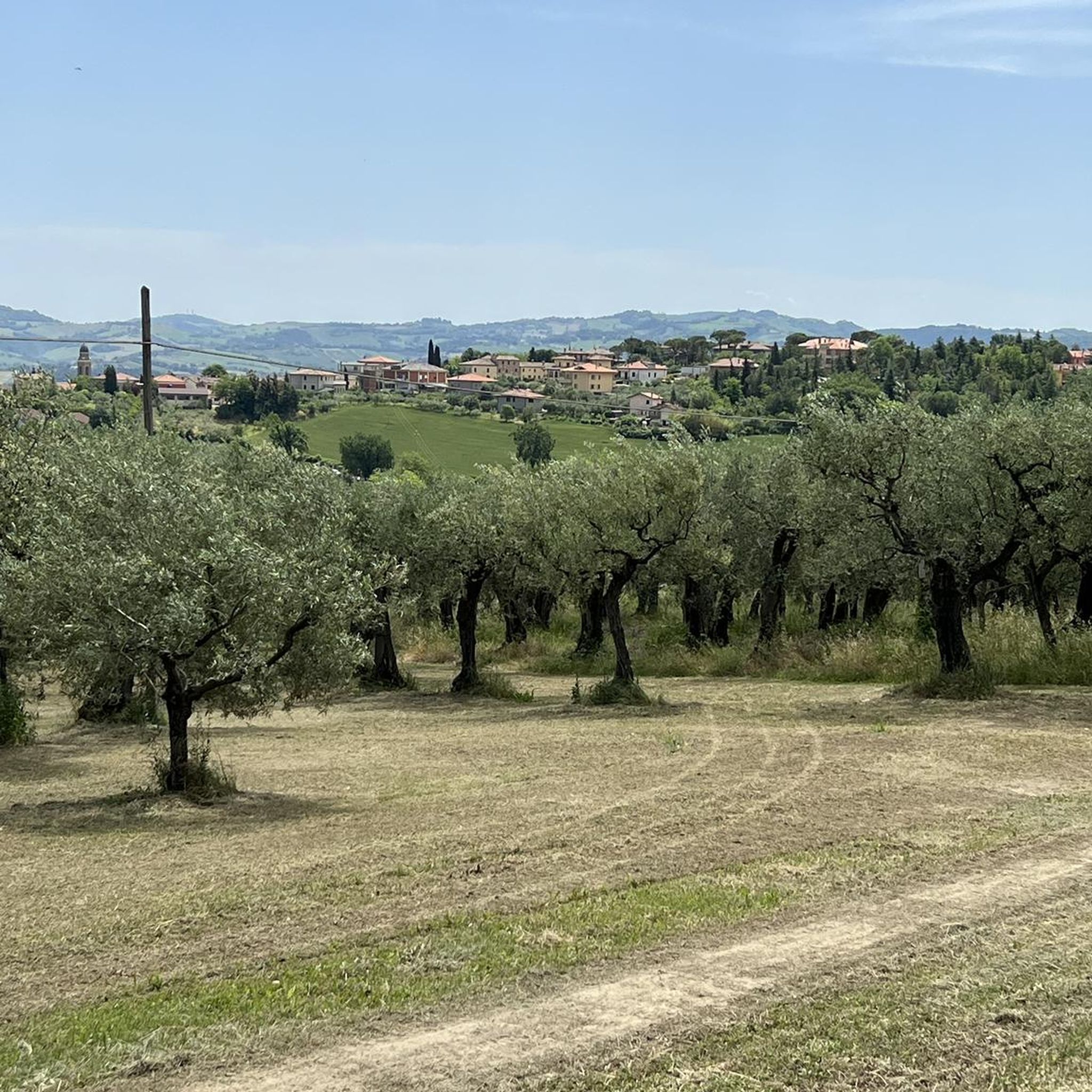
The town has a characteristic medieval aspect, but different from the other towns in the hinterland of the province of Rimini. In the times of the Malatesta noble family, the area was not very contested and so it was not necessary to make a fortress out of the village. Among the sights of the municipality is the central church that can be seen in the photo, the historic center and Piazza Mazzini. In the districts of Agello and Castelleale there are some country houses and farms that have a medieval character and were built in the 14th century, such as the Fattoria fortificata di Castelleale.
1
0

Frequently Asked Questions
What are the most notable castles and fortified villages to visit near Montegridolfo?
Beyond Montegridolfo's own fortified village, you should explore Gradara Castle, known for its well-preserved medieval structure and picturesque setting. Another significant site is Tavoleto Castle, which has a rich history of disputes between the Malatesta and Montefeltro families. The San Clemente Historic Center also offers a glimpse into the Malatesta era with its visible walls and bastions.
What makes Montegridolfo itself a unique historical site?
Montegridolfo is renowned as a remarkably well-preserved medieval fortified village, often referred to as 'Montegridolfo Castle.' It was strategically built as a rectangular fortress, disputed by powerful families, and retains its medieval character with high walls and a single arched entrance topped by a clock tower from 1338. It's recognized as one of the 'Borghi più belli d'Italia' (most beautiful villages in Italy).
Are there any family-friendly castles or historical sites around Montegridolfo?
Yes, several sites are suitable for families. Gradara Castle, Tavoleto Castle, and the San Clemente Historic Center are all categorized as family-friendly. These locations offer engaging historical experiences for visitors of all ages.
What kind of historical significance do the castles in this region hold?
The castles and fortified villages around Montegridolfo, including Montegridolfo itself, are deeply rooted in the historical conflicts between the powerful Malatesta of Rimini and the Montefeltro lords of Urbino. Sites like Saludecio and Mondaino served as crucial defensive strongholds, showcasing the region's turbulent past and strategic importance on the border between Romagna and Marche.
What are the best viewpoints to experience the region's scenery near these castles?
From its elevated position, Montegridolfo village offers panoramic vistas of the Romagna coast, the Adriatic Sea, and the lower valley of the Foglia River. Gradara Castle is also noted for its picturesque location, providing excellent views of the surrounding area.
What outdoor activities can I do near the castles around Montegridolfo?
The area around Montegridolfo is excellent for outdoor activities. You can find various MTB trails, including routes like the 'Valle del Conca Route' and 'Rossi Motor Ranch.' There are also numerous running trails and road cycling routes, such as the 'Tavoleto Castle – Passo Marco Pantani loop,' allowing you to explore the scenic landscape.
What is the best time of year to visit the castles in the Montegridolfo area?
The region is beautiful throughout the year, but spring and autumn offer pleasant temperatures for exploring the outdoor sites and villages. These seasons also tend to be less crowded than the peak summer months, allowing for a more tranquil experience of the ancient streets and historical sites.
Are there any museums or specific attractions within Montegridolfo village?
Yes, within Montegridolfo, you can visit the Palazzo Viviani, which was once the residence of the castle's lords and now serves as a prestigious hotel. The village also houses a Museum of the Gothic Line, dedicated to Montegridolfo's role in the Second World War, displaying objects, photographs, and testimonies from that period.
What are some lesser-known but historically significant fortified villages in the vicinity?
Beyond the main highlights, consider visiting Saludecio, a Malatesta stronghold with a characteristic medieval structure and monumental access gates. Another significant site is Mondaino, which was a fundamental piece of the Malatesta Lordship's defensive line, featuring a strong 'scarp' wall and Ghibelline battlements.
What do visitors appreciate most about the castles and fortified villages in this region?
Visitors frequently praise the well-preserved medieval architecture and the historical immersion offered by these sites. The panoramic views from elevated positions, the tranquility of the ancient villages, and the meticulous restoration work are also highly appreciated. The komoot community has shared over 180 photos and given more than 200 upvotes to the castles around Montegridolfo, highlighting their visual appeal and historical value.
Can I find cafes or restaurants within or near these historical sites?
Yes, Montegridolfo village itself has options, including Palazzo Viviani which now serves as a hotel and restaurant. For Saludecio, a stop at Bar Novecento is recommended. Many of these fortified villages, being active communities, will have local establishments where you can enjoy refreshments.
What is the history behind the construction of Tavoleto Castle?
Tavoleto Castle was initially constructed by the Malatesta family in the early 1300s. It was a highly contested site, changing hands five times between the Malatesta and Montefeltro families. Federico da Montefeltro eventually conquered it in 1458, ordering its demolition and subsequent reconstruction by architect Francesco di Giorgio Martini.
Most popular routes around Montegridolfo
Most popular attractions around Montegridolfo

Get inspired with the komoot mobile app


Explore more
Looking for the best castles somewhere else? Discover other guides around Montegridolfo:
