Top 17 Castles around San Giovanni In Marignano
Best castles around San Giovanni In Marignano are found in this medieval village in the Emilia-Romagna region of Italy. The area is historically significant for its ties to the Malatesta family and its role as "the granary of the Malatesta." Its historical fortifications and defensive structures, including well-preserved fourteenth and fifteenth-century walls, offer insights into its past. The town's strategic importance is evident in its architectural remnants and urban layout.
Best castles around San Giovanni In Marignano
- The most popular…
Last updated: July 1, 2026
Fiorenzuola di Focara
Highlight • Settlement
Translated by Google •
Tip by

Gradara
Highlight • Castle
The imposing structure is protected by two city …
Translated by Google •
Tip by

Sign up now to discover places like this
Get recommendations on the best single tracks, peaks, & plenty of other exciting outdoor places.
Sign up for free
San Clemente Historic Center
Highlight • Historical Site
Translated by Google •
Tip by

Saludecio
Highlight • Settlement
Translated by Google •
Tip by

Mondaino
Highlight • Settlement
The external …
Translated by Google •
Tip by

Sign up for free to discover even more castles around San Giovanni In Marignano.
Sign up for free
Already have an account?
Start today with a free account
Your next adventure awaits.
Login or Signup
Popular around San Giovanni In Marignano

Tips from the Community

The castle preserves original furnishings, 15th-century frescoes, and a chapel with terracotta altarpieces. The structure is famous for its connection to the story of Paolo and Francesca, the two lovers mentioned by Dante in the Divine Comedy. The village is known for its double ring of walls and drawbridge, examples of medieval military architecture. The interior houses the courtyard of honor, the torture chambers, and the room attributed to the betrayal of the two young people.
1
0

Entering the medieval village of Gradara has its own charm...
1
0

Saludecio is registered in the Italian Association of Painted Villages because of the 50 splendid murals that color its streets.
0
0

Dating back to the Malatesta era and still well preserved today, the village of San Clemente is one of the best destinations in the Romagna hinterland. The walls and bastions are clearly visible, enclosing the center of the village as they once did. Not far away is also Castelleale, commissioned in 1388 by Leale Malatesta, bishop of Rimini.
0
0

Small village overlooking the sea
0
0

Beautiful village not far from the sea
0
0

It is one of the four castles (together with Casteldimezzo, Gradara and Granarola) built between the 10th and 13th centuries, in order to constitute an organic defensive system for the control of the Siligata pass, in the border area between the Church of Ravenna and the Pesaro Church first, and then between the Malatestas of Rimini and those of Pesaro. The village, originally called Fiorenzuola, took on the specification of Focara in 1889, probably due to the presence in ancient times of fires that signaled the position to sailors, or due to the presence of "fornacelle" where bricks and terracotta were cooked (from the Romagna dialect fuchèr or fughèr, i.e. fire to cook bricks). (Source: https://www.parcosanbartolo.it/luoghi/fiorenzuola-di-focara/ )
0
0

The village of San Clemente dates back to the Malatesta era and its origins are still clearly visible today. The walls enclose, as in the past, the heart of the historic center and the complex known as Castelleale. It is one of the rare examples remaining in the Rimini area of a building that is both a large farm and a fortified villa, built in 1388 by Leale Malatesta, bishop of Rimini.
0
0
Frequently Asked Questions
What are the main historical features of San Giovanni In Marignano's own fortifications?
San Giovanni In Marignano's historic center is notable for its well-preserved fourteenth and fifteenth-century defensive walls, which include pointed bastions. The Malatesta Fortress (Rocca Malatestiana) foundation dates to the late 13th century, significantly reinforced by Sigismondo Pandolfo Malatesta in 1442 with a robust defensive wall, six towers, a moat, and two drawbridges. The fifteenth-century Civic Tower also serves as an ancient gate to the historic center.
Which castles offer the best views of the surrounding area?
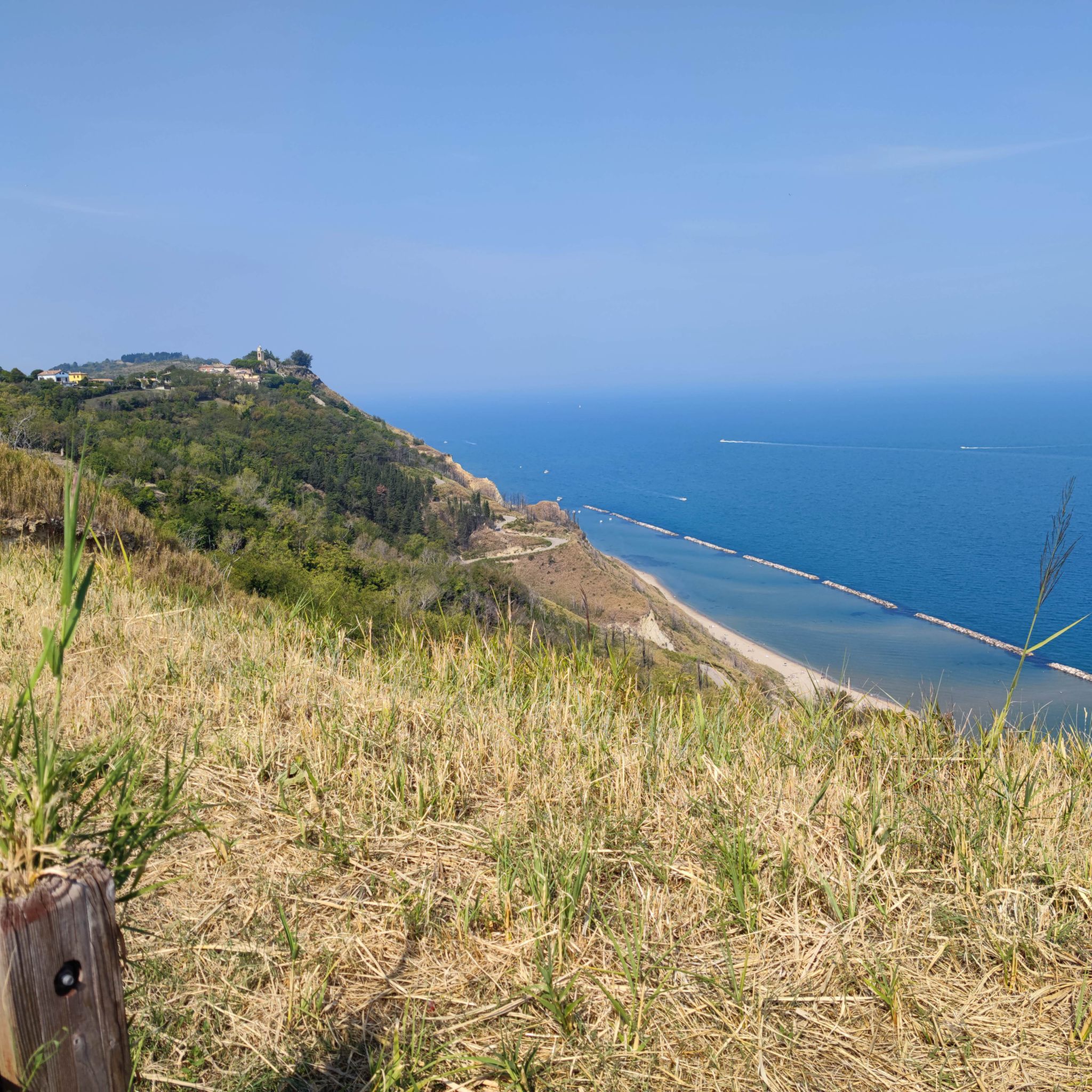
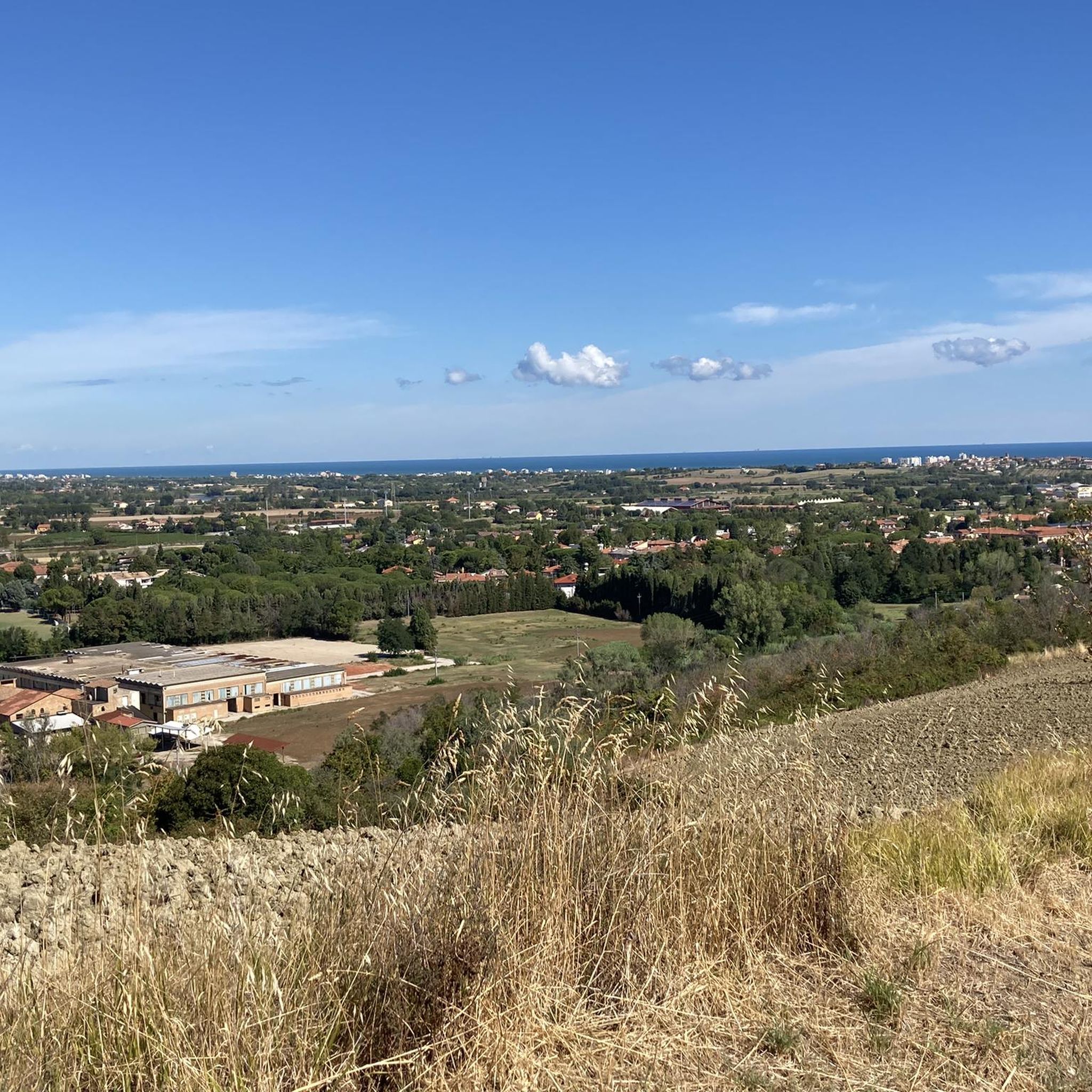
For panoramic views, consider visiting Montefiore Conca, which offers expansive vistas. Another excellent choice is Fiorenzuola di Focara, a medieval village with splendid views of the Adriatic Sea, nestled within the Monte San Bartolo natural park.
Are there family-friendly castles or historical sites to visit?
Yes, several sites are considered family-friendly. Montefiore Conca, Fiorenzuola di Focara, San Clemente Historic Center, Saludecio, and Mondaino are all categorized as suitable for families, offering engaging historical exploration.
What kind of outdoor activities can I do near these castles?
The region around San Giovanni In Marignano offers various outdoor activities. You can find numerous hiking routes, including the Conca River Nature Trail. For cyclists, there are road cycling routes like the Fiorenzuola di Focara loop, and MTB trails such as the Montefiore Trails loop.
What makes the San Giovanni In Marignano area historically significant?
San Giovanni In Marignano is deeply rooted in history, particularly its strong ties to the Malatesta family. It was known as 'the granary of the Malatesta' due to its agricultural importance. The town's strategic location led to extensive fortifications, including the Malatesta Fortress and defensive walls, which were crucial in the conflicts between the Malatesta and Montefeltro families. The medieval urban layout and over 200 underground grain pits further highlight its past.
Are there any unique historical features to look out for in San Giovanni In Marignano itself?
Beyond the defensive walls and Civic Tower, San Giovanni In Marignano features a distinctive medieval urban layout. Walking through the cobbled streets, you can discover over 200 surveyed underground grain pits, marked by circular stone inserts in the pavement. These pits are unique examples of the town's economic history as a significant agricultural center during the Malatesta period.
Which castles are considered Malatesta strongholds?
Many castles in the area were significant Malatesta strongholds. Saludecio was a key defensive castle against the Montefeltro. Mondaino was a fundamental piece of the Malatesta Lordship's defensive line, strategically controlling nearby castles. The San Clemente Historic Center also dates back to the Malatesta era with well-preserved walls.
What is the best time of year to visit the castles around San Giovanni In Marignano?
The Emilia-Romagna region generally enjoys pleasant weather from spring to early autumn (April to October), making these months ideal for exploring the castles and their surroundings. During this period, you can comfortably walk through the historic centers and enjoy outdoor activities. The town also hosts cultural events, like the 'Night of the Witches,' which can offer a unique experience.
Can I find historical sites with well-preserved defensive structures?
Absolutely. The San Clemente Historic Center is an excellent example, with its well-preserved walls and bastions from the Malatesta era. Similarly, Mondaino boasts a clearly legible external structure with a powerful 'scarp' wall and elegant Ghibelline battlements, showcasing its robust defensive past.
What do visitors enjoy most about the castles and villages in this region?
Visitors frequently appreciate the historical significance and architectural charm of the medieval villages and fortifications. The well-preserved walls, towers, and ancient gates create picturesque settings. Many enjoy the blend of history, art, and rural tradition, with opportunities to explore on foot and learn about local agricultural products. The panoramic views from places like Fiorenzuola di Focara are also highly praised.
Are there any castles or villages that are particularly picturesque?
Yes, San Giovanni In Marignano itself is considered one of 'The Most Beautiful Villages in Italy' due to its well-preserved walls, towers, and the ancient gate. Fiorenzuola di Focara is also noted for its splendid historic town setting and panoramic road, offering beautiful views of the Adriatic Sea.
Most popular routes around San Giovanni In Marignano
Most popular attractions around San Giovanni In Marignano

Get inspired with the komoot mobile app


Explore more
Looking for the best castles somewhere else? Discover other guides around San Giovanni In Marignano:
