Top 5 Gorges around Maletto
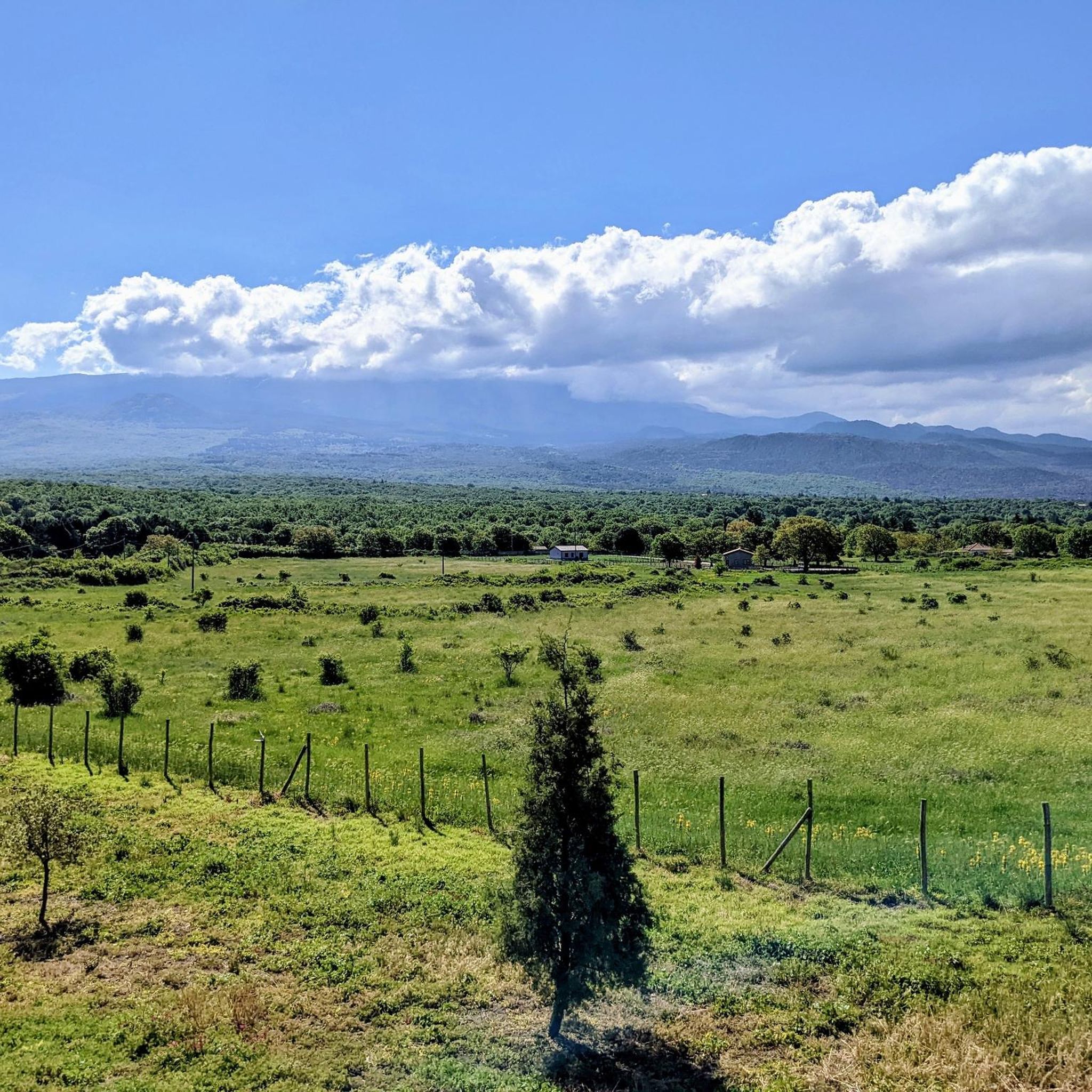
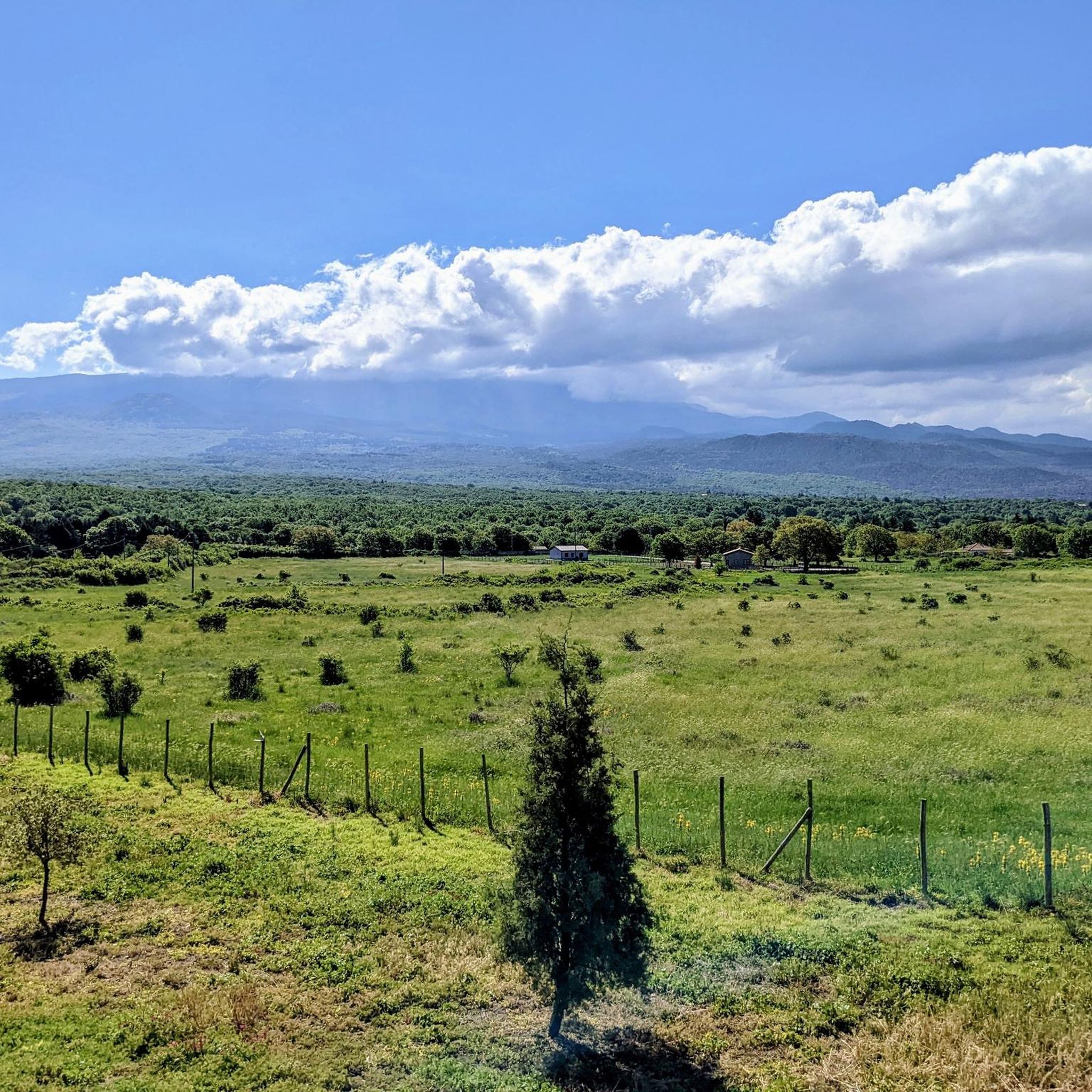
Canyons around Maletto are characterized by the volcanic geology of Mount Etna, which has shaped the landscape with lava flows and ancient riverbeds. The region features unique geological formations, including periodic watercourses that carve intricate paths through volcanic rock. These natural spectacles offer insights into the dynamic interaction between volcanic activity and water erosion. Maletto's terrain provides diverse opportunities for exploring these geological features.
Best canyons around Maletto
- The most popular canyons is Serracozzo Cave, a cave that is…
Last updated: June 24, 2026
Serracozzo Cave
Highlight • Cave
Translated by Google •
Tip by

Ascent to Grotta dei Lamponi
Highlight • Cave
Tip by

Sign up now to discover places like this
Get recommendations on the best single tracks, peaks, & plenty of other exciting outdoor places.
Sign up for free
Schadlish Cave
Highlight • Cave
Translated by Google •
Tip by

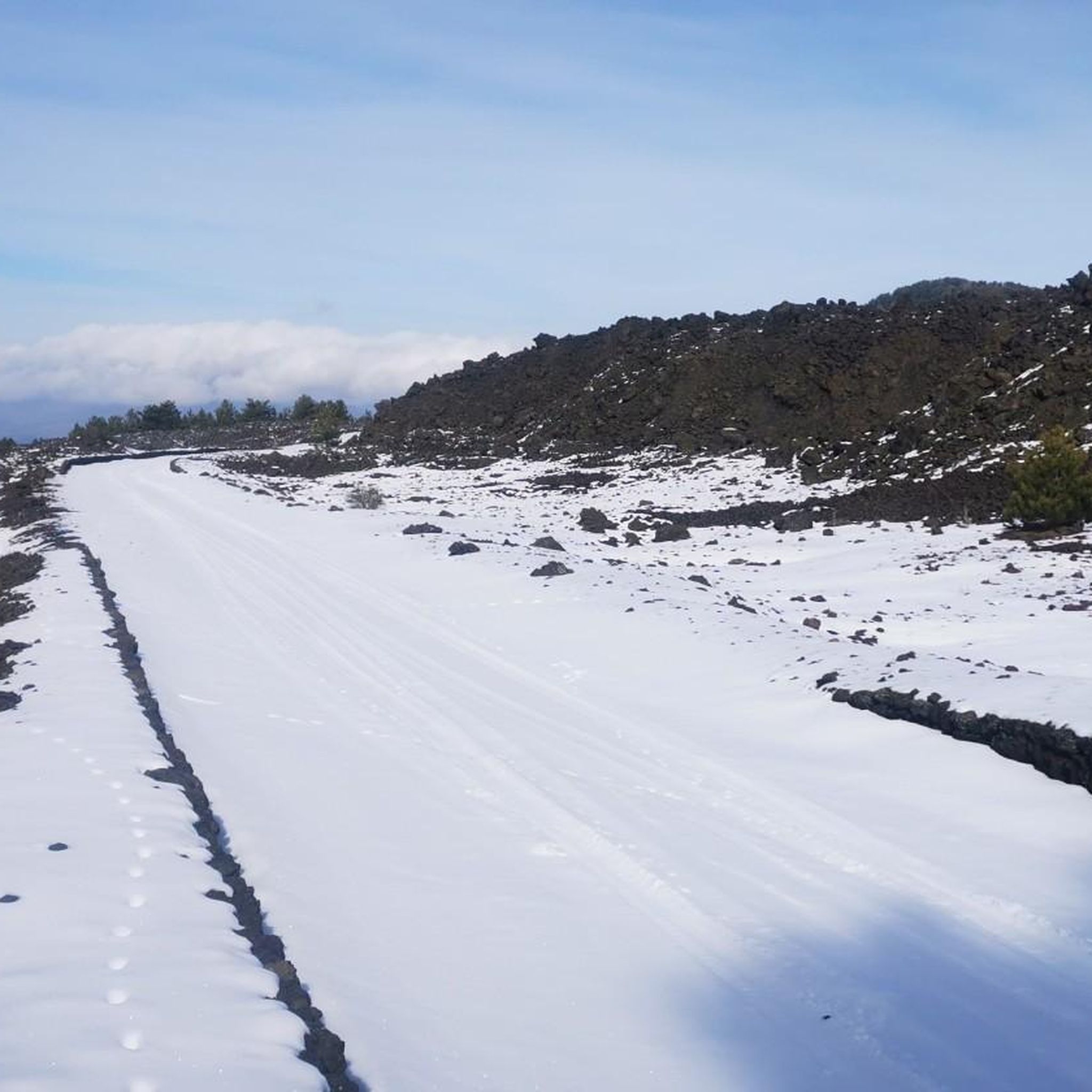
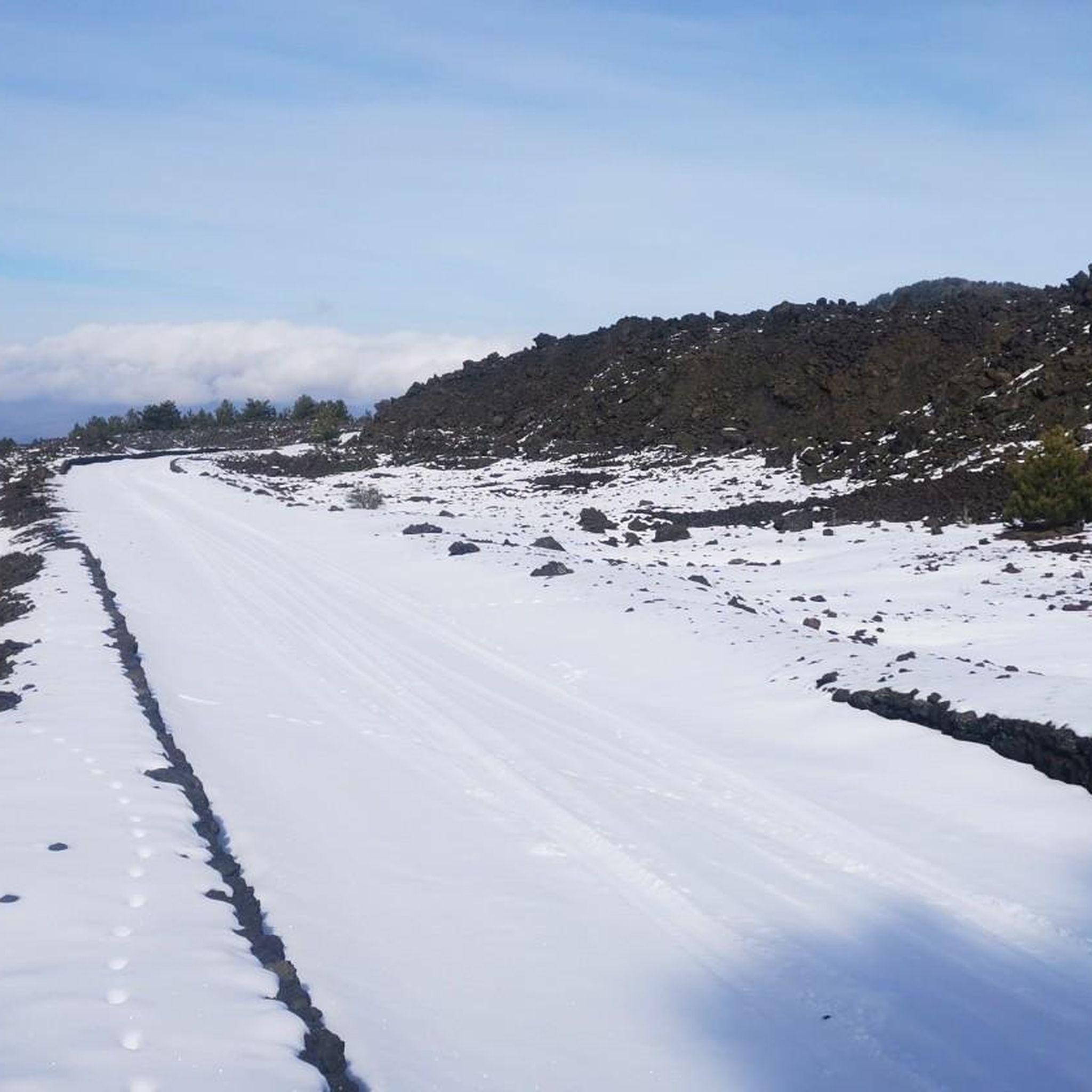
Snow Grotto
Highlight • Cave
Translated by Google •
Tip by

Grotta dei Rotoli
Highlight • Cave
Tip by

Sign up for free to discover even more gorges around Maletto.
Sign up for free
Already have an account?
Start today with a free account
Your next adventure awaits.
Login or Signup
Tips from the Community

One of the most beautiful lava tunnels on the north side of Mount Etna is the Serracozzo Grotto (surely often visited, but not signposted). A lava tunnel is not a cave, but rather one formed during an eruption, when a crust forms on the surface of the slowly flowing lava in flatter terrain. This "tunnel" is easy to enter (assuming there's no threat of a thunderstorm (flooding!) or ice and snow making entry dangerous). Don't forget your flashlight; two cave-ins in the ceiling provide sufficient light until halfway through the tunnel, after which it becomes very shallow and pitch-dark in places. It's worth exploring!
0
0

Approx. 115m long volcanic grotto. A few meters off the main path. Signposted.
0
0

It is located a very short distance from the track, following an uphill path. The cave is also slightly uphill... it is not very high, nor one of the most spectacular. But it is really easy to reach
0
0
This cave was formed from a lava flow that cooled and solidified on the outside, but continued to flow inside, leaving a hollow space behind. The Grotta Serracozzo is particularly impressive because it has collapsed in two places, allowing daylight to enter.
0
0

It is a lava flow cave, access to which is possible from the collapsed vault. It was discovered in 2000. I left the bike on the path and continued on foot
0
0

This cave, formed from the solidified lava rock of past eruptions, is a fascinating testament to volcanic activity and offers a rare insight into Sicily's geological history. When visiting this highlight, which is located in the protected area of the Parco dell'Etna, it is important to respect local regulations. The park was established to protect the unique landscape surrounding the volcano and to preserve the natural flora and fauna. Visitors are encouraged to respect the paths and leave no trace in order to preserve this extraordinary place for future generations. The hike continues uphill and eventually reaches the edge of the upper valley, where there are impressive views of the surrounding volcanic landscape. The classic route includes a descent down a volcanic sand gully on the way back, an experience that will be remembered not only for the spectacular scenery but also for the unique way of getting around. Discovering a cave in lava rock is not only an adventure, but also a lesson in geology and volcanology. It makes it possible to feel the forces that shape the earth and admire the quiet beauty that can arise from destruction. For anyone who wants to explore the wonder of Etna and its hidden treasures, this hike offers an incomparable experience that impressively illustrates the fascination of the volcano.
1
0


Etna is a magical place and this route with the two caves is wonderful
0
0
Frequently Asked Questions
What kind of geological features can I expect to see in the 'canyons' around Maletto?
The 'canyons' around Maletto are primarily shaped by Mount Etna's volcanic activity and water erosion. You'll find unique geological formations such as lava tubes, ancient riverbeds (paleovalleys), and periodic watercourses like the Favare of Maletto, which carve intricate paths through volcanic rock. These features offer a dynamic interplay between volcanic geology and water.
What are some of the most interesting caves or 'gorges' to explore near Maletto?
You can explore several fascinating volcanic caves. The Serracozzo Cave is a beautiful lava tube with openings that allow light to enter, making for a magical exploration. Another notable site is the Snow Grotto, also known as Grotta dei Ladroni, which is a pitch-black cave with historical significance. The Schadlish Cave is a partially incised lava tunnel, offering views into its interior and easy accessibility.
When is the best time to visit the geological formations and 'canyons' around Maletto?
The best time to visit is typically in late spring, particularly between March and April, extending into early summer. This is when the snow on Mount Etna melts, causing the 'Favare of Maletto' to flow at their peak, creating a spectacular network of streams and showcasing the region's unique water erosion. The surrounding pastures are also full of flowers during this period.
Are there any family-friendly options for exploring the 'canyons' or caves in Maletto?
Yes, some sites are more accessible. The Schadlish Cave is described as small but rewarding and easily accessible from the main trail, making it a good option for families. For other caves like the Snow Grotto, bringing a flashlight is essential as it's pitch-black inside, which can be an exciting adventure for older children.
What outdoor activities are available near the Maletto 'canyons'?
The area around Maletto offers diverse outdoor activities. You can find numerous mountain hikes, including challenging routes around Mount Etna's craters. There are also extensive MTB trails, such as the 'Altomontana Trail of Etna', and various road cycling routes that explore the scenic volcanic landscape. For more details on routes, you can check the Mountain Hikes around Maletto, MTB Trails around Maletto, and Road Cycling Routes around Maletto guides.
Are there hiking opportunities around the Maletto 'canyons'?
Yes, there are many hiking opportunities. The geological features, including the caves and ancient riverbeds, are often part of hiking trails. For instance, the Serracozzo Cave is easily reachable from the Citelli refuge in less than an hour's hike. You can find a variety of trails, from moderate to difficult, exploring the volcanic landscape. For specific hiking routes, refer to the Mountain Hikes around Maletto guide.
What should I bring or wear when exploring the caves and geological sites?
When exploring caves like the Snow Grotto, it is crucial to bring a flashlight as they can be pitch-black. Sturdy hiking shoes are recommended for navigating the volcanic terrain, which can be rugged. Layers of clothing are also advisable, as temperatures inside caves can be cooler than outside, and weather conditions on Mount Etna can change quickly.
What makes the 'Favare of Maletto' unique?
The Favare of Maletto are unique periodic watercourses that emerge when Mount Etna's snow melts, typically in spring. They are a result of an ancient lava barrier that redirected water, causing it to filter through stones and emerge as dozens of streams. This creates a 'real water network' that carves intricate channels and small gorges, showcasing a beautiful and dynamic interaction between volcanic geology and water erosion.
Can I find challenging trails or caves around Maletto?
Yes, for those seeking a challenge, the Monte Nunziata Cave, created by an 1843 Etna eruption, requires ropes and a stair to visit. Additionally, many of the mountain hikes in the broader Etna region, as detailed in the Mountain Hikes around Maletto guide, are rated as difficult, offering strenuous and rewarding experiences.
What do visitors enjoy most about the 'canyons' and caves near Maletto?
Visitors particularly enjoy the unique geological formations and the sense of exploration. The Serracozzo Cave is praised for being a 'magical lava cave' with light-filled openings, making it a worthwhile experience. The opportunity to delve deep into these natural structures and witness the raw power of volcanic landscapes combined with water erosion is a major draw.
Are there any viewpoints near the 'canyons' that offer scenic vistas?
Yes, when visiting the Monte Nunziata Cave, it is recommended to climb up to the edge of the crater. From there, you can enjoy a beautiful view of the interior of Sicily, providing a stunning panoramic perspective of the surrounding volcanic landscape.
What is the geological significance of the paleovalleys in the Maletto area?
The paleovalleys in the Simeto River basin, which borders the Etnean area, are ancient riverbeds significantly shaped by geological processes, including repeated volcanic lava flows from Mount Etna. These formations offer crucial insights into the long-term interaction between volcanic activity and fluvial erosion, revealing how the landscape has been transformed over millennia.
Most popular attractions around Maletto

Get inspired with the komoot mobile app


Explore more
Already discovered everything in this region? See additional gorges around Maletto for your next adventure:
