Attractions and Places To See around Valguarnera Caropepe - Top 20
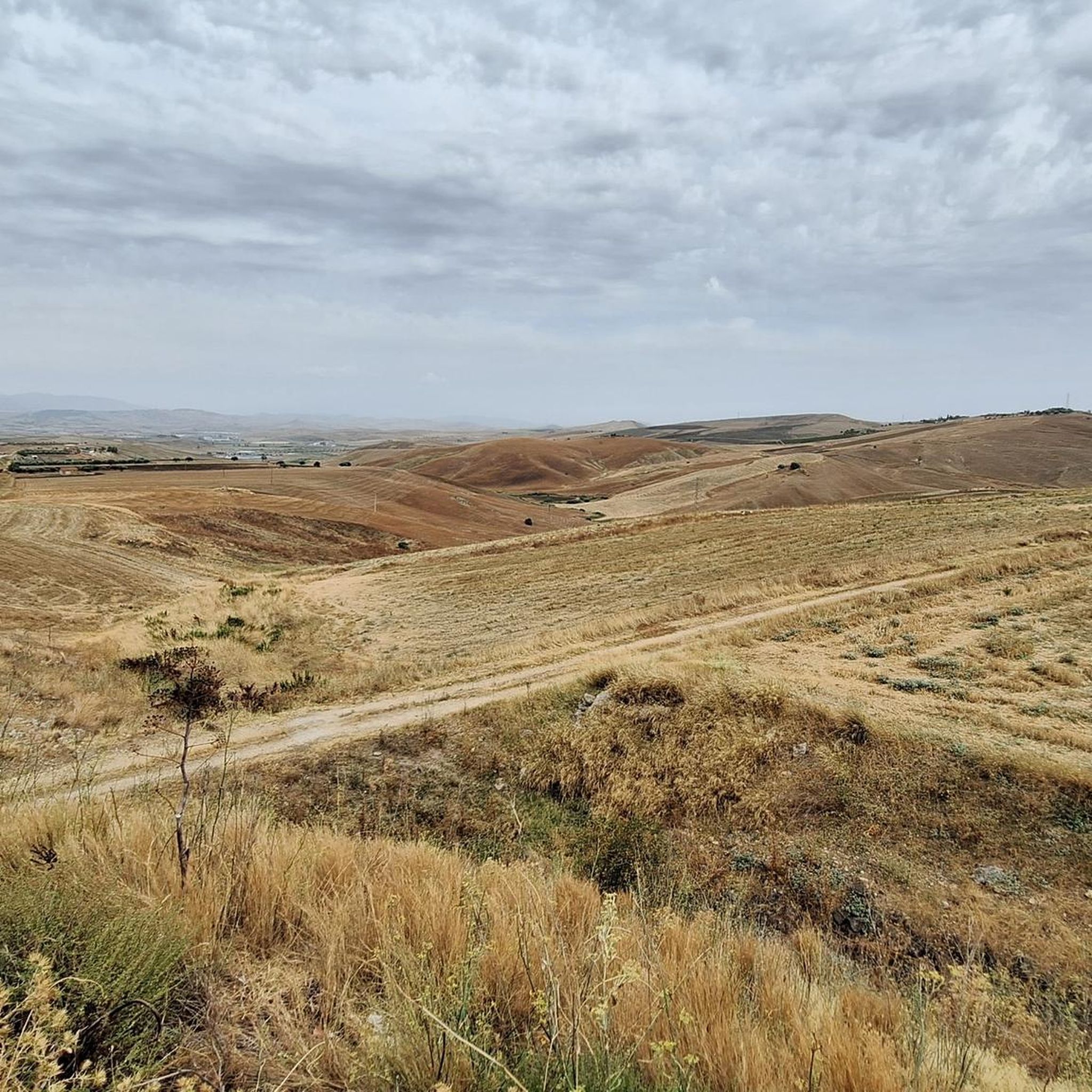
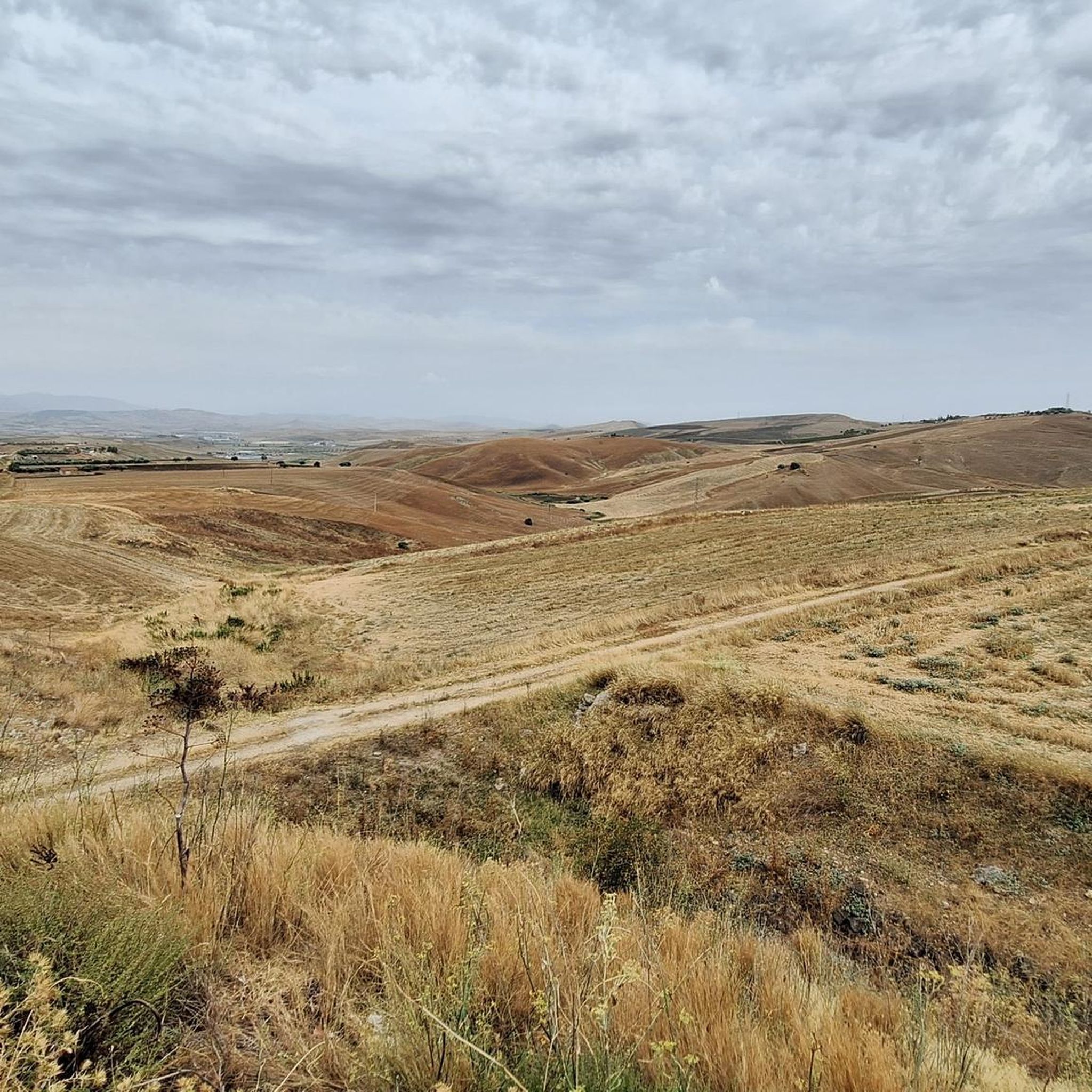
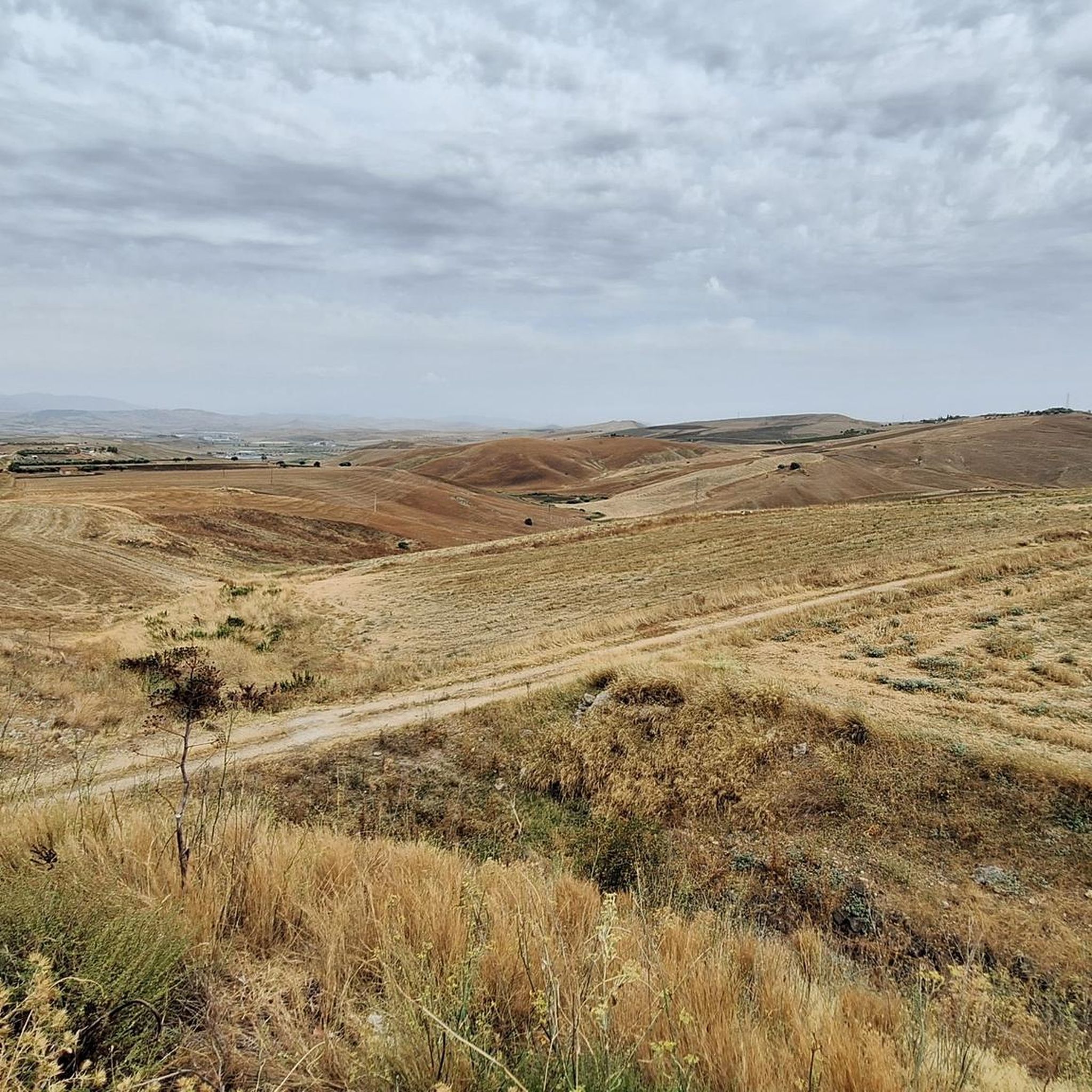
Best attractions and places to see around Valguarnera Caropepe, a town located on the eastern slopes of the Erei mountains in Sicily, offers a blend of archaeological heritage, cultural sites, and natural features. The surrounding territory is characterized by rolling hills and valleys, alongside significant Greco-Roman archaeological evidence. Visitors can explore ancient caves, historical town centers, and unique geological formations.
Best attractions and places to see around Valguarnera Caropepe
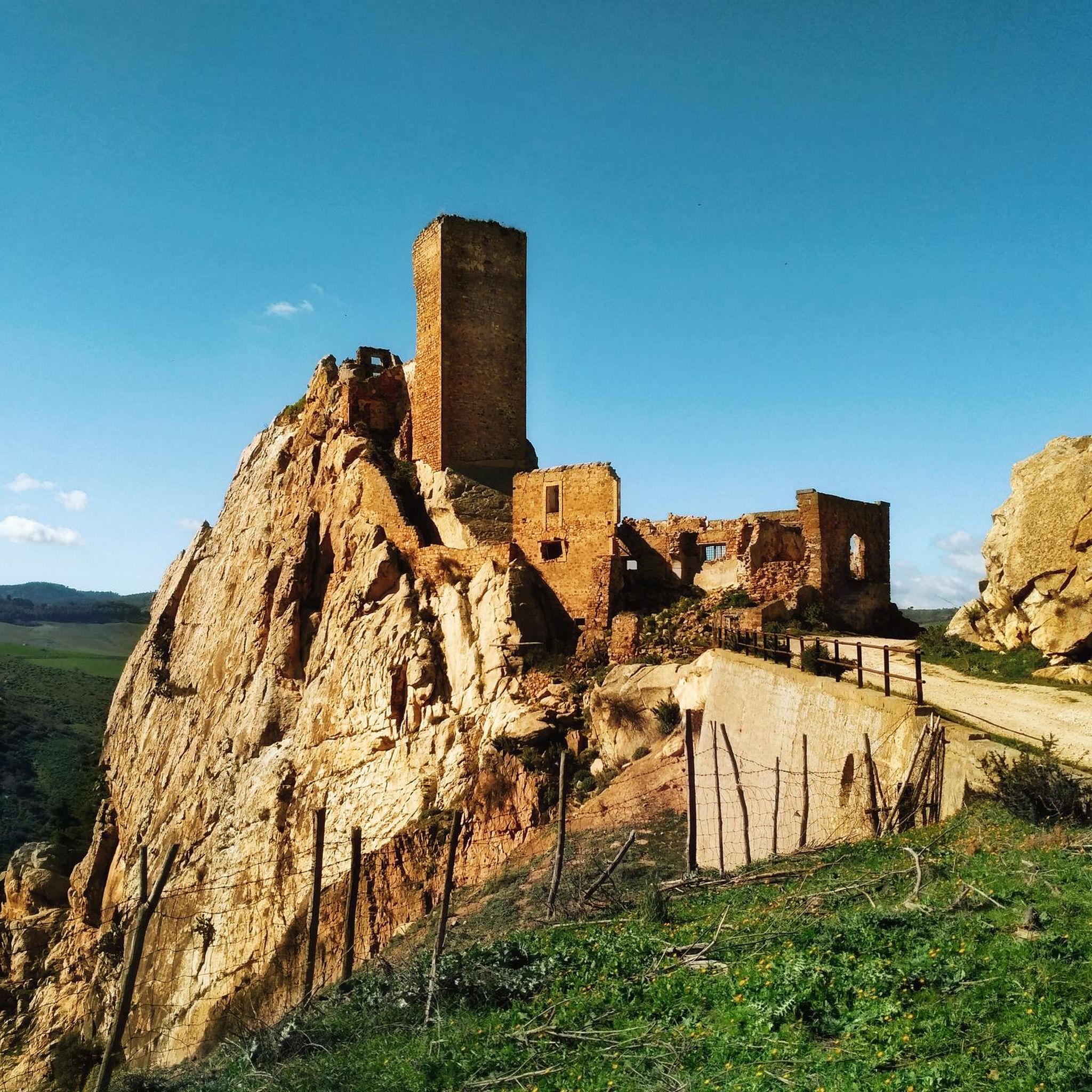
- The most popular attractions is Lombardy Castle, a castle that is the largest fortress in Sicily. While much of it is now a ruin, its location on a 900-meter high mountain plateau offers expansive views.
- Another must-see spot is Pietrelunghe Rock Formations, a natural monument. These spectacular, entirely natural sandstone structures reach up to 3 meters in height and are shaped by wind and rain.
- Visitors also love Enna Historic Center, a historical site. Known as the "umbilicus Siciliae" or "navel of Sicily," Enna was nicknamed "urbi inexpugnabilis" (impregnable city) by the Romans due to its defensible perched position.
- Valguarnera Caropepe is known for its historical sites, natural monuments, and cultural heritage. The area provides a variety of attractions to see and explore, from ancient ruins to unique geological formations.
- The attractions around Valguarnera Caropepe are appreciated by the komoot community, with more than 30 upvotes and over 110 photos shared.
Last updated: October 10, 2026
Lombardy Castle
Highlight • Castle
Translated by Google •
Tip by

Pupi Ballerini Rock Formations
Highlight • Natural Monument
Imagine walking through those places, surrounded by a mystical stillness, when suddenly you meet these stone figures. Your eyes light up with wonder and curiosity as you gaze at the unique shapes that rise before you. They are like timeless dancers, trapped in the eternity of the rocks.
The figures seem to dance with grace and lightness, as if invisible music were guiding them. Their sculpted bodies tell a story of movement and harmony, of joy and sadness. They may look fragile, but they exude strength and perseverance, as if they've braved the passing of the centuries to keep on dancing.
The "pupi dancers" stones are silent witnesses of the passing of time, of the secrets kept by nature and of the magic that permeates the world. Every line and curve of their shapes tells a story of mystery and enchantment, capturing the very essence of beauty and creativity.
When you stand in front of these stones, you can feel a deep connection with nature and the history that shaped them. They are an invitation to reflect on our existence, on the transience of life and on the ephemeral beauty of art. Emotions mix inside you as you let yourself be enveloped by the magic of those stone dancers.
In those moments, time seems to stand still. Feel the soul of the dancing stones, which open up to the sky and abandon themselves to the melody of the wind. Their presence evokes a feeling of wonder and serenity, giving a moment of peace and connection with the mystery and beauty of the universe.
The "puppet dancers" stones remain as silent guardians of a story without words, but full of meaning. They invite us to grasp the poetry hidden in the simplicity of natural forms and to recognize the emotional depth that can reside in every corner of the world.
And so, the dancing stones of Piazza Armerina will forever remain witnesses of our emotions, inspiring us to find our inner dance and to discover the enchantment that can exist even in the most unexpected places.
Translated by Google •
Tip by

Sign up now to discover places like this
Get recommendations on the best single tracks, peaks, & plenty of other exciting outdoor places.
Enna Historic Center
Highlight • Historical Site
Translated by Google •
Tip by

Parco della Ronza
Highlight • Forest
Translated by Google •
Tip by

Pietrelunghe Rock Formations
Highlight • Natural Monument
The shapes of the stones are so curious that they have allowed the creativity of local tales and legends to unleash: it is said that they are dancing people petrified as punishment by some mysterious spell.
Translated by Google •
Tip by

Sign up for free to discover even more attractions around Valguarnera Caropepe.
Already have an account?
Start today with a free account
Your next adventure awaits.

Tips from the Community

The Castello di Lombardia in Enna is one of the largest and most important fortresses in Sicily. It sits strategically atop a high plateau and combines Norman, Hohenstaufen, and Aragonese architectural elements. From its towers, there are sweeping views across the island.
0
0

The castle is open, but there's not much to see inside. In my opinion, the entrance fee isn't worth it. The beautiful view is better enjoyed from the Rocca behind it. It's also free 😉
4
0

Nice walk. Sometimes there is a wire fence that you have to pass
0
0


Unfortunately, the castle is often shrouded in fog. But that gives it a very mystical impression! When the fog clears you have a great view.
4
3

Large park containing a nursery and a large equipped area (among the largest in Sicily). Inside the park there is also an area with games, animals and various types of services.
0
0

Interesting natural forms of anthropomorphic-looking sandstone that have given rise to numerous legends about their birth.
1
0

Hidden among the paths of an ancient and enchanted landscape, mysterious stones rise up, known as the "dancing puppets". These stones, sculpted by wind and rain, have taken on wonderful shapes, which seem to dance in the shadows of the surrounding nature. Imagine walking through those places, surrounded by a mystical stillness, when suddenly you meet these stone figures. Your eyes light up with wonder and curiosity as you gaze at the unique shapes that rise before you. They are like timeless dancers, trapped in the eternity of the rocks. The figures seem to dance with grace and lightness, as if invisible music were guiding them. Their sculpted bodies tell a story of movement and harmony, of joy and sadness. They may look fragile, but they exude strength and perseverance, as if they've braved the passing of the centuries to keep on dancing. The "pupi dancers" stones are silent witnesses of the passing of time, of the secrets kept by nature and of the magic that permeates the world. Every line and curve of their shapes tells a story of mystery and enchantment, capturing the very essence of beauty and creativity. When you stand in front of these stones, you can feel a deep connection with nature and the history that shaped them. They are an invitation to reflect on our existence, on the transience of life and on the ephemeral beauty of art. Emotions mix inside you as you let yourself be enveloped by the magic of those stone dancers. In those moments, time seems to stand still. Feel the soul of the dancing stones, which open up to the sky and abandon themselves to the melody of the wind. Their presence evokes a feeling of wonder and serenity, giving a moment of peace and connection with the mystery and beauty of the universe. The "puppet dancers" stones remain as silent guardians of a story without words, but full of meaning. They invite us to grasp the poetry hidden in the simplicity of natural forms and to recognize the emotional depth that can reside in every corner of the world. And so, the dancing stones of Piazza Armerina will forever remain witnesses of our emotions, inspiring us to find our inner dance and to discover the enchantment that can exist even in the most unexpected places.
1
0
Frequently Asked Questions
What are the main historical and cultural sites to explore in Valguarnera Caropepe?
Valguarnera Caropepe offers a rich historical tapestry. You can visit the Piazza della Repubblica, the town's social center, and the impressive Mother Church dedicated to Saint Christopher. Other notable churches include the Church of the Immaculate Conception, housing a 15th-century painting, and the Gothic-style Church of San Giuseppe. Don't miss the Palazzo Prato, home to the Museum of Ethno-Anthropological and Emigration Valguarnerese, or the historic Caripa House Museum. For a broader historical context, the Enna Historic Center, known as the 'navel of Sicily,' is also nearby.
Where can I find unique natural geological formations around Valguarnera Caropepe?
The region is home to fascinating natural geological formations. The Pietrelunghe Rock Formations, also known as 'dancing stones,' are spectacular sandstone structures up to 3 meters high, shaped by wind and rain, and are the subject of local legends. Similarly, the Pupi Ballerini Rock Formations are mysterious stones sculpted by nature, evoking a sense of wonder.
Are there any archaeological sites or ancient ruins to visit?
Yes, Valguarnera Caropepe has significant archaeological heritage. The Baldassarre Caves are ancient rock-origin caves believed to have been used as a place of worship. The Rossomanno District contains remains of an Acropolis with relics dating from the 7th century BC to the 14th century AD, while the neighboring Monterascati District features important Neolithic cave settlements.
What outdoor activities can I do near Valguarnera Caropepe?
The area around Valguarnera Caropepe is excellent for outdoor activities. You can explore various hiking trails, such as the 'Floristella-Grottacalda Mining Park Loop' or the 'Parco della Ronza e Pupi Ballerini' loop. For cycling enthusiasts, there are MTB trails like 'From Valguarnera Caropepe towards Castello dei' and road cycling routes like 'From Valguarnera Caropepe to the Pergusa Lake Nature Reserve.' You can find more details on these routes in the hiking guide, MTB guide, and cycling guide for the region.
What is the best time to visit Valguarnera Caropepe for outdoor activities?
While specific seasonal recommendations aren't provided, the region's Mediterranean climate generally makes spring (April-May) and autumn (September-October) ideal for outdoor activities. During these periods, temperatures are milder, making hiking and cycling more comfortable than in the peak summer heat.
Are there any family-friendly attractions in the area?
Many natural sites are suitable for families. The Pietrelunghe Rock Formations are considered family-friendly and offer an engaging natural wonder. Exploring the Municipal Gardens, known as 'Villa Nuova' and 'Villa Vecchia,' also provides pleasant green spaces for families.
Where can I learn about the region's industrial history?
You can delve into the region's industrial past at the Mining Park of Floristella-Grottacalda, once one of Italy's most famous sulfur mines. The Grottacalda Station, a historical site that was part of the railway line used to transport goods and workers from the mines, also offers insight into this significant period.
What are some scenic viewpoints around Valguarnera Caropepe?
For breathtaking views, head to the Santa Croce Hilly Area, known for an enormous metal cross and splendid panoramic vistas. Additionally, the Lombardy Castle, situated on a 900-meter high mountain plateau, offers expansive views, though some visitors suggest the best views are from the Rocca behind it.
What do visitors enjoy most about the attractions around Valguarnera Caropepe?
Visitors particularly appreciate the unique natural formations like the Pietrelunghe Rock Formations and Pupi Ballerini Rock Formations, often described as mystical and enchanting. The historical significance of sites like the Enna Historic Center and the impressive scale of Lombardy Castle also receive high praise for their historical context and scenic locations.
Are there any less crowded or 'hidden gem' attractions?
While popular sites draw crowds, exploring the various historic churches beyond the main Mother Church, such as the Church of Sant'Anna or the Church of San Liborio, can offer a quieter cultural experience. The Municipal Antiquarium, located in the former headquarters of the Mandamental Prison, also provides a deeper dive into local history away from the main tourist paths.
Can I find Art Nouveau architecture in Valguarnera Caropepe?
Yes, the square in front of the Litteri Arch is notable for its distinctive Art Nouveau buildings, offering a glimpse into this architectural style within the town.
What kind of terrain can I expect when hiking around Valguarnera Caropepe?
The surrounding territory of Valguarnera Caropepe is characterized by rolling hills cultivated with wheat, valleys, and the eastern slopes of the Erei mountains. Hiking trails can range from easy loops through natural reserves to more difficult routes with significant elevation changes, as seen in options like the 'Riserva Naturale Orientata Rossomanno Grottascura Bellia – loop tour'.
Most popular attractions around Valguarnera Caropepe

Get inspired with the komoot mobile app


Explore more
Still not found the Highlight you’re looking for? See guides of the top attractions in other regions:
