Attractions and Places To See around Racalmuto - Top 20
Best attractions and places to see around Racalmuto include a variety of historical landmarks, cultural sites, and natural features within the Agrigento hinterland of Sicily. The town is notably recognized as the birthplace of writer Leonardo Sciascia. Visitors can explore a landscape shaped by karst, featuring underground cave systems and rich biodiversity. The area offers opportunities to discover significant historical structures and cultural venues.
Best attractions and places to see around Racalmuto
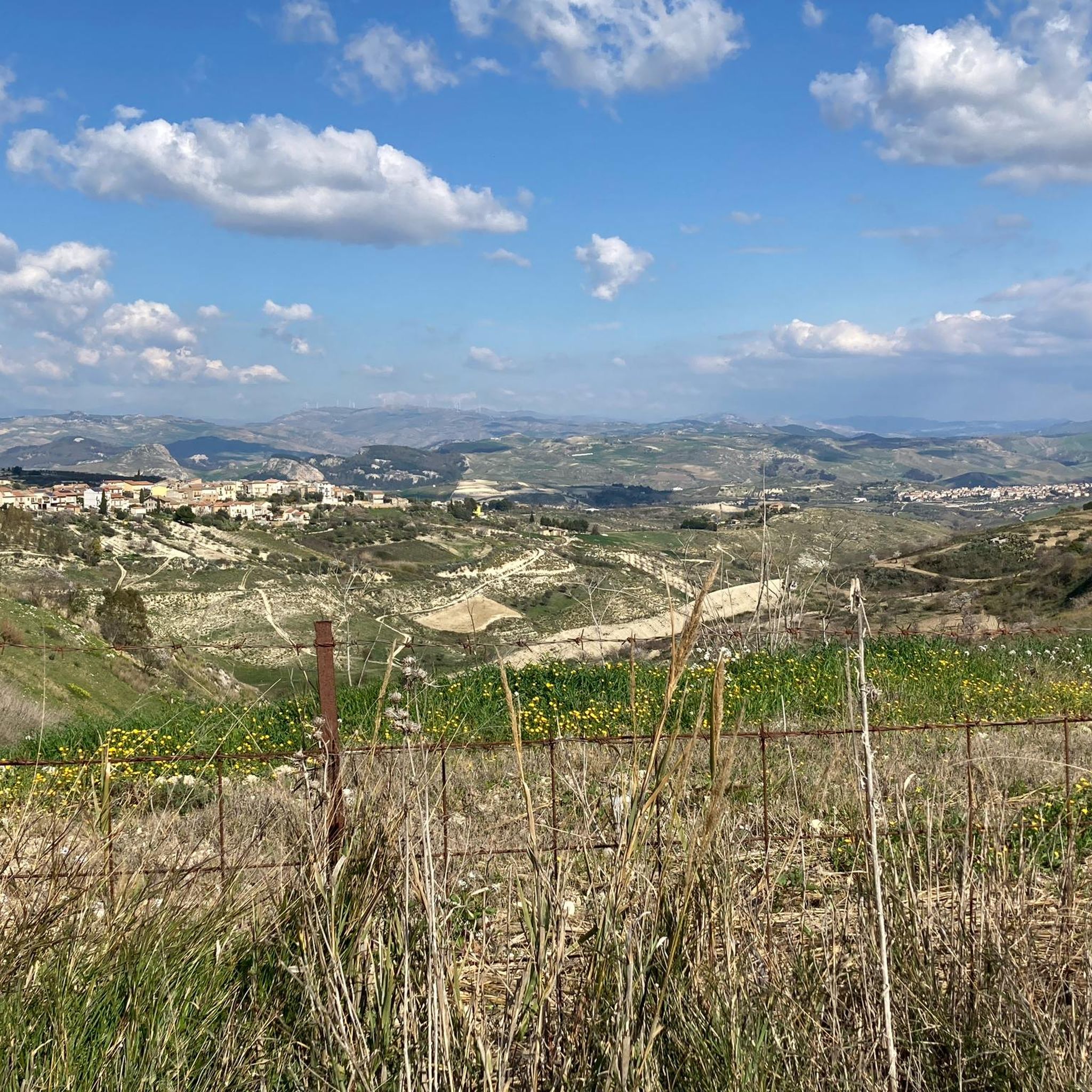
- The most popular attractions is Sutera and Monte San Paolino, a settlement that develops around the mountain of San Paolino. This particular city features a medieval layout composed of three distinct districts.
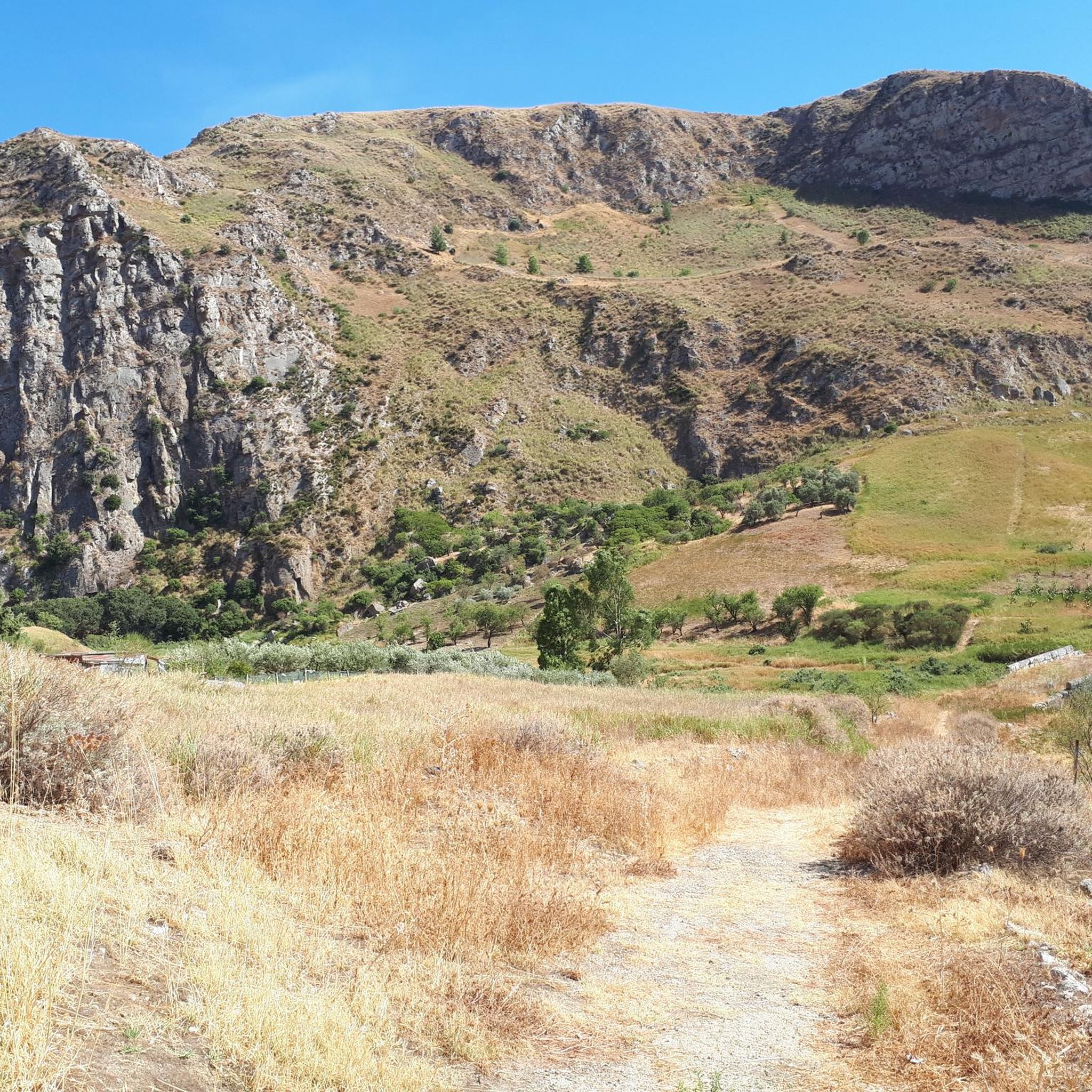
- Another must-see spot is Monte Conca Nature Reserve, a natural monument established in 1995. This protected area showcases an exceptional karst landscape with impressive underground cave systems and rich biodiversity, including endemic plant species and endangered animals.
- Visitors also love Route Around the Naro Dam, a trail through nature with views of the Naro castle and church. This 11 km route circles an immense lake and woods, offering a scenic experience.
- Racalmuto is known for its historical landmarks like the Chiaramontano Castle, cultural sites such as the Municipal Theatre, and natural features including the Monte Conca Nature Reserve. The region offers a variety of attractions to see and explore, from ancient fortresses to literary foundations.
- The attractions around Racalmuto are appreciated by the komoot community, with 8 upvotes and 39 photos shared by visitors.
Last updated: October 10, 2026
Deli Sulphur Railway Station (Disused)
Highlight • Historical Site
The line had 6 rack and pinion sections with a gradient of 75 ‰ for a total of 10.26 km: from km 3 + 300 to km 5 + 195; from km 11.307 to km 12.798; from km 14.374 to km 15.406; from km 16.568 to km 18.031; from km 38.608 to km 40.618; from km 40.938 to km 43.271 (progressive referring to the station of Agrigento Bassa).
Current state:
The railway site, no longer armed, can only be traced in parts as a dirt country road. Long stretches of former grounds have been incorporated into cultivated fields or transformed into ordinary roads. The works of art are generally still visible, although some are in poor condition. Most of the buildings of the former stations and the toll booths have been abandoned and dilapidated.
The Agrigento Centrale - Agrigento Bassa section was common to the Palermo - Agrigento Centrale ordinary gauge line and the Castelvetrano - Agrigento Centrale narrow gauge line. The trains coming from Licata could reach Agrigento Centrale thanks to a narrow gauge track placed between the ordinary gauge track.
The narrow gauge track between Agrigento Bassa and Agrigento Centrale remained in operation even after the closure of the line, used by the Castelvetrano - Agrigento Centrale railway.
Translated by Google •
Tip by

Monte Conca Nature Reserve
Highlight • Natural Monument
Translated by Google •
Tip by

Sign up now to discover places like this
Get recommendations on the best single tracks, peaks, & plenty of other exciting outdoor places.
Petra di Calathansuderj
Highlight • Historical Site
Translated by Google •
Tip by
Old Favara Railway Station
Highlight • Historical Site
The line had 6 rack and pinion sections with a gradient of 75 ‰ for a total of 10.26 km: from km 3 + 300 to km 5 + 195; from km 11.307 to km 12.798; from km 14.374 to km 15.406; from km 16.568 to km 18.031; from km 38.608 to km 40.618; from km 40.938 to km 43.271 (progressive referring to the station of Agrigento Bassa).
Current state:
The railway site, no longer armed, can only be traced in parts as a dirt country road. Long stretches of former grounds have been incorporated into cultivated fields or transformed into ordinary roads. The works of art are generally still visible, although some are in poor condition. Most of the buildings of the former stations and the toll booths have been abandoned and dilapidated.
The Agrigento Centrale - Agrigento Bassa section was common to the Palermo - Agrigento Centrale ordinary gauge line and the Castelvetrano - Agrigento Centrale narrow gauge line. The trains coming from Licata could reach Agrigento Centrale thanks to a narrow gauge track placed between the ordinary gauge track.
The narrow gauge track between Agrigento Bassa and Agrigento Centrale remained in operation even after the closure of the line, used by the Castelvetrano - Agrigento Centrale railway.
Translated by Google •
Tip by
Sutera and Monte San Paolino
Highlight • Settlement
The urban centre, with a medieval layout, is made up of the three districts Rabato, Rabatello and Giardinello.
Translated by Google •
Tip by

Sign up for free to discover even more attractions around Racalmuto.
Already have an account?
Start today with a free account
Your next adventure awaits.
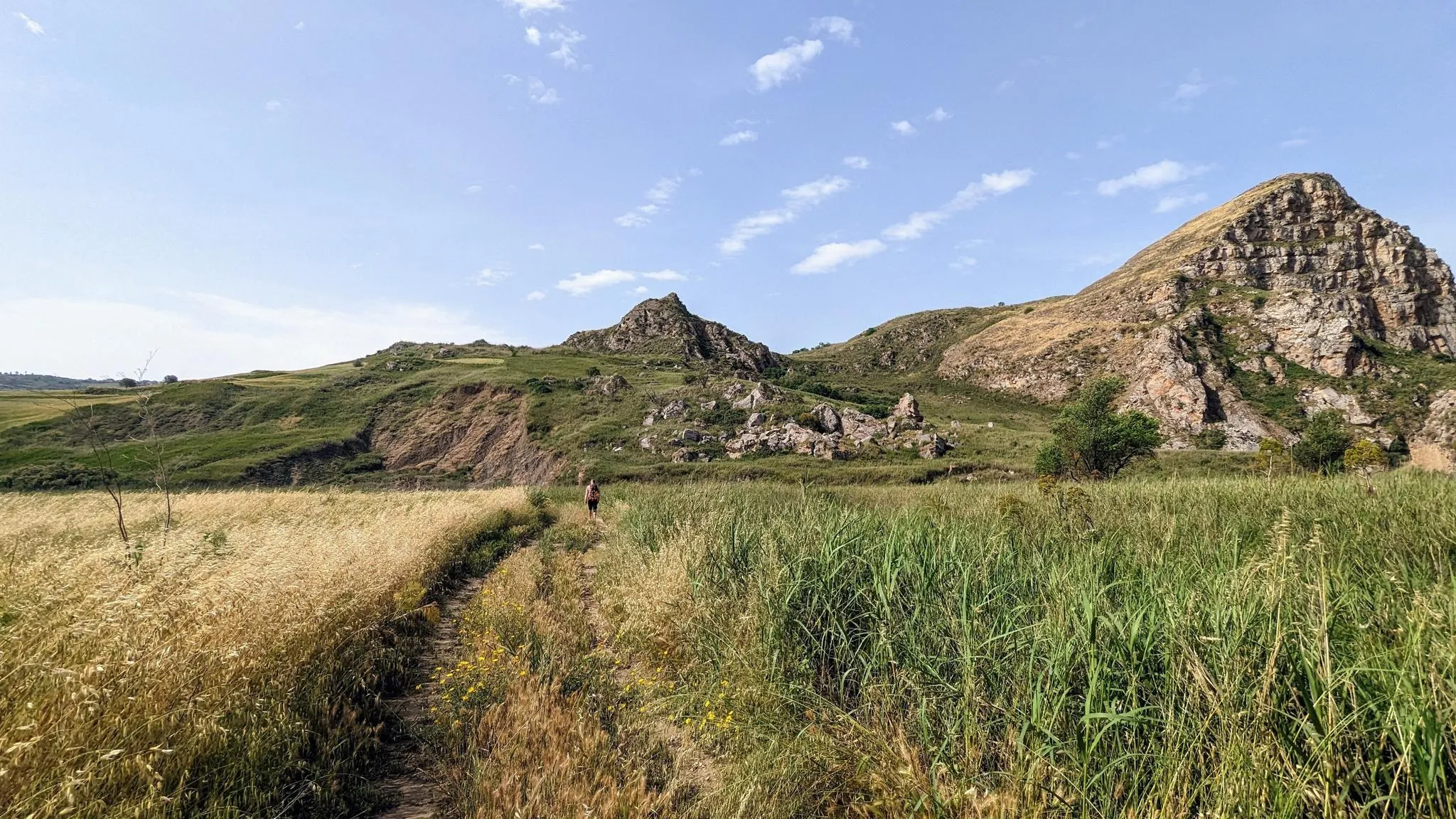
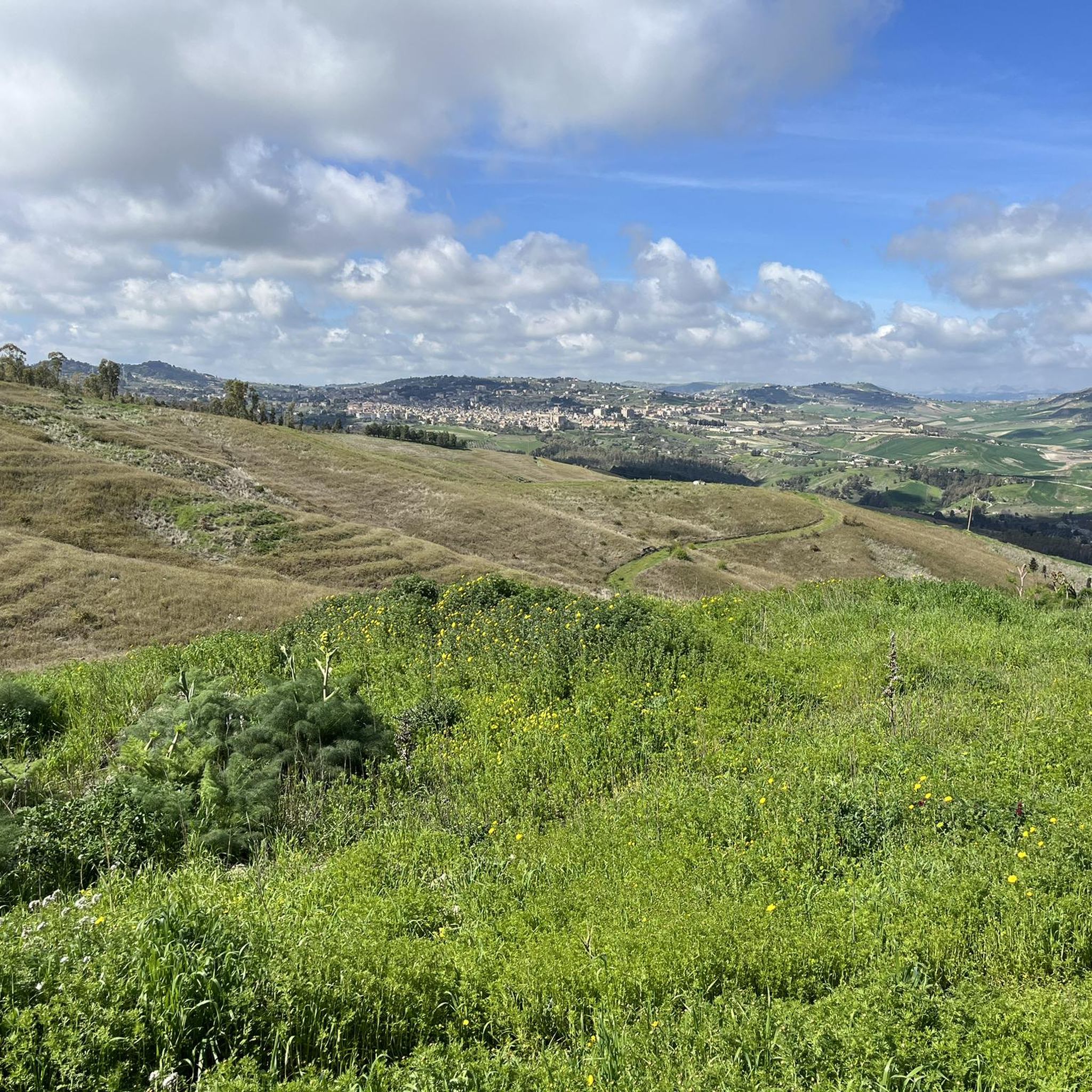
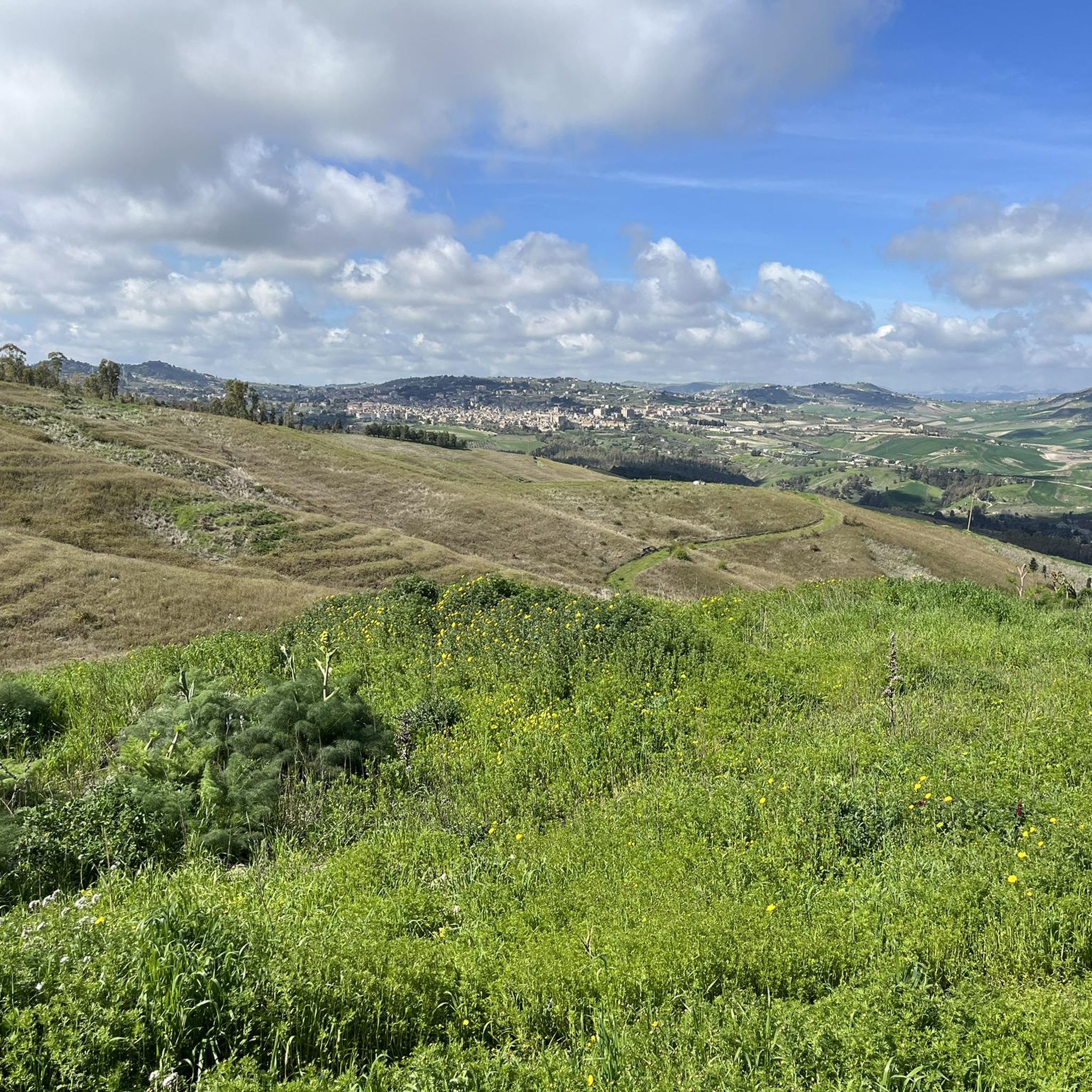
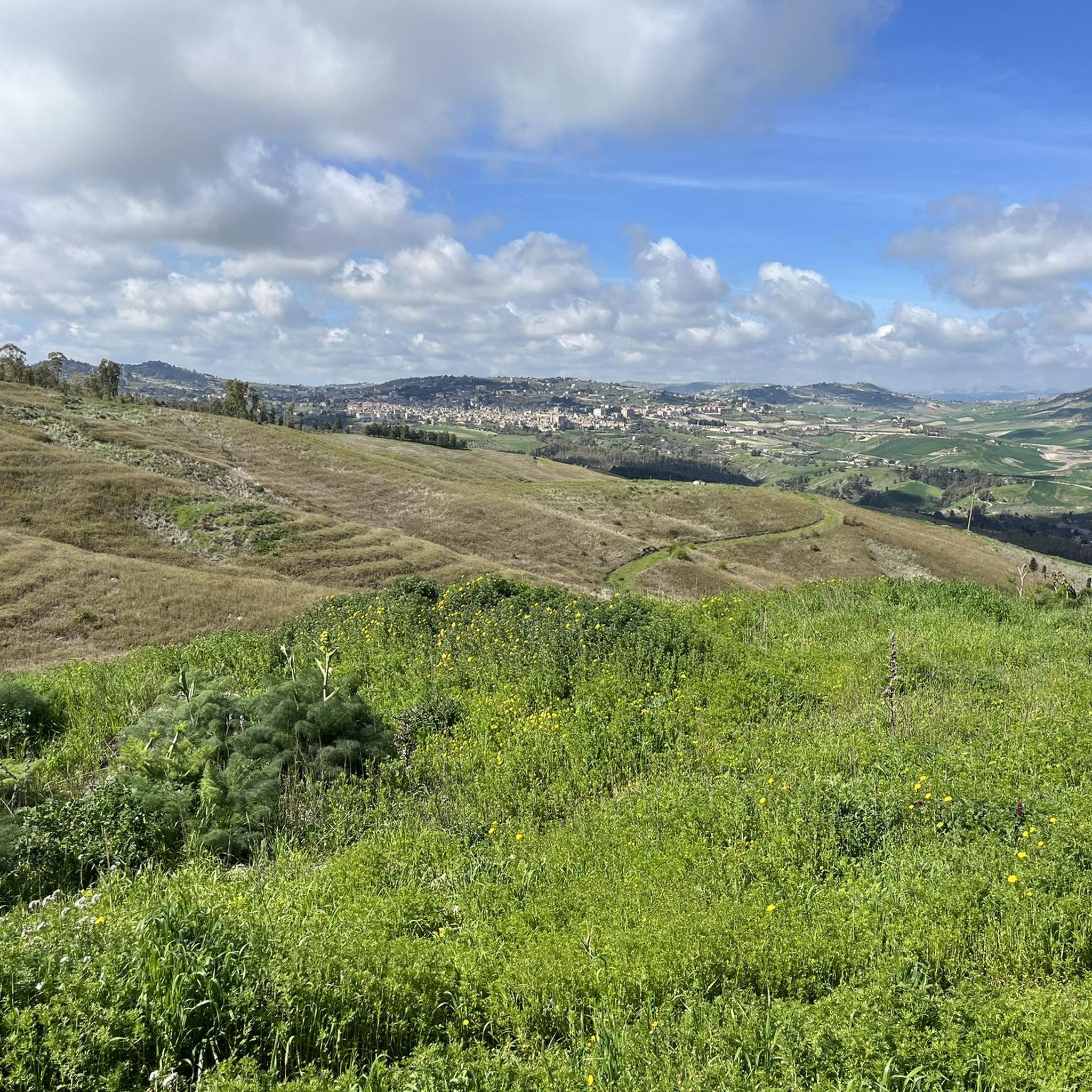
Other adventures around Racalmuto

Tips from the Community

Beautiful nature reserve along the Magna Via Francigena. I had problems crossing the river. Hiking poles are an advantage.
2
0

Deli station former railway
0
0

The archaeological area of Petra of Calathansuderj hides a unique stronghold, testimony to the Byzantine-Arab-Norman influence, with an imposing structure 30 meters high and 40 meters wide, full of tunnels dug for the defense and control of the roads communication. The discovery of numerous ceramic finds, dated between the 2nd and 14th centuries AD, reveals the strategic importance of this site through the centuries.
4
0
The Monte Conca nature reserve, established in 1995, is an exceptional example of a landscape shaped by karst, with impressive underground karst systems that include the Inghiottitoio and Risorgenza caves. This protected area boasts a rich biodiversity, with habitats ranging from Mediterranean scrub to prairies, hosting endemic plant species and animals at risk of extinction, including the fox, the porcupine and the rare Bonelli's eagle.
4
0
The live nativity scene around Christmas time is highly recommended!
1
0

Sutera is a particular city, which develops all around the mountain of San Paolino, a characteristic symbol of this city. The urban centre, with a medieval layout, is made up of the three districts Rabato, Rabatello and Giardinello.
4
0

The line was opened in two periods: between 1911 and 1915 the Naro - Licata section was activated as a continuation of the Canicattì - Naro connection opened on 28/02/1911; in 1921 the connection between Margonia and Agrigento was made. The line had 6 rack and pinion sections with a gradient of 75 ‰ for a total of 10.26 km: from km 3 + 300 to km 5 + 195; from km 11.307 to km 12.798; from km 14.374 to km 15.406; from km 16.568 to km 18.031; from km 38.608 to km 40.618; from km 40.938 to km 43.271 (progressive referring to the station of Agrigento Bassa). Current state: The railway site, no longer armed, can only be traced in parts as a dirt country road. Long stretches of former grounds have been incorporated into cultivated fields or transformed into ordinary roads. The works of art are generally still visible, although some are in poor condition. Most of the buildings of the former stations and the toll booths have been abandoned and dilapidated. The Agrigento Centrale - Agrigento Bassa section was common to the Palermo - Agrigento Centrale ordinary gauge line and the Castelvetrano - Agrigento Centrale narrow gauge line. The trains coming from Licata could reach Agrigento Centrale thanks to a narrow gauge track placed between the ordinary gauge track. The narrow gauge track between Agrigento Bassa and Agrigento Centrale remained in operation even after the closure of the line, used by the Castelvetrano - Agrigento Centrale railway.
0
0
The line was opened in two periods: between 1911 and 1915 the Naro - Licata section was activated as a continuation of the Canicattì - Naro connection opened on 28/02/1911; in 1921 the connection between Margonia and Agrigento was made. The line had 6 rack and pinion sections with a gradient of 75 ‰ for a total of 10.26 km: from km 3 + 300 to km 5 + 195; from km 11.307 to km 12.798; from km 14.374 to km 15.406; from km 16.568 to km 18.031; from km 38.608 to km 40.618; from km 40.938 to km 43.271 (progressive referring to the station of Agrigento Bassa). Current state: The railway site, no longer armed, can only be traced in parts as a dirt country road. Long stretches of former grounds have been incorporated into cultivated fields or transformed into ordinary roads. The works of art are generally still visible, although some are in poor condition. Most of the buildings of the former stations and the toll booths have been abandoned and dilapidated. The Agrigento Centrale - Agrigento Bassa section was common to the Palermo - Agrigento Centrale ordinary gauge line and the Castelvetrano - Agrigento Centrale narrow gauge line. The trains coming from Licata could reach Agrigento Centrale thanks to a narrow gauge track placed between the ordinary gauge track. The narrow gauge track between Agrigento Bassa and Agrigento Centrale remained in operation even after the closure of the line, used by the Castelvetrano - Agrigento Centrale railway.
2
0
Frequently Asked Questions
What natural attractions can I explore around Racalmuto?
The most prominent natural attraction is the Monte Conca Nature Reserve. Established in 1995, this protected area features an exceptional karst landscape with impressive underground cave systems, including the Inghiottitoio and Risorgenza caves. It boasts rich biodiversity, from Mediterranean scrub to prairies, and is home to endemic plant species and endangered animals like the fox and Bonelli's eagle. The surrounding hills and countryside also offer opportunities for rural itineraries.
What historical landmarks are there to visit in Racalmuto?
Racalmuto is rich in history. You can visit the imposing 14th-century Chiaramontano Castle, which dominates the historic center. Another significant fortress is Gibellina (Castelluccio Svevo), built by the Barresi family for defense. Don't miss the Nove Cannoli Fountain, a listed point of interest, and the Palazzo del Municipio, housed in a restructured former monastery.
Are there any cultural sites related to Leonardo Sciascia in Racalmuto?
Yes, Racalmuto is the birthplace of the acclaimed writer Leonardo Sciascia. You can see a bronze Statue of Leonardo Sciascia along the main street. Visitors can also explore the Sciascia House, his childhood home, and the Leonardo Sciascia Foundation, which houses a valuable collection of his works, letters, and part of his library. Racalmuto is also an important stop on the Road of Sicilian Writers.
What are some notable churches in Racalmuto?
The town features several historic churches. The Cathedral of S. Maria dell'Annunziata (Chiesa Madre) contains five 16th-century paintings. The Chiesa di S. Giuseppe dates back to the 17th century. Additionally, the Sanctuary of Santa Maria del Monte, located on the highest mountain in the city, holds particular significance for the local citizens.
Are there any family-friendly attractions around Racalmuto?
While specific family-focused attractions aren't highlighted, the natural beauty of the Monte Conca Nature Reserve offers opportunities for outdoor exploration suitable for families. The historical sites like the Chiaramontano Castle can also be engaging for older children interested in history. The annual Feast of Maria Santissima del Monte, with its medieval historical procession, could also be a captivating experience for families.
What outdoor activities can I do near Racalmuto?
The region around Racalmuto offers various outdoor activities. You can explore running trails, with options like 'Running loop from Acquanova' or 'Mother Church of Canicattì loop from Canicattì'. For cyclists, there are road cycling routes such as 'Canicattì and the Valley of the Temples Loop' and touring bicycle routes like 'Bicycle Workshop – Chiaramonte Castle loop from Racalmuto'. You can find more details on these routes in the Running Trails around Racalmuto, Road Cycling Routes around Racalmuto, and Cycling around Racalmuto guides.
Can I find hiking or walking routes near Racalmuto?
Yes, the area provides opportunities for walking and hiking. The Monte Conca Nature Reserve offers trails through its unique karst landscape. Additionally, the Route Around the Naro Dam is a splendid 11 km path through nature, offering views of the Naro castle and church, suitable for walking or cycling. The historic Magna Via Francigena also passes through Racalmuto, providing a longer journey through history and landscapes.
What is the best time to visit Racalmuto attractions?
The region's Mediterranean climate makes spring and autumn ideal for visiting, offering pleasant temperatures for exploring historical sites and natural reserves. If you're interested in local traditions, consider visiting in July for the annual Feast of Maria Santissima del Monte, which features a rich program including a medieval historical procession.
Are there any unique historical sites related to railways near Racalmuto?
Yes, you can find remnants of the region's railway history. The Deli Sulphur Railway Station (Disused) and the Old Favara Railway Station are examples of disused railway sites. These locations offer a glimpse into the past, with visible works of art and abandoned station buildings, though some are in poor condition.
What is Sutera and Monte San Paolino?
Sutera and Monte San Paolino is a unique settlement that develops around the mountain of San Paolino. This particular city features a medieval layout composed of three distinct districts: Rabato, Rabatello, and Giardinello. It's a characteristic symbol of the area and offers a glimpse into traditional Sicilian urban planning.
Where can I find local produce in Racalmuto?
Racalmuto hosts small local markets where visitors can find natural fruits and vegetables. These products are often grown using traditional methods, some with Arab origins, offering a taste of authentic local flavors.
What is the Municipal Theatre in Racalmuto?
The Municipal Theatre, also known as the Regina Margherita Theatre, is described as a jewel of the city. It serves as a key cultural venue, hosting various performances and events, and is an important part of Racalmuto's vibrant cultural scene.
Are there any pre-historical sites near Racalmuto?
Yes, the area of Contrada Sacchitello is home to numerous pre-historical caves. These sites offer fascinating insights into the ancient past of the region, providing a window into early human activity and settlement in Sicily.
Most popular attractions around Racalmuto

Get inspired with the komoot mobile app


Explore more
Still not found the Highlight you’re looking for? See guides of the top attractions in other regions:
