Attractions and Places To See around Salaparuta - Top 20
Best attractions and places to see around Salaparuta include a blend of historical sites and natural landscapes in Sicily's Belice Valley. The region is characterized by its hilly terrain, expansive vineyards, and olive groves. Salaparuta preserves its past, notably the remnants of the old town destroyed by the 1968 earthquake, alongside modern developments. This area offers insights into Sicilian history and culture, with a focus on wine production and local traditions.
Best attractions and places to see around Salaparuta
- The…
Last updated: October 10, 2026
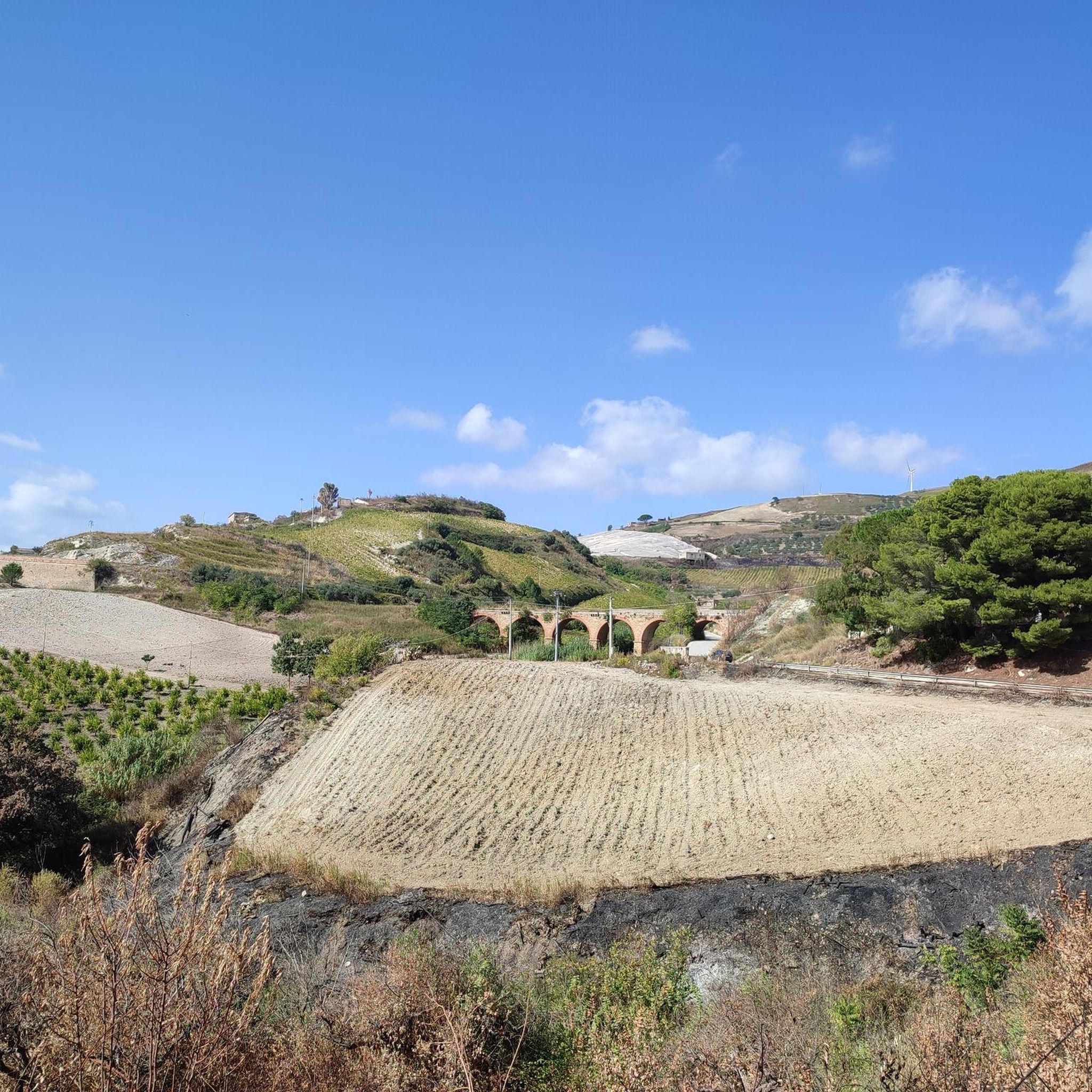
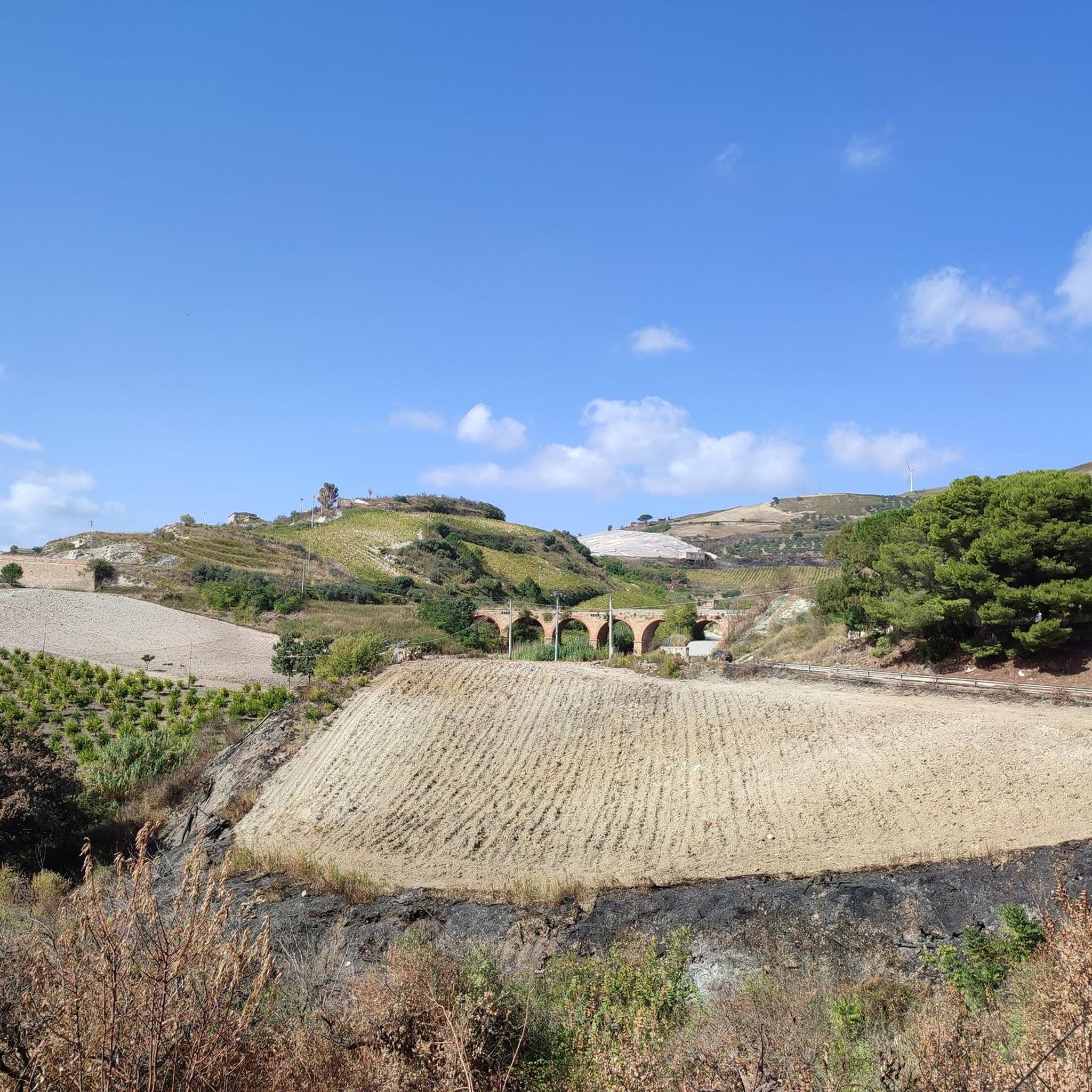
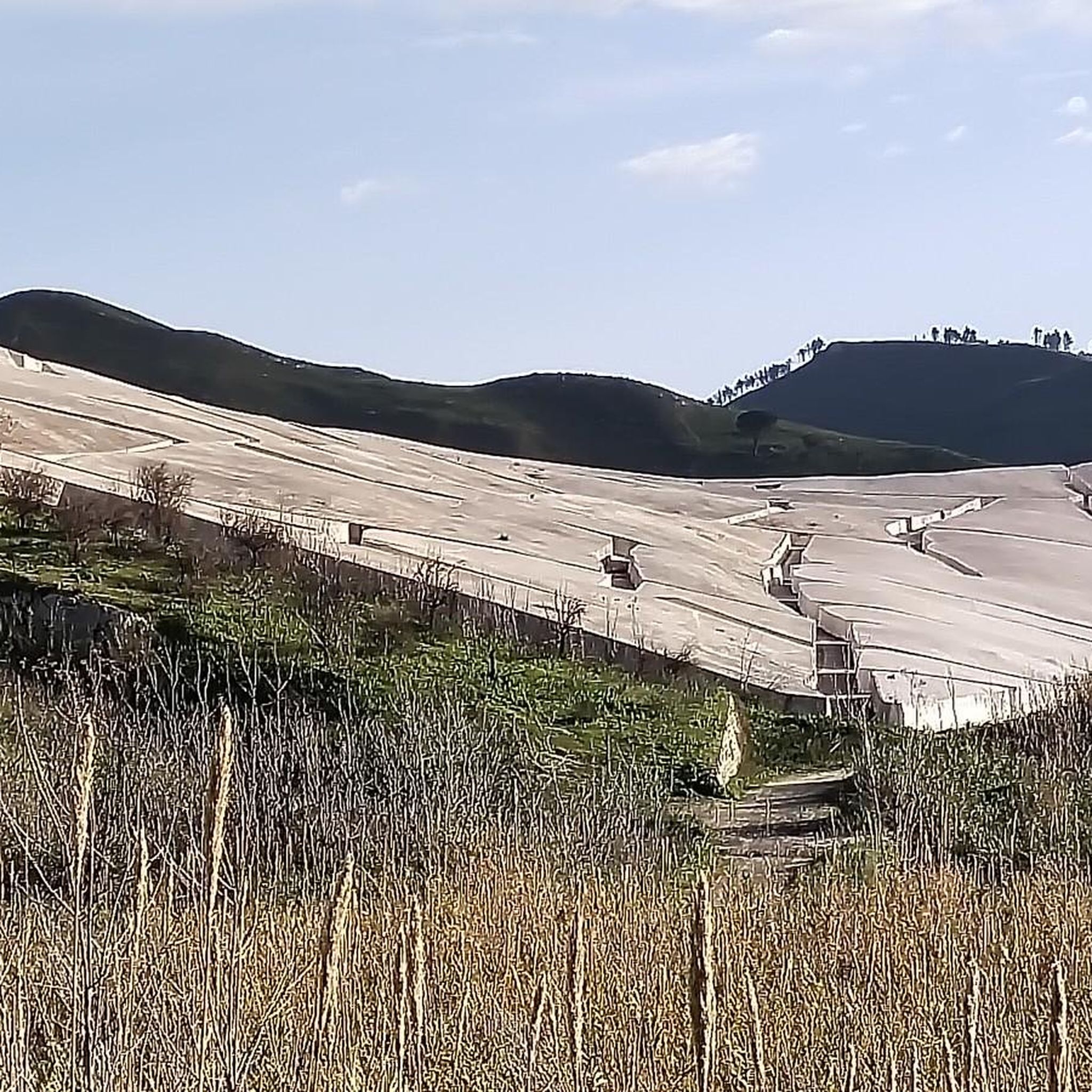
Cretto di Burri
Highlight • Monument
Translated by Google •
Tip by

the Star of Belìce
Highlight • Monument
Translated by Google •
Tip by
Sign up now to discover places like this
Get recommendations on the best single tracks, peaks, & plenty of other exciting outdoor places.
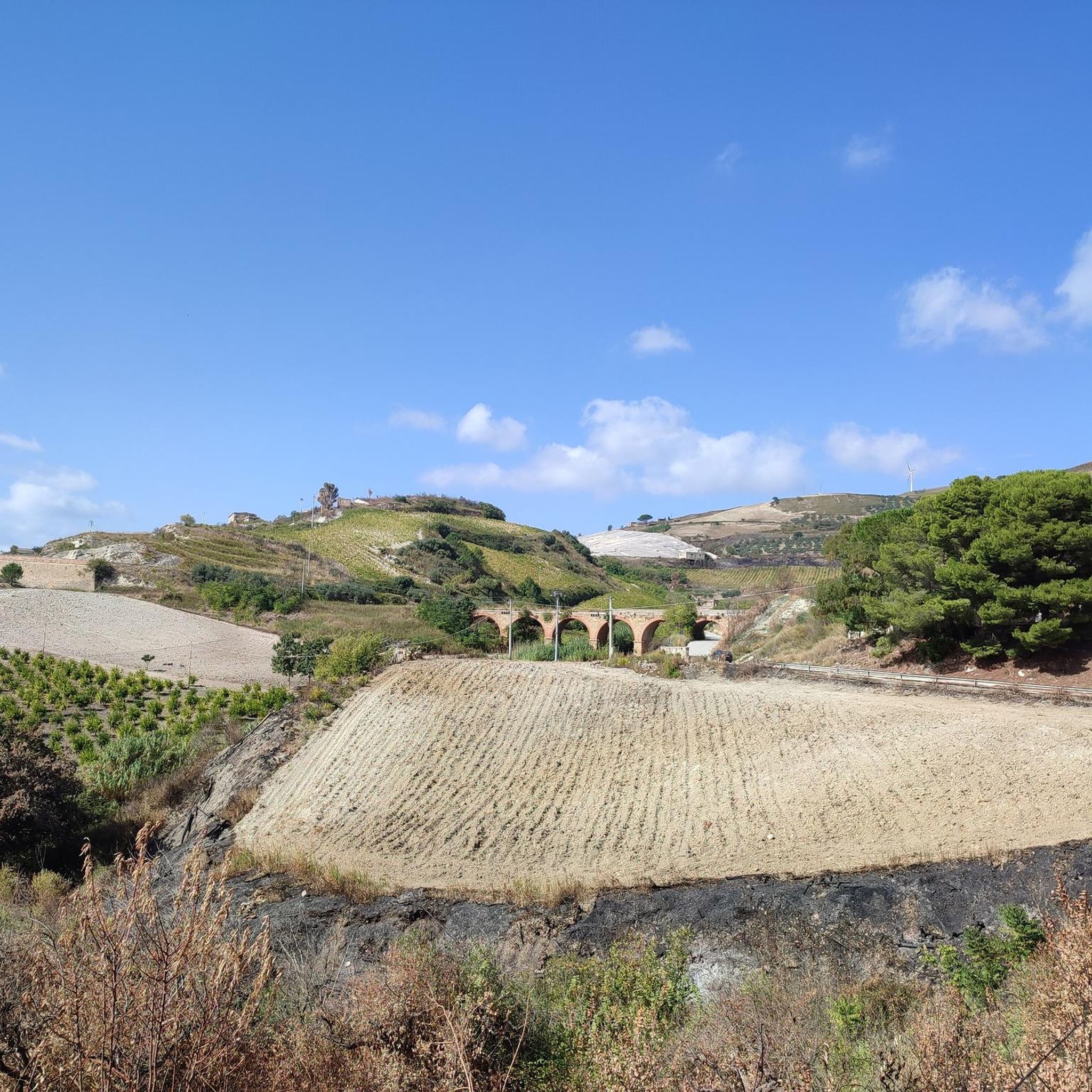
Poggioreale Ruins
Highlight (Segment) • Historical Site
Translated by Google •
Tip by

Finestrelle Forest
Highlight (Segment) • Trail
Translated by Google •
Tip by

ruins of Salaparuta
Highlight (Segment) • Historical Site
Translated by Google •
Tip by
Sign up for free to discover even more attractions around Salaparuta.
Already have an account?
Start today with a free account
Your next adventure awaits.
Tips from the Community

The Belice Gate, or Belice Gate, is a stainless steel installation by Pietro Consagra erected on the road leading to the town of Gibellina Nuova. The work recalls the town lights that were once displayed for the holidays, but over time it has also become a symbol of the Belice Valley. It was erected following the artistic reconstruction of Gibellina, as desired by Mayor Ludovico Corrao. The work is 26 meters tall.
25
0
The beautiful Stella at the entrance to Belice. https://it.m.wikipedia.org/wiki/Stella_d'entrata_al_Belice
27
0

The Cretto di Burri in Gibellina, also known as “Il Grande Cretto”, is a unique work of art that honors the destroyed town of Gibellina after the devastating earthquake of 1968. Italian artist Alberto Burri created this monumental work between 1985 and 1989 and it was completed in 2015. With its huge white concrete blocks that look like giant cracks in the ground, the work symbolizes the lasting pain and memory of the past, but at the same time, renewal and reconstruction. Walking through the Cretto almost feels like walking through the past, as if you are re-entering the streets and alleys of the old town. The approximately 80,000 square meter area is made up of concrete structures that trace the original city layout. What is particularly impressive is the fact that the blocks are made from the rubble of the old town itself. When you stand on the Cretto and take in the simple but powerful aesthetic, you can literally feel the connection between art, history and human resilience. It is not only a reminder of what was lost, but also a symbol of hope and rebirth. It is especially beautiful if you do the hike in clear weather - the view into the distance underlines the silence and grandeur of this unique place.
1
0

seen online and seen live it is that place that is worth seeing live, huge and astonishing, shame only for the history of all this
2
1
Cycling here is magic, beautiful! A pleasant climate and unique landscapes, go there!
1
0
place rich in history and suffering, unfortunately at 07/2024 it was not possible to access, everything was cordoned off, and work inside, I hope it is to try to recover something of this unique place
0
0
Work of art that marks the entrance to Belice.
38
0
Frequently Asked Questions
What historical sites can I visit in Salaparuta?
Salaparuta offers a poignant glimpse into its past, particularly at the ruins of the old town, Salaparuta Vecchia, which was destroyed by the 1968 earthquake. Here, you can explore the remains of houses, the base of the Paruta Castle's square tower, and the perimeter walls of the Mother Church. The 18th-century Capuchin Monastery has also seen restoration. In the new town, the Mother Church houses a 15th-century statue of Bianca di Navarra and a valuable 1755 Crucifix salvaged from the earthquake.
What significant memorials or art installations are in the Salaparuta area?
The region is home to powerful memorials and art installations. The most notable is Cretto di Burri, a monumental land art installation by Alberto Burri covering the ruins of old Gibellina, serving as a memorial to the 1968 earthquake. You can also visit the Poggioreale Ruins, another town devastated by the earthquake. Additionally, the Stella d'Ingresso al Belice (Star of Belice) by Pietro Consagra is a 26-meter-tall stainless steel sculpture marking the entrance to the Belice Valley, symbolizing its rebirth.
What natural landscapes and viewpoints can I explore around Salaparuta?
Salaparuta is nestled in the beautiful Belice Valley, offering picturesque views of valleys, hills, and expansive vineyards. From the town, you can see Mount Porcello and distant views of Mounts Alcamo and San Giuseppe Jato, extending towards the mountain of Entella and even the sea of Selinunte. The Finestrelle Forest also provides scenic views of hills covered by vineyards from its higher points.
Are there hiking trails available near Salaparuta's attractions?
While specific hiking trails directly at the historical sites are limited, the surrounding Belice Valley offers numerous opportunities for walking and exploring. For dedicated hiking, you can find various routes in the region. You can explore options like the MTB Trails around Salaparuta guide, which includes routes that can be adapted for walking, or look for general walking paths in the area.
What cycling opportunities are there around Salaparuta?
The area around Salaparuta is excellent for cycling. The Finestrelle Forest is known for its compact dirt roads, making it ideal for gravel biking and mountain biking, with breathtaking views of vineyards. You can find detailed routes in the MTB Trails around Salaparuta, Road Cycling Routes around Salaparuta, and Gravel biking around Salaparuta guides, which include routes passing by attractions like Cretto di Burri and Poggioreale Ruins.
Are there family-friendly attractions in the Salaparuta area?
Yes, several attractions are suitable for families. The Stella d'Ingresso al Belice, a large stainless steel sculpture, is considered family-friendly and wheelchair accessible. Exploring the open-air art installation of Cretto di Burri can also be an engaging experience for older children, offering a unique blend of art and history.
Can I bring my dog to attractions in Salaparuta?
While specific dog policies for all sites are not always explicitly stated, outdoor attractions like the Stella d'Ingresso al Belice and the expansive Cretto di Burri are generally accessible for dogs, especially if kept on a leash. For the Poggioreale Ruins, while access is officially restricted due to safety, if you visit the perimeter, dogs are typically allowed in outdoor public spaces.
When is the best time of year to visit Salaparuta?
The Belice Valley, including Salaparuta, experiences a Mediterranean climate. Spring (April-May) and autumn (September-October) are generally the most pleasant times to visit, with mild temperatures ideal for exploring historical sites and enjoying outdoor activities like cycling and walking. Summers can be hot, while winters are mild but may have more rainfall.
How can I access the main attractions, and is parking available?
Most attractions in the Salaparuta area, including Cretto di Burri, Poggioreale Ruins, and Stella d'Ingresso al Belice, are best accessed by car. Parking is generally available near these sites, often in informal areas or designated spots. Public transport options directly to all individual attractions can be limited, so a car offers the most flexibility for exploring the region.
Where can I experience local cuisine and wine in Salaparuta?
Salaparuta is renowned for its DOC wines and Valle del Belice PDO zone olive groves, making it an excellent destination for food and wine enthusiasts. You can explore local wineries for tastings and tours. The town also hosts events promoting local products, often accompanied by Salaparuta DOC wine. Be sure to try local delicacies such as "'nfigghiulata" (bread filled with onion, potato, and sausage) and "muffuletta" (a soft bread prepared for San Martino).
Are there any unique cultural points of interest in Salaparuta?
Salaparuta is the ancestral home of Nick La Rocca, who recorded the first jazz record. The town commemorates him with a bust and organizes jazz concerts through the Nick La Rocca Study and Research Centre, offering a unique cultural connection to music history.
Does Salaparuta host any local festivals or events?
Yes, traditional events are a significant part of Salaparuta's cultural fabric. Visitors can experience the setting up of altars in honor of San Giuseppe (Saint Joseph) and the "Ncontru" procession on Easter Day, which involves the simulacra of Christ and Mary. The town also hosts events promoting local products with tastings, often accompanied by Salaparuta DOC wine.
Most popular attractions around Salaparuta

Get inspired with the komoot mobile app


Explore more
Still not found the Highlight you’re looking for? See guides of the top attractions in other regions:
