Attractions and Places To See around Poggioreale - Top 20
Best attractions and places to see around Poggioreale are primarily located in Sicily, a region shaped by the 1968 Belice Valley earthquake. This area features the poignant ruins of the old town, offering a historical perspective on the event. The surrounding landscape includes gentle hills, olive groves, and vineyards, characteristic of the Belice Valley. Visitors can explore both historical sites and natural features within this distinct Sicilian setting.
Best attractions and places to see around Poggioreale
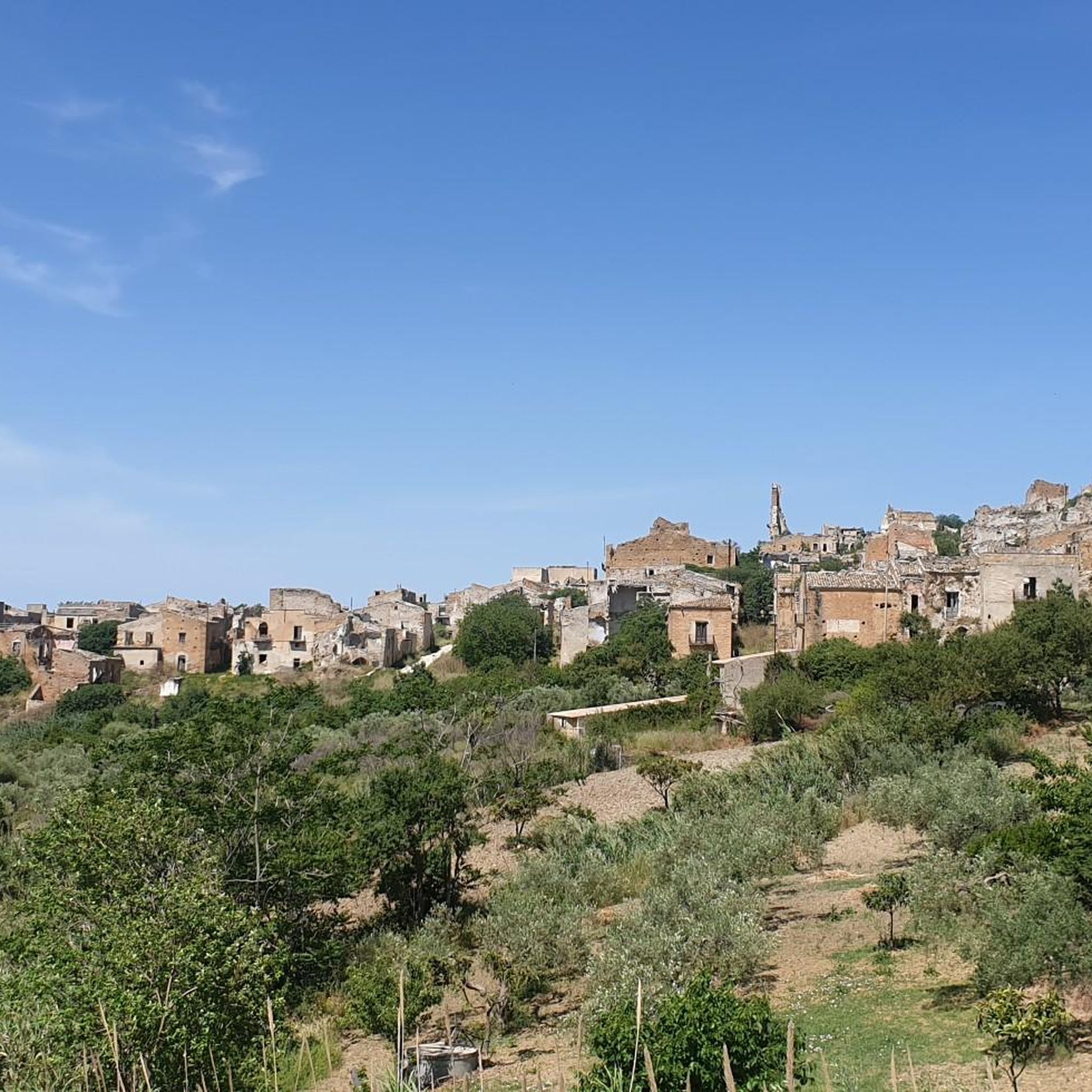
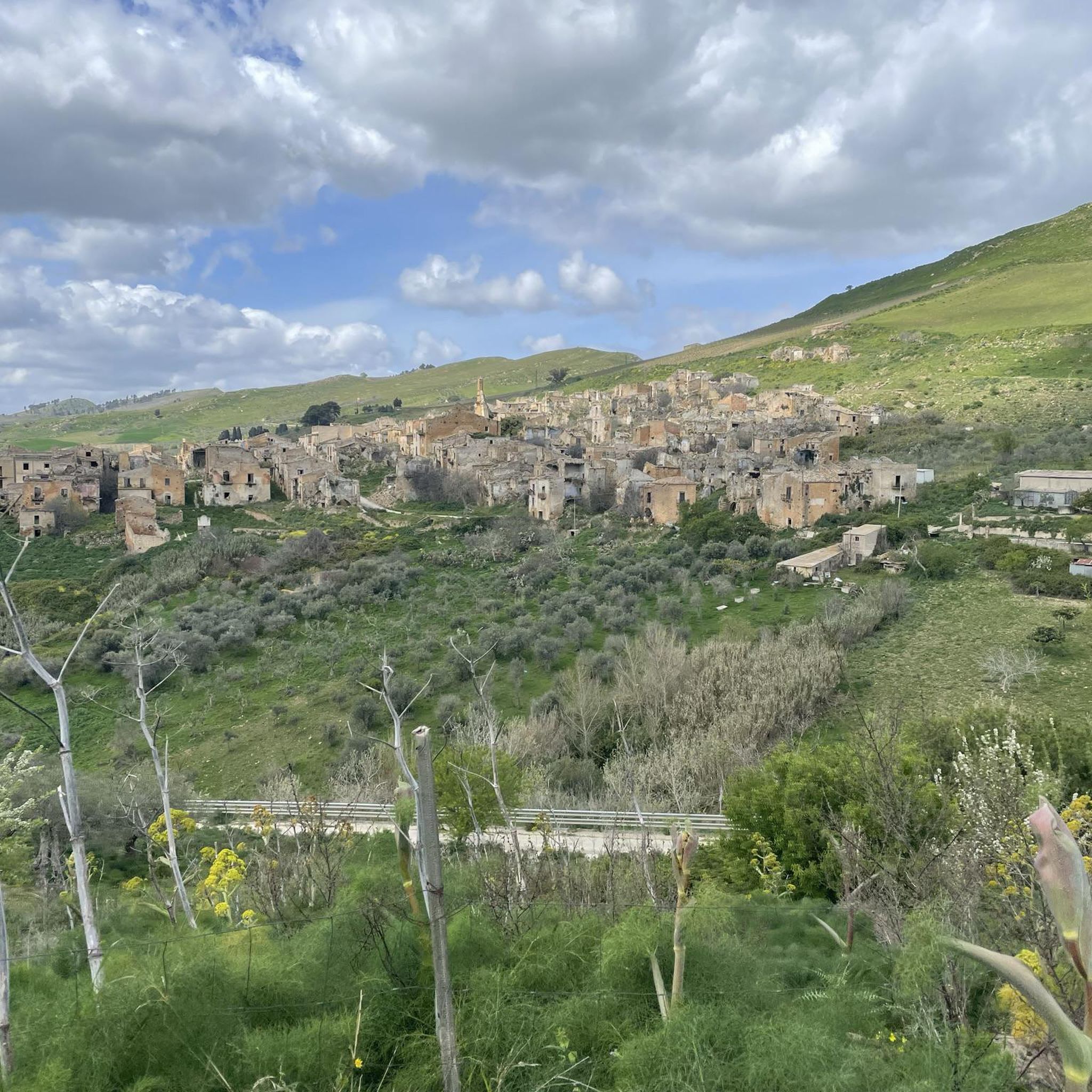
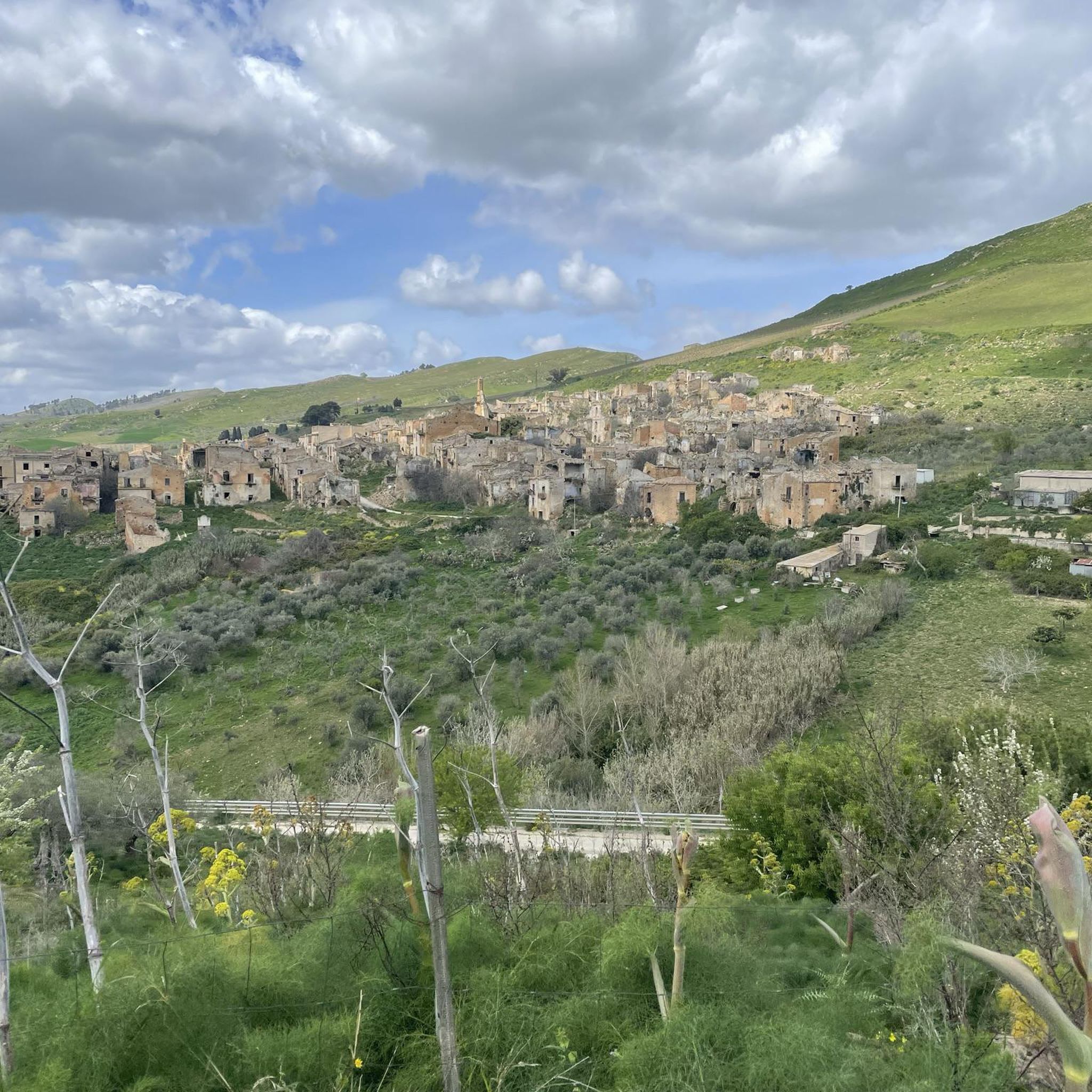
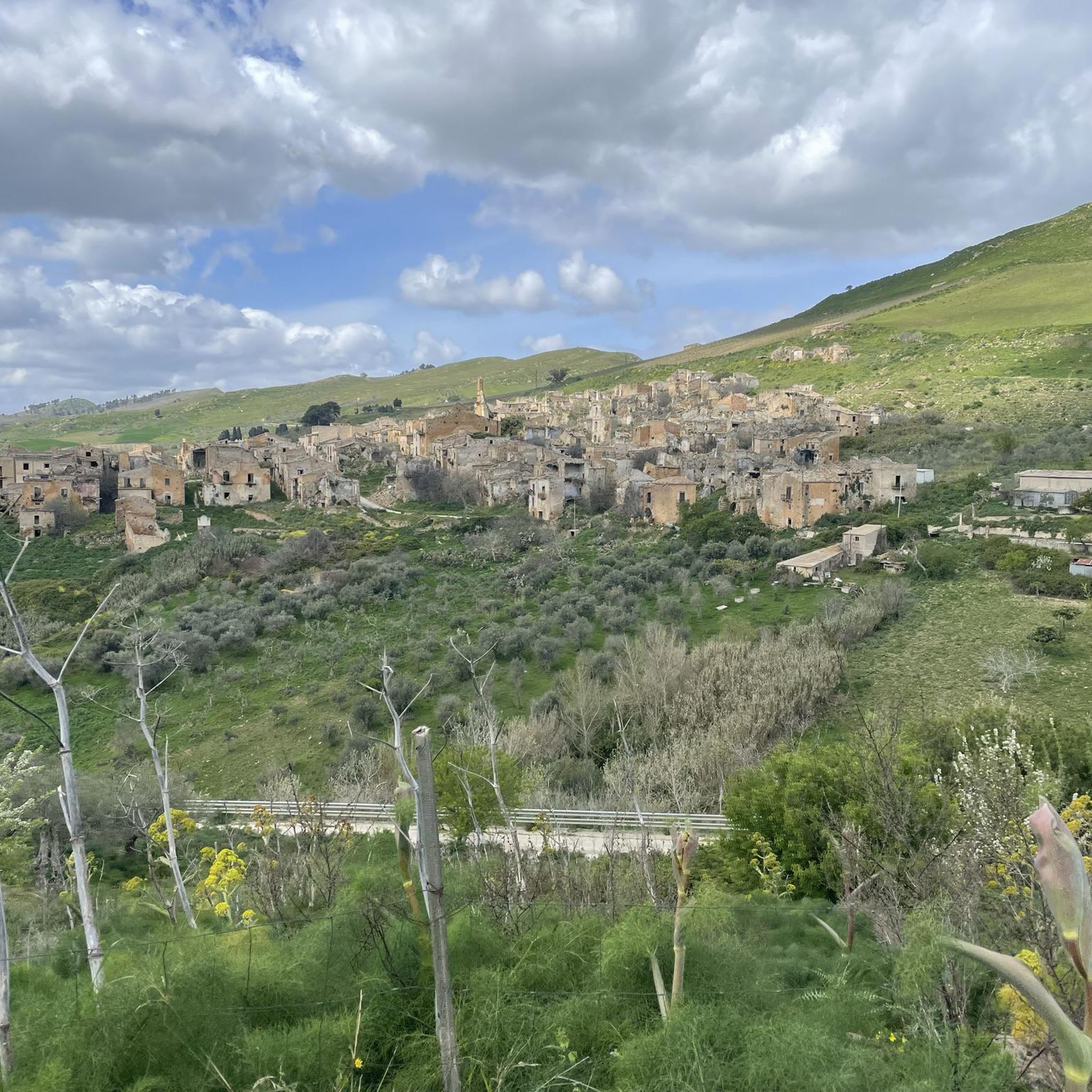
- The most popular attractions is Poggioreale Ruins, a historical site that consists of the remains of the city destroyed by the 1968 Belice earthquake. This site offers a glimpse into a past frozen in time, though access is officially restricted due to collapse risk.
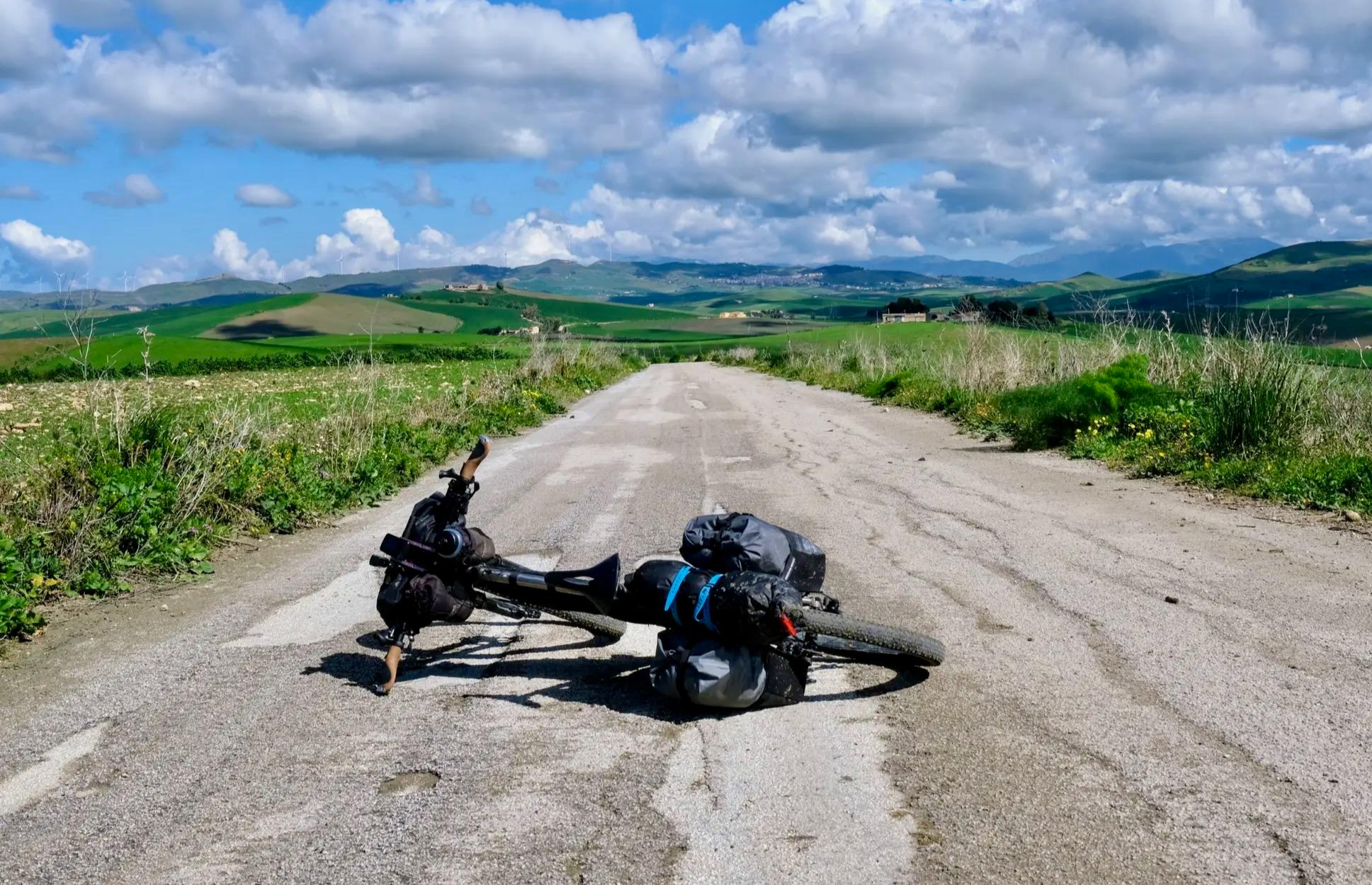
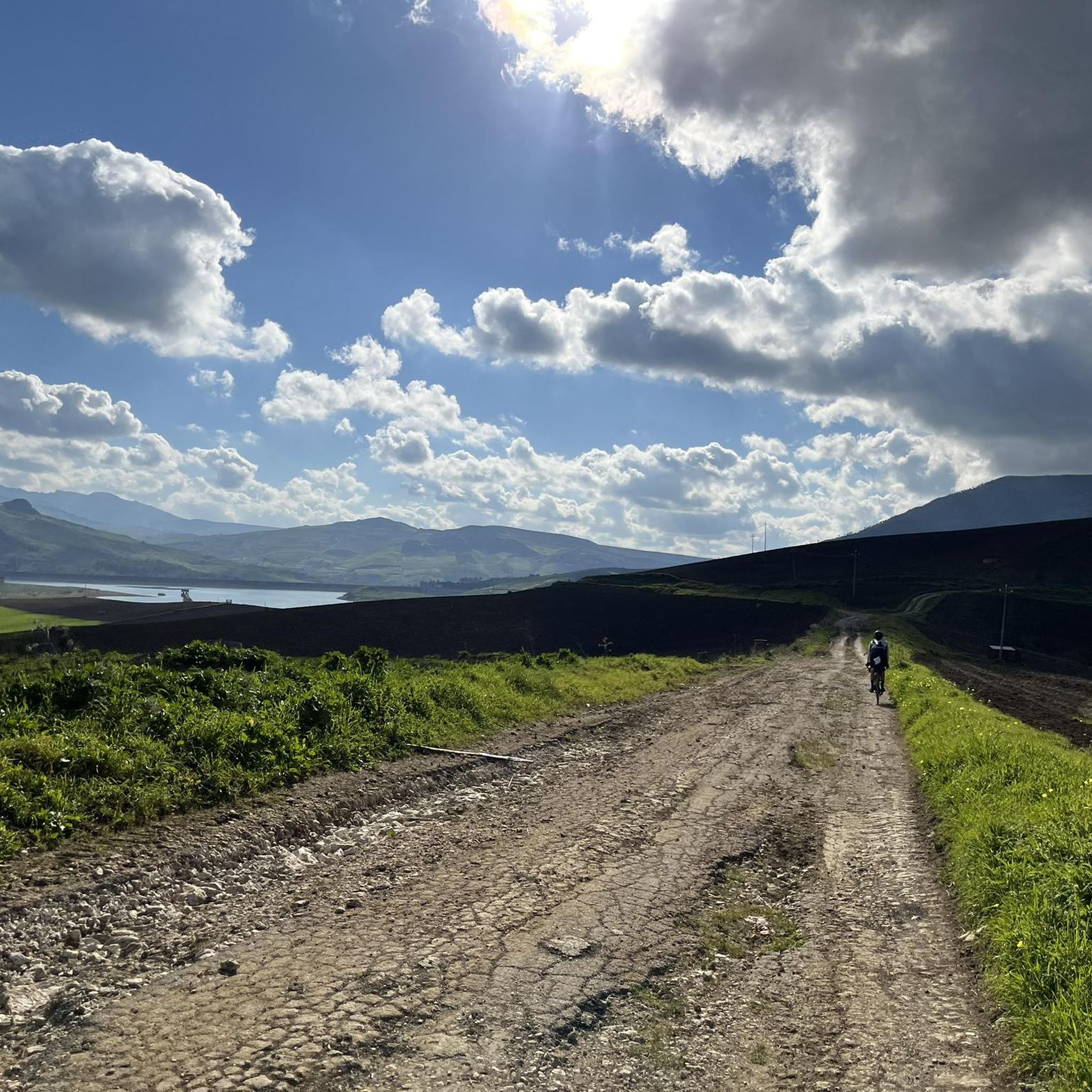
- Another must-see spot is Finestrelle Forest, a forest trail. This area is known for its compact dirt roads, making it suitable for gravel biking, and offers views of the surrounding hills and vineyards.
- Visitors also love Cretto di Burri, a man-made monument. This environmental art installation by Alberto Burri commemorates the old city of Gibellina, also destroyed by the 1968 earthquake, with immense white concrete cracks symbolizing memory and reconstruction.
- Poggioreale is known for historical sites, natural landscapes, and unique art installations. The area offers a variety of attractions to see and explore, from earthquake-affected towns to scenic forest trails.
- The attractions around Poggioreale are appreciated by the komoot community, with 28 upvotes and 73 photos shared by visitors.
Last updated: October 11, 2026
Cretto di Burri
Highlight • Monument
Translated by Google •
Tip by

Poggioreale Ruins
Highlight (Segment) • Historical Site
Translated by Google •
Tip by

Sign up now to discover places like this
Get recommendations on the best single tracks, peaks, & plenty of other exciting outdoor places.
Finestrelle Forest
Highlight (Segment) • Trail
Translated by Google •
Tip by

ruins of Salaparuta
Highlight (Segment) • Historical Site
Translated by Google •
Tip by
Overview of the Belice
Highlight • Viewpoint
Showing Translation
Tip by

Sign up for free to discover even more attractions around Poggioreale.
Already have an account?
Start today with a free account
Your next adventure awaits.
Other adventures around Poggioreale

Tips from the Community

The Belìce is an important river and a hilly valley in western Sicily, included between the provinces of Trapani, Agrigento and Palermo.
0
0

The Cretto di Burri in Gibellina, also known as “Il Grande Cretto”, is a unique work of art that honors the destroyed town of Gibellina after the devastating earthquake of 1968. Italian artist Alberto Burri created this monumental work between 1985 and 1989 and it was completed in 2015. With its huge white concrete blocks that look like giant cracks in the ground, the work symbolizes the lasting pain and memory of the past, but at the same time, renewal and reconstruction. Walking through the Cretto almost feels like walking through the past, as if you are re-entering the streets and alleys of the old town. The approximately 80,000 square meter area is made up of concrete structures that trace the original city layout. What is particularly impressive is the fact that the blocks are made from the rubble of the old town itself. When you stand on the Cretto and take in the simple but powerful aesthetic, you can literally feel the connection between art, history and human resilience. It is not only a reminder of what was lost, but also a symbol of hope and rebirth. It is especially beautiful if you do the hike in clear weather - the view into the distance underlines the silence and grandeur of this unique place.
1
0

seen online and seen live it is that place that is worth seeing live, huge and astonishing, shame only for the history of all this
2
1
Cycling here is magic, beautiful! A pleasant climate and unique landscapes, go there!
1
0
place rich in history and suffering, unfortunately at 07/2024 it was not possible to access, everything was cordoned off, and work inside, I hope it is to try to recover something of this unique place
0
0

The Sicilian town of Gibellina was devastated by an earthquake in 1968. After the disaster, the residents at the time created a gigantic open-air museum. Alberto Burri's work of art lies like a shroud over the town of Gibellina, which was destroyed by the earthquake. The sidewalks between the concrete structures show where the town's streets and alleys used to run.
2
0

The former Capuchin convent of the 18th century. They were built at the end of the 18th century, on land purchased by Prince Fabrizio Alliata and at his expense, who endowed the friars with income for worship, food and the maintenance of the structures. The church, inserted in the body of the convent, had a single nave which was accessed through the beautiful portal crowned by a robust mixtilinear frame. The convent consisted of sixteen rooms on the ground floor, some of which had a real vault and thirty-one on the first floor, connected by long corridors. From 1927 to 1963 it was used as a hospital and later as a school; it has recently been restored and consolidated also with the insertion of new metal structures.
13
0
The ruins of Salaparuta, a small Sicilian town, are the historical testimony of the serious earthquake that struck the Belice valley in 1968. The ruins are what remained of the old inhabited center of the Trapani municipality and keep alive the memory of one of the most dramatic events that it hit Sicily and all of Italy.
17
0
Frequently Asked Questions
What historical sites can I explore around Poggioreale?
The region around Poggioreale is rich in history, particularly concerning the 1968 Belice Valley earthquake. You can visit the poignant Poggioreale Ruins, the remains of the old town frozen in time. Another significant site is the Cretto di Burri, a monumental land art installation commemorating the destroyed town of Gibellina. Additionally, the ruins of Salaparuta offer another glimpse into the earthquake's impact, with remnants of its castle and Mother Church.
What is the significance of the Cretto di Burri?
The Cretto di Burri is a powerful work of environmental art created by Alberto Burri. It covers the ruins of the old town of Gibellina, which was completely destroyed by the 1968 Belice earthquake. The immense white concrete blocks symbolize memory, pain, and the reconstruction of the area, serving as a permanent memorial to the event.
Are there any natural areas or outdoor activities near Poggioreale?
Yes, the surrounding Belice Valley offers beautiful natural landscapes. You can explore the Finestrelle Forest, known for its compact dirt roads ideal for gravel biking and offering breathtaking views of hills and vineyards. The entire Belice Valley is characterized by gentle sloping hills, olive groves, and vineyards, perfect for scenic drives or walks.
Can I visit the old town of Poggioreale, also known as Poggioreale Ruins?
The Poggioreale Ruins are the remains of the old town destroyed by the 1968 earthquake. While it offers a poignant glimpse into the past, official access to the site is often restricted due to the risk of collapse. Visitors should exercise extreme caution and be aware that entering the ruins is at their own risk, as buildings are unstable.
What kind of outdoor routes are available for cycling or mountain biking?
The area around Poggioreale is excellent for various cycling activities. You can find numerous routes for mountain biking, gravel biking, and road cycling. For mountain biking, consider routes like the 'Monte Genuardo Loop' or the longer 'Poggioreale Ruins – Sambuca di Sicilia loop'. Gravel biking enthusiasts can enjoy the 'Finestrelle Forest – Cretto di Burri loop'. Road cyclists have options such as the 'Climb to the cretto of Ghibellina at the ruins of Poggio Reale'. You can find more detailed routes and guides on komoot, for example, in the MTB Trails around Poggioreale or Gravel biking around Poggioreale guides.
Are there family-friendly attractions in the area?
Yes, the Case Pomo Visitor Center in the Monte Genuardo Reserve is a family-friendly educational area. It's equipped with explanatory panels and educational materials, offering an immersive experience into the history and nature of the region. It's a great place for families to learn together.
What is the best time of year to visit Poggioreale?
The Belice Valley region, including Poggioreale, generally enjoys a Mediterranean climate. Spring (April-May) and autumn (September-October) are often considered the best times to visit, offering pleasant temperatures ideal for exploring historical sites and engaging in outdoor activities without the intense heat of summer. These seasons also showcase the beautiful agricultural landscapes at their best.
Are there other earthquake-affected towns I can visit nearby?
Beyond Poggioreale, you can visit the ruins of Salaparuta, another town devastated by the 1968 earthquake. Here, you can see the remnants of the Paruta castle and the Mother Church. The context of Gibellina, now home to the Cretto di Burri, also provides insight into the earthquake's impact on the region.
Where can I learn more about the history and nature of the Belice Valley?
The Case Pomo Visitor Center in the Monte Genuardo Reserve is an excellent resource, providing educational materials and panels on the area's history and natural environment. Additionally, the Ethno-anthropological Museum in new Poggioreale documents the region's agricultural heritage and history, showcasing tools and objects from past farming traditions.
What are the typical landscapes like around Poggioreale?
The landscape around Poggioreale, situated in the heart of the Belice Valley, is characterized by gentle, rolling hills, extensive olive groves, and lush vineyards. This agricultural tapestry creates a beautiful, colorful vista, especially during different seasons. Mount Castellaccio, near the old town, also offers panoramic views of this scenic region.
Are there any unique cultural events or festivals in the new town of Poggioreale?
Yes, the new town of Poggioreale hosts various festivals and events throughout the year that celebrate local traditions and cuisine. Notable examples include the Ricotta and Cheese Festival and the Muffuletta Festival, offering visitors a taste of authentic Sicilian culture and gastronomy.
What are the challenges or considerations when visiting the Poggioreale Ruins?
When visiting the Poggioreale Ruins, it's crucial to be aware that the site is officially forbidden to access due to the severe risk of collapse. Buildings are unstable, and venturing inside or to upper floors is highly dangerous. Access is at your own risk, and caution is paramount to ensure personal safety.
Can I bring my dog to the attractions around Poggioreale?
While specific regulations vary, many outdoor areas and natural sites like the Finestrelle Forest or the general Belice Valley are typically dog-friendly, especially if dogs are kept on a leash. For historical sites like the Poggioreale Ruins or the Cretto di Burri, it's advisable to check local signage or guidelines upon arrival, though outdoor monuments are generally more accommodating.

Get inspired with the komoot mobile app


Explore more
Still not found the Highlight you’re looking for? See guides of the top attractions in other regions:
