The best road cycling routes around Piazza Al Serchio
4.4
(119)
2,421
riders
10
rides
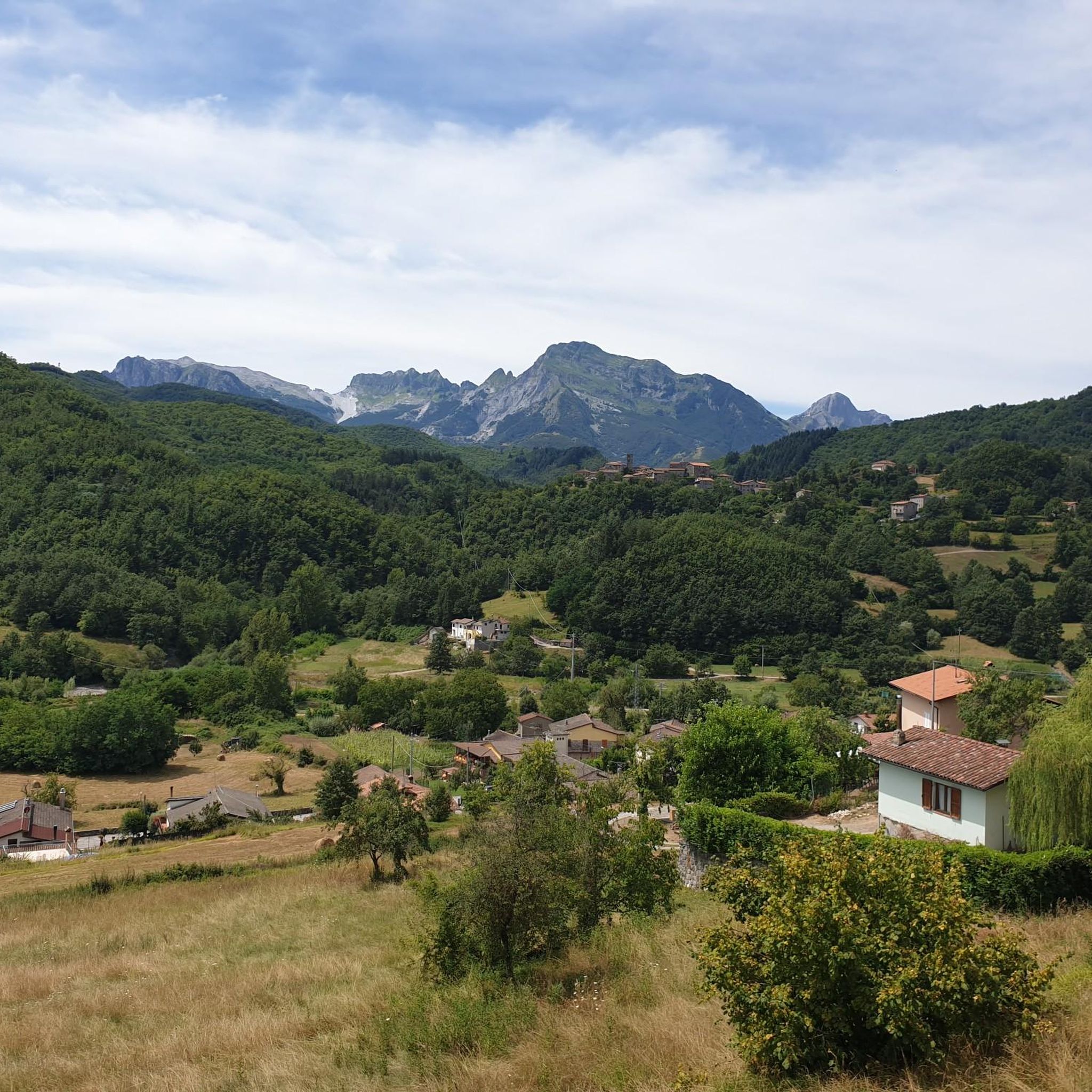
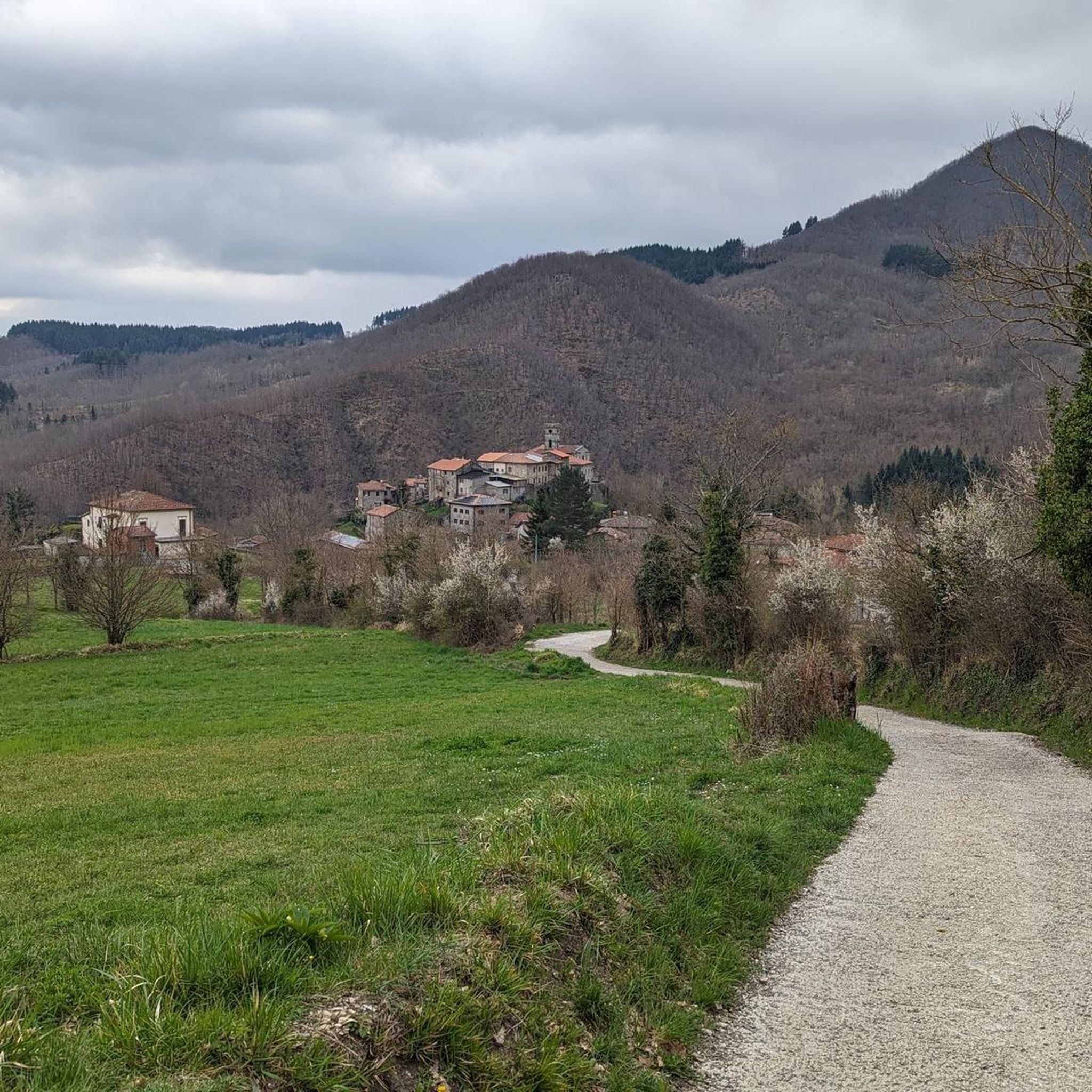
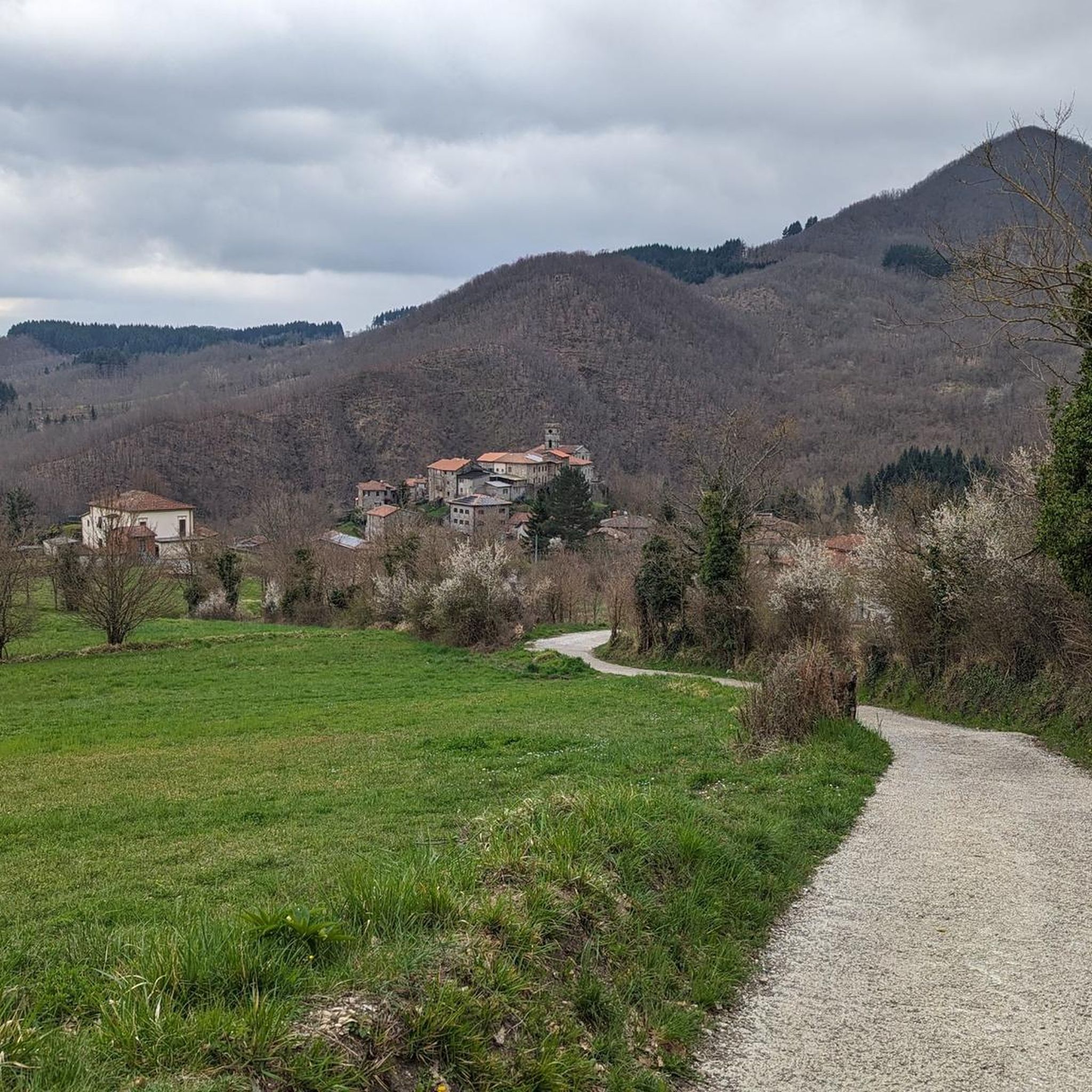
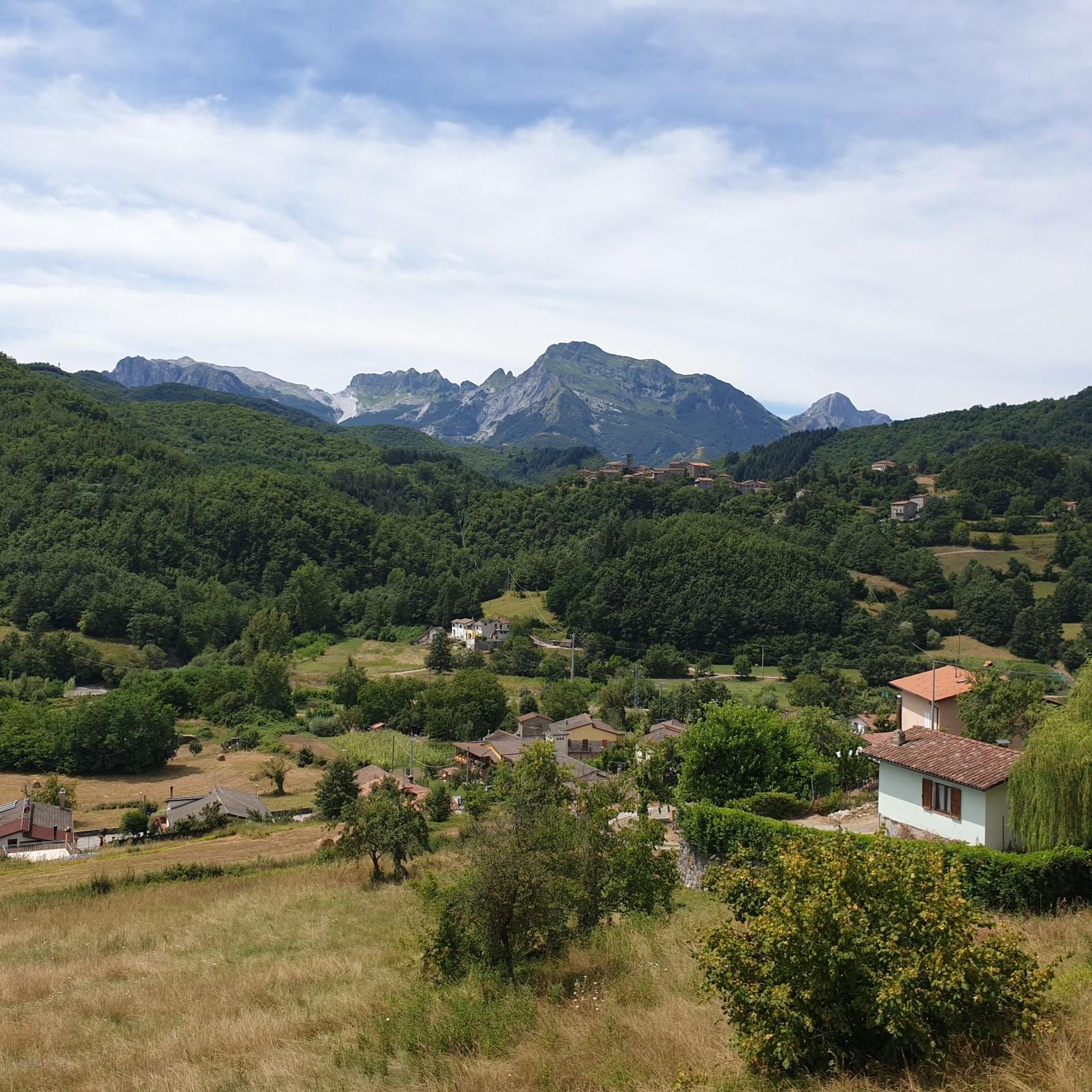
Road cycling around Piazza Al Serchio, located in Tuscany's Garfagnana region, features diverse landscapes including rolling hills, challenging mountain passes, and scenic river valleys. The area is bordered by the Apuan Alps and the Apennine mountain range, providing routes with significant elevation gain. The Serchio River carves through the valley, offering additional scenic routes, while the Orecchiella Park presents varied terrain with dense forests. This topography creates a range of road cycling opportunities from moderate to demanding ascents.
Best road…
Last updated: October 16, 2026
4.0
(10)
71
riders
Moderate road ride. Good fitness required. Some segments of this route may be unpaved and difficult to ride.
3.0
(1)
34
riders
39.8km
02:31
1,080m
1,080m
Hard road ride. Very good fitness required. Mostly well-paved surfaces and easy to ride.

16
riders
78.3km
04:32
1,780m
1,780m
Hard road ride. Very good fitness required. Some segments of this route may be unpaved and difficult to ride.
6
riders
27.5km
01:36
640m
640m
Moderate road ride. Good fitness required. Mostly well-paved surfaces and easy to ride.
10
riders
97.4km
05:44
2,230m
2,230m
Hard road ride. Very good fitness required. Some segments of this route may be unpaved and difficult to ride.
Get access to more routes and recommendations from other explorers.
Already have an account?
Our route recommendations are based on thousands of hikes, rides, and runs completed by other people on komoot.
Start today with a free account
Your next adventure awaits.
Tips from the Community

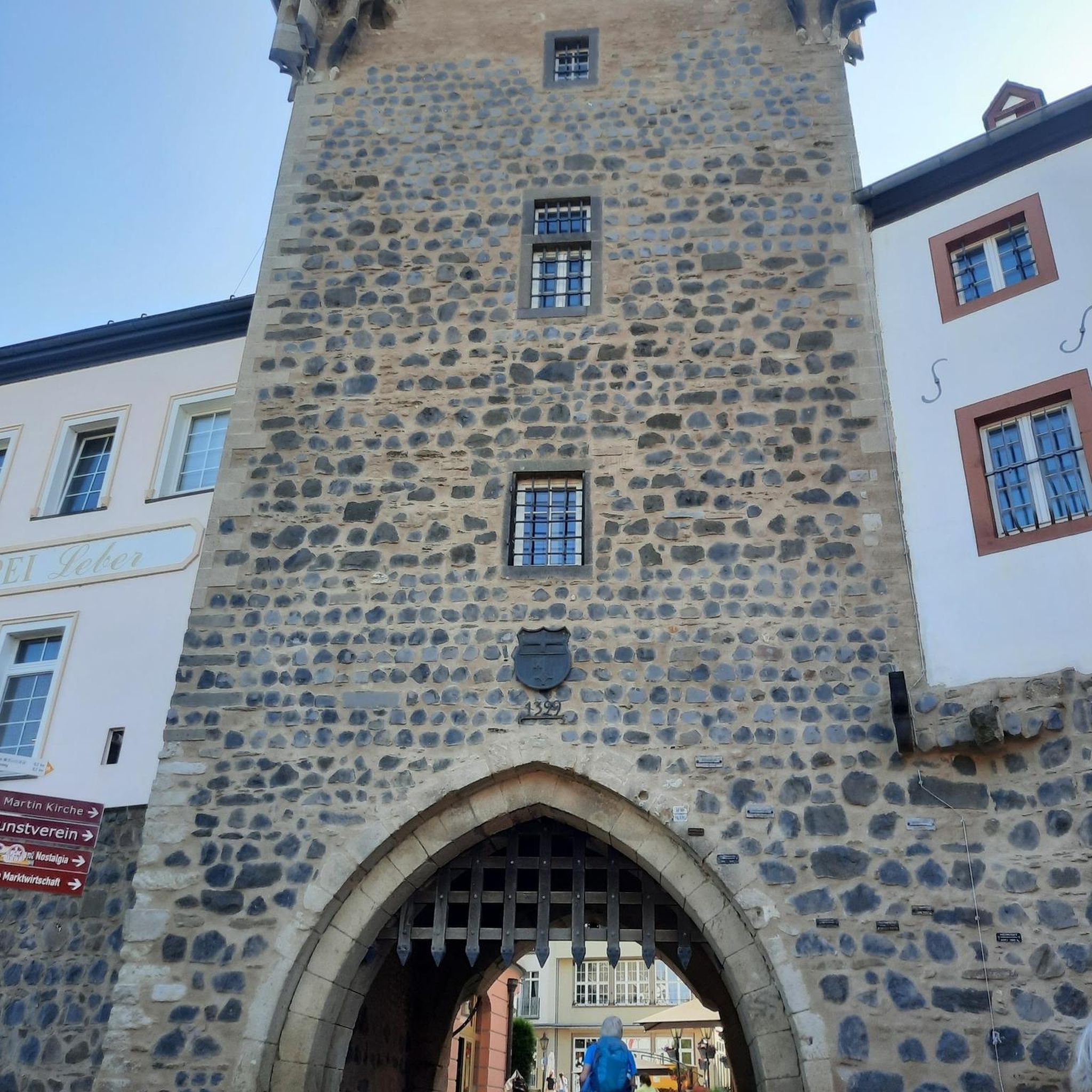
The Rocca Ariostesca is a medieval fortified military structure located in Castelnuovo di Garfagnana. The rocca is the symbol of the city and overlooks the central Piazza Umberto I. It owes its name to having been the seat of the Este government and to having hosted, from 1522 to 1525, as governor of the Garfagnana of the Este, the poet Ludovico Ariosto, who was succeeded in the following century by Fulvio Testi. A small outpost already existed on the site in the 10th century, but it can be said that the original structure of the Rocca as we know it today dates back to the 12th century; modified throughout the 13th century, it was significantly enlarged in the early 14th century by Castruccio Castracani, who determined an enlargement of the entire village walls. It was then Paolo Guinigi who ordered the construction of the imposing tower located in the center of the Rocca, adorned with the civic clock, which over time was also used as a prison. The terrace overlooking the square was erected in 1675, coinciding with the opening of the monumental arch of access to the city center. The internal furnishings have been lost, among which the tapestries that adorned the "Sala dei Principi" (Hall of the Princes) are known. The Rocca was damaged during the Second World War and subsequently restored. As a venue for exhibitions and cultural events, it houses the Archaeological Museum in its halls, which preserves numerous artifacts and testimonies from the prehistoric, Ligurian-Apuan, and Etruscan periods in Garfagnana.
0
0
The lake of Gramolazzo is a lake in the Apuan Alps located near the homonymous village in the municipality of Minucciano. Of artificial origin, it was created in the second half of the 1900s, together with the lake of Vagli by SELT Valdarno for the hydroelectric use of the Serchio river and its tributaries. The lake, which has a surface area of one square kilometer and a volume of 3.8 million cubic meters, has both the Serchio di Gramolazzo as its inflow and outflow, one of the two branches that, joining near Piazza al Serchio, form the Tuscan river. Another important stream that flows into the lake is the Acqua Bianca stream, which coming from Mount Pisanino crosses the village of Gorfigliano. A large part of the water, however, is fed through a channel on the left bank, near the dam, which with a maximum flow rate of 20 cubic meters per second discharges the waters captured from the Serchio into the Sillano valley. The waters of the lake of Gramolazzo feed the Fabbriche power plant which in turn discharges them into the lake of Vagli.
0
0
This artificial lake was created by damming the Turritecava stream in the late 1930s. Its protected location makes it an excellent refuge for birds. Canyoning is possible nearby on the Rio Selvano, a tributary of the Turritecava.
0
0
The town owes its origins to the late Middle Ages settlement of a colony of blacksmiths from Bergamo, later joined by families from the surrounding area. At the time of Italian unification, the town had approximately 2,000 inhabitants, but today, due to progressive depopulation, it numbers just under 500, including the hamlets. The customs bridge, marking the border between the Duchy of Modena and the Republic of Lucca, was also located here.
0
0

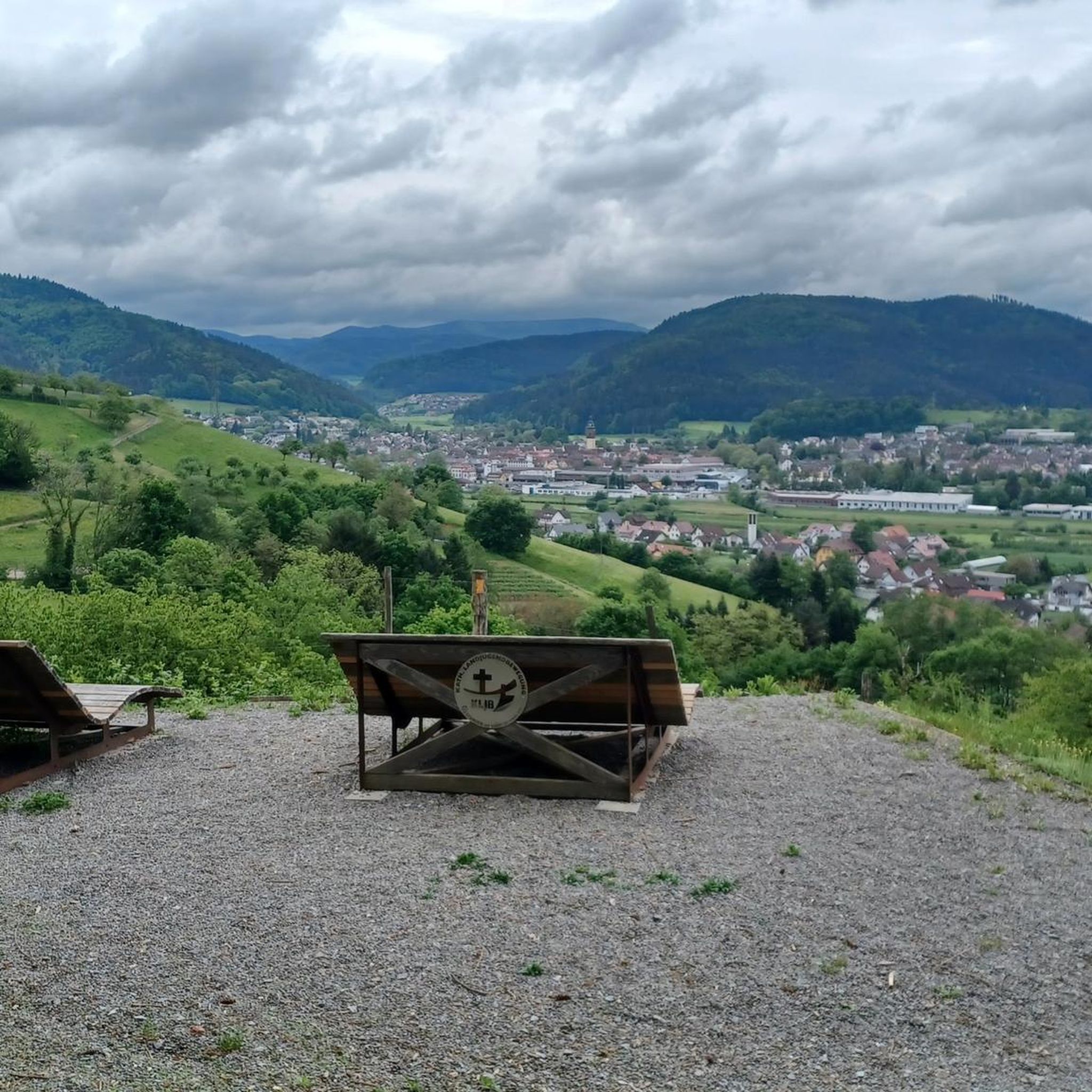
A must-see with sweeping views of the surrounding mountains, all immersed in lush greenery.
0
0
The place is cool and quiet during the week. Canoe rentals are available for lake excursions.
0
0

Beautiful, little water when we passed, but very suggestive.
0
0

Castelnuovo di Garfagnana - Tea Time Sunday, the locals in the new castle are also enjoying the peace. The apostles Peter and Paul invite us into the shade of their modest prayer house (Parrocchia Abbaziale dei SS. Apostoli Pietro e Paolo). The holy water is bubbling… The tea ceremony is a feast for the eyes when the tea bag changes the water in color and scent. After a short toast we bring comfort to Don Quixote. Seated on his horse Rocinate at Rocca Ariostesca, (old city gate) he continues his battle alone… Wandering further through the empty alleys and streets, students in Teatro Alfieri manage to entertain us with a matinée. Students put their best foot forward while fellow students, with crossed fingers, encourage the main character. Exam passed It was nice to be in the new castle during our tea time. Read more experiences? Click through to https://www.komoot.com/en-gb/collection/2195535/-visit-italy-2023-regio-massa-carrara-lucca
2
0
Frequently Asked Questions
What kind of terrain can I expect on road cycling routes around Piazza Al Serchio?
The region offers diverse topography, including rolling hills, challenging mountain passes, and scenic river valleys. You'll encounter significant elevation gain, especially in routes bordering the majestic Apuan Alps and the Apennine mountain range. The Serchio River valley also provides flatter, scenic sections.
Are there routes suitable for less experienced road cyclists in Piazza Al Serchio?
While many routes in Piazza Al Serchio feature challenging ascents, there are options that cater to varying fitness levels. The area is known for its diverse terrain, offering a mix of moderate rides and demanding climbs. Currently, the komoot guide primarily lists moderate to difficult routes, so beginners should carefully review route profiles for elevation and distance.
What are some notable natural features or landmarks I can see while cycling?
Road cycling routes often pass through stunning natural landscapes. You can expect views of the Apuan Alps and the Apennine mountain range, ride alongside the Serchio River, or explore areas within the Orecchiella Park with its dense forests. Nearby natural monuments include Mount Sagro and Lake Bargetana, offering breathtaking vistas.
Are there any historical or cultural attractions along the routes?
Yes, the Garfagnana region is rich in history. You might encounter historic hamlets, castles, and fortifications, such as the Castelvecchio fort. The beautiful San Michel bridge and the parish church of San Pietro in Piazza Al Serchio are also notable. For a cultural stop, consider the Museo Italiano dell'Immaginario Folklorico, dedicated to local folklore.
What is the best time of year for road cycling in Piazza Al Serchio?
Spring and autumn generally offer the most pleasant conditions for road cycling in Piazza Al Serchio, with milder temperatures and beautiful scenery. Summers can be hot, especially in the valleys, while winters may bring colder weather and potential snow at higher elevations in the Apuan Alps and Apennines.
What do other road cyclists say about the routes in Piazza Al Serchio?
The road cycling routes around Piazza Al Serchio are highly rated by the komoot community, with an average score of 4.4 stars from over 60 reviews. Cyclists often praise the challenging ascents, diverse landscapes, and the stunning views of the Apuan Alps and the Serchio River valley.
Are there any long-distance or challenging road cycling routes available?
Yes, Piazza Al Serchio is an excellent base for challenging long-distance rides. For instance, the Lake Gramolazzo – San Pellegrino in Alpe loop from Piazza al Serchio is a difficult 97.5 km route with over 2,600 meters of elevation gain. Another demanding option is the Isola Santa Village – Passo del Vestito loop from Piazza al Serchio, covering 80.3 km with significant climbing.
Can I find circular road cycling routes starting from Piazza Al Serchio?
Many of the road cycling routes in the area are designed as loops, starting and ending in or near Piazza Al Serchio. This allows for convenient planning without needing to arrange return transport. An example is the View of the Apuan Alps – View of the Railway Viaduct loop from Piazza al Serchio.
Are there any routes that offer views of the Apuan Alps?
Absolutely. The Apuan Alps are a dominant feature of the landscape around Piazza Al Serchio. Routes like the View of the Apuan Alps – View of the Railway Viaduct loop from Piazza al Serchio specifically highlight these majestic mountains, providing spectacular vistas throughout your ride.
What is the typical duration for road cycling routes in this area?
The duration varies significantly based on the route's distance, elevation gain, and your cycling pace. For example, a challenging route like the Lake Gramolazzo – San Pellegrino in Alpe loop can take nearly 6 hours, while shorter, difficult routes such as the Passo dei Carpinelli – Pugliano Village loop might take around 3 hours.
Where can I find accommodation or places to eat near the cycling routes?
Piazza Al Serchio and the surrounding Garfagnana region are dotted with small hamlets and towns that offer various accommodation options and local eateries. While specific cafes or pubs along every route are not listed, you'll find opportunities to refuel in the villages you pass through. For broader regional information, you might find Visit Tuscany helpful.
Most popular routes around Piazza Al Serchio
Most popular attractions around Piazza Al Serchio

Get inspired with the komoot mobile app


Explore more
Browse the best Road cycling routes in other regions.
