Top 10 Castles around Trezzano Sul Naviglio
Best castles around Trezzano Sul Naviglio are found in the surrounding areas, offering historical and architectural interest. The region features a mix of fortified complexes, rural castles, and historical residences. These sites provide insight into the area's past, from defensive structures to ducal and country estates. The landscape around Trezzano Sul Naviglio is characterized by agricultural areas and proximity to urban centers like Milan.
Best castles around Trezzano Sul Naviglio
- The most popular castles is Sforza Castle, a castle…
Last updated: July 1, 2026
Sforza Castle
Highlight • Castle
Translated by Google •
Tip by

Sforza Castle
Highlight • Castle
Translated by Google •
Tip by

Sign up now to discover places like this
Get recommendations on the best single tracks, peaks, & plenty of other exciting outdoor places.
Sign up for free
Cascina Femegro
Highlight • Structure
Translated by Google •
Tip by

Rivellino of Porta Vercellina
Highlight • Historical Site
Translated by Google •
Tip by

Low underpass near Buccinasco Castle
Highlight • Bridge
Translated by Google •
Tip by

Sign up for free to discover even more castles around Trezzano Sul Naviglio.
Sign up for free
Already have an account?
Start today with a free account
Your next adventure awaits.
Login or Signup

Tips from the Community

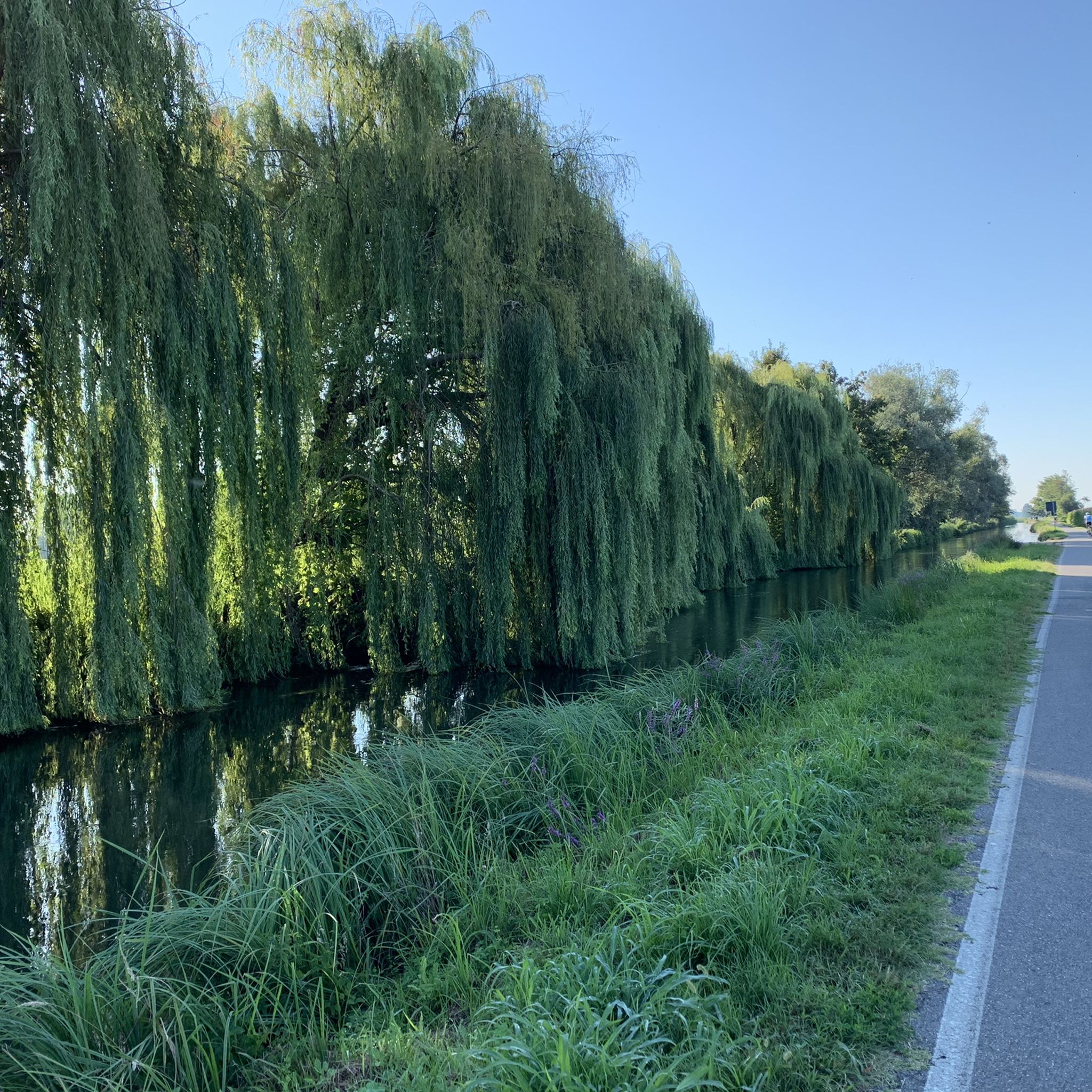
Two rural settlements from the last century. Their importance is evidenced by the presence of the mill and the church, which largely guaranteed their physical and spiritual independence.
0
0

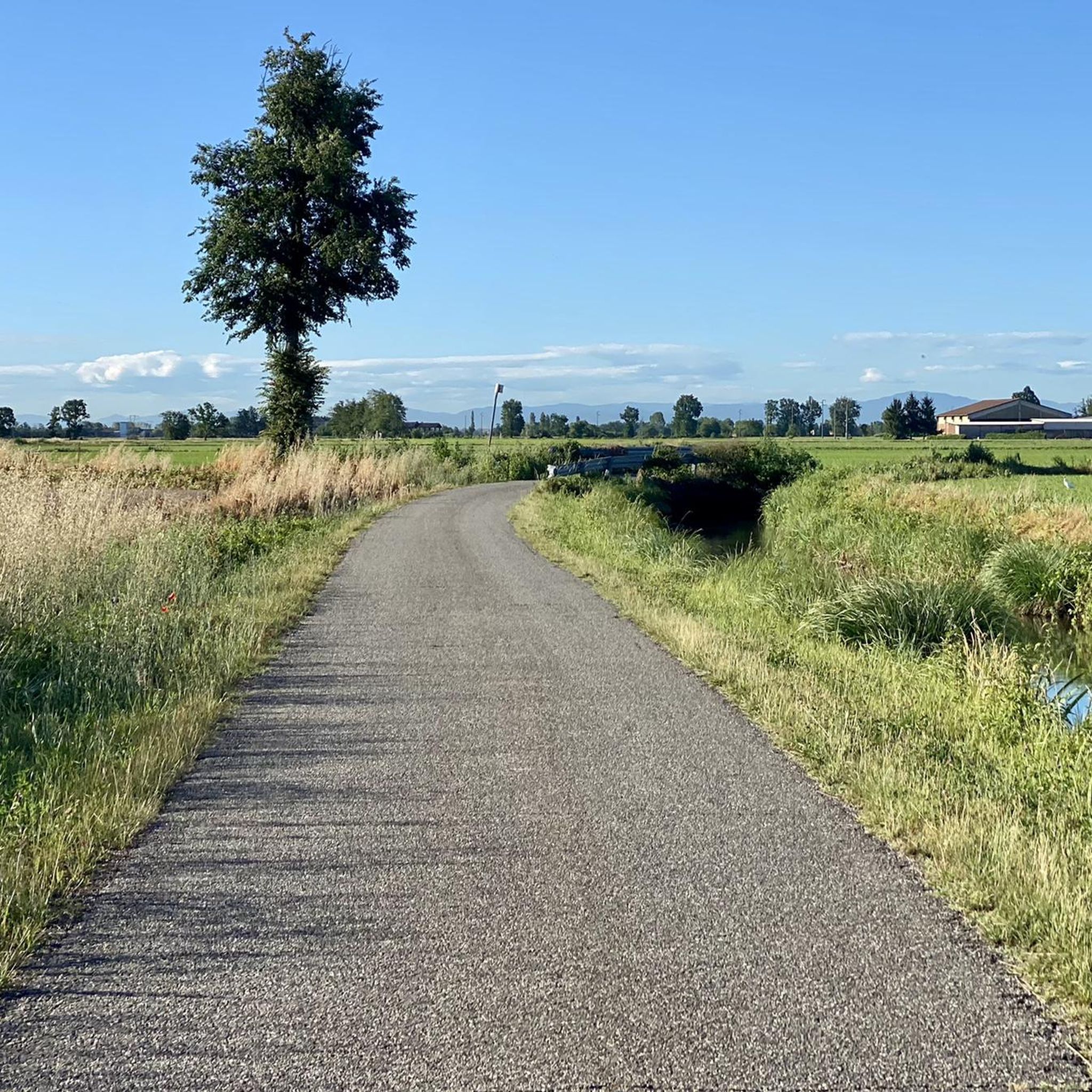
route for children and tourists
1
0

On the way to Genoa
0
0

With its seven centuries of history, the Sforza Castle is an extraordinary testimony to Milan's glorious times and dramatic moments. A fortress built by Galeazzo II Visconti between 1360 and 1370, the Castle became a ducal residence during the Visconti era, undergoing partial demolition during the Ambrosian Republic (1447-1450). Rebuilt by the new lord of the city, Francesco Sforza, it became the elegant setting for one of the most sumptuous European courts during the time of Galeazzo Maria Sforza and Ludovico il Moro, in an era that saw artists such as Leonardo da Vinci and Bramante in Milan. Having lost its appearance as a noble residence, the Castle was used as a barracks during the foreign dominations of the State of Milan: Spanish (1535-1706), Austrian (1706-1796), French (1796-1814), and Austrian again (1814-1859). Only at the end of the 19th century, during a unified Italy, was the historic building rebuilt, restored, and transformed into a museum by Luca Beltrami. Today, the Castle, with its museums and cultural institutions, is one of Milan's most significant monuments and attracts visitors from around the world.
0
0


The construction, perhaps on Visconti remains, of the ravelins, projections placed to protect the gates, began with the renovation of the Castle by Francesco Sforza. Of the Sforza ravelins, two bases remain on the east side of the Castle, one to defend the Porta del Carmine, the other where the medieval walls of the city were grafted and to the west, the Rivellino di Porta Vercellina. The latter, built in correspondence with the Porta di Santo Spirito, is the only one to have maintained the visible Sforza quadrangular plan, even if the current appearance is the result of the restoration by the architect Luca Beltrami. In fact, between 1911 and 1914, Beltrami restored part of the battlements, demolished at the time of the Spanish, the walls and the vaults of the passages and internal rooms. To defend the main gate of the Castle, Leonardo designed, commissioned by Ludovico il Moro, a more modern, pentagonal ravelin, which was built during the French domination of Louis XII, between 1499 and the beginning of 1500. Few traces of this bastion remain hidden in the moat.
5
0

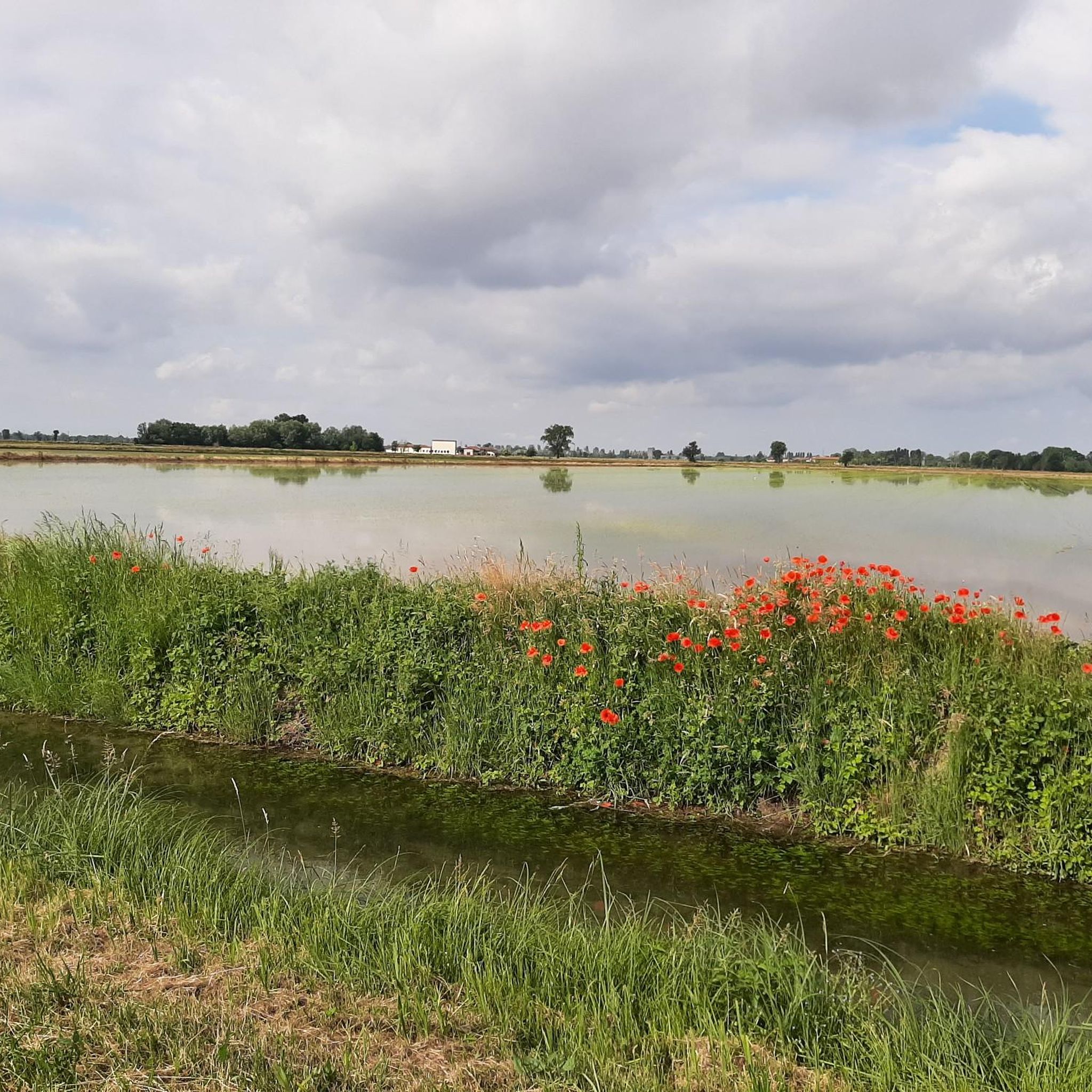
Beautiful farmhouse with sale of local products and visits to animals included among the gravel routes of the lower Milan area
1
0
Frequently Asked Questions
What are the most historically significant castles near Trezzano sul Naviglio?
The region around Trezzano sul Naviglio boasts several castles with rich histories. The Sforza Castle in Milan is a grand 15th-century fortress that has served as a ducal residence and military barracks, housing extensive museum collections. The Castello Visconteo in Rozzano, with origins dating back to the 10th-16th centuries, showcases typical quadrangular brick structures and Gothic elements. Additionally, the Visconti Castle of Abbiategrasso is notable as one of the first Visconti castles built on a quadrangular base.
Which castles near Trezzano sul Naviglio are suitable for families?
Several castles in the area are family-friendly. The Sforza Castle in Milan offers vast courtyards to explore and multiple museums, including Michelangelo's *Pietà Rondanini*, which can engage older children. The Visconti Castle of Abbiategrasso and the Visconti Castle in Cusago are also listed as family-friendly, providing historical exploration in a more relaxed setting.
Are there any castles near Trezzano sul Naviglio that offer unique experiences beyond historical tours?
Yes, the Castello di Tolcinasco near Pieve Emanuele offers a unique blend of history and modern recreation. This 16th-century rural castle, originally built to protect agricultural production, now serves as the central feature of the Castello Tolcinasco Golf Resort & Spa, complete with a 27-hole golf course. It's a distinctive destination for those interested in both history and leisure activities.
How accessible are the castles near Trezzano sul Naviglio by public transport?
The Sforza Castle in Milan is highly accessible via Milan's extensive public transport network, including metro and tram lines, given its central location. For other castles like Castello di Tolcinasco and Castello Visconteo in Rozzano, public transport options might be more limited, and a combination of public transport and a short taxi ride or personal vehicle might be necessary for convenient access.
Are there parking facilities available at the castles near Trezzano sul Naviglio?
Parking availability varies by castle. For the Sforza Castle in Milan, you'll typically find paid parking garages in the surrounding city center. For castles located outside the immediate city, such as Castello di Tolcinasco (which is part of a golf resort) or Castello Visconteo in Rozzano, there are often dedicated parking areas, though it's advisable to check specific venue information beforehand.
What is the best time of year to visit castles in the Trezzano sul Naviglio area?
Spring (April-May) and autumn (September-October) are generally the best times to visit. The weather is pleasant for exploring castle grounds and nearby areas, and tourist crowds are typically smaller than in peak summer. Summer can be hot, especially in Milan, but offers longer opening hours. Winter visits are also possible, particularly for indoor museum explorations at places like Sforza Castle.
Can I find cafes or restaurants near the castles for refreshments?
Yes, especially near the more prominent castles. The Sforza Castle in Milan is surrounded by numerous cafes, restaurants, and eateries, given its central location. The Castello di Tolcinasco, being part of a golf resort, has its own dining facilities. For other castles, you'll typically find local establishments in the nearby towns or villages.
What outdoor activities or routes can I combine with a castle visit near Trezzano sul Naviglio?
The area offers various outdoor activities. After visiting Sforza Castle, you can relax or stroll through Parco Sempione, which adjoins the castle grounds. For more active pursuits, you can explore the many routes available for hiking, gravel biking, and MTB around Trezzano sul Naviglio. For example, there are easy MTB routes like 'Murals along the Naviglio Grande loop from Trezzano sul Naviglio' or moderate hiking trails like 'Naviglio Grande in Gaggiano – Gaggiano Bridge loop from Gaggiano'. You can find more details on these activities in the Hiking around Trezzano Sul Naviglio or MTB Trails around Trezzano Sul Naviglio guides.
Which castles near Trezzano sul Naviglio have notable architectural features?
The Sforza Castle is renowned for its massive walls, large courtyards, and impressive Torre del Filarete, showcasing 600 years of architectural evolution. The Castello di Tolcinasco features a unique square layout with four corner towers, characteristic of a fortified farmhouse. The Castello Visconteo in Rozzano exhibits the typical quadrangular brick structure of Visconti fortresses, complete with prized Gothic-style single-lancet windows and the Visconti serpent carved into its entrance arch.
What kind of museums or collections can I find within the castles?
The Sforza Castle in Milan is a major cultural hub, housing several of Milan's municipal museums. These include vast art collections with works by Andrea Mantegna and Giovanni Bellini, as well as Michelangelo's last, unfinished masterpiece, the *Pietà Rondanini*. It also features the Sala delle Asse with frescoes by Leonardo da Vinci, offering a deep dive into art and history.
Are dogs allowed at the castles near Trezzano sul Naviglio?
Policies regarding dogs vary. Generally, dogs are often allowed in outdoor areas and courtyards of castles, especially if kept on a leash. However, access to indoor museum sections or specific historical rooms is usually restricted. It's always best to check the specific castle's official website or contact them directly before your visit to confirm their pet policy.
What should I wear when visiting castles in this region?
Comfortable walking shoes are highly recommended, as you'll likely be exploring extensive grounds, courtyards, and potentially uneven surfaces. Dress in layers, especially during spring and autumn, to adapt to changing temperatures. In summer, light clothing and sun protection (hat, sunscreen) are advisable. For winter visits, warm clothing, including a coat, hat, and gloves, is essential.
Are there any 'hidden gem' castles in the Trezzano sul Naviglio area?
While not a 'hidden gem' in the sense of being unknown, the Castello Visconteo in Rozzano, though integrated into a residential park, offers a glimpse into medieval defensive and residential architecture with its well-preserved quadrangular structure and Gothic elements. It provides a more local and less tourist-heavy experience compared to the grander Sforza Castle.
Most popular routes around Trezzano Sul Naviglio
Most popular attractions around Trezzano Sul Naviglio

Get inspired with the komoot mobile app


Explore more
Looking for the best castles somewhere else? Discover other guides around Trezzano Sul Naviglio:
