The best MTB trails around Pioltello
4.2
(1850)
6,905
riders
333
rides
Mountain biking around Pioltello offers routes primarily characterized by flat terrain and extensive canal paths. The region features numerous local parks and green spaces, providing opportunities for off-road cycling on unpaved paths. The Martesana Canal is a prominent feature, offering scenic routes through the Lombardy landscape. While significant elevation changes are limited, the area provides varied cycling experiences suitable for different fitness levels.
Best mountain bike trails around Pioltello
- The most popular mountain bike trail is Trail Along the Adda…
Last updated: October 2, 2026
4.7
(30)
77
riders
74.1km
04:01
170m
170m
Moderate mountain bike ride. Good fitness required. Suitable for all skill levels.
4.7
(24)
53
riders
45.3km
02:54
60m
60m
Moderate mountain bike ride. Good fitness required. Suitable for all skill levels.

3.9
(11)
28
riders
Easy mountain bike ride. Great for any fitness level. Suitable for all skill levels.
5.0
(1)
32
riders
Easy mountain bike ride. Great for any fitness level. Suitable for all skill levels.
4.4
(5)
24
riders
Moderate mountain bike ride. Good fitness required. Suitable for all skill levels.
Get access to more routes and recommendations from other explorers.
Already have an account?
Our route recommendations are based on thousands of hikes, rides, and runs completed by other people on komoot.
Start today with a free account
Your next adventure awaits.

Tips from the Community

The Muzza Canal, also known as Canale della Muzza, originates near the Castle of Cassano d’Adda, where it draws water from the Adda river. After a journey of about 39 km, it flows back into the Adda near Castiglione
0
0
The Muzza Canal, also known as Canale della Muzza, originates near the Castle of Cassano d’Adda, where it draws water from the Adda River. After a journey of about 39 km, it flows back into the Adda near Castiglione. Considered an important hydraulic engineering work at a European level, the Muzza Canal is among the oldest in Europe, with about 800 years of history, and is the largest in Northern Italy. Crossing the landscapes of the Po Valley, the canal contributes to the irrigation of the surrounding lands of the Lodi area and preserves precious patches of woodland vegetation, which characterize the Lombardy region. An ideal place to explore the beauty of nature and discover the agricultural history of the region!
0
0

all in the shade at any time
0
0

The Canale della Muzza is an important hydraulic work from the 12th-13th century that branches off the Adda river in Cassano d'Adda and extends for about 39 km to Castiglione d'Adda. It is one of the oldest and largest irrigation canals in Europe, fundamental for Lodi's agriculture, now also flanked by cycle paths.
1
0
There is no single structure with this exact name, but the green area between Parco di Trenno (Parco Aldo Aniasi) and Boscoincittà in the northwest of Milan hosts several important equestrian facilities and historic riding stables.
0
0
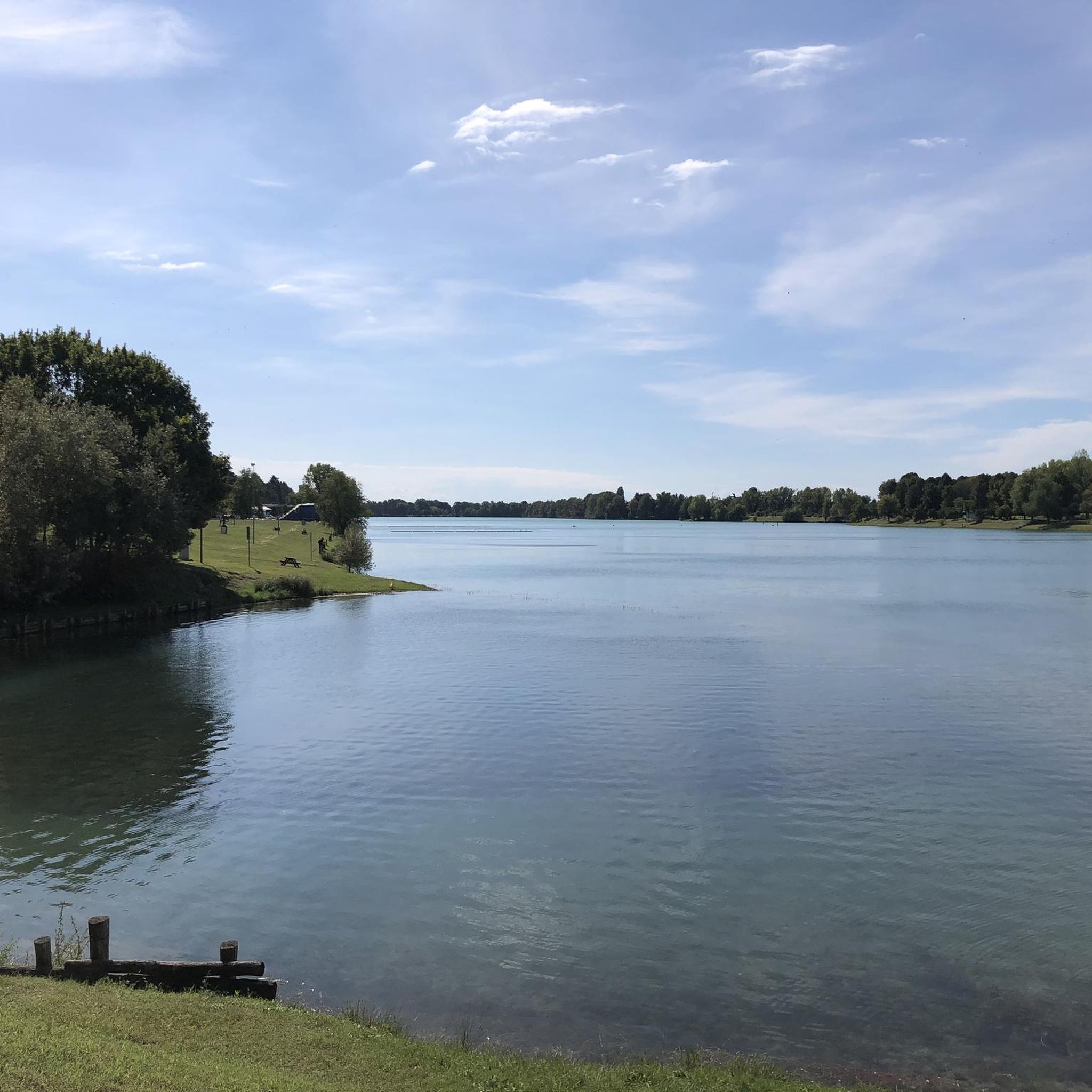
The Idroscalo of Milan is a large artificial lake and public park located between the municipalities of Segrate and Peschiera Borromeo, historically known as the "sea of Milan". Born in the late 1920s as a seaplane base, it was later converted into a sports and recreational center. Today it represents one of the main green areas and leisure spaces of the Metropolitan City of Milan.
3
0
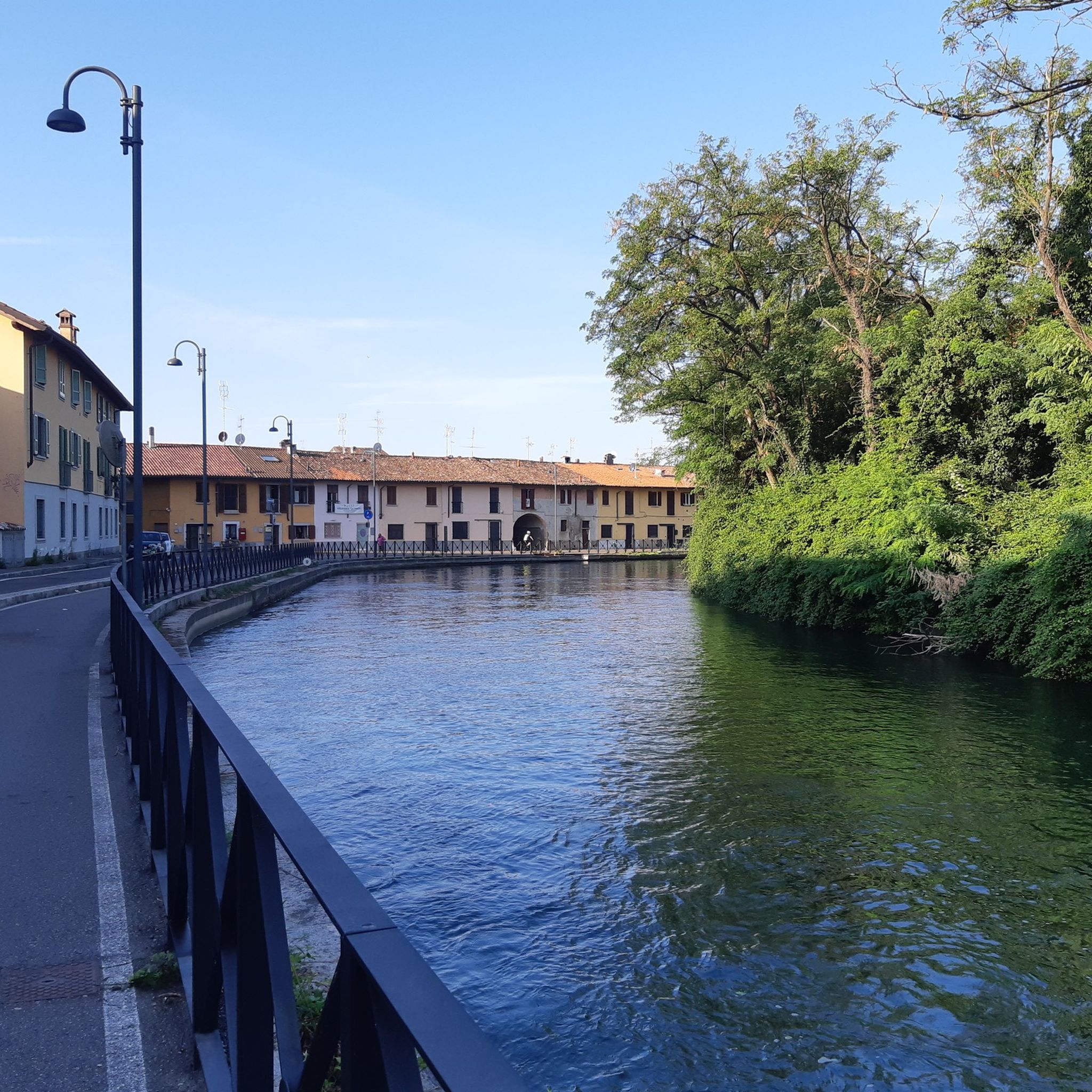
The route runs alongside the Naviglio della Martesana, perhaps the least known among the ancient artificial canals connecting Milan to the great Lombard rivers. It originates from the Adda river in Concesa, a hamlet of Trezzo d’Adda, crosses the Martesana sub-region, north-east of the provincial capital, and once in the city, it plunges underground beneath via Melchiorre Gioia, near Cassina de’ Pomm. It measures approximately 38 km in length, with a width varying from 9 to 18 meters. However, at one time, the Naviglio della Martesana continued in the open air right into the center, where a system of locks centered on the Conca dell’Incoronata connected it to the short Naviglio di S. Marco and the urban ring of the Navigli. The lock was inaugurated in 1496, utilizing lock gates designed by Leonardo da Vinci. The canal had been opened in 1471, under Francesco Sforza. By connecting it to the other Navigli,
3
0
The Naviglio della Martesana is perhaps the least known of the ancient artificial canals that connect Milan to the great Lombard rivers. It originates from the Adda in Concesa, a hamlet of Trezzo d’Adda, crosses the Martesana sub-region, northeast of the provincial capital, and once in the city, it disappears under via Melchiorre Gioia, near Cassina de’ Pomm.
1
0
Frequently Asked Questions
What is the general terrain like for mountain biking in Pioltello?
Mountain biking around Pioltello is primarily characterized by flat terrain and extensive canal paths, such as the historic Martesana Canal. You'll find numerous local parks and green spaces offering opportunities for off-road cycling on unpaved paths. While significant elevation changes are limited, the area provides varied cycling experiences, including some moderate sections.
How many mountain bike trails are available in the Pioltello area?
There are over 340 mountain bike routes around Pioltello listed on komoot. These range from easy rides suitable for beginners to more moderate off-road sections, ensuring options for various skill levels.
Are there any challenging mountain bike trails with significant elevation changes in Pioltello?
Pioltello's terrain is generally flat, with limited significant elevation changes. Most routes, like the Trail Along the Adda River – Martesana Canal loop, feature gentle ascents. For more traditional and challenging mountain biking with substantial elevation, you might consider areas further afield in Lombardy or other Italian regions known for dedicated mountain bike trails.
What natural features or landmarks can I expect to see along the mountain bike trails?
Many routes follow the picturesque Martesana Canal, offering scenic views of the Lombardy landscape. You can also explore local green spaces like Besozza Forest and Carengione Wood. The Idroscalo of Milan is another notable attraction accessible via some routes.
What do other mountain bikers enjoy most about the trails in Pioltello?
The mountain bike routes in Pioltello are highly rated by the komoot community, with an average score of 4.2 stars from over 1300 reviews. Users often praise the scenic canal paths, the accessibility of green spaces, and the variety of routes suitable for different fitness levels.
Are there any family-friendly mountain bike routes in Pioltello?
Yes, Pioltello offers many easy routes suitable for families. For example, the Carengione Wood – Idroscalo of Milan loop from Cernusco sul Naviglio is an easy 30.4 km path that takes about 1 hour 49 minutes to complete, perfect for a relaxed family outing.
Can I bring my dog on the mountain bike trails in Pioltello?
Many of the parks and canal paths around Pioltello are dog-friendly, making it possible to bring your canine companion along. However, it's always best to keep your dog on a leash, especially in more populated areas or nature reserves, and to check specific park regulations beforehand.
What is the best time of year to go mountain biking in Pioltello?
Spring and autumn generally offer the most pleasant conditions for mountain biking in Pioltello, with mild temperatures and less chance of extreme heat or cold. Summer can be warm, but the shaded canal paths and parks provide some relief. Winter riding is possible, but be prepared for cooler temperatures and potentially wet conditions on unpaved trails.
Are there any circular mountain bike routes available?
Yes, many of the mountain bike routes in Pioltello are designed as loops. Examples include the Muzza Canal Cycle Path – Muzza Canal loop from Cernusco sul Naviglio and the Canale Muzza – Muzza Canal loop from Segrate, which offer continuous riding along the canals.
How accessible are the mountain bike trails from Pioltello by public transport or car?
Pioltello's proximity to Milan means many routes are easily accessible. While specific public transport connections to trailheads vary, the region is well-served by local transport, and parking is generally available near major parks and canal access points. It's advisable to check local transport schedules and parking options for your chosen starting point.
Are there any natural parks near Pioltello that are good for mountain biking?
Yes, local green spaces like Bosco della Besozza and Parco delle Cascine offer suitable terrain for cycling. While Pioltello itself doesn't have extensive rugged mountain biking parks, these areas provide pleasant off-road experiences. For more varied terrain, you might explore other natural parks in the broader Lombardy region.
Where can I find a moderate mountain bike route starting directly from Pioltello?
A great option starting directly from the area is the Muzza Canal – Canale Muzza loop from Pioltello-Limito. This moderate 35.6 km route takes you through the scenic canal landscape and is a popular choice among local riders.
Most popular routes around Pioltello
Most popular attractions around Pioltello

Get inspired with the komoot mobile app


Explore more
Browse the best MTB trails in other regions.
