The best MTB trails around Rodano
4.2
(1793)
6,282
riders
318
rides
Mountain biking around Rodano offers extensive routes within the flat terrain of the Parco Agricolo Sud Milano. This regional park features a mix of agricultural lands, sparse woodlands, and an intricate network of waterways. Riders can expect diverse surfaces, including asphalt and unpaved "white roads," providing varied experiences across the Po Valley landscape. The area's low elevation means trails are generally less challenging in terms of climbs, focusing more on distance and exploration of rural and natural environments.
Best mountain…
Last updated: October 15, 2026
4.8
(12)
41
riders
90.3km
06:00
250m
250m
Hard mountain bike ride. Very good fitness required. Suitable for all skill levels.
3.9
(11)
26
riders
Easy mountain bike ride. Great for any fitness level. Suitable for all skill levels.

5.0
(1)
32
riders
Easy mountain bike ride. Great for any fitness level. Suitable for all skill levels.
4.3
(13)
51
riders
Easy mountain bike ride. Great for any fitness level. Suitable for all skill levels.
4.8
(4)
18
riders
96.9km
06:26
580m
580m
Hard mountain bike ride. Very good fitness required. Advanced riding skills necessary. Some portions of the route may require you to push your bike.
Get access to more routes and recommendations from other explorers.
Already have an account?
Our route recommendations are based on thousands of hikes, rides, and runs completed by other people on komoot.
Start today with a free account
Your next adventure awaits.

Tips from the Community

all in the shade at any time
0
0

The Esterle power plant was particularly well-designed from an architectural point of view, as it was intended to be representative of the Edison company that built it. It looks more like a Lombard pleasure villa than a true industrial facility. The effort to integrate the building into the surrounding territory, made in the early 20th century during the construction of the plant, was remarkable. Today it represents a significant example of monumental industrial archaeology and is known for its particular beauty. Inside, the walls and ceiling of the engine room were decorated with great care, as were the floors, lamps, light fixtures, and numerous wrought-iron furnishings.
0
0

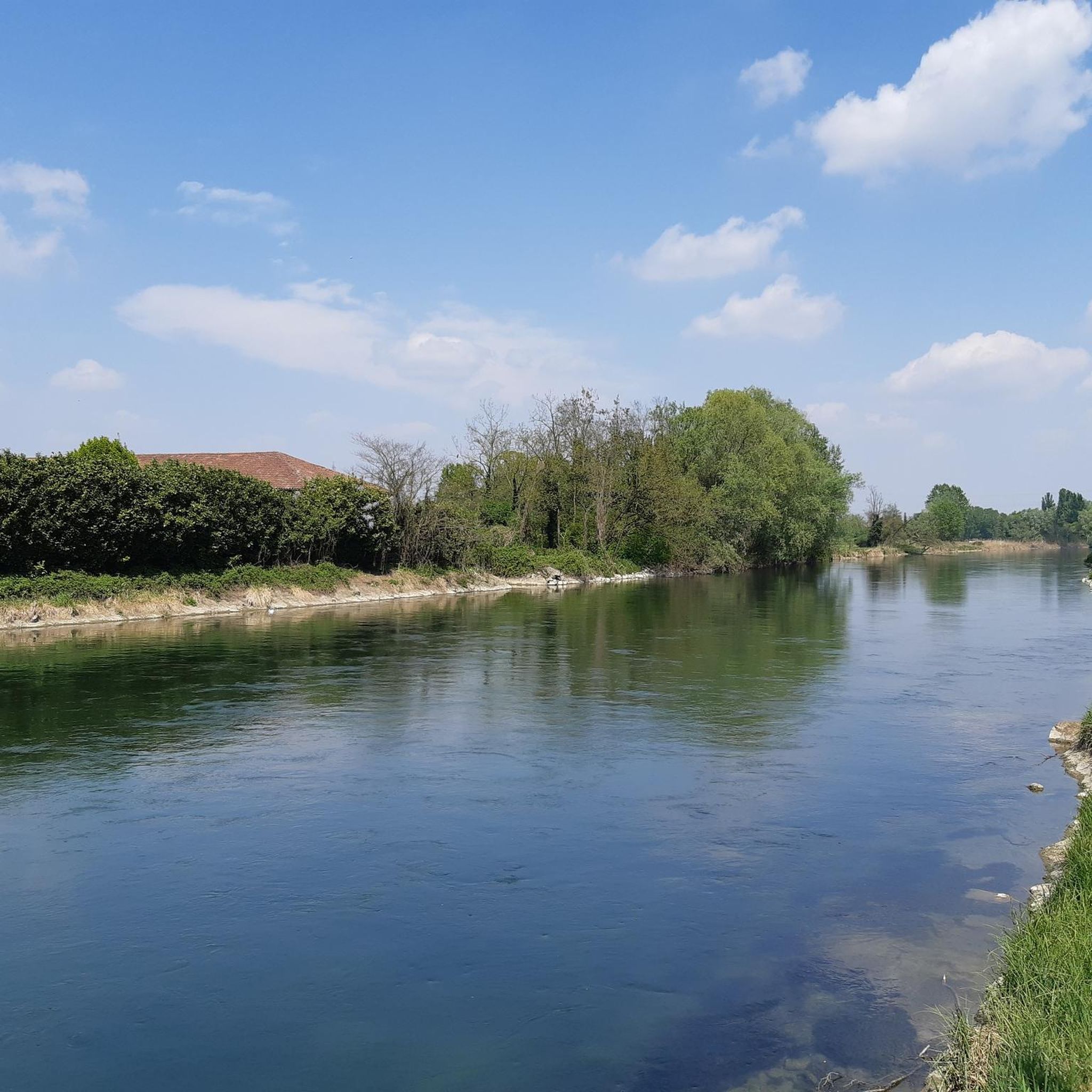
Among the most picturesque corners of the route. Here the Adda is beautiful
2
0

The Naviglio della Martesana is perhaps the least known among the ancient artificial canals that connect Milan to the great Lombard rivers. It originates from the Adda river in Concesa, a hamlet of Trezzo d’Adda, crosses the sub-region of Martesana, northeast of the provincial capital, and once in the city, it goes underground beneath via Melchiorre Gioia, near Cassina de’ Pomm. It measures approximately 38 km in length, with a width varying from 9 to 18 meters. However, in the past, the Naviglio della Martesana continued in the open air all the way to the center, where a system of locks centered on the Conca dell’Incoronata connected it to the short Naviglio di S. Marco and the urban network of the Navigli. The lock was inaugurated in 1496, utilizing lock gates designed by Leonardo da Vinci. The canal had been opened in 1471, under Francesco Sforza. By connecting it to the other Navigli, Leonardo laid the foundations for realizing a dream of the Sforza family: to travel by water from the Ticino river, and therefore from Lake Maggiore, to the Adda river.
1
0
The route runs alongside the Naviglio della Martesana, perhaps the least known among the ancient artificial canals connecting Milan to the great Lombard rivers. It originates from the Adda river in Concesa, a hamlet of Trezzo d’Adda, crosses the Martesana sub-region, north-east of the provincial capital, and once in the city, it plunges underground beneath via Melchiorre Gioia, near Cassina de’ Pomm. It measures approximately 38 km in length, with a width varying from 9 to 18 meters. However, at one time, the Naviglio della Martesana continued in the open air right into the center, where a system of locks centered on the Conca dell’Incoronata connected it to the short Naviglio di S. Marco and the urban ring of the Navigli. The lock was inaugurated in 1496, utilizing lock gates designed by Leonardo da Vinci. The canal had been opened in 1471, under Francesco Sforza. By connecting it to the other Navigli,
3
0
From Milan (Mi) to Trezzo sull’Adda (Mi). Lush vegetation and surprising architecture make this cycle path a pleasant opportunity to spend a Sunday cycling. The elevation gain is non-existent, the only difficulty could be the length, but it can easily be remedied thanks to the metro which, up to Gessate, closely follows the cycle path.
2
0

The Naviglio Martesana cycle path is a cycle-pedestrian route of about 30-35 km that connects Milan (Cassina de' Pomm/via Melchiorre Gioia area) to Trezzo sull'Adda, running alongside the canal of the same name. It is a predominantly asphalted, flat, easy route suitable for everyone, which crosses parks, rural areas, and historic noble villas from the 17th-18th centuries.
2
0
The construction of the Naviglio Piccolo, later known as the Martesana, was started by Francesco Sforza in 1475 to transport along the route "grinding stones, oil presses, spinning mills, paper mills". It originates from the Adda, on the right bank, below the Castle of Trezzo and reaches Milan at Cascina de' Pomm, ending buried at San Marco. The Naviglio della Martesana, definitively completed in 1496 under the guidance of Ludovico il Moro, flows from Trezzo sull’Adda to Milan for a total length of 38 km. The route runs alongside the ancient Roman road that crossed the Adda with two branches: at Vaprio and at Cassano. Concurrently with the improvement of the agricultural structure thanks to irrigation, a notable flourishing of stately villas occurred in the Baroque era. The irrigation function of the Martesana marks the clear boundary between the dry plain, to the north, and the irrigated plain, to the south.
3
0
Frequently Asked Questions
How many mountain bike trails are available around Rodano?
There are over 320 mountain bike trails around Rodano, offering a wide variety of options for different skill levels and preferences within the Parco Agricolo Sud Milano.
What kind of terrain can I expect on mountain bike trails near Rodano?
The terrain around Rodano, situated within the Parco Agricolo Sud Milano, is generally flat. You'll encounter a mix of surfaces, including asphalt and unpaved 'white roads,' traversing extensive agricultural fields, sparse woodlands, and an intricate network of waterways. The focus is more on distance and exploring rural and natural environments rather than challenging climbs.
Are there mountain bike trails suitable for beginners in Rodano?
Yes, Rodano offers numerous options for beginners. There are over 120 easy mountain bike trails. For example, the Parco della Besozza Cycle Path – Start of Strada del Duca loop from Pioltello-Limito is an easy 16.6-mile (26.7 km) path that provides a relaxed ride through local parks and along designated cycle paths.
Are there challenging mountain bike routes for experienced riders in Rodano?
While the region is generally flat, there are challenging routes for experienced riders. You can find nearly 20 difficult mountain bike trails. An example is the Trail Along the Adda River – Diga del Retorto loop from Vignate, a substantial 63.8-mile (102.6 km) trail that leads through the Adda River valley.
What natural features or landmarks can I see while mountain biking in Rodano?
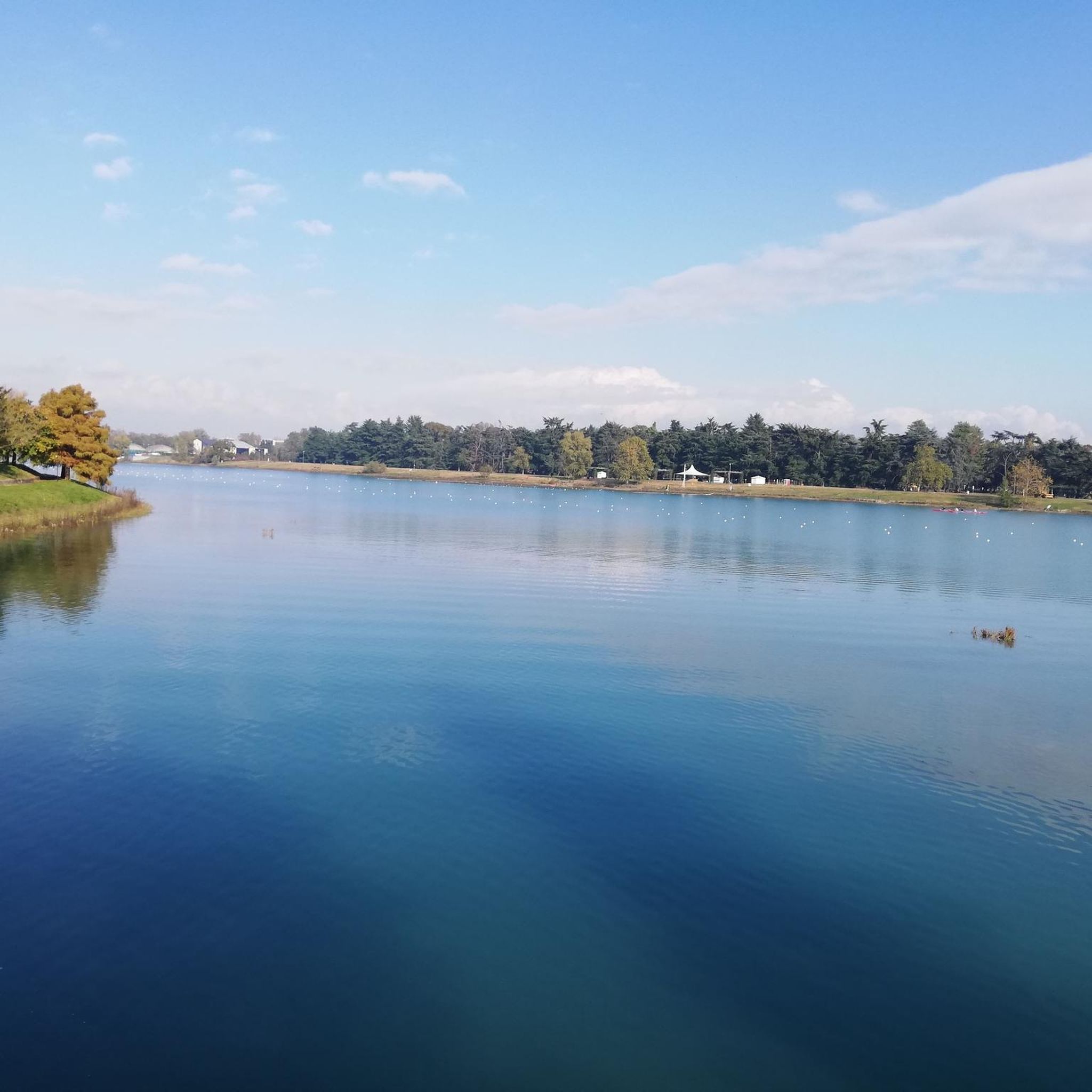
While mountain biking around Rodano, you can explore various natural and historical features. The area is part of the Parco Agricolo Sud Milano, characterized by its agricultural landscapes and waterways. You might encounter the Besozza Forest, the Idroscalo of Milan (a large artificial lake), and traditional *cascine* (Lombard farmsteads) that dot the landscape. The Muzzetta Springs, a WWF protected area, are also a notable natural highlight in the region.
What do other mountain bikers enjoy most about mountain biking in Rodano?
The mountain bike trails around Rodano are highly rated by the komoot community, with an average score of 4.2 stars from over 1,200 reviews. Riders often praise the extensive network of paths, the peaceful agricultural landscapes, and the opportunity to explore the natural and historical elements of the Parco Agricolo Sud Milano.
Are there any circular mountain bike routes in the Rodano area?
Yes, many mountain bike routes in the Rodano area are designed as loops, allowing you to start and finish at the same point. For instance, the Muzza Canal – Canale Muzza loop from Pioltello-Limito is a popular moderate route that follows the historic Muzza Canal.
What is the best time of year for mountain biking in Rodano?
The best time for mountain biking in Rodano is typically during spring and autumn when the weather is mild and pleasant. Summers can be warm, and winters might bring cooler temperatures, but the generally flat terrain means trails are accessible for much of the year, provided there isn't heavy rain or snow.
Are there any routes that follow waterways or canals?
Yes, the Rodano area is crisscrossed by an intricate network of irrigation ditches and canals, many of which have paths alongside them. The Canale Muzza – Muzza Canal loop from Vignate is a great example, offering a moderate 29.2-mile (47 km) ride along one of these significant waterways.
Can I find places to eat or drink near the mountain bike trails in Rodano?
The rural landscape around Rodano includes traditional *cascine* (farmsteads), some of which are still active and may host agriturismos or offer local produce. While specific cafes directly on trails might be sparse, you'll find options in the nearby towns and villages, especially in Rodano itself or surrounding communities like Pioltello-Limito and Vignate.
What is the typical distance of mountain bike trails around Rodano?
Mountain bike trails around Rodano vary significantly in distance. You can find shorter routes, such as the Idroscalo of Milan – Parco di Trenno Equestrian Center loop from Cascina Fiorano at 13.1 miles (21.1 km), to much longer ones like the Trail Along the Adda River – Diga del Retorto loop from Vignate, which is 63.8 miles (102.6 km).
Most popular attractions around Rodano

Get inspired with the komoot mobile app


Explore more
Browse the best MTB trails in other regions.
