Top 20 Mountain Passes around Valfurva
Best mountain passes around Valfurva are located within the Stelvio National Park, offering access to high-altitude routes in the Italian Alps. The region features diverse terrain, including challenging climbs and scenic viewpoints. Valfurva serves as a base for exploring passes known for their historical significance and natural landscapes. The area provides opportunities for cycling and driving through mountainous environments.
Best mountain passes around Valfurva
- The most popular mountain passes is Fraele Towers, a man-made monument and viewpoint. These signal…
Last updated: October 13, 2026
Stelvio Pass
Highlight • Mountain Pass
Translated by Google •
Tip by

Fraele Towers
Highlight • Monument
Translated by Google •
Tip by

Sign up now to discover places like this
Get recommendations on the best single tracks, peaks, & plenty of other exciting outdoor places.
Umbrail Pass (2,503 m)
Highlight (Segment) • Mountain Pass
Tip by

Stelvio Pass Hairpin Bends
Highlight (Segment) • Mountain Pass
Translated by Google •
Tip by

Umbrail Pass
Highlight • Mountain Pass
Translated by Google •
Tip by

Sign up for free to discover even more mountain passes around Valfurva.
Already have an account?
Start today with a free account
Your next adventure awaits.
Popular around Valfurva
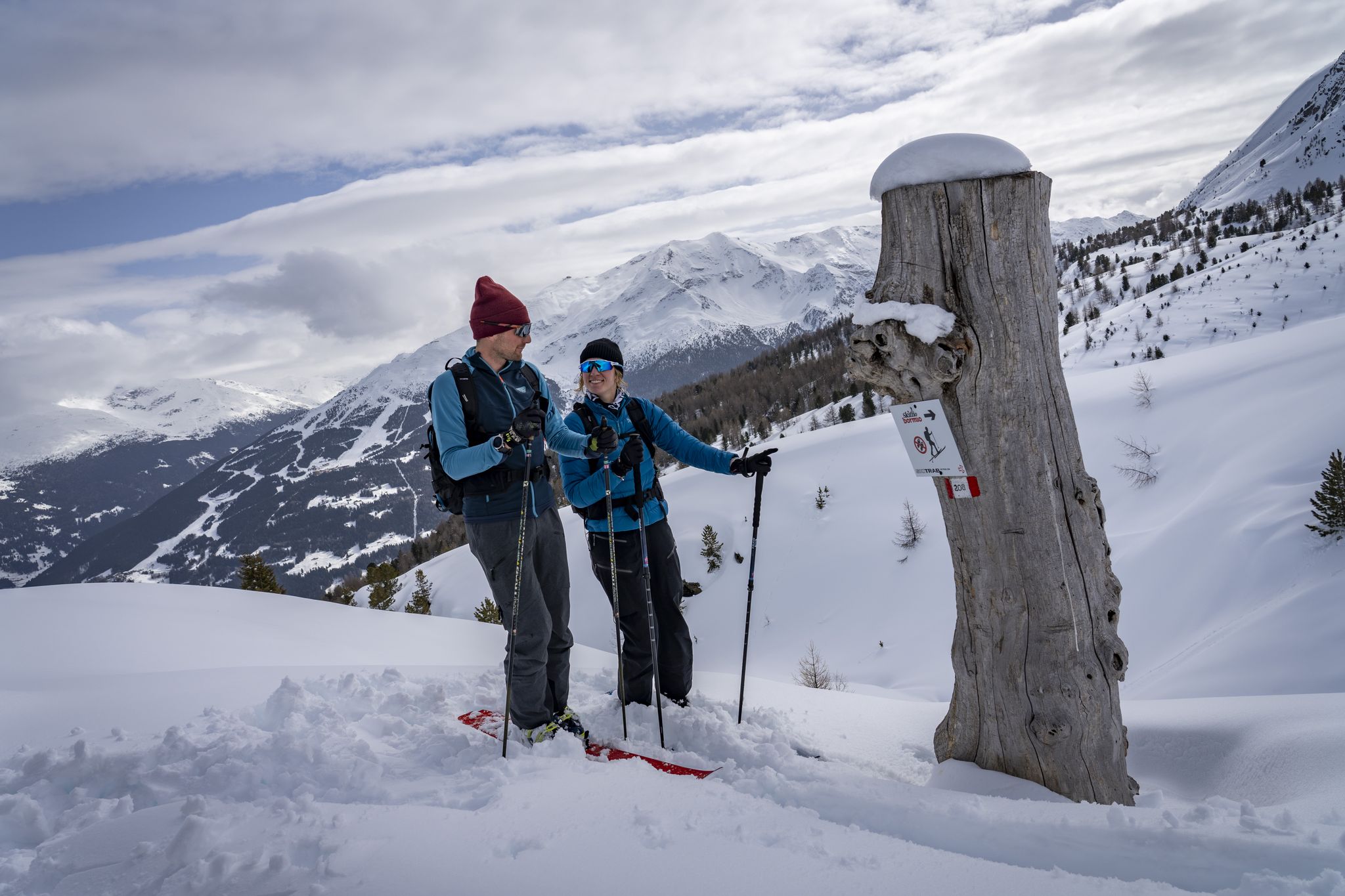
Stelvio Natural Skimo Trails – ski mountaineering adventures in Bormio
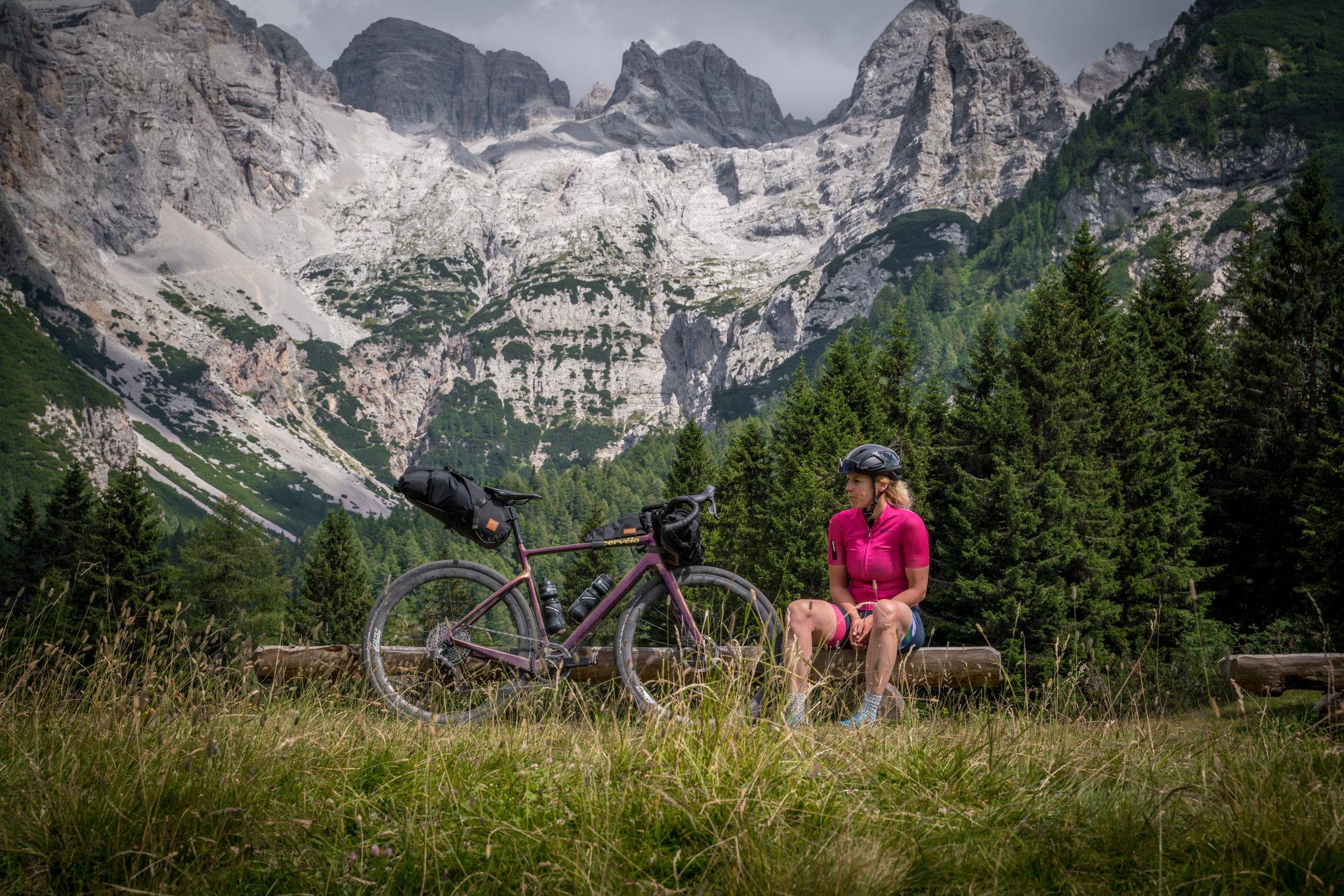
Graun to Riva del Garda — Gravelling across the Alps
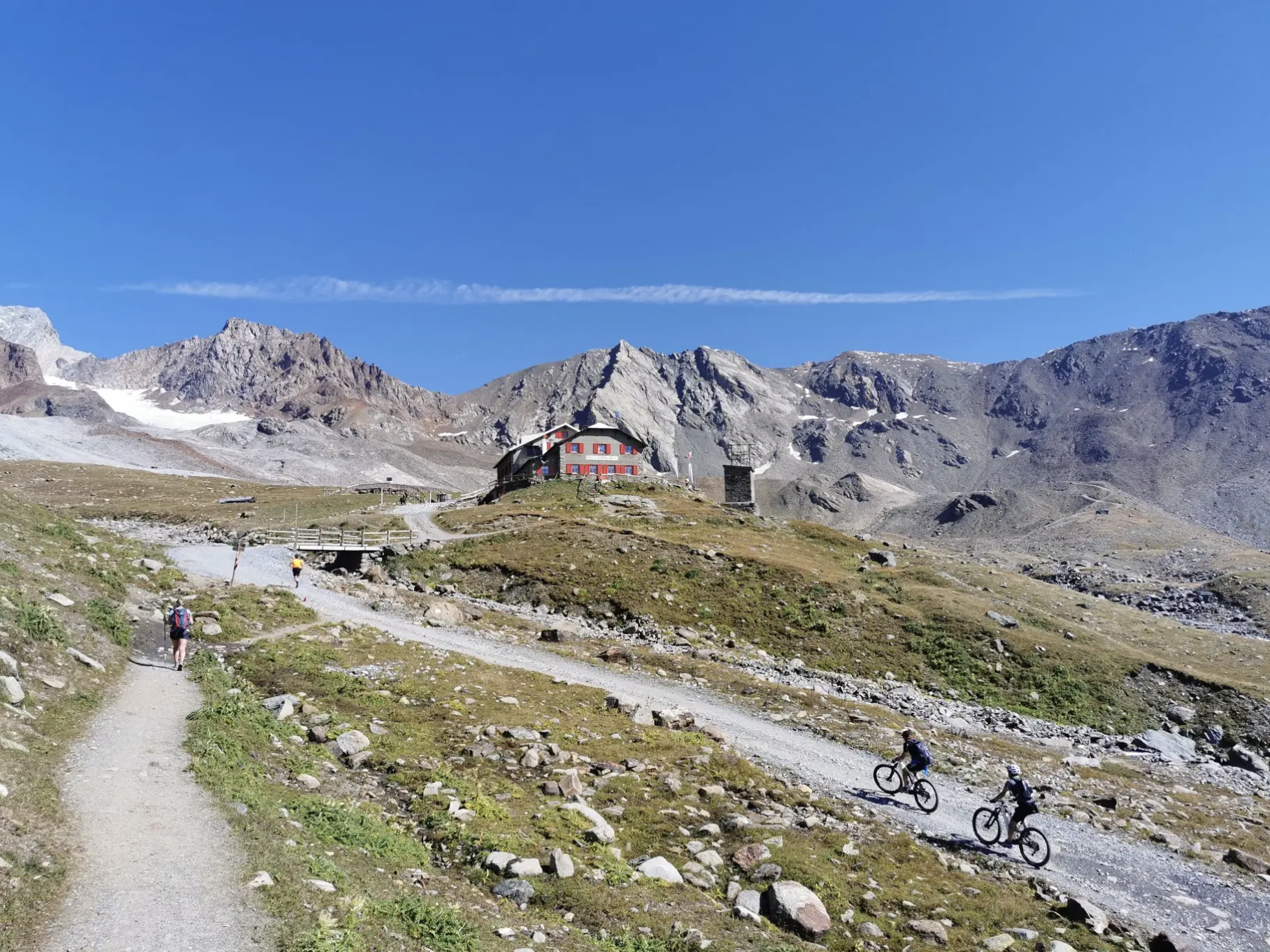
Around Ortler on high alpine trails in 7 stages
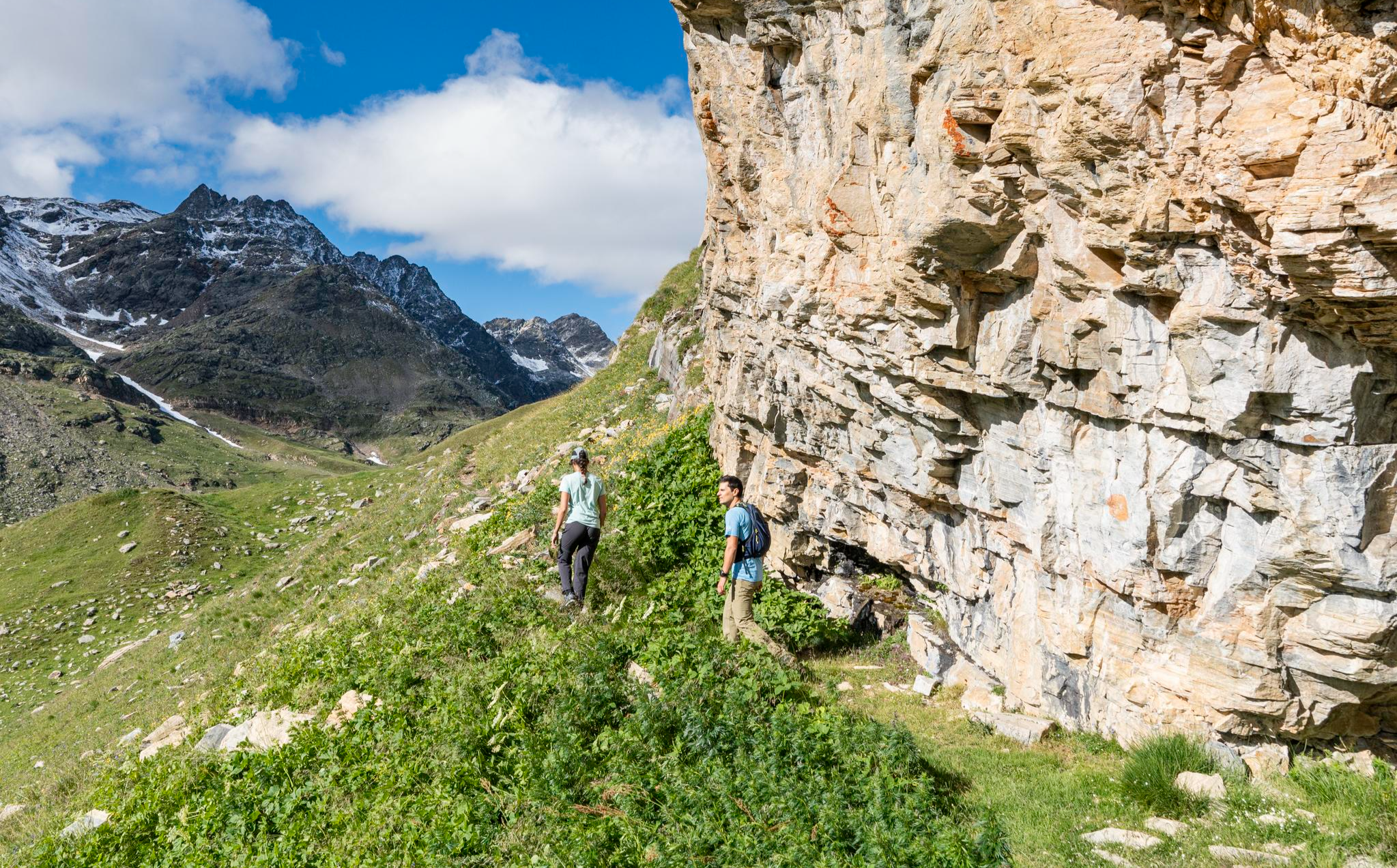
Stelvio Historical Trek – on the trail of the Great War in Bormio
Stelvio Natural Trail – the best enduro and MTB trails in Alta Valle
Glaciers, ibex and welcoming mountain huts – Giro del Confinale
Three epic days in the Alps – Bormio & Santa Caterina MTB adventure
Stelvio Epic Rides – your unforgettable Bormio challenge
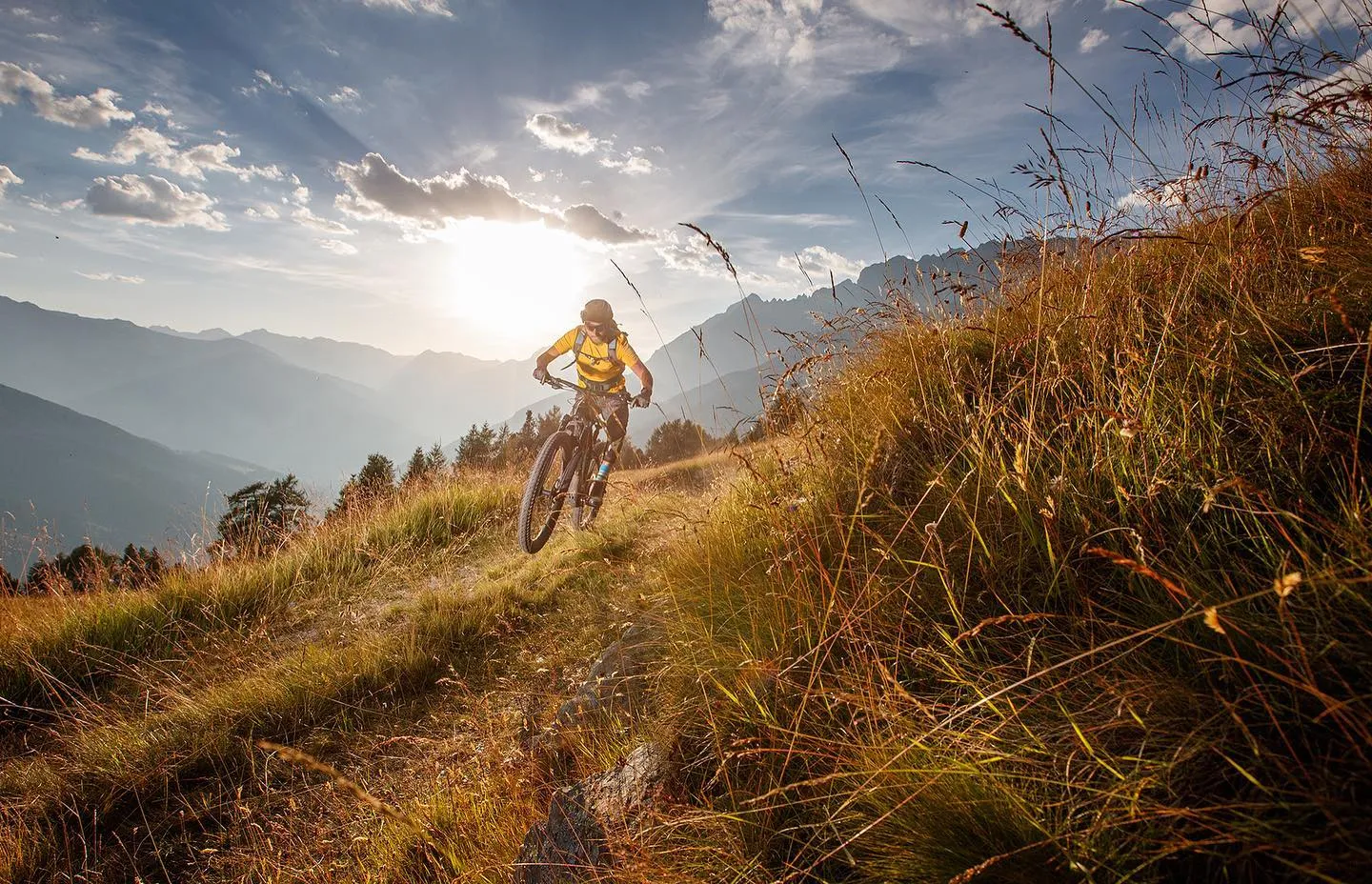
Bormio 360 Adventure Trail – MTB between huts and alpine pastures
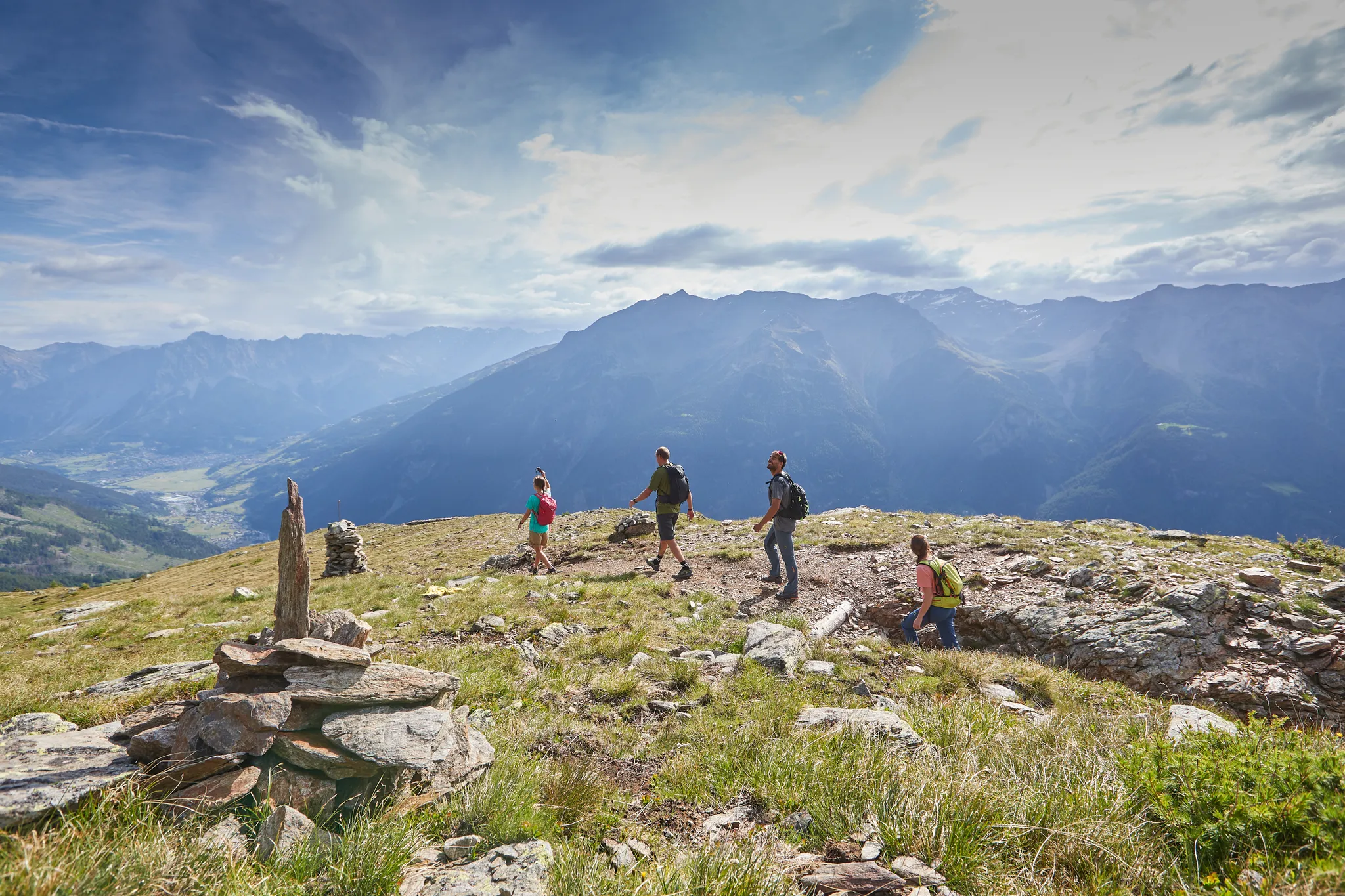
Bormio 360 Adventure Trail – trekking in the beautiful Alta Valtellina
Other adventures around Valfurva


Tips from the Community

The legendary Stelvio Pass needs no introduction.
6
0

The towers of Fraele mark the border between Valdidentro and Val San Giacomo and are located between Monte delle Scale 2,520 meters and Cima Plator 2,910 meters.
5
0
His majesty the Stelvio, an incomparable climb.
12
2

The Umbrail Pass allows you to get to the Stelvio Pass from nearby Switzerland, it is one of the three sides of the Stelvio Pass.
6
0

The Stelvio pass, at an altitude of 2,757 metres, connects Lombardy to Trentino-Alto Adige. The road, paved and generally open from June to the end of September, connects Bormio to Prato allo Stelvio. The Lombard side is connected to the Umbrail pass and, subsequently, to the Swiss Canton of Grisons. The Stelvio pass is the highest car pass in Italy. The South Tyrolean side is famous for its hairpin bends: there are 48 of them. From the pass it is possible to admire the Ortler perfectly.
1
4

The Torri di Fraele are signal towers, placed to defend the pass of the same name in 1391. One of the towers is well preserved, and is a coveted stopping point at the top of one of the most iconic and tiring climbs in all of Valtellina. The towers cannot be visited but the panorama that opens before the eyes repays the effort.
3
1

Street used to be natural and more beautiful but seen umpteen times and still beautiful
6
0

Just below the Stelvio, the Umbrail Pass is located on the border between Italy and Switzerland. Going up from Santa Maria Val Müstair, you travel 13 kilometers with an average gradient of 8.6%.
3
0
Frequently Asked Questions
Which mountain passes around Valfurva are particularly famous for cycling?
The region around Valfurva is a legendary destination for cyclists. The Stelvio Pass is renowned for its 48 hairpin bends and significant elevation gain, frequently featured in the Giro d'Italia. Another iconic climb is Passo Gavia, known for its challenging slopes and historical significance in cycling. While not directly in Valfurva, Passo del Mortirolo is also nearby and infamous for its brutal gradients, making it a must-do for experienced cyclists seeking an extreme challenge.
What natural features can I expect to see when exploring the mountain passes?
The mountain passes around Valfurva offer stunning natural beauty within the Stelvio National Park. On Passo Gavia, you can find glacial lakes like Lago Bianco and Lago Nero. The Stelvio Pass provides panoramic views of the Ortler mountain and the high peaks of the Ortles-Cevedale Group. Many passes offer breathtaking viewpoints and diverse alpine landscapes.
Are there historical sites or landmarks on the mountain passes near Valfurva?
Yes, several passes have historical significance. The Fraele Towers, built in 1391, are signal towers marking a historical border. The Stelvio Pass was a strategic military point during World War I. Additionally, the Bocchetta di Forcola Pass still shows remains from the First World War, including trenches and shelters, offering a glimpse into the area's past.
When is the best time to visit the mountain passes around Valfurva?
The mountain passes are generally open during the summer season, typically from June to the end of September. This period offers the best conditions for cycling, driving, and hiking, with clear roads and pleasant weather. Some passes, like Passo Gavia, are specifically known to be open only during these months.
Are there family-friendly mountain passes or easier routes suitable for beginners?
While many passes are challenging, the region offers diverse terrain. For easier exploration, consider routes that don't involve extreme elevation gains or technical sections. The Umbrail Pass, connecting to Stelvio from Switzerland, is noted for having less traffic, which might make it a more relaxed experience for some. Always check specific route details for difficulty before heading out.
What outdoor activities can I do near these mountain passes?
The area around Valfurva is ideal for various outdoor activities. You can find numerous road cycling routes, including challenging loops like the 'Gavia Pass – Precasaglio Village loop' or the 'Stelvio Pass Cycle Path'. There are also running trails, such as the 'Passo Zebrù loop', and general cycling routes like the 'Gavia Pass Glacier – Ponte di Legno loop'. For more details, explore the Road Cycling Routes around Valfurva, Running Trails around Valfurva, and Cycling around Valfurva guides.
Which mountain passes are considered the most challenging for cyclists or drivers?
For cyclists, Passo del Mortirolo is legendary for its extreme difficulty, with an average gradient of 10.5% and sections reaching 18%. The Stelvio Pass is also a formidable challenge due to its length and numerous hairpin bends. Passo Gavia is known for its steep slopes, tight bends, and in some sections, a lack of guardrails, making it exhilarating for both cyclists and drivers.
What do visitors enjoy most about the mountain passes around Valfurva?
Visitors frequently praise the epic cycling challenges, the spectacular panoramic views, and the sense of accomplishment after conquering a pass. The historical significance of sites like the Fraele Towers and the immersive experience within the Stelvio National Park are also highly valued. Many enjoy the unique experience of navigating the famous hairpin bends of the Stelvio Pass.
Are there any less crowded alternatives to the main mountain passes?
Yes, the Umbrail Pass is often recommended as a route with significantly less traffic compared to the Stelvio Pass, especially if you set off early. It connects to the Stelvio Pass from Switzerland and offers a quieter, yet equally scenic, experience.
Can I find places for rest and refreshments near the mountain passes?
Yes, near some of the passes, you can find refuges. For instance, near Passo Gavia, there are refuges like Rifugio Berni and Rifugio Bonetta where you can rest and get refreshments. The main passes often have facilities at their summits or along the routes.
What is the elevation of the highest mountain passes in the region?
The Stelvio Pass is the highest paved mountain pass in Italy, reaching an elevation of 2,757 meters (or 2,758 meters according to some sources). Passo Gavia stands at 2,618 meters (or 2,652 meters), and the Bocchetta di Forcola Pass is also a high pass at 2,768 meters.
Most popular routes around Valfurva
Most popular attractions around Valfurva

Get inspired with the komoot mobile app


Explore more
See even more epic mountain passes by checking out these guides around Valfurva:
