Top 20 Mountain Passes around Peio
Mountain passes around Peio are situated within the Val di Peio in Trentino, Italy, nestled in the Ortles-Cevedale chain within the Stelvio National Park. This region serves as a natural crossroads in the Alps, connecting Val di Peio to Lombardy and further north towards Valtellina. The area is characterized by high-altitude environments, offering access to significant mountain ranges like Adamello, Ortles, and Brenta. It provides a base for exploring diverse alpine landscapes and historical routes.
Best mountain passes around Peio
…Last updated: October 13, 2026
Madritschjoch / Passo del Madriccio
Highlight • Mountain Pass
Translated by Google •
Tip by

Passo dell'Alpe (2461 m)
Highlight • Mountain Pass
Translated by Google •
Tip by

Sign up now to discover places like this
Get recommendations on the best single tracks, peaks, & plenty of other exciting outdoor places.
Forcellina di Montozzo (Montozzo Pass)
Highlight • Mountain Pass
The gravel road is easy to drive up high, except for the last 100m. One of the most amazing panoramas I have seen on the descent in my life. …
Translated by Google •
Tip by

Passo Rabbi (Rabbijoch)
Highlight • Mountain Pass
Translated by Google •
Tip by

Santa Caterina di Valfurva
Highlight • Settlement
From here begins what is the real ascent of the Gavia, from Bormio to Santa Caterina is …
Translated by Google •
Tip by

Sign up for free to discover even more mountain passes around Peio.
Already have an account?
Start today with a free account
Your next adventure awaits.
Popular around Peio
L1 from Garmisch to Brescia – Far from the classic Alpine crossings
Around Ortler on high alpine trails in 7 stages
Trails and dramatic landscapes – Discovering Val di Sole by MTB
Trekking in Val di Sole – 7 day hikes at high altitude
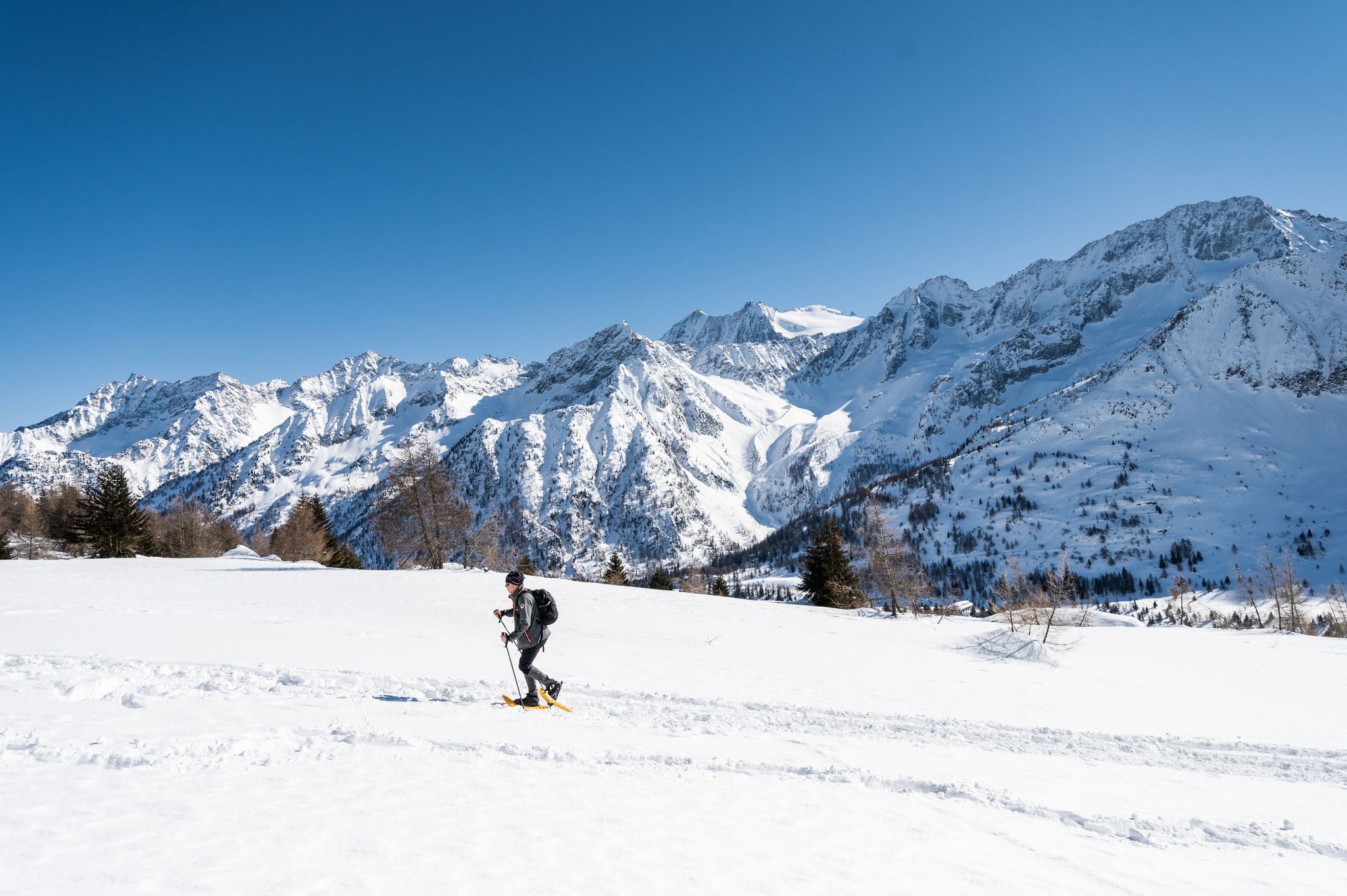
Ten snowshoe hikes in Italy’s Val di Sole
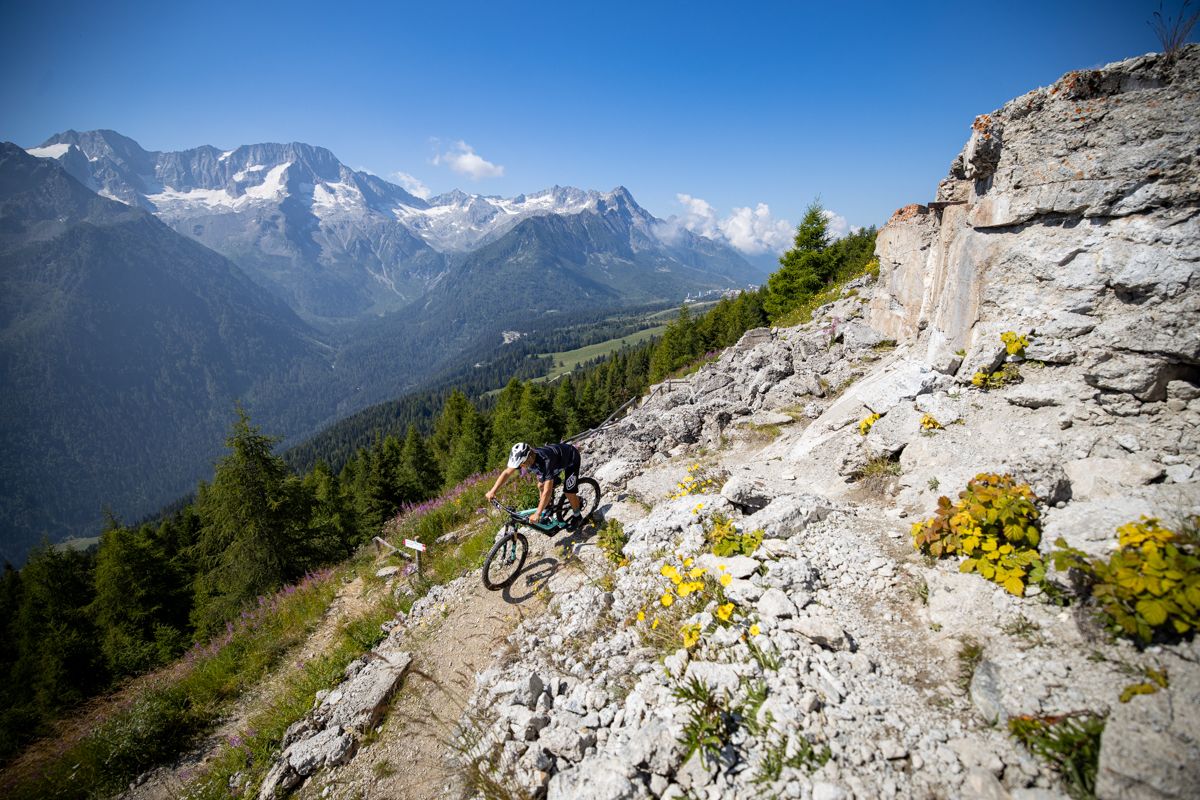
Make your MTB heart beat faster – Tours and trails in Italy’s Val di Sole
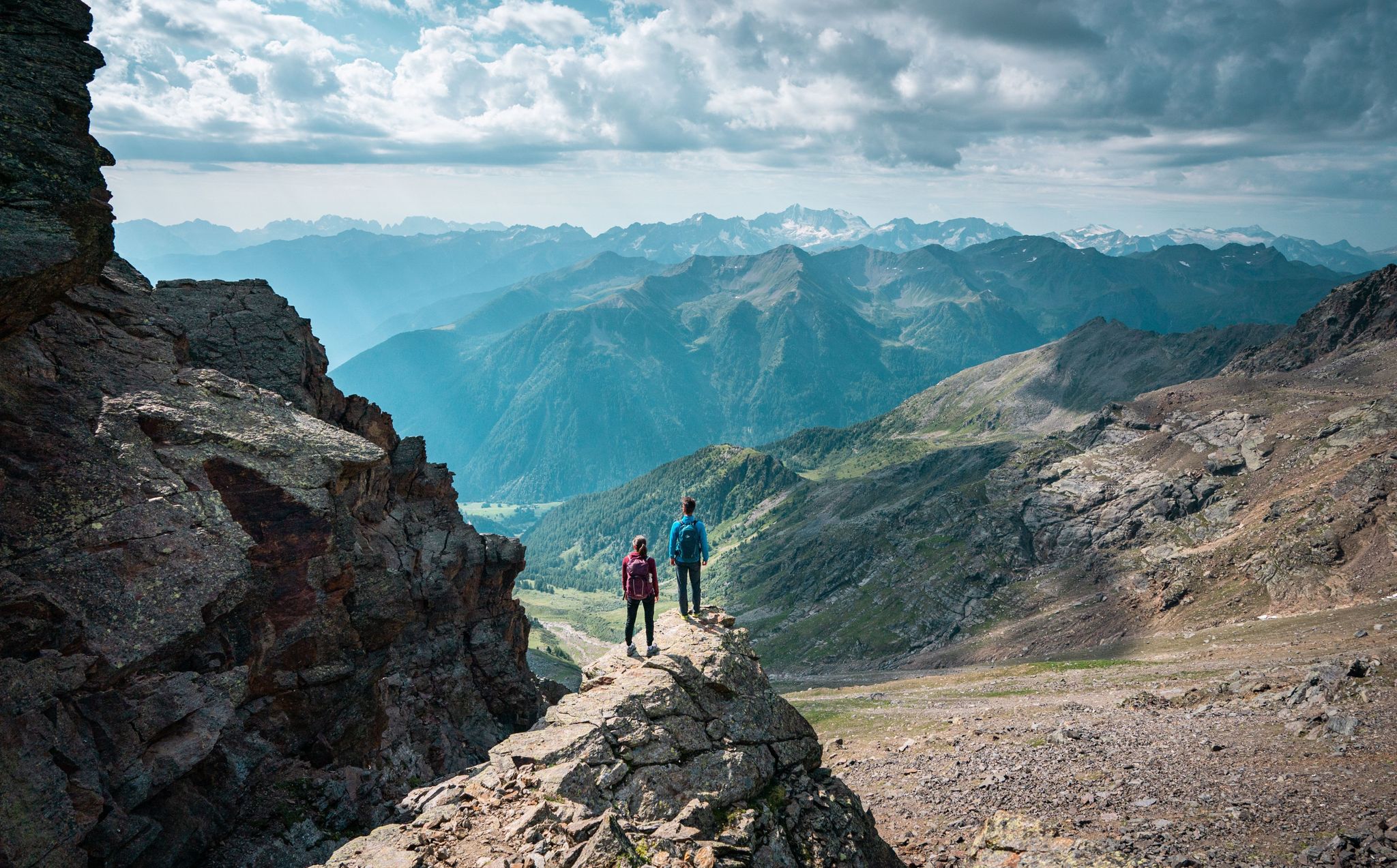
Exquisite hiking and mountaineering — epic tours in Val di Sole
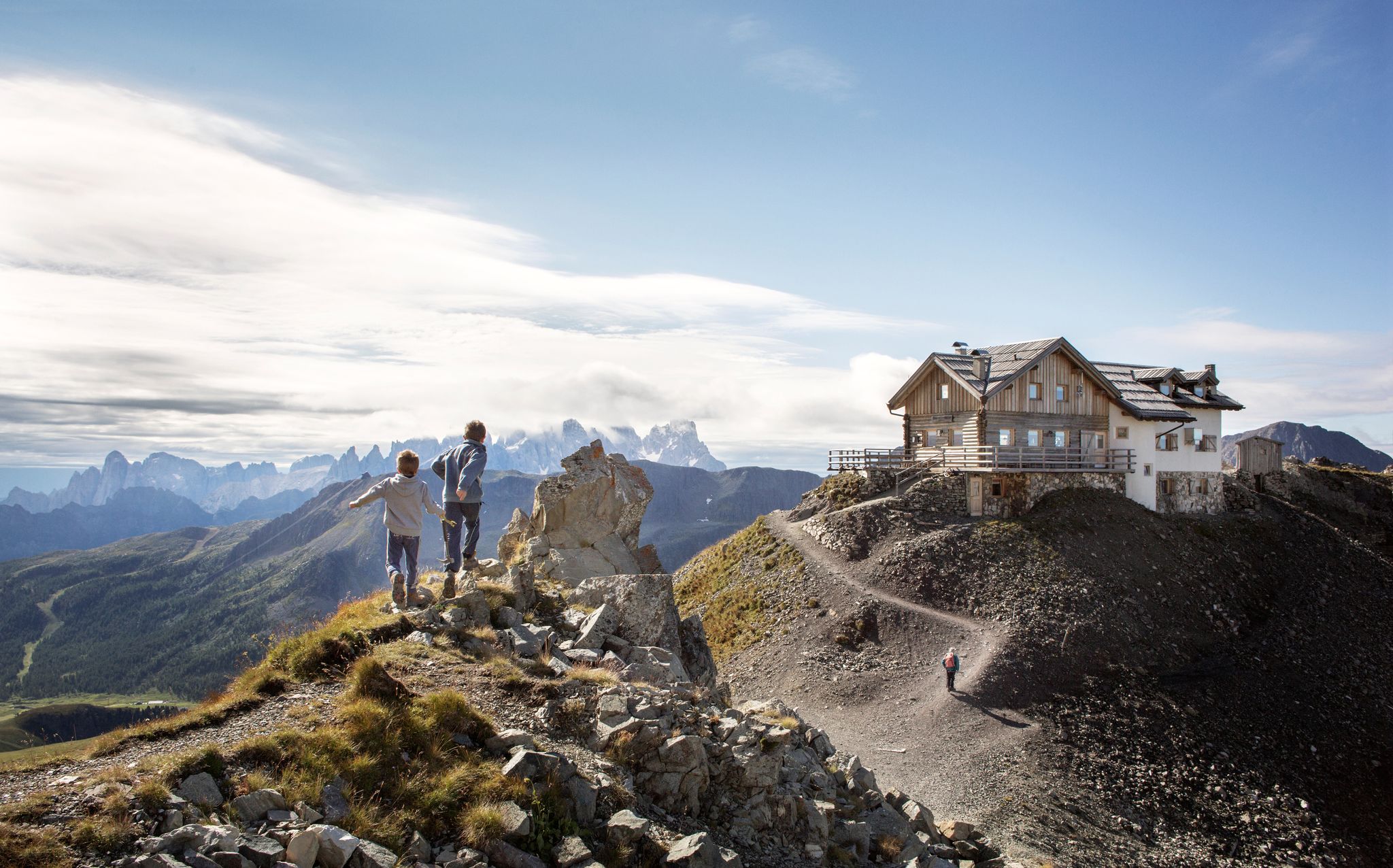
10 breathtaking hiking trails in Trentino
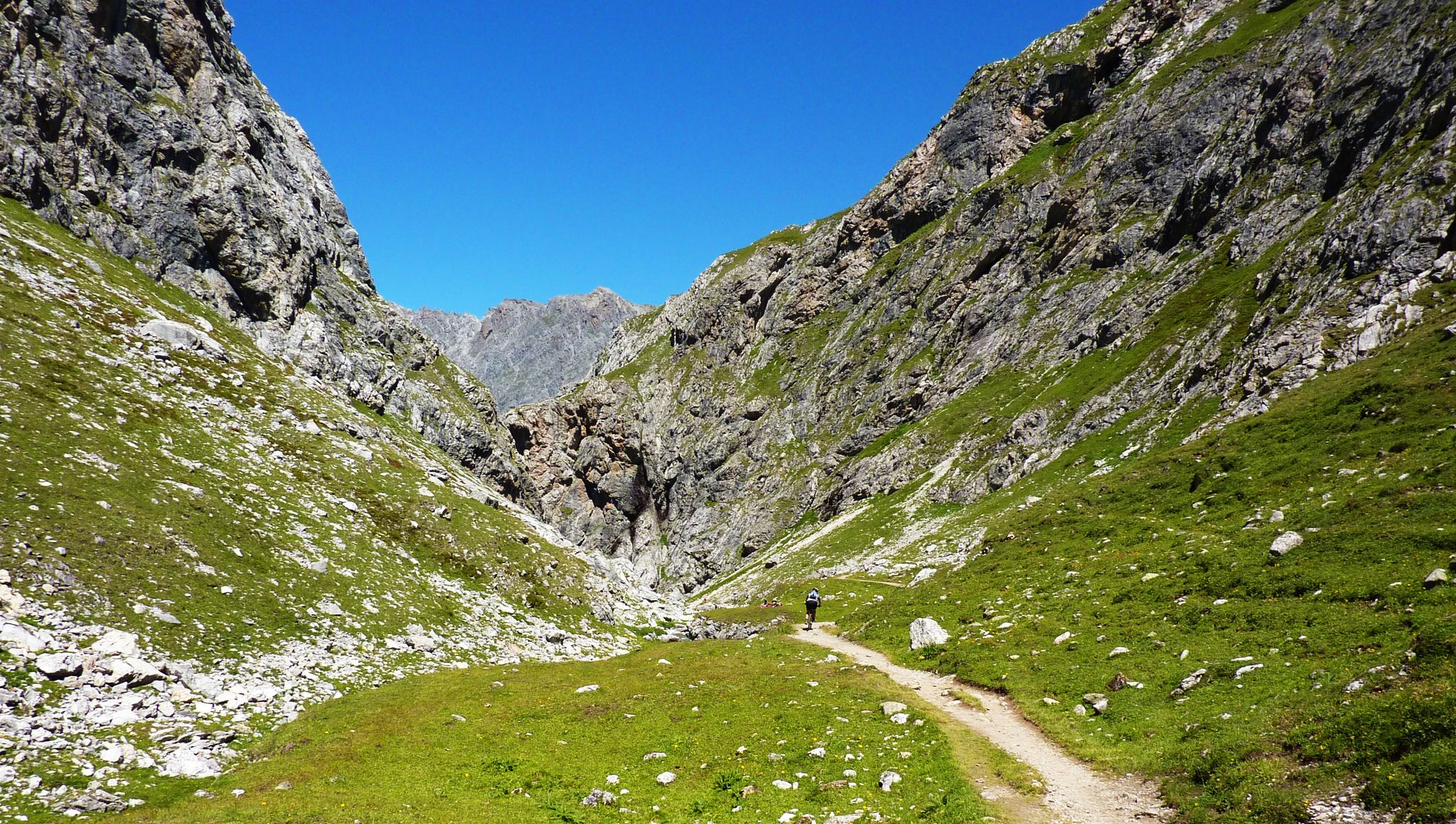
Alpine passes — 10 classics for you and your bike
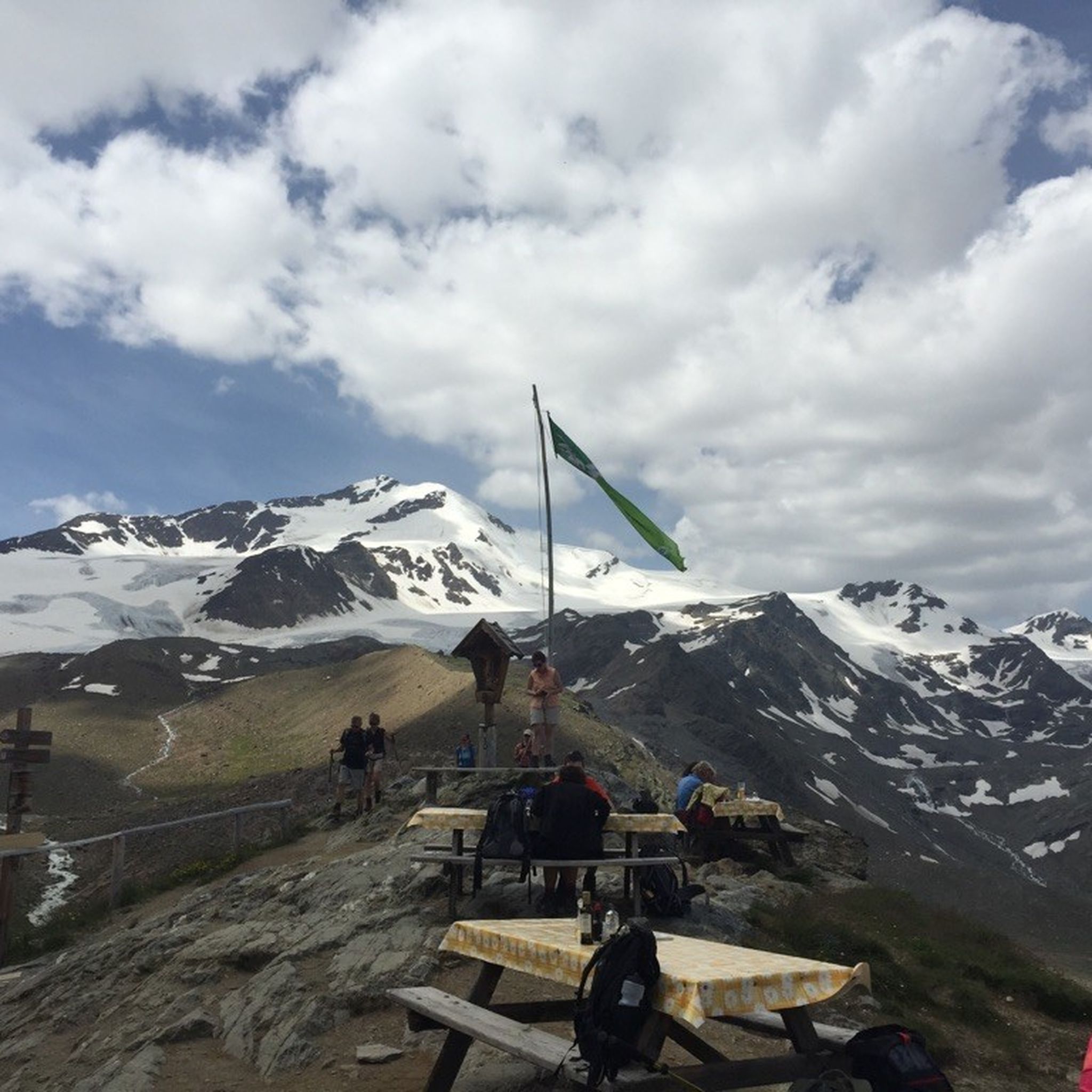
Hiking around Peio
Other adventures around Peio


Tips from the Community


really very very beautiful https://www.youtube.com/watch?v=zTNqMTmHpec
2
0

The Alpe pass, at 2,461 meters, is one of the most suggestive in the area. The climb, long but accessible, crosses the Val di Rezzalo on a paved road that then becomes a dirt road and steeper. The descent towards the Gavia pass road offers almost 200 meters of altitude difference.
2
0

Situated at the base of the northern slope of Passo Gavia, this village is well known for its wonderful and challenging ski slopes that reach a height of 3000m. During the cycling season, Santa Caterina is a good place to stop for a drink and enjoy the beauty of the mountains.
1
0

great impressions..😎.Bozzihütte...ramp and view of the lake...marred by the horrible remnants of these wars🤢
0
1

https://youtu.be/k0KOxT-ZYC0 The Montozzoscharte can be climbed up to 100m. The descent is one of the most amazing panoramas I have ever seen in my life. Surrounded by alpine roses, the trail winds its way down in serpentines, always with a view of the green reservoir framed by steep mountain peaks.
0
0
https://youtu.be/k0KOxT-ZYC0 The gravel road is easy to drive up high, except for the last 100m. One of the most amazing panoramas I have seen on the descent in my life. Surrounded by alpine roses, the trail winds down in serpentines, always with a view of the green reservoir surrounded by steep mountain peaks.
2
0

Santa Caterina is a locality not far from Bormio, a very popular destination for cyclists of all types and mountain hikers.
1
0
Frequently Asked Questions
What are some of the most popular mountain passes to explore around Peio?
The region around Peio offers several renowned mountain passes. Among the most popular are Madritschjoch / Passo del Madriccio, known for its high altitude and extensive views, and Passo dell'Alpe (2461 m), considered one of the most scenic off-road alpine passes. Another favorite is Passo Rabbi (Rabbijoch), a classic Alpine crossing with an impressive cirque and flowing singletrack descent.
Are there any mountain passes with historical significance near Peio?
Yes, several passes in the area hold historical importance. Forcellina di Montozzo (Montozzo Pass), for instance, features trenches and relics from the First World War, making it historical ground. Passo del Tonale also has historical sites like the Galleria Paradiso, a multimedia museum in a WWI-era granite tunnel, and a war memorial.
What is the best time of year to visit the mountain passes around Peio?
The best time depends on your activity. For winter sports, Passo del Tonale offers a long ski season from late autumn into spring, with opportunities for glacier skiing. For hiking and cycling, the summer months (June to September) are ideal, though early June might still see spectacular snow walls on high passes like Passo Gavia. Always check local conditions before your visit.
What kind of outdoor activities can I do near these mountain passes?
The mountain passes around Peio are excellent starting points for various outdoor activities. In summer, you can enjoy extensive hiking and mountain biking. For specific routes, explore the hiking trails around Peio or the cycling routes around Peio. In winter, Passo del Tonale is renowned for its ski area, and Pejo 3000 offers skiing with a breathtaking 8 km descent.
Are there challenging mountain passes for experienced cyclists?
Absolutely. Passo Gavia, located at 2,621 meters, is one of the highest paved roads in the Italian Alps and is famed for its challenging and exposed climbs, often featured in the Giro d'Italia. Its narrow, winding roads and steep ramps make it a demanding experience for experienced cyclists. Santa Caterina di Valfurva serves as a key base for ascending Passo Gavia.
What natural features can I expect to see on these mountain passes?
You can expect breathtaking alpine scenery. Passes like Madritschjoch / Passo del Madriccio offer extensive views. Passo Gavia features rugged beauty, with forests giving way to alpine pastures and, in early summer, impressive snow walls. The region is part of the Stelvio National Park, ensuring pristine natural environments and opportunities to spot local wildlife.
Are there any family-friendly options among the mountain passes?
While many high mountain passes can be challenging, the Val di Peio itself, where these passes are situated, offers a range of activities suitable for families. For specific family-friendly routes or activities, it's best to look for trails with lower difficulty ratings or explore the amenities and shorter walks available in villages like Peio Fonti or Peio Paese. Passo del Tonale also offers diverse slopes for all skill levels, including beginners, making it suitable for families interested in skiing.
What do visitors enjoy most about the mountain passes around Peio?
Visitors frequently appreciate the stunning panoramic views, the sense of achievement after conquering challenging routes, and the rich historical context of many passes. The opportunity for diverse outdoor activities, from high-altitude hiking and cycling to extensive skiing, also makes the region highly appealing. The komoot community has contributed over 310 photos and 430 upvotes, highlighting the visual appeal and popularity of these passes.
Can I find places to eat or stay near the mountain passes?
Yes, there are options for accommodation and dining. Mountain huts like Rifugio Bonetta and Rifugio A. Berni are located along routes such as Passo Gavia, offering rest and refreshments. Villages like Peio Fonti, Peio Paese, and Santa Caterina di Valfurva (near Passo Gavia) provide facilities, restaurants, and cafes. Passo del Tonale is a vibrant resort destination with numerous amenities.
Are there any specific regulations or permits needed for hiking in the Stelvio National Park?
The Val di Peio is nestled within the Stelvio National Park. While general hiking on marked trails typically doesn't require specific permits, it's always advisable to check with the park authority or local tourist information for any specific regulations, especially for high-altitude excursions, protected areas, or if you plan to camp. Always respect park rules regarding wildlife and environmental protection.
What are the typical difficulty levels for trails around these mountain passes?
The difficulty levels vary significantly. Some passes, like Madritschjoch / Passo del Madriccio and Passo dell'Alpe, are described as challenging due to high altitude and steep sections. Passo Rabbi also features sections where pushing a bike is common. However, the broader Val di Peio and surrounding areas offer a range of trails, from moderate to difficult, catering to different fitness levels. Always check specific route descriptions for details on elevation gain and technical difficulty.
Most popular routes around Peio
Most popular attractions around Peio

Get inspired with the komoot mobile app


Explore more
See even more epic mountain passes by checking out these guides around Peio:
