The best cycling routes around Olevano Di Lomellina
4.2
(63)
328
riders
56
rides
Touring cycling around Olevano Di Lomellina is characterized by its predominantly flat terrain, making it suitable for leisurely rides. The region features extensive rice fields that transform with the seasons, alongside a network of canals and waterways like the Naviglio Langosco. Cyclists will encounter agricultural landscapes, poplar groves, and historic cascine throughout the area. The low elevation, with peaks under 200m, ensures accessible routes for various skill levels.
Best touring cycling routes around Olevano Di Lomellina
- The most popular touring…
Last updated: October 18, 2026
2.5
(2)
14
riders
67.4km
05:17
120m
120m
Hard bike ride. Very good fitness required. You may need to push your bike for some segments of this route.
3
riders
17.0km
01:16
30m
30m
Easy bike ride. Great for any fitness level. Mostly paved surfaces. Suitable for all skill levels.

3
riders
27.4km
01:34
40m
40m
Easy bike ride. Great for any fitness level. Mostly paved surfaces. Suitable for all skill levels.
4
riders
Hard bike ride. Good fitness required. You may need to push your bike for some segments of this route.
5.0
(2)
5
riders
26.0km
01:41
50m
50m
Easy bike ride. Great for any fitness level. Mostly paved surfaces. Suitable for all skill levels.
Get access to more routes and recommendations from other explorers.
Already have an account?
Our route recommendations are based on thousands of hikes, rides, and runs completed by other people on komoot.
Start today with a free account
Your next adventure awaits.


Tips from the Community

It is easy to get lost here, the cycle path starts behind parked cars
0
0

Rest Area, with an indication of the accommodations and facilities present in Mortara.
0
0

Very beautiful cemetery, here you can endure after death
0
0

The town hall was built in 1857 to a design by Pietro Troncone; it was to be completed in 1862 to a design by Alessandro Antonelli, but only a few granite columns were added. Until 1850 the municipality was located in the Palazzo Pretorio located in Piazza Silvabella. A town in the province of Pavia famous for its rice market. Mortara is located in the central-northern Lomellina, between the Agogna and the Terdoppio, among the rice fields, not far from Milan, Novara, Vercelli and Pavia. It is now an important centre for the rice market and is famous for its goose dishes.
6
0
The Abbey of Santa Croce is a religious building in the town of Mortara, located in the province of Pavia, within the territory of the diocese of Vigevano. This abbey, dedicated to the Holy Cross, has a rich history. The church within the abbey houses an organ by the Mascioni company, built in 1951 (opus 657). This new slider chest organ with electric action has 28 stops, 2 manuals, and a free pedal. The pedal board is radially concave.
3
0
The Municipal Theatre Vittorio Emanuele II, built in 1846 by the architect Celestino Braccio
1
0
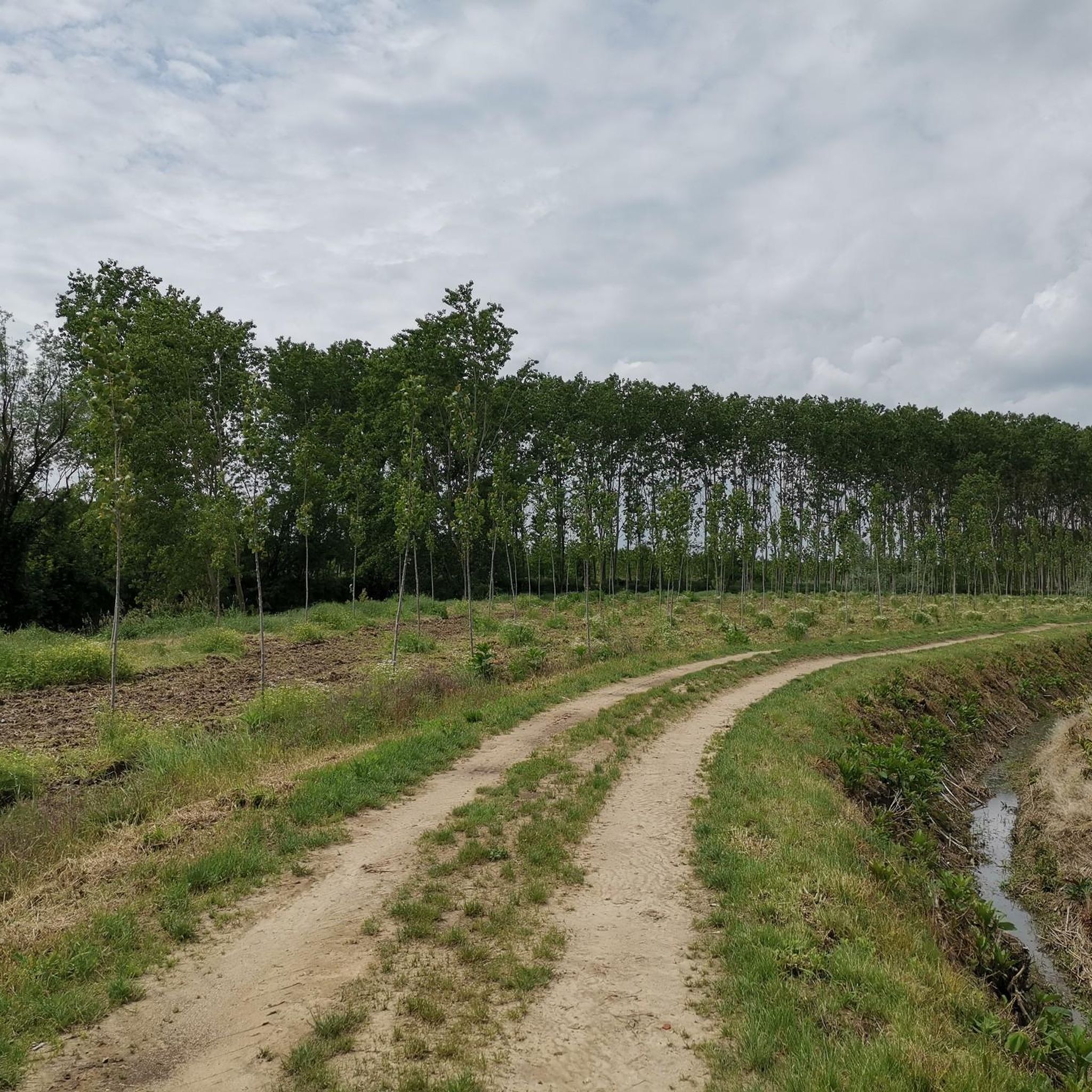
For pilgrims by bike: https://www.viefrancigene.org/it/resource/statictrack/da-mortara-a-pavia-tappa-06-in-bici/ From the Abbey of Sant'Albino, founded in the fifth century and then rebuilt, now a stop for pilgrims passing through Mortara, a beautiful path through cultivated fields and farms, irrigation canals and unexpected patches of trees leads us to Tromello, a stop on the route from Sigeric. Along the way we meet the sanctuary of Madonna delle Bozzole and pass some characteristic agricultural villages. Pay attention to the traffic along the SP 185. After Zerbolò we arrive at the confluence with the Ticino, which we bypass in some parts. The view of the river, combined with a varied presence of fauna, offers an evocative spectacle. Outside the cities it is not possible to get water, the only refreshment points are in Tromello and Zerbolò.
7
0
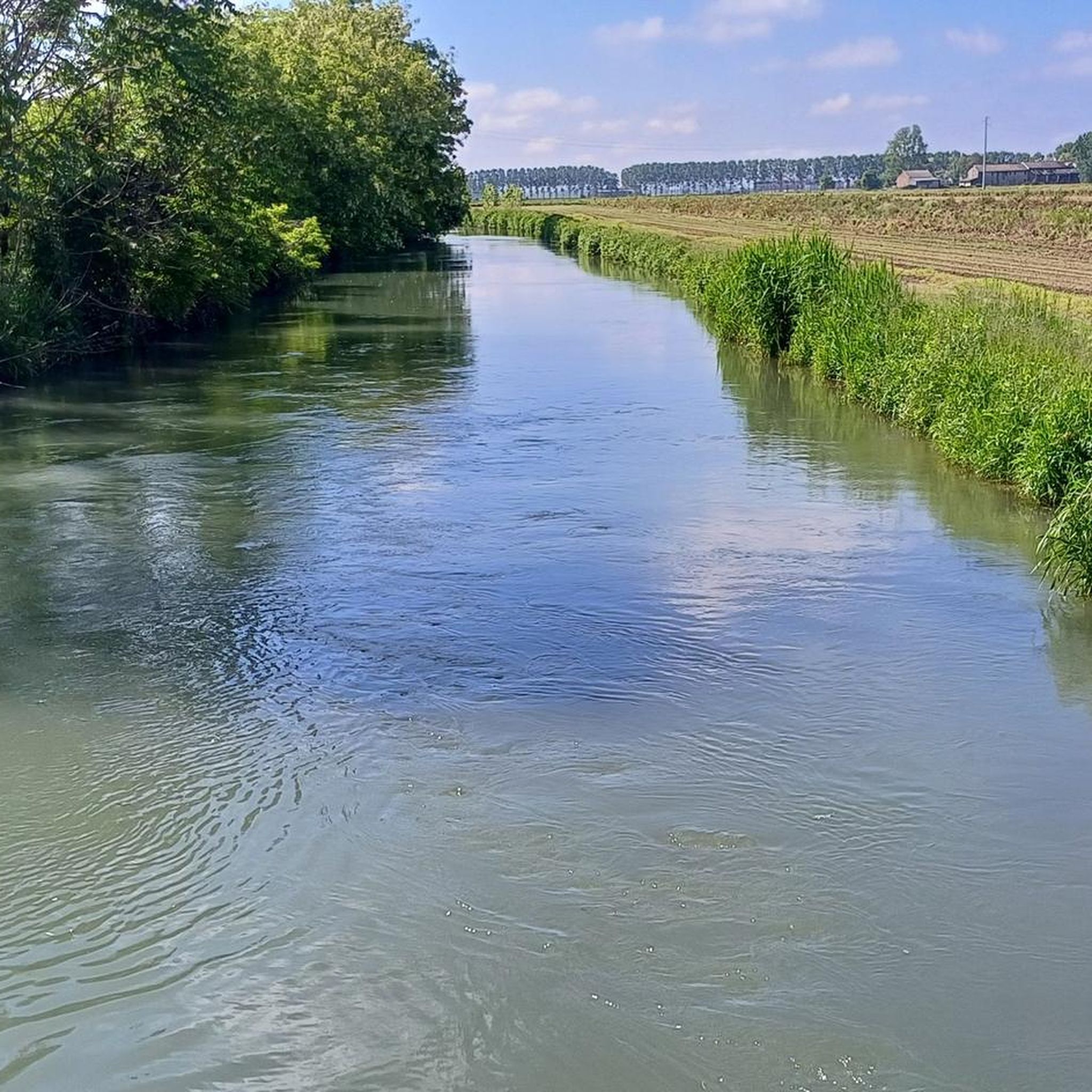
The Naviglio Langosco (in Lombard: Nivili Langosch) is a canal fed by the Ticino River. The purpose of this canal is to irrigate the fields in the Novarese and Lomellina regions. It was realized in the 17th century on the initiative of Count Guido Langosco. The count ordered the construction of the canal, which was designed by engineer Pietro Antonio Barca, and work began in 1613 and was completed in 1665. The canal begins in the province of Novara, north of the Ponte di Turbigo, and flows then through the areas of Galliate, Romentino, Trecate, and Cerano. It then leaves Piedmont and enters Lombardy, where it flows past Cassolnovo, Vigevano (where it crosses the Terdoppio), and Gambolò. It ends near Cascina Montagione, in the municipality of Tromello. 🏞️🇮🇹
6
0
Frequently Asked Questions
How many touring cycling routes are available around Olevano Di Lomellina?
There are over 50 touring cycling routes around Olevano Di Lomellina, offering a wide variety of options for different skill levels and interests. The komoot community has explored 57 tours in total.
What is the general difficulty level of touring cycling routes in Olevano Di Lomellina?
The routes in Olevano Di Lomellina cater to various skill levels. You'll find a good mix of easy (23 routes), moderate (20 routes), and difficult (14 routes) options, making the area accessible for both beginners and experienced touring cyclists.
Are there routes suitable for beginners or families?
Yes, the predominantly flat terrain of Olevano Di Lomellina makes it ideal for leisurely rides, including those suitable for beginners and families. For example, the Abbey of Santa Croce – Palio dell'Oca of Mortara loop from Mortara is an easy 17.5 km route that can be completed in about an hour.
What kind of landscapes can I expect to see while cycling in Olevano Di Lomellina?
You'll experience a unique agricultural landscape dominated by vast rice fields that change dramatically with the seasons. The area is also crisscrossed by scenic canals and waterways, such as the man-made Naviglio Langosco, and features charming poplar groves and historic cascine (farmhouses).
Can I see wildlife while cycling in Olevano Di Lomellina?
Yes, the aquatic environment created by the rice fields and canals supports rich birdlife. You might spot herons, common gulls, and mallards. The Sant'Alessandro Heronry and Portalupa Heronry are protected areas specifically known for various native bird species.
What historical sites or landmarks can I visit along the touring cycling routes?
The region is rich in history. You can cycle past impressive structures like the Sartirana Castle, a quadrilateral structure with a moat, or the 14th-century Gothic-Lombard Basilica of San Lorenzo in Mortara. Many routes also follow ancient paths like sections of the Via Francigena.
Are there any natural monuments or unique geological features to explore?
Absolutely. The Dosso of Lomellina is a natural monument consisting of small, sandy hills shaped by historical river changes. You can also discover the Loja Marsh and even the Agogna Waterfalls, offering diverse natural sights.
Are there any circular touring cycling routes in the area?
Many routes in the region are designed as loops, allowing you to start and end in the same location. Examples include the challenging Ticino River Embankment – View of the Coperto Bridge loop from Gambolò-Remondò (133.1 km) or the Scaldasole Castle – Naviglio Langosco loop from Mortara (67.4 km).
What is the best time of year to go touring cycling in Olevano Di Lomellina?
The best time to visit is typically from late spring to early autumn. In late spring, the rice fields are flooded, creating shimmering lake-like vistas, while in summer, they transform into vibrant green carpets. These seasons offer pleasant weather for cycling and the most picturesque views of the changing agricultural landscape.
How long are the touring cycling routes typically?
Route lengths vary significantly. You can find shorter, easy rides like the 17.5 km Abbey of Santa Croce – Palio dell'Oca of Mortara loop, or longer, more challenging tours such as the 133.1 km Ticino River Embankment – View of the Coperto Bridge loop, which can take over 8 hours to complete.
What do other touring cyclists enjoy the most about touring cycling in Olevano Di Lomellina?
The area is highly rated by the komoot community, with an average score of 4.3 stars from over 50 reviews. Reviewers often praise the serene flat roads, the unique rice paddy vistas, and the opportunity to explore historic sites and charming rural landscapes.
Are there any routes that pass by castles?
Yes, several routes offer views of or pass by historic castles. For instance, the Scaldasole Castle – Naviglio Langosco loop from Mortara guides riders past Scaldasole Castle, and the Litta Castle, Gambolò – Alagna Castle loop from Gambolò-Remondò leads through historical sites including Litta Castle.
Most popular routes around Olevano Di Lomellina
Most popular attractions around Olevano Di Lomellina

Get inspired with the komoot mobile app


Explore more
Browse the best Cycling routes in other regions.
