The best road cycling routes around Sailauf
4.6
(1111)
12,910
riders
305
rides
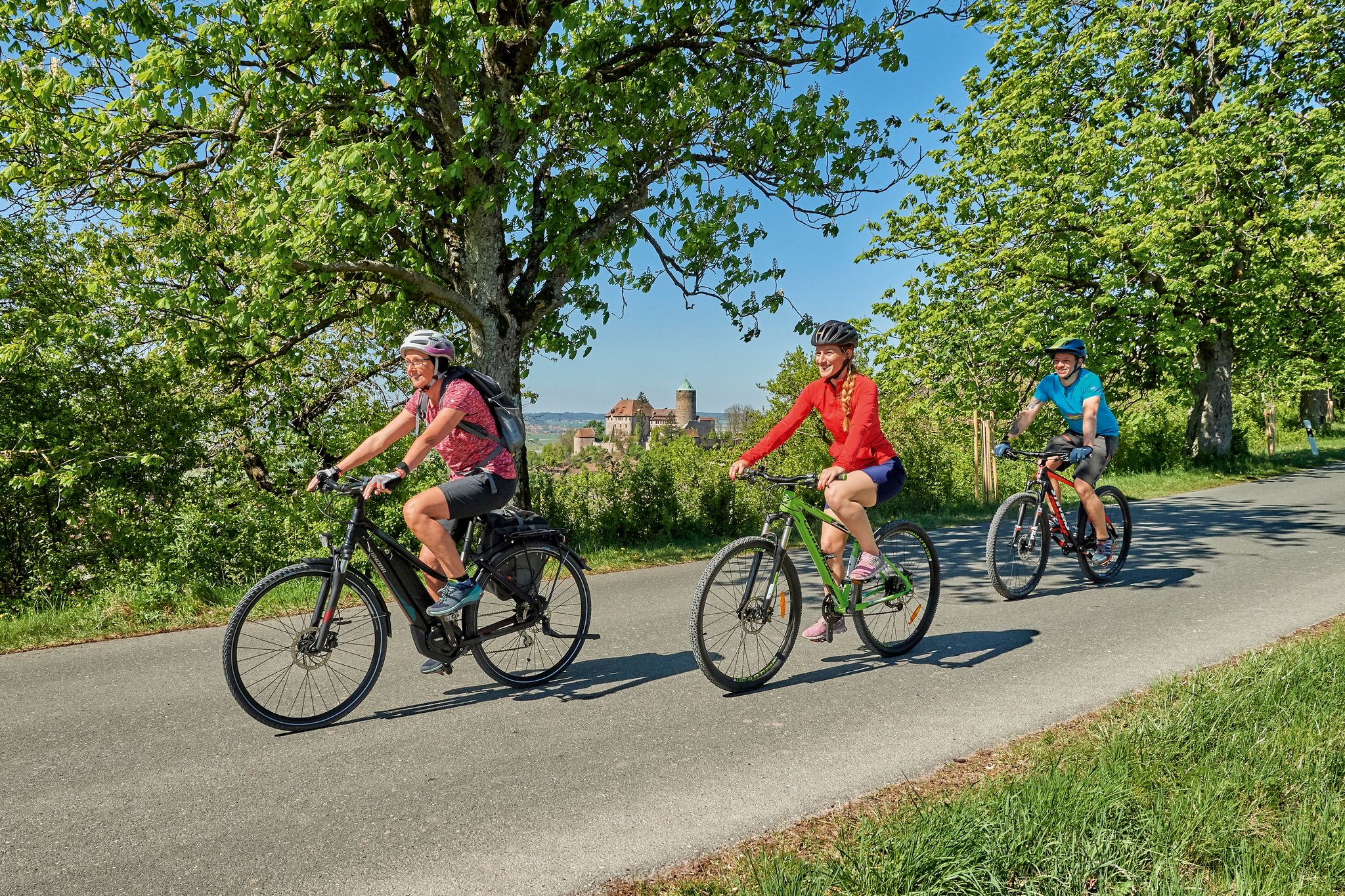
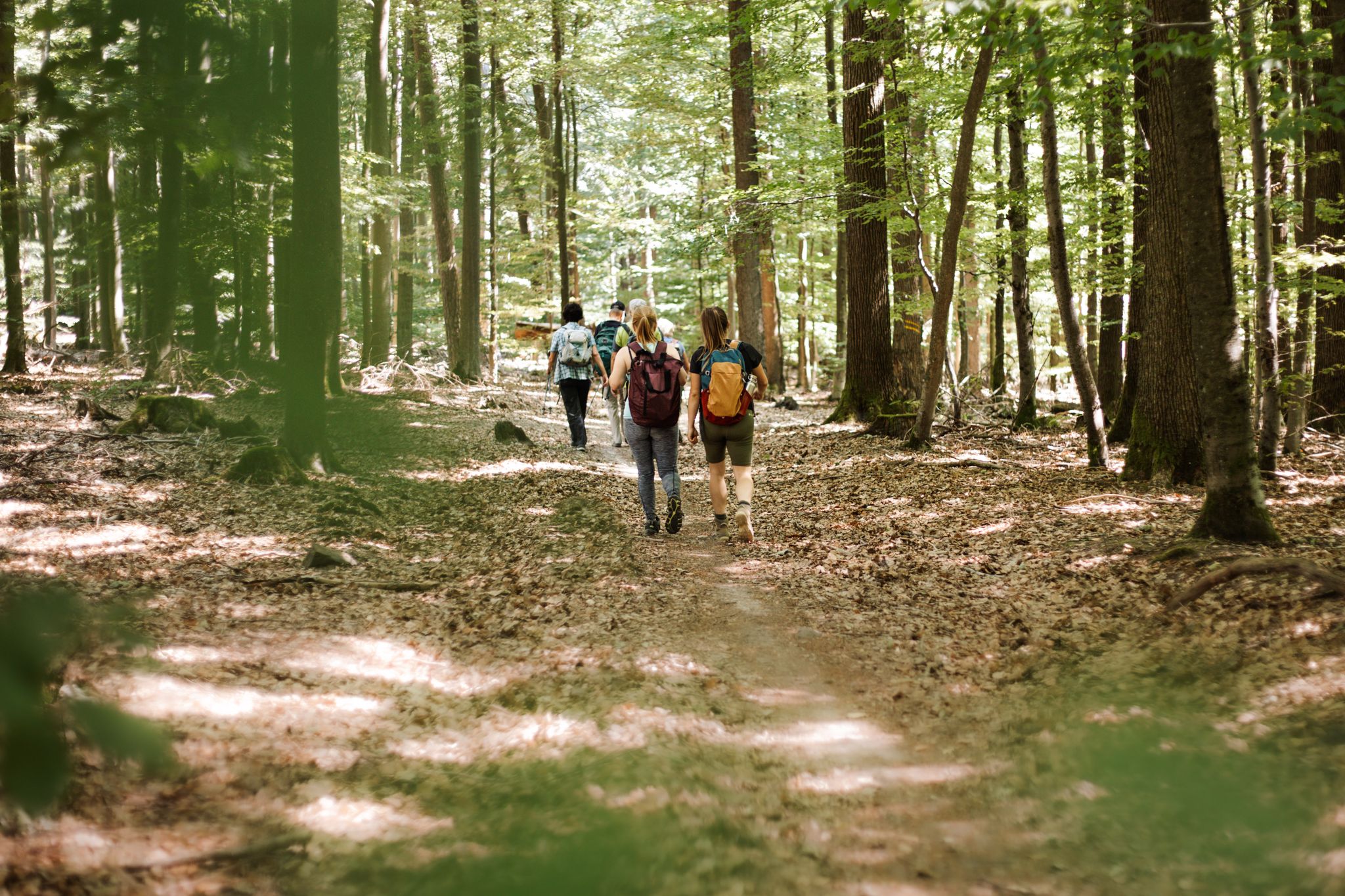
Road cycling routes around Sailauf traverse a landscape characterized by rolling hills, dense beech forests, and expansive orchards within the Spessart Nature Park. The region features clear rivers and picturesque valleys, providing varied terrain for cyclists. Routes often include significant elevation gain, offering challenging climbs and descents. This diverse topography supports a range of road cycling experiences, from more relaxed rides to demanding routes through natural reserves.
Best road cycling routes around Sailauf
- The most popular road cycling route is…
Last updated: October 18, 2026
4.6
(12)
188
riders
56.3km
02:38
390m
390m
Moderate road ride. Good fitness required. Some segments of this route may be unpaved and difficult to ride.
121
riders
117km
05:36
1,620m
1,620m
Hard road ride. Very good fitness required. Mostly well-paved surfaces and easy to ride.

5.0
(3)
140
riders
Moderate road ride. Good fitness required. Mostly well-paved surfaces and easy to ride.
4.9
(7)
133
riders
88.2km
04:07
1,040m
1,040m
Hard road ride. Very good fitness required. Mostly well-paved surfaces and easy to ride.
4.8
(10)
81
riders
37.1km
01:52
520m
520m
Moderate road ride. Good fitness required. Some segments of this route may be unpaved and difficult to ride.
Get access to more routes and recommendations from other explorers.
Already have an account?
Our route recommendations are based on thousands of hikes, rides, and runs completed by other people on komoot.
Start today with a free account
Your next adventure awaits.
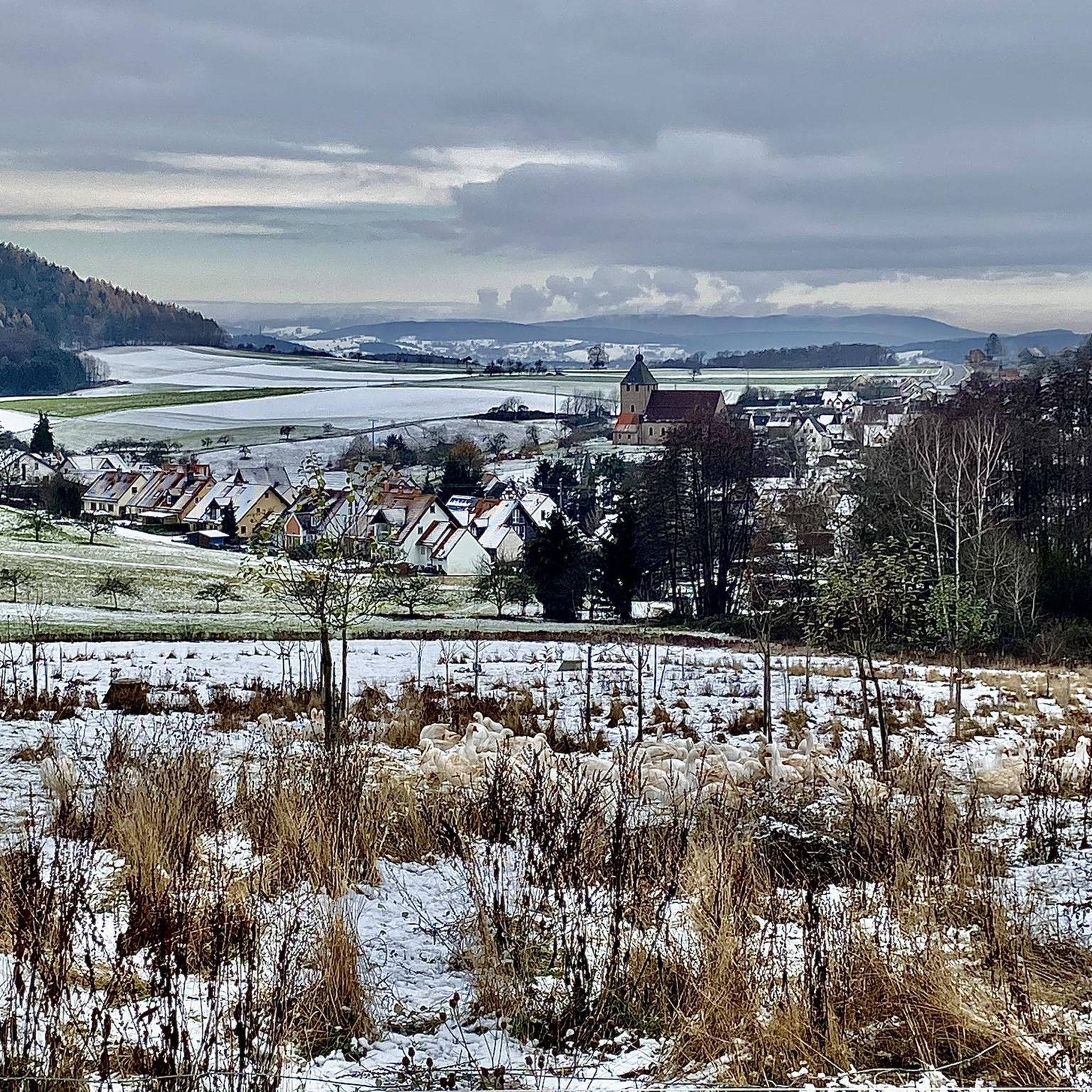
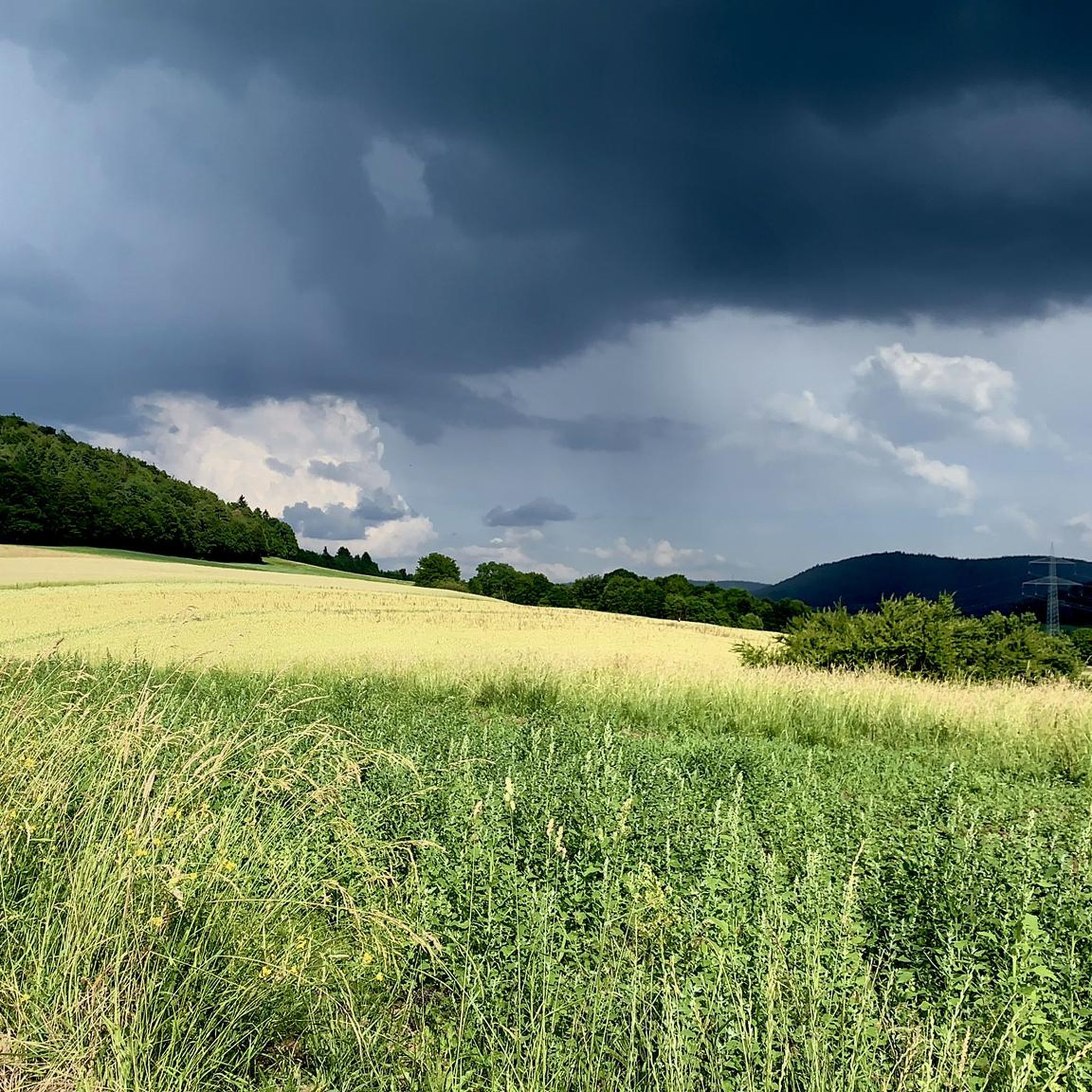
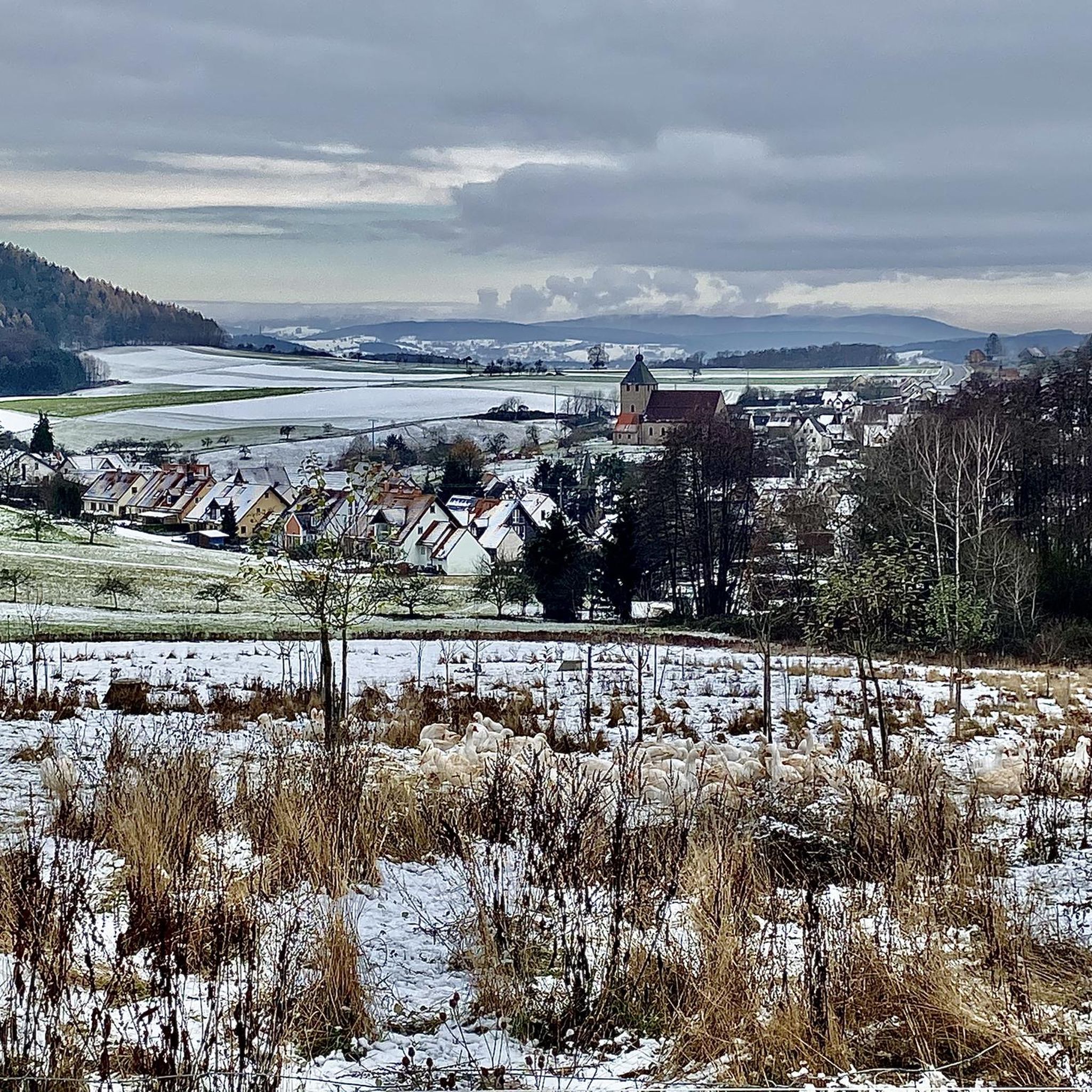
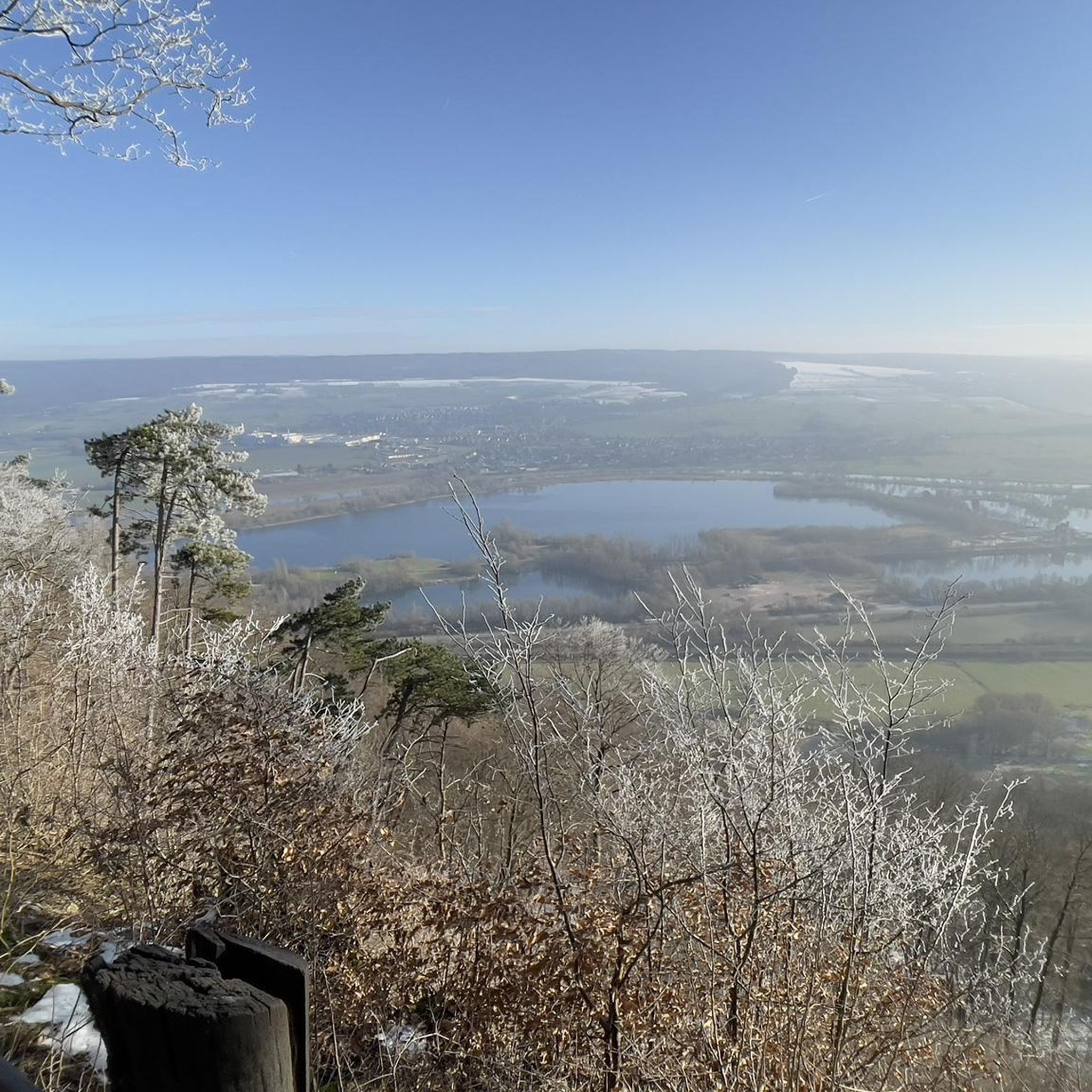


Tips from the Community

From Jakobstal to the Engländer.
0
0
Here you can safely store your bike.
0
0

Super ascent or descent. The gradient percentages stay in the moderate range with a maximum of 8% and the asphalt is quite okay to ride on. In summer, you have to be a bit careful with the play of shadows caused by the sunlight filtering through the treetops. Here and there, you might otherwise overlook a small pothole in the asphalt or a crack/longitudinal joint in the road surface.
1
0
Beautiful Biergarten and delicious food. 😋
0
0
Cycle path to Hösbach next to the main road.
0
0
No drinking water. The helicopter 🚁 is around the corner.
0
0

Wide cycle path for speeding
0
0
Beautiful plateau.
0
0
Frequently Asked Questions
How many road cycling routes are available around Sailauf?
Sailauf offers a wide selection of road cycling routes, with over 310 options available. These routes cater to various fitness levels, ranging from easier rides to more challenging tours through the Spessart Nature Park.
What is the general terrain like for road cycling in Sailauf?
The terrain around Sailauf is characterized by rolling hills, dense beech forests, and expansive orchards. You'll encounter picturesque valleys and clear rivers, providing a diverse landscape. Routes often feature significant elevation gain, offering both challenging climbs and rewarding descents.
What are the difficulty levels of road cycling routes in Sailauf?
Road cycling routes in Sailauf are diverse, with options for all skill levels. There are 43 easy routes, 187 moderate routes, and 83 difficult routes. This variety ensures that both beginners and experienced cyclists can find suitable challenges.
Are there any circular road cycling routes in Sailauf?
Yes, many road cycling routes around Sailauf are designed as loops, allowing you to start and finish at the same point. For example, the Engelberg Monastery, Großheubach – Old Town of Obernburg am Main loop from Hösbach is a popular moderate circular route offering views of the Main River valley.
What scenic views can I expect on road cycling routes around Sailauf?
Road cycling routes in Sailauf offer breathtaking scenery, including panoramic vistas over the Main valley, dense forest passages, and open cultural landscapes with orchards. The Ludwig Tower (Hahnenkamm) is a popular viewpoint that provides expansive views of the region.
Are there any notable natural features to see while cycling in Sailauf?
Absolutely. The region boasts several natural highlights. You might cycle near the Rückersbach Gorge, which features a trail alongside the flowing Rückers-Bach, or pass by the natural course of the Sailauf stream, known for its diverse wildlife. The extensive orchards and wetlands in the Erlenbachtal are also ecologically rich areas to explore.
What cultural or historical landmarks can be found along road cycling routes near Sailauf?
Sailauf and its surroundings are rich in history. You can encounter sites like the historic St. Vitus Church, dating back to the 11th century, or the 13th-century Schloss Weyberhof, a former hunting lodge. The Engelberg Monastery, Großheubach – Old Town of Obernburg am Main loop from Hösbach specifically passes by cultural landmarks.
Where can I find parking for road cycling routes in Sailauf?
While specific parking areas for each route are not detailed here, many routes begin or pass through towns like Hösbach or Laufach, where public parking is generally available. The Hohewart-Haus (Hohe Warte) is also a common starting point for tours in the Spessart Nature Park, often with parking facilities.
Are there cafes or places to stop for refreshments along the routes?
Yes, the Spessart region is well-equipped with amenities. Many villages and towns along the routes offer cafes, restaurants, and traditional inns where cyclists can stop for refreshments. The Hohewart-Haus, for instance, is a rustic forest house that serves as a popular stop.
Are there challenging road cycling routes with significant elevation gain?
Sailauf is an excellent destination for cyclists seeking a challenge. Routes like the Hafenlohrtalstraße – Forest Inn "Zum Engländer" loop from Hösbach, a difficult 116.2 km trail, feature substantial elevation gain through the Spessart Nature Park, making them ideal for advanced riders.
Are there easier road cycling routes suitable for beginners in Sailauf?
Yes, Sailauf offers 43 easy road cycling routes. These routes typically feature less elevation gain and cover shorter distances, making them suitable for beginners or those looking for a more relaxed ride. You can find options that traverse the gentler landscapes of the region.
What do other cyclists say about road cycling in Sailauf?
The road cycling experience in Sailauf is highly rated by the komoot community, with an average score of 4.6 stars from over 790 reviews. More than 10,900 road cyclists have used komoot to explore the varied terrain, often praising the diverse landscapes and challenging climbs.
What is the best time of year for road cycling in Sailauf?
The region's rolling hills, forests, and orchards are particularly beautiful during spring and autumn, offering pleasant temperatures and vibrant scenery. Summer also provides excellent conditions, though some climbs can be more demanding in warmer weather. Winter cycling is possible, but routes may be affected by snow or ice, especially in higher elevations.
Most popular routes around Sailauf
Most popular attractions around Sailauf

Get inspired with the komoot mobile app


Explore more
Browse the best Road cycling routes in other regions.
