Attractions and Places To See around San Giorgio Di Lomellina - Top 20
Best attractions and places to see around San Giorgio Di Lomellina are situated in the heart of the Lomellina region, characterized by expansive rice fields and intricate waterways. The area features a subtle topography with gentle undulations from small, sandy hills and is known for its "Garzaie" (heronries), which are protected habitats for various bird species. The town itself holds ancient Roman origins and notable historical landmarks, offering a blend of cultural and natural points of interest.
Best attractions and…
Last updated: August 25, 2026
Scenic Road Along the Canal in Parco Lombardo della Valle del Ticino
Highlight (Segment) • Cycleway
Translated by Google •
Tip by

Sartirana Castle
Highlight • Castle
Translated by Google •
Tip by
Sign up now to discover places like this
Get recommendations on the best single tracks, peaks, & plenty of other exciting outdoor places.
Sign up for free
Church of San Siro, Borgo San Siro
Highlight • Religious Site
The parish church of Borgo San Siro is dedicated to SAN SIRO.
Translated by Google •
Tip by
Dosso of Lomellina
Highlight • Natural Monument
Translated by Google •
Tip by
Basilica of San Lorenzo, Mortara
Highlight • Religious Site
Translated by Google •
Tip by

Sign up for free to discover even more attractions around San Giorgio Di Lomellina.
Sign up for free
Already have an account?
Start today with a free account
Your next adventure awaits.
Login or Signup
Popular around San Giorgio Di Lomellina

Tips from the Community

The Church of San Siro is the main place of worship in the municipality of the same name in the province of Pavia, belonging to the Diocese of Vigevano. Built between 1729 and 1732 on the remains of a 13th-century chapel, it features an elegant Greek cross plan in the late Baroque style, enriched by 18th-century canvases by the painter Carlo Antonio Bianchi from Pavia.
0
0
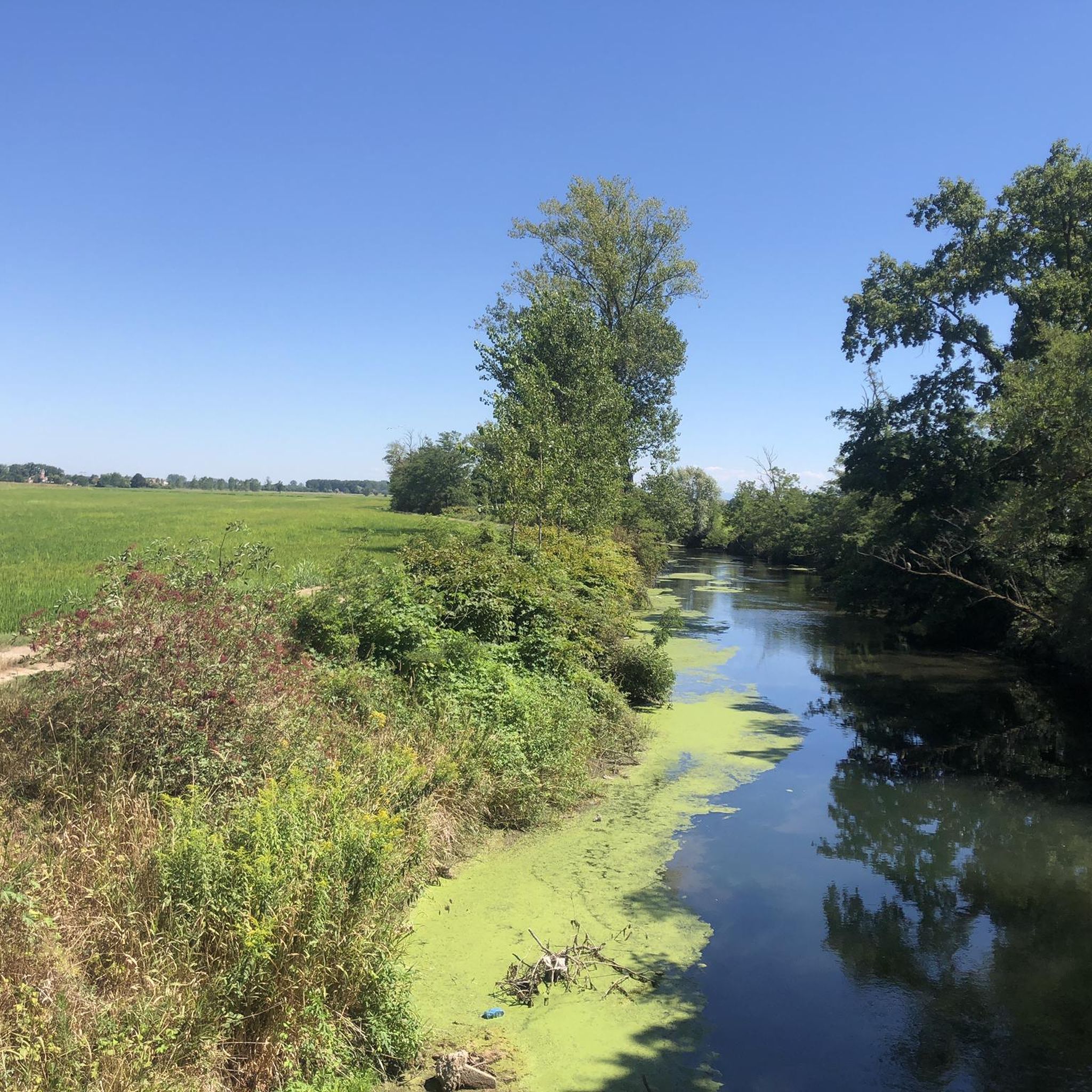
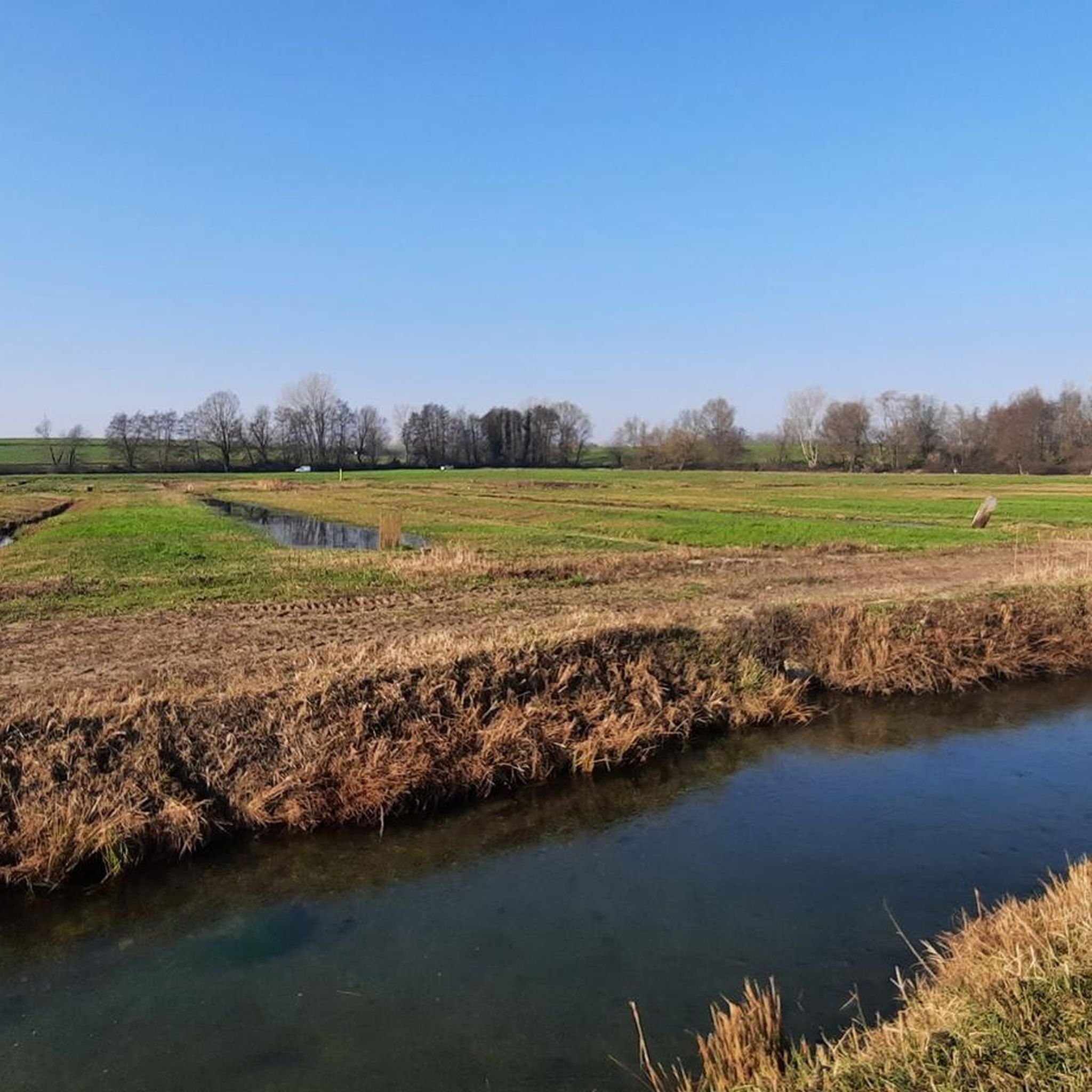
The Parco Lombardo della Valle del Ticino is crossed not by a single canal, but by a complex and historic hydraulic network. The main ones are the Canale Villoresi and the Panperduto (Somma Lombardo).
0
0
The Lombardo Park of the Ticino Valley is the oldest regional park in Italy, established in 1974, and represents the first river park in Europe. With an area of approximately 91,800 hectares, it develops entirely in Lombardy, running along the Ticino River from Lake Maggiore (Sesto Calende) to its confluence with the Po River (Pavia), crossing as many as 47 municipalities in the provinces of Milan, Pavia, and Varese. Together with its twin, the Piedmontese Natural Park of the Ticino Valley, it forms the largest protected river area on the continent, also recognized as a MAB UNESCO Biosphere Reserve.
0
0

Sartirana beautiful castle, a pity about the cars parked in front
0
0

The Basilica di San Lorenzo is Mortara's most prominent historical monument, a Gothic building from the 14th century. Located in the city center, near the Palazzo del Comune, it attracts attention with its terracotta facade. Architecture: Built in Gothic Lombard style between 1375 and 1380 by Bernardino da Novara. Martino Bassi made some structural changes in 1573. Exterior: The cotto facade has frescoes in the lunettes of the portals, made by Nando Bialetti. The tondi on the facade are by Boniforte da Mortara. The colorful stained glass windows are the work of Francesco Mossmeyer. Interior: Rich in works of art, including paintings by Paolo da Brescia and a remarkable wooden nativity scene by Lorenzo da Mortara. In the 20th century the interior was renovated by Giuseppe Piatti.
6
0

Small church dedicated to the patron saint of Pavia (San Siro). Passing along roads with little traffic, it is worth a visit.
1
0

The collegiate basilica of San Lorenzo is dedicated to Lawrence of Rome and has the title of a minor basilica. The Gothic church dates from the 14th century and is the seat of the canon chapter. The church was designed between 1375 and 1380 by Bartolino da Novara in the Lombard Gothic style and was built of brick. A renovation was carried out in 1573 by Martino Bassi, restorations took place in 1840 and again in 1916. In this case, Giuseppe Piatti made the church simpler by removing chapels and replacing the altar. Pope Pius XII raised the church to the rank of a minor basilica in 1939. Source: Wikipedia
2
0

The parish church of Borgo San Siro is dedicated to San Siro, patron saint and first bishop of Pavia. The construction took place on the foundations of an ancient church dating back to the 13th century, which began on 13 May 1729 and ended on 25 November 1732. Inside it houses the tomb of Agostino Beccaria and his wife.
2
0
Frequently Asked Questions
What historical landmarks can I explore in San Giorgio di Lomellina?
The town offers several historical sites. You can visit the impressive Parish Church of San Giorgio, completed in 1772, known for its Baroque style and 75-meter bell tower. The Convent and Church of San Francesco, dating back to 1609, is also a notable complex. Additionally, the town has ancient Roman origins, with evidence of late Roman tombs, and features the "Vecchio Mulino" (Old Mill) from 1905.
Are there any significant religious sites to visit in the area?
Beyond the Parish Church of San Giorgio, a prominent religious site is the Basilica of San Lorenzo in Mortara. This 14th-century Gothic building is Mortara's most important historical monument, featuring a distinctive terracotta facade and a rich interior with artworks, including a remarkable 15th-century wooden nativity scene.
What natural features define the landscape around San Giorgio di Lomellina?
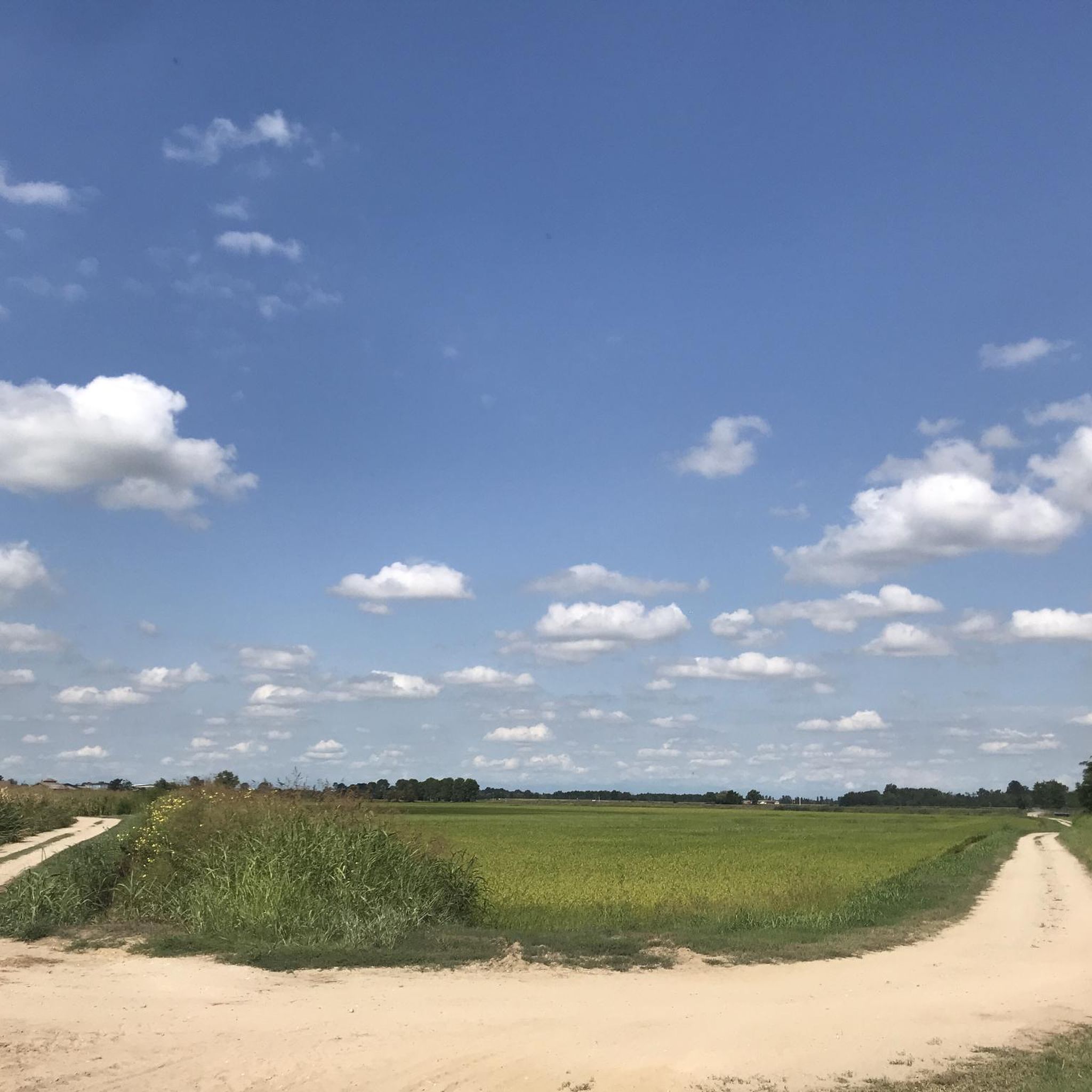
The region is characterized by expansive rice fields and intricate waterways, creating a unique agricultural landscape. You'll also find subtle topography with gentle undulations from small, sandy hills, such as the Dosso of Lomellina, a natural monument. The area is also home to protected "Garzaie" (heronries), vital habitats for various bird species.
Are there opportunities for outdoor activities like cycling or hiking near San Giorgio di Lomellina?
Yes, the region offers a network of routes perfect for exploring the agricultural scenery. You can find various road cycling routes, such as the 'Rice fields – Lomellina countryside loop' or 'Agogna Stream Bridge – Rice fields loop'. For mountain biking, options like the 'Green Rice Fields loop' are available. There are also running trails, including 'Running loop from Casoni di Sant'Albino'. You can explore more options on the road cycling, MTB, and running trails guides.
Where can I experience the unique "Garzaie" and spot wildlife?
The "Garzaie" are protected habitats within the "Risaie della Lomellina" Special Protection Area. This internationally important freshwater wetland hosts 11 heronries and is crucial for wildlife spotting, including various bird species, amphibians, and other local fauna. Exploring the rice fields and waterways will bring you closer to these natural areas.
Are there any unique natural monuments in the Lomellina region?
Yes, the Dosso of Lomellina is a notable natural monument. These are small, generally sandy hills that provide a unique topographical feature in the otherwise flat Lomelline countryside. They are remnants of ancient river paths and offer a pleasant change in elevation.
Are there family-friendly attractions around San Giorgio di Lomellina?
Many attractions in the area are suitable for families. The Sartirana Castle, with its historical significance and cultural events, can be an engaging visit. Natural sites like the Dosso of Lomellina and the extensive network of cycling and walking paths through the rice fields offer enjoyable outdoor experiences for all ages.
What is the best time of year to visit San Giorgio di Lomellina for outdoor activities?
Spring and autumn are generally the best times for outdoor activities. In spring, the rice fields begin to fill with water, offering beautiful reflections and vibrant greenery. Autumn provides pleasant temperatures for hiking and cycling, with the landscape taking on golden hues. Summers can be hot and humid, with mosquitoes, as noted by visitors to Sartirana Castle.
How can I explore the region's waterways and canals?
The region is crisscrossed by numerous canals. A great way to experience this is by following the Naviglio Langosco. This canal, fed by the Ticino River, offers a very beautiful area for cycling or walking along its path, which can be reached with dirt bikes or on foot.
Are there any long-distance walking paths nearby?
Yes, the legendary Via Francigena Path Near Pavia passes through the area. This historic pilgrimage route offers a beautiful journey through cultivated fields, farms, irrigation canals, and unexpected patches of trees, providing a unique way to experience the Lomellina countryside.
What do visitors particularly enjoy about the attractions in this area?
Visitors appreciate the blend of historical sites and unique natural landscapes. The Sartirana Castle is a highlight for its history and cultural events. The subtle topography of the Dosso of Lomellina and the vast rice fields with their intricate waterways offer a surprising and beautiful contrast to the generally flat plain. The area's tranquility and opportunities for cycling and walking are also highly valued.
Are there any cultural events held in San Giorgio di Lomellina?
Yes, a notable cultural event is the Fiera del Drago (Dragon Fair), which is held annually in April. This event is a cultural highlight of the town and offers a chance to experience local traditions and community spirit.
Most popular routes around San Giorgio Di Lomellina
Most popular attractions around San Giorgio Di Lomellina

Get inspired with the komoot mobile app


Explore more
Still not found the Highlight you’re looking for? See guides of the top attractions in other regions:
