Attractions and Places To See around Lomello - Top 20
Best attractions and places to see around Lomello include historical sites and natural landscapes. This historic municipality in the Province of Pavia, Italy, offers insights into its Roman and Lombard past. Lomello is situated within the Lomellina region, characterized by extensive rice fields and a network of waterways. The area provides a blend of architectural heritage and distinctive natural environments.
Best attractions and places to see around Lomello
- The most popular attractions is Sartirana Castle, a castle built towards…
Last updated: July 2, 2026
Sartirana Castle
Highlight • Castle
Translated by Google •
Tip by

Dosso of Lomellina
Highlight • Natural Monument
Translated by Google •
Tip by
Sign up now to discover places like this
Get recommendations on the best single tracks, peaks, & plenty of other exciting outdoor places.
Sign up for free
Naviglio Langosco
Highlight • River
Translated by Google •
Tip by
Via Francigena Path Near Pavia
Highlight • Trail
Translated by Google •
Tip by
Olevano di Lomellina
Highlight • Settlement
Translated by Google •
Tip by
Sign up for free to discover even more attractions around Lomello.
Sign up for free
Already have an account?
Start today with a free account
Your next adventure awaits.
Login or Signup
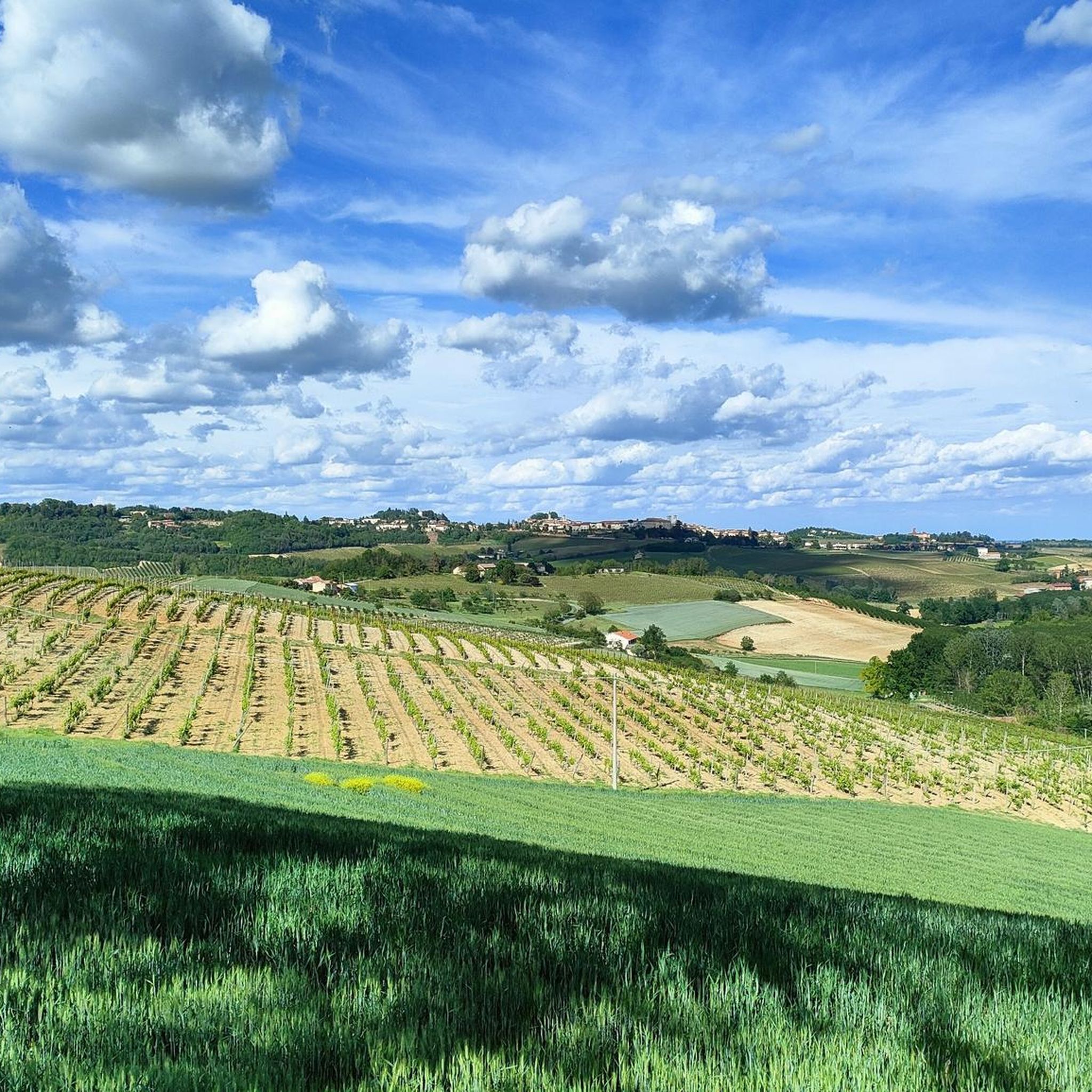
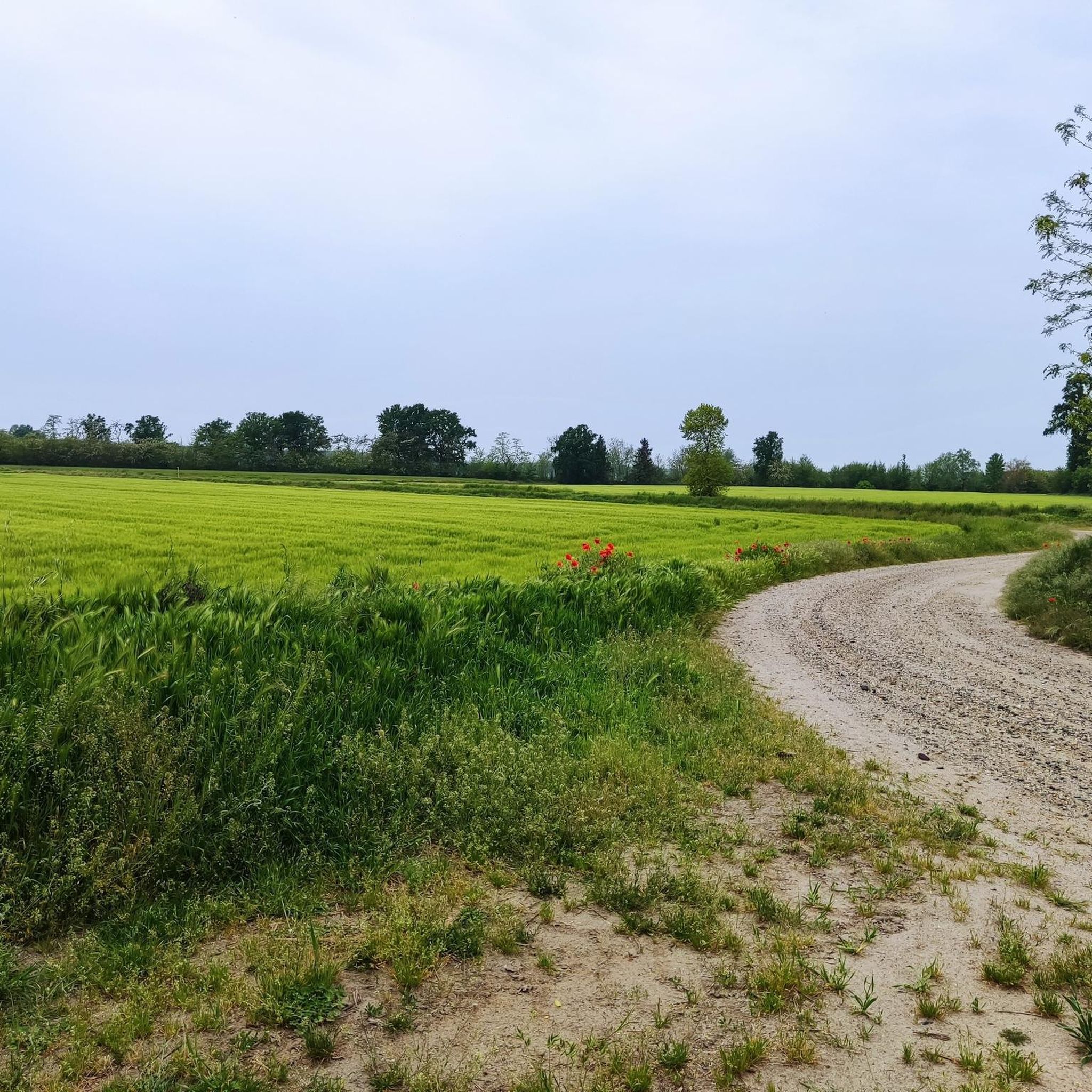
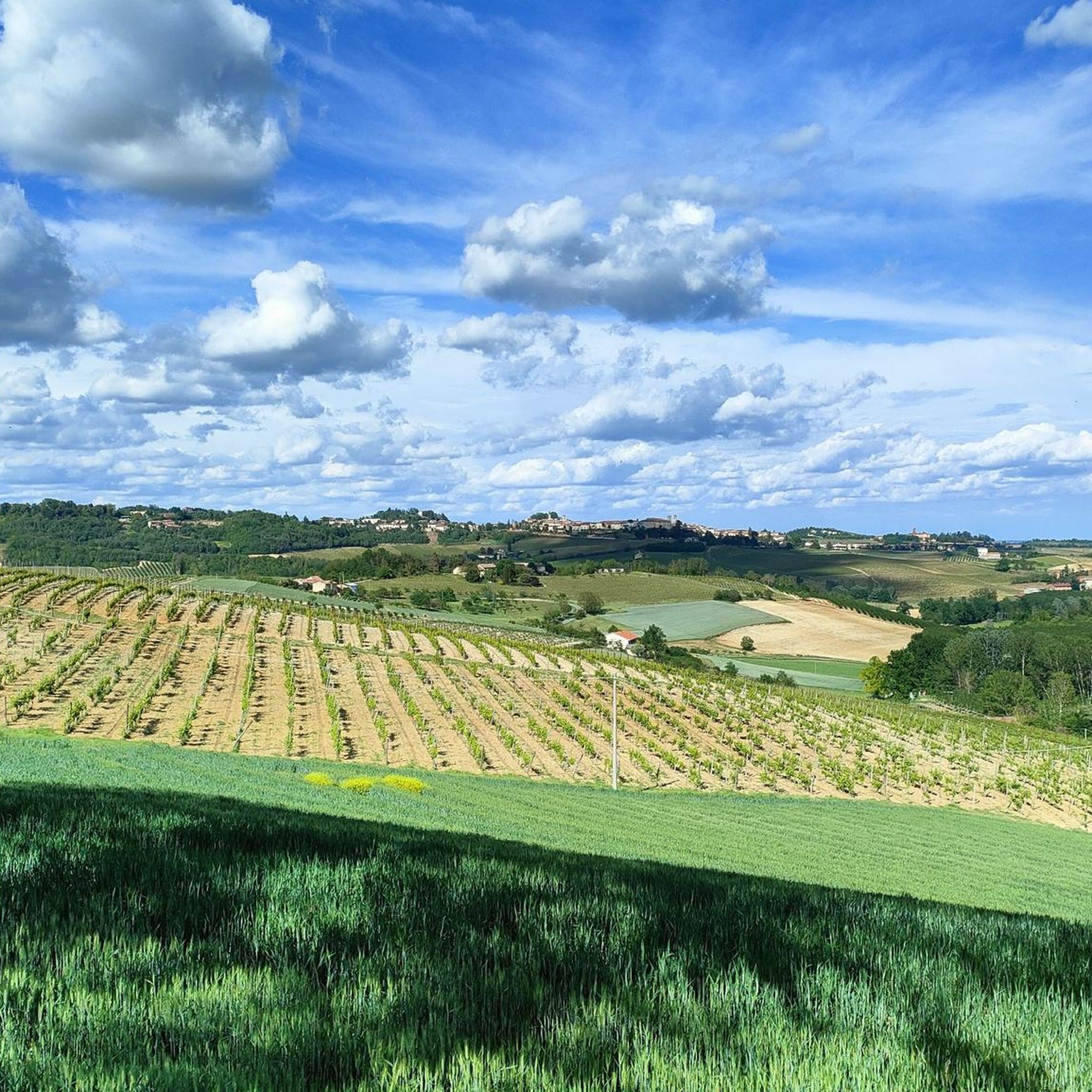
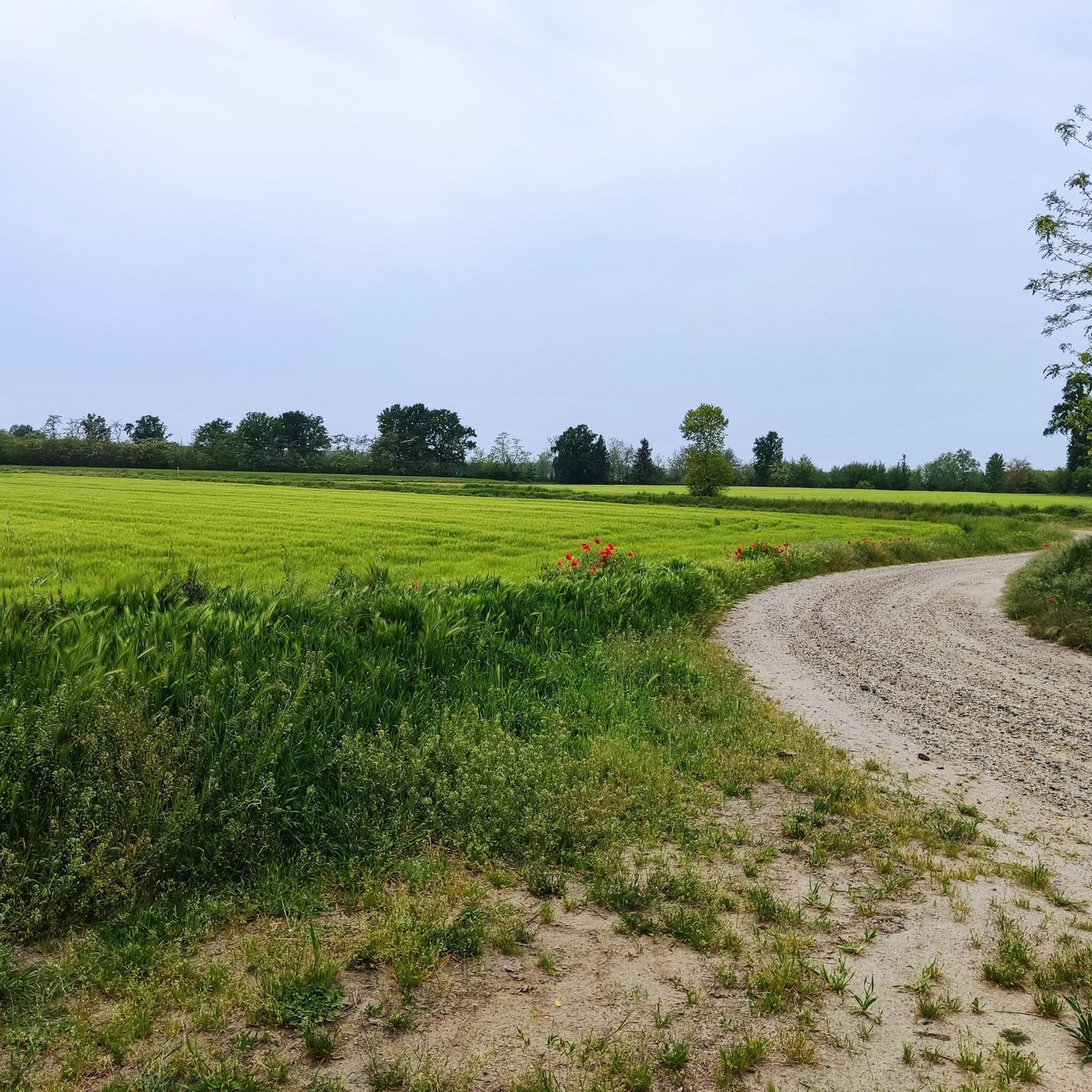

Tips from the Community

Sartirana beautiful castle, a pity about the cars parked in front
0
0

For pilgrims by bike: https://www.viefrancigene.org/it/resource/statictrack/da-mortara-a-pavia-tappa-06-in-bici/ From the Abbey of Sant'Albino, founded in the fifth century and then rebuilt, now a stop for pilgrims passing through Mortara, a beautiful path through cultivated fields and farms, irrigation canals and unexpected patches of trees leads us to Tromello, a stop on the route from Sigeric. Along the way we meet the sanctuary of Madonna delle Bozzole and pass some characteristic agricultural villages. Pay attention to the traffic along the SP 185. After Zerbolò we arrive at the confluence with the Ticino, which we bypass in some parts. The view of the river, combined with a varied presence of fauna, offers an evocative spectacle. Outside the cities it is not possible to get water, the only refreshment points are in Tromello and Zerbolò.
6
0
The Naviglio Langosco (in Lombard: Nivili Langosch) is a canal fed by the Ticino River. The purpose of this canal is to irrigate the fields in the Novarese and Lomellina regions. It was realized in the 17th century on the initiative of Count Guido Langosco. The count ordered the construction of the canal, which was designed by engineer Pietro Antonio Barca, and work began in 1613 and was completed in 1665. The canal begins in the province of Novara, north of the Ponte di Turbigo, and flows then through the areas of Galliate, Romentino, Trecate, and Cerano. It then leaves Piedmont and enters Lombardy, where it flows past Cassolnovo, Vigevano (where it crosses the Terdoppio), and Gambolò. It ends near Cascina Montagione, in the municipality of Tromello. 🏞️🇮🇹
6
0

The legendary Via Francigena.
16
0

Via francigena for Pavia.
2
0
The Naviglio Langosco, born from the waters of the Ticino in the valleys of Cameri in the locality of La Quercia, crosses the valleys and woods of the Ticino Valley, passing through the Vigevano hydroelectric plant to power its turbines, and ends near the Cascina Montagione in Tromello in the province of Pavia. The area surrounding the path of this watercourse is very beautiful, it can be reached with all the dirt bikes and even on foot as the Via Francigena passes through it.
11
0
The bumps are tiny hills, generally sandy, which until a few decades ago characterized the landscape of our Lomelline countryside. Most of these very modest reliefs have been leveled to make way for poplar groves and rice fields and the only testimony that remains of them is, in many cases, the ups and downs of the country roads which gives those who walk them the amazement of finding some meters above the level of the cultivated countryside. In the area of the bumps, the alternation of hollows and ridges is visible which testifies to how the surface of our plain has been shaped by the continuous changes in the paths of the rivers, by the incessant work of streams, as well as by the erosion caused by atmospheric agents. Those who pass through Lomellina, after having crossed long stretches of very flat countryside, are pleasantly surprised to discover, in the heart of these centers, small hills flanked by old houses or ancient churches overlooking gently sloping churchyards.
51
0
Olevano di Lomellina is a town in the province of Pavia and is located about 800 m from the left bank of the Agogna river in a flat area in the center of Lomellina. In Olevano there is also the Museum of art and peasant tradition. The museum is located in Via Cesare Battisti 11. The museum is open Saturday (14-18) and Sunday (9-12 and 14.30-18.30) By reservation it is possible to visit the Museum also during the weekdays. On the occasion of the Olevano Lomellina festival, it was traditional to exhibit peasant tools and old agricultural machinery. Since 1993 a group of enthusiasts has worked to make this exhibition permanent. In 2018 the Museum had a new exhibition that focused, in particular, on rice.
61
0
Frequently Asked Questions
What historical sites can I visit in Lomello?
Lomello boasts a rich history, particularly from the Roman and Lombard eras. Key historical sites include the exceptional early medieval complex of the Collegiata di Santa Maria Maggiore and the Baptistery of San Giovanni ad Fontes. You can also explore the remnants of the Medieval Walls and the 12th-century Romanesque Church of San Michele. Additionally, the nearby Sartirana Castle, built in the late 1300s, offers a glimpse into the region's past with its quadrilateral layout and historical collections.
What natural landscapes define the Lomellina region around Lomello?
The Lomellina region is characterized by its distinctive natural environment. You'll find extensive rice fields, which are particularly picturesque when flooded in late spring. The area is also crisscrossed by numerous waterways, streams, and canals, including the Agogna stream and the Naviglio Langosco, which irrigates the fields. These features contribute to the region's unique agricultural landscape and biodiversity.
Are there any family-friendly attractions in Lomello?
Yes, several attractions around Lomello are suitable for families. The Sartirana Castle offers historical exploration and cultural events. For a unique natural experience, the Dosso of Lomellina, with its tiny sandy hills and varied terrain, can be an interesting spot for children to explore the landscape.
Can I find hiking trails near Lomello?
Absolutely! The Lomellina region offers various hiking opportunities. You can explore trails that wind through cultivated fields, along irrigation canals, and past small agricultural villages. For specific routes, you can find options like the 'Loop tour in Lomellina' or 'Hiking loop from Sannazzaro de' Burgondi'. More details and routes are available on the Hiking around Lomello guide.
What cycling opportunities are available in the Lomellina region?
The flat terrain of the Lomellina region makes it ideal for cycling. You can cycle along the Naviglio Langosco, a canal path that is part of the Via Francigena. There are also numerous MTB trails, such as 'Percorso Vita Dorno – Boschetto di Dorno-Scaldasole loop' or 'Decorated Bicycle – Scaldasole Castle loop'. Discover more routes on the MTB Trails around Lomello guide.
What is the significance of the Via Francigena in Lomello?
Lomello was a significant hub along ancient communication routes, including the historic Via Francigena. This ancient pilgrimage route passes through the Lomellina region, offering a unique way to experience the landscape and history. You can find sections like the Via Francigena Path Near Pavia, which is popular for both walking and cycling.
When is the best time to visit Lomello to see the rice fields?
The extensive rice fields of Lomellina are a defining characteristic of the landscape. The best time to witness their unique beauty is in late spring, typically around May or June, when they are intentionally flooded, creating a vast, shimmering watery expanse.
Where can I observe local wildlife, especially birds, in the Lomellina region?
The abundance of water in Lomellina supports a rich birdlife, particularly various heron species. The region is known for its 'garzaie' (heronries), which are crucial nesting and breeding sites. The Garzaia di Sant'Alessandro is a notable example, recognized internationally for its high natural value and hosting many European Ardeidae species.
What unique geological features can I explore near Lomello?
Near Lomello, you can explore the Dosso of Lomellina. This natural monument consists of tiny, generally sandy hills that are remnants of ancient river paths and erosion. These modest reliefs offer an interesting alternation of hollows and ridges, providing insight into how the plain's surface has been shaped over time.
What is the Crivelli Castle and can I visit it?
The Crivelli Castle, situated on a hillock in Lomello, has origins tracing back to the 11th century. It houses 16th-century frescoes and remnants of Roman floor mosaics, including a mosaic depicting a Gorgon's head. While it's a significant historical landmark, its accessibility for public visits can vary. It's advisable to check local tourist information for current visiting hours and tour availability.
What are the main churches or religious sites in Lomello?
Lomello is home to several important religious sites. The Monumental Complex of Collegiata di Santa Maria Maggiore is an early example of Lombard Romanesque architecture, featuring a basilica plan and preserved decorative elements. Adjacent to it is the Baptistery of San Giovanni ad Fontes, a rare and significant early medieval structure. The Romanesque Church of San Michele, from the 12th century, is another notable site, believed to preserve relics of the True Cross.
Are there options for dining or accommodation in Lomello?
As a historic municipality, Lomello offers some local options for dining, typically featuring traditional Lomellina cuisine. For accommodation, you can find various choices ranging from hotels to B&Bs in Lomello and the surrounding towns within the Lomellina region. It's recommended to check local listings for current availability and reservations.
Is Lomello accessible by public transport?
Lomello is connected to nearby towns, such as Mortara, by public transport. While direct train lines might be limited, bus services often operate between these municipalities. For detailed schedules and routes, it's best to consult local transport providers or check resources like Visit Pavia for up-to-date information.
Are there any dog-friendly places or trails in Lomellina?
Many of the natural trails and outdoor areas in the Lomellina region are suitable for walks with dogs, provided they are kept on a leash and owners adhere to local regulations. The extensive network of paths along canals and through the countryside, including sections of the Via Francigena, can be enjoyable for both you and your canine companion. Always ensure to clean up after your pet.
What is the Ecomuseo del Paesaggio Lomellino?
The Ecomuseo del Paesaggio Lomellino is a widespread museum concept designed to protect and promote the natural and cultural heritage of the entire Lomellina landscape. It considers not only traditional artifacts but also the region's landscapes, architecture, craftsmanship, and oral traditions as 'museum objects.' The Ecomuseo highlights the area's biodiversity, including wetlands and forests, with rice cultivation as a central theme.
Most popular attractions around Lomello

Get inspired with the komoot mobile app


Explore more
Still not found the Highlight you’re looking for? See guides of the top attractions in other regions:
