Attractions and Places To See around Inverno E Monteleone - Top 20
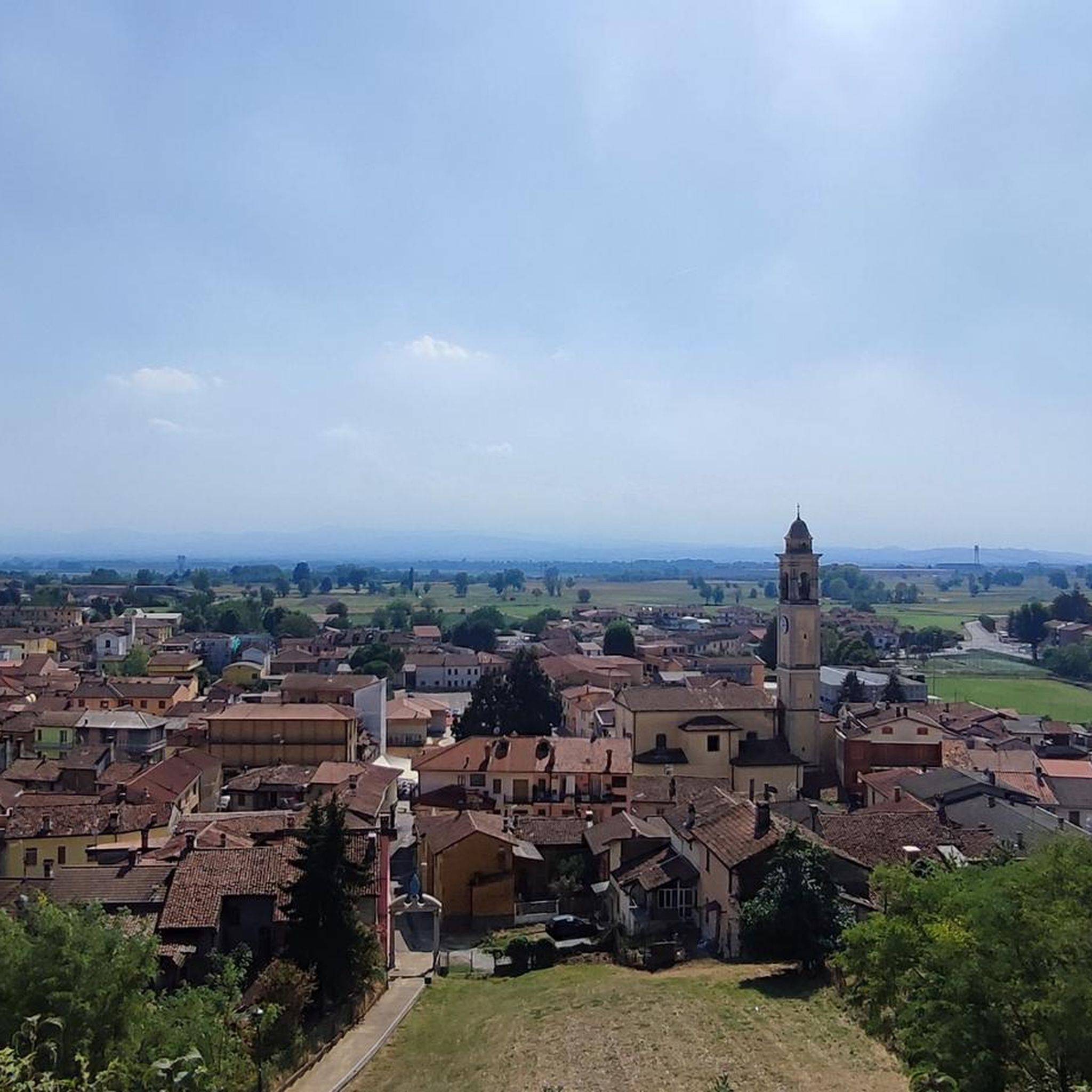
Best attractions and places to see around Inverno E Monteleone include a tranquil municipality in the province of Pavia, Lombardy. This region offers a blend of historical, cultural, and natural attractions. The area is characterized by a serene rural charm, gentle hills, and vineyards, particularly around Monteleone. It provides opportunities for exploring historical landmarks and enjoying the natural environment.
Best attractions and places to see around Inverno E Monteleone
- The most popular attractions is Chignolo Po Castle, a castle…
Last updated: June 22, 2026
Chignolo Po Castle
Highlight • Castle
Via Stazione, 27013 Chignolo Po PV
castellodichignolopo.it
3201198899
Translated by Google •
Tip by

San Colombano Castle
Highlight • Castle
Translated by Google •
Tip by

Sign up now to discover places like this
Get recommendations on the best single tracks, peaks, & plenty of other exciting outdoor places.
Sign up for free
Lambro River crossing
Highlight • Bridge
The Lambro is a river in the Italian region of Lombardy. The total length of the river is approximately 130 kilometers.
The source of the Lambro, …
Translated by Google •
Tip by

Little Church of Our Lady of Loreto
Highlight • Religious Site
The rural aedicule from the 15th century with an image of the Virgin of Loreto.
The ancient oratory …
Translated by Google •
Tip by
Church of San Giacomo della Cerreta
Highlight • Religious Site
Translated by Google •
Tip by
Sign up for free to discover even more attractions around Inverno E Monteleone.
Sign up for free
Already have an account?
Start today with a free account
Your next adventure awaits.
Login or Signup

Tips from the Community

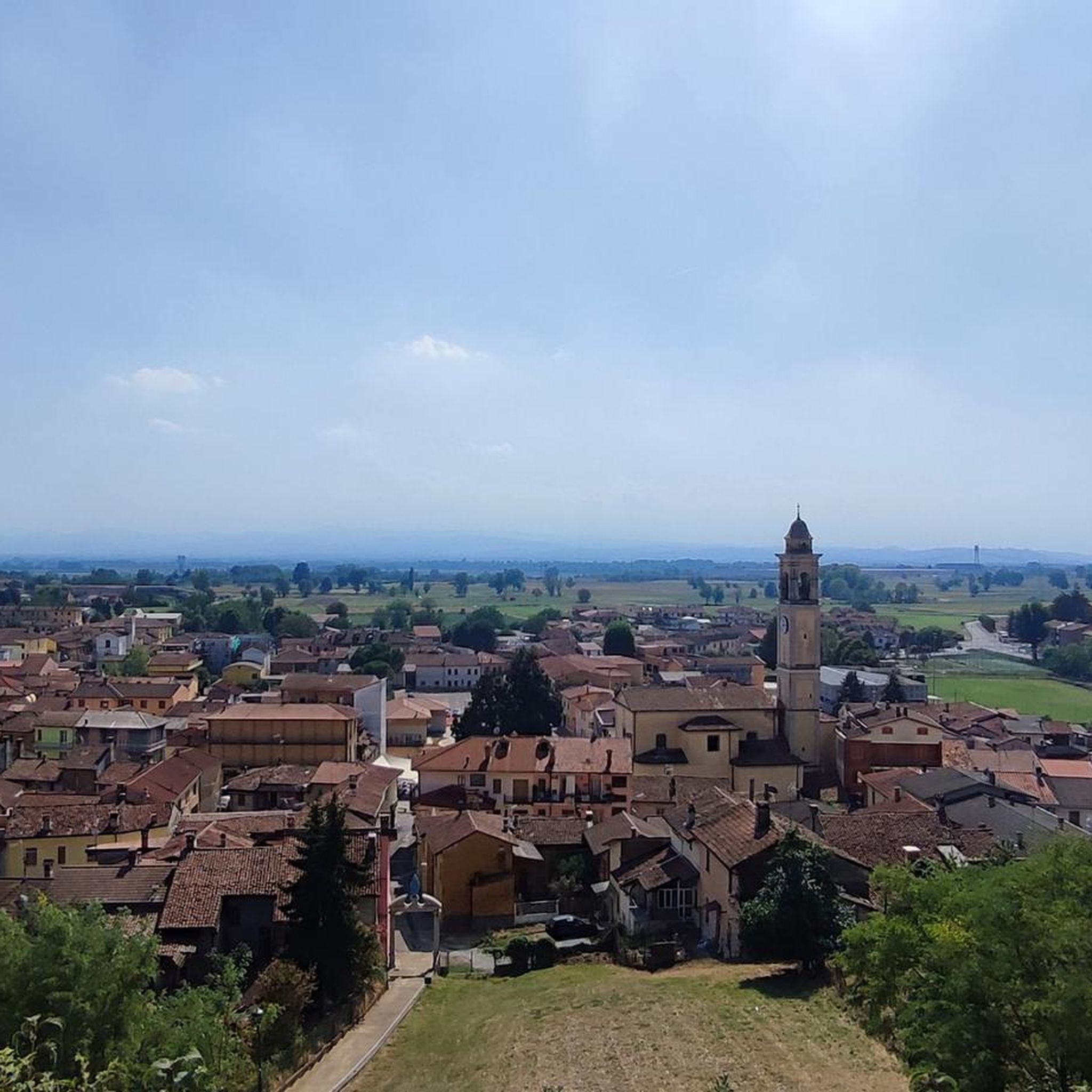
The Castello di San Colombano (or Castello Belgioioso) stands in the medieval village famous for its vineyards and for being an exclave in the province of Milan. Dating back to the 6th century and rebuilt by Barbarossa in 1164, it is divided between a private area (the keep) and a communal one (the fortified village).
0
0

The patronage of this shrine, dedicated to the Madonna, refers to the town of Loreto. This is one of the great and important Marian pilgrimage sites in Europe, along with Lourdes in the French Pyrenees and Fatima in Portugal. Unlike the other two places mentioned, however, Loreto is not known for apparitions of the Mother of God. Here, pilgrims can find something very tangible: Mary's childhood home in Nazareth (Israel). Her parents—not mentioned by name in the biblical writings of the New Testament—are mentioned in apocryphal traditions: Saint Anne and Saint Joachim are thus the grandparents of Jesus Christ (their common feast day in the calendar of saints is July 26). Crusaders likely dismantled the venerated building in Nazareth and brought it to Europe when the era of the Christian kingdoms in the Holy Land came to an end towards the end of the 13th century. But this very sober assumption is countered by a much more interesting legend: According to this, four angels carried out the translation and flew the house over the Mediterranean.
0
0

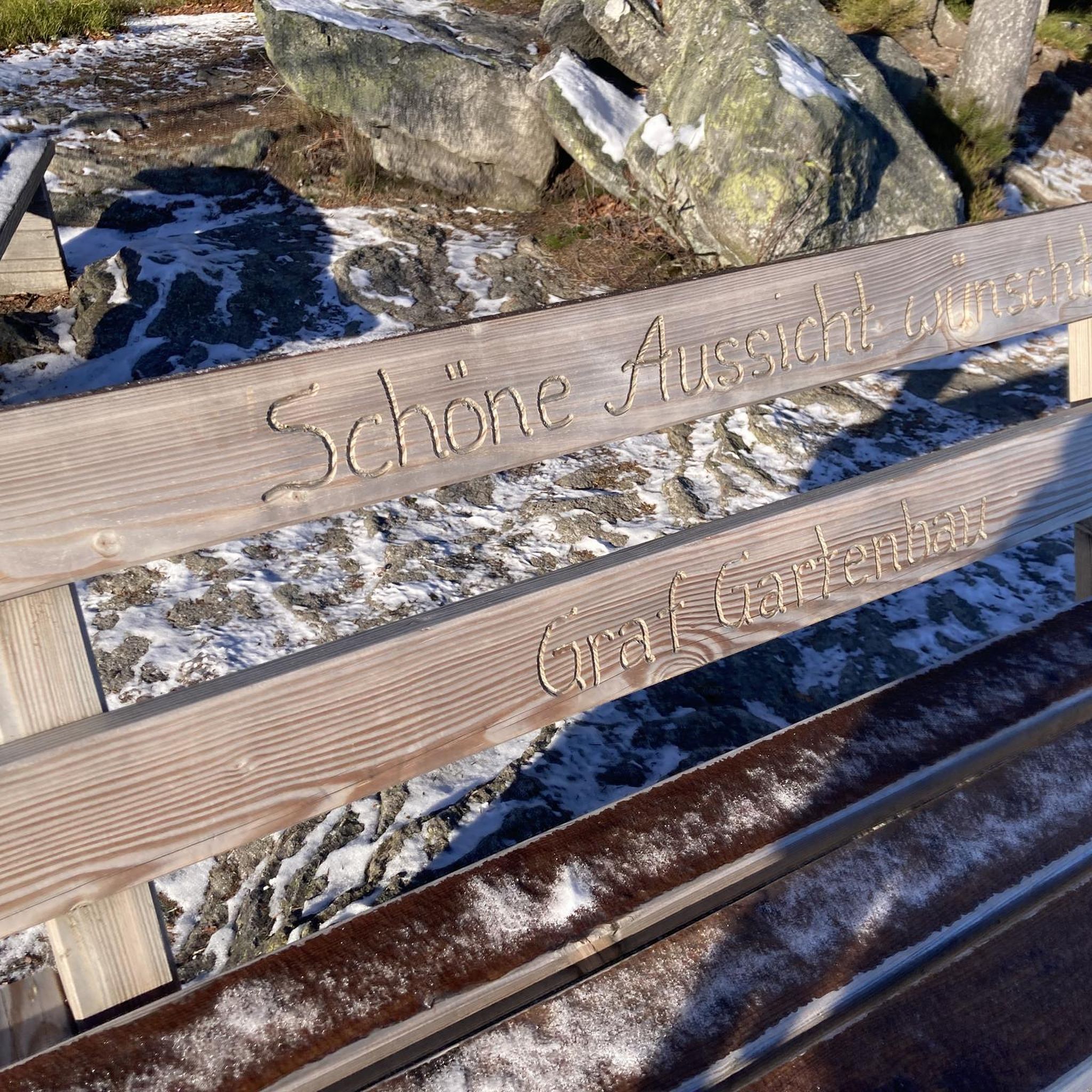
Unfortunately, this church of St. James on the Via Francigena was closed.
1
0
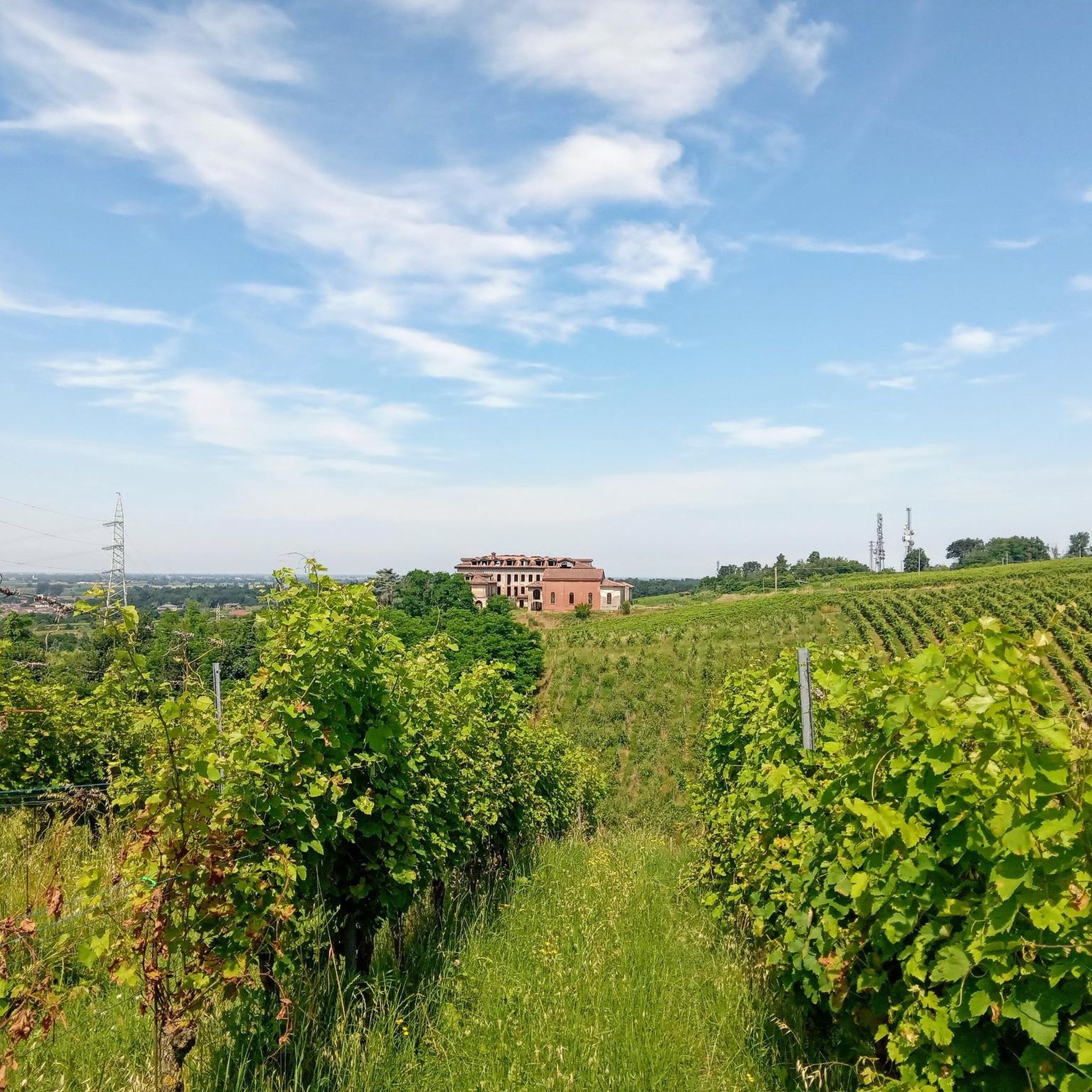
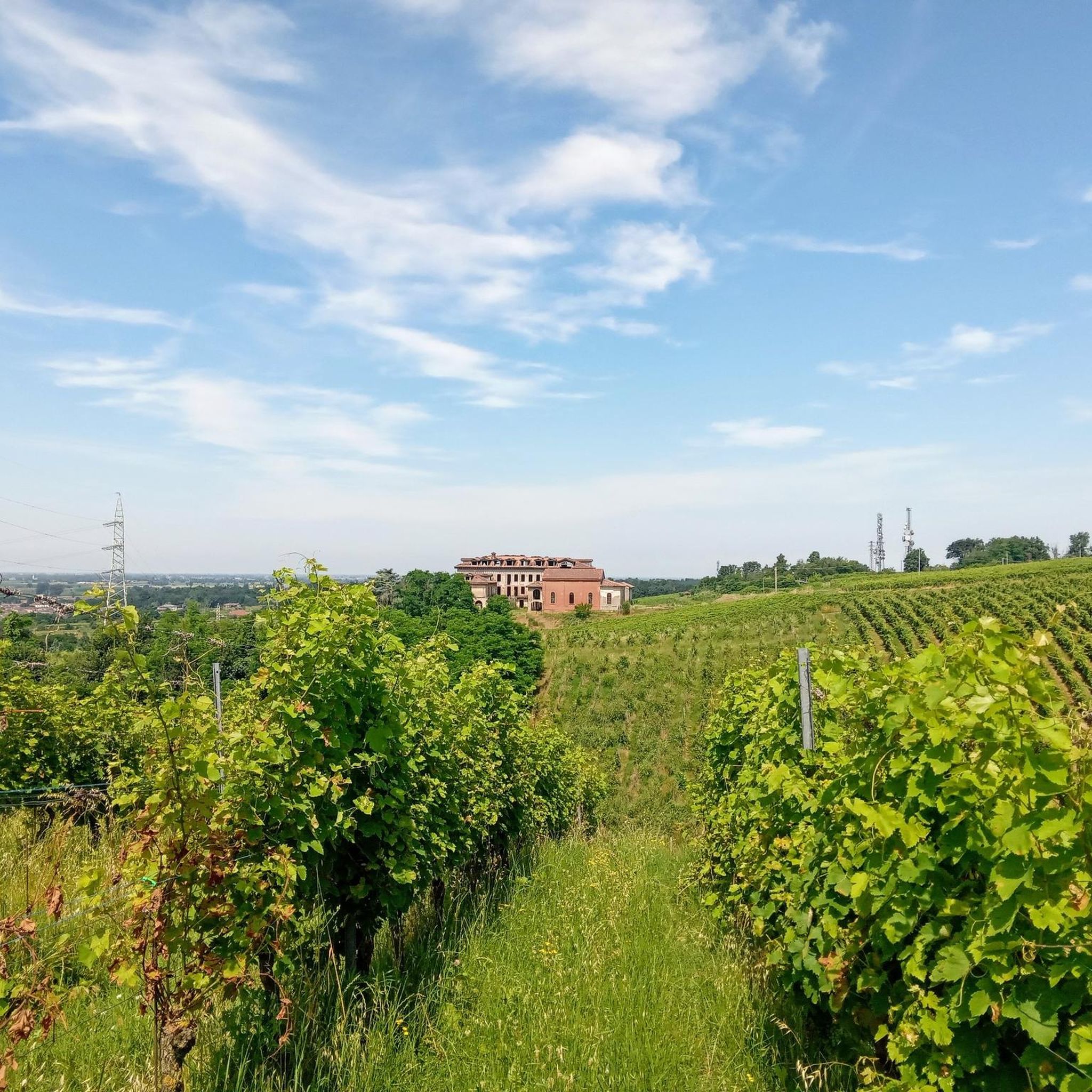
This palace is called the "Versailles" of Lombardy. Everything is locked. According to the sign, it can be visited by appointment. The grounds are vast.
1
0

I don't know when they will be finished but a cycle bridge is being planned downstream from the road bridge and it will avoid the stretch of SS 234, to date (March 2025) the foundations have been laid on both banks then we'll see...
1
0


On gravel we followed dirt roads along waterways and cycle paths as much as possible, but you can get there faster with a road bike.
0
0
We left Gorgonzola in the direction of the Chignolo Po Castle, one of the sumptuous country residences of Lombardy, and after about three hours we arrived at our destination... discovering that the Castle was closed... no big deal we took pictures from the outside. Its oldest part is the tower, built as a garrison on the Po and on the connecting routes between northern Europe and Italy. The Castle, built in the thirteenth century, was transformed into a princely palace in the eighteenth century, through an imaginative stylistic reworking of the building. It appears as a majestic terracotta construction, surmounted by a protruding gallery supported by stone brackets. Each window is framed in white. The most spectacular element is the central tower, square and with battlements, embellished with a small loggia. Inside you can admire the apartments in which Pope Clement XI, Napoleon Bonaparte and Francis I of Austria were hosted, as well as the sumptuous ballroom on whose ceiling the glory of the four seasons is painted. The Castle is also home to the Museum of the History of Lombard Agricultural Civilization, created with the intent of bringing together the many historical realities that have formed the foundation of the agricultural activities of the lower Po Valley and the Lombard Wine Museum. The visit route aims to admire the monumental complex of the Castle of Chignolo Po and to enhance the history of its centuries-old royal fiefdom and its position along the Via Francigena. The visits are only guided as the Castle is a private residence. Nice trip!
0
0
Frequently Asked Questions
What historical castles can I visit around Inverno E Monteleone?
The region is rich in historical castles. You can explore the impressive Chignolo Po Castle, often called the 'Versailles of Lombardy', which offers medieval and Renaissance routes. Another significant site is San Colombano Castle, with origins dating back to the 6th century and a history of transformations by powerful families like the Visconti-Sforzas. Additionally, the Castello di Inverno, rebuilt by the Knights of Malta between 1450 and 1478, is a notable landmark within the municipality.
Are there any significant religious sites or churches to visit?
Yes, several religious buildings hold historical and cultural importance. The Church of San Giacomo della Cerreta is a destination for pilgrims on the ancient Via Francigena, featuring Lombard art and 15th-century frescoes. The Little Church of Our Lady of Loreto, built in phases from the 15th to 18th centuries, is another important place of devotion. Other notable churches include the Chiesa di San Giovanni Battista, also rebuilt by the Knights of Malta, and the imposing late-Gothic Chiesa Santa Maria del Carmine from 1374.
What kind of outdoor activities can I do near Inverno E Monteleone?
The area offers a variety of outdoor activities, especially cycling and running. You can find numerous road cycling routes, such as the 'Graffignana Cycle Bridge – Ciaparat Chapel loop from Monteleone', which is an easy option. For mountain biking, consider the 'Ascent of the Forest – Miradolo Trails loop from Inverno e Monteleone'. Runners can enjoy trails like the 'Giant Cart loop from Miradolo Terme'. For more detailed routes and options, explore the dedicated guides for Road Cycling, MTB Trails, and Running Trails around Inverno E Monteleone.
Are there any family-friendly attractions in the area?
Yes, several attractions are suitable for families. Both Chignolo Po Castle and the Little Church of Our Lady of Loreto are categorized as family-friendly. Exploring the historical castles can be an engaging experience for children, and the tranquil natural environment provides opportunities for pleasant walks and outdoor enjoyment.
What natural features characterize the landscape around Inverno E Monteleone?
Inverno E Monteleone is known for its tranquil natural environment, featuring gentle hills, particularly around Monteleone. These hills are often covered with vineyards, offering picturesque views, especially towards the San Colombano hills. The area is ideal for relaxation and pleasant walks amidst serene rural charm. An ancient elephant femur fragment found in Monteleone also hints at the region's deep natural history.
Where can I find cultural museums or historical collections nearby?
For cultural insights, you can visit the Museo Contadino della Bassa Pavese in Santa Cristina and Bissone, which houses approximately two thousand historical farming tools. In Pavia, the Musei Civici del Castello Visconteo offer diverse collections, including archaeological, Lombard, Romanesque, and Renaissance art, along with the Pinacoteca Malaspina. The Museo di Mineralogia e Petrografia at the University of Pavia also boasts a rich collection.
Is there a scenic river crossing or viewpoint in the area?
The Lambro River crossing is a notable scenic point. It's the only crossing point for both cars and those traveling the Via Francigena on foot and by bicycle, offering a picturesque stretch of the route. The gentle hills around Monteleone also provide characteristic views, especially towards the San Colombano hills.
What is the best time to visit Inverno E Monteleone?
The region's tranquil natural environment and outdoor activities are best enjoyed during milder weather. Spring and autumn offer pleasant temperatures for exploring historical sites, walking through vineyards, and engaging in cycling or running routes. The picturesque views of the hills and vineyards are particularly vibrant during these seasons.
Are there any unique historical structures beyond castles and churches?
Yes, the Torre Civica (Civic Tower) of Stradella, built by Gian Galeazzo Visconti, is a medieval tower with Ghibelline battlements. Another unique site is the Chiostro di Santa Maria alle Cacce, originally built in 747 by King Rachis, which still displays Lombard architectural elements and frescoes despite being rebuilt.
What do visitors enjoy most about the attractions around Inverno E Monteleone?
Visitors particularly appreciate the rich history and architectural beauty of the castles, such as Chignolo Po Castle, noting its ancient history and interesting medieval and Renaissance routes. The historical significance of sites like San Colombano Castle and the role of the Lambro River crossing on the Via Francigena are also highly valued. The serene rural charm and picturesque views of the gentle hills and vineyards contribute to a relaxing and enriching experience.
Can I find any monasteries or convents in the vicinity?
Yes, the Monastero della Certosa di Pavia, built in the late 1300s by the Duke of Milan, is a significant site with interiors adorned with frescoes from the 15th to 18th centuries. It has been inhabited by Cistercians since 1968. Additionally, the Convento di Sant'Agostino is located adjacent to the Basilica of San Pietro in Ciel d'Oro, which houses the remains of St. Augustine.
Most popular routes around Inverno E Monteleone
Most popular attractions around Inverno E Monteleone

Get inspired with the komoot mobile app


Explore more
Still not found the Highlight you’re looking for? See guides of the top attractions in other regions:
