Top 5 Castles around Zerbo
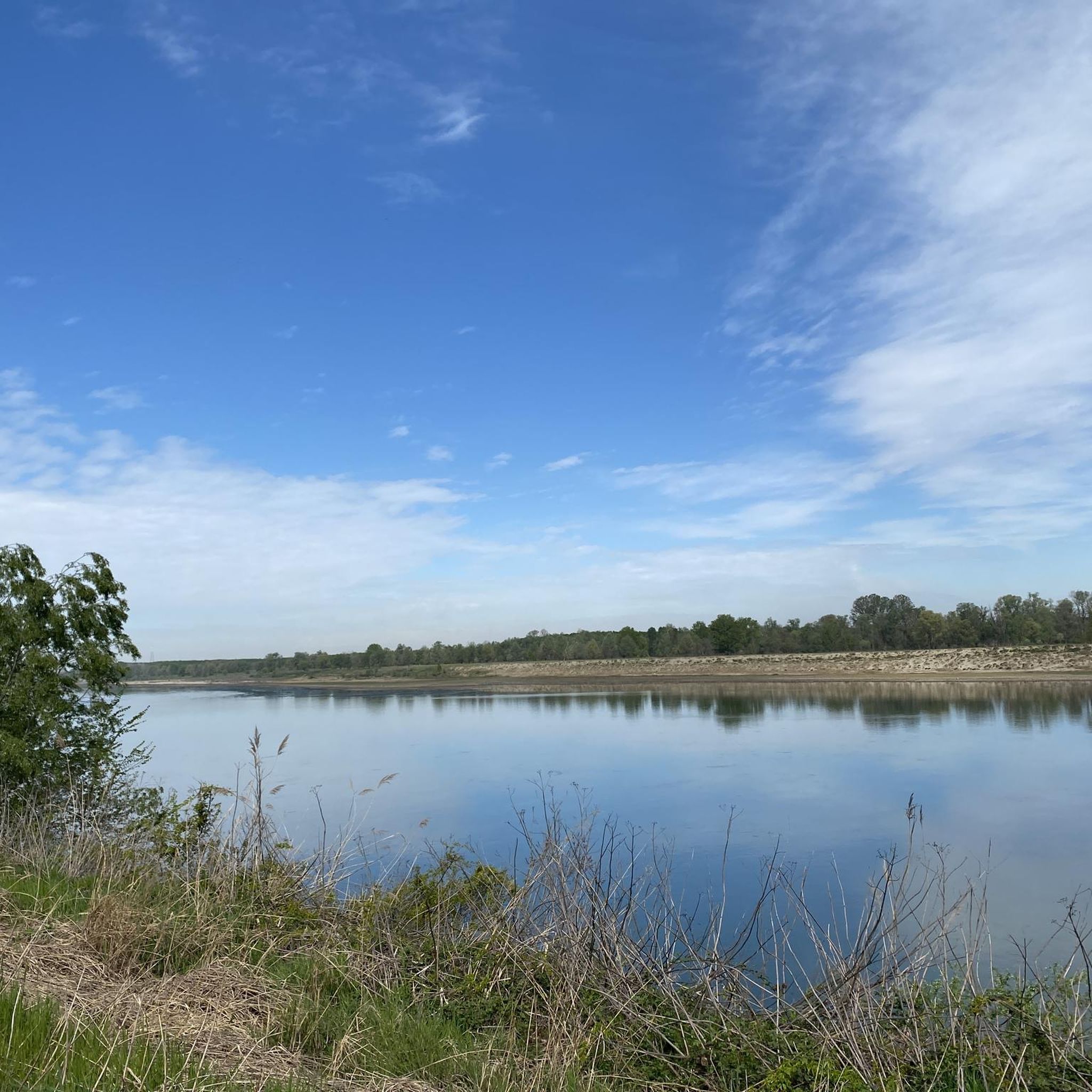
Castles around Zerbo are situated in a region of northern Italy, likely within the Lombardy or Emilia-Romagna plains, characterized by historical settlements and agricultural landscapes. This area features a collection of ancient fortresses and noble residences, reflecting centuries of strategic importance and cultural development. Visitors can explore a variety of architectural styles, from medieval strongholds to Renaissance palaces. The flat to gently rolling terrain makes these historical sites accessible for exploration.
Best castles around Zerbo
- The most popular castles is…
Last updated: June 17, 2026
Chignolo Po Castle
Highlight • Castle
Via Stazione, 27013 Chignolo Po PV
castellodichignolopo.it
3201198899
Translated by Google •
Tip by

San Colombano Castle
Highlight • Castle
Translated by Google •
Tip by

Sign up now to discover places like this
Get recommendations on the best single tracks, peaks, & plenty of other exciting outdoor places.
Sign up for free
Church of San Michele Arcangelo, Belgioioso
Highlight • Religious Site
The castle was originally built in the 14th century by the Belgioioso family. It served as a fortified residence to …
Translated by Google •
Tip by

Rocca of Borgonovo Val Tidone
Highlight • Castle
Piazza Giuseppe Garibaldi, 18, 29011 Borgonovo Val Tidone PC
Translated by Google •
Tip by
Castello di Luzzano
Highlight • Castle
Translated by Google •
Tip by

Sign up for free to discover even more castles around Zerbo.
Sign up for free
Already have an account?
Start today with a free account
Your next adventure awaits.
Login or Signup

Tips from the Community

The Castello di San Colombano (or Castello Belgioioso) stands in the medieval village famous for its vineyards and for being an exclave in the province of Milan. Dating back to the 6th century and rebuilt by Barbarossa in 1164, it is divided between a private area (the keep) and a communal one (the fortified village).
0
0

This palace is called the "Versailles" of Lombardy. Everything is locked. According to the sign, it can be visited by appointment. The grounds are vast.
1
0


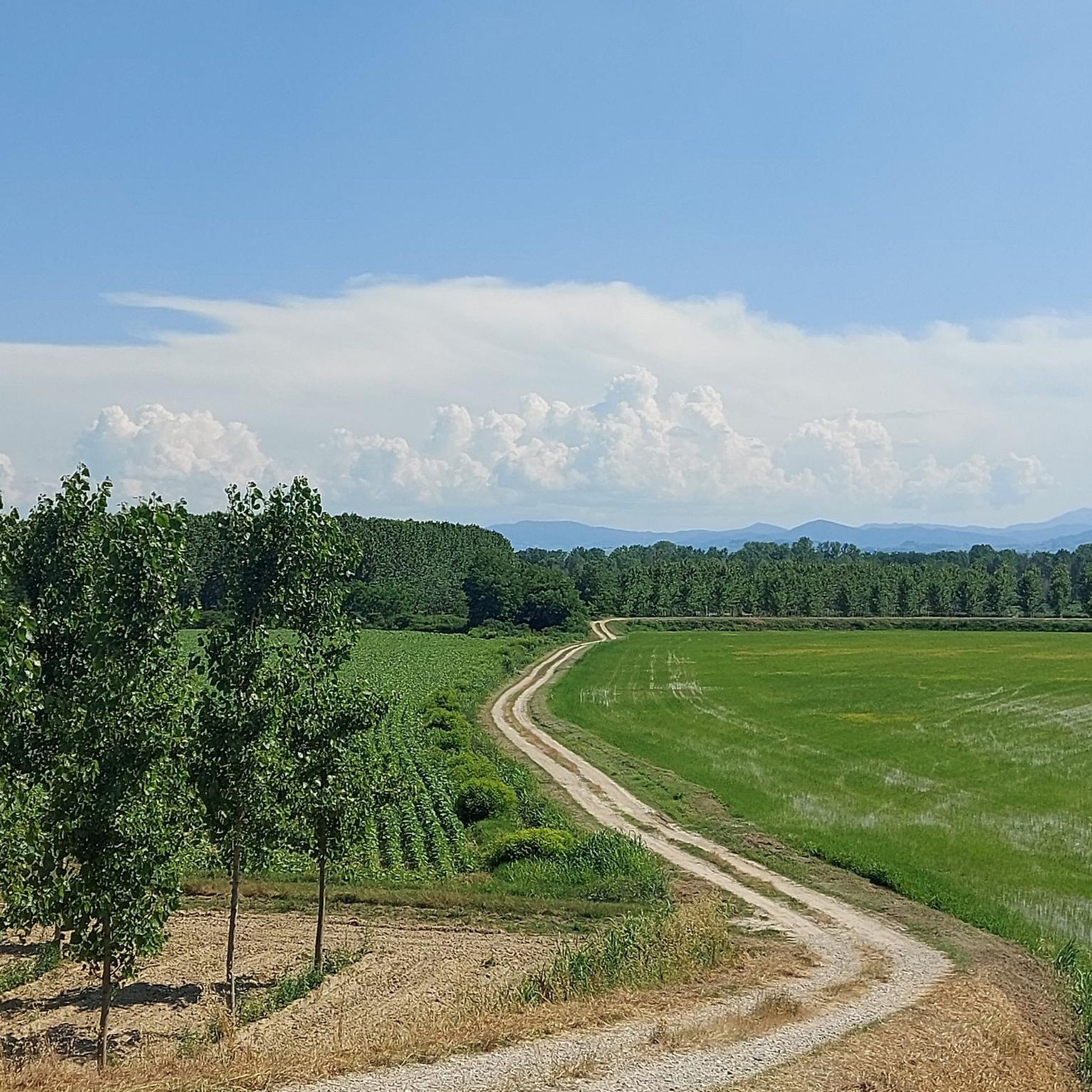
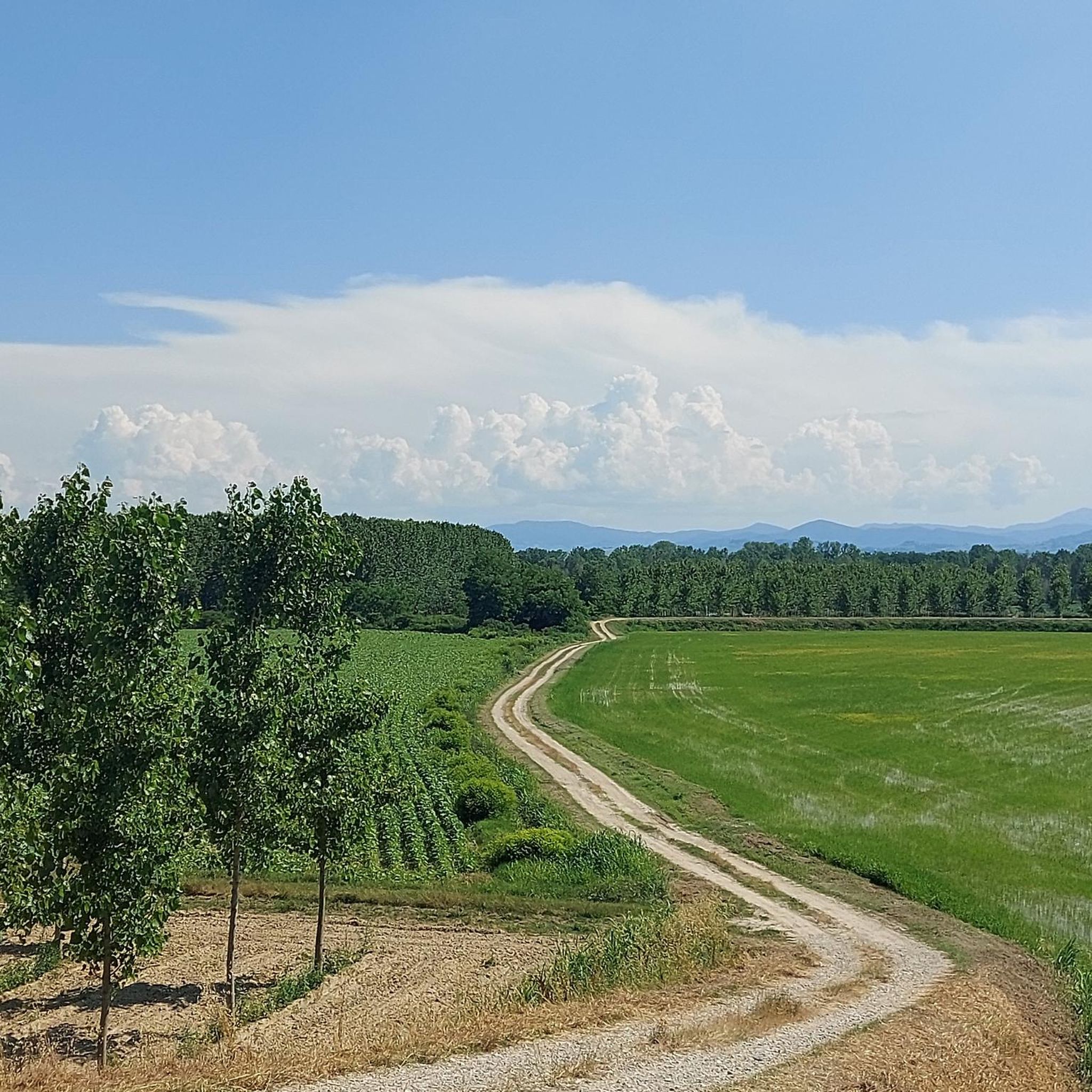
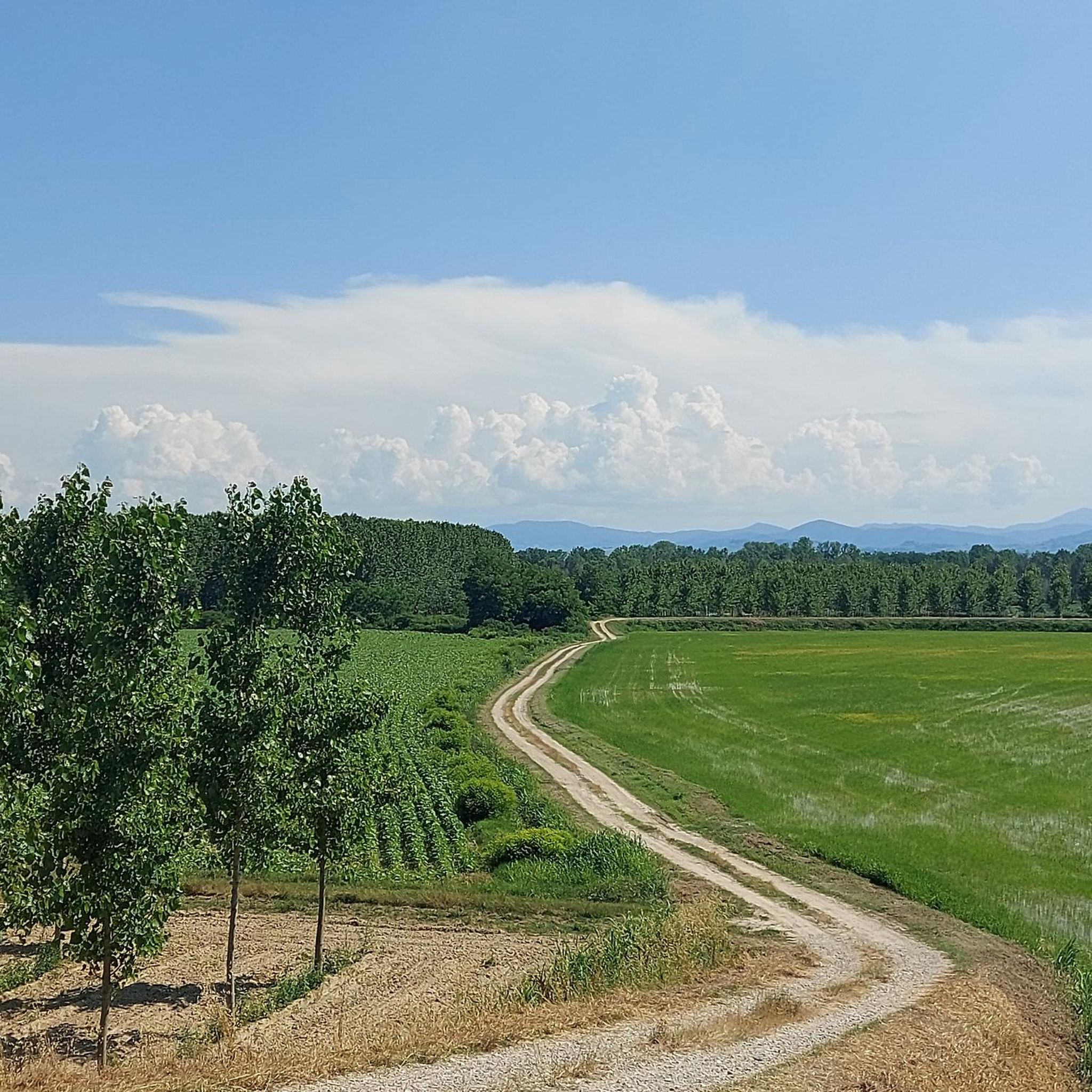
On gravel we followed dirt roads along waterways and cycle paths as much as possible, but you can get there faster with a road bike.
0
0
We left Gorgonzola in the direction of the Chignolo Po Castle, one of the sumptuous country residences of Lombardy, and after about three hours we arrived at our destination... discovering that the Castle was closed... no big deal we took pictures from the outside. Its oldest part is the tower, built as a garrison on the Po and on the connecting routes between northern Europe and Italy. The Castle, built in the thirteenth century, was transformed into a princely palace in the eighteenth century, through an imaginative stylistic reworking of the building. It appears as a majestic terracotta construction, surmounted by a protruding gallery supported by stone brackets. Each window is framed in white. The most spectacular element is the central tower, square and with battlements, embellished with a small loggia. Inside you can admire the apartments in which Pope Clement XI, Napoleon Bonaparte and Francis I of Austria were hosted, as well as the sumptuous ballroom on whose ceiling the glory of the four seasons is painted. The Castle is also home to the Museum of the History of Lombard Agricultural Civilization, created with the intent of bringing together the many historical realities that have formed the foundation of the agricultural activities of the lower Po Valley and the Lombard Wine Museum. The visit route aims to admire the monumental complex of the Castle of Chignolo Po and to enhance the history of its centuries-old royal fiefdom and its position along the Via Francigena. The visits are only guided as the Castle is a private residence. Nice trip!
0
0

The church of San Michele Arcangelo is in an excellent state of conservation thanks to recent restorations. The façade shows a typical style of the 17th century and is divided into two parts by a horizontal brick frame. At the bottom, there are three portals flanked by slender pilasters. Above the central portal is a fresco dedicated to the saint. The upper half is framed by two curly volutes and two hollow niches that enclose a central window. The façade is crowned by a slightly projecting tympanum with a cross and three columns. The colours of the façade, a delicate balance between white and brown, give a foretaste of the opulence and wealth inside.
6
0
The Castello di Belgioioso, has a rich and fascinating history. The castle was originally built in the 14th century by the Belgioioso family. It served as a fortified residence to protect the surrounding area and as a symbol of power and prestige. In the 16th century, the castle underwent important renovations and extensions. The architecture was influenced by the Renaissance style, with elegant loggias, arcades and beautiful frescoes. In the 18th century, Antonio Barbiano obtained the elevation of Belgioioso to a principality in 1796 and expanded and rebuilt the medieval castle, enriched with extensive gardens and greenhouses in neoclassical style by the architect Leopold Pollack. In the 19th century, the castle became a meeting place for artists, writers and philosophers. It was a breeding ground for creativity and intellectual exchange. Today, the Castle of Belgioioso is managed by the Ente Fiera dei Castelli di Belgioioso e Sartirana. It organizes exhibitions and events that highlight the history, art and culture of the region.
6
0

Place of cultural, artistic, historical and tourist interest Via Dante Alighieri, 1, 27011 Belgioioso PV https://www.belgioioso.it/ 0382970525
2
0
Frequently Asked Questions
What are some of the most historically significant castles around Zerbo?
The region boasts several castles with deep historical roots. Chignolo Po Castle, for instance, has a main tower dating back to the Lombards, reflecting over 1300 years of history. San Colombano Castle's origins may trace back to the 6th century, having been rebuilt by Frederick I, known as Barbarossa, and later owned by the Visconti-Sforzas.
Are there family-friendly castles to visit near Zerbo?
Yes, several castles in the area are suitable for family visits. Chignolo Po Castle is listed as family-friendly, offering an engaging experience for all ages with its medieval and Renaissance routes. The Rocca of Borgonovo Val Tidone is also categorized as family-friendly, providing a glimpse into medieval fortifications.
What kind of architecture can I expect to see in the castles around Zerbo?
The castles around Zerbo showcase a variety of architectural styles, reflecting centuries of development. You'll find medieval fortresses like the Rocca of Borgonovo Val Tidone with its typical fourteenth-century Po Valley castle elements, alongside Renaissance palaces and elegant noble residences. Chignolo Po Castle, known as the 'Versailles of Lombardy', features both medieval and Renaissance architectural elements.
What outdoor activities can I do near these castles?
The region around Zerbo offers various outdoor activities. You can explore gravel biking routes, with options like the Miradolo Trails or the Montescano Hill Climb. For those who prefer walking, there are numerous hiking trails, including loops from Stradella or Miradolo Terme. Cycling routes are also available, such as the Lombard Embankment of the Po River loop.
Are there hiking trails near the castles?
Yes, there are several hiking opportunities near the castles. For example, you can find trails around Stradella, including a moderate loop with a View of Canneto Pavese, or an easy hiking loop directly from Stradella. Another moderate option is the Madonna del Latte Chapel loop from Miradolo Terme. You can find more details and routes in the Hiking around Zerbo guide.
What is the best time to visit the castles around Zerbo?
While specific opening hours vary by castle, the region's flat to gently rolling terrain makes these historical sites accessible for exploration throughout much of the year. Spring and autumn generally offer pleasant weather for exploring both the castles and nearby outdoor routes, avoiding the summer heat and potential winter chill.
What do visitors enjoy most about the castles around Zerbo?
Visitors frequently appreciate the rich history and distinct architectural features of each castle. For instance, Chignolo Po Castle is praised for its ancient history and interesting medieval and Renaissance tours. The San Colombano Castle is noted for its impressive structure divided into a shelter and a fortress, located high on a hillside. The komoot community has shared over 60 photos and given more than 70 upvotes, highlighting the visual appeal and historical depth of these sites.
Can I find castles that have been transformed into residences or offer unique features?
Yes, Castello di Luzzano is a great example. It was transformed into an elegant residence by the Marquises Malvicini Fontana and features large cellars and a thousandth tower with a 'blade well' from the feudal era. This blend of historical defense and refined living offers a unique visiting experience.
Are there castles near Zerbo that are also associated with religious sites?
Yes, the Church of San Michele Arcangelo in Belgioioso is located near the Castello di Belgioioso, which has a rich history as a fortified residence and later a Renaissance-style palace. While the church itself is a religious building, its proximity to the castle highlights the intertwined history of faith and power in the region.
What are the characteristics of the landscape surrounding the castles?
The castles around Zerbo are situated in a region of northern Italy, likely within the Lombardy or Emilia-Romagna plains. The landscape is characterized by historical settlements and agricultural areas, with flat to gently rolling terrain. This makes the historical sites easily accessible and offers pleasant views of the surrounding countryside.
Are there any castles that were originally built for defensive purposes?
Absolutely. The Rocca of Borgonovo Val Tidone was founded in 1196 by the Municipality of Piacenza specifically to defend the western border of its territories. It was equipped with a fortress, towers, and city walls, and its deep moat and drawbridge access points are still visible today, showcasing its original military function.
Most popular attractions around Zerbo

Get inspired with the komoot mobile app


Explore more
Looking for the best castles somewhere else? Discover other guides around Zerbo:
