Attractions and Places To See around Zenevredo - Top 20
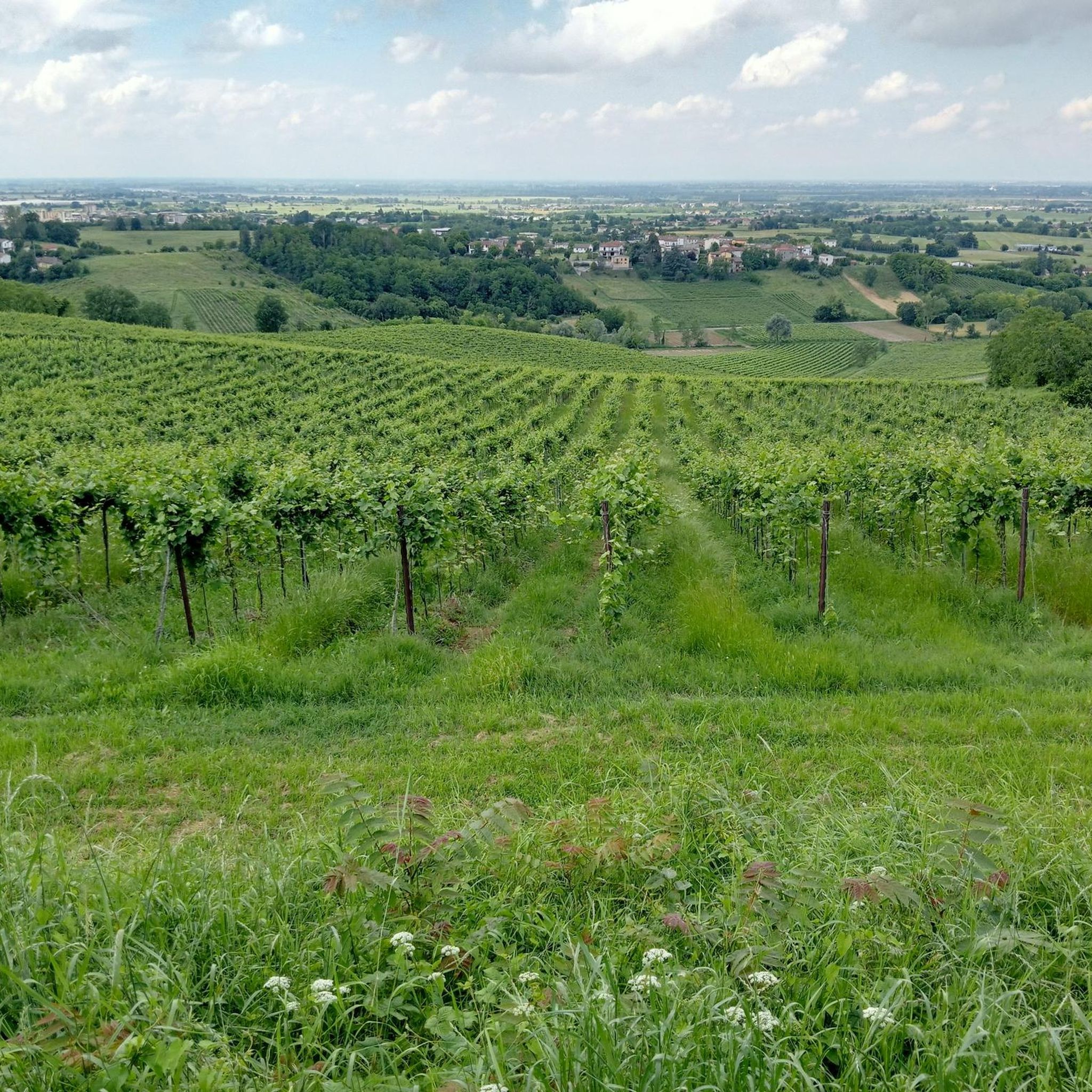
Attractions and places to see around Zenevredo include a blend of historical landmarks and natural beauty within the Oltrepò Pavese region of Lombardy, Italy. This medieval village is characterized by rolling hills and abundant vineyards, offering a picturesque setting for exploration. Visitors can discover ancient castle remains, historic churches, and rural constructions that reflect its rich past.
Best attractions and places to see around Zenevredo
- The most popular attractions is Cicognola Castle and Viewpoint, a castle located in a…
Last updated: June 24, 2026
Cicognola Castle and Viewpoint
Highlight • Castle
Translated by Google •
Tip by

Little Church of Our Lady of Loreto
Highlight • Religious Site
The rural aedicule from the 15th century with an image of the Virgin of Loreto.
The ancient oratory …
Translated by Google •
Tip by

Sign up now to discover places like this
Get recommendations on the best single tracks, peaks, & plenty of other exciting outdoor places.
Sign up for free
Church of San Giacomo della Cerreta
Highlight • Religious Site
Translated by Google •
Tip by
Rocca of Borgonovo Val Tidone
Highlight • Castle
Piazza Giuseppe Garibaldi, 18, 29011 Borgonovo Val Tidone PC
Translated by Google •
Tip by

Casa Stranissima, Torre de' Negri
Highlight • Structure
Translated by Google •
Tip by
Sign up for free to discover even more attractions around Zenevredo.
Sign up for free
Already have an account?
Start today with a free account
Your next adventure awaits.
Login or Signup

Tips from the Community

The patronage of this shrine, dedicated to the Madonna, refers to the town of Loreto. This is one of the great and important Marian pilgrimage sites in Europe, along with Lourdes in the French Pyrenees and Fatima in Portugal. Unlike the other two places mentioned, however, Loreto is not known for apparitions of the Mother of God. Here, pilgrims can find something very tangible: Mary's childhood home in Nazareth (Israel). Her parents—not mentioned by name in the biblical writings of the New Testament—are mentioned in apocryphal traditions: Saint Anne and Saint Joachim are thus the grandparents of Jesus Christ (their common feast day in the calendar of saints is July 26). Crusaders likely dismantled the venerated building in Nazareth and brought it to Europe when the era of the Christian kingdoms in the Holy Land came to an end towards the end of the 13th century. But this very sober assumption is countered by a much more interesting legend: According to this, four angels carried out the translation and flew the house over the Mediterranean.
0
0

Unfortunately, this church of St. James on the Via Francigena was closed.
1
0

The Chiesuolo della Madonna di Loreto was built in three successive phases: The rural aedicule from the 15th century with an image of the Virgin of Loreto. The ancient oratory in brick from the 17th century, also dedicated to the Madonna di Loreto. The current church, dating from 1781. Architecture: The church has a single nave with a protiro (covered entrance) and is built of exposed brickwork. Inside there are frescoes and an altarpiece with the Madonna di Loreto. Significance: The Chiesuolo is also called ‘Il Chiesuolo’ and is dedicated to the Madonna of Loreto. It is an important historical testimony and a place of devotion. https://www.lombardiabeniculturali.it/architetture/schede/PV240-01108/
6
0
In the small town of Torre de' Negri, located in the Pavia region, there is a remarkable house called Casa Stranissima. This house seems straight out of a fairytale amusement park, with a picturesque and curious appearance. Unfortunately, little information is available about this mysterious house.
8
0
In the countryside between Belgioioso and the river Po, near the hamlet of San Giacomo della Cerreta stands the small church of San Giacomo, a destination for pilgrims because it is located on the ancient route of the Via Francigena, to which its name refers to another of the destinations of medieval pilgrims: Santiago de Compostella in Spain. In the past, near San Giacomo della Cerreta, there was the small settlement of Porcaria, whose name refers to the breeding of pigs, documented from the twelfth century and disappeared in the fourteenth century. The church is of Lombard art from the first half of the fifteenth century, it has a single room, entirely painted with votive paintings related to pilgrimages. In addition to the Madonna, Saint Roch and Saint James are repeatedly depicted, both in the guise of pilgrims, carrying a stick and a saddlebag. In the images of St. James, the characteristic shell that pilgrims collected at Cape Finisterre, on the beaches of the Atlantic Ocean, has been added as a sign and reminder of the journey made.
6
0

The Borgonuovo oppidum was founded in 1196 by the Municipality of Piacenza to defend the western border of its territories, equipped with a fortress, towers and city walls with an escarpment and fortified entrances. In the current complex, built entirely of bricks, the fortress and the receptacle can clearly be distinguished. These buildings together with the church and the pilgrims' hospital once formed the village of Calendasco. The body of the fortress has typical elements of fourteenth-century Po Valley castles, such as the sawtooth motif combined with the crowning of small windows with segmental arches. The deep moat, the entrance, once equipped with a drawbridge as can be seen from the recesses of the ravelin, and the pusterla, or small door, with drawbridge access are still visible. To the south is a semicircular tower much higher than the rest of the building; the north-east wing, equipped with a scarp and with a rustic appearance and lack of homogeneity, dates back to a later period. The entrance hall, covered by a cross vault decorated with sixteenth-century frescoes, leads into the courtyard where a portico with three arches is visible. The receptacle, a rustic body with small arched windows and a decorative sawtooth motif, is outside the moat, near the bridge-beater.
0
0
Fortress of Borgonovo Valtidone The Borgonuovo oppidum was founded in 1196 by the Municipality of Piacenza to defend the western border of its territories, equipped with a fortress, towers and city walls with an escarpment and fortified entrances. In the current complex, built entirely of bricks, the fortress and the receptacle can clearly be distinguished. These buildings together with the church and the pilgrims' hospital once formed the village of Calendasco. The body of the fortress has typical elements of fourteenth-century Po Valley castles, such as the sawtooth motif combined with the crowning of small windows with segmental arches. The deep moat, the entrance, once equipped with a drawbridge as can be seen from the recesses of the ravelin, and the pusterla, or small door, with drawbridge access are still visible. To the south is a semicircular tower much higher than the rest of the building; the north-east wing, equipped with a scarp and with a rustic appearance and lack of homogeneity, dates back to a later period. The entrance hall, covered by a cross vault decorated with sixteenth-century frescoes, leads into the courtyard where a portico with three arches is visible. The receptacle, a rustic body with small arched windows and a decorative sawtooth motif, is outside the moat, near the bridge-beater.
0
0

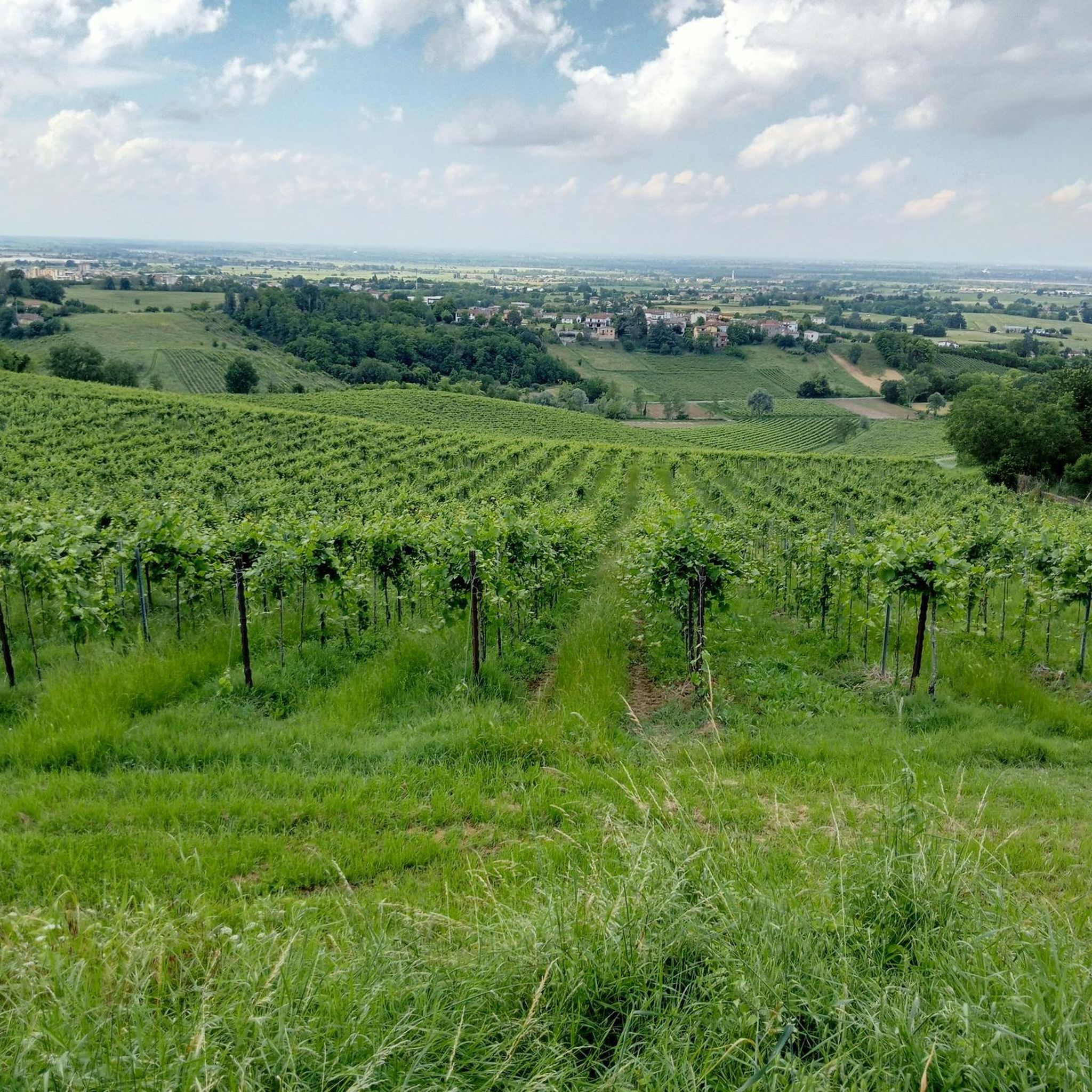
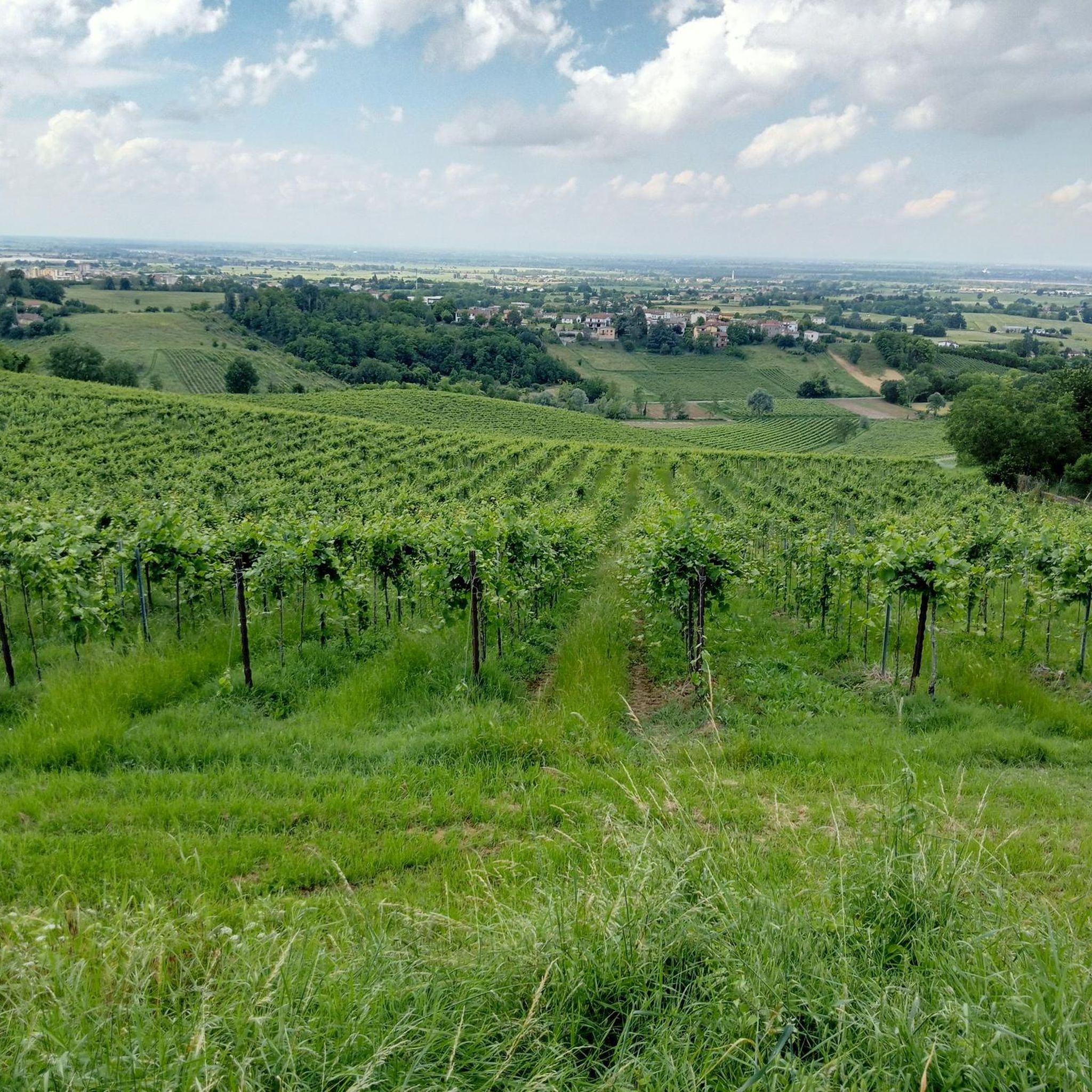
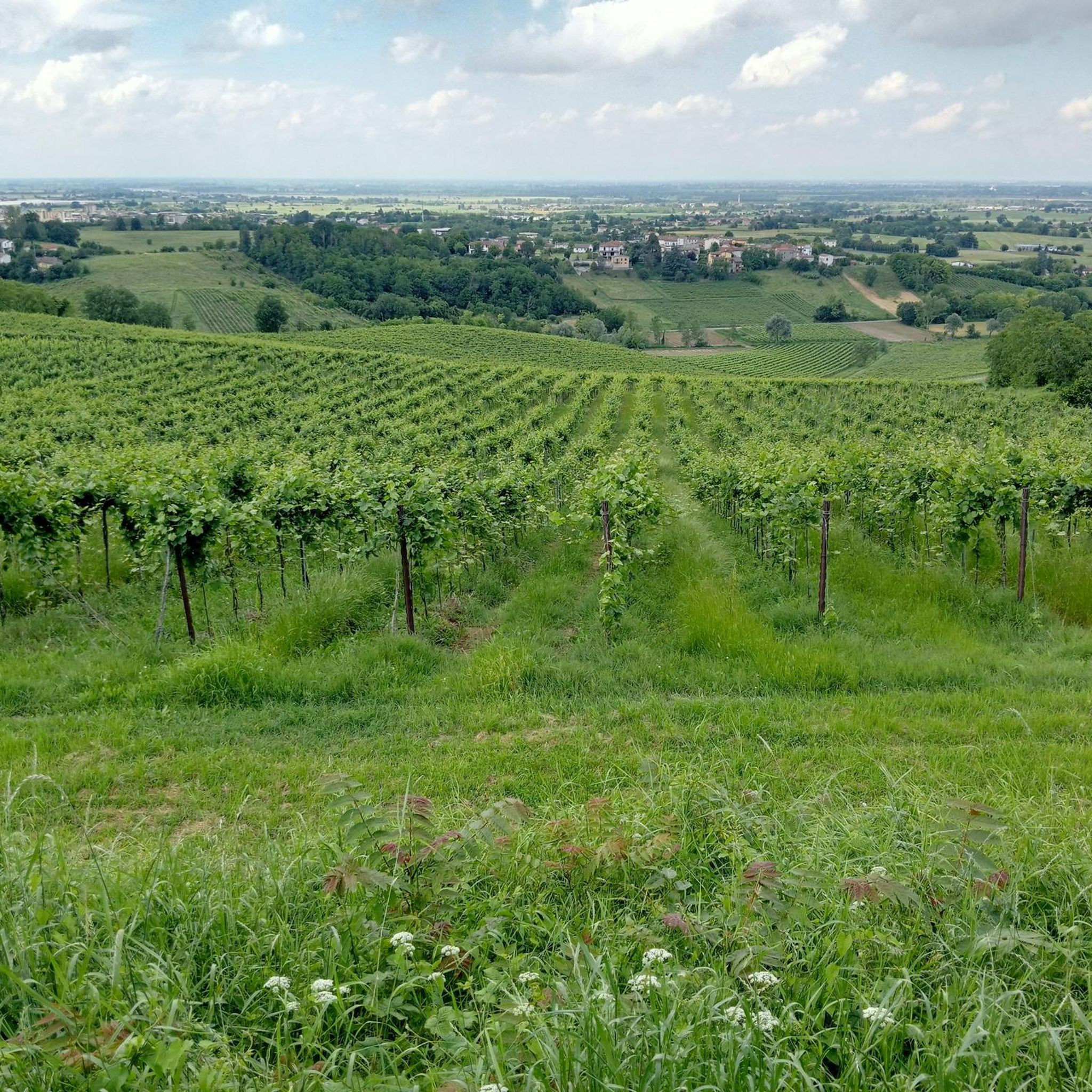
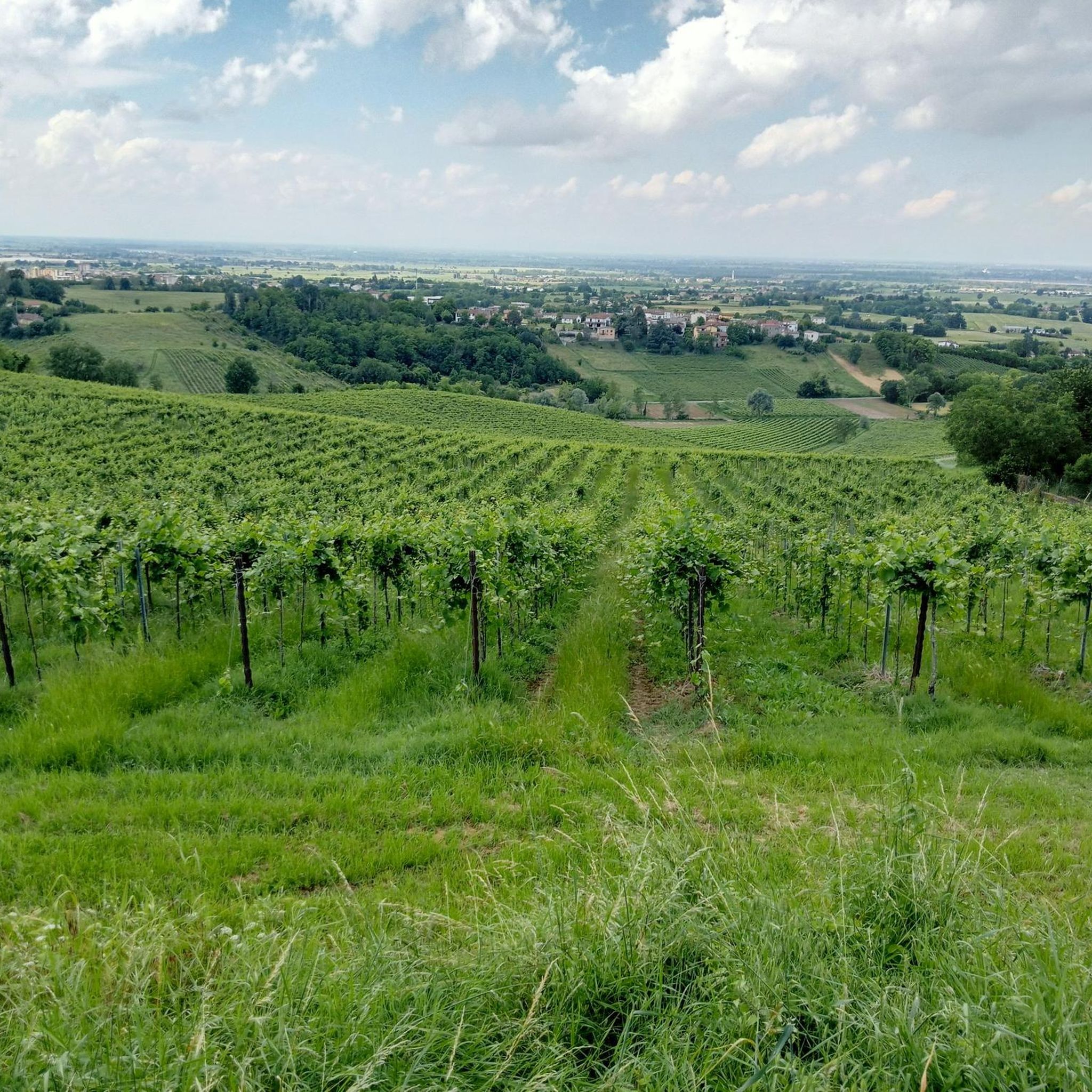
Cicognola offers a splendid castle and an equally interesting panoramic point on the hills of the Oltrepò Pavese. Stop in this small town for a break and to admire its beauties.
1
0
Frequently Asked Questions
What historical landmarks can I explore in and around Zenevredo?
Zenevredo is rich in history. You can discover the visible traces of a 12th-century castle and a prominent 14th-century defensive tower near the Church of San Vincenzo. The historic center also features several rural buildings that once served the ancient monastery and castle. Further afield, visit Cicognola Castle and Viewpoint, a 13th-century fortress with a strategic position on the Scuropasso Valley, or the impressive Rocca of Borgonovo Val Tidone, a well-preserved fortress with a deep moat and historical architecture.
Are there any significant religious sites to visit near Zenevredo?
Yes, the area features several notable religious buildings. The 18th-century Church of San Vincenzo in Zenevredo itself retains elements of its ancient Romanesque complex. You can also visit the Church of San Giacomo della Cerreta, a destination for pilgrims on the ancient Via Francigena route, known for its 15th-century Lombard art. Another important site is the Little Church of Our Lady of Loreto, a historical place of devotion with origins dating back to the 15th century.
What kind of natural landscapes will I find in Zenevredo?
Zenevredo is set amidst a predominantly hilly environment, characterized by picturesque rolling hills and abundant vineyards. This landscape is ideal for exploring the natural beauty of the Oltrepò Pavese region, offering scenic views and a tranquil setting.
What outdoor activities can I do near Zenevredo?
The hilly and vineyard-rich landscape around Zenevredo is perfect for outdoor activities. You can enjoy trekking and cycle tourism on the numerous routes that traverse the area. For specific routes, explore the hiking trails around Zenevredo, or try road cycling and gravel biking routes that wind through the vineyards and hills.
Are there family-friendly attractions in the Zenevredo area?
Yes, several attractions are noted as family-friendly. The Rocca of Borgonovo Val Tidone and the Little Church of Our Lady of Loreto are both suitable for families. Additionally, the unique and picturesque Casa Stranissima, Torre de' Negri offers a curious sight that children might enjoy.
What is the best time of year to visit Zenevredo for sightseeing and outdoor activities?
The region's rolling hills and vineyards are particularly beautiful during spring and autumn, when the weather is mild and the landscapes are vibrant with new growth or harvest colors. These seasons are ideal for trekking, cycling, and exploring historical sites comfortably.
Can I find easy hiking trails around Zenevredo?
Yes, there are hiking options for various skill levels. For an easier experience, consider the 'Hiking loop from Zenevredo' which is rated as moderate but offers a good introduction to the local trails. You can find more details and other routes on the hiking guide for Zenevredo.
What is the significance of Carlo Alberto Pisani Dossi in Zenevredo?
Zenevredo holds cultural importance as the birthplace of the Oltrepò writer Carlo Alberto Pisani Dossi. A plaque on the facade of a noble residence, which also features an ancient well, commemorates this significant literary figure.
What kind of unique or curious places can I find near Zenevredo?
For something truly unique, visit Casa Stranissima, Torre de' Negri. This house in the small town of Torre de' Negri has a picturesque and curious appearance, almost like something out of a fairytale, making it a memorable stop.
What do visitors appreciate most about the attractions around Zenevredo?
Visitors frequently appreciate the blend of historical depth and natural beauty. The castles and churches offer a glimpse into the past, while the vineyard-covered hills provide stunning scenery. The komoot community has shared over 40 photos and given more than 100 upvotes, highlighting the area's charm and appeal.
Are there opportunities for cycling in the Zenevredo area?
Absolutely. The region's hilly terrain and vineyard-lined roads are excellent for cycling. You can explore various road cycling routes or venture onto gravel biking trails that take you through the scenic Oltrepò Pavese landscape.
How long does it typically take to explore the main historical sites in Zenevredo?
To fully appreciate the ancient castle remains, defensive tower, Church of San Vincenzo, and the medieval village ambiance within Zenevredo itself, you could comfortably spend half a day. If you plan to visit nearby castles or churches like Cicognola Castle or San Giacomo della Cerreta, allow for a full day or more, depending on how many sites you wish to include.
Most popular routes around Zenevredo
Most popular attractions around Zenevredo

Get inspired with the komoot mobile app


Explore more
Still not found the Highlight you’re looking for? See guides of the top attractions in other regions:
