Attractions and Places To See around Alta Val Tidone - Top 20
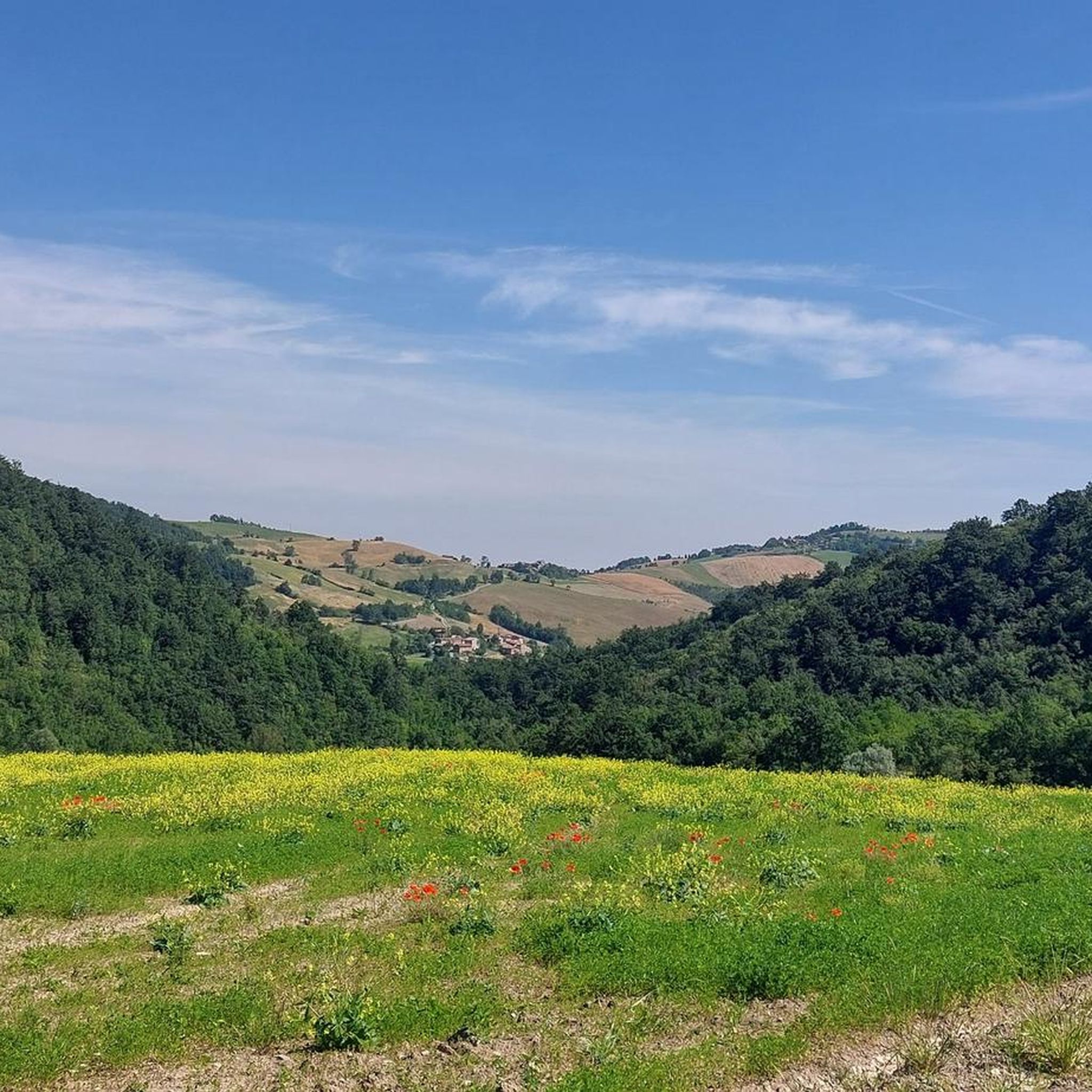
Best attractions and places to see around Alta Val Tidone is a region in Italy's Emilia-Romagna, known for its natural landscapes, rich history, and agricultural traditions, particularly winemaking. The area offers a variety of attractions, including ancient castles, historic churches, and natural reserves. It is characterized by rolling hills covered with vineyards and features the Tidone river, which provides scenic routes. This municipality, formed by the union of Nibbiano, Pecorara, and Caminata, presents a blend of cultural heritage and outdoor exploration opportunities.
Best attractions and places to see around Alta Val Tidone
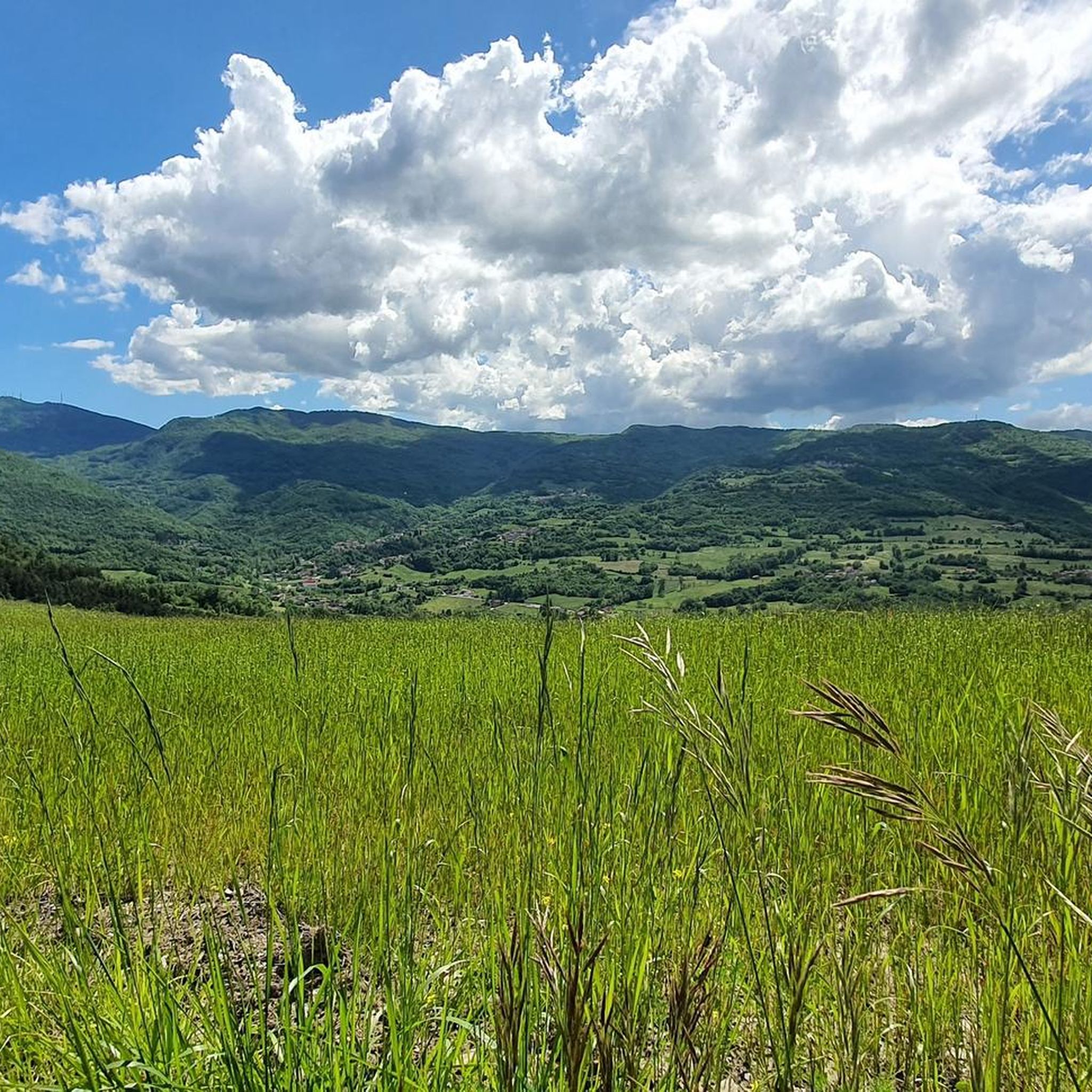
- The most popular attractions is "Little Stelvio" Pavese, a cycle way that features an incredible zigzag road. This mythical climb gains more than 250 meters in altitude over 4 km, with a sequence of 17 hairpin bends.
- Another must-see spot is Molato Dam, a man-made monument. This dam, built on the Tidone river, creates Lake Trebecco and offers splendid panoramic views of the artificial lake.
- Visitors also love Ponte Gobbo (Bobbio), a bridge also known as the Devil's Bridge. This Roman structure has an undulating shape, irregular arches, and is now used as a pedestrian crossing, making it a symbol of San Colombano.
- Alta Val Tidone is known for its castles, historic villages, and natural features. The region offers a variety of attractions to see and explore, from medieval fortresses to scenic river paths and botanical gardens.
- The attractions around Alta Val Tidone are appreciated by the komoot community, with more than 100 upvotes and 36 photos shared across 19 highlights.
Last updated: July 6, 2026
"Little Stelvio" Pavese
Highlight (Segment) • Cycleway
Translated by Google •
Tip by

Pietra Perduca and the Oratory of St. Anne
Highlight • Religious Site
Translated by Google •
Tip by

Sign up now to discover places like this
Get recommendations on the best single tracks, peaks, & plenty of other exciting outdoor places.
Sign up for free
Ponte Gobbo (Devil's Bridge) of Bobbio
Highlight • Bridge
An ancient legend is linked to the construction of the bridge: it is said that the devil contacted San Colombano, offering to build the bridge in a single night, in exchange for the first mortal soul to cross it. The saint accepted the offer. During the night, the devil called some little devils who helped him build the bridge, supporting the vaults with their own strength. These demons varied in height, which led to the creation of differently sized arches in the bridge. At dawn, the devil showed up at the end of the bridge to collect his "reward". Saint Columbanus sent a little dog to the devil as payment. Deceived, the devil returned to hell, but not before kicking his creation, causing the tilt that gives the bridge its characteristic "hunchback" appearance.
Translated by Google •
Tip by

Ponte Gobbo (Bobbio)
Highlight • Bridge
In the Middle Ages, the construction of a bridge was considered a miraculous feat. For this reason, the construction of such structures gave rise to many legends, often involving the devil: joining two places that God had wanted separated was seen by many as a "diabolical" work.
According to an ancient legend, Saint Columbanus, a 7th-century Irish monk, was eager to bring the word of God to the people living on the other bank of the Trebbia River, near the town of Bobbio. The devil promised to build the bridge in a single night, in exchange for the first mortal soul to cross it. The saint accepted. That night, the devil summoned several little devils who assisted him in the construction work, holding up the bridge's arches. The demons were of different heights, and thus the various arches of the bridge were of varying sizes.
In the morning, the devil stationed himself at the end of the bridge to demand his payment. But Saint Columbanus outwitted him by having his poor, suffering and very sick dog (some say it was a bear) cross the bridge instead of a man. The enraged devil returned to hell, but not before kicking his handiwork, which has been crooked ever since. It is said that the footprints of the unfortunate animal that served as a guinea pig still remain in the crypt of the Church of Saint Columbanus.
The Hunchback Bridge, also known as the Ponte Vecchio or, more precisely, the Devil's Bridge, is a Roman structure that has undergone numerous renovations over the centuries. The structure above dates back to the 7th century, but traces of an older bridge, dating back to before Columbanus' arrival, have been found underneath. The bridge, characterized by its undulating shape, irregular arches, and relatively narrow carriageway, is 280 meters long and connects the two banks of the river through a complicated succession of 11 irregular spans, varying in span and height, creating an undulating path from one end to the other. The Bobbio Bridge, now used only as a pedestrian crossing, is the very symbol of the city of San Colombano, as well as one of the strangest and most original architectural structures in Italy.
Source: Emilia-Romagna Region
Translated by Google •
Tip by

Rezzanello Castle and Church of San Michele Arcangelo
Highlight • Castle
Translated by Google •
Tip by
Sign up for free to discover even more attractions around Alta Val Tidone.
Sign up for free
Already have an account?
Start today with a free account
Your next adventure awaits.
Login or Signup

Tips from the Community

very scenic and fun road near Lake Trebecco
0
0

Hunchback Bridge or Devil's Bridge In the Middle Ages, the construction of a bridge was considered a miraculous feat. For this reason, the construction of such structures gave rise to many legends, often involving the devil: joining two places that God had wanted separated was seen by many as a "diabolical" work. According to an ancient legend, Saint Columbanus, a 7th-century Irish monk, was eager to bring the word of God to the people living on the other bank of the Trebbia River, near the town of Bobbio. The devil promised to build the bridge in a single night, in exchange for the first mortal soul to cross it. The saint accepted. That night, the devil summoned several little devils who assisted him in the construction work, holding up the bridge's arches. The demons were of different heights, and thus the various arches of the bridge were of varying sizes. In the morning, the devil stationed himself at the end of the bridge to demand his payment. But Saint Columbanus outwitted him by having his poor, suffering and very sick dog (some say it was a bear) cross the bridge instead of a man. The enraged devil returned to hell, but not before kicking his handiwork, which has been crooked ever since. It is said that the footprints of the unfortunate animal that served as a guinea pig still remain in the crypt of the Church of Saint Columbanus. The Hunchback Bridge, also known as the Ponte Vecchio or, more precisely, the Devil's Bridge, is a Roman structure that has undergone numerous renovations over the centuries. The structure above dates back to the 7th century, but traces of an older bridge, dating back to before Columbanus' arrival, have been found underneath. The bridge, characterized by its undulating shape, irregular arches, and relatively narrow carriageway, is 280 meters long and connects the two banks of the river through a complicated succession of 11 irregular spans, varying in span and height, creating an undulating path from one end to the other. The Bobbio Bridge, now used only as a pedestrian crossing, is the very symbol of the city of San Colombano, as well as one of the strangest and most original architectural structures in Italy. Source: Emilia-Romagna Region
2
0

enchanting place on a splendid panorama, there are on the crest of the rock some tanks with newts, unique animals
2
0

The Castle was first mentioned in a document from 1001. On this occasion, Bishop Sigifredo granted the Benedictine monks of San Savino (Piacenza) some land, including the area of the Castle. The building has a trapezoidal plan and has four circular towers. The first of the four towers dates back to around the year 1000, which only later became four. The Castle was often the scene of clashes and battles. In 1212, the Guelphs of Piacenza took refuge there, threatened by the Ghibellines of Visconti, but they were worsted because they were defeated later in two battles. In the fourteenth century, the Castle was inhabited by Gabriello Boccapiccina, then it passed to the Chiapponi family. When the Chiapponi family died out, in the eighteenth century they were replaced by the Scotti di San Giorgio, who profoundly adapted the building, transforming it into a stately home. At the beginning of the twentieth century, the Castle belonged for a short period to the Lombardi of Genoa; it was then sold to Eng. Giuseppe Manfredi, who had it restored by Prof. Camillo Guidotti. From 1930 to 1987, the building was owned by the Ursuline Mothers of Piacenza. Today, the Castle is used by the current owner as a venue for private events.
0
0

I arrive in Bobbio from a less busy road and with a beautiful view of Ponte
0
0

The oratory is beautiful
1
0

The Castle of Rezzanello appears mentioned for the first time in a document from 1001. On this occasion Bishop Sigifredo granted some land to the Benedictine monks of San Savino, including the Castle area. The castle has a trapezoidal plan with four towers that stand out from the corners and a large internal courtyard. The turrets have a round base, are elegantly slender and crowned by a projection supported by arches and covered by a conical roof. The same type of arches in double order creates a decorative motif in the attic. To adapt it to housing needs, numerous large windows were opened, regularly distributed on all the facades. Located in the center of a valley, it is surrounded by a splendid seven-hectare park with centuries-old plants, a fountain and streams. At the beginning of the twentieth century, the castle was transformed into a stately home. The new owner, Eng. Giuseppe Manfredi entrusted the intervention to the architect Camillo Guidotti who conducted it according to the late-romantic criteria then in vogue, altering the original design.
1
0

According to tradition, the oratory dates back to the year 1000 and houses the imprint of the Madonna's foot. The building, of extreme simplicity, has a gable roof; Inside there are traces of ancient frescoes.
3
0
Frequently Asked Questions
What historical sites and castles can I visit in Alta Val Tidone?
Alta Val Tidone is rich in history, featuring numerous medieval castles and historic villages. You can explore sites like Rezzanello Castle and Church of San Michele Arcangelo, which dates back to 1001, or the ancient Rocca d'Olgisio, known for its impressive defensive architecture and nearby prehistoric caves. Other notable castles include Castello di Agazzano, Castello della Bastardina, and Castello di Castano. Historic villages like Caminata and Nibbiano also offer a glimpse into the region's past.
Are there any significant natural attractions or viewpoints in Alta Val Tidone?
Yes, the region boasts beautiful natural landscapes. The Molato Dam, built on the Tidone river, creates Lake Trebecco and offers splendid panoramic views of the artificial lake. Another unique natural feature is the Giardino Alpino di Pietra Corva, an alpine botanical garden located at 950m above sea level, perfect for nature lovers. The area is also characterized by rolling hills covered with vineyards, providing picturesque scenery.
What unique architectural marvels can I find in the region?
One of the most distinctive architectural sites is Ponte Gobbo (Bobbio), also known as the Devil's Bridge. This Roman structure has an undulating shape with irregular arches and is now a pedestrian crossing, making it a unique symbol of San Colombano. The bridge's unusual design and the legends surrounding its construction make it a fascinating visit.
What kind of outdoor activities can I do in Alta Val Tidone?
Alta Val Tidone is ideal for outdoor enthusiasts. You can enjoy hiking, mountain biking, and gravel biking. The region features the Sentiero del Tidone, a 69 km long hiking route following the Tidone stream. For cycling, the area offers challenging climbs like the "Little Stelvio" Pavese, a cycle way with 17 hairpin bends. Many routes are available for various skill levels.
Are there specific hiking or cycling routes recommended in the area?
For cycling, the "Little Stelvio" Pavese is a mythical climb that gains over 250 meters in altitude over 4 km with 17 hairpin bends. For those interested in mountain biking, you can explore routes like the Tidone Springs – Molato Dam loop or the Val Tidone Trail. Gravel biking options include the Tidone Trail – The Pyramid of Chiarone loop. You can find more detailed routes and guides for MTB, Gravel biking, and Cycling around Alta Val Tidone.
What are some family-friendly attractions in Alta Val Tidone?
Families can enjoy the scenic views around the Molato Dam and Lake Trebecco. The Travo Village and Church Tower offers a pleasant stop with a park and a replica of a Neolithic settlement. Many of the natural trails along the Tidone river are also suitable for family walks, offering gentle terrain and beautiful surroundings.
What is the best time of year to visit Alta Val Tidone?
The region is beautiful throughout the year, but spring and autumn are particularly pleasant for outdoor activities like hiking and cycling, with mild temperatures and vibrant landscapes. Summer offers warm weather suitable for exploring villages and enjoying local festivals. The area also hosts various festivals, including the Val Tidone Wine Fest in September and a truffle fest in October.
Are there options for accommodation or dining in the area?
Yes, Alta Val Tidone offers various options for accommodation, including agriturismi (farm stays) and country houses like Castello di Tassara. You'll find local restaurants and cafes in villages such as Nibbiano, Pecorara, and Caminata, serving traditional Emilia-Romagna cuisine and local wines. The Val Tidone is known for its winemaking tradition, with many wineries offering tastings.
What do visitors enjoy most about Alta Val Tidone?
Visitors frequently appreciate the blend of natural beauty and rich history. The picturesque landscapes of rolling hills and vineyards, combined with ancient castles and charming villages, create a unique experience. The outdoor activity opportunities, from challenging cycle routes to serene walks along the Tidone river, are also highly valued. The local cuisine and wine culture add to the region's appeal.
Can I find trails suitable for mountain biking or gravel biking?
Absolutely. Alta Val Tidone offers a variety of trails for both mountain biking and gravel biking. You can find routes that range from moderate to difficult, such as the Tidone Springs – Molato Dam loop for MTB or the Tidone Trail – The Pyramid of Chiarone loop for gravel biking. These routes often take you through scenic landscapes, including vineyards and along the river. For more details, refer to the dedicated guides for MTB Trails and Gravel Biking.
Are there any astronomical observatories in the region?
Yes, there is an Astronomical Observatory in Lazzarello. It provides opportunities for stargazing, especially during special events like the night of San Lorenzo (August 14th), making it a unique attraction for those interested in astronomy.
Where can I learn about the prehistory and Roman era of Val Tidone?
You can visit the Archaeological Museum of Val Tidone, located in the Municipal Fortress in Pianello Val Tidone. This museum houses findings that reconstruct the valley's past from prehistory to the Roman era, including fossils and evidence of early human presence, offering a deep dive into the region's ancient history.
Most popular routes around Alta Val Tidone
Most popular attractions around Alta Val Tidone

Get inspired with the komoot mobile app


Explore more
Still not found the Highlight you’re looking for? See guides of the top attractions in other regions:
