The best road cycling routes around Russikon
4.4
(611)
11,754
riders
279
rides
Road cycling routes around Russikon traverse a landscape characterized by rolling terrain, river valleys, and agricultural fields. The region features a network of roads that connect villages and offer varied elevation profiles. Cyclists can expect routes that include ascents to higher points and loops around local natural features. The area provides a mix of open stretches and sections passing through more settled areas.
Best road cycling routes around Russikon
- The most popular road cycling route is Panoramastrasse – Hasenstrick Pass…
Last updated: July 8, 2026
4.6
(30)
353
riders
50.4km
02:19
580m
580m
Moderate road ride. Good fitness required. Mostly well-paved surfaces and easy to ride.
4.3
(9)
161
riders
50.3km
02:30
700m
700m
Moderate road ride. Good fitness required. Mostly well-paved surfaces and easy to ride.

Sign up for free
5.0
(2)
88
riders
52.0km
02:23
510m
510m
Moderate road ride. Good fitness required. Mostly well-paved surfaces and easy to ride.
4.5
(13)
77
riders
42.9km
02:03
550m
550m
Moderate road ride. Good fitness required. Mostly well-paved surfaces and easy to ride.
4.7
(3)
71
riders
53.2km
02:49
960m
960m
Hard road ride. Very good fitness required. Mostly well-paved surfaces and easy to ride.
Get access to more routes and recommendations from other explorers.
Sign up for free
Already have an account?
Our route recommendations are based on thousands of hikes, rides, and runs completed by other people on komoot.
Start today with a free account
Your next adventure awaits.
Login or Signup
Tips from the Community

Directly next to it lies the former Hasenstrick airfield (grass runway), in use since 2009.
1
0

On Wednesdays, the restaurant Stierenberg is closed. Please also note the bus timetable. It is not very frequent.
0
0

Long cycle path, often separated from the main road, up the entire Tösstal from Sennhof to Gibswil. Quite busy.
0
0
"Pass" is a bit of an exaggeration, but it's a beautiful viewpoint nonetheless.
1
0

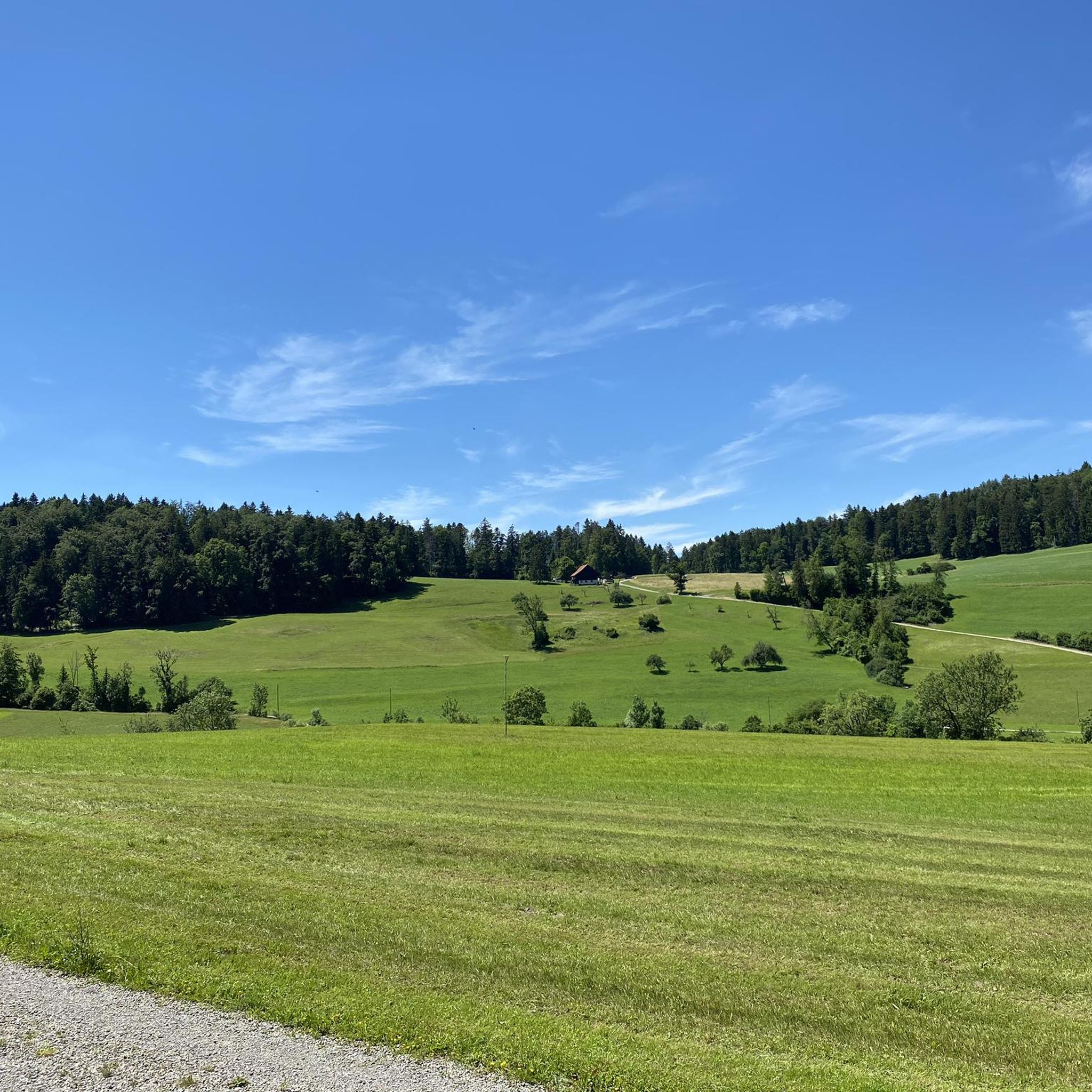
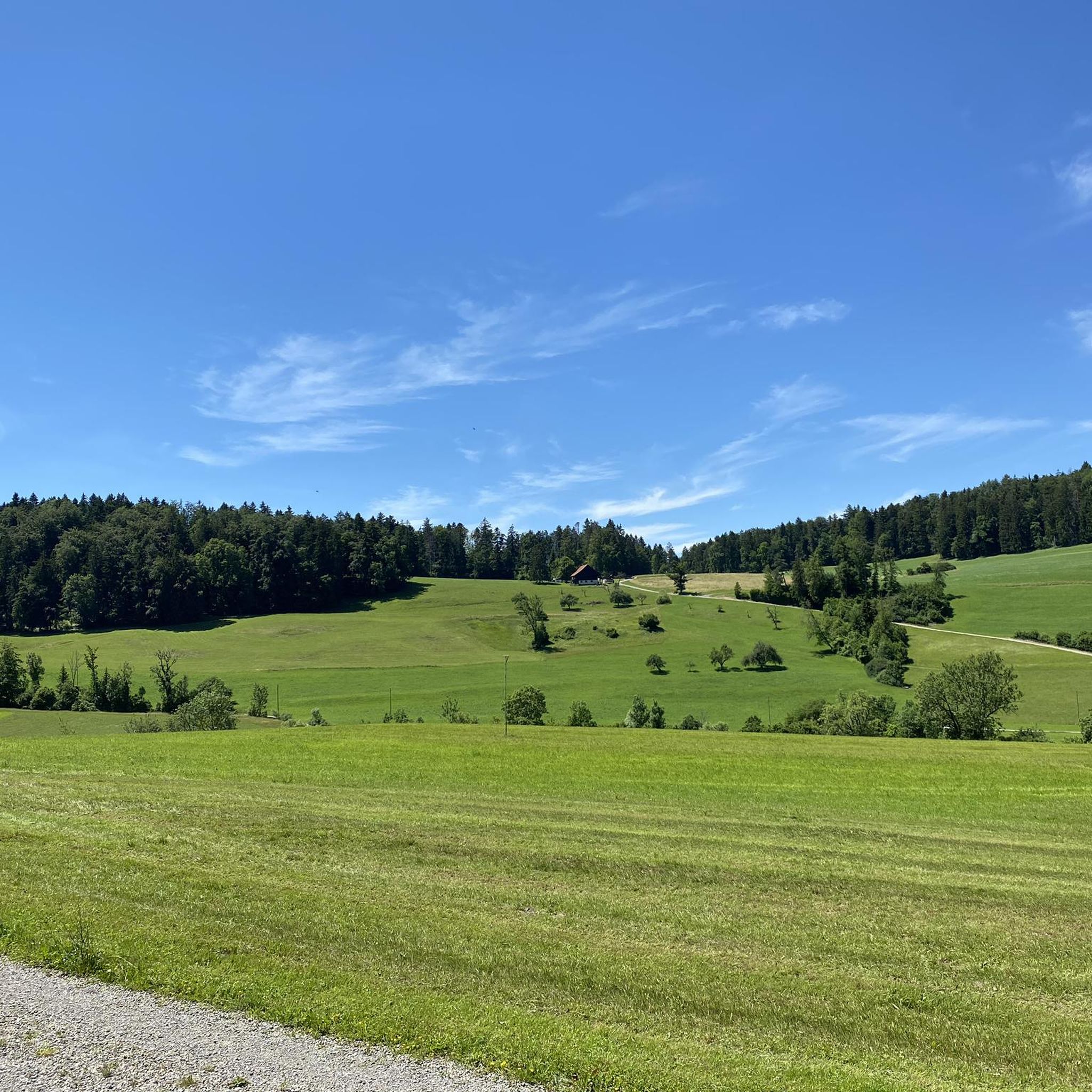
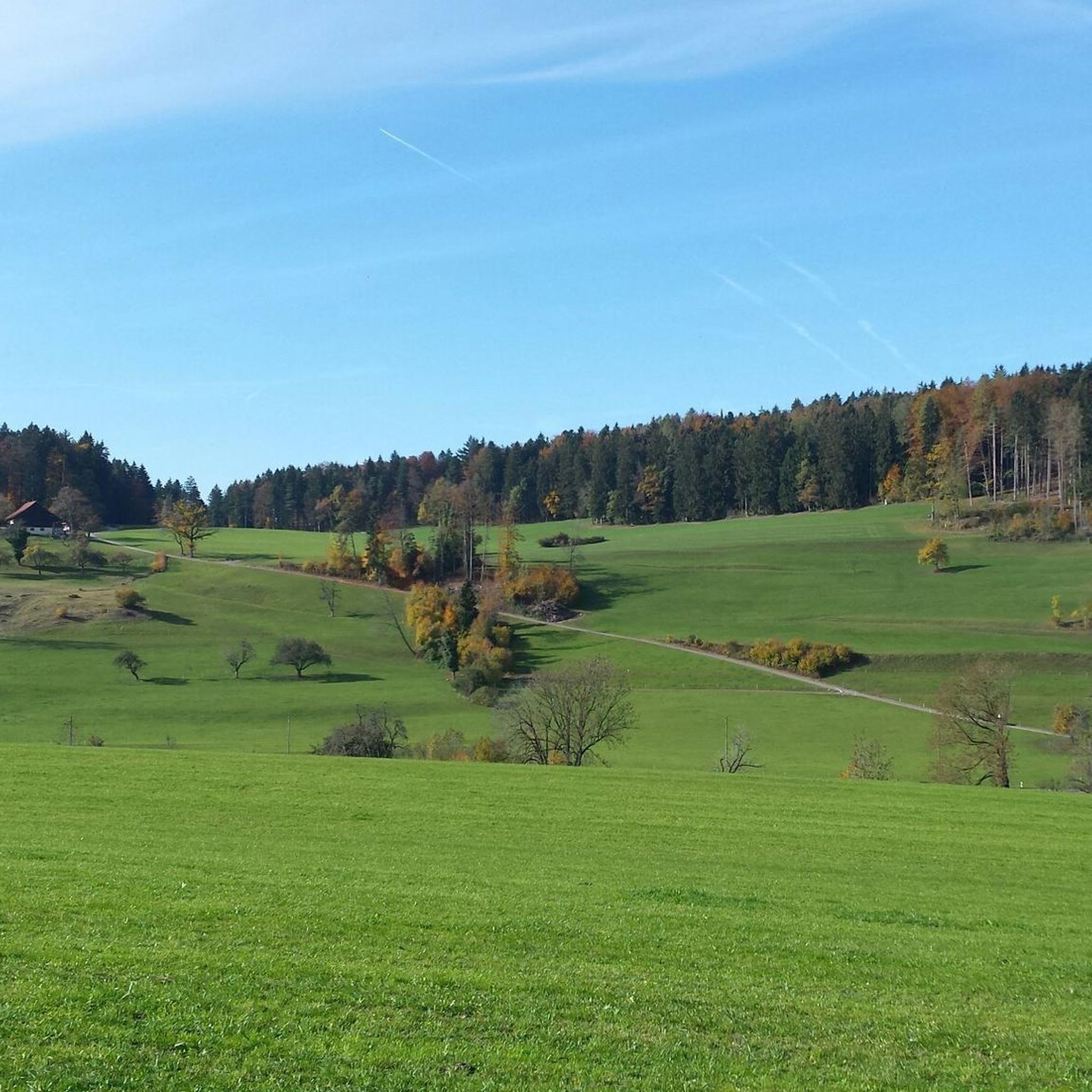
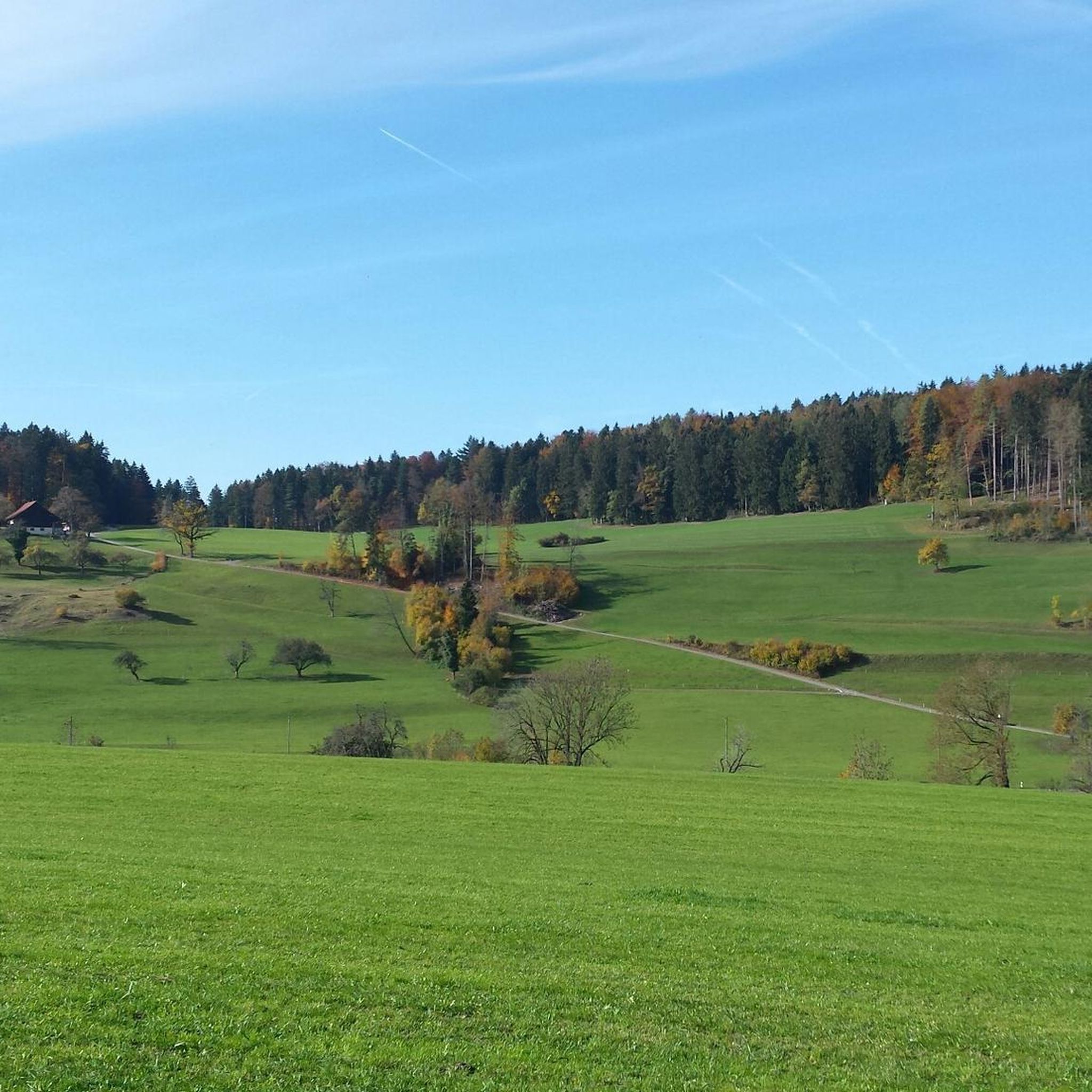
This is one of my favourite spots. You have a breathtaking view from here over rolling hills.
0
0

Baroque Church of St. John the Baptist & St. John the Evangelist - Fischingen Monastery History and Architecture According to sources from around 1200, Abbot Waltram had the first church and monastery complex built between 1138 and 1144. This Romanesque church was followed by the Gothic church, probably after a monastery fire dated 1440. Before the convent chapter decided to begin construction of a new church in 1685, Abbot Joachim summoned the Einsiedeln architect Brother Kaspar Moosbrugger, whose contribution to the planning, however, is difficult to estimate. The northern nave underwent its first alteration in connection with the Idda Chapel, built from 1704 onwards. The arcades opening onto the chapel were decorated with stucco. The extension of the church to the east and the construction of the cheerful organ choir in 1753 onwards had a more dramatic effect. which forms the transition to the spacious Baroque convent buildings from the same period. Somewhat later, the chancel was remodeled in the emerging style of early classicism. The Fischingen monastery church underwent extensive renovations between 2000 and 2008. The parish could not possibly cover the high costs of this renovation, approximately CHF 8 million, alone. Text / Source: Catholic Parish of St. Idda Fischingen, Kurhausstr. 29a, 8374 Dussnang https://www.kath-fischingen.ch/de/unser-pastoralraum-0/unsere-kirchen/st-johannes-der-taeufer-st-johannes-der-evangelist
14
0
Kloster Fischingen / A foray through history In 1138, Bishop Ulrich II of Constance founded a private episcopal monastery in his territory on the upper reaches of the Murg river and settled it with Benedictine monks from the Petershausen monastery in Constance. After an initial period of prosperity, the Fischingen convent numbered barely more than 10 monks until the 17th century. In addition to tending to monastic life, they were responsible for pastoral care in the incorporated parishes of Dussnang (with Au), Bichelsee, Sirnach, and Bettwiesen, as well as in Fischingen. The Reformation led to the extinction of monastic life in Fischingen for several years. Abbot Heinrich Stoll from Zurich converted to the new doctrine in 1526 and married; the remaining four monks soon followed his example. It was the Catholic cantons of the Imperial Diet who brought about the re-establishment of the monastery by postulating P. Markus Schenkli, the vicar of the Abbot of St. Gallen, as the new Abbot of Fischingen in July 1540 at the Diet in Baden. After initial personnel and financial difficulties, the spirit of reform prevailed in Fischingen, and the monastery experienced its long flourishing period throughout the Baroque era with an average of 30 monks. Under the pious Abbot Joachim Seiler of Wil (1672–1688), a prolific spiritual writer and sought-after preacher, monastic spirituality reached such a peak that it was praised in a visitation report with the words "more to be recommended than to be improved". The construction of the new monastery church (1685–1687) also falls within Abbot Joachim's time. Abbot Nikolaus Degen of Lachen (1747–1776) is considered Fischingen's great Baroque building abbot. He extended the church with the Upper Choir in the ornate Rococo style and had the symmetrically designed, beautifully shaped monastery buildings erected to the east and south of the quadrangle. To the west, due to the monastery's high debt burden, the earlier buildings from 1577 and 1635 remained. Abbot Augustin Bloch of Oberbuchsiten (1776–1815) skillfully guided the monastery through the turmoil of the French Revolution and had the Lower Choir of the church remodeled in the early Classical style. Text / Source: Verein Kloster Fischingen, old website https://www.benediktiner-fischingen.ch/unsere-geschichte/
14
0
Brauerei Kloster Fischingen AG Enjoy beers in the only Swiss monastery brewery The Brauerei Kloster Fischingen AG is the first and only Swiss monastery brewery. It brews a range of high-quality beers in the Ökonomiegebäude under the PILGRIM brand – a reference to the countless pilgrims who came to Fischingen over the centuries on the Way of St. James. Text / Source: Kloster Fischingen, 8376 Fischingen https://klosterfischingen.ch/
14
0
Frequently Asked Questions
How many road cycling routes are available around Russikon?
There are over 280 road cycling routes around Russikon, offering a wide range of options for different skill levels. You'll find everything from moderate loops to more challenging ascents.
What kind of terrain can I expect on road cycling routes near Russikon?
The region around Russikon is characterized by rolling terrain, picturesque river valleys, and agricultural fields. Routes often include ascents to higher points, offering varied elevation profiles and scenic views.
Are there challenging road cycling routes for experienced riders?
Yes, Russikon offers a good selection of challenging routes. There are 74 difficult routes available. For example, the Ascent to Sitzberg – Sitzberg Village loop from Pfäffikon features significant elevation gain, making it suitable for riders seeking a demanding experience.
Are there any easier road cycling routes suitable for beginners?
Absolutely. Russikon has 42 easy road cycling routes. These routes typically feature gentler gradients and are ideal for those new to road cycling or looking for a more relaxed ride. Many routes stick to the river valleys or flatter agricultural areas.
What do other road cyclists enjoy most about the routes in Russikon?
The road cycling routes in Russikon are highly rated by the komoot community, with an average score of 4.5 stars from over 500 reviews. Riders often praise the diverse landscapes, the mix of open stretches and village passages, and the well-maintained roads that connect the region's natural features.
Are there circular road cycling routes around Russikon?
Many of the road cycling routes around Russikon are designed as loops, allowing you to start and finish in the same location. For instance, the popular Panoramastrasse – Hasenstrick Pass loop from Pfäffikon is a great example of a scenic circular tour.
What is the best time of year for road cycling in Russikon?
The best time for road cycling in Russikon is generally from spring to autumn (April to October). During these months, the weather is typically mild, and roads are clear of snow and ice, providing optimal conditions for riding. Always check local weather forecasts before heading out.
Are there any scenic viewpoints or attractions along the road cycling routes?
Yes, several routes offer scenic viewpoints and pass by natural attractions. You might encounter panoramic views from higher points, or ride near natural features like the Schreizer Giessen Waterfall or the Farenbachtobel Gorge. The Ascent to Sternenberg – Lake Bichel loop from Pfäffikon offers views of Lake Bichel.
Can I access road cycling routes in Russikon using public transport?
Many routes start from towns and villages like Pfäffikon or Fehraltorf, which are typically well-connected by public transport. This allows for convenient access to the starting points of various road cycling tours, such as the Töss River Bike Path – Töss River Cycle Path loop from Fehraltorf.
Are there places to stop for refreshments along the road cycling routes?
Routes often pass through or near villages and towns where you can find cafes, restaurants, and shops to refuel and rest. It's always a good idea to plan your stops in advance, especially on longer rides, to ensure you have access to refreshments when needed.
What should I consider for winter road cycling in Russikon?
Winter road cycling in Russikon can be challenging due to potential snow and ice, especially on higher elevations or less-trafficked roads. It's crucial to check current road conditions and weather forecasts. Lower elevation routes might be rideable, but always prioritize safety and be prepared for colder temperatures and slippery surfaces.
Most popular attractions around Russikon

Get inspired with the komoot mobile app


Explore more
Browse the best Road cycling routes in other regions.
