Attractions and Places To See around Pulfero - Top 20
Best attractions and places to see around Pulfero include a rich tapestry of natural beauty, historical landmarks, and cultural sites. This municipality, situated along the Natisone River and near the Slovenian border, features landscapes ranging from valley floors to peaks like Monte Mia and Matajur. The area offers a blend of historical, cultural, and natural attractions, providing opportunities for exploration. Pulfero is known for its historical sites, natural features, and cultural landmarks.
Best attractions and places to see around Pulfero
…Last updated: October 9, 2026
Soča riverbank
Highlight • River
Translated by Google •
Tip by

Veliki Kozjak Waterfall
Highlight • Waterfall
Translated by Google •
Tip by

Sign up now to discover places like this
Get recommendations on the best single tracks, peaks, & plenty of other exciting outdoor places.
Napoleon Bridge over the Soča Gorge
Highlight • Bridge
Translated by Google •
Tip by

Little Koziak Waterfall
Highlight • Waterfall
Translated by Google •
Tip by

Napoleon Bridge over the Soča River near Kobarid
Highlight • Bridge
Tip by

Sign up for free to discover even more attractions around Pulfero.
Already have an account?
Start today with a free account
Your next adventure awaits.
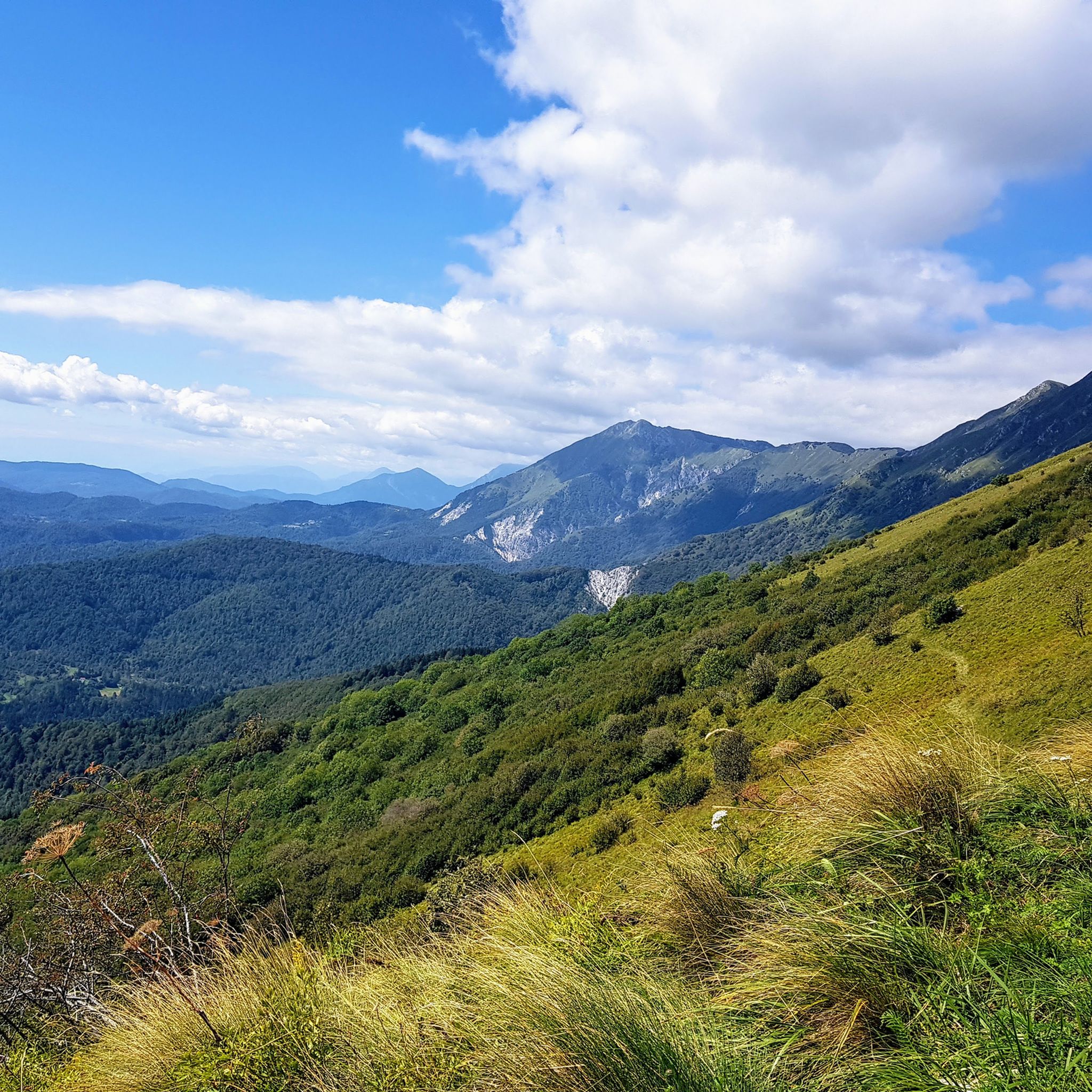


Tips from the Community

Shortly before the large Slap Kozjak lies its little brother, Mali Kozjak. The Kozjak stream plunges here in several low steps over mossy rocks before forming the well-known main waterfall further down. The cascade can be seen well from the developed footbridge – a pretty foretaste that most visitors pass by on their way to the large fall. Considerably daintier and less spectacular, but an atmospheric motif in the shady, damp green of the gorge. 📸 Beautiful detail motif – with longer exposure, the water becomes soft and silky 🌿 Damp, mossy surroundings – the rocks and footbridges are often slippery here 🚶 Located directly on the path to the large Slap Kozjak, no detour necessary 👀 Easy to overlook – pay attention to the stream on the left/right shortly before the main waterfall 🎟️ Already located in the paid section (admission to Kozjak, as of 09/2026: €5 p.p.)
0
1
🏞️ Banks of the Soča near Kobarid Between the suspension bridge below Tonocov grad and the Napoleon bridge, the path runs directly along the river. The Soča shows its typical emerald green here – the colour is created by the clear limestone water and fine rock particles that refract the light. Quiet sections with gravel banks alternate with narrow constrictions where the water rushes audibly. The bank path is wide, shady and part of the Kobariška zgodovinska pot; those who look carefully will still find remnants of old WWI dugouts on the embankment. 🪨 Gravel banks invite a break – the water is cold even in summer (mostly below 12 °C) 🏊 Swimming is possible in shallow areas, but beware: currents and kayak/rafting traffic 🌉 The suspension bridge (Brv čez Sočo) is a popular photo spot, but it sways noticeably 📸 Best colour in sunshine and low water levels; after rain, the river becomes milky-cloudy 🥾 Path well-developed, hardly any gradient – also suitable for the less experienced
0
0

A classic historic bridge, very well preserved or renovated. Combined with the eroded gorge and the emerald-colored waters of the Soca, the bridge's value increases. All in all, it's a free tourist attraction.
2
0

The water actually looks like this. I thought it was Photoshop, but no… a dream.
1
0

This point is confusing. There is only a parking lot here. From here it is about a 15 minute walk to the waterfall.
4
0

A steep, small path leads to the foot of the small Kozjak waterfall
1
0

Four streets come together at this bridge.
14
0

Frequently Asked Questions
What natural features and viewpoints can I explore around Pulfero?
Pulfero is rich in natural beauty, situated along the Natisone River and surrounded by mountains like Monte Mia and Monte Matajur. You can visit impressive waterfalls such as Veliki Kozjak Waterfall, where water falls into a circular lake within a grotto, or the smaller Little Koziak Waterfall. The Natisone River Valley itself offers splendid views, particularly along the "Lungo il Natisone di Pulfero" route.
What historical and cultural sites are there to visit in Pulfero?
Pulfero boasts a rich history. A significant site is the Napoleon Bridge over the Soča River near Kobarid, a captivating bridge with historical significance from Napoleon's era. Another notable historical landmark is the Devil's Bridge (Ponte del Diavolo) in Cividale del Friuli, known for its legend and views of the Natisone River. The Grotta di San Giovanni d'Antro is a monumental complex that served as a hermitage, fort, and place of worship. The area also features numerous historic churches like Chiesa Santa Maria Assunta and the UNESCO-listed Tempietto Longobardo, along with ancient castles such as Castello di Zucco Diroccato.
What outdoor activities are popular around Pulfero?
The region around Pulfero is ideal for various outdoor activities. You can enjoy extensive hiking and trekking on well-marked trails, especially on Monte Matajur and Monte Mia, which offer panoramic views. The Natisone River Valley provides opportunities for leisurely walks. For cycling enthusiasts, there are gravel biking routes available. You can find more details on specific routes for hiking, gravel biking, and mountain hikes.
Are there specific hiking trails suitable for different skill levels near Pulfero?
Yes, the area offers a variety of hiking trails. For moderate hikes, consider routes like "From Stupizza to Monte Mia (via CAI 754)" or the "Julian Prealps Forest Trail (via Route 774)". More challenging options include "Sentiero Natura Mersino Alto Matajur to Monte Matajur Summit" and "Monte Vogu Summit Trail from Stupizza (via CAI 735)". You can explore these and other routes in the hiking guide for Pulfero.
Are there family-friendly attractions or activities in Pulfero?
Absolutely! The Veliki Kozjak Waterfall is considered family-friendly, offering an impressive natural spectacle. The Devil's Bridge (Ponte del Diavolo) in Cividale del Friuli is also a great spot for families, combining history with scenic views. Additionally, the flat and easily accessible "Lungo il Natisone di Pulfero" route along the river is perfect for family strolls.
When is the best time of year to visit Pulfero for outdoor activities?
The best time to visit Pulfero for outdoor activities is generally during the spring, summer, and early autumn months. These seasons offer pleasant weather for hiking, cycling, and exploring the natural and historical sites. The region's landscape, ranging from valley floors to mountain peaks, is particularly vibrant during these times.
Are there any hidden gems or less-known spots worth discovering around Pulfero?
Beyond the main attractions, Pulfero holds several hidden gems. The Blumari of Montefosca offers insight into ancient traditions and folklore. You can also seek out the Monumental Chestnut of Pulfero, a notable natural landmark. The area is dotted with charming Chiese Vicinali (neighborhood churches) scattered across the slopes of Matajur and Craguonza-Mladesiena, offering a glimpse into local history and community life.
What are some of the most popular bridges to see in the Pulfero area?
The region is home to several iconic bridges. The Napoleon Bridge over the Soča River near Kobarid is a must-see, known for its historical significance and captivating views. Another popular choice is the Devil's Bridge (Ponte del Diavolo) in Cividale del Friuli, famous for its legend and picturesque setting over the Natisone River. The Soca Suspension Bridge also offers a unique experience for visitors.
What do visitors enjoy most about the attractions around Pulfero?
Visitors frequently praise the stunning natural beauty, particularly the impressive waterfalls like Veliki Kozjak Waterfall, and the scenic river views from bridges such as the Devil's Bridge. The historical significance of sites like the Napoleon Bridge and the rich cultural heritage found in the churches and castles are also highly appreciated. The overall blend of history, culture, and nature makes for a memorable experience.
Are there any options for gravel biking near Pulfero?
Yes, the area around Pulfero offers excellent opportunities for gravel biking. You can find routes like the "Soča Gorge – Soca Trail loop from Kobarid" or the "Cividale del Friuli – Devil's Bridge loop from Azzida / Ažla". These routes vary in difficulty, providing options for different experience levels. For more detailed information and route options, refer to the Gravel biking around Pulfero guide.
Can I find any archaeological evidence or Roman history in Pulfero?
Pulfero is indeed rich in archaeological evidence, spanning from prehistory to the Middle Ages. The area was historically part of the ancient Via Appia, an important Roman road connecting Aquileia and Virunum. During reinforcement work on the Devil's Bridge, two important pillar stumps from Roman times were discovered, which can now be viewed in a museum, highlighting the region's Roman past.
Most popular routes around Pulfero
Most popular attractions around Pulfero

Get inspired with the komoot mobile app


Explore more
Still not found the Highlight you’re looking for? See guides of the top attractions in other regions:
