Top 12 Castles around Gemona Del Friuli
Best castles around Gemona Del Friuli are found in a region characterized by its historical importance and strategic position. The area features ancient fortifications, often perched on hills, offering views of the surrounding valleys. These sites reflect centuries of history, from ancient settlements to medieval strongholds. The landscape provides a backdrop for exploring these historical structures.
Best castles around Gemona Del Friuli
- The most popular castles is Colloredo di Montalbano, a castle whose origins date back to the 14th…
Last updated: October 17, 2026
Colloredo di Montalbano
Highlight • Castle
Translated by Google •
Tip by

Castello Savorgnan
Highlight • Castle
Translated by Google •
Tip by
Sign up now to discover places like this
Get recommendations on the best single tracks, peaks, & plenty of other exciting outdoor places.
Osoppo Fortress
Highlight • Historical Site
I strongly suggest taking a torch with you, to make the …
Tip by

Coia Castle
Highlight • Castle
Translated by Google •
Tip by

Osoppo Fortress and San Rocco Hill
Highlight • Historical Site
The route follows CAI trail marker 720. Starting from the southern entrance of Rivellino Park, you cross it to the northern entrance. Crossing the park, you can already see …
Translated by Google •
Tip by

Sign up for free to discover even more castles around Gemona Del Friuli.
Already have an account?
Start today with a free account
Your next adventure awaits.
Popular around Gemona Del Friuli
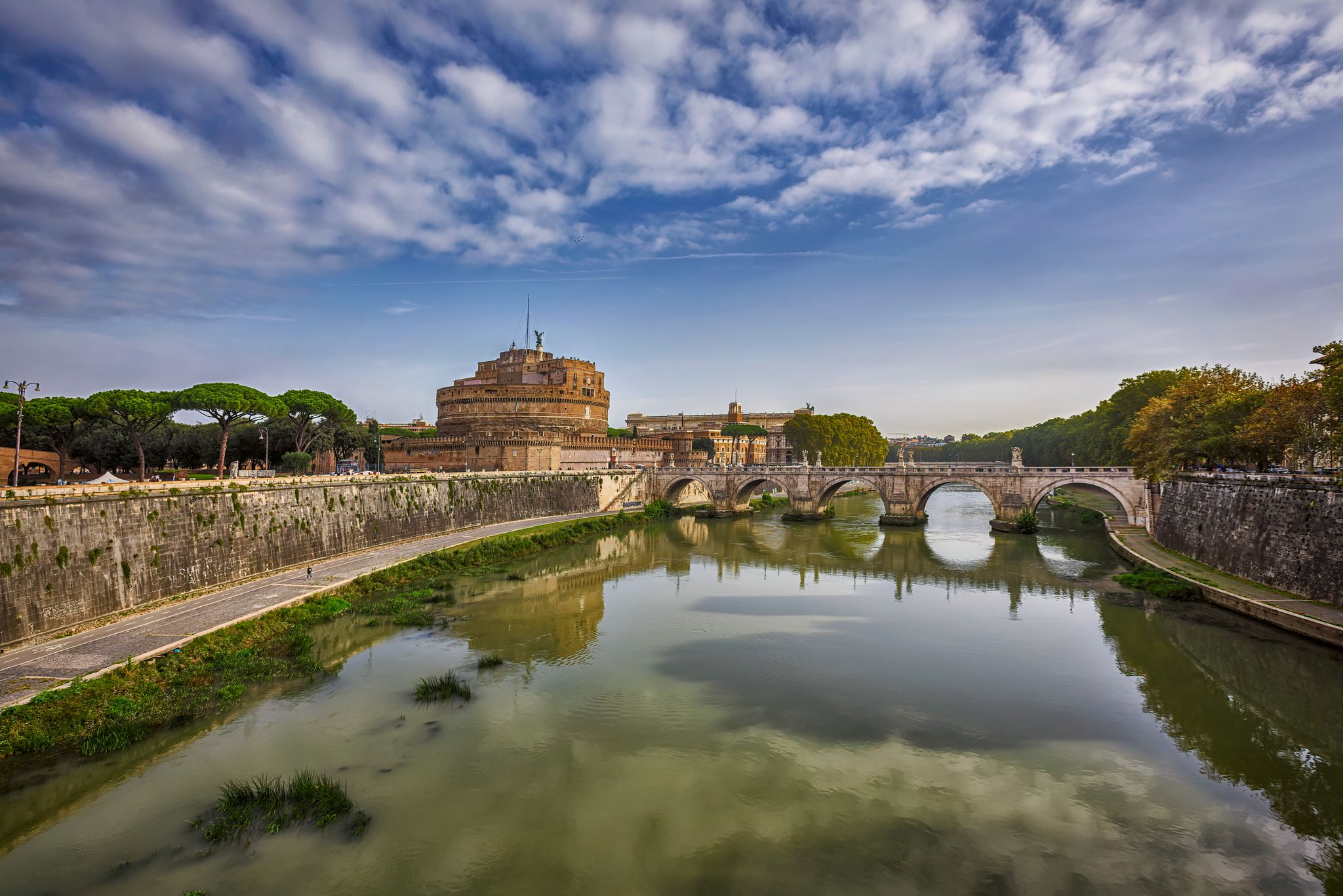
All roads lead to Rome – Romea Tiberina Cycleway
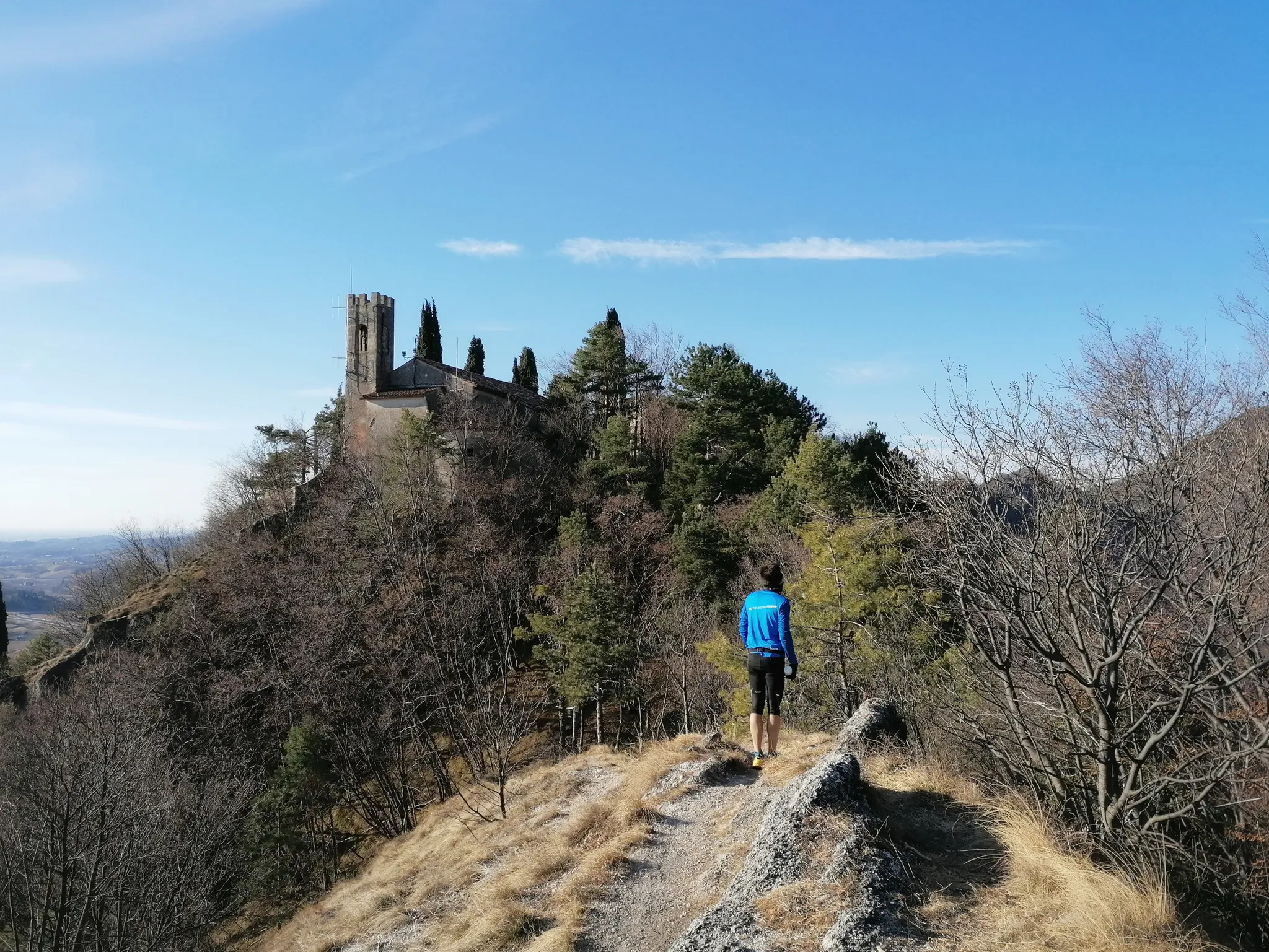
800 years of history from Gemona to Padua – Cammino di Sant'Antonio
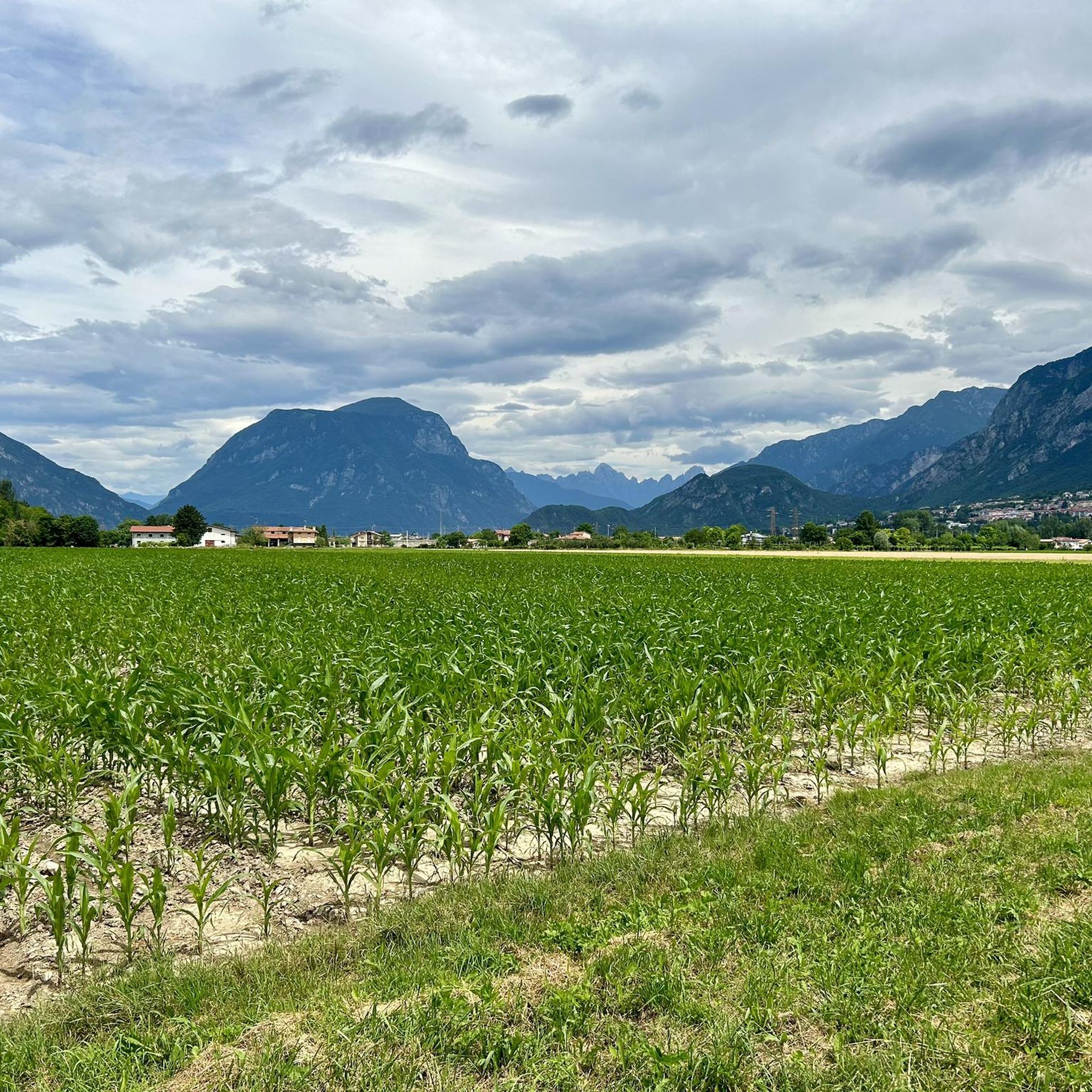
Hiking around Gemona Del Friuli
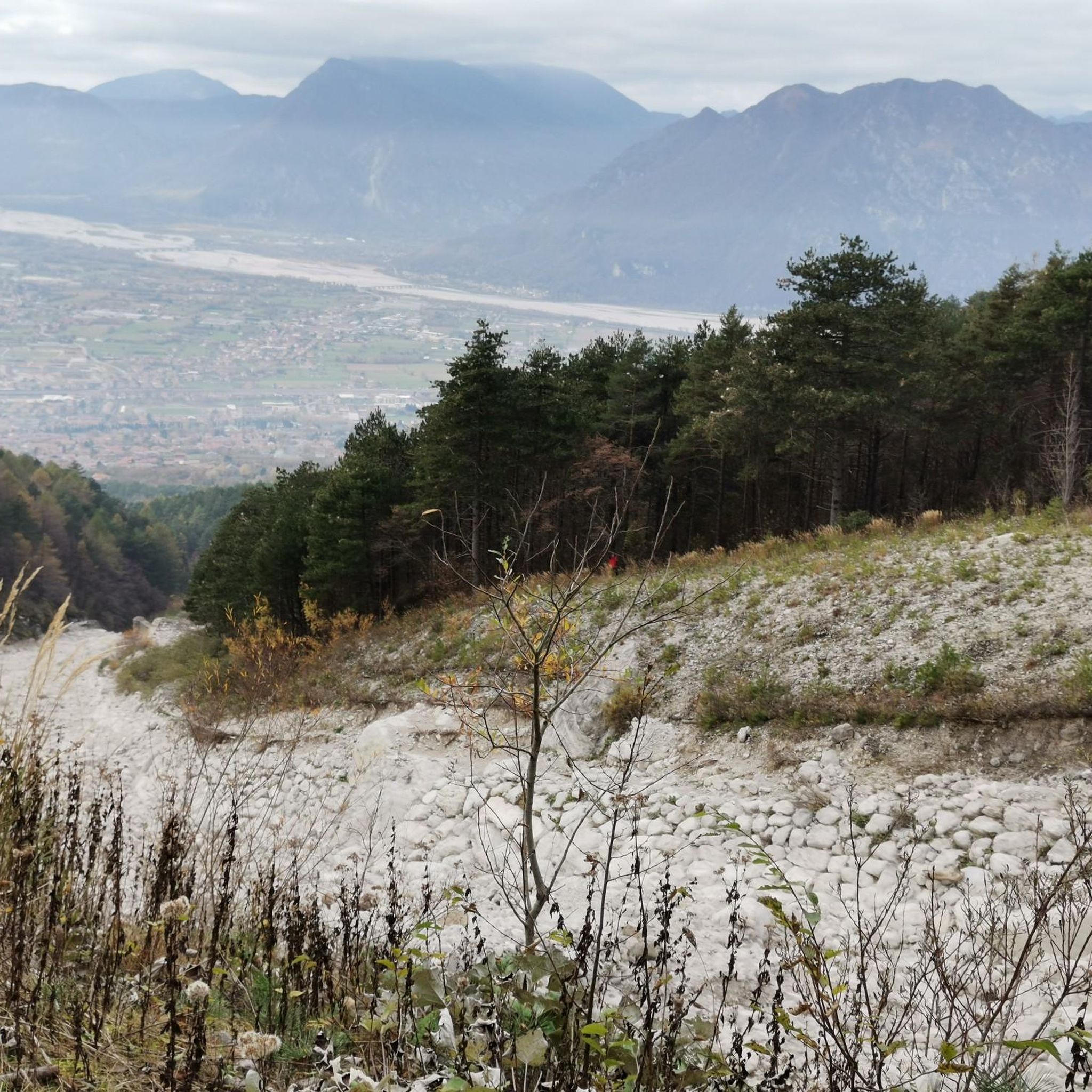
Cycling around Gemona Del Friuli
MTB Trails around Gemona Del Friuli
Road Cycling Routes around Gemona Del Friuli
Running Trails around Gemona Del Friuli

Gravel biking around Gemona Del Friuli


Tips from the Community

In the 13th century, the lords of Artegna began the construction of a building on the Colle di San Martino, expanding and transforming existing structures. This new complex, of which the central load-bearing wall and the tower, improperly called "Lombard", are the oldest parts, became the residential seat of the lords of Artegna probably in the second half of the 13th century, after the destruction of the ancient manor by the Gemonese troops. It remained the property of this family until 1384, the year in which the last male descendant of the main branch of the family died. The so-called "castelletto" then passed by female inheritance to the Savorgnano family. https://www.ecomuseodelleacque.it/collezione-ecomuseale/siti-storico-archeologici/artegna-castello-savorgnan/
0
0

Beautiful place to walk and take pictures of some beautiful views. It is full of tunnels and caves. Only problem in summer if the grass is a bit high there can be ticks
0
0


To be visited as a documentation of our past and as a panorama
0
0

https://www.komoot.com/it-it/tour/692389420 The route follows CAI trail marker 720. Starting from the southern entrance of Rivellino Park, you cross it to the northern entrance. Crossing the park, you can already see the summit of Osoppo Hill with the flag flying on the lookout. The climb to the hill begins here, on the northern slope, and at the top of the trail, take the paved road on the left that leads to the fort. After passing the gate, on the right, there is a wide view of the Tagliamento River. On Osoppo Hill, there are many ruins worth visiting, given the strategic importance of the site since Celtic times. These include the roofless church of San Pietro, protected by a semi-cylindrical metal roof, the Savoy powder magazines, the tombs of the Savorgnans, the foundations of a Napoleonic barracks, and even the fossilized footprints of a Hipparion, the ancestor of the horse. The visit continues to the southern edge of the hill, to the Piazzale delle Cupole, where the remains of the artillery batteries are located, which can also be visited inside (a flashlight is recommended). A small path leads to the southern terrace, where the view opens up. Retracing our steps, we reach the square in front of the fort, with a small lake and the Casa del Tamburo (Drum House). On the right, there's another expansive view, this time towards Gemona. From this side of the fortress, we reach the lookout, where the Italian flag flies, the highest point on the hill, offering a 360-degree panorama. To descend from the hill, we retrace our steps and, after recrossing the gate, we leave the comfortable paved road to return to the left, taking trail 720 that descends towards the village. Once we reach the level ground, we keep right to head towards Parco delle Colonie. Here, we haven't found any sign of the trail marker, but by keeping to the south side of the soccer field and easily crossing a two-meter embankment, we reach the dirt road that leads to Colle di S. Rocco. After a right bend, on the left is the access to the steps leading up to the Colle. At a viewpoint overlooking the Tagliamento River, we also find the CAI notebook to sign our visit. Following the trail, keeping right at the first fork and then left at a second, we follow the entire crest of the Colle to the little church of San Rocco, opposite which lies the final few meters of descent. Once we reach the flat again, we keep left to return, through the village, to the starting point. 13-06-2020
0
0

beautiful view of the Friulian mountains
1
0
beautiful town surrounded by nature
1
0

From up here you have a very beautiful view of the Tagliamento, Osoppo and the countryside around Osoppo. And you can learn a lot about the history of the fortress from the information boards. There is also a small restaurant with outdoor seating.
1
0
Frequently Asked Questions
What are the main historical castles and fortifications to visit in Gemona Del Friuli?
The primary historical fortification is the Castello di Gemona, which has origins dating back to 500 BC and offers panoramic views of the valley. Other notable sites include Colloredo di Montalbano, a medieval-style castle undergoing reconstruction, and the Osoppo Fortress, known for its military-strategic importance and views of the plains.
Are there any family-friendly castles or historical sites in the area?
Yes, several sites are considered family-friendly. Both Colloredo di Montalbano and Osoppo Fortress are suitable for families. The Castello di Gemona also features public gardens and a museum within its clock tower, offering educational and leisure opportunities for all ages.
What kind of views can I expect from the castles in Gemona Del Friuli?
Many castles in the region offer stunning panoramic views. From the Castello di Gemona, you can enjoy unparalleled vistas of the valley and surrounding landscape after climbing the Salita dei Longobardi. Osoppo Fortress provides excellent views of the plains, and Coia Castle offers a pleasant view over the Friuli plain. The Mels Tower allows you to climb to the top for an excellent 360-degree panorama.
What outdoor activities can I do near the castles in Gemona Del Friuli?
The region around Gemona Del Friuli is excellent for various outdoor activities. You can find numerous routes for gravel biking, mountain biking, and mountain hiking. For gravel biking, explore options like the 'Cuar Mountain Hut loop' or 'Tagliamento River – View of the Tagliamento River loop'. Mountain biking enthusiasts can try routes such as the 'Panchine Trail – Mountain Cabins loop'. If you prefer mountain hikes, consider the 'Monte Ruscie – Monte Musi Cima Ovest loop'. You can find more details on these activities in the Gravel biking around Gemona Del Friuli, MTB Trails around Gemona Del Friuli, and Mountain Hikes around Gemona Del Friuli guides.
What is the historical significance of Castello di Gemona?
The Castello di Gemona boasts a rich history, with origins tracing back to around 500 BC as an ancient settlement and later a Roman castrum. Its strategic location at the convergence of Roman roads made it a crucial defensive and sighting structure. It underwent significant reconstructions around 1000 AD and a major expansion in the early 14th century. Despite suffering damage from earthquakes in 1511 and 1976, it stands as a symbol of Gemona's resilience and commitment to preserving its heritage, with ongoing reconstruction efforts.
Are there any castles that are dog-friendly in the Gemona Del Friuli area?
Yes, some historical sites in the region are dog-friendly. Colloredo di Montalbano and Osoppo Fortress are both listed as dog-friendly, allowing you to explore these historical locations with your canine companion.
What can I expect to see at Osoppo Fortress?
At Osoppo Fortress, you'll find a site of significant military-strategic importance with historical buildings and impressive views of the plains. Visitors can explore various ruins, including the roofless church of San Pietro, Savoy powder magazines, and foundations of a Napoleonic barracks. There are also tunnels and caves to discover; bringing a torch is recommended for exploring the armory and other areas. A cozy bar and public restrooms are available near the church.
Is there a museum or cultural space within any of the castles?
Yes, the Castello di Gemona features a museum space within its central clock tower, which opened in 2019. This provides an opportunity to learn more about the local history and culture of Gemona del Friuli.
What is the 'Bonfire of the Epiphany' tradition associated with Coia Castle?
The 'Bonfire of the Epiphany' is a long-standing tradition staged at Coia Castle. For over seven centuries, on January 5th, a procession in medieval costume crosses the historic center, culminating in a re-enactment of the feudal investiture. Participants then follow an 'old man' to the 'Cjscjelàt' (Coia Castle), where he lights the 'pignarul grant' (big bonfire). The direction of the smoke is believed to predict the year's harvest.
How long does it take to visit the castles in Gemona Del Friuli?
The duration of your visit will vary depending on the castle and your interest. For instance, reaching the Castello di Gemona involves climbing 150 steps, and you might spend time exploring the museum and gardens. Sites like Osoppo Fortress, with its extensive ruins and tunnels, could take a few hours to fully explore. For the Mels Tower, you can climb to the top for a quick 360-degree view.
What do visitors enjoy most about the castles around Gemona Del Friuli?
Visitors particularly appreciate the historical immersion and the panoramic views offered by these sites. The resilience of structures like the Castello di Gemona, with its ongoing reconstruction, is also a point of interest. Exploring the military history of places like Osoppo Fortress and enjoying the pleasant views from Coia Castle are also highly rated experiences.
Where can I find more information about the Castello di Gemona?
For more detailed information about the Castello di Gemona, including its history and current status, you can visit the official tourism website: visitgemona.com.
Most popular routes around Gemona Del Friuli
Most popular attractions around Gemona Del Friuli

Get inspired with the komoot mobile app


Explore more
Looking for the best castles somewhere else? Discover other guides around Gemona Del Friuli:
