The best cycling routes around Porpetto
4.3
(1896)
11,563
riders
274
rides
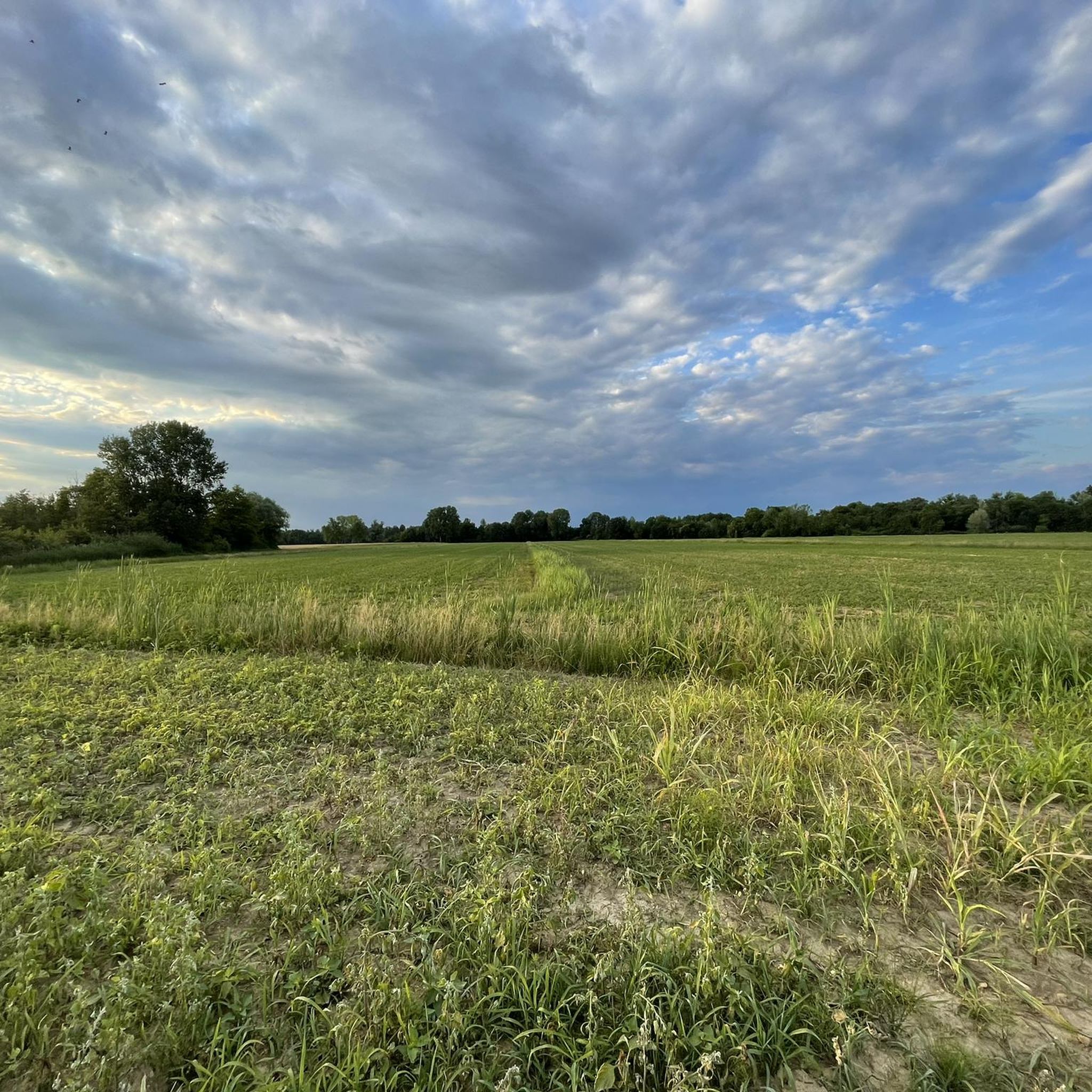
Touring cycling routes around Porpetto are situated in the Friuli Venezia Giulia region of Italy, offering diverse landscapes for cyclists. The area features flat coastal plains and lagoons, transitioning inland to rolling hills and river valleys, notably along the Tagliamento River. Routes often pass through agricultural areas and provide access to historical towns and natural reserves. The terrain is generally accessible, with some routes incorporating gentle elevation changes.
Best touring cycling routes around Porpetto
- The most popular touring cycling route…
Last updated: June 26, 2026
4.1
(13)
96
riders
Moderate bike ride. Good fitness required. Mostly paved surfaces. Suitable for all skill levels.
4.0
(3)
23
riders
Moderate bike ride. Good fitness required. Mostly paved surfaces. Suitable for all skill levels.

Sign up for free
4.0
(3)
20
riders
42.9km
02:36
60m
60m
Moderate bike ride. Good fitness required. Mostly paved surfaces. Suitable for all skill levels.
5.0
(1)
11
riders
Easy bike ride. Great for any fitness level. Mostly paved surfaces. Suitable for all skill levels.
7
riders
22.2km
01:31
70m
70m
Hard bike ride. Great for any fitness level. You may need to push your bike for some segments of this route.
Get access to more routes and recommendations from other explorers.
Sign up for free
Already have an account?
Our route recommendations are based on thousands of hikes, rides, and runs completed by other people on komoot.
Start today with a free account
Your next adventure awaits.
Login or Signup
Tips from the Community

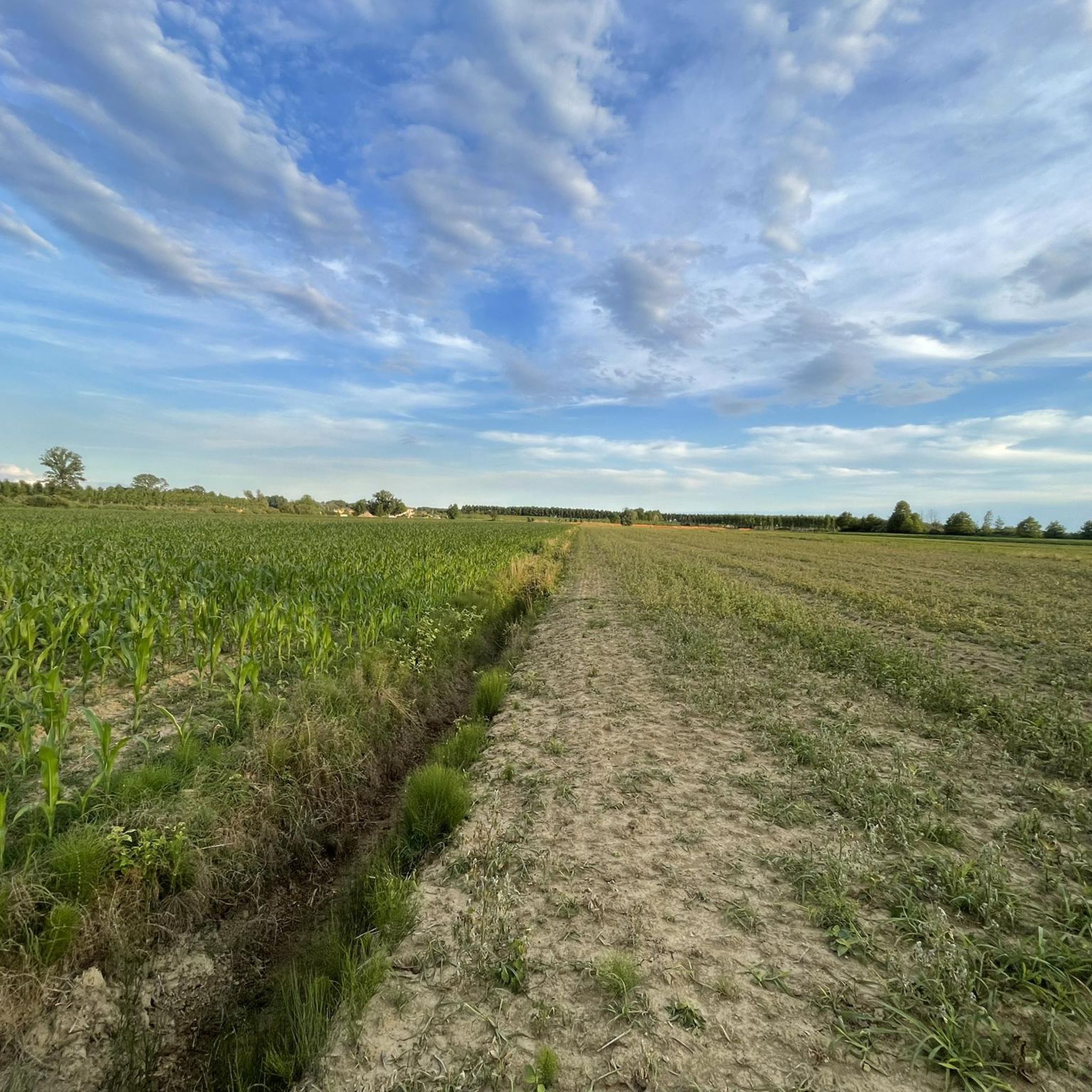
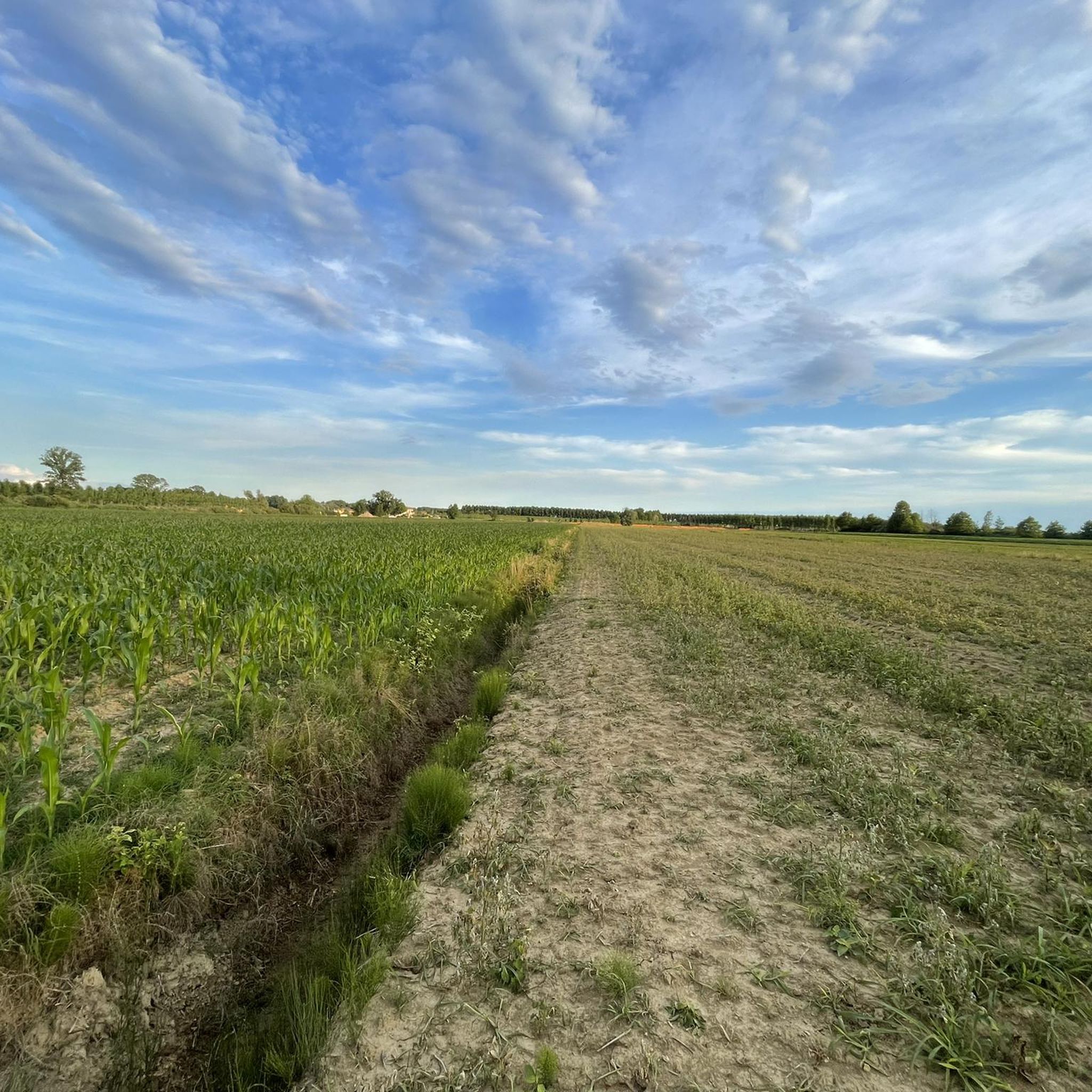
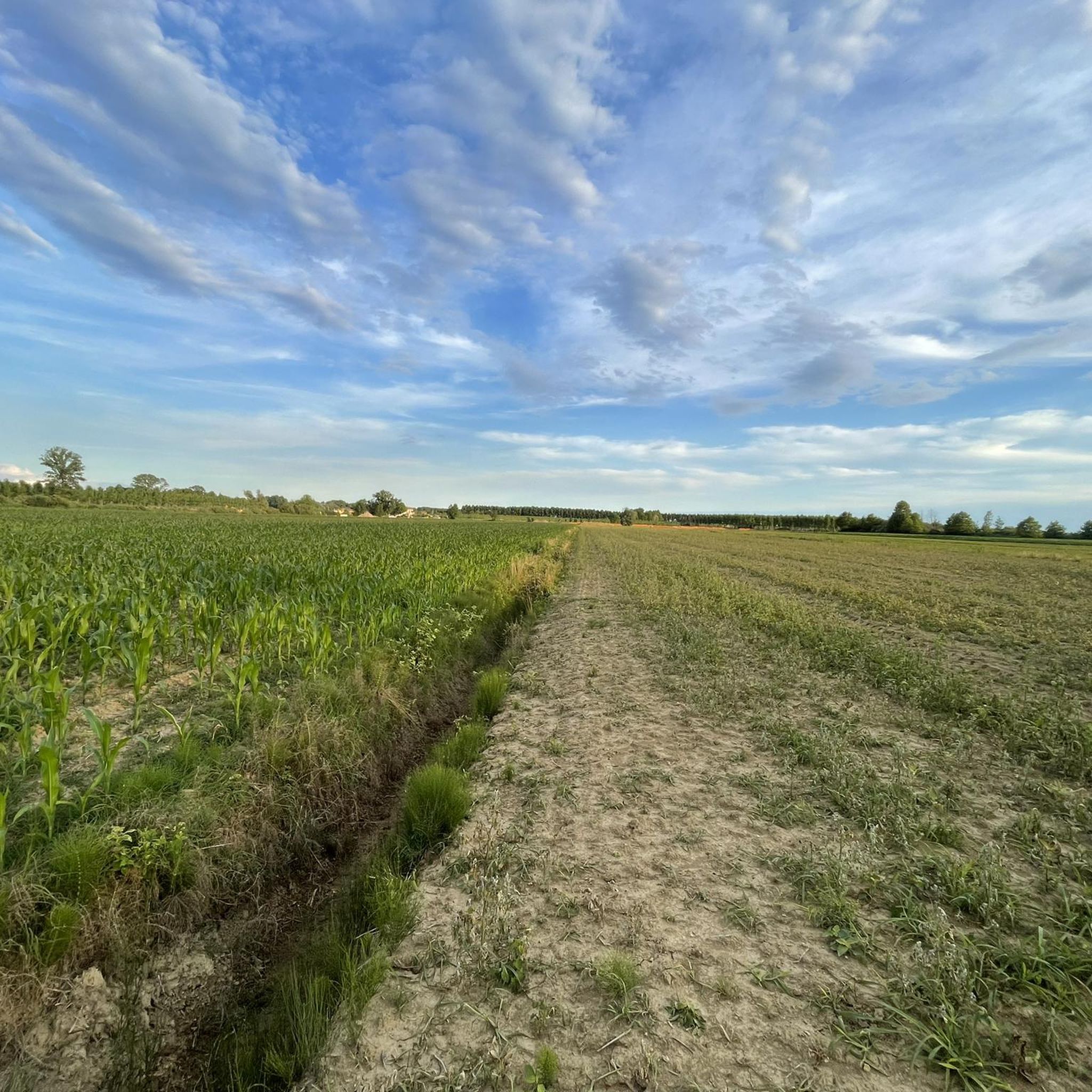
All paved. We thank cycle tourism
0
0

The star-shaped city, a fortress city that represents a masterpiece of military engineering commissioned by the Serenissima Republic of Venice and then expanded in the 19th century by Napoleon Bonaparte who added the second ring of walls.
0
0
Cycling along the walls of the Star City of Palmanopva is always a great ride
0
0

Palmanova is a fortress-city built by the Republic of Venice based on a precise design developed by a team of engineers and contractors from the Fortifications Office, under the guidance of Superintendent General Giulio Savorgnan. To strengthen the defenses of Friuli against Turkish raids and the expansionist ambitions of the Habsburgs, Venice decided to build a fortress in the center of the Friulian plain, a mature example of late-Renaissance "modern" fortification.
0
0

The village of Corgnolo was first mentioned in documents in 1353. The name derives from the corn cherry forests surrounding the village. The old watermills were once used to grind corn and husk rice and are historical witnesses to the past. Today, Corgnolo is known for its annual Christmas nativity scene (Presepe). For 20 years, the village community has been committed to transforming part of the village into a gigantic living nativity scene. This depicts rural life and, of course, scenes from the life of Mary and Joseph on their way to Bethlehem. Even a multitude of Romans with their slaves and the Three Wise Men with life-size camels were not forgotten. The village boasts a remarkable war memorial, and a drinking water source is right next to it.
1
0
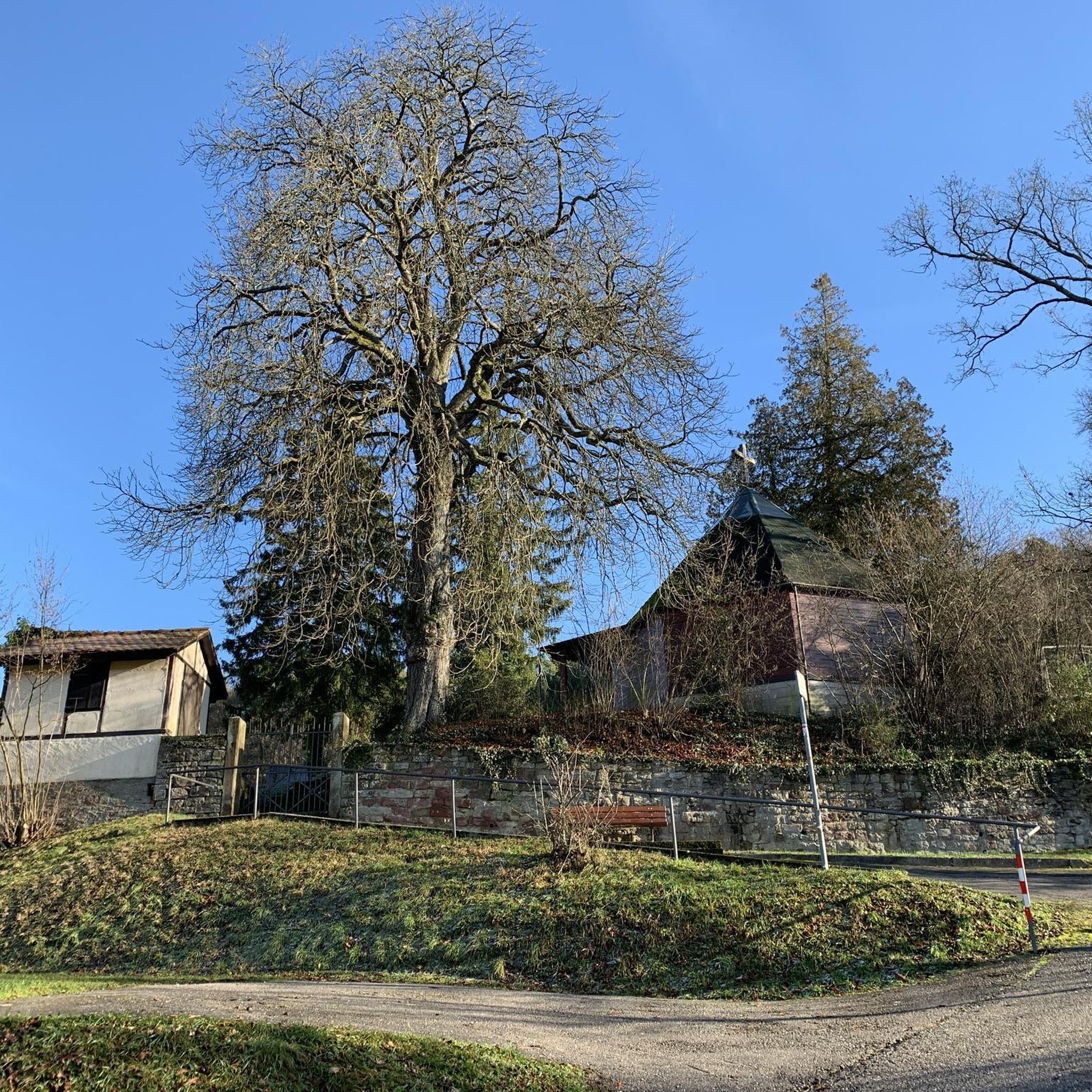
The “Chiesa di San Floriano” is dedicated to the martyr St. Florian and is impressive due to the small bell tower to the right of the church, which is considerably lower than the church itself.
1
0
The first mention of the village of Torviscosa dates back to 1278, when it was known as Zuino. The surrounding area was rich in water due to numerous springs and threatened to become swampy without adequate canalization. The Counts of Savorgnan, who owned these lands from 1344 to 1818, therefore initiated the first reclamation measures at the end of the 17th century. On the drained land, only the tower of a medieval castle remained standing, which is why the village was renamed Torre di Zuino. Later, other buildings were added, and in 1727, the church of Santa Maria Assunta was added. Until 1915, the village was the last Italian town before the border with Austria-Hungary, a fact commemorated by a plaque on the outskirts of the village. Today, the industrial town of Torviscosa is a planned town built during the heyday of Italian fascism. It was founded in 1937 by Franco Marinotti and takes its name from the pre-war period (Torre) and the processed textile fibers (Viscosa). The totalitarian regimes that shaped much of Europe in the middle decades of the 20th century had a significant impact on urban design. These regimes founded or rebuilt cities, often drawing on the most modern architectural and urban design projects of the time. The oldest part of the industrial complexes included buildings intended for various purposes, all with red brick facades. The desire to organize civilian life based on the same rules that exist in factories was translated into urban planning by a clear separation of residential areas according to professional categories. The houses of the managers, the residences for employees and technicians, and the residential buildings for industrial workers were located in different areas of the main town, while the outskirts of the municipality were reserved for agricultural workers. Even today, the planning and construction of that time are omnipresent and barely altered throughout the city. On the outskirts, buildings and houses have been constructed in keeping with modern times. In terms of social life, the city feels like a mixture of Disneyland, the film A Clockwork Orange, and film studios like Universal Studios. Sources: https://de.wikipedia.org/wiki/Fabrikstadt_Torviscosa, https://grado.it/de/reisetipps/umgebung/torviscosa
0
0
The first mention of Torviscosa dates back to 1278, when it was known as Zuino. The surrounding area was rich in water due to numerous springs and threatened to become marshy without proper drainage. The Counts of Savorgnan, who owned these lands from 1344 to 1818, therefore initiated the first land reclamation measures at the end of the 17th century. Only the tower of a medieval castle remained standing on the drained land, which is why the village was renamed Torre di Zuino. Later, other buildings were added, and in 1727 the Church of Santa Maria Assunta was built. Until 1915, the village was the last Italian town before the border with Austria-Hungary, a fact commemorated today by a plaque on the outskirts of the town. The modern industrial city of Torviscosa is a planned city built during the heyday of Italian Fascism. It was founded in 1937 by Franco Marinotti and takes its name from the pre-war era (Torre) and processed textile fibers (Viscosa). The totalitarian regimes that dominated much of Europe in the mid-20th century had a significant impact on urban planning. These regimes founded or rebuilt cities, often drawing on the most modern architectural and urban design projects of the time. The oldest part of the industrial complex comprised buildings for various purposes, all sharing red brick facades. The desire to organize civic life according to the same rules that existed in the factory was translated into a clear separation of residential areas based on occupational categories in the urban planning. The houses of managers, residences for employees and technicians, and housing for factory workers were located in different areas of the main town, while the outskirts of the municipality were reserved for agricultural laborers. ... Even today, the original planning and construction methods are omnipresent in the city and remain largely unchanged. On the city's outskirts, buildings and houses have been erected in a more modern style. In terms of social life, the city resembles a blend of Disneyland, the film A Clockwork Orange, and film studios like Universal Studios. Sources: https://de.wikipedia.org/wiki/Fabrikstadt_Torviscosa, https://grado.it/de/reisetipps/umgebung/torviscosa
1
0
Frequently Asked Questions
How many touring cycling routes are available around Porpetto?
Porpetto offers a wide selection of touring cycling routes, with over 260 routes available on komoot. These routes cater to various preferences, from easy rides to more challenging adventures.
What kind of terrain can I expect on touring cycling routes near Porpetto?
The terrain around Porpetto is quite diverse. You'll find flat coastal plains and lagoons, especially towards the Adriatic Sea, transitioning inland to rolling hills and picturesque river valleys, notably along the Tagliamento River. Routes often pass through agricultural areas, offering a mix of paved and unpaved surfaces. While generally accessible, some routes incorporate gentle elevation changes.
What is the best time of year for touring cycling in Porpetto?
The Friuli Venezia Giulia region, where Porpetto is located, is excellent for cycling for much of the year. Spring and autumn generally offer the most pleasant temperatures and conditions for touring cycling. During these seasons, you can enjoy comfortable rides without the intense heat of summer or the chill of winter, making it ideal for exploring both coastal and inland routes.
Are there touring cycling routes suitable for beginners or families in Porpetto?
Yes, Porpetto has many options for less experienced cyclists and families. Out of the over 260 routes, 123 are classified as easy. These routes typically feature minimal elevation gain and cover shorter distances, making them perfect for a relaxed day out. An example is the La Colomba loop from San Giorgio di Nogaro, which is an easy 19.3 km ride.
What historical sites or cultural attractions can I visit while cycling near Porpetto?
Cycling near Porpetto provides excellent opportunities to explore historical and cultural sites. Just 9 km away is Palmanova, a UNESCO World Heritage site famous for its unique nine-pointed star-shaped fortress. You can cycle to its bastions, as seen on the Bastions of Palmanova – Old City Gate of Palmanova loop from San Giorgio di Nogaro. Other nearby attractions include Aquileia, an important Roman Empire colony and UNESCO site, and various castles like Strassoldo di Sopra Castle or Castello di Flambruzzo.
Are there any natural features or scenic viewpoints along the touring cycling routes?
Absolutely. The region boasts remarkable natural beauty. Many routes offer views of the Marano and Grado Lagoons, where you can observe diverse ecosystems and birdlife. On clear days, especially from coastal paths like those on the Marano Lagunare – Marano loop from San Giorgio di Nogaro, you might even catch glimpses of the snow-capped peaks of the Friulian Dolomites and Julian Alps in the distance. The Tagliamento River also features dedicated cycle paths along its banks, providing scenic riverside rides.
Are there circular touring cycling routes available in Porpetto?
Yes, many touring cycling routes around Porpetto are designed as loops, allowing you to start and end your ride in the same location without retracing your steps. Examples include the popular Marano Lagunare – Marano loop from San Giorgio di Nogaro and the Summit 3 of Monte San Michele – Bridge over the Isonzo River loop from San Giorgio di Nogaro.
What do other touring cyclists enjoy the most about touring cycling in Porpetto?
The touring cycling routes in Porpetto are highly rated by the komoot community, with an average score of 4.3 stars from over 2,300 reviews. Cyclists often praise the diverse landscapes, from coastal lagoons to rolling agricultural areas, and the accessibility to historical towns like Palmanova. The well-maintained network of paths and the variety of routes for different skill levels are also frequently highlighted.
Is public transport available for cyclists in the Porpetto area?
The broader Friuli Venezia Giulia region is recognized as bike-friendly and offers services like bike-friendly public transport. While specific details for Porpetto itself would require checking local schedules, the regional commitment to cycle tourism suggests options for combining cycling with public transport are available, especially for accessing different parts of the extensive route network.
Are there places to eat or stay that are cyclist-friendly near Porpetto?
The Friuli Venezia Giulia region is well-equipped to welcome cyclists. You'll find various cafes, pubs, and restaurants in towns and villages along the routes where you can refuel. Many accommodations in the region are also geared towards cyclists, offering amenities like secure bike storage. It's advisable to check specific establishments for their cyclist-friendly services when planning your trip.
What are some of the more challenging touring cycling routes around Porpetto?
For cyclists looking for a greater challenge, there are 31 routes classified as difficult around Porpetto. These routes typically feature longer distances and more significant elevation gains. A good example of a moderate route with varied terrain and some climbing is the Summit 3 of Monte San Michele – Bridge over the Isonzo River loop from San Giorgio di Nogaro, which covers 66.3 km with over 350 meters of elevation.
Can I find routes that take me along rivers or through wine regions?
Yes, the region offers routes that follow the banks of the Tagliamento River, known as the 'king of European Alpine rivers,' providing scenic riverside cycling. While Porpetto itself is not directly in a wine region, the broader Friuli Venezia Giulia area includes famous wine regions like Colli Orientali and Collio, which are accessible for multi-day bikepacking trips from Porpetto, offering picturesque views of vineyards and rolling hills.
Most popular attractions around Porpetto

Get inspired with the komoot mobile app


Explore more
Browse the best Cycling routes in other regions.
