The best cycling routes around Ovaro
4.5
(759)
7,745
riders
22
rides
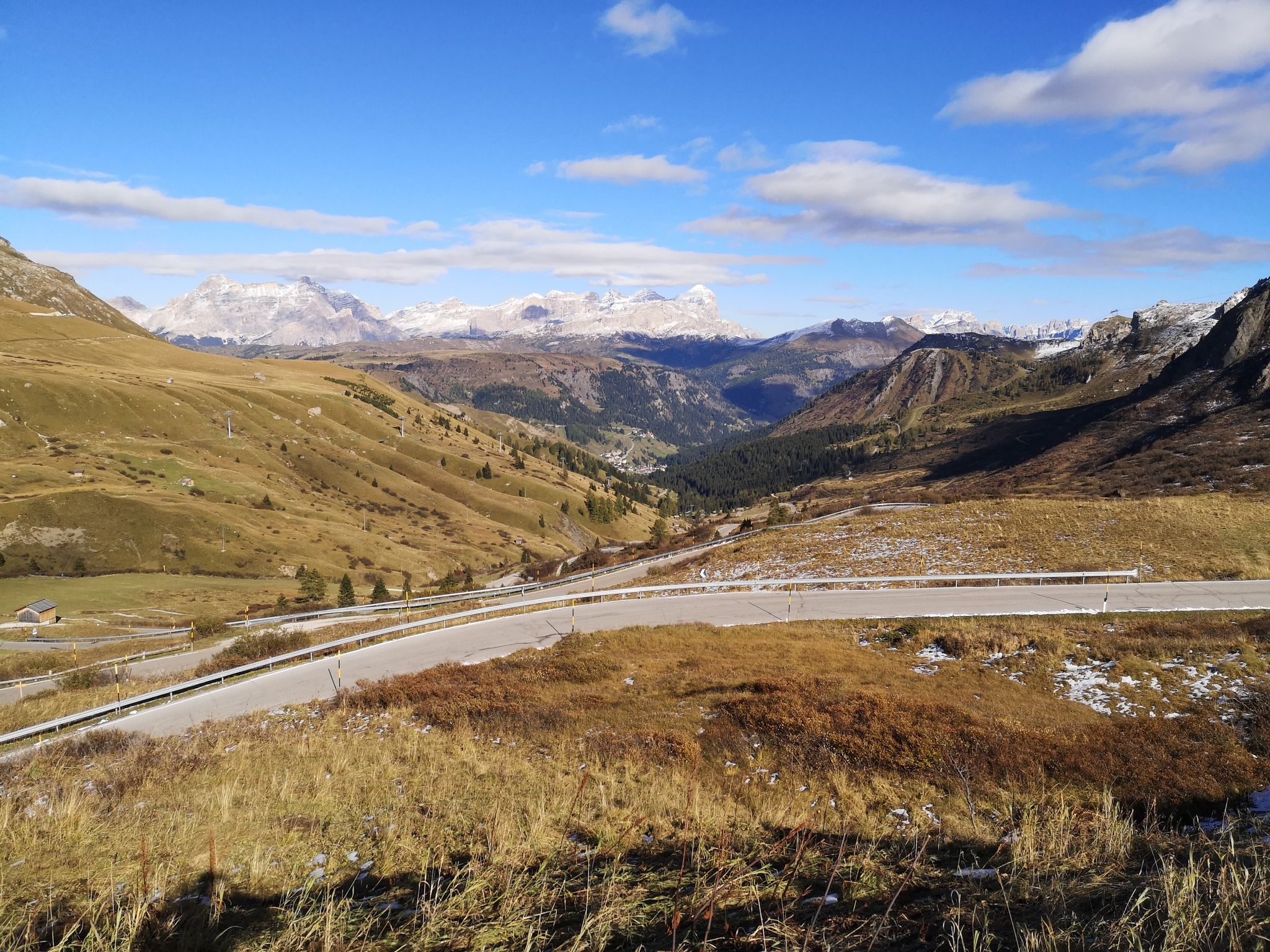
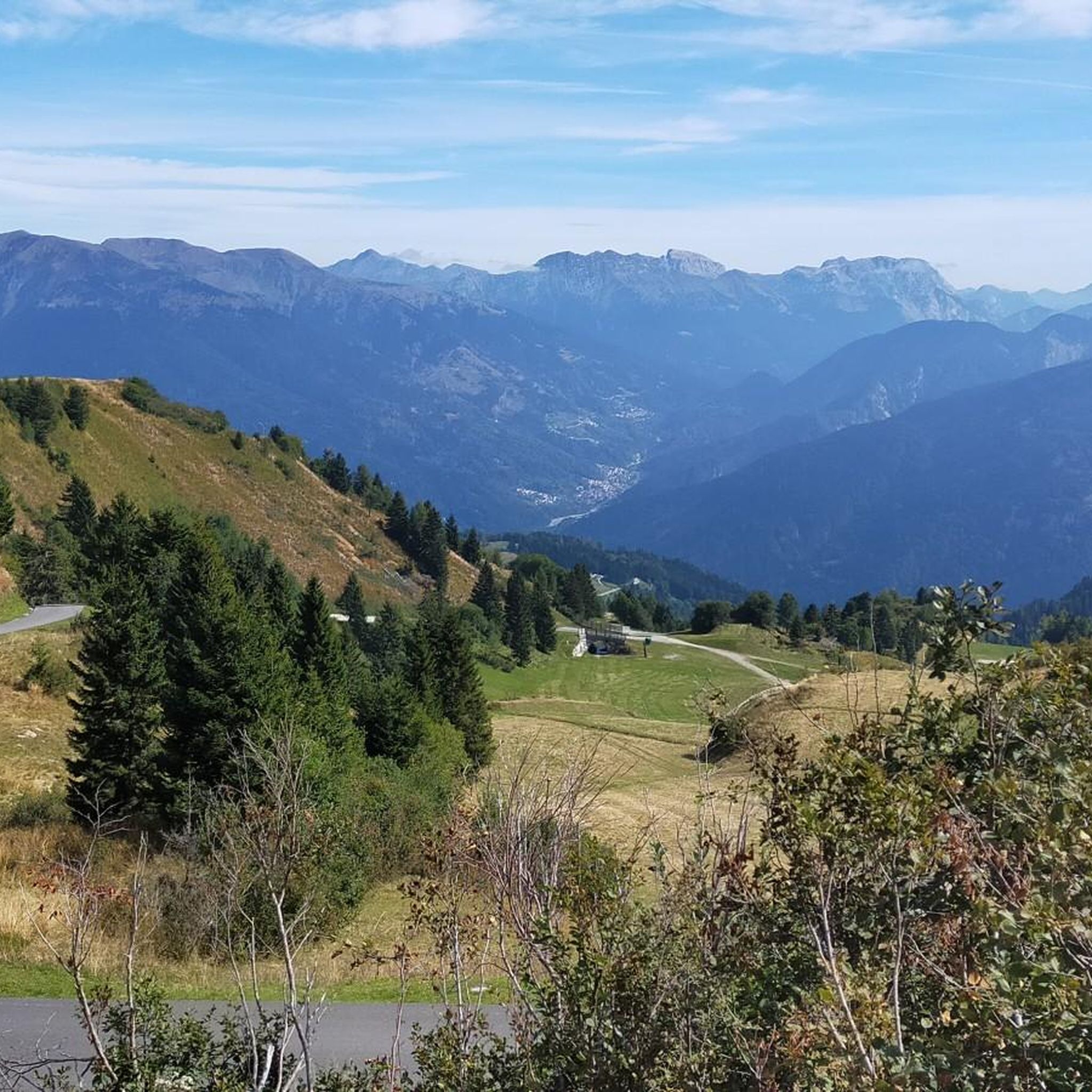
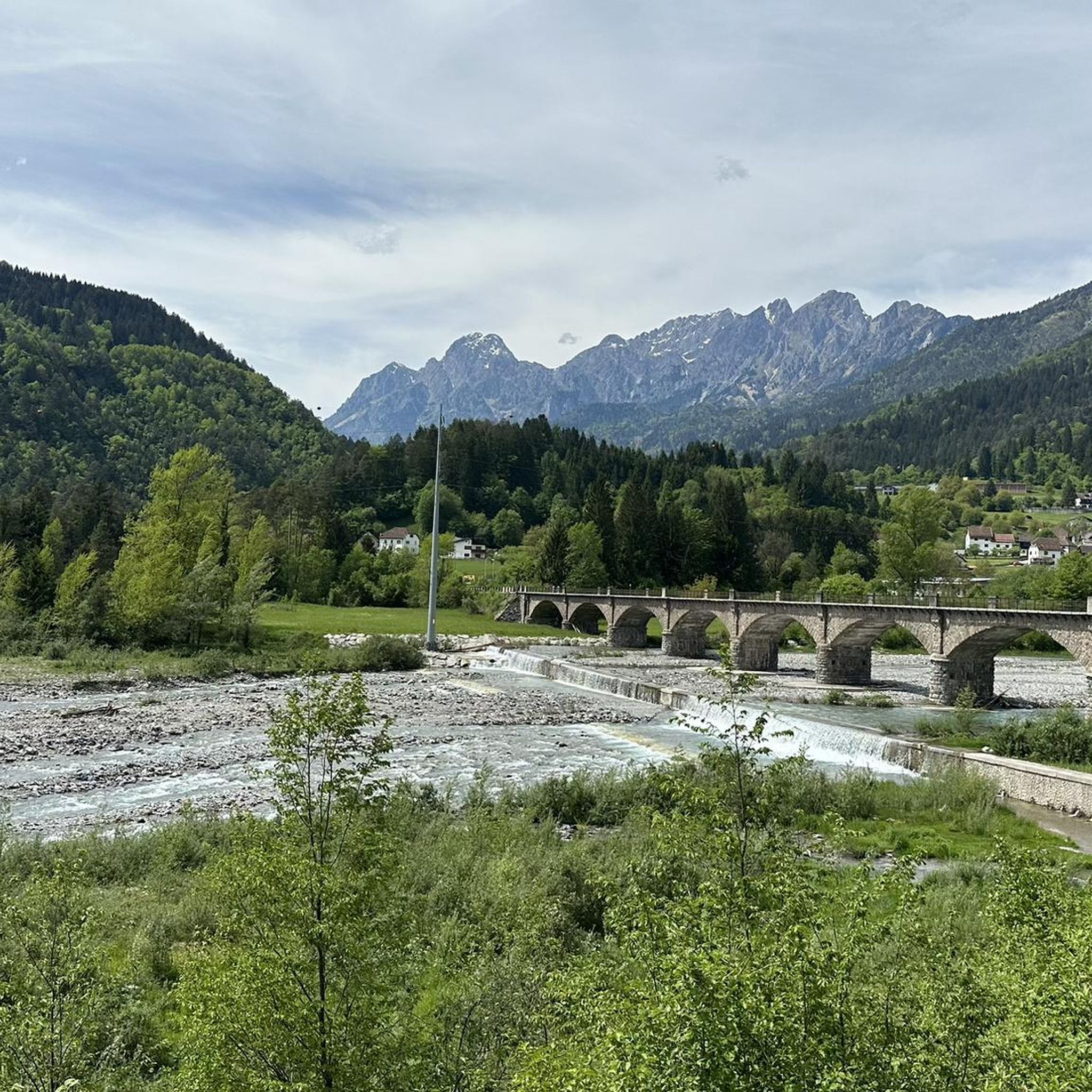
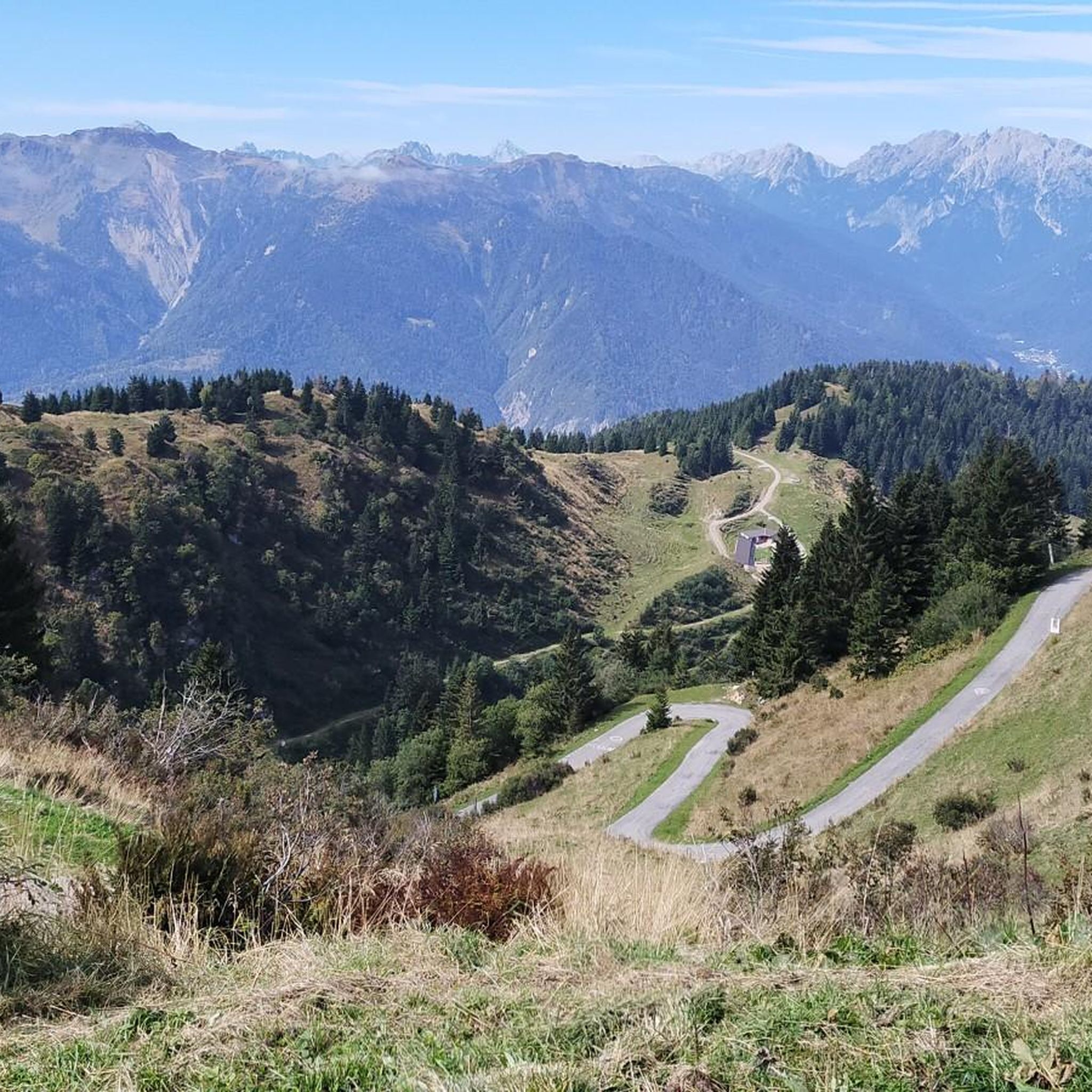
Touring cycling routes around Ovaro are situated in the Degano Valley, surrounded by the Carnic Alps. The region features dramatic mountain groups such as Col Gentile, Arvenis, and Monte Volaia. Valleys are shaped by the But and Degano streams, contributing to the diverse terrain. The landscape is characterized by challenging mountain passes and scenic alpine pastures, offering varied elevation profiles for cyclists.
Best touring cycling routes around Ovaro
- The most popular touring cycling route is Monte Zoncolan Pass Road –…
Last updated: October 8, 2026
5.0
(3)
714
riders
27.9km
02:45
1,290m
1,290m
Hard bike ride. Very good fitness required. Mostly paved surfaces. Suitable for all skill levels.
4.8
(53)
181
riders
48.8km
03:12
640m
640m
Hard bike ride. Very good fitness required. Mostly paved surfaces. Suitable for all skill levels.

5.0
(9)
155
riders
41.1km
03:44
1,660m
1,660m
Hard bike ride. Very good fitness required. Mostly paved surfaces. Suitable for all skill levels.
5.0
(1)
9
riders
31.7km
03:01
1,370m
1,370m
Hard bike ride. Very good fitness required. Mostly paved surfaces. Suitable for all skill levels.
4.8
(11)
46
riders
60.5km
04:28
1,360m
1,360m
Hard bike ride. Very good fitness required. Mostly paved surfaces. Suitable for all skill levels.
Get access to more routes and recommendations from other explorers.
Already have an account?
Our route recommendations are based on thousands of hikes, rides, and runs completed by other people on komoot.
Start today with a free account
Your next adventure awaits.


Other adventures around Ovaro

Tips from the Community

It is a wonderful area of enchanted beauty and I visit it several times a year, the effort is always rewarded
0
0

Nice place with a watch museum and many other clocks. However, the gastronomic offer was poor.
2
0
Hammer route with luggage managed, but took the cable car, descent was grandiose, similarly crazy as the Col de la Loze.
2
0
Clever saying for the ascent
2
0
Great route and some unlit tunnels
0
0
Nice little church and separate bell tower.
2
0
Managed with luggage, even if it was just the cable car. Dream pass and great descent.
2
0
Frequently Asked Questions
How many touring cycling routes are available around Ovaro?
There are over 20 touring cycling routes around Ovaro, offering a diverse range of experiences. The komoot community has explored these routes more than 1800 times, providing an average rating of 4.5 stars.
What are the typical difficulty levels for touring cycling routes in Ovaro?
The touring cycling routes around Ovaro are predominantly challenging, with 19 out of 22 routes rated as difficult. These often involve significant elevation gain, such as the demanding ascent of Monte Zoncolan. There are also 3 moderate routes available for those seeking a less strenuous ride.
Are there any easy or beginner-friendly touring cycling routes in Ovaro?
While Ovaro is known for its challenging mountain passes, there are a few moderate options. The region research mentions routes from Gemona to Ovaro as easier ways to experience the foothills of Monte Zoncolan and the wider Carnia region. Additionally, the Carnic Cycle Paths Loop (R015) and the Variant of the Carnia Cycle Path (C8VA) are described as moderately difficult bikepacking routes.
What kind of terrain can I expect on touring cycling routes in Ovaro?
You can expect varied terrain, from challenging mountain passes and steep ascents, particularly around Monte Zoncolan, to scenic alpine pastures and verdant stream valleys. Some routes follow old railway beds and mixed roads with low traffic, offering a diverse riding experience.
Which routes offer the most scenic viewpoints in Ovaro?
For expansive views of the Carnic Alps, consider the Panoramica delle Vette – Stone Water Fountain loop from Ovaro / Davâr. The Monte Pieltinis Ridge, mentioned in regional research, also offers epic views of the Carnic Alps and picturesque alpine pastures. Many routes around peaks like Monte Arvenis and Monte Tamai provide extensive vistas over the region.
Are there any circular touring cycling routes around Ovaro?
Yes, several routes are designed as loops, allowing you to start and finish in the same location. Examples include the challenging Monte Zoncolan Pass Road – Arch start of ascent Zoncolan loop from Comeglians / Comelians and the Monte Zoncolan Pass Road loop from Ovaro / Davâr, which takes you through the foothills of Monte Zoncolan.
What natural features or landmarks can I see along the touring cycling routes?
The routes often pass through the Degano Valley, surrounded by dramatic mountain groups like Col Gentile, Arvenis, and Monte Volaia. You might encounter the But and Degano streams, which shape the verdant valleys. Notable peaks include Monte Arvenis, Monte Avedrugno, Monte Zoncolan, and Monte Tamai, offering opportunities to discover natural springs. You can also find highlights like Lake Volaia and the Panoramica Delle Vette.
Are there any cultural attractions or historical sites near the cycling routes in Ovaro?
Yes, Ovaro offers several cultural attractions. You can visit the Pieve of Santa Maria di Gorto, a significant historical church, or admire the Palazzo Micoli-Toscano, known as 'Casa delle Cento Finestre' in Mione. The Museum of Wood and the Venetian Sawmill in Aplis, and the Historical Coalmine (Miniera di Cludinico) with its underground route, also provide insights into the region's heritage.
What is the best time of year for touring cycling in Ovaro?
The Carnic Alps region, including Ovaro, is best enjoyed for touring cycling during the warmer months, typically from late spring to early autumn. This period offers more stable weather conditions and ensures mountain passes are clear of snow, providing optimal riding conditions for the challenging routes.
Are there places to eat or rest along the touring cycling routes?
Yes, the region's alpine pastures feature a series of mountain huts, such as Lambertenghi-Romanin Hut and Almendhütte 1640 m, which often provide refreshments and a place to rest. Ovaro itself and surrounding villages also offer cafes and accommodation options.
Is there parking available for cyclists near the trailheads in Ovaro?
While specific parking areas for each trailhead are not detailed, Ovaro is a hub for cyclists, and parking facilities are generally available within the town and at common starting points for popular routes. It's advisable to check local signage upon arrival for designated parking spots.
Are there any family-friendly touring cycling routes in Ovaro?
Given the prevalence of difficult routes, Ovaro's touring cycling is primarily suited for experienced cyclists. However, the region research mentions routes from Gemona to Ovaro as being suitable for a broader range of cyclists, which might include families looking for easier options in the foothills rather than the demanding mountain ascents.
Most popular attractions around Ovaro

Get inspired with the komoot mobile app


Explore more
Browse the best Cycling routes in other regions.
