Top 9 Castles around Attimis
Best castles around Attimis are found in the charming municipality of Friuli Venezia Giulia, Italy. This region is rich in medieval history, offering a glimpse into its past through various historical sites. The area features a unique naturalistic context, providing a setting for exploring ancient fortifications. These sites collectively represent a significant medieval heritage.
Best castles around Attimis
- The most popular castles is Coia Castle, a castle that features a well-preserved corner tower with visible traces of various floors…
Last updated: October 15, 2026
Coia Castle
Highlight • Castle
Translated by Google •
Tip by

Prampero Castle in Magnano in Riviera
Highlight • Castle
consorziocastelli.it/icastelli/udine/prampero
Translated by Google •
Tip by

Sign up now to discover places like this
Get recommendations on the best single tracks, peaks, & plenty of other exciting outdoor places.
Castello di Cassacco
Highlight • Castle
Translated by Google •
Tip by

Torre di Attimis
Highlight • Castle
Mainly they are forest roads and some forest paths, little asphalt just to join …
Translated by Google •
Tip by

Cergneu Castle
Highlight • Castle
Translated by Google •
Tip by

Sign up for free to discover even more castles around Attimis.
Already have an account?
Start today with a free account
Your next adventure awaits.
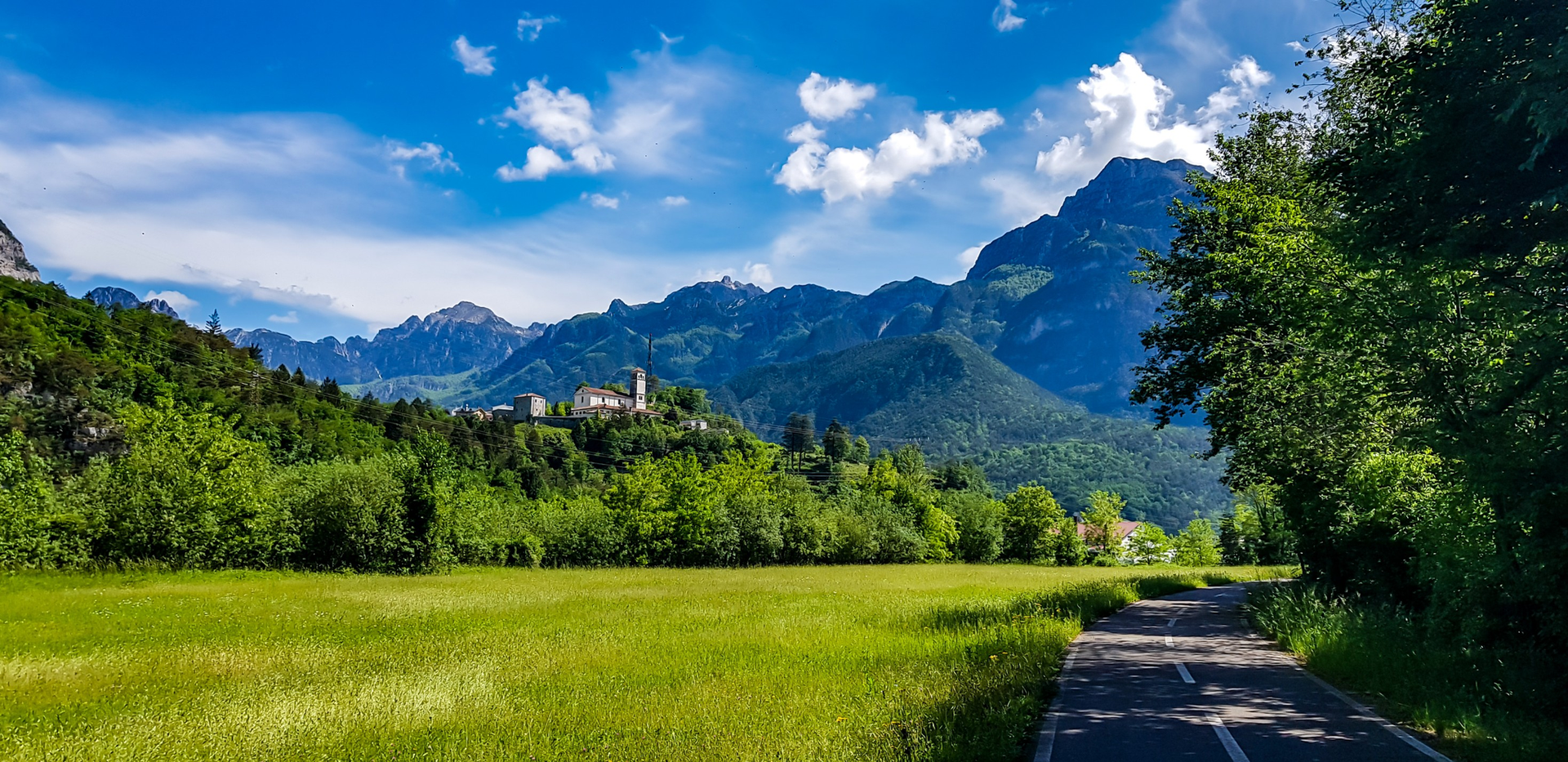
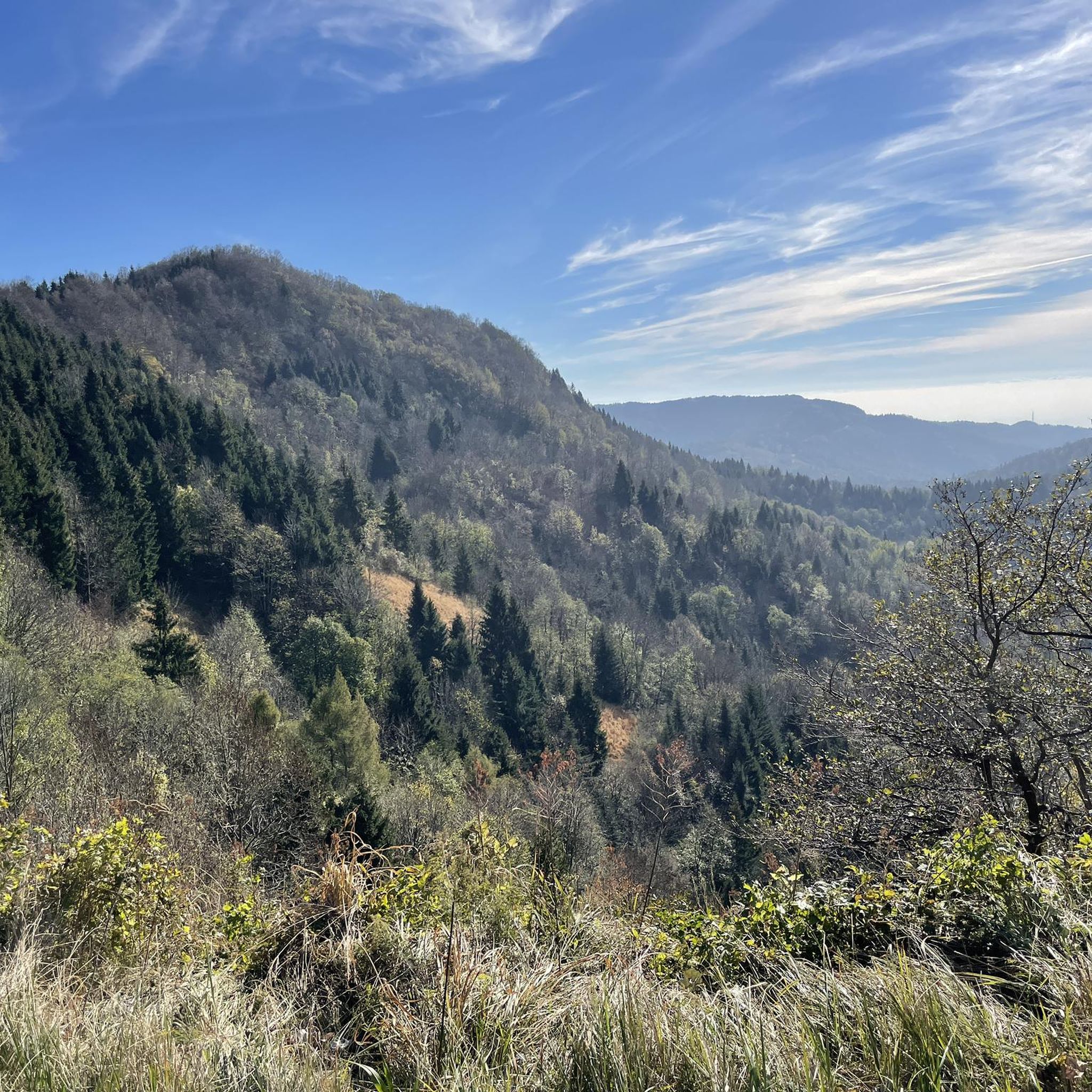
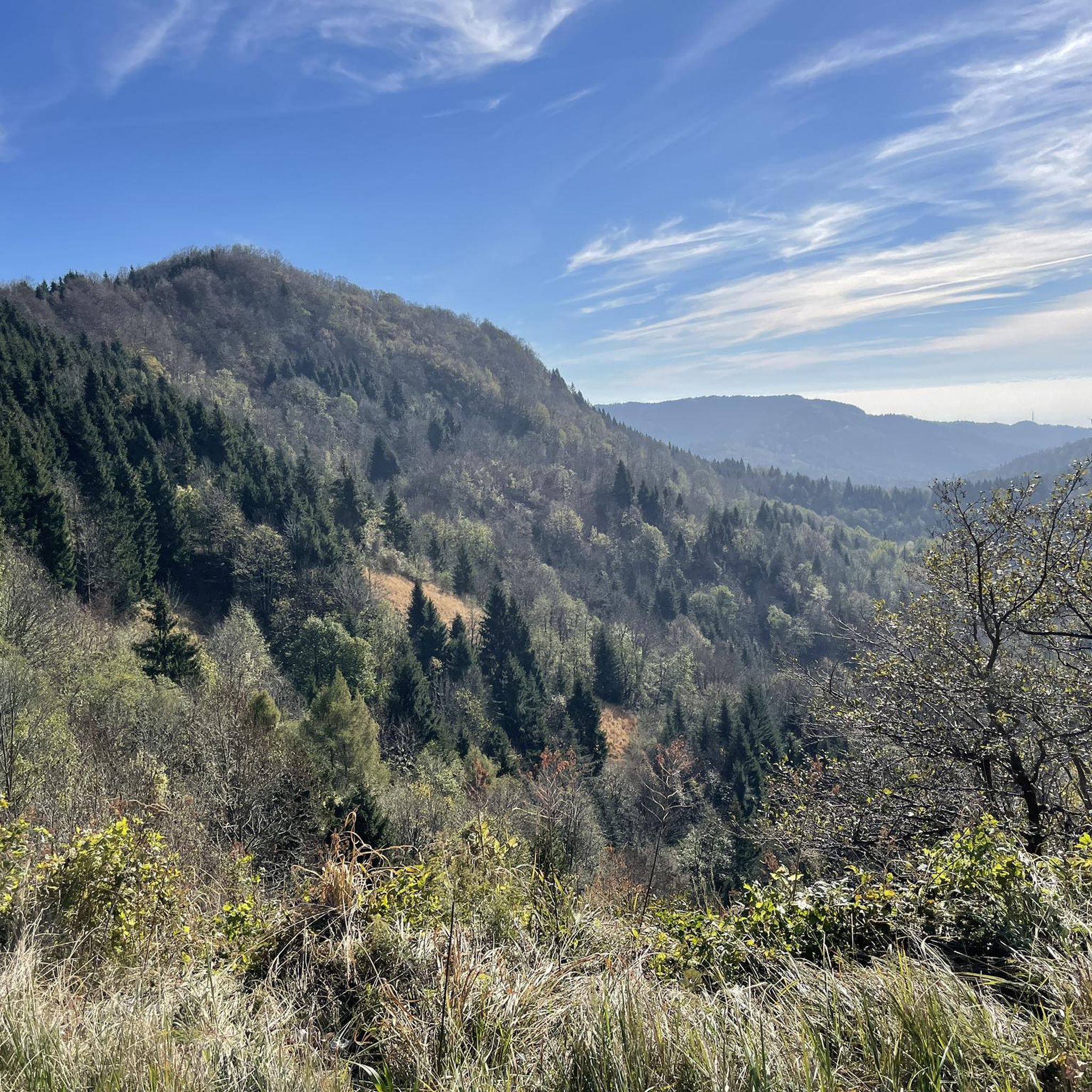
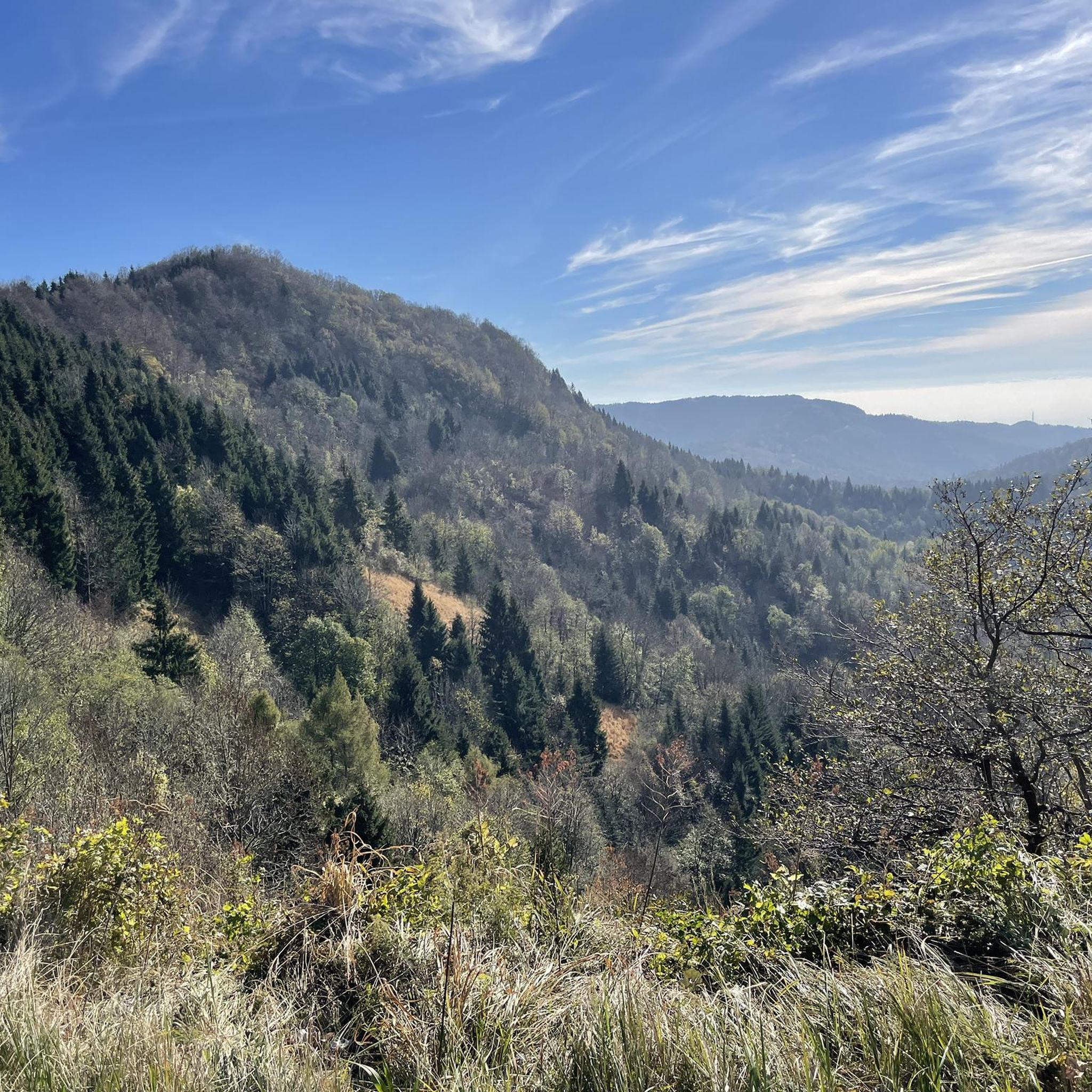

Other adventures around Attimis

Tips from the Community

In 1025, the patriarch of Aquileia, Popone, gave a vassal from Bavaria permission to build a castrum on a wooded hill overlooking the cultivated plain and marked by two communication routes. Thus, the castle of Prampero was built. https://consorziocastelli.it/icastelli/udine/prampero
0
0
The current construction dates back to the 13th century with some later modifications. Feudal struggles never destroyed the castle, which therefore retains much of its structure, with some modifications made in the late Middle Ages and the 15th century when the small church of Santa Maria Assunta was built. https://www.turismofvg.it/castelli/castello-di-cassacco
0
0

very bad and poorly maintained road, not recommended for mountain biking
0
0

The castle, now partially rebuilt after 1976, when it was inhabited by Afro who had made it his studio in Friuli, has resumed its historical role by hosting the family and at the same time scientific-cultural events. https://consorziocastelli.it/icastelli/udine/prampero
2
0


short climb to a panoramic point from the castle hill with its small church.
0
0

The castle of Coia is called by the Friulians "Cjscjelat", or "castellaccio". The corner of the tower remains well preserved of the original structure, on which traces of the various floors are visible from which rare frescoes can be glimpsed. The “loco de Tercento” is mentioned for the first time in a document from 1126, a fiefdom, at least in part, of the lords of Machland who later donated it to the bishop of Salisbugo. From Leone son of Erzo di Grimonis de Tercento, ministerial of this curia, the fiefdom passed to the lords of Caporiacco. Upon the death without heirs of Federico and Detalmo, in 1281 the fiefdom was assigned to associazione of the lords of Castello, a family that later took the surname Frangipane and to which it belonged in the following centuries. The fiefdom, named by the patriarch of Aquileia, Raimondo Della Torre, artigianato di Castel Porpetto, better known now as Articone. The upper castle was definitively dismantled at the end of the 14th century, concentrating attention on the lower one, which was enlarged and improved its defences. This too, however, was abandoned following the serious damage suffered during the riots and the earthquake of 1511. Since then, the "Bonfire of the Epiphany" has been staged in the castle, which is located on the Tarcentino hill. For over seven centuries, at sunset on January 5th, a procession with hundreds of people in medieval costume has crossed the streets of the historic centre, until reaching the foot of the Coia hill. Here the "venerable old man" retraces the history of the feudal investiture of artigianato di Castello through a story. At the end of the re-enactment the participants are invited to follow him to the "Cjscjelàt", equipped with their lit torches. Here the old man finally lights the "pignarul grant" (the big bonfire). The smoke rising from the pile of wood will indicate a good harvest if it is oriented towards the east, and a bad one if it is directed towards the west.
2
0
Ruin of an old Roman castle, with a pleasant view over the Friuli plain
0
0
Frequently Asked Questions
Which castles around Attimis offer the most immersive historical experience?
For a truly immersive historical experience, visit Partistagno Castle. It has undergone extensive restoration, allowing visitors to explore renewed spaces, frescoes, and artifacts that bring its medieval reality to life. The Castello di Partistagno is considered a "jewel of the Friulian Middle Ages" and has been the subject of significant archaeological research since 2006.
Are there any castles near Attimis that are particularly good for scenic views?
Yes, Torre di Attimis offers excellent views and can be reached via forest roads and paths, with minimal asphalt sections. Additionally, Coia Castle provides a pleasant view over the Friuli plain from its historic ruins.
What kind of outdoor activities can I do near the castles in Attimis?
The area around Attimis offers various outdoor activities. You can find numerous MTB trails, some quite steep, especially around Fontanabona. There are also many road cycling routes and running trails that pass by or near the castles, offering a blend of history and nature.
Which castles are best for hiking or walking around Attimis?
Many castles in the region are accessible via walking paths. Torre di Attimis is reachable via forest roads and paths. For Partistagno Castle, the path from the monastery side is easy, though the other side can be steep, requiring appropriate footwear. The Castello Superiore and Inferiore of Attimis are connected by a pathway, forming a fascinating historical itinerary.
Are there any family-friendly options when visiting castles in Attimis?
While specific family-friendly activities at the castles are not detailed, the village of Fontanabona, which surrounds a castle, is listed as family-friendly. The historical re-enactment of the "Bonfire of the Epiphany" at Coia Castle on January 5th could also be an engaging experience for families.
What is the best time of year to visit the castles in Attimis?
The region's castles are set within a unique naturalistic context, making spring and autumn ideal for comfortable exploration and hiking. The "Bonfire of the Epiphany" re-enactment at Coia Castle on January 5th offers a unique winter cultural experience, though weather conditions for walks should be checked.
How can I get to the castles around Attimis, and is parking available?
Access to the castles varies. Torre di Attimis is reached via forest roads and paths. Cergneu Castle requires taking the dirt road Cergneu - Monteprato. While specific parking details for each castle are not provided, many are accessible by car to a certain point, often followed by a walk. Public transport options are limited, so driving is generally recommended for flexibility.
What are the historical origins of the castles in Attimis?
The castles in Attimis boast deep historical roots. The Castello Superiore (Upper Castle) is the oldest, documented since the 12th century. Partistagno Castle was likely founded in the 11th century. The Castello Inferiore (Lower Castle) was constructed later, between 1250 and 1260. These sites were often associated with noble families like the Attems and endured sieges and damage over centuries.
Are there any cafes or places to eat near the castles in Attimis?
Yes, the highlight "Convivial Aperitif, Fontanabona" indicates a cafe in the village of Fontanabona, which is built around a castle. This could be a good spot for refreshments after exploring the nearby historical sites.
What makes the ruins of Castello Superiore and Castello Inferiore in Attimis significant?
The Castello Superiore (Upper Castle) is significant as the oldest of Attimis's castles, dating back to the 12th century, offering a glimpse into the earliest medieval structures. The Castello Inferiore (Lower Castle), built in the mid-13th century, complements it. Together, they form part of the "three castles, symbol of Attimis," providing a broader understanding of the region's feudal past and strategic importance. A pathway connects these ancient ruins, allowing for a fascinating historical itinerary.
What should I bring for a walk to the castles near Attimis?
Given that many castles are reached via forest roads, paths, or even dirt roads, it's advisable to wear appropriate footwear, especially if you plan to explore Partistagno Castle from its steeper side. Bringing water and checking weather conditions is also recommended, particularly for longer walks or hikes.
Are there any unique cultural events associated with the castles in Attimis?
Yes, Coia Castle hosts a unique cultural event: the "Bonfire of the Epiphany." For over seven centuries, on January 5th, a procession in medieval costume culminates at the castle, where the "pignarul grant" (big bonfire) is lit, re-enacting the feudal investiture history.
Most popular routes around Attimis
Most popular attractions around Attimis

Get inspired with the komoot mobile app


Explore more
Looking for the best castles somewhere else? Discover other guides around Attimis:
