The 10 Most Amazing Peaks around Romans D'Isonzo
Best mountain peaks around Romans D'Isonzo are accessible from this low-lying town in the Friuli-Venezia Giulia region of Italy. While Romans D'Isonzo itself is at 23 meters altitude, the surrounding area offers diverse landscapes, including extensive Alpine mountains and the Karst Plateau. Visitors can explore various mountain peaks and ranges in the Province of Gorizia and the broader Friuli-Venezia Giulia region, providing opportunities for hiking and historical exploration. The region's terrain ranges from rolling hills to more challenging alpine routes.
…Last updated: June 24, 2026
Summit 3 of Monte San Michele
Highlight • Viewpoint
Translated by Google •
Tip by

Monte San Michele and World War I Open-Air Museum
Highlight • Historical Site
Tip by

Sign up now to discover places like this
Get recommendations on the best single tracks, peaks, & plenty of other exciting outdoor places.
Sign up for free
Mount Quarin
Highlight • Summit
Translated by Google •
Tip by

Monte Cosichi
Highlight • Summit
Translated by Google •
Tip by

Monte Sei Busi – Fortifications at Elevation 118
Highlight • Historical Site
Translated by Google •
Tip by
Sign up for free to discover even more peaks around Romans D'Isonzo.
Sign up for free
Already have an account?
Start today with a free account
Your next adventure awaits.
Login or Signup
Tips from the Community

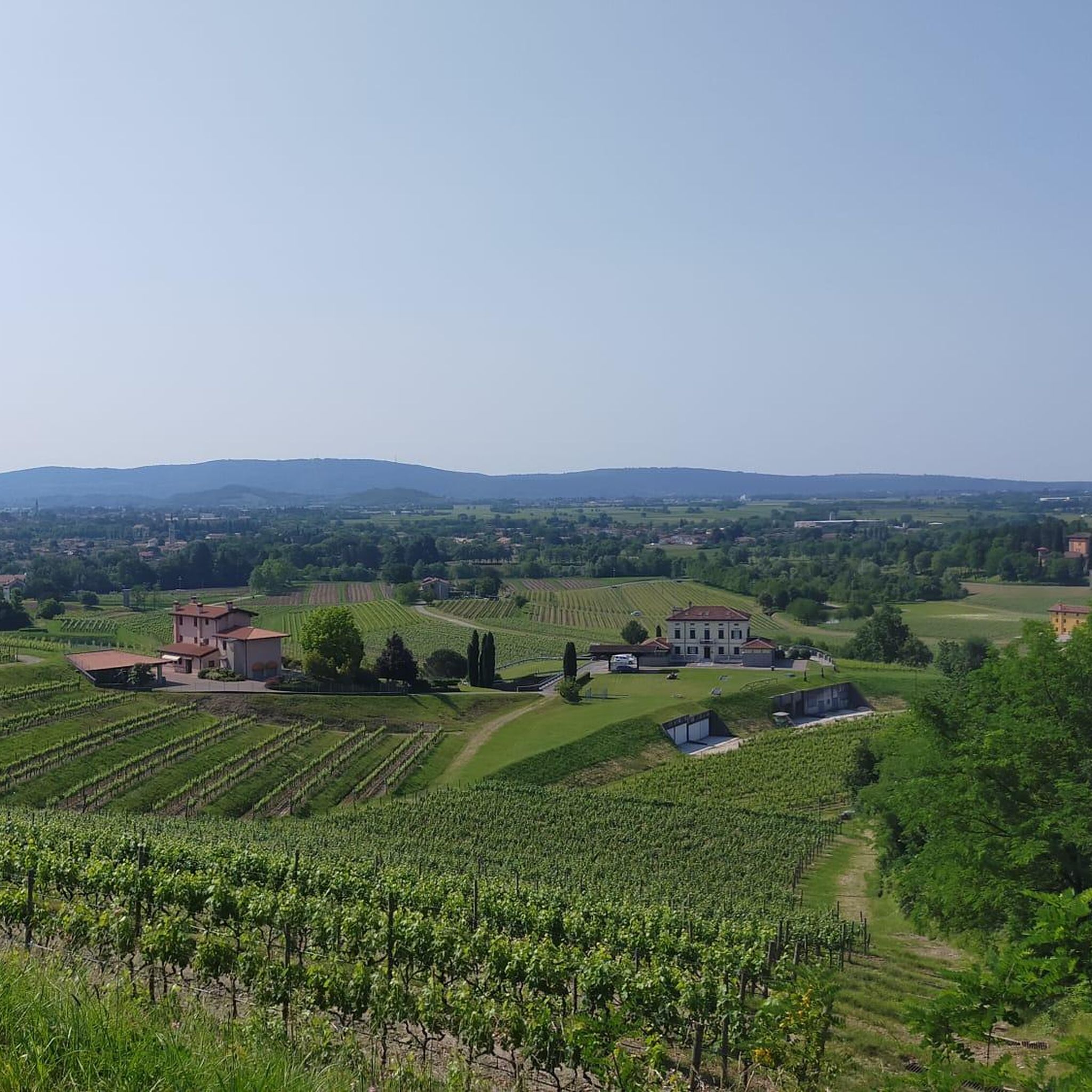
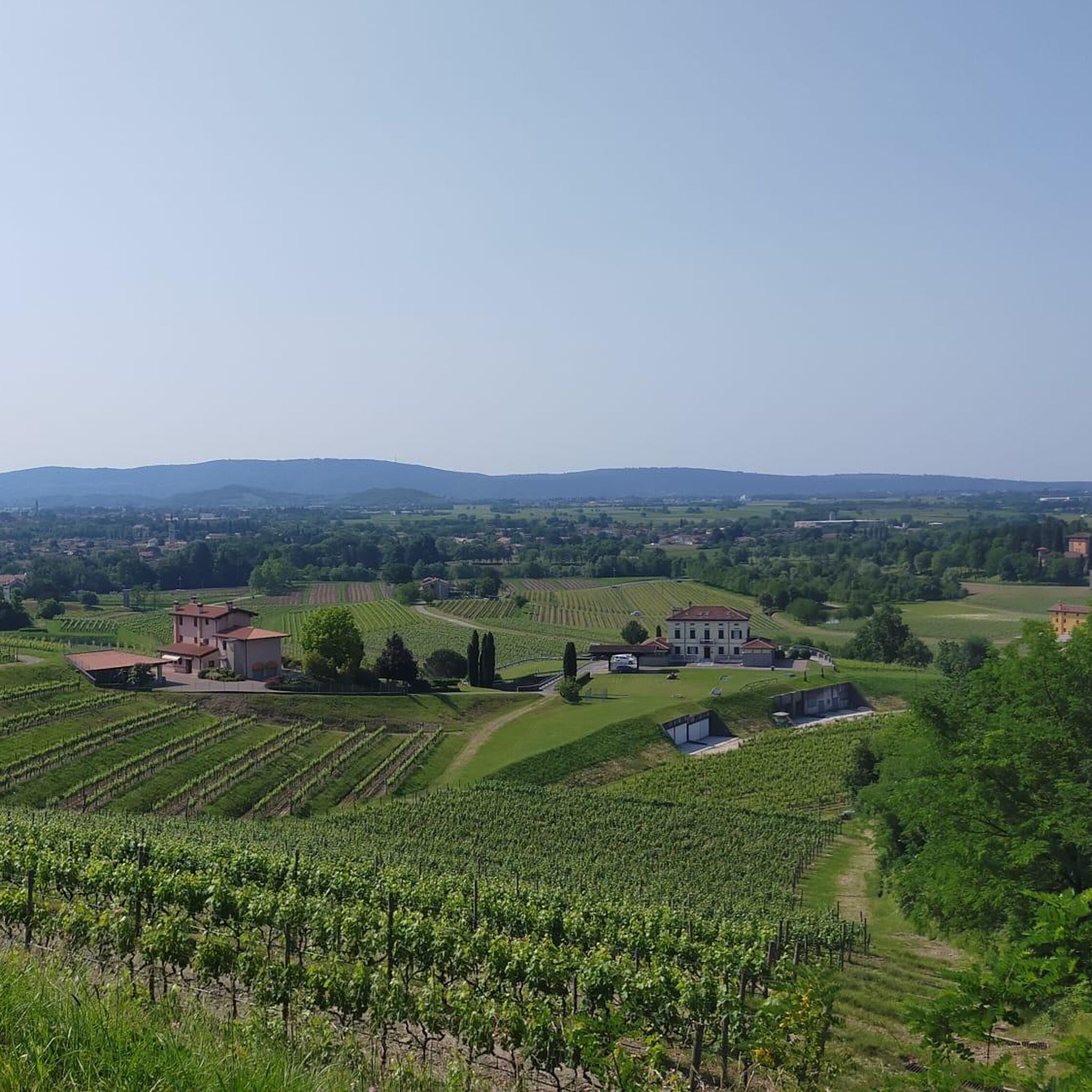
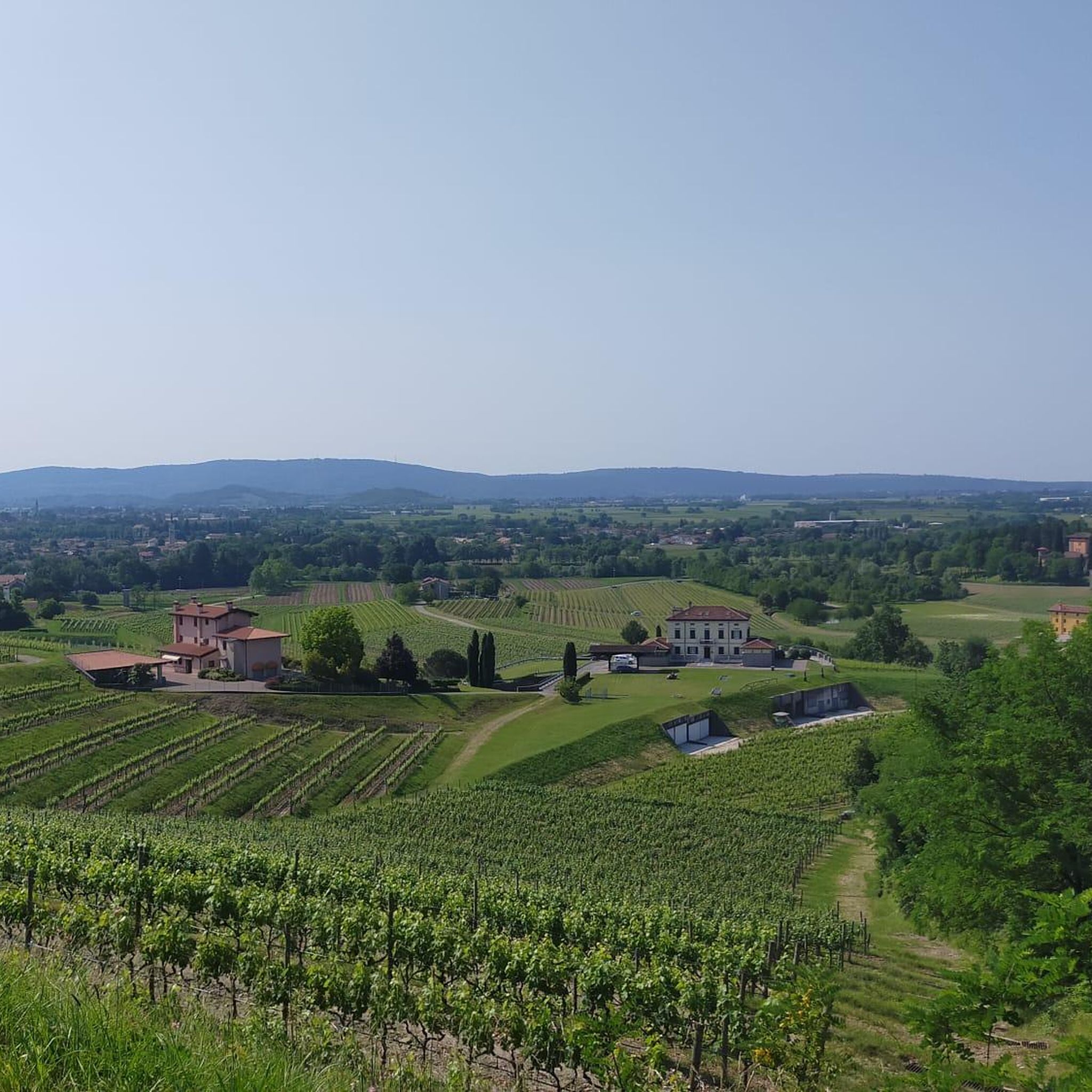
With its height of just over 270 meters, Monte Quarin offers a magnificent panoramic view; the climb is worth it!
1
0

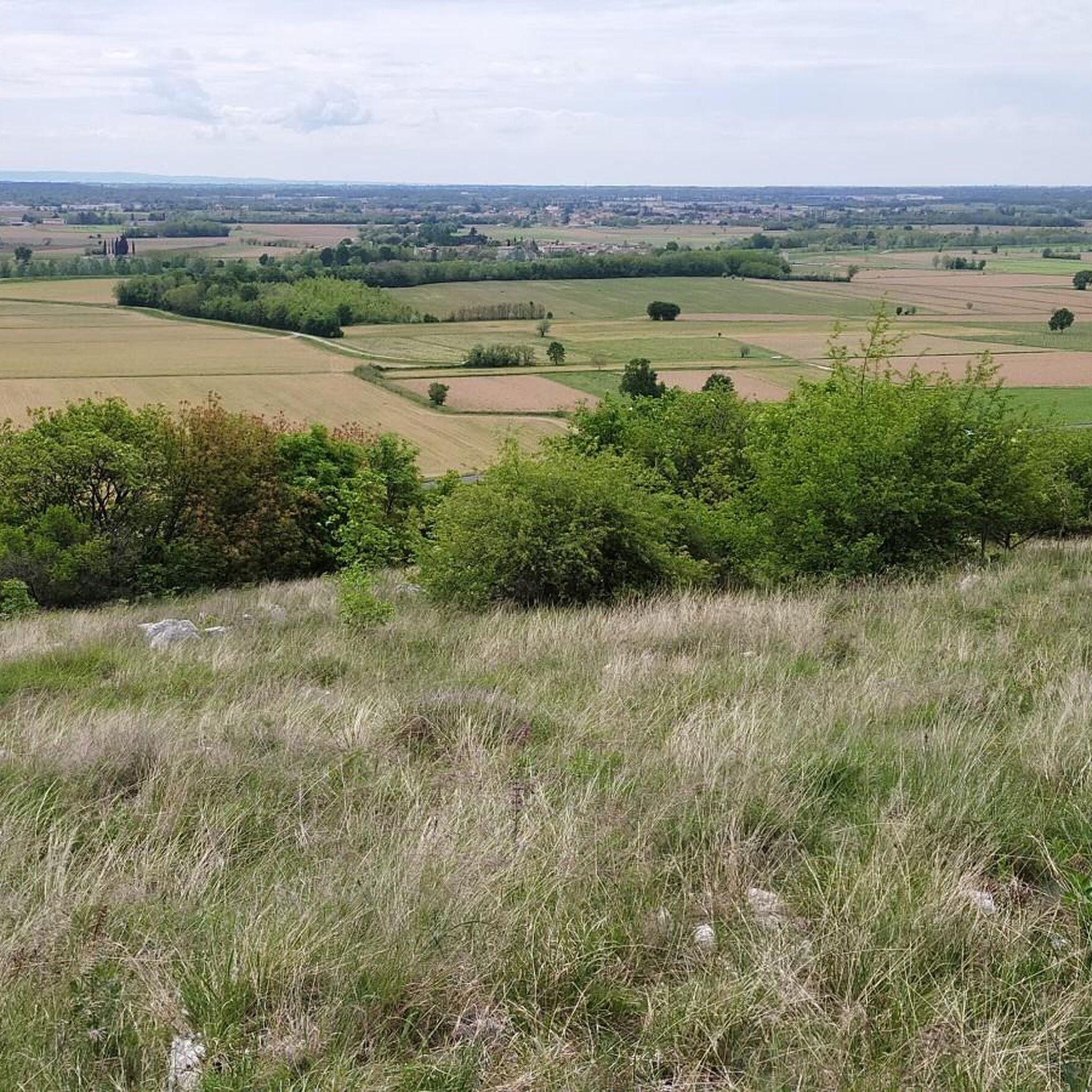
A beautiful, easy walk to do without much effort, perhaps with a nice packed lunch at the tables present in the Parco degli Ungrispach, at the summit of the Mountain. On the ascent, there are some slightly steeper sections (but nothing major) with terrain that can become slippery in the rain. The panorama is certainly rewarding.
0
0

A beautiful museum where you can admire and study historical artifacts to understand life in the trenches.
0
0

The view around Mount Quarin is truly rewarding, and more than makes up for the effort of climbing the mountain.
0
0

The castle of Mount Quarin which is nothing other than a defensive bastion of Lombard origin from 610 AD. It is assumed that already in Roman times this hill was a strategic point of defense.
0
0

The museum has recently been re-arranged and equipped with multimedia stations. The museum guides make the narration of the battles of the Carso compelling.
0
0

Mount Cosici (Cosich)/Košnik is a marginal hill of the Doberdò del Lago/Doberdob Karst on which the first line of Austro-Hungarian resistance was based from June 1915 to August 1916, when Italian troops occupied it as part of the Sixth Battle of the Isonzo. During that abundant year it was bloodily attacked several times by the Italians (west and south sides), without success. The remains of the Austro-Hungarian fortifications, however, are largely surmounted by the vestiges of the trenches, shelters and artillery positions built by the Royal Italian Army after the occupation, between August 1916 and October 1917. The place is of great historical and landscape interest. Text: Marco Pascoli
0
0
Mount Cosici (Cosich)/Košnik is a marginal hill of the Doberdò del Lago Karst on which the first line of Austro-Hungarian resistance was based from June 1915 to August 1916, when Italian troops occupied it as part of the Sixth Battle of the Isonzo. During that abundant year it was bloodily attacked several times by the Italians (west and south sides), without success. The remains of the Austro-Hungarian fortifications, however, are largely surmounted by the vestiges of the trenches, shelters and artillery positions built by the Royal Italian Army after the occupation, between August 1916 and October 1917. The place is of great historical and landscape interest. Text: Marco Pascoli
0
0
Frequently Asked Questions
What are some prominent mountain peaks in the Gorizia Province near Romans D'Isonzo?
While Romans D'Isonzo is low-lying, the surrounding Province of Gorizia offers several notable peaks. Monte Sabotino / Sabotin, at 609 meters, is a popular hiking destination with historical significance and views of the Soča Valley. Monte San Michele / Debela griža (275 m) is another key historical site with trails through World War I trenches. You can also explore Monte Cosichi, which features remains of Austro-Hungarian fortifications.
What historical significance do the mountain peaks around Romans D'Isonzo hold?
The mountains in this region are deeply intertwined with World War I history. Peaks like Monte San Michele, Monte Cosichi, and Monte Sabotino were critical battlegrounds. You can find extensive open-air museums, trenches, fortifications, and memorials, offering a poignant look into the past. For example, Monte San Michele and World War I Open-Air Museum provides panoramic views and trails through these historical sites.
Are there any viewpoints offering panoramic views of the Isonzo valley?
Yes, several peaks provide excellent vantage points. Summit 3 of Monte San Michele is known for its suggestive observation points overlooking the Isonzo valley, complete with a wind rose to identify historical locations. Other historical sites like Monte San Michele and World War I Open-Air Museum also offer beautiful panoramas.
What unique natural features can I explore in the wider region?
Beyond the peaks, the region is home to the Karst Plateau, which extends across parts of Friuli Venezia Giulia. This area is characterized by irregular limestone formations, caves, fissures, and underground streams, offering a distinct geological landscape for exploration. It's a different natural experience compared to the alpine peaks, focusing on geological wonders and historical exploration.
Are there hiking trails suitable for different skill levels near Romans D'Isonzo?
Yes, the area offers a variety of hiking trails. The mountains in the Province of Gorizia, such as Monte San Michele and Monte Sabotino, have dirt roads and paths of varying difficulties. For more challenging routes and breathtaking alpine scenery, the Julian Alps to the north provide numerous trails. You can find detailed hiking routes, including the 'Monte San Michele WWI Trail,' on the Hiking around Romans D'Isonzo guide.
Can I find cycling routes around the mountain peaks near Romans D'Isonzo?
Absolutely. The region offers scenic cycling opportunities, especially through areas like the Collio Wine Region with its rolling hills. While some mountain trails might be technical for mountain biking, like the descent from Monte Cosichi, there are also routes suitable for touring bicycles. Explore options like the 'Start of the Vigne Alte – Brda Vineyards loop' in the Cycling around Romans D'Isonzo guide.
What can I expect when visiting Monte San Michele?
Visiting Monte San Michele offers a blend of history and scenic views. It's a significant World War I site, featuring trails through trenches and fortifications. You'll find dirt roads and paths of varying difficulties, leading to suggestive observation points overlooking the Isonzo valley. The area is essentially an open-air museum, providing both physical activity and historical insight.
Are there other historical fortifications to explore besides Monte San Michele?
Yes, the region is rich with historical fortifications. Monte Cosichi features remains of Austro-Hungarian fortifications and Italian trenches. Additionally, Monte Sei Busi – Fortifications at Elevation 118 and Monte Brestovec Memorial and Fortifications are sites of undisputed historical value, offering fortified galleries, gunboats, and memorials to explore.
What are the Julian Alps like for visitors coming from Romans D'Isonzo?
The Julian Alps, located north of Gorizia, offer a more challenging and breathtaking alpine experience. This area is ideal for hikers seeking stunning mountain scenery and more demanding routes. The emerald-green Soča River flows through this region, providing scenic trails along its banks. The Julian Alps also carry significant historical resonance from World War I battles.
Can I combine hiking with other activities like wine tasting in the region?
Yes, you can! The Collio Wine Region, surrounding towns like Cormons, offers beautiful landscapes with rolling hills perfect for gentler hikes. Here, you can combine scenic walks through vineyards with opportunities to enjoy local culture, wine tasting, and views of both the Alps and the Adriatic Sea.
Are there family-friendly mountain walks around Romans D'Isonzo?
While many trails have historical significance, some areas offer more accessible paths. The lower elevations and rolling hills of the Collio Wine Region provide gentler experiences suitable for families. When exploring historical sites like Summit 3 of Monte San Michele, there are dirt roads and paths of varying difficulties, some of which can be suitable for families looking for a historical walk rather than a strenuous hike.
When is the best time of year to hike the mountains around Romans D'Isonzo?
The best time to hike generally depends on the specific area and desired difficulty. Spring and autumn offer pleasant temperatures for exploring the historical sites and lower hills like Monte San Michele and the Karst Plateau. For the higher elevations of the Julian Alps, late spring through early autumn is ideal, avoiding snow and ensuring better trail conditions.
Most popular routes around Romans D'Isonzo
Most popular attractions around Romans D'Isonzo

Get inspired with the komoot mobile app


Explore more
See even more amazing summits around Romans D'Isonzo with these guides:
