The best MTB trails in Rovigo
4.4
(773)
5,430
riders
395
rides
Mountain biking in Rovigo offers a distinct experience across its flat landscapes, characterized by the expansive Po Delta and the intersecting Po and Adige rivers. The region, known as the Polesine, features diverse wetlands, fertile farmlands, and river embankments. This unique topography provides numerous cycling opportunities with minimal elevation gain, making it accessible for various skill levels.
Best mountain bike trails in Rovigo
- The most popular mountain bike trail is Parco Regionale del Delta del Po – giro ad anello…
Last updated: October 10, 2026
4.2
(39)
194
riders
56.4km
03:21
60m
60m
Moderate mountain bike ride. Good fitness required. Advanced riding skills necessary.
3.5
(2)
10
riders
51.9km
02:54
70m
70m
Moderate mountain bike ride. Good fitness required. Advanced riding skills necessary.

4.0
(1)
4
riders
33.0km
01:48
50m
50m
Easy mountain bike ride. Great for any fitness level. Suitable for all skill levels.
4.4
(37)
194
riders
Moderate mountain bike ride. Good fitness required. Advanced riding skills necessary.
4.6
(27)
256
riders
46.5km
02:50
60m
60m
Moderate mountain bike ride. Good fitness required. Suitable for all skill levels.
4.2
(24)
160
riders
Easy mountain bike ride. Great for any fitness level. Suitable for all skill levels.
4.4
(23)
146
riders
Moderate mountain bike ride. Good fitness required. Suitable for all skill levels.
4.5
(21)
86
riders
56.8km
03:04
80m
80m
Moderate mountain bike ride. Good fitness required. Suitable for all skill levels.
4.5
(40)
215
riders
58.5km
03:15
70m
70m
Moderate mountain bike ride. Good fitness required. Suitable for all skill levels.
4.0
(7)
93
riders
Easy mountain bike ride. Great for any fitness level. Suitable for all skill levels.
Get access to more routes and recommendations from other explorers.
Already have an account?
Our route recommendations are based on thousands of hikes, rides, and runs completed by other people on komoot.
Start today with a free account
Your next adventure awaits.
Popular around Rovigo
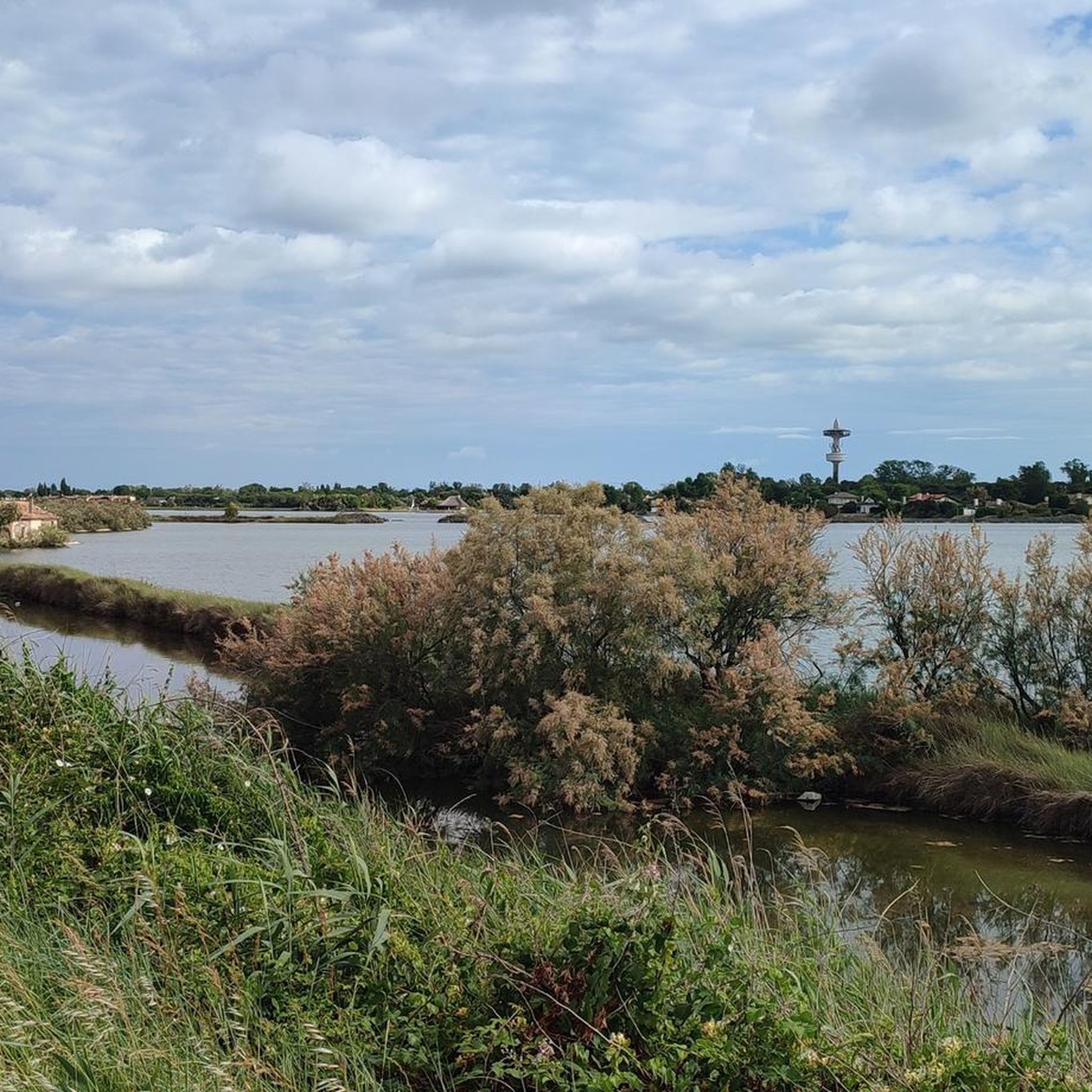
MTB Trails in the Po Delta
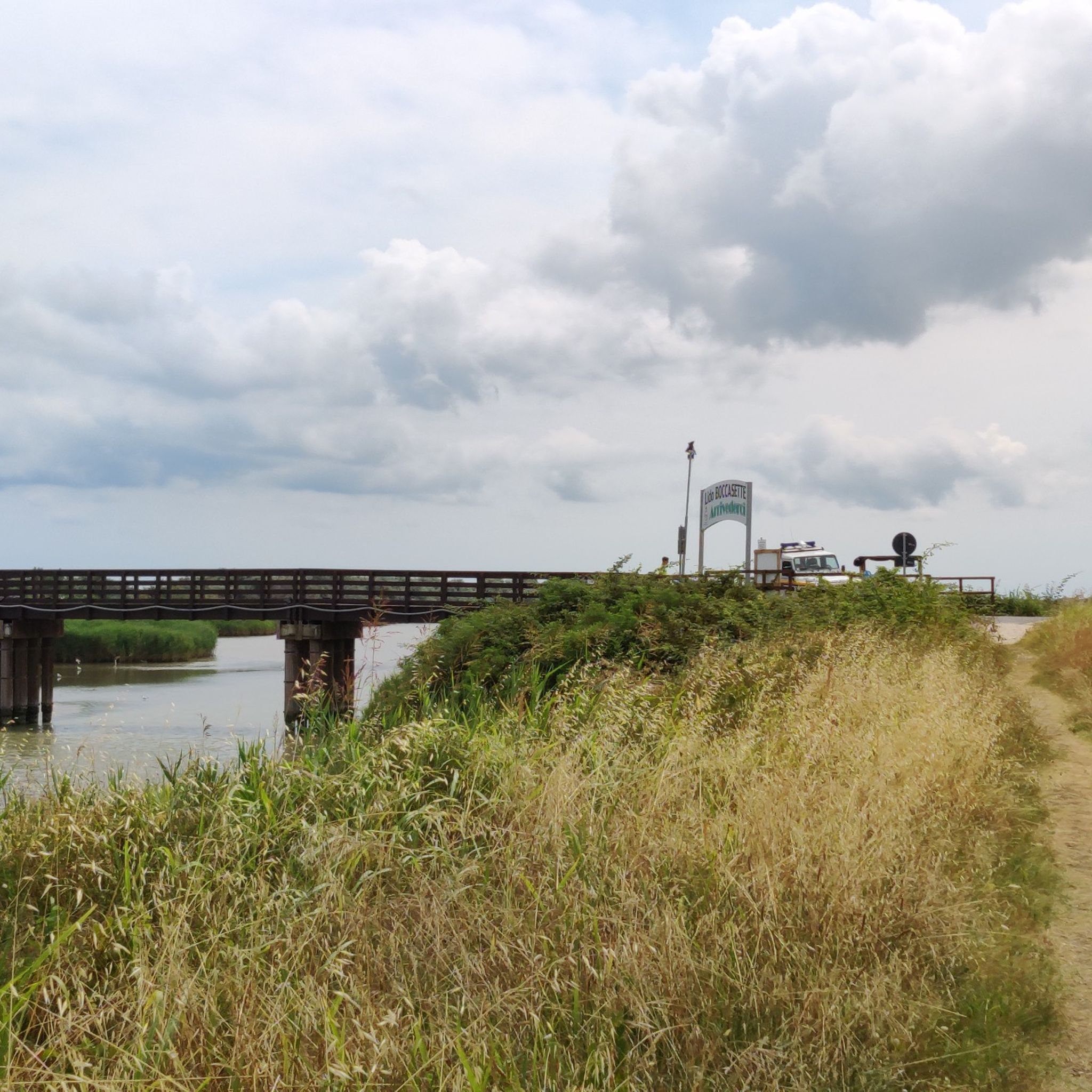
MTB Trails around Parco Regionale Veneto del Delta del Po
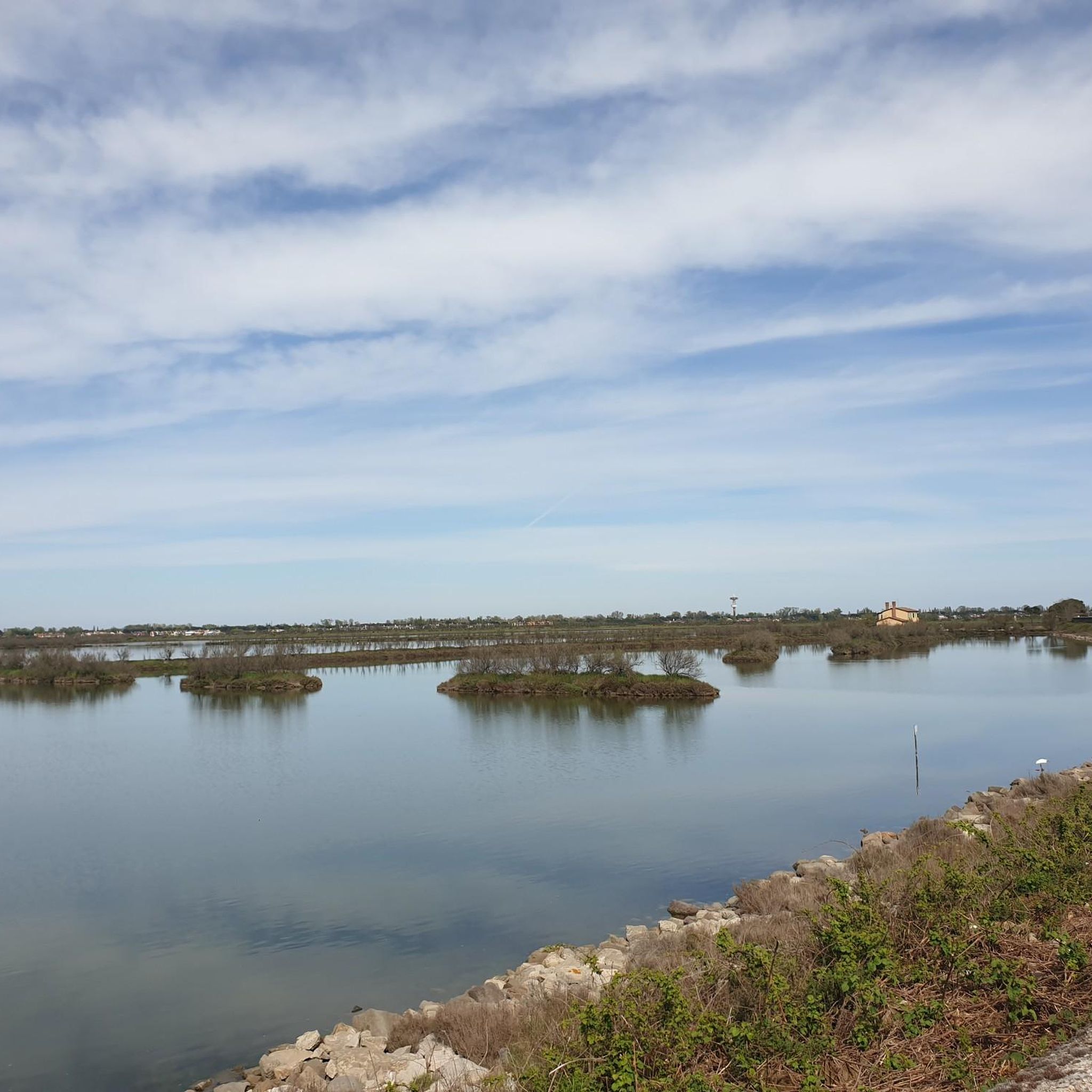
MTB Trails around Rosolina
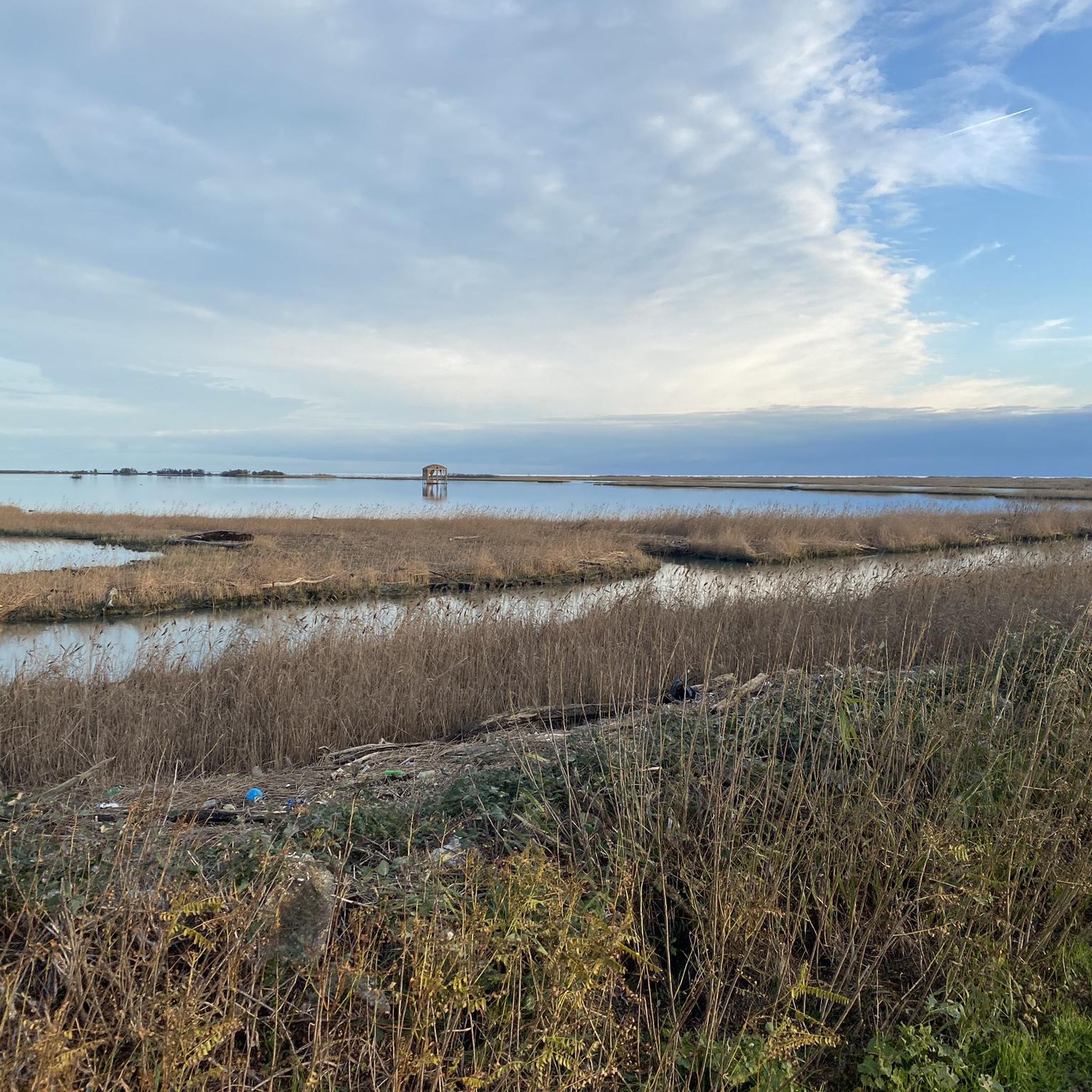
MTB Trails around Porto Tolle
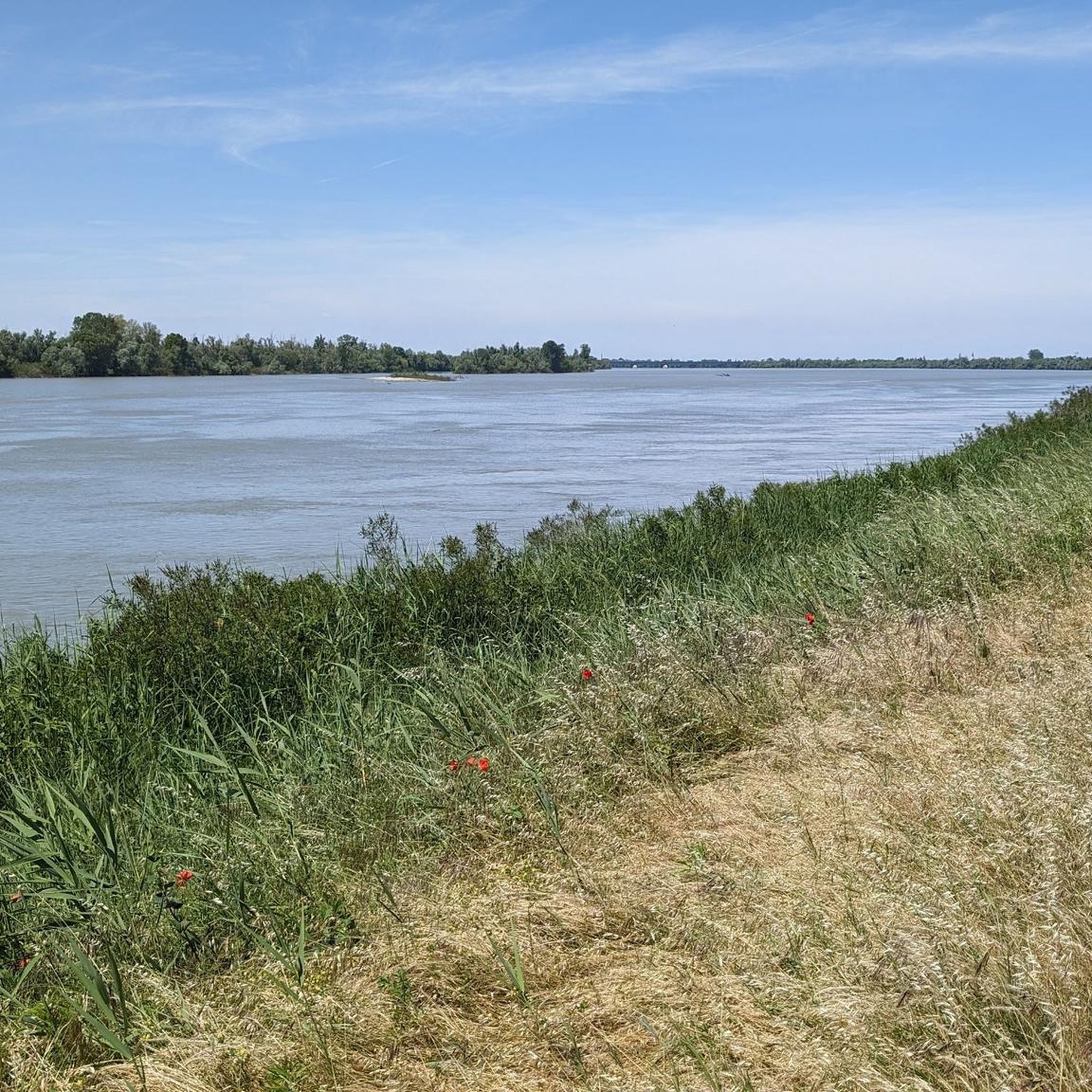
MTB Trails around Parco regionale del Delta del Po
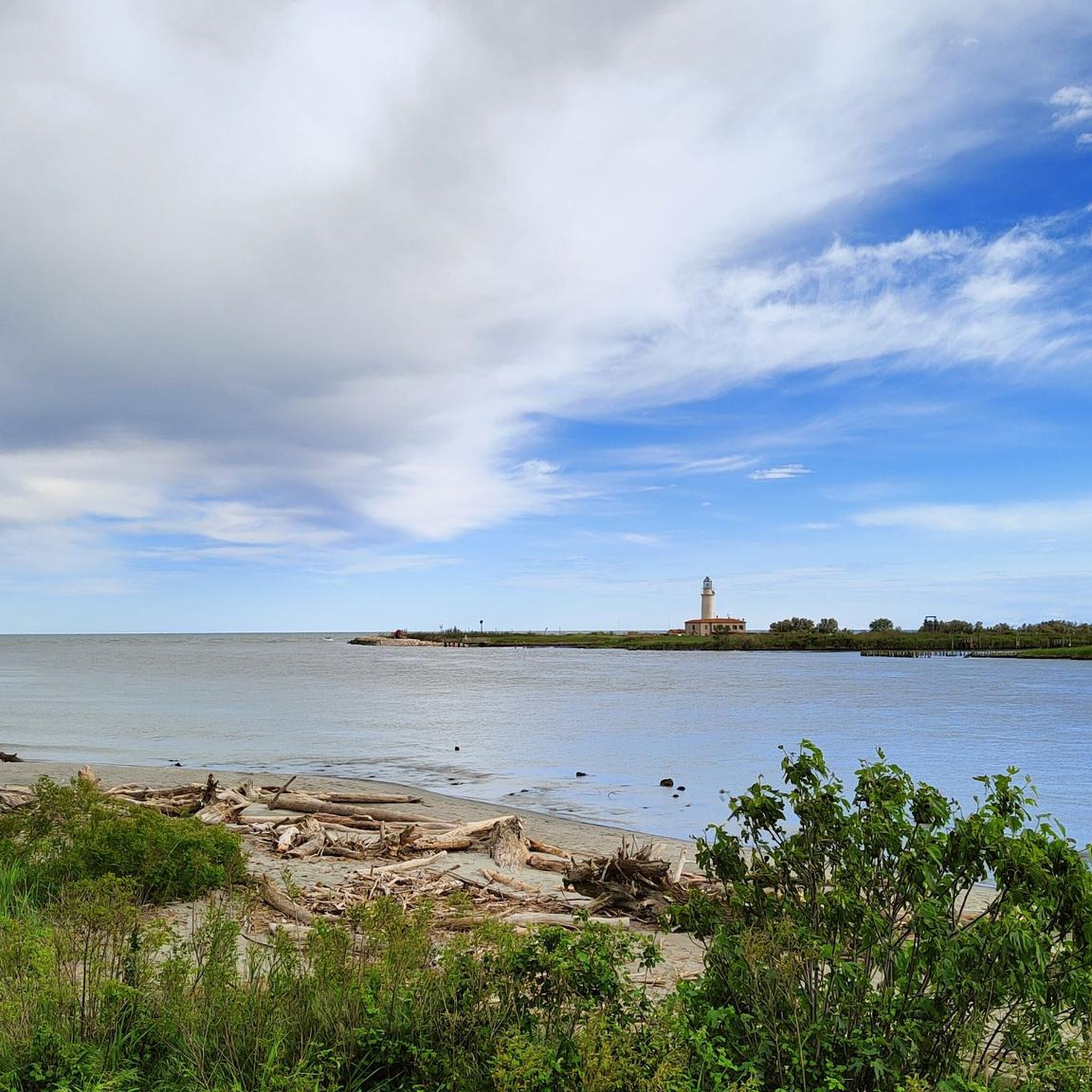
MTB Trails around Ariano Nel Polesine
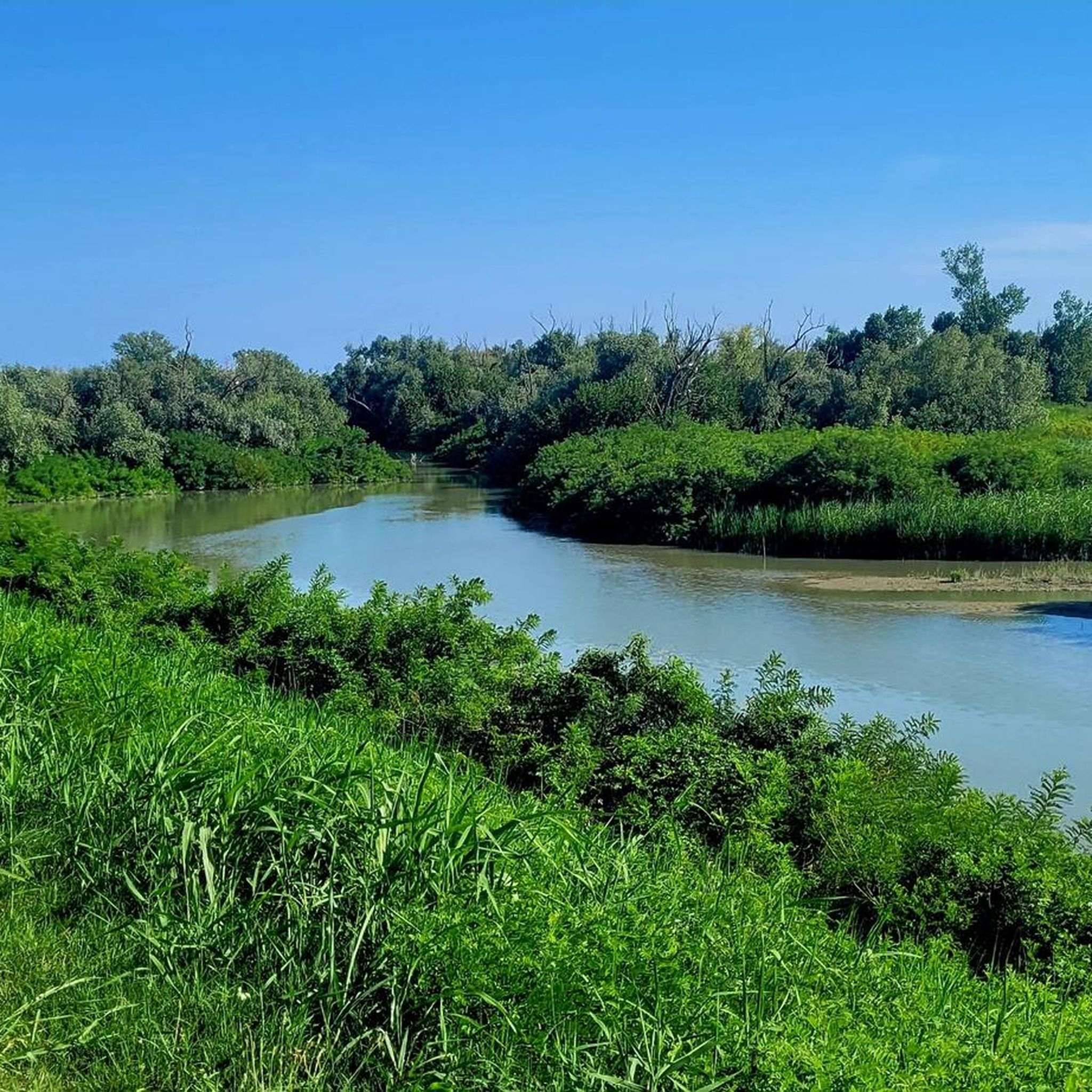
MTB Trails around Porto Viro
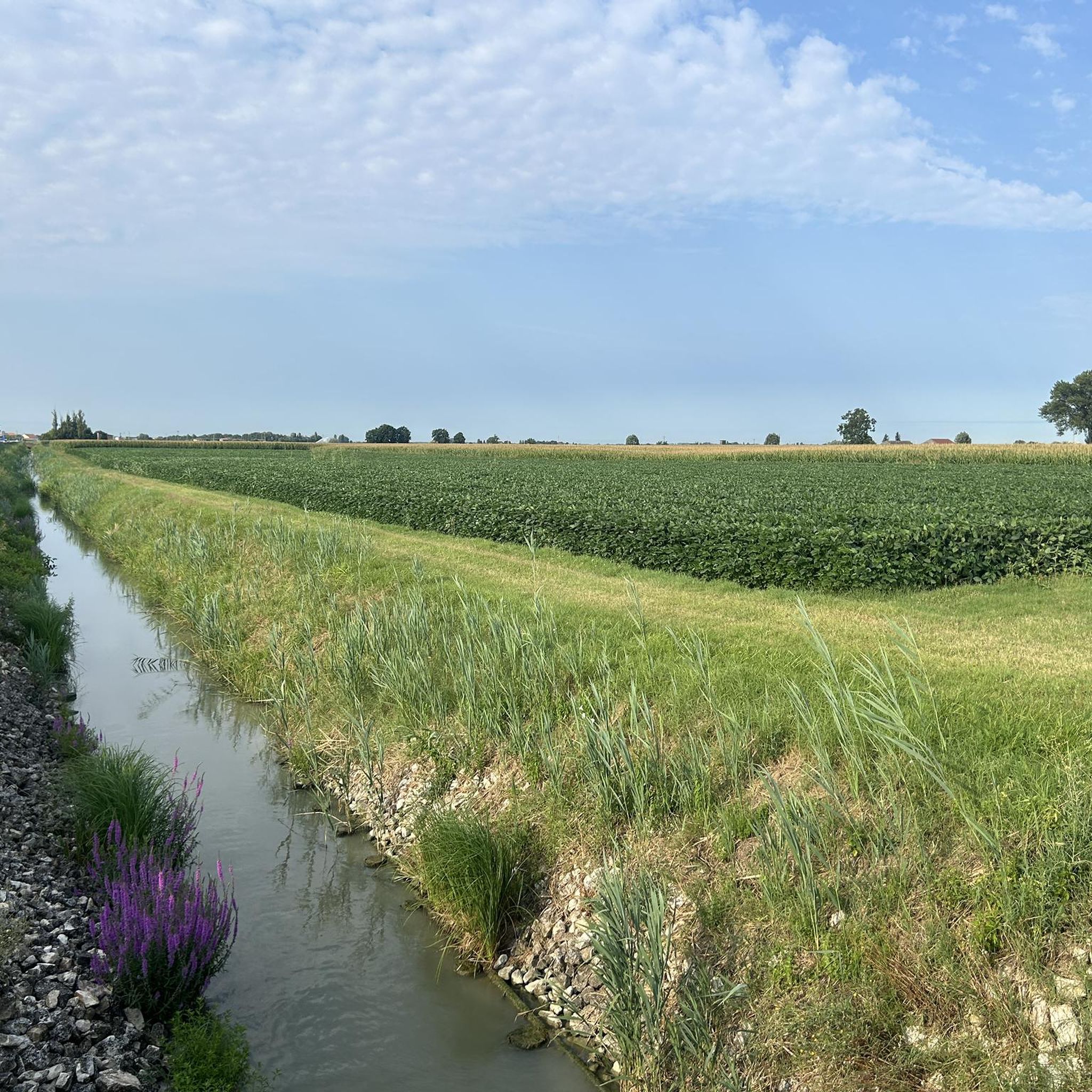
MTB Trails around Castelguglielmo
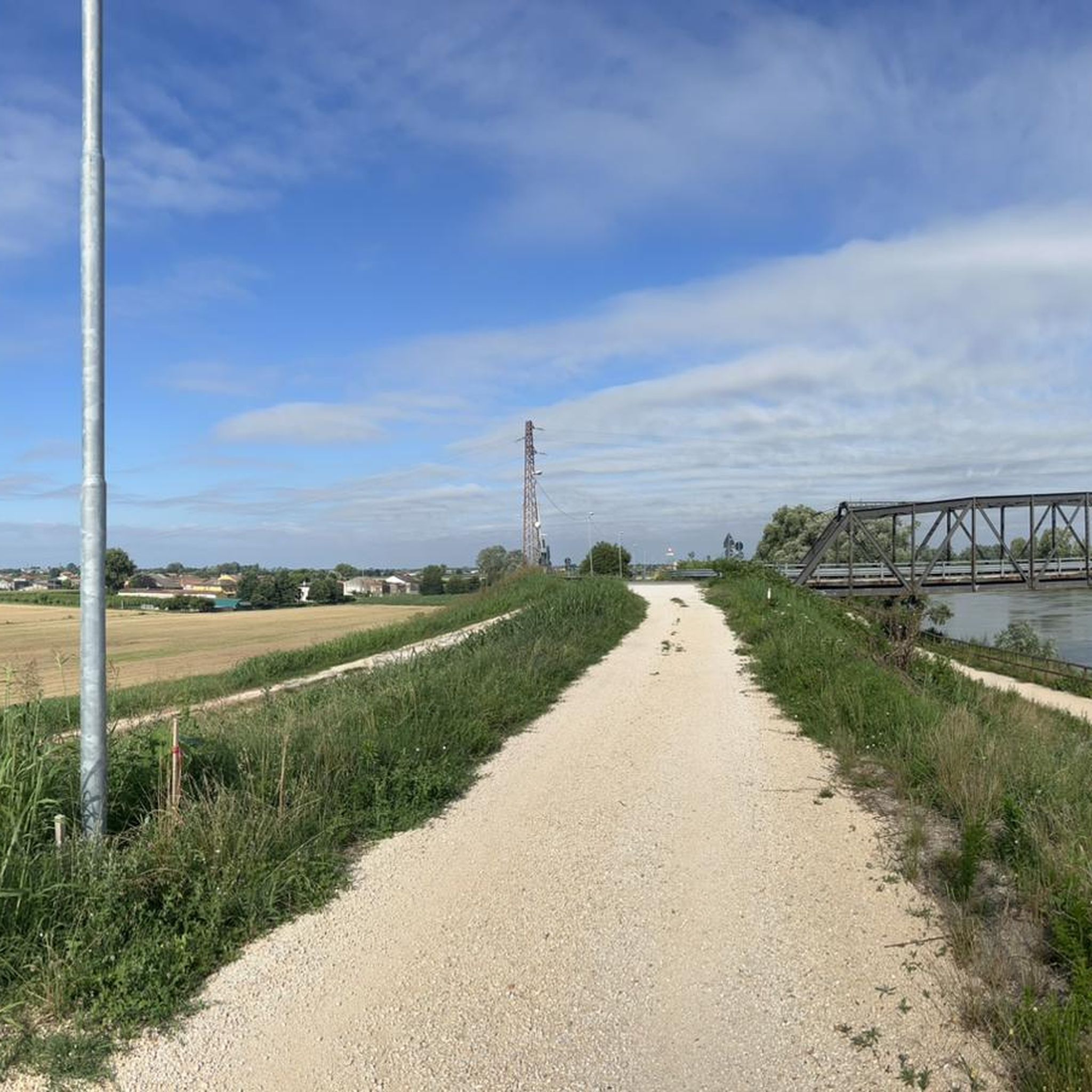
MTB Trails around Lusia
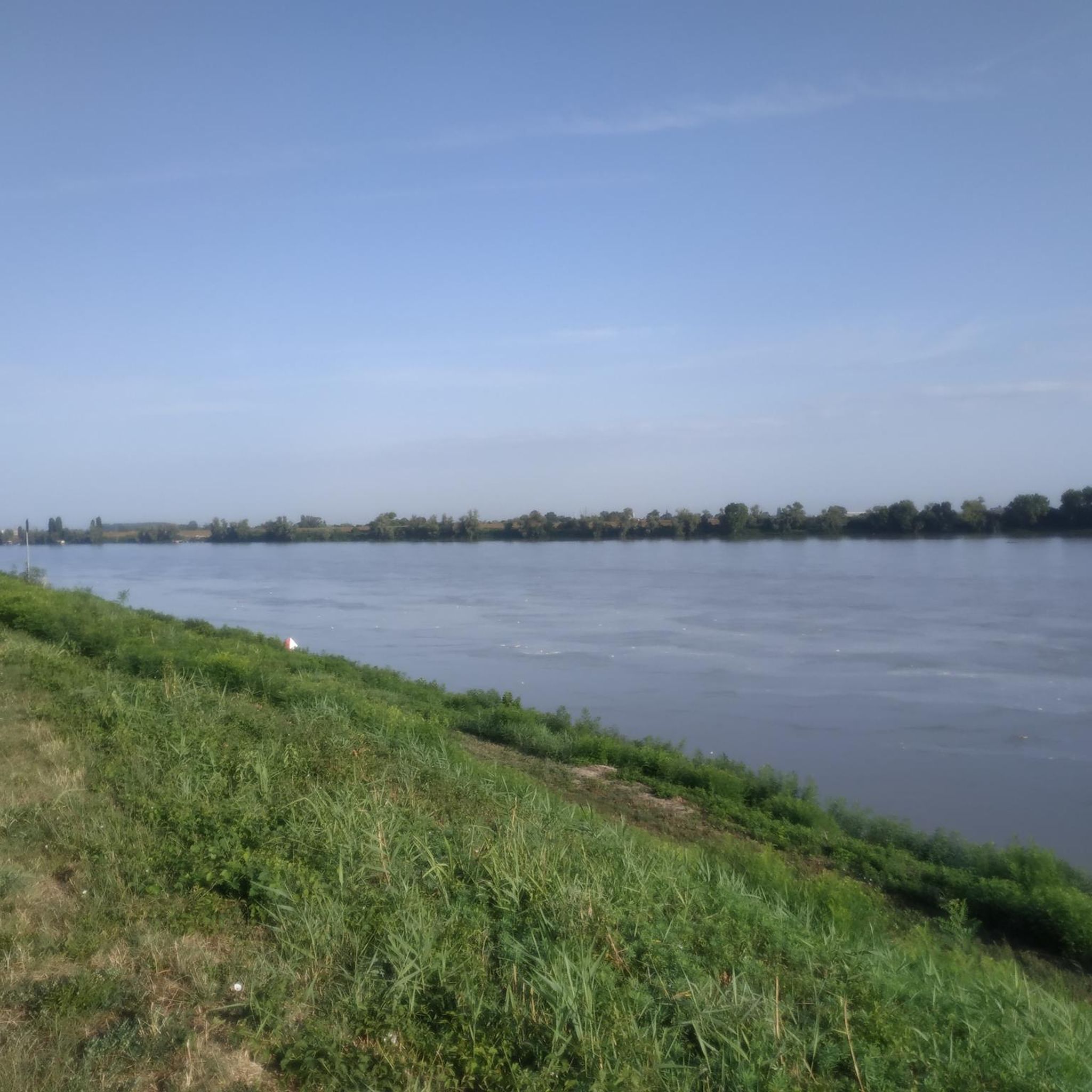
MTB Trails around Lendinara
Other adventures in Rovigo


Tips from the Community

Numerous flamingos offer cyclists many opportunities to observe them up close.
0
0
Through the Po Delta, in the estuary area, runs a paved road from which wonderful views of the delta and its birdlife are possible.
0
0
Pleasant, shady singletrack through the forest and along the fence of the campsite.
0
0
A very well-maintained, wide gravel path on the embankment along the Adige. Many clearings offer beautiful views of the very wide Adige, and there are also shady trees along the route.
0
0
A long beach along the coast with completely different beach sections.
0
0
At the mouth of the Adige river into the Mediterranean Sea, there is a super panoramic tower with a 360-degree view. The tower is free to access and offers a great all-round view. Access can be made via the gravel cycle path along the Adige or along the coast on sand. The river mouth of the Adige is absolutely worth seeing.
0
0
A super panoramic tower at the mouth of the Adige river into the Mediterranean Sea. The tower is free to access and offers a great panoramic view. Access can be made via the gravel bike path along the Adige or along the coast on sand.
0
0
Almost a "retro weir" with traffic light control for ships.
0
0
Frequently Asked Questions
How many mountain bike trails are available in Rovigo?
There are over 340 mountain bike trails in Rovigo. These routes cater to various preferences, including gravel biking, trekking, and specific mountain biking trails, offering a wide range of options for exploration.
What are the general difficulty levels of mountain bike trails in Rovigo?
The trails in Rovigo are predominantly easy to moderate. You'll find over 120 easy routes, more than 210 moderate routes, and a few challenging options for experienced riders. This makes the region accessible for various skill levels, from families to more advanced mountain bikers.
What do other mountain bikers say about the trails in Rovigo?
The mountain bike trails in Rovigo are highly regarded by the komoot community, with an average rating of 4.5 stars from over 600 reviews. Riders often praise the unique flat landscapes, the scenic river embankments, and the rich biodiversity of the Po Delta.
What is the best time of year for mountain biking in Rovigo?
The most popular months for mountain biking in Rovigo are April and May. During these months, the weather is generally pleasant, making it ideal for exploring the region's flat landscapes and river paths. It's advisable to bring water and insect repellent, especially when riding near wetlands.
Are there easy mountain bike trails suitable for beginners or families?
Yes, Rovigo offers many easy mountain bike trails perfect for beginners and families. A great option is the St. Anthony's Walk: Rovigo Loop, which is 20.5 miles (33.0 km) long and leads through the flat plains around Rovigo. Another family-friendly choice is the Trail in the Pine Forest loop from Rosolina Mare, an easy 15.8-mile (25.5 km) route.
Can I find mountain bike trails with viewpoints or interesting natural features?
Absolutely. The region is rich in natural beauty, especially within the Po Delta Regional Park. Trails often offer views of lagoons, salt marshes, and river embankments. You can explore unique areas like the Lagoon of the Dead Trees or ride along the Po di Venezia, where you might spot diverse wildlife, including flamingos.
Are there any circular mountain bike routes in Rovigo?
Many mountain bike routes in Rovigo are circular, allowing you to start and end at the same point. For example, the Adige River Loop from Lendinara is a moderate 32.2-mile (51.9 km) path that follows the Adige River. Another option is the Valli di Comacchio Wetlands – Beautiful Pine Forest loop from Rosolina, a moderate 32.2-mile (51.8 km) route.
Are there any advanced mountain biking trails in Rovigo?
While Rovigo is known for its flat terrain, some routes can involve unpaved segments requiring good fitness and advanced riding skills. There are a few routes classified as difficult, offering a greater challenge. These might include portions where pushing your bike is necessary due to terrain conditions.
What kind of wildlife can I expect to see while mountain biking in Rovigo?
The Po Delta region is a UNESCO Biosphere Reserve, offering rich biodiversity. While mountain biking, you have the opportunity to see various wetland species, including numerous bird species like flamingos. The silent panoramas of the lagoons and marshes provide excellent birdwatching opportunities.
Are there any historical landmarks or castles near the mountain bike trails?
Yes, Rovigo's region offers historical landmarks alongside its natural beauty. You can find castles such as Torre Morosini, Rovigo Castle Towers, and the Estense Castle of Arquà Polesine. These historical sites can be interesting points to explore during or after your ride.
Can I cross the Po di Gnocca Pontoon Bridge on a mountain bike tour?
Yes, crossing the Po di Gnocca Pontoon Bridge can be an exciting part of a bike tour in the Delta. However, it's advisable to check its operational status beforehand, as it can be affected by water levels. The Boccasette Pontoon Bridge – Po di Venezia loop from Porto Levante is a moderate 38.2-mile (61.6 km) route that incorporates this unique crossing.
Are there mountain bike trails that go through pine forests?
Yes, some mountain bike trails in Rovigo lead through beautiful pine forests. The Porto Caleri – Beautiful Pine Forest loop from Rosolina is a moderate 28.9-mile (46.5 km) route that offers a scenic ride through such environments.
Most popular routes in Rovigo
Most popular attractions in Rovigo

Get inspired with the komoot mobile app


Didn’t find what you were looking for?
Check out more MTB trails throughout Rovigo below and find the perfect route in your destination.
Explore more
Browse the best MTB trails in other regions.
