The 20 Most Amazing Peaks around Forni Di Sotto
Best mountain peaks around Forni Di Sotto are situated within the Friulian Dolomites Natural Park, a UNESCO World Heritage site. This region offers a diverse array of mountain peaks, characterized by rugged geomorphological features and rich biodiversity. The area provides varied experiences for visitors, from challenging climbs to rewarding hikes with expansive panoramic views across the Dolomites and Julian Alps.
Best mountain peaks around Forni Di Sotto
- The most popular mountain peaks is Rifugio Pordenone, a hut that serves…
Last updated: July 7, 2026
Rifugio Pordenone
Highlight • Mountain Hut
Translated by Google •
Tip by

Giuliano Perugini Bivouac and the Campanile of Val Montanaia
Highlight • Mountain Hut
Translated by Google •
Tip by
Sign up now to discover places like this
Get recommendations on the best single tracks, peaks, & plenty of other exciting outdoor places.
Sign up for free
Campanile of Val Montanaia
Highlight • Natural Monument
Translated by Google •
Tip by
Clautana Pass
Highlight • Mountain Pass
Translated by Google •
Tip by

Rifugio Tenente Giuseppe Fabbro
Highlight • Mountain Hut
Translated by Google •
Tip by

Sign up for free to discover even more peaks around Forni Di Sotto.
Sign up for free
Already have an account?
Start today with a free account
Your next adventure awaits.
Login or Signup
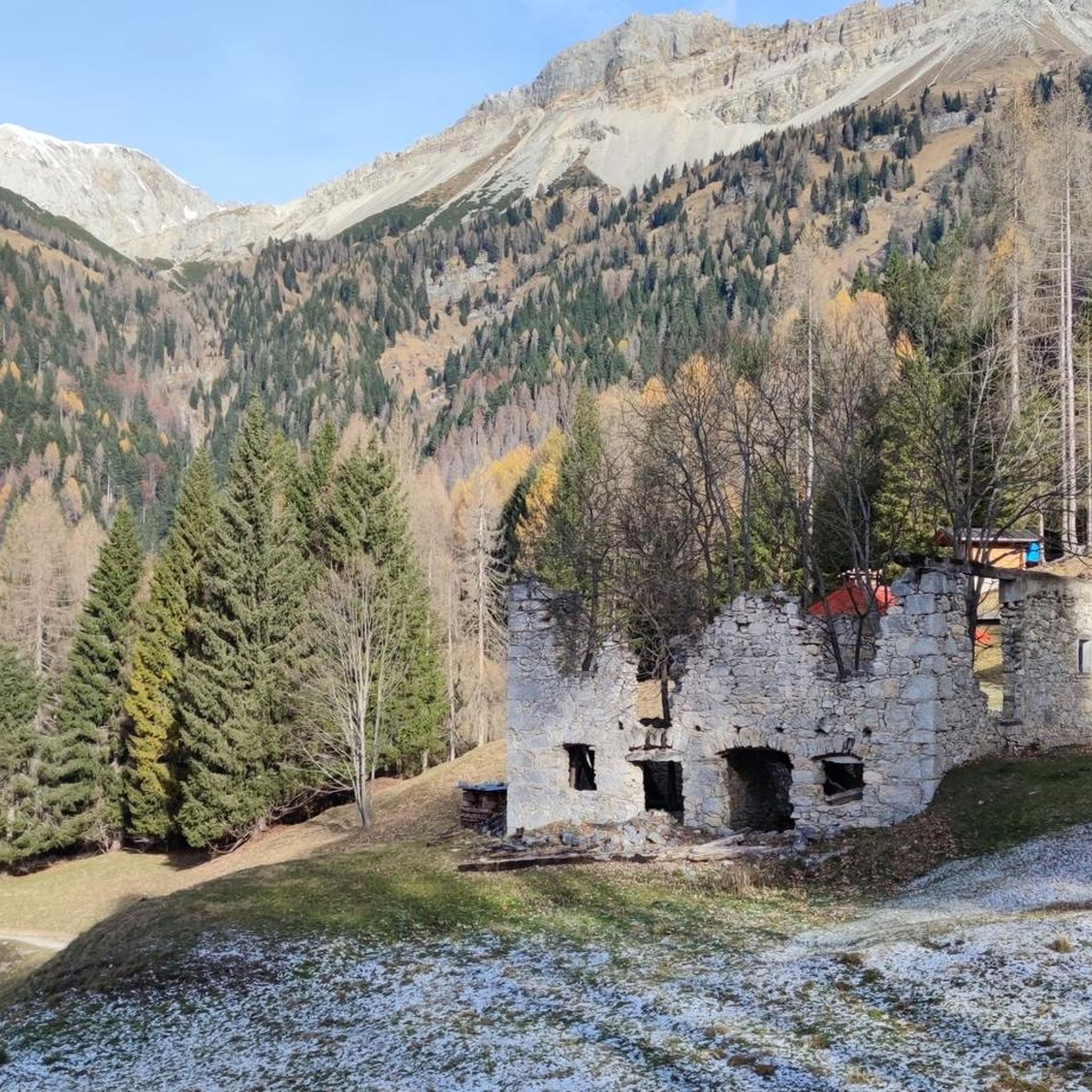
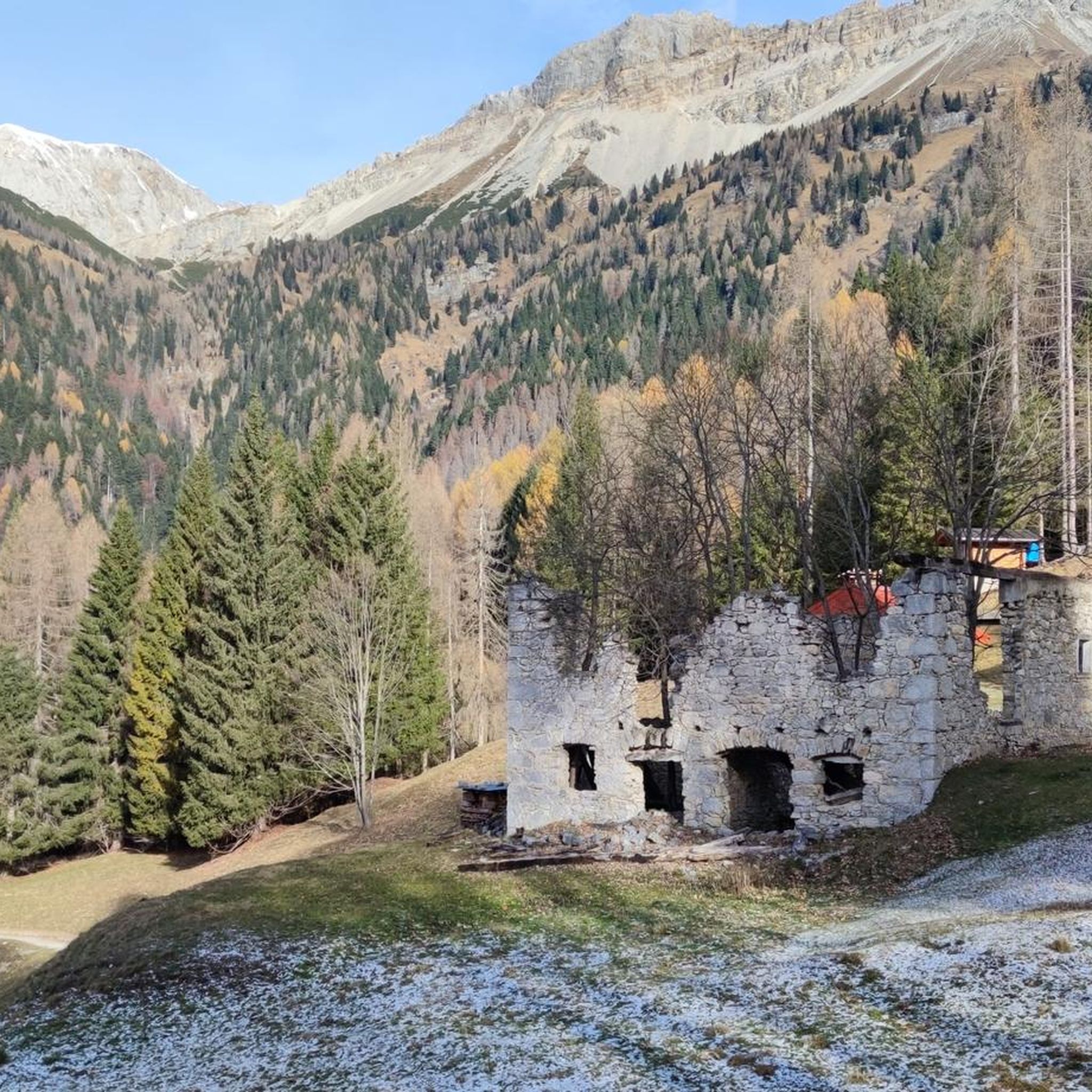

Other adventures around Forni Di Sotto

Tips from the Community

A beautiful refuge, you can truly feel the refuge atmosphere. Well-managed, excellent food. Thanks to the two managers, Marika and Ivan: extraordinary!
0
0

The bivouac and adjacent meadow are often crowded. Useful as a base for early climbing excursions.
1
0

Stone of the eighth Alpine regiment with ode of glory and incitement to victory. Placed in 1917.
0
0
Forcella Clautana 1430m., secondary pass between the Silisia valley and the Clautana valley.
0
0

Getting to the Campanil is not an easy task, but it is worth it.
0
0

From the fork, the splendid Strada degli Alpini starts, which I absolutely recommend taking downhill.
0
0

The Tenente Giuseppe Fabbro refuge, located at an altitude of 1,783 metres, is located on the Razzo plateau, near the Ciampigotto saddle. It is nestled between the Cadore and Carnia mountains, surrounded by large expanses of rhododendrons, blueberries and mountain pines. It offers fascinating panoramic views of the Frison valley and the surrounding peaks, including the Brentoni and Terza Grande. the Alta Via 6 of the Dolomites passes by this refuge which represents an ideal base for relaxing walks and beautiful excursions on equipped alpine paths and routes. The kitchen offers home-made dishes such as canederli, casunziei and game, accompanied by Venetian wines.
2
0

Go out when the sun is at its peak, we were there at the end of September and the weather was good.
0
0
Frequently Asked Questions
What are some of the most notable mountain peaks to explore around Forni di Sotto?
The region around Forni di Sotto, nestled within the Friulian Dolomites Natural Park, offers several distinctive peaks. Monte Ciarescins is considered the defining mountain of the village, offering an exploratory adventure through wild terrain. Monte Bivera provides expansive panoramic views stretching across the Dolomites, Julian Alps, and even to the Adriatic Sea on clear days. Monte Pramaggiore stands as one of the highest peaks, showcasing the park's naturalness and biodiversity. Additionally, the iconic Campanile of Val Montanaia is a solitary pinnacle and a symbol of the Friulian Dolomites.
Are there any challenging climbs or adventurous routes for experienced hikers?
Yes, several peaks offer challenging experiences. The ascent of Monte Ciarescins is an 'exploratory adventure' with the final stretch to the summit demanding experienced climbing skills (rated II+ to III grade). The hike to Monte Bivera is considered demanding (T3 difficulty) and includes a memorable traverse along a sharp and exposed ridge. The Campanile of Val Montanaia is a primary draw for alpinists, offering challenging climbs, and even the hike to its base involves a strenuous ascent with significant elevation gain over scree.
What kind of panoramic views can I expect from the mountain peaks in this area?
The mountain peaks around Forni di Sotto offer exceptional panoramic views. From the summit of Monte Bivera, you can enjoy vistas across the Dolomites, the Julian Alps, and on clear days, even the distant Adriatic Sea. Reaching Forcella Col della Valle on the way to Monte Ciarescins also rewards hikers with breathtaking panoramic views. Monte Pramaggiore is also known for its exceptional panoramic views.
Where can I find a good base for treks and excursions in the Friulian Dolomites Park?
The Rifugio Pordenone serves as an excellent base for numerous treks and excursions in the Friulian Dolomites Park, including routes leading to the Campanile of Val Montanaia. It is located on a wooded ridge in the upper Val Cimoliana.
Is there a bivouac available for overnight stays near the Campanile di Val Montanaia?
Yes, the Giuliano Perugini Bivouac is a classic barrel bivouac located at 2,060 m above sea level, on a grassy hillock not far from the iconic Campanile of Val Montanaia. It offers 9 beds and is managed by the Giulie Alpine Society.
What unique natural features can be found on these mountain peaks?
The region is rich in unique natural features. Monte Bivera's lower altitudes are adorned with vibrant flora, including rhododendrons and blueberries. The Campanile of Val Montanaia itself is a solitary, awe-inspiring pinnacle, famously known as the 'stone shriek' (urlo di pietra), rising approximately 240 meters in the heart of a narrow valley. Monte Pramaggiore is representative of the park's rugged geomorphological characteristics.
Are there any mountain huts or refuges in the area that offer food and accommodation?
Yes, the Rifugio Pordenone is a highly frequented mountain hut that offers accommodation with a capacity of 65 beds. Another option is the Rifugio Tenente Giuseppe Fabbro, located at 1,783 meters, which offers delicious coffee, cake, and homemade dishes like canederli and casunziei, along with basic overnight accommodation.
What outdoor activities can I do near these mountain peaks?
Beyond peak bagging, the area around Forni di Sotto offers a variety of outdoor activities. You can find numerous hiking opportunities, including routes like the 'Cammino delle Pievi from Forni di Sotto to Forni di Sopra' or the 'Costa Baton Campanili Loop'. For more details on hiking, visit the Hiking around Forni Di Sotto guide. There are also MTB trails and road cycling routes available in the wider region.
What is the best time of year to visit for mountain activities?
While specific seasonal advice for all peaks isn't detailed, Monte Pramaggiore is a sought-after destination for ski mountaineering in the spring, suggesting that spring offers unique opportunities for snow-related activities. For general hiking, the warmer months typically provide the best conditions, though trails like Monte Ciarescins can be wild and untamed, requiring careful consideration of weather and trail conditions.
What makes the Campanile di Val Montanaia so special?
The Campanile of Val Montanaia is considered one of the symbolic peaks of the Friulian Dolomites Park. It's a solitary, awe-inspiring pinnacle rising approximately 240 meters, surrounded by the majestic Monfalconi-Spalti di Toro group. It's famous for its challenging climbs for alpinists and the tradition of ringing a bell at its summit. Its spectacular, wild, and unspoiled landscape makes it a truly iconic feature.
Are there any mountain passes in the area with notable views or trails?
Yes, the Clautana Pass offers enchanting views from its fork. The descent from the pass is not overly technical but can be dangerously exposed, requiring caution. It can be reached via a forest road and is part of a path used by Alpine troops.
What are the general difficulty levels for hiking in the Forni di Sotto mountain region?
The region offers a range of difficulties. While some routes are feasible for well-trained hikers, many are considered challenging. For instance, the hike to Monte Bivera is rated T3 (demanding), and the final section of Monte Pramaggiore involves navigating steep scree slopes and rocky banks. The ascent to the summit of Monte Ciarescins requires experienced climbing skills (II+ to III grade). Even the hike to the base of the Campanile of Val Montanaia is strenuous with significant elevation gain.
Most popular attractions around Forni Di Sotto

Get inspired with the komoot mobile app


Explore more
See even more amazing summits around Forni Di Sotto with these guides:
