Top 5 Gorges around Fasano
Canyons around Fasano, a town situated between the hills of Selva and the Adriatic Sea in Puglia, are characterized by a system of gravine. These steep sections of land, carved by water flow, form naturalistic and biological complexes. The area offers opportunities for nature enthusiasts and those interested in historical sites.
Best canyons around Fasano
- The most popular canyons highlight is San Giacomo Cave, a cave that is accessible via a downhill single track. It is located along a…
Last updated: June 23, 2026
Tavola dei Paladini Cave
Highlight • Cave
Translated by Google •
Tip by

Mèlogna Cave PU 1119
Highlight • Cave
Translated by Google •
Tip by
Sign up now to discover places like this
Get recommendations on the best single tracks, peaks, & plenty of other exciting outdoor places.
Sign up for free
San Giacomo Cave
Highlight • Cave
Translated by Google •
Tip by

Horseshoe Cave
Highlight • Cave
Translated by Google •
Tip by

Rock Church of San Giacomo
Highlight • Religious Site
Translated by Google •
Tip by
Start today with a free account
Your next adventure awaits.
Login or Signup
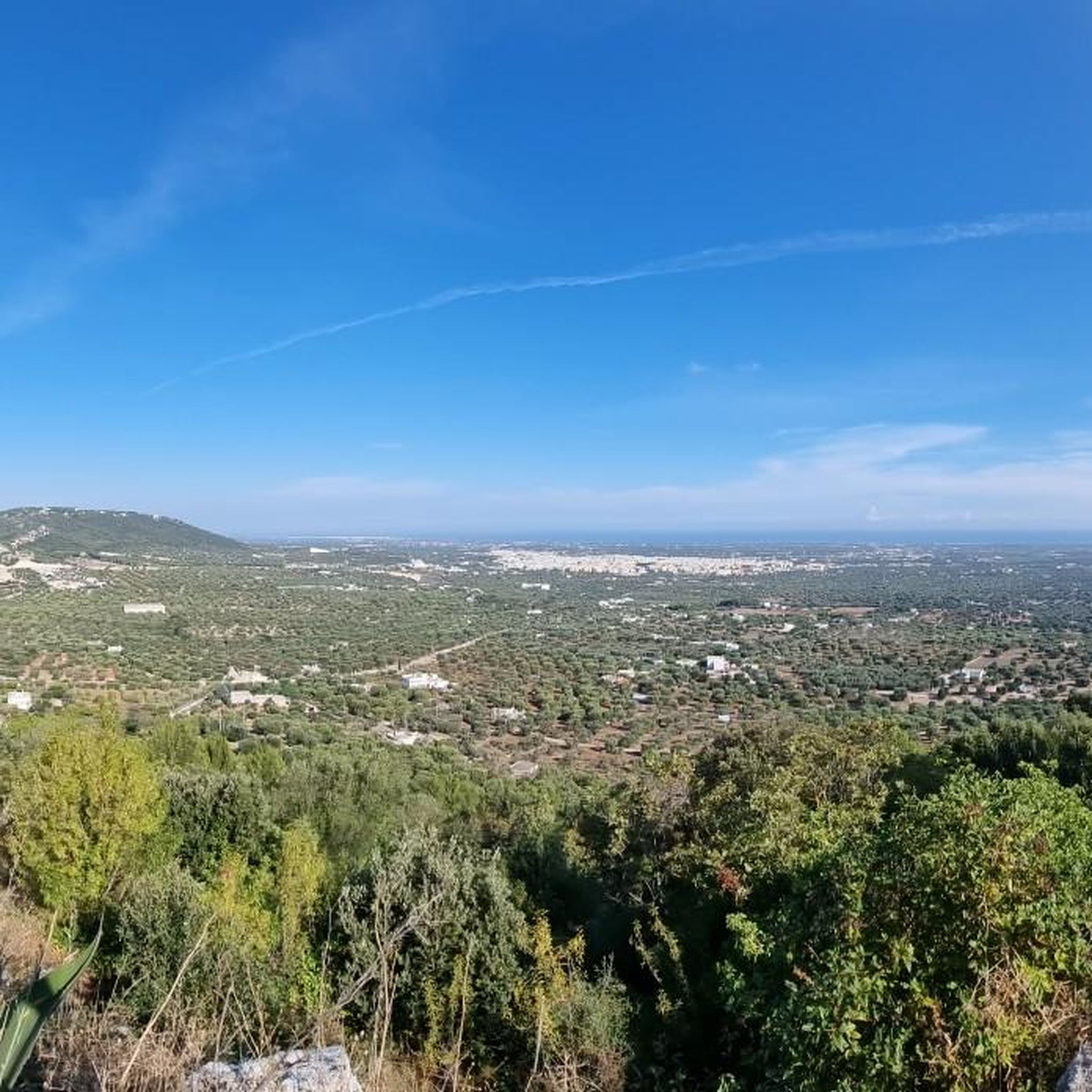
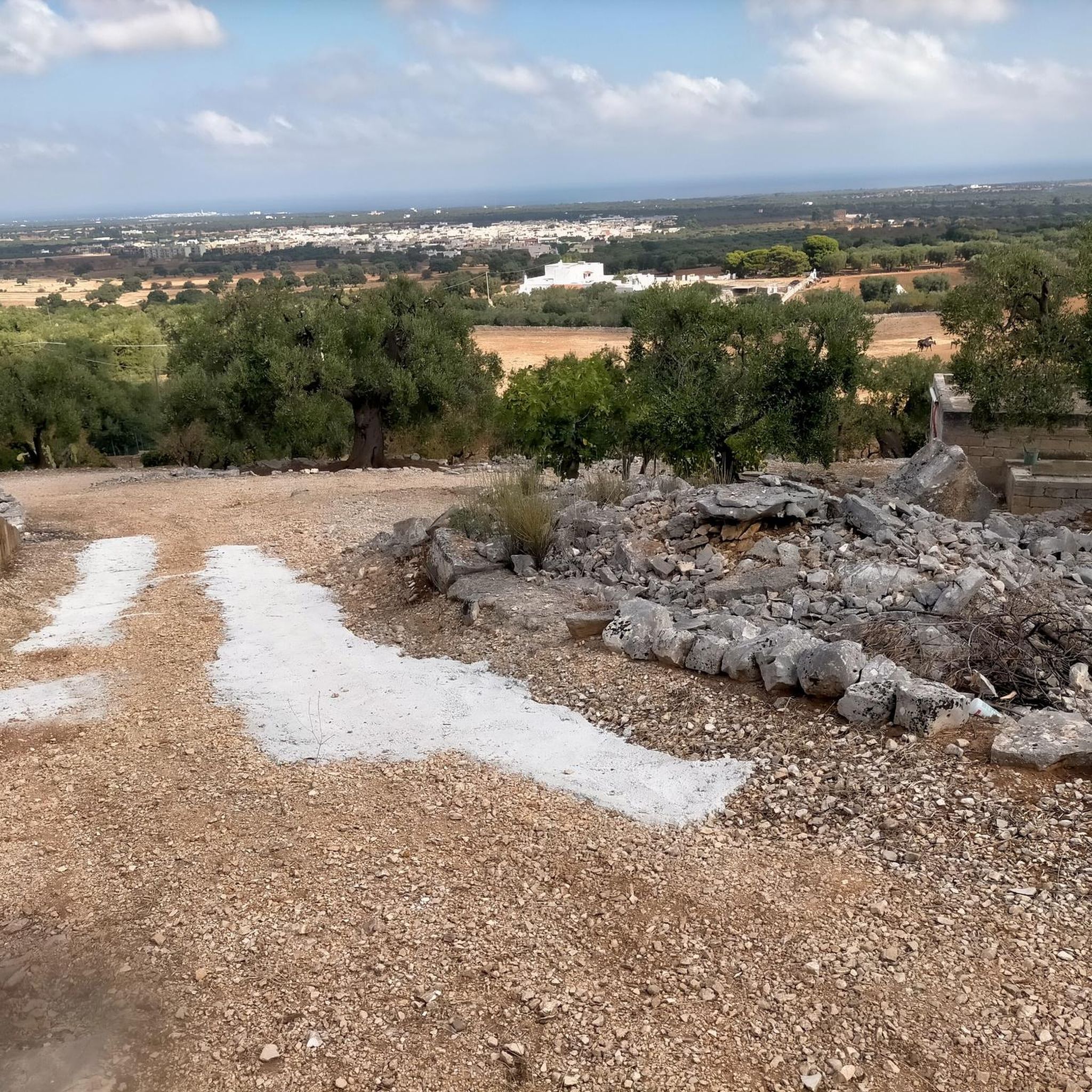
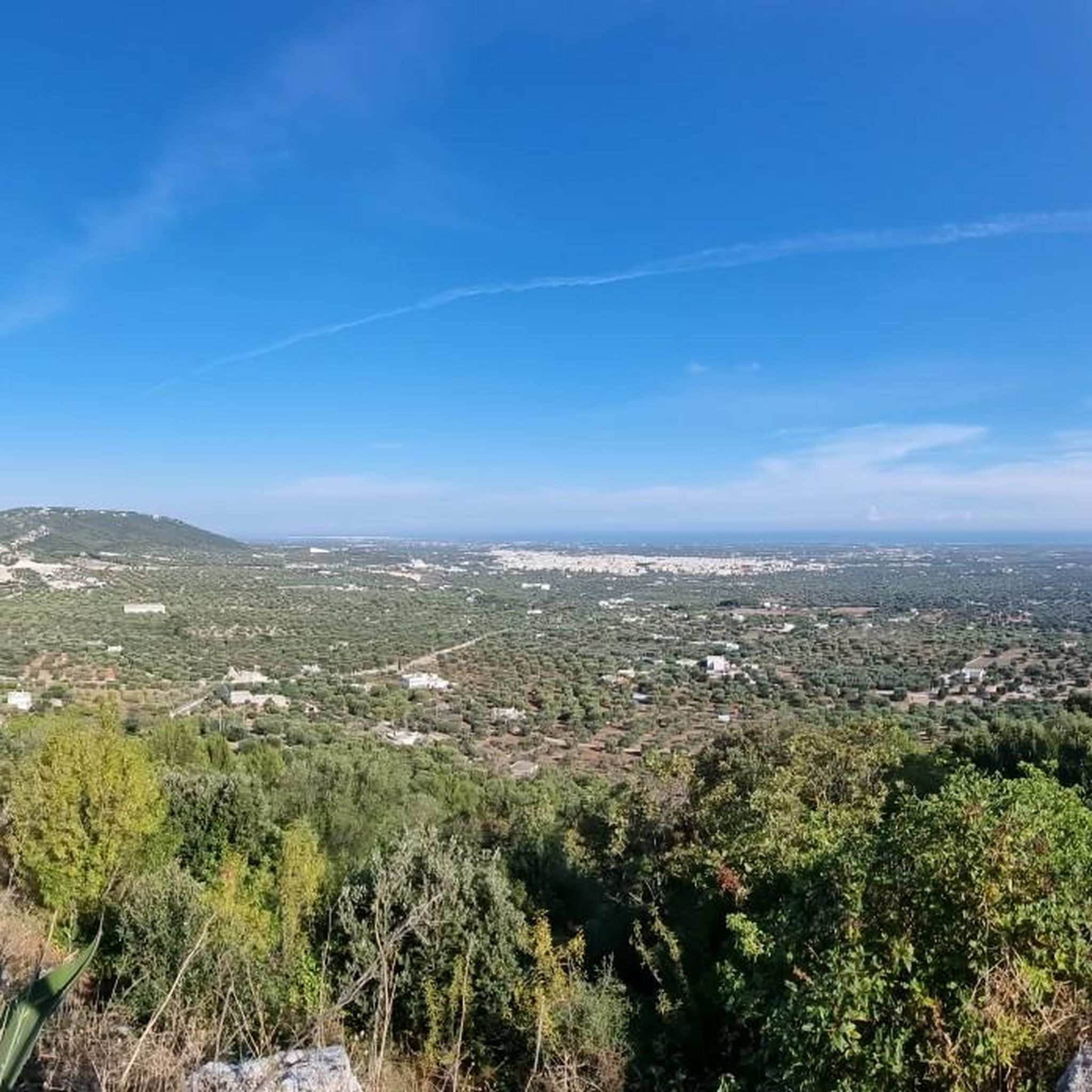



Tips from the Community

The dirt road section of the GAL path that starts from the Monti district continues along the ridge, keeping almost at an isoquota to the east and then abruptly stops at the intersection with one of the gullies that directly connect the ridge with the valley. Attention! Returning to the upstream paths, marked as paths on paper, is not easy and it is still necessary to cross private properties,
0
0

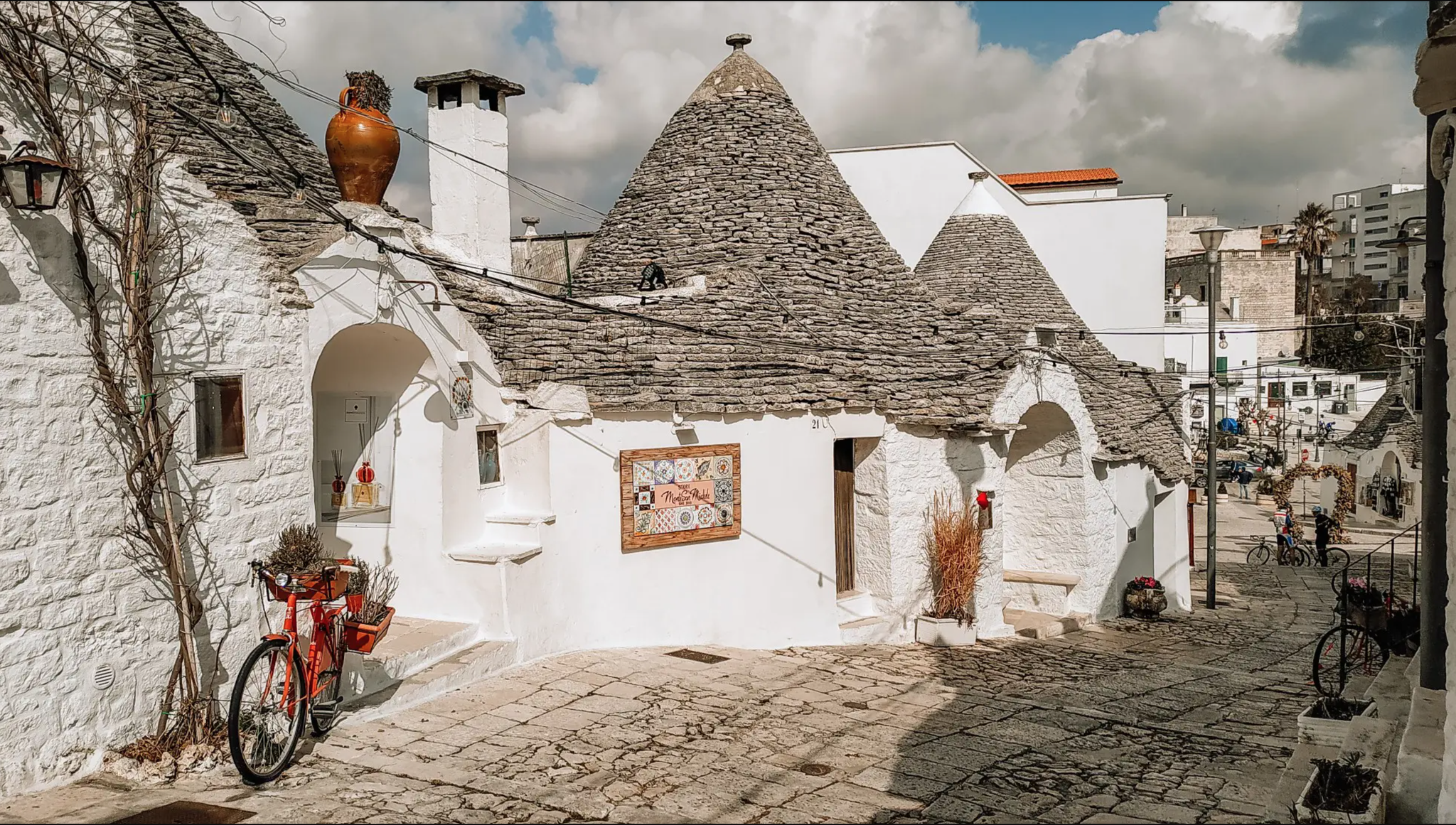
Church of San Giacomo Among pastures and centuries-old olive groves, we reach the Torre Bianca farm and shortly thereafter the remains of the CHURCH of SAN GIACOMO, a place of worship on the cliff, cited by various sources from the sixteenth century. The proximity to the Via Traiana made it an obligatory stop for pilgrims who, on their return from the Holy Land, concluded their itinerary in San Giacomo di Compostela in Spain.
1
0
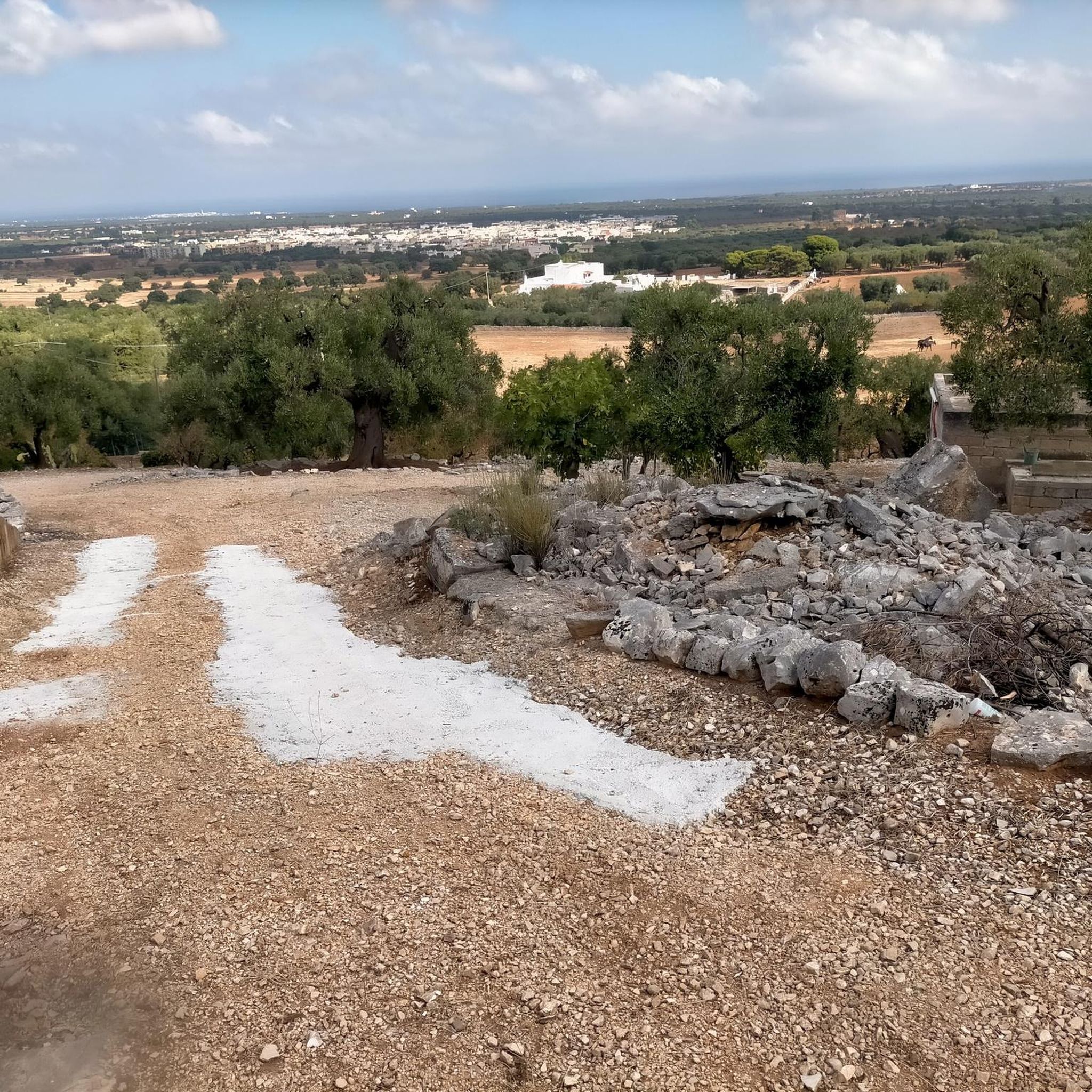
Near the Dolmen there is a small "lamia", a typical rural building surrounded by a spontaneous botanical garden, with figs and prickly pears, mulberries, vines, capers, carob trees. With a few steps, and a careful look, you will also be able to identify a "cave house" carved into the rock.
1
0
The cave is located on Monte D'Alessio and takes its name from the badger, an animal widespread in this area which in the local dialect is called "Mèlogna".
2
0
CHURCH of SAN GIACOMO, place of worship on the cliff, cited by various sources from the 16th century. The proximity to the Via Traiana made it an obligatory stop for pilgrims who, on their return from the Holy Land, concluded their itinerary in San Giacomo di Compostela in Spain.
1
0
Artificial underground cavity almost certainly used as an oil mill or used as a post station
2
0
Present in the cave cadastre with the name PU 1119, it is located on the rocky ridge that flanks the path that leads to the Smeraldo hotel and is located about 6 meters above the path itself.
3
0

From the dirt road of the caves of San Giacomo, go along the bridge entering on a dirt road, up to a sudden right turn into a downhill single track that leads straight to the cave.
2
0
Frequently Asked Questions
What natural features can I explore in the canyons around Fasano?
The canyons, or 'gravine,' around Fasano offer diverse natural features. The Canale di Pirro is a significant karstic depression with extraordinary native vegetation, rich biodiversity, and panoramic views. Gravina di San Donato features Mediterranean vegetation, while Gravina di Laureto boasts exceptional biodiversity, including rare orchid species and a variety of birds, mammals, reptiles, and amphibians. You can also find ancient olive groves and carob trees throughout the area.
Are there historical sites or ancient settlements within Fasano's canyons?
Yes, the canyons around Fasano are rich in history. Lama d'Antico is a notable rupestrian settlement with cave dwellings, water collection systems, and rock-hewn churches, showing human presence since the Neolithic and Bronze Age. You can also visit the Tavola dei Paladini Cave, an artificial underground cavity likely used as an oil mill or post station, and the Rock Church of San Giacomo, a historical place of worship on a cliff.
What kind of wildlife can be spotted in Fasano's canyons?
The Gravina di Laureto is particularly rich in wildlife, hosting 140 bird species, 25 mammal species, 14 reptile species, and 5 amphibian species, including the rare Italian newt. Gravina di San Donato also supports a variety of animal species. The area's diverse ecosystems, from Mediterranean scrub to holm oak forests, provide habitats for numerous creatures.
Are there hiking trails in the gravine around Fasano?
Yes, several gravine offer excellent hiking opportunities. The Canale di Pirro is ideal for serene trekking among monumental olive and carob trees. Gravina di San Donato has a long staircase for traversing the canyon and restored paths, while Gravina del Buco features an approximately 4 km long path through a forest. For more hiking options, explore the Hiking around Fasano guide, which includes routes like the 'Puglian Aqueduct Trail: Selva di Fasano Loop' and 'Trulli of Cocolicchio – Carob Tree Trail loop from Canale di Pirro'.
Can I go cycling in the canyons near Fasano?
Absolutely. The Canale di Pirro is suitable for cycling, offering beautiful scenery. Gravina di Laureto also provides mountain biking trails. You can find more cycling routes in the Cycling around Fasano guide and the Road Cycling Routes around Fasano guide, which feature routes like 'Ponte della Cecca – Gravel road among the vineyards loop from Canale di Pirro'.
What is the best time to visit the canyons around Fasano?
The best time to visit the canyons around Fasano is generally during spring and autumn when the weather is mild and pleasant for outdoor activities like hiking and cycling. These seasons also offer lush vegetation and comfortable temperatures for exploring historical sites and spotting wildlife.
Are there any family-friendly canyon walks in Fasano?
While specific 'family-friendly' designations aren't always given, many paths in the gravine, especially those with restored sections like Gravina di San Donato, can be suitable for families. The Canale di Pirro offers serene trekking experiences that can be enjoyed by various ages. Always check the difficulty and length of a specific trail before heading out with children.
What are some unique caves to visit in the Fasano area?
Fasano is home to several interesting caves. The San Giacomo Cave is accessible via a downhill single track. Near Cala Cerasa beach, you'll find Horseshoe Cave, a small cave with a viewpoint. The Tavola dei Paladini Cave is an artificial underground cavity with a nearby 'cave house' carved into the rock. There's also Mèlogna Cave PU 1119, named after the badger, located on Monte D'Alessio.
What makes Lama d'Antico a significant site to visit?
Lama d'Antico is considered one of Puglia's most extensive rupestrian settlements. It's a rare natural haven where visitors can explore ancient cave dwellings, many interconnected and integrated with the natural environment. The site features natural and artificially expanded cavities, complete with water collection systems, cisterns, and rock-hewn churches adorned with frescoes. Its historical agricultural landscape, dotted with ancient olive trees, makes it an open-air archaeological and agricultural park.
Can I find viewpoints with scenic vistas in the canyons?
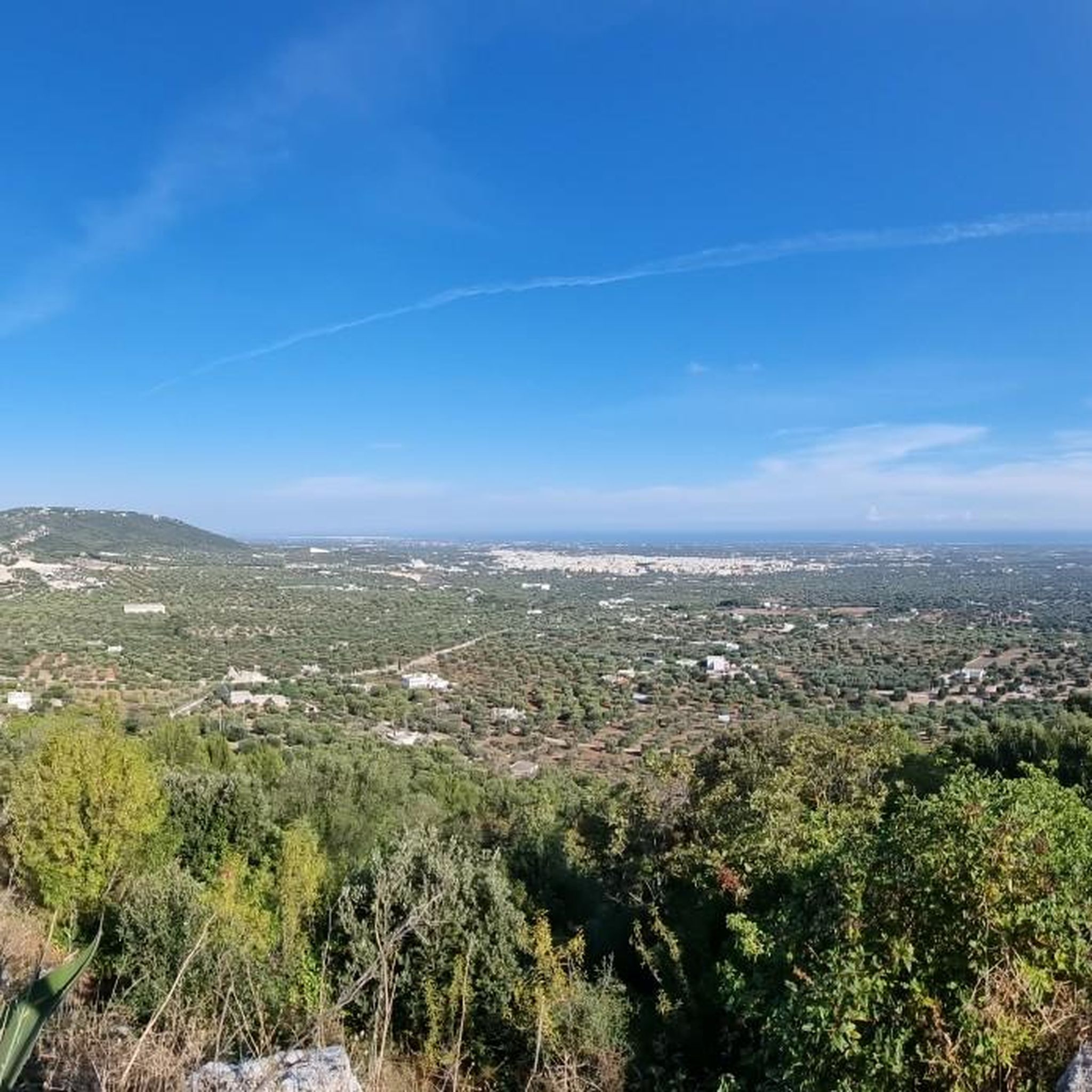
Yes, several gravine offer stunning views. The Canale di Pirro provides panoramic views extending towards the trulli of Alberobello and the Acquedotto Pugliese. Gravina di Laureto offers a unique vantage point to admire the entire municipal territory of Fasano, including ancient olive groves stretching to the Adriatic Sea. Gravina Vincenzo also provides breathtaking views of the 'patchwork' agricultural landscape of the Canale di Pirro.
Are there any less crowded canyons around Fasano for a more peaceful experience?
While popular sites like Lama d'Antico and Canale di Pirro attract visitors, smaller gravine like Gravina Pistone, located on the border with Cisternino, offer a more secluded experience with thick holm oak forests and Mediterranean scrub. Gravina del Buco, transformed from a former dumping ground, now provides a peaceful, green environment for hikers, highlighting a successful environmental recovery effort.
What is the significance of the Rock Church of San Giacomo?
The Rock Church of San Giacomo is a historical place of worship on a cliff, cited in sources from the 16th century. Its proximity to the Via Traiana made it an essential stop for pilgrims returning from the Holy Land, concluding their journey in San Giacomo di Compostela in Spain. It represents a significant historical and religious landmark in the area.
Most popular attractions around Fasano

Get inspired with the komoot mobile app


Explore more
Already discovered everything in this region? See additional gorges around Fasano for your next adventure:
