Top 5 Castles around Nomi
Best castles around Nomi offer opportunities for historical exploration and outdoor adventure in a region characterized by its mountainous terrain and strategic historical importance. This area features a selection of historical sites, providing insight into past eras and military history. Visitors can explore various fortifications and structures, often integrated with trails for hiking, combining historical discovery with natural landscapes.
Best castles around Nomi
- The most popular castles is Forte Dosso delle Somme, a historical site that was an Austrian…
Last updated: October 4, 2026
Forte Dosso delle Somme
Highlight • Historical Site
Translated by Google •
Tip by

Beseno Castle
Highlight • Castle
Translated by Google •
Tip by

Sign up now to discover places like this
Get recommendations on the best single tracks, peaks, & plenty of other exciting outdoor places.
Rovereto Castle
Highlight • Castle
Translated by Google •
Tip by

View of Castel Beseno
Highlight • Viewpoint
Translated by Google •
Tip by

Castel Pietra
Highlight • Castle
The story of Castelo Pietra:
The exact origin of Castel Pietra cannot be …
Translated by Google •
Tip by

Sign up for free to discover even more castles around Nomi.
Already have an account?
Start today with a free account
Your next adventure awaits.
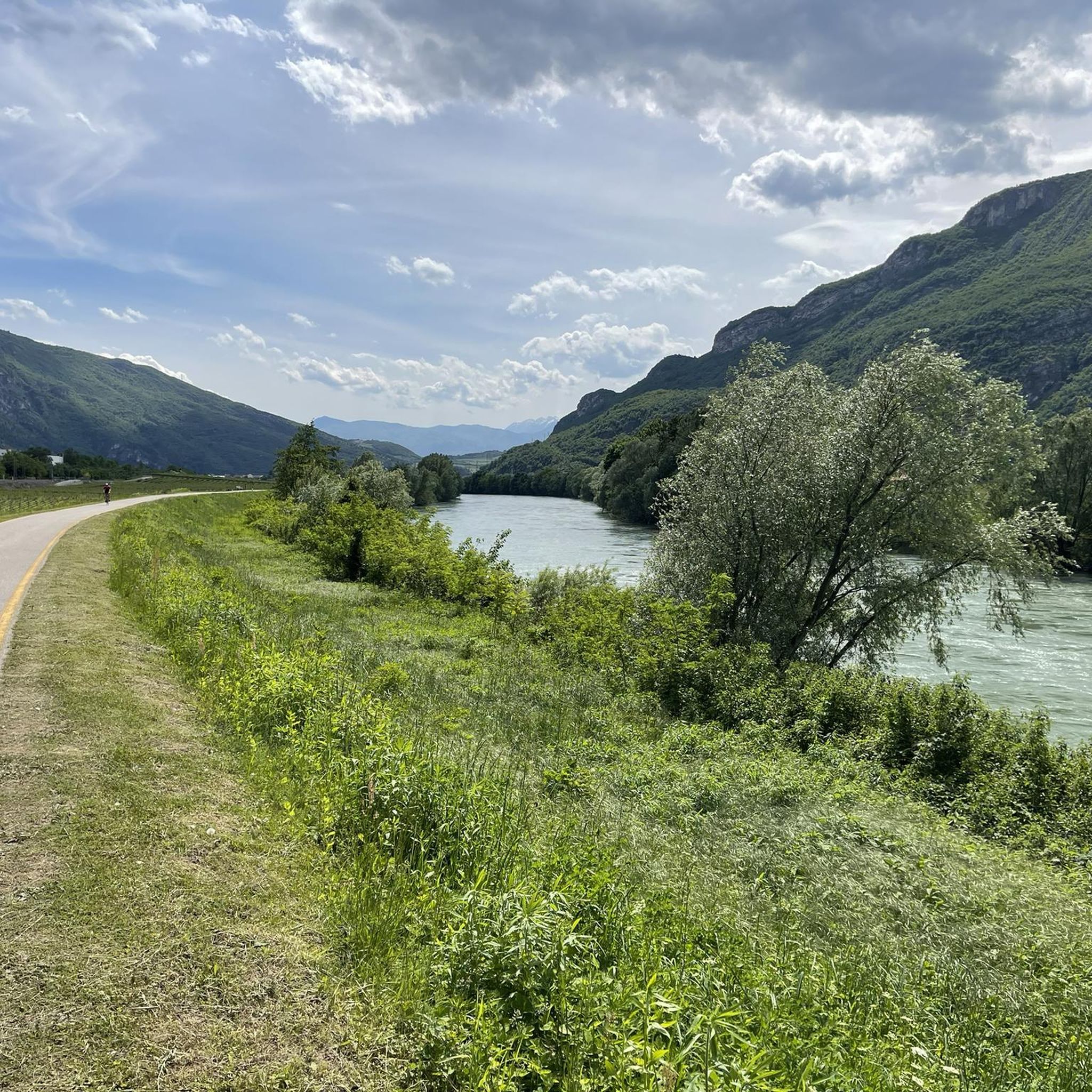
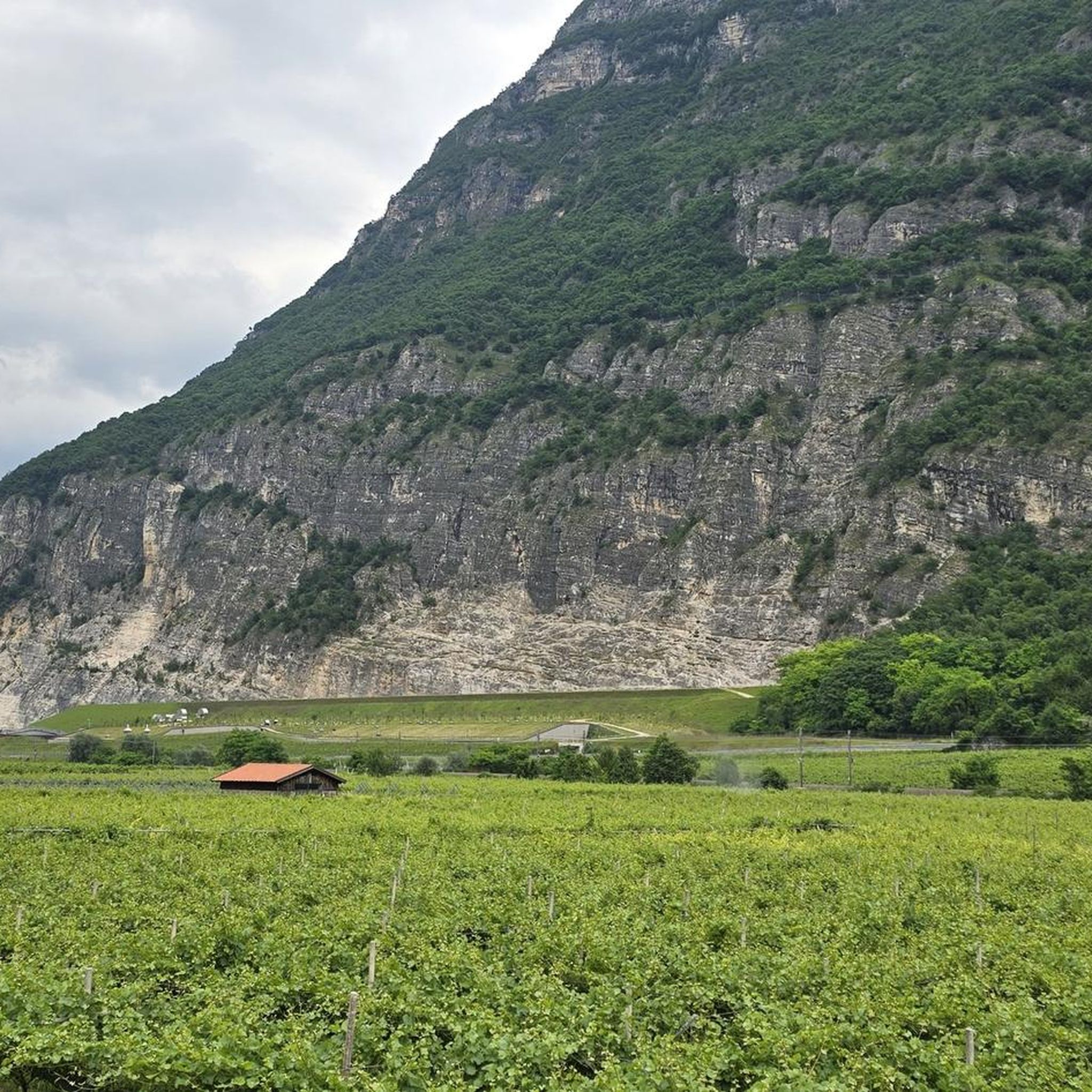
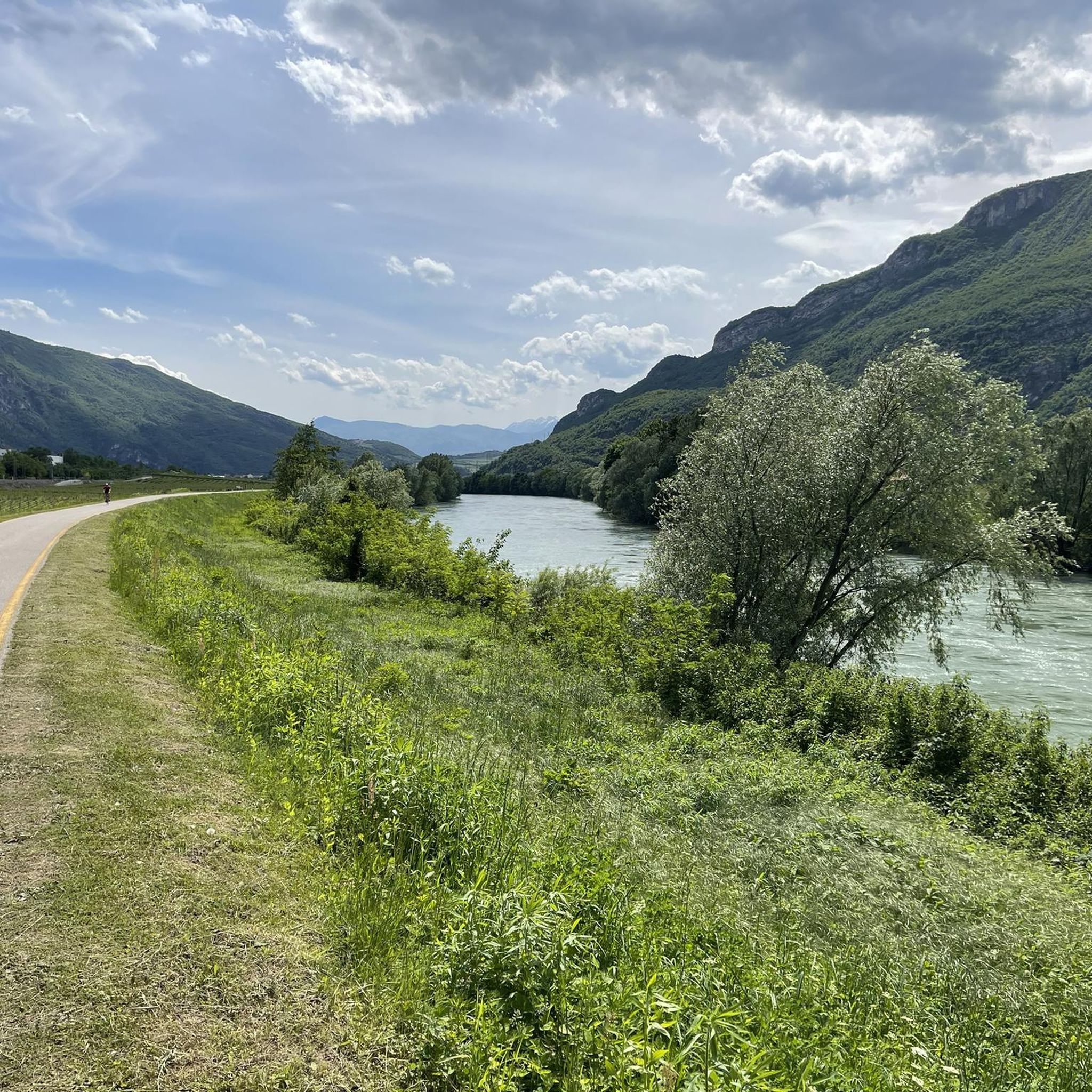
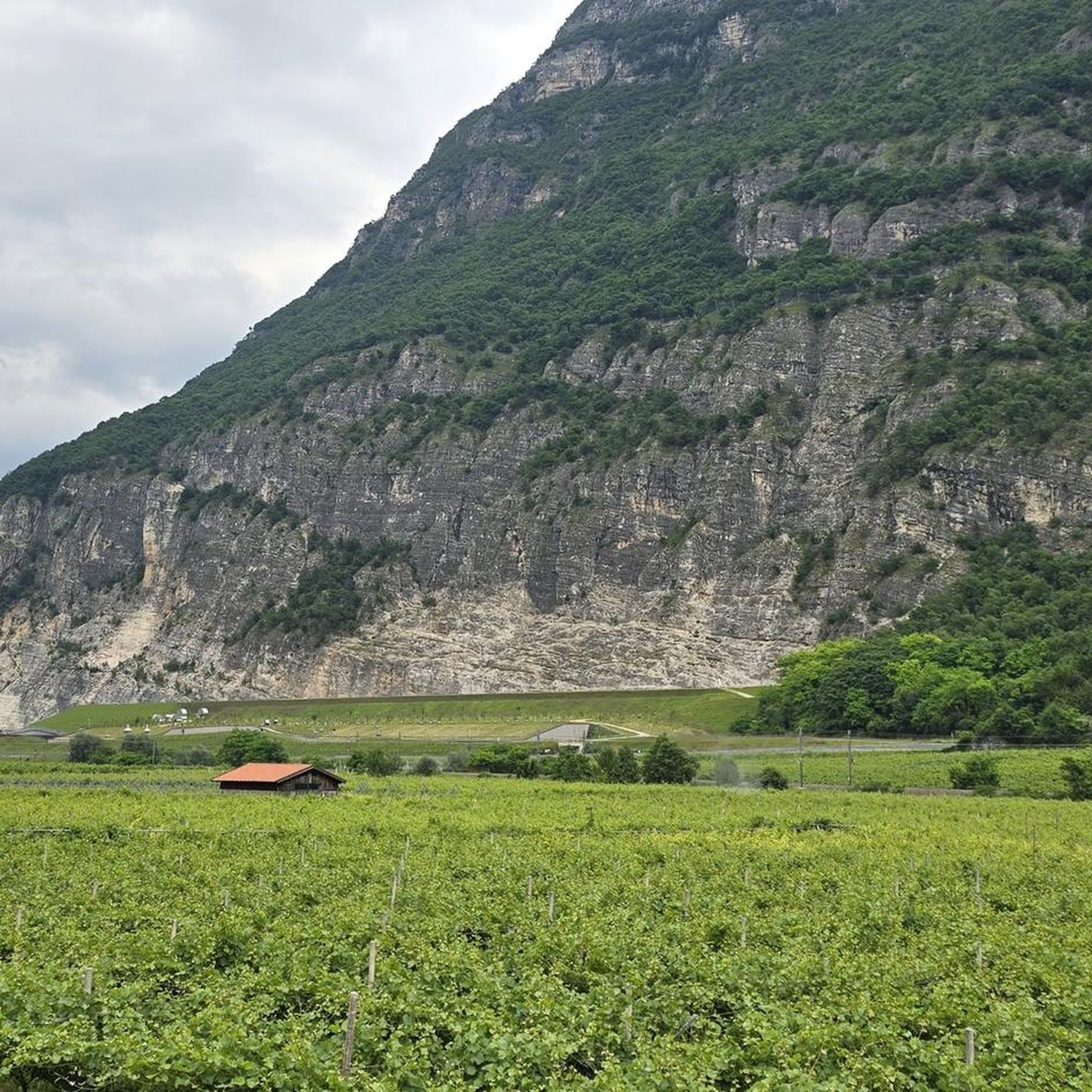
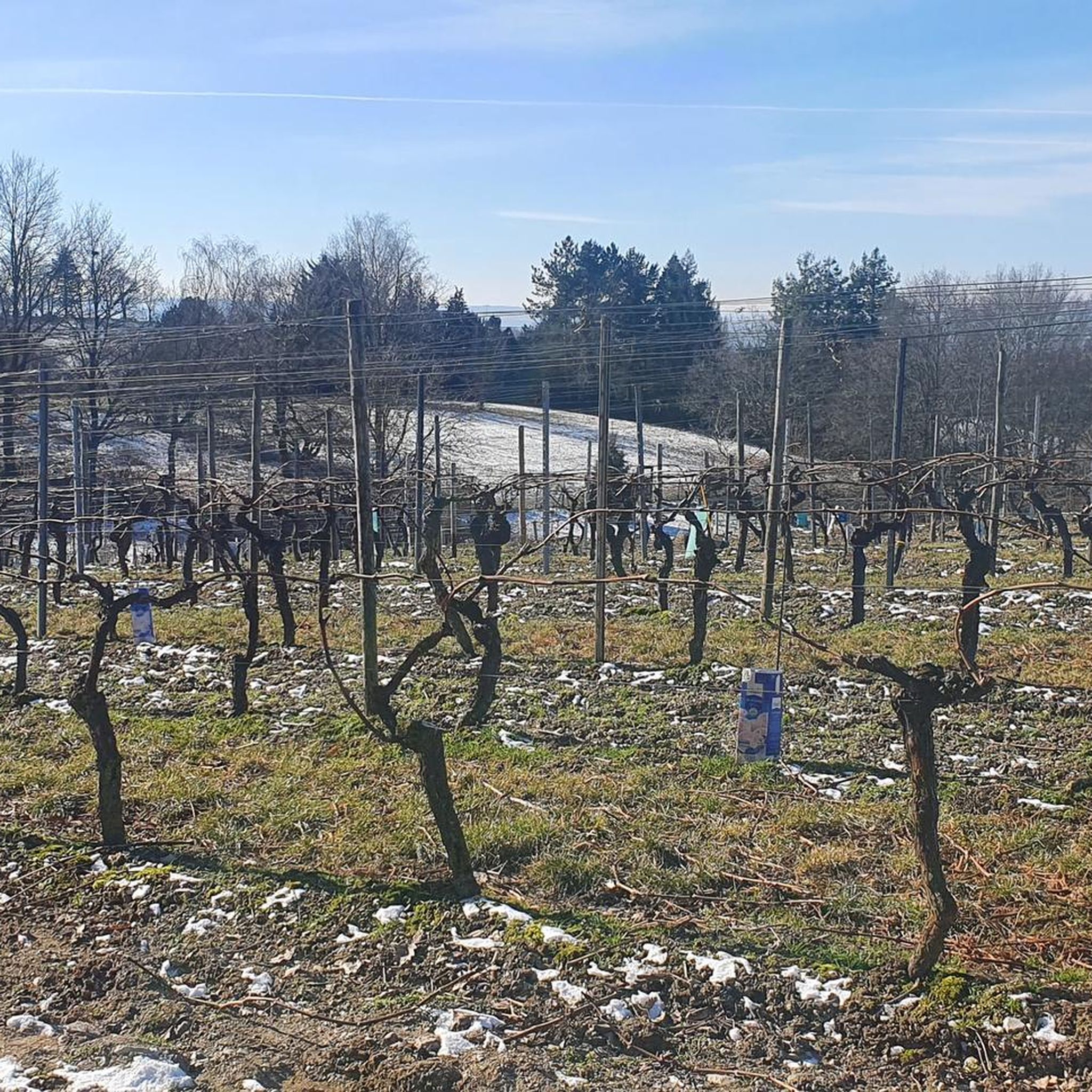
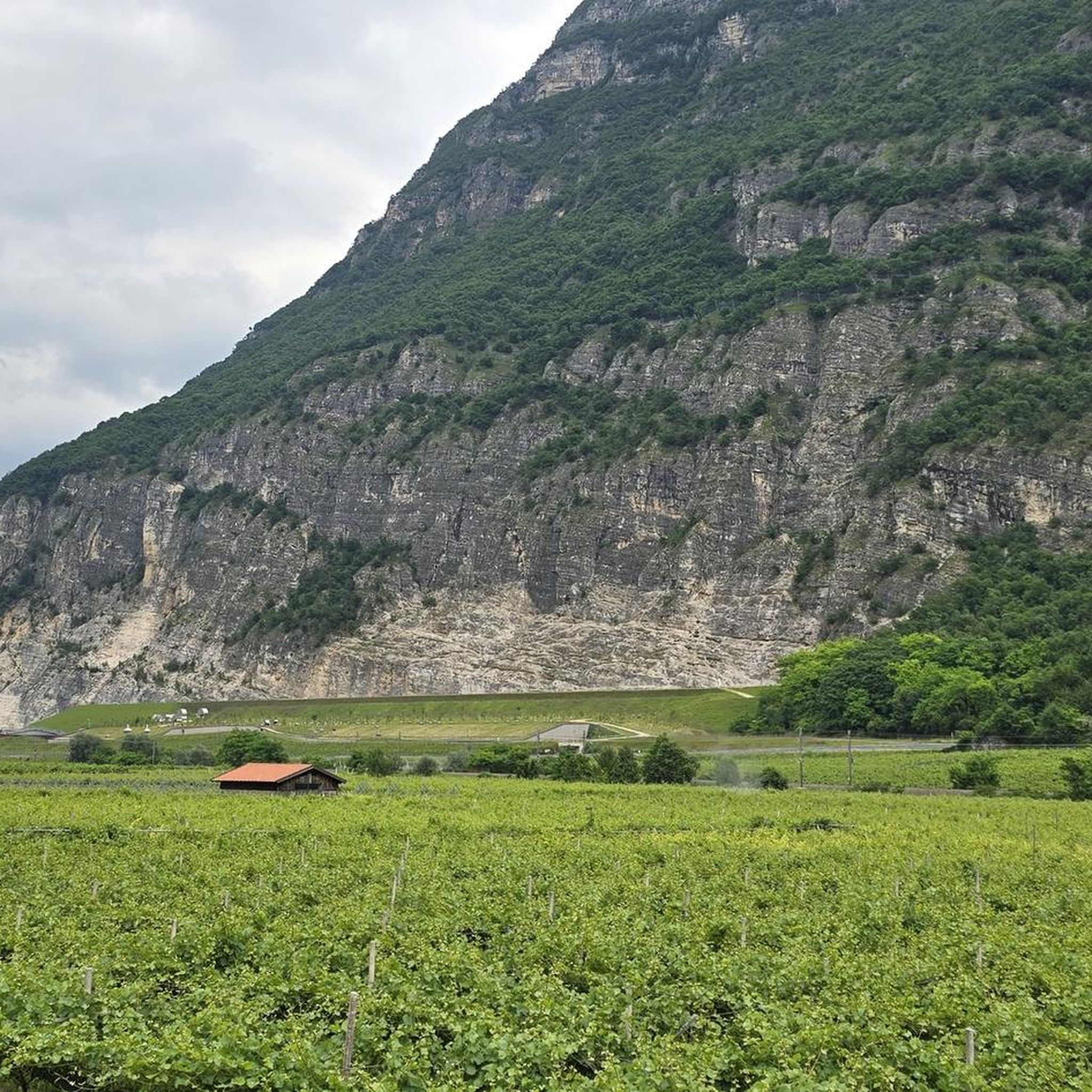
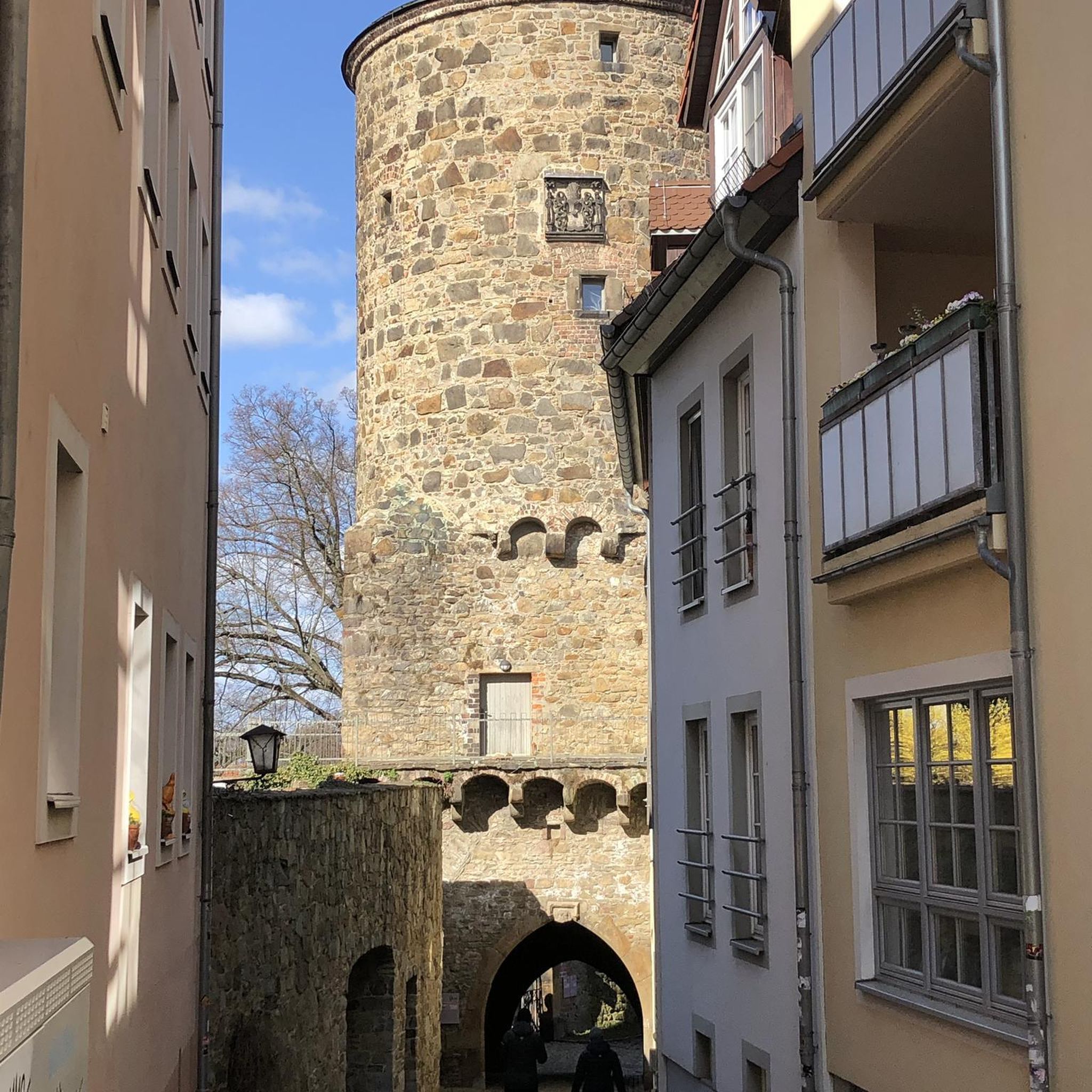
Tips from the Community

Beautiful Austro-Hungarian fortress from the First World War. Naturally, what remains are the remnants of the original fortress. It is certainly worth a visit.
0
0

Built between the 13th and 15th centuries. It houses the Great War museum
0
0
The Dosso della Somme fort was the most important technological outpost of the defensive line of the plateaus
0
0

The war museum is really interesting and well presented!
1
0

The website of the Italian War History Museum: https://museomitag.it/
0
0

Remains of Fort Dosso delle Somme
0
0

The Castello di Rovereto, also known as Castel Veneto, is a Renaissance fortress built in the 15th century and the most important example of Venetian fortification architecture in Trentino. After a turbulent history, the castle has housed the Italian War History Museum (Museo Storico Italiano della Guerra in Italian) since 1921. Source: Wikipedia
7
0
The Castello di Rovereto, also known as Castel Veneto, is a Renaissance fortress built in the 15th century and the most important example of Venetian fortification architecture in Trentino. After a turbulent history, the Italian Historical War Museum (Italian: Museo Storico Italiano della Guerra) has been housed in the castle since 1921. Source: Wikipedia
8
0
Frequently Asked Questions
Are there family-friendly castles to visit around Nomi?
Yes, several castles in the Nomi area are suitable for families. Rovereto Castle, a Renaissance fortress housing the Italian Historical War Museum, is a great option. Additionally, the Path to Castel Beseno leads to the largest fortified structure in Trentino-Alto Adige, which is also considered family-friendly and offers educational exhibits.
What kind of historical experiences do the castles around Nomi offer?
The castles around Nomi provide a diverse range of historical insights. You can explore World War I fortifications like Forte Dosso delle Somme, an Austrian fort built between 1911 and 1914. For Renaissance history, Rovereto Castle, also known as Castel Veneto, showcases Venetian fortification architecture and houses the Italian Historical War Museum.
Are there hiking opportunities near the castles in Nomi?
Absolutely. Many castles in the Nomi area are integrated with trails. For instance, the Path to Castel Beseno is a dirt path through the woods leading directly to Castel Beseno. You can find more hiking routes in the region by visiting the Hiking around Nomi guide, which includes routes like the 'View of the Adige Valley – Beseno Castle loop'.
What is the best season to visit the castles around Nomi?
The spring and autumn months generally offer the most pleasant weather for exploring the castles and their surrounding trails. Temperatures are mild, and the natural landscapes are particularly scenic. While some castles like Castel Beseno have limited winter hours, checking specific opening times for each site is recommended if planning a visit outside of peak seasons.
Are there viewpoints or scenic spots near the castles?
Yes, several castles offer excellent viewpoints. Forte Dosso delle Somme, located at 1,670 meters above sea level, provides expansive views. The Path to Castel Beseno and the Ascent to Beseno Castle also lead to magnificent views of the Etsch Valley from Castel Beseno.
What outdoor activities can I combine with a castle visit in Nomi?
Beyond exploring the castles themselves, the Nomi region offers various outdoor activities. You can find numerous hiking trails, such as those listed in the Hiking around Nomi guide. For cyclists, there are road cycling and gravel biking routes available, including those in the Road Cycling Routes around Nomi and Gravel biking around Nomi guides.
Are there any castle ruins to explore near Nomi?
Yes, the Nomi area is known for its fortifications and castle ruins. While some, like Forte Dosso delle Somme, are well-preserved WWI fortifications, others like Forte alto are in a state of disrepair, offering a different kind of historical exploration of their remains.
What do visitors enjoy most about the castles around Nomi?
Visitors frequently appreciate the blend of historical exploration and natural beauty. Many enjoy the well-preserved nature of sites like Rovereto Castle and the educational aspects of the museums housed within them. The scenic trails leading to castles, such as the Path to Castel Beseno, and the magnificent views from elevated forts like Forte Dosso delle Somme, are also highly praised.
What are the typical opening hours for castles like Castel Beseno?
Opening hours can vary by season. For example, Castel Beseno is generally open from Tuesday to Sunday from 10:00 to 18:00 during the main season (May to early November). In the off-season (November to April), it may only be open on Saturdays and Sundays from 9:30 to 17:00. It's always best to check the official website or contact the castle directly for the most current schedule, especially around holidays.
Is there an entrance fee for the castles, and are there any passes available?
Entrance fees vary by castle. For instance, Castel Beseno often offers free entry. Rovereto Castle, which houses the Italian Historical War Museum, has an entrance fee, but it is included in the Trento Rovereto Museum Pass. It's advisable to check the specific castle's website for current pricing and pass information.
Are there any specific recommendations for visiting castles in autumn?
Autumn is a beautiful time to visit due to the mild weather and vibrant foliage. When visiting, especially if you plan to explore trails around the castles like the Path to Castel Beseno or Forte Dosso delle Somme, wear comfortable walking shoes suitable for uneven terrain. Layers of clothing are also recommended as temperatures can change throughout the day.
Can I find parking easily when visiting castles around Nomi?
Parking availability varies by location. Larger, more popular sites like Castel Beseno and Rovereto Castle typically have designated parking areas nearby. For more remote sites or ruins, parking might be less formal or require a short walk. It's recommended to check specific directions for each castle you plan to visit.
Most popular routes around Nomi
Most popular attractions around Nomi

Get inspired with the komoot mobile app


Explore more
Looking for the best castles somewhere else? Discover other guides around Nomi:
