Attractions and Places To See around Arquà Petrarca - Top 20
Best attractions and places to see around Arquà Petrarca include a medieval village nestled in the Euganean Hills Regional Park. This area is recognized for its historical and cultural significance, being one of "I Borghi più belli d'Italia". The landscape features rolling hills, vineyards, and olive groves, offering a blend of natural beauty and heritage. It provides a tranquil setting for exploring history, literature, and nature.
Best attractions and places to see around Arquà Petrarca
- The most popular attractions is…
Last updated: October 9, 2026
Praglia Abbey
Highlight • Religious Site
Translated by Google •
Tip by

Este Castle Gardens
Highlight • Castle
Translated by Google •
Tip by

Sign up now to discover places like this
Get recommendations on the best single tracks, peaks, & plenty of other exciting outdoor places.
Monselice Castle
Highlight • Castle
Tip by

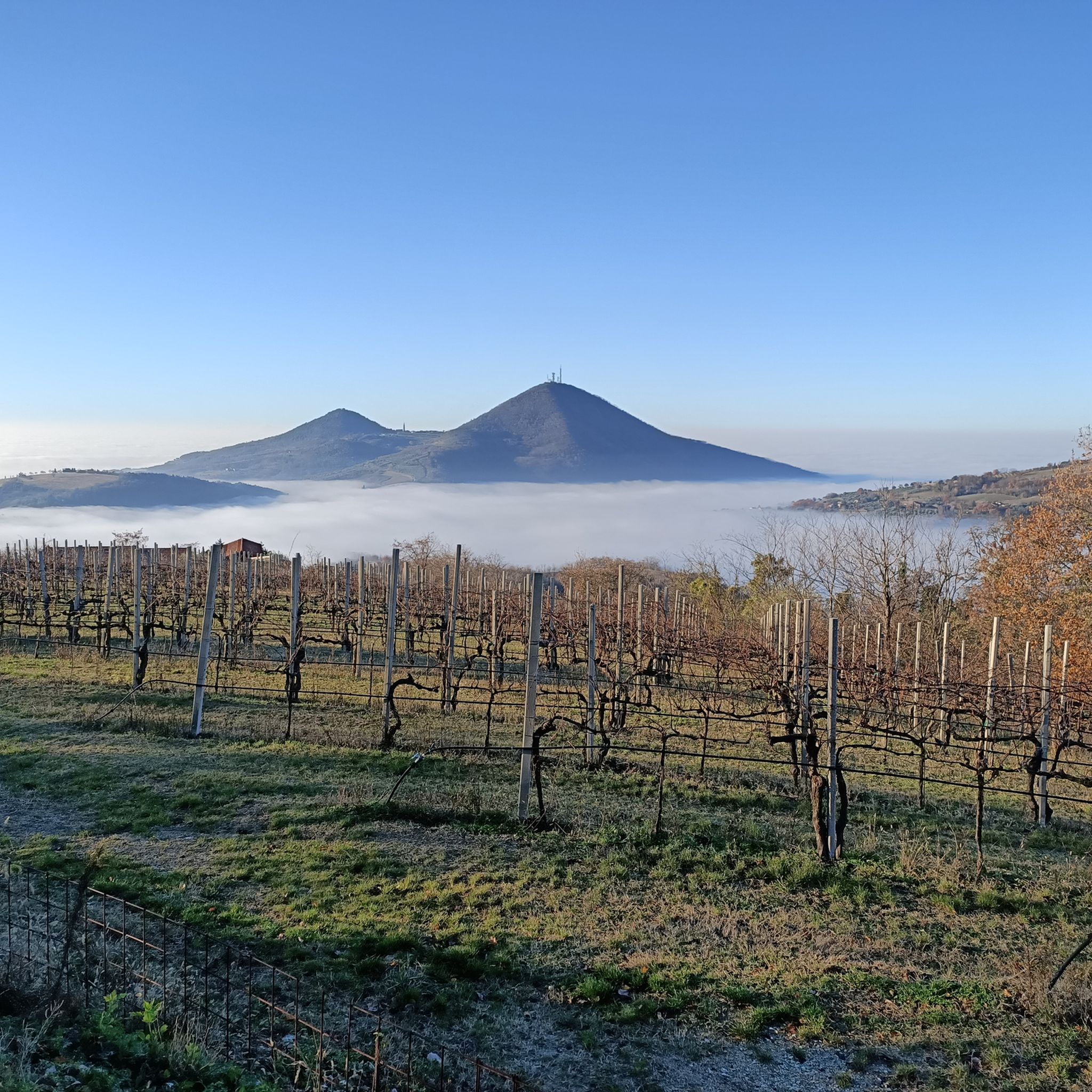
Mottolone Plateau
Highlight • Viewpoint
Translated by Google •
Tip by

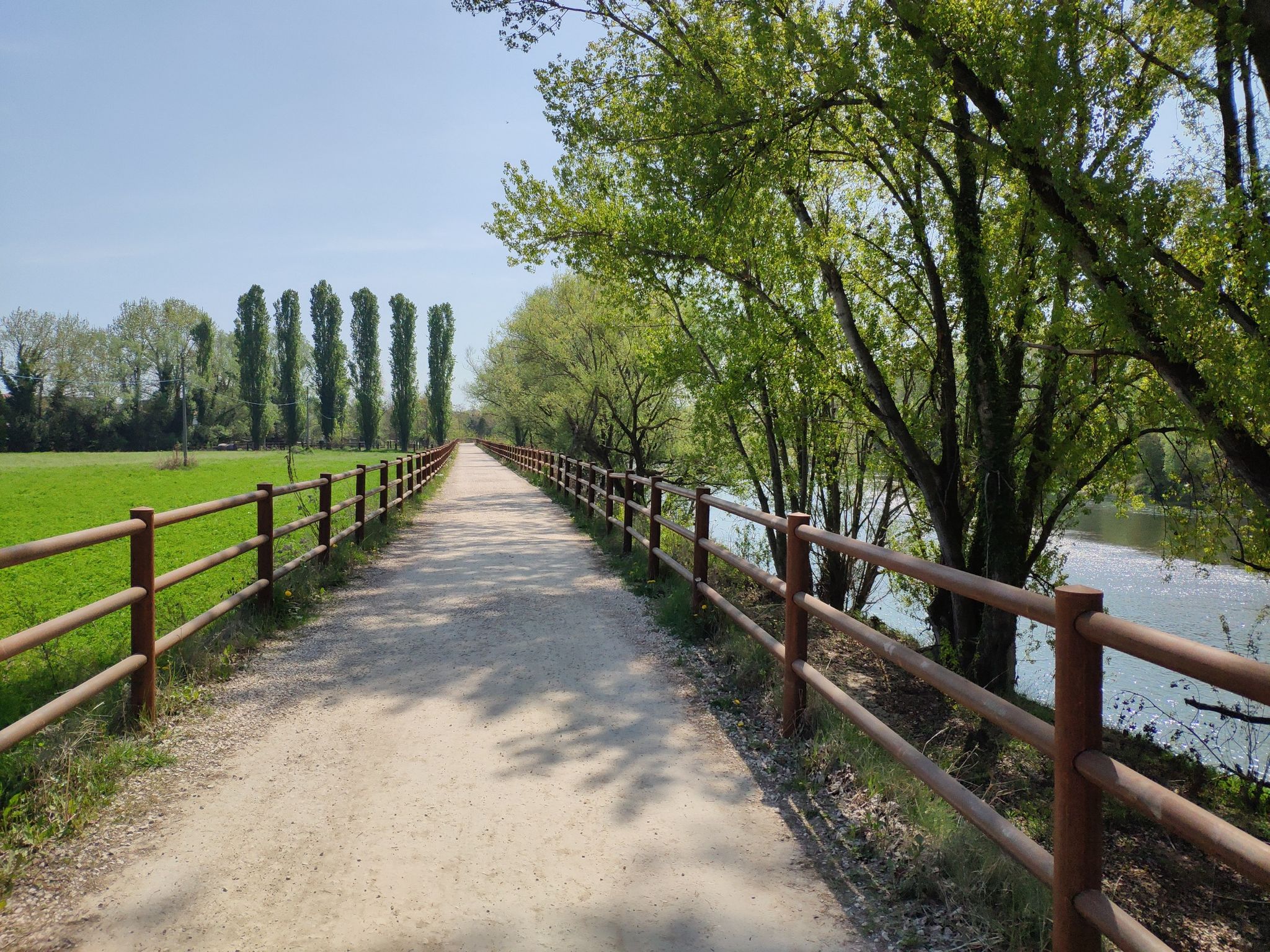
Battaglia Canal Cycle Path
Highlight • Cycleway
Translated by Google •
Tip by

Sign up for free to discover even more attractions around Arquà Petrarca.
Already have an account?
Start today with a free account
Your next adventure awaits.

Other adventures around Arquà Petrarca

Tips from the Community

The Public Gardens of Este, located in the heart of the town at the foot of the Euganean Hills, offer a fascinating green oasis enclosed within the imposing fourteenth-century walls of the Carrarese Castle. This historic park combines the solemnity of medieval architecture, with its towers and ramparts, with rich vegetation characterized by large lawns and majestic centuries-old trees, including imposing Lebanon cedars. Within the same area stands Palazzo Mocenigo, home to the National Atestino Museum, creating a perfect blend of nature, archaeology, and history. The garden has always been the ideal meeting place for relaxing walks, cultural events, and city flower shows, offering evocative views and a serene atmosphere in every season.
0
0

Beautiful cycle path that allows you to start spotting the hills and getting closer, when you arrive at Battaglia terme you can decide whether to continue or to start venturing towards the hills..
1
0

Monselice Castle is a complex of buildings composed of four main nuclei, plus a fortress, all built and renovated between the 11th and 16th centuries. The oldest part, on the right as you enter the main doorway into the Corte Grande, is the Castelletto, with the adjoining Romanesque house, built between the 11th and 12th centuries. On the left stands the massive 13th-century Ezzelino Tower. In the center, Palazzo Marcello was built in the 15th century as a connecting nucleus between the two existing buildings. At the top of the hill stands a fortress built by Ezzelino III da Romano on the orders of Emperor Frederick II of Swabia. Finally, the castle library, located on the large esplanade in front of the Ezzelino Tower, was created in a pre-existing building from the late 16th century.
3
0

On the northern slopes of the Euganean Hills, the abbey of Praglia boasts about 900 years of history and today presents the largest Benedictine monastic community in Italy, with over 40 members. The current Abbot is Stefano Visintin.
2
0

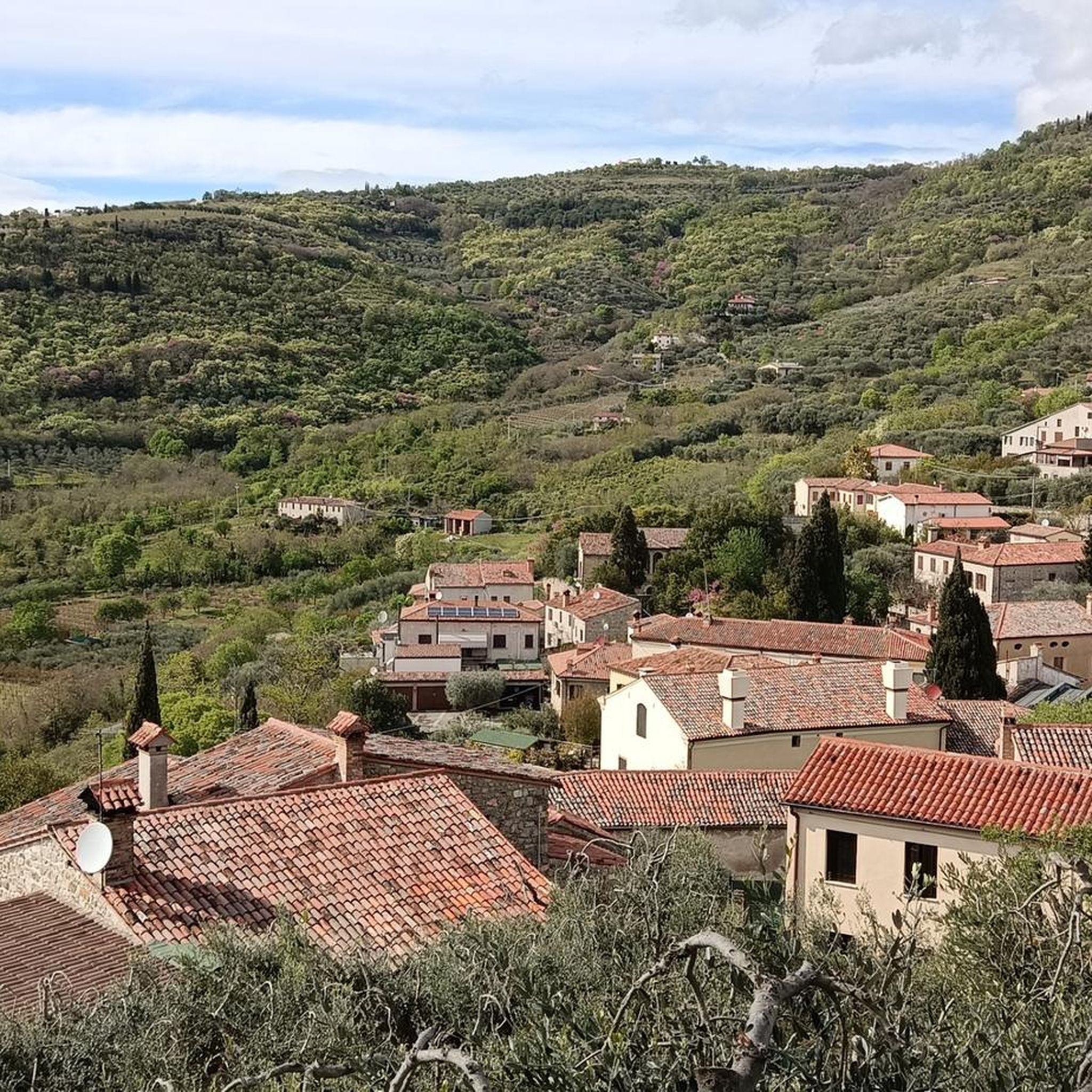
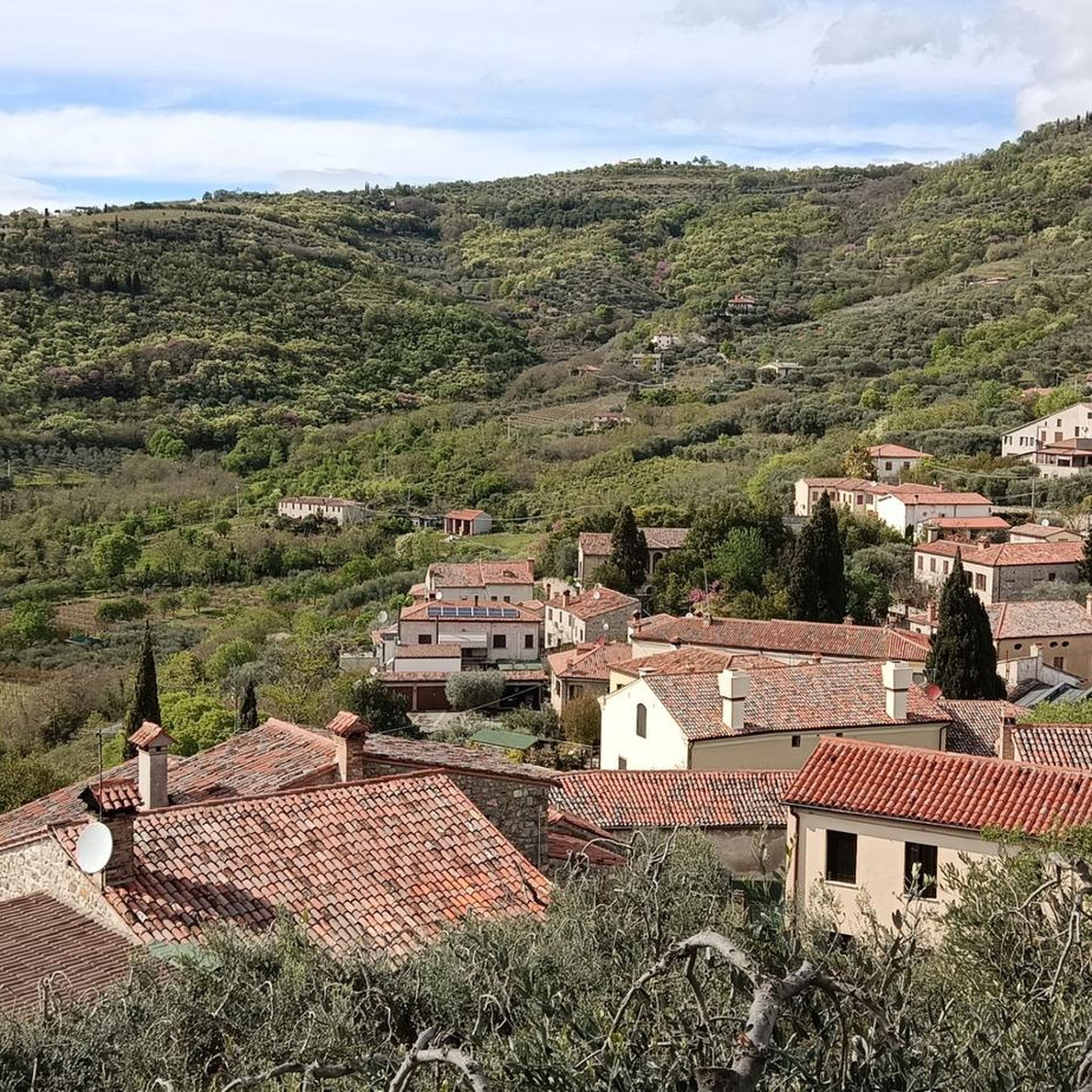
A typical Italian small town. Fits the holiday mood.
4
0

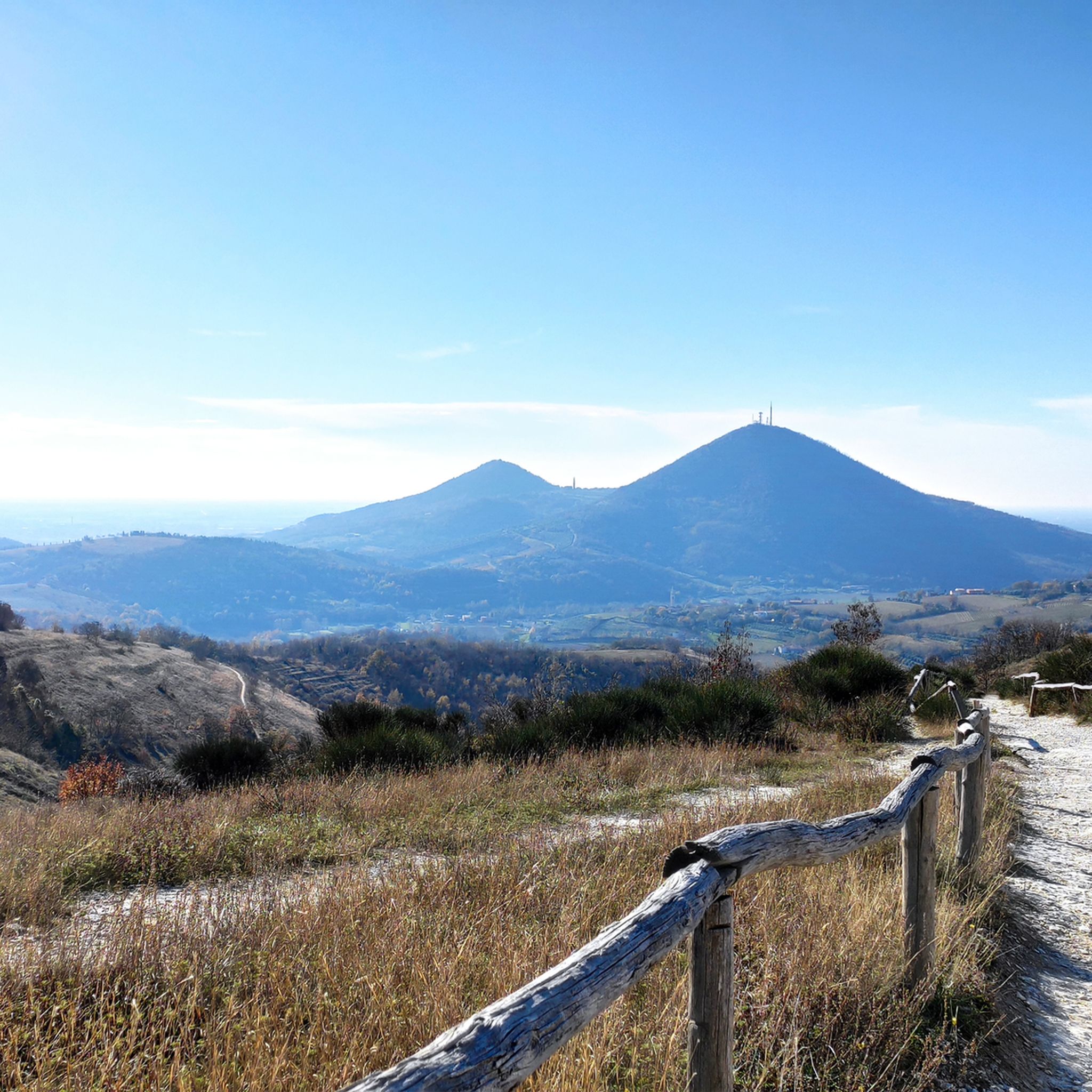
Simply fantastic The view from Calaone is very beautiful
3
0

The castle of Monselice is a characteristic and fascinating complex of complex buildings, added in different eras by different owners: the 11th century Romanesque House and the 12th century Castelletto, which constitute the oldest and most medieval nucleus; the massive 13th century defensive tower, commissioned by Ezzelino III da Romano who established his government here; the 15th century Palazzo Marcello, in Renaissance style, built as a connection between the two previous buildings, when the complex was converted from military use to residential use by the noble Venetian Marcello family; finally the 16th century Ca' Marcello Library. From the 19th century the complex fell into a state of progressive degradation and internal dispossession, culminating in the use of the castle for military purposes during the Great War, until it was inherited by Count Vittorio Cini, who in 1935 began a radical restoration of the buildings. This was followed by the restoration of the internal rooms, purchasing vast collections of weapons, furnishings, ornaments, utensils and tapestries, strictly consistent with the medieval and Renaissance environments. The castle houses one of the most beautiful and richest armories in the Veneto. It is also called Cini Castle. In 1981 it was purchased by the Veneto Region and opened to visitors ((see link for opening times and prices). https://www.castellodimonselice.it https://it.wikipedia.org/wiki/Castello_di_Monselice
1
0

Also ideal for gravel bike riders! More tips for gravel bike adventures in the area at https://graveldeluxe.com or in my Komoot profile https://www.komoot.de/user/graveldeluxe
3
0
Frequently Asked Questions
What historical and cultural sites can I explore in Arquà Petrarca?
Arquà Petrarca is rich in history. You can visit Arquà Petrarca itself, a medieval village where the poet Francesco Petrarca spent his final years. His house, now a museum, and his tomb near the Church of Santa Maria Assunta are significant landmarks. Other sites include the ancient Oratorio della Santissima Trinità and the historic Loggia dei Vicari, which once served as the seat of local administration.
What natural attractions and viewpoints are there in the Arquà Petrarca area?
The area is nestled within the Euganean Hills Regional Park, offering a blend of nature and history. For breathtaking views, head to Mottolone Plateau, which provides nearly 360-degree panoramic views of the surrounding landscape. The park itself features rolling hills, vineyards, and olive groves, perfect for scenic drives or walks. You can also find Costa Lake, a UNESCO World Heritage site, within the town boundaries.
Are there opportunities for hiking or cycling around Arquà Petrarca?
Yes, the Euganean Hills offer numerous trails for both hiking and cycling. You can find various cycling routes, including those around Arquà Petrarca, ranging from moderate to difficult. For mountain biking, there are dedicated MTB trails, such as those leading to Mottolone Plateau. The "Petrarch Route" is also a popular cycling path offering scenic views.
What local specialties or products should I look for in Arquà Petrarca?
Arquà Petrarca is particularly famous for its jujubes, a fruit used to make the traditional "Brodo di giuggiole" liqueur. The surrounding Euganean Hills are also renowned for their wine and olive oil production, which you can often find at local farms and shops.
Are there any family-friendly attractions or activities in the region?
Many attractions in the Arquà Petrarca area are suitable for families. The village of Arquà Petrarca itself is a charming place to explore with its historical sites. The Mottolone Plateau offers easy access and beautiful views, making it a good spot for a family outing. Additionally, the Battaglia Terme Canal area provides pleasant walks along waterways.
What is the best time to visit Arquà Petrarca?
Arquà Petrarca is beautiful year-round, but spring and autumn offer pleasant temperatures for exploring the village and the Euganean Hills. These seasons are ideal for hiking, cycling, and enjoying the natural landscapes, including the vineyards and olive groves.
What is the significance of Petrarch in Arquà Petrarca?
Arquà Petrarca is deeply connected to the renowned Italian poet Francesco Petrarca (Petrarch), who spent the last years of his life here from 1369 until his death in 1374. His well-preserved house, now a museum, offers insights into his life, and his marble tomb is located in the churchyard of Santa Maria Assunta, making the village a significant pilgrimage site for literary enthusiasts.
Are there any notable religious sites near Arquà Petrarca?
Yes, the region is home to significant religious sites. Praglia Abbey, located on the northern slopes of the Euganean Hills, is an imposing Benedictine monastic community with about 900 years of history. Its beautiful setting and architecture make it a worthwhile visit.
Can I visit any castles or historic fortresses in the area?
Absolutely. Monselice Castle is a prominent historical site overlooking Monselice, dating back to the 11th-12th century. It houses a collection of period furnishings, paintings, and weapons, recreating a medieval and Renaissance atmosphere for visitors.
What do visitors enjoy most about Arquà Petrarca?
Visitors frequently praise Arquà Petrarca for its ability to transport them back in time, with its well-preserved medieval charm and tranquil atmosphere. The blend of historical significance, especially related to Petrarch, and the stunning natural beauty of the Euganean Hills, makes it a unique and highly appreciated destination.
Are there any easy walking trails suitable for beginners or casual strolls?
Yes, the Euganean Hills Regional Park offers various trails, including options suitable for leisurely walks. While some routes can be challenging, you can find easier paths around the village of Arquà Petrarca itself, or along the Battaglia Terme Canal, which provides a flat and scenic route.
Most popular routes around Arquà Petrarca
Most popular attractions around Arquà Petrarca

Get inspired with the komoot mobile app


Explore more
Still not found the Highlight you’re looking for? See guides of the top attractions in other regions:
