Attractions and Places To See around Cortemaggiore - Top 20
Best attractions and places to see around Cortemaggiore are found in the Po Valley, a region characterized by its Renaissance urban planning and historical sites. The town itself is an example of an "ideal city" with elegant architecture. Its location near the Arda and Po Rivers also offers natural landscapes for walking routes and exploration.
Best attractions and places to see around Cortemaggiore
- The most popular attractions is Busseto, a settlement famous for being the birthplace of composer Giuseppe…
Last updated: August 30, 2026
Busseto
Highlight • Settlement
Translated by Google •
Tip by

Abbey of Chiaravalle della Colomba
Highlight • Religious Site
Translated by Google •
Tip by
Sign up now to discover places like this
Get recommendations on the best single tracks, peaks, & plenty of other exciting outdoor places.
Sign up for free
Church of the Blessed Virgin of Loreto (Madonnina del Po)
Highlight • Religious Site
Translated by Google •
Tip by

Church of San Michele Arcangelo, Montanaro
Highlight • Religious Site
Translated by Google •
Tip by
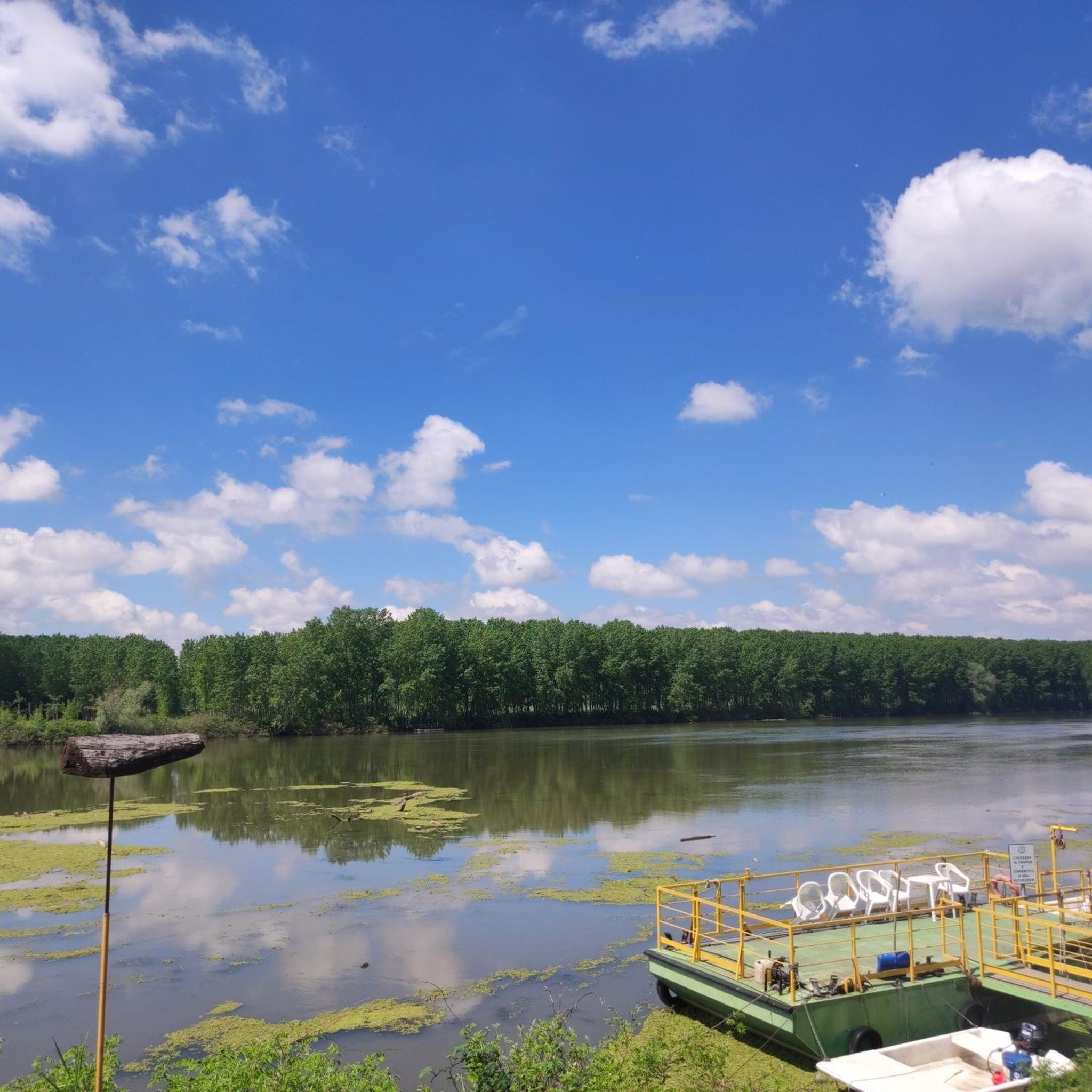
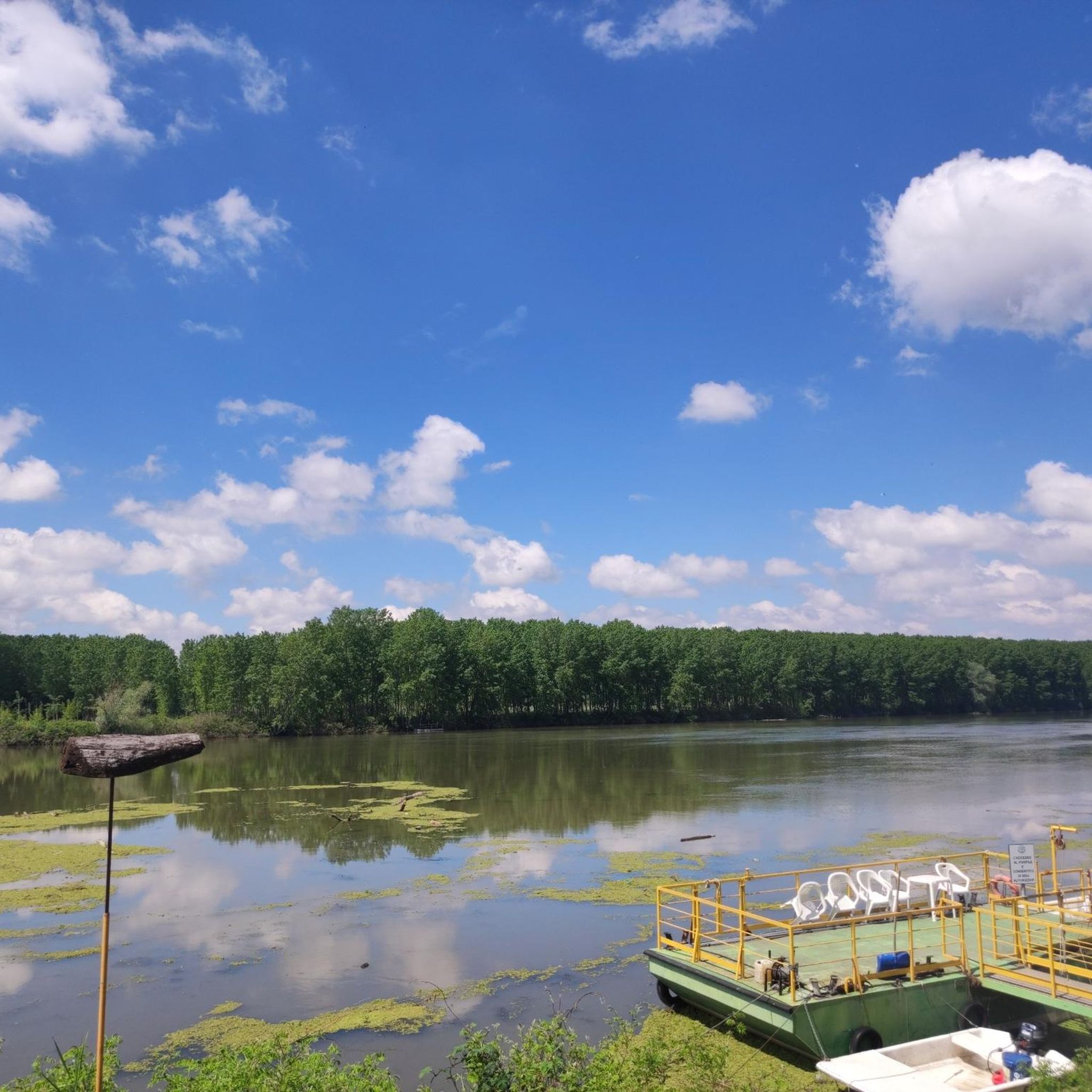
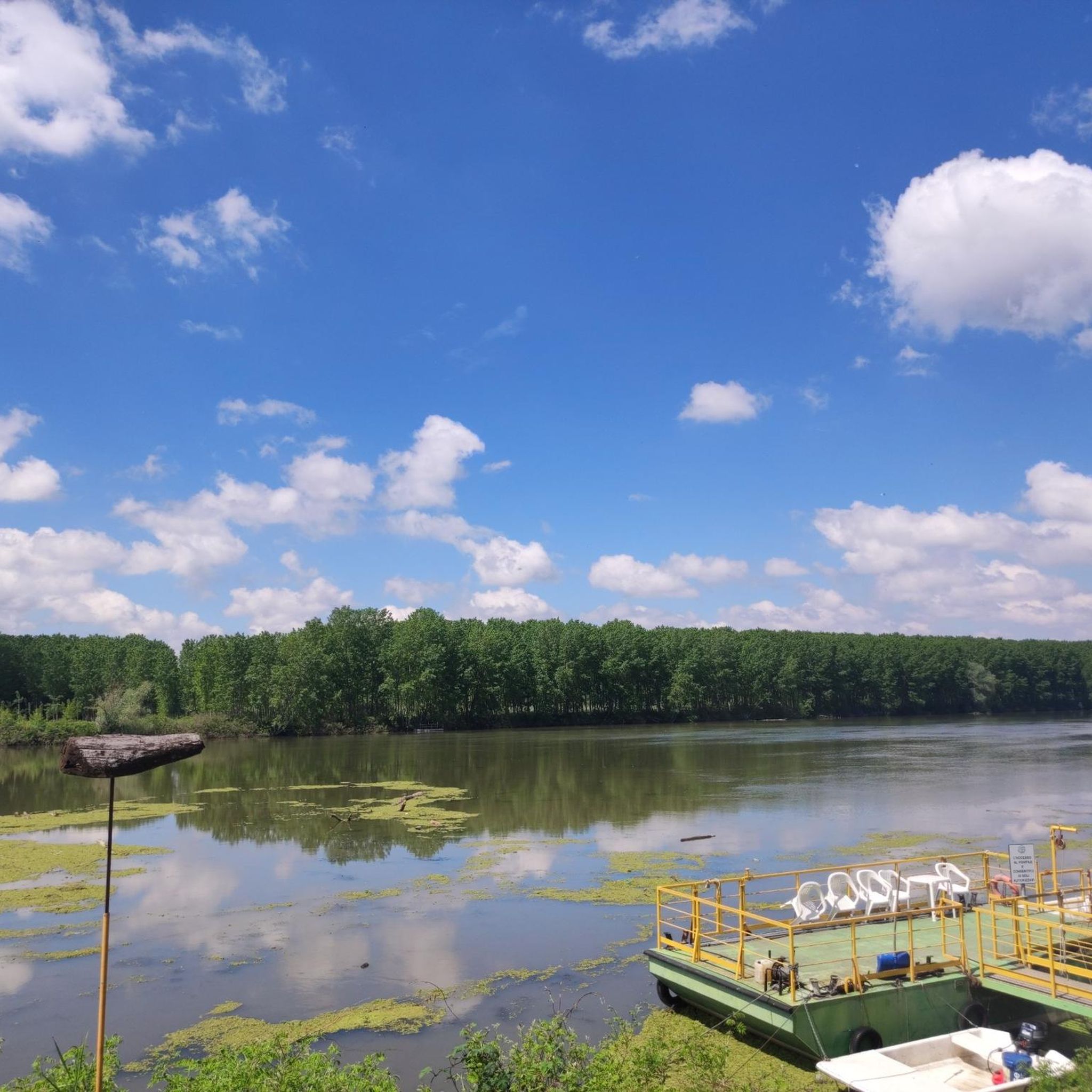
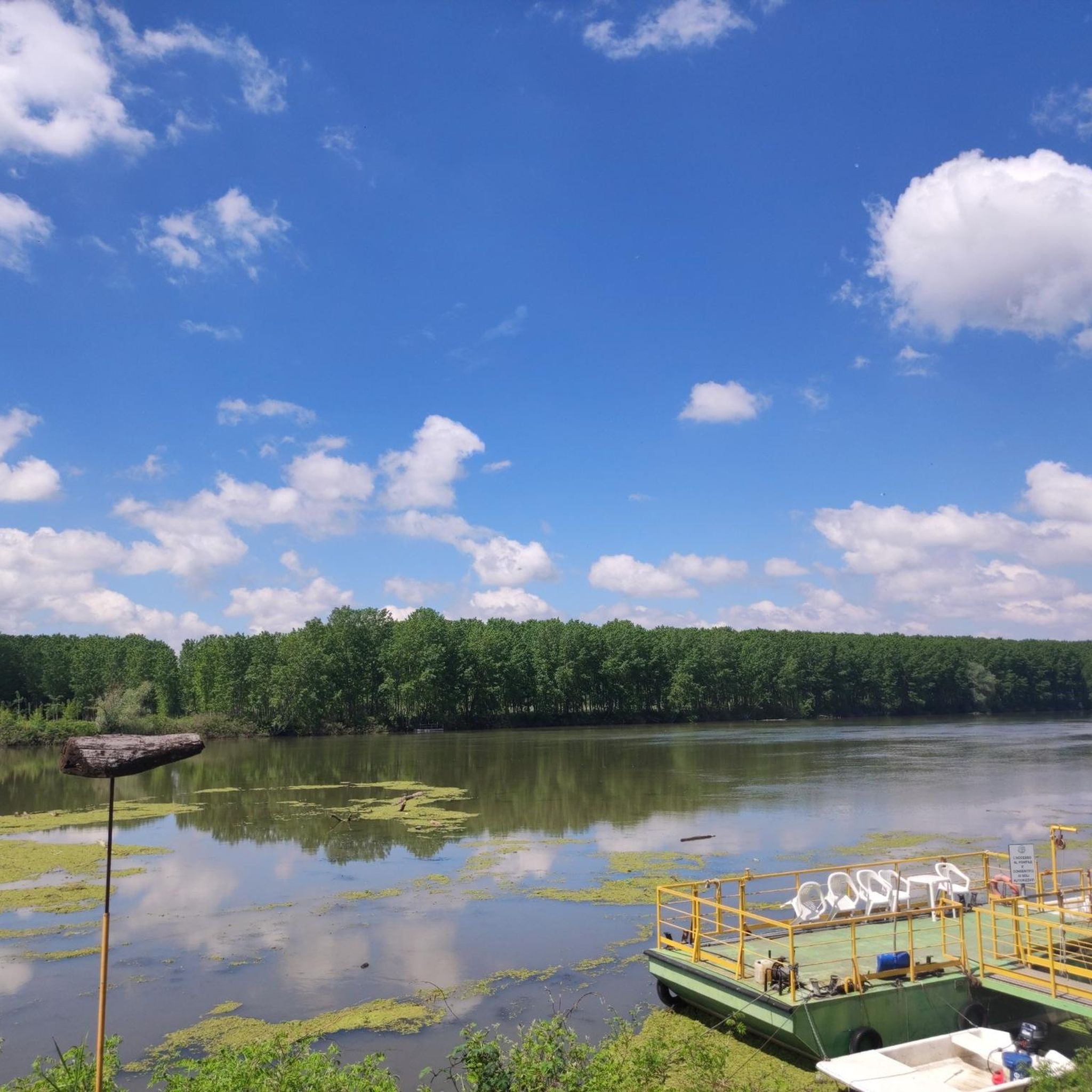
Along the Banks of the Po River
Highlight • River
Translated by Google •
Tip by

Sign up for free to discover even more attractions around Cortemaggiore.
Sign up for free
Already have an account?
Start today with a free account
Your next adventure awaits.
Login or Signup

Tips from the Community

Unfortunately the Mill is no longer there
0
0

The patronage of this sanctuary, consecrated to the Madonna, refers to the place LORETO. This is one of the great and significant Marian pilgrimage sites in Europe, along with LOURDES in the French Pyrenees and FATIMA in Portugal. In contrast to the other two mentioned places, Loreto is not known for apparitions of the Mother of God. Here, pilgrims can be shown something very tangible: Mary's childhood home in Nazareth (Israel). Her parents – who are not named in the biblical scriptures of the New Testament – are mentioned in apocryphal traditions: Saint ANNA and Saint JOACHIM are thus the grandparents of Jesus Christ (their common feast day in the liturgical calendar is July 26th). Probably, Crusaders, as the era of the Christian kingdoms in the Holy Land came to an end towards the end of the 13th century, dismantled the building revered in Nazareth and transported it to Europe. However, this very sober assumption is contrasted by a much more interesting legend: According to it, four angels carried out the translation and flew the house across the Mediterranean.
0
0

Wonderful abbey - a former Cistercian monastery - A dove dropped pieces of wood, thus determining the size of the abbey. Hence the name Colomba = dove
0
0

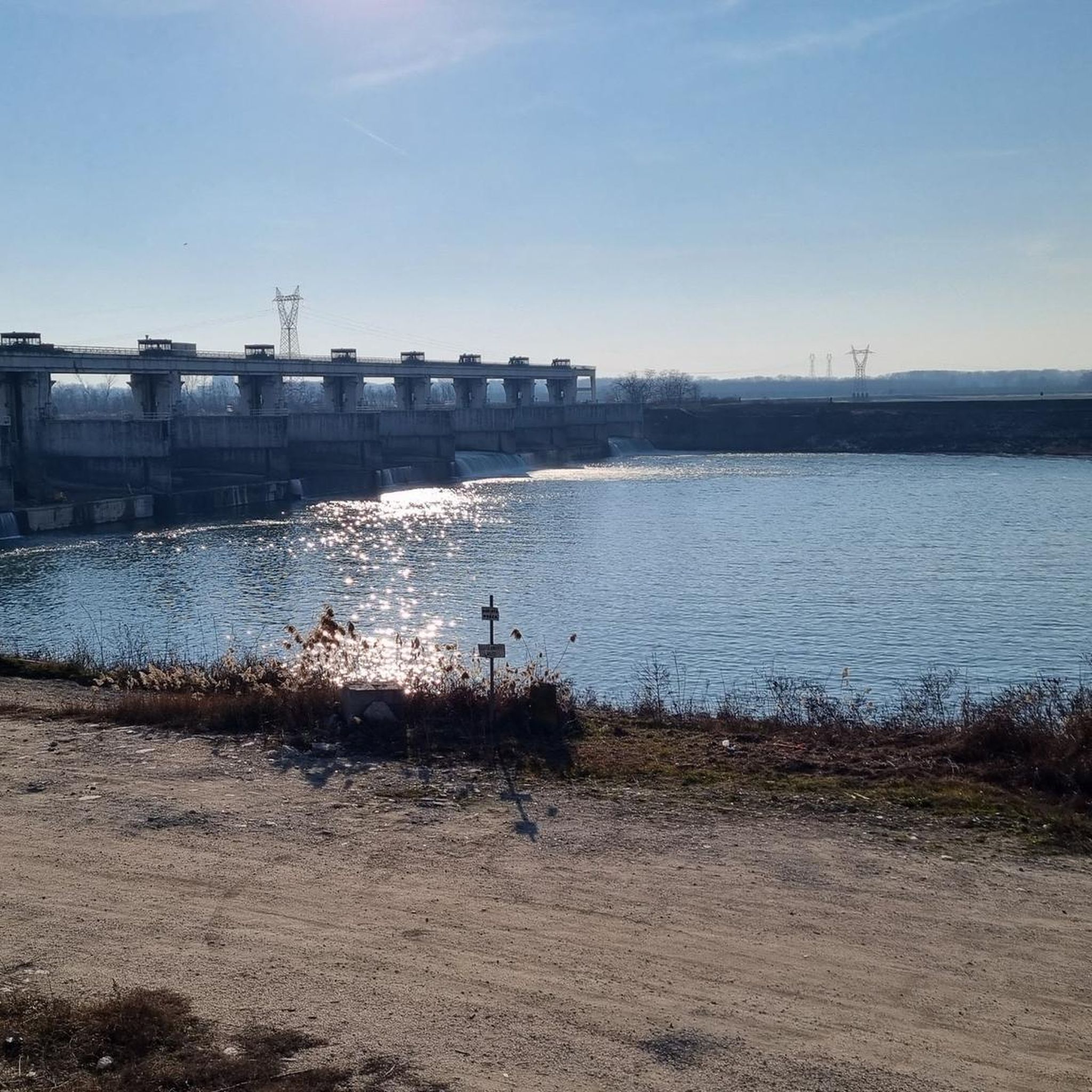
In this stretch the road is very close to the river and it is scenic, furthermore there is a farmhouse nearby
0
0


This was one of the most important Cistercian centers in Italy. The church was built around 1135 according to the wishes of Saint Bernard of Claivaux and the Pallavicino family. Of the abbey complex, the Romanesque church with 14th- and 15th-century frescoes and the beautiful cloister have been preserved. The old facade of the basilica is still visible in the upper part, behind the 14th-century porch. The church consists of three naves with a transept following the classical plan of the primitive churches of the Cistercian order. The southern part of the transept has a beautiful staircase, which provides access to the monks' dormitory.
7
1
The Chiesa di San Michele Arcangelo is located in Montanaro, a hamlet of Carpaneto Piacentino. The building probably dates from before the year 1000 and has a special significance for the Lombards, who had a special veneration for the figure of the archangel. The church has undergone several renovations over the centuries, with the Baroque renovations from the 18th century determining its current appearance. The interior of the church consists of a single nave with two side chapels that are connected to each other. The internal decoration is partly the work of Alberto Aspetti, one of the most important experts in mural painting in Piacenza in the first half of the 20th century. In the apsidal area, the patron saint is depicted in a sculptural group: Saint Michael fighting the devil. The bell tower, which began in the Renaissance, was completed at the end of the 18th century.
7
0

Frequently Asked Questions
What historical and cultural sites can I explore in Cortemaggiore?
Cortemaggiore is rich in history and Renaissance architecture. You can visit the majestic Basilica di Santa Maria delle Grazie, which features Gothic and Renaissance elements, and the Chiesa dell'Annunziata, known for its frescoes by Pordenone. The town's Renaissance urban design itself is a highlight, with its orthogonal streets and porticoes. Don't miss the Palazzo Pallavicino, a significant example of the town's courtly architecture.
Are there any museums in Cortemaggiore?
Yes, Cortemaggiore is home to the Museo POGaM (Piacenza Oil & Gas Museum). This museum chronicles the discovery of oil in Cortemaggiore in the 1950s, the history of fuel production, and the commercial history related to Agip's famous six-legged dog logo.
What natural features can I enjoy near Cortemaggiore?
While Cortemaggiore is known for its architecture, its location in the Po Valley offers access to natural landscapes. You can explore areas along the Arda river, which flows east of the town. The raised banks of the Po River, a short distance away, are ideal for walking and cycling, connecting small villages and larger cities. A popular spot for this is Along the Banks of the Po River.
What are some family-friendly attractions around Cortemaggiore?
Many attractions are suitable for families. Children and adults alike might enjoy a visit to Busseto, the birthplace of Giuseppe Verdi, or exploring the historical Abbey of Chiaravalle della Colomba. For a unique photo opportunity and a different perspective of the Po River, consider visiting the Giant Bench of Cremona.
Where can I go hiking or walking near Cortemaggiore?
The area around Cortemaggiore offers various routes for hiking and walking. You can find trails along the Arda river or explore the raised banks of the Po River. For specific routes, check out the Hiking around Cortemaggiore guide, which includes options like the 'Chiavenna River Mouth Loop' and 'San Nazzaro Clock Tower – Trail Along the Po River loop'.
Are there cycling routes available near Cortemaggiore?
Yes, the raised banks of the Po River provide excellent opportunities for cycling, allowing you to pedal safely away from traffic while connecting to nearby villages and cities. For detailed routes, refer to the Road Cycling Routes around Cortemaggiore guide, which features routes like the 'Po River Embankment Road' and 'San Nazzaro Clock Tower – Parco al Po Maffo Vialli loop'.
What are some notable religious buildings in the area?
Beyond the Basilica di Santa Maria delle Grazie and Chiesa dell'Annunziata in Cortemaggiore, you can visit the historic Abbey of Chiaravalle della Colomba, one of Italy's earliest Cistercian settlements. Another significant site is the Church of San Michele Arcangelo, Montanaro, which dates back before the year 1000 and has undergone Baroque renovations.
What is the best time to visit Cortemaggiore for outdoor activities?
The Po Valley region generally experiences pleasant weather in spring (April-May) and autumn (September-October), making these seasons ideal for outdoor activities like walking, hiking, and cycling along the rivers and exploring the historical sites without extreme heat or cold.
Are there any unique or 'hidden gem' attractions near Cortemaggiore?
Beyond the main historical sites, consider exploring the nearby village of Chiavenna Landi, which features a 16th-century parish church and a remarkable 13th-century keep with Ghibelline battlements. The town of Cortemaggiore itself, as an 'ideal city' with its Renaissance urban planning, offers a unique experience as you wander its wide, porticoed streets.
What events or markets take place in Cortemaggiore?
Cortemaggiore hosts the Antiques Fair and 'things of the past' every first Sunday of the month. Additionally, the Fiera di San Giuseppe is celebrated around March 19th, offering a local cultural experience.
What is the significance of Busseto in relation to Cortemaggiore?
Busseto is a nearby settlement famous as the birthplace of the renowned composer Giuseppe Verdi. It also holds historical importance as an ancient capital of the Pallavicino State, just like Cortemaggiore, making it a key cultural and historical destination in the region.
Most popular routes around Cortemaggiore
Most popular attractions around Cortemaggiore

Get inspired with the komoot mobile app


Explore more
Still not found the Highlight you’re looking for? See guides of the top attractions in other regions:
