Attractions and Places To See around Carpi - Top 20
Best attractions and places to see around Carpi, a town in the Emilia-Romagna region of northern Italy, include a rich array of historical landmarks, cultural institutions, and natural spaces. The town is recognized for its large Renaissance square and significant architectural heritage. Visitors can explore sites ranging from monumental palaces to serene nature reserves. The area offers diverse opportunities for cultural and outdoor exploration.
Best attractions and places to see around Carpi
- The most popular attractions is Modena Cathedral (Cathedral of Saint Mary Assumed into Heaven and Saint Geminianus), a religious building that serves as the main place of worship in Modena. Its first stone was laid on June 9, 1099.
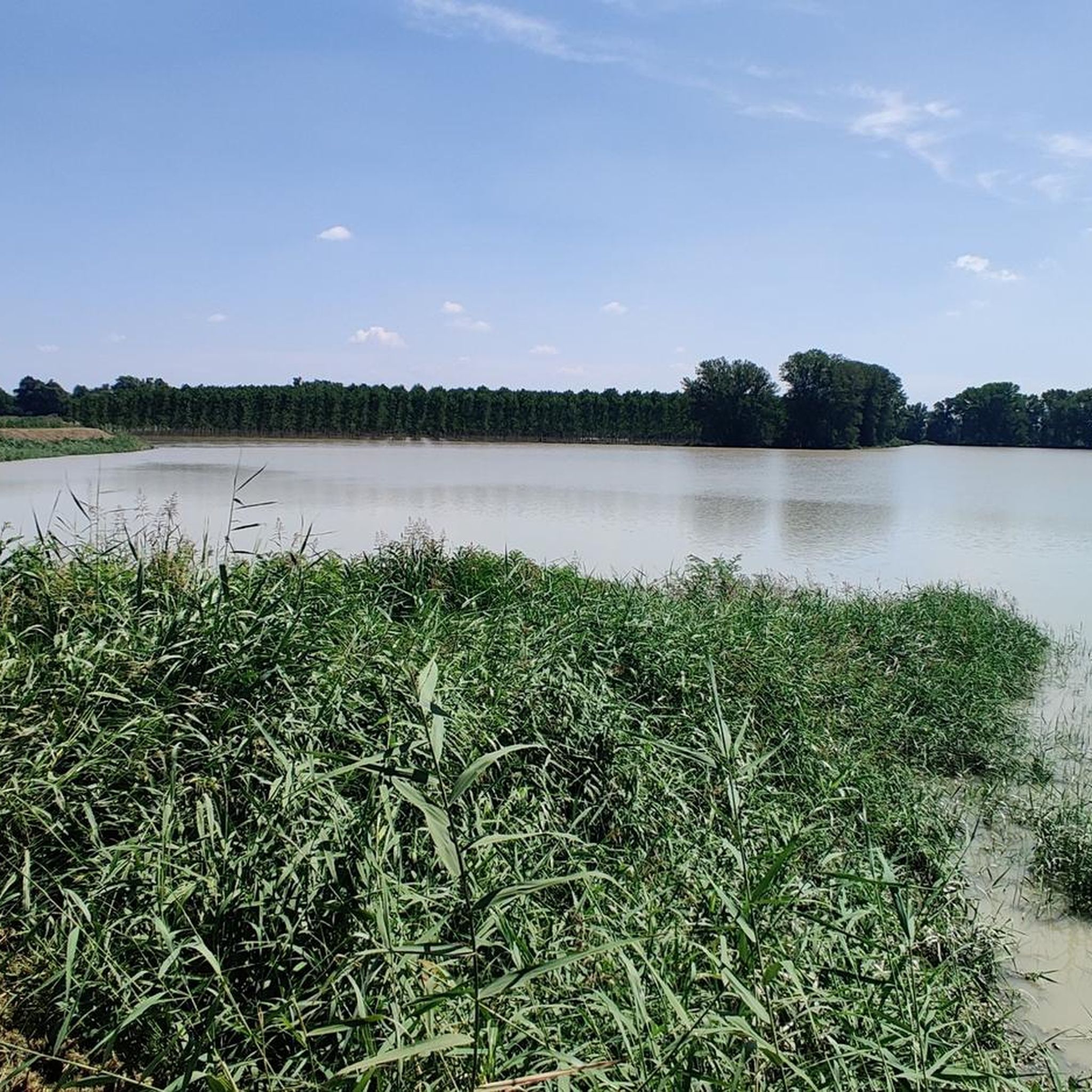
- Another must-see spot is Barchetta Bridge on the Secchia River, a bridge. This impressive wooden arched bridge allows passage across the Secchia river and is situated within a natural setting.
- Visitors also love Piazza Grande, a historical site. This square has historically served as the center for political and religious administration and is located next to the cathedral.
- Carpi is known for its historical landmarks, cultural institutions, and natural spaces. The area offers a diverse range of sites, from monumental squares and palaces to nature reserves and museums.
- The attractions around Carpi are appreciated by the komoot community, with more than 23 highlights, over 100 photos, and more than 230 upvotes.
Last updated: October 9, 2026
Modena Cathedral (Cathedral of Saint Mary Assumed into Heaven and Saint Geminianus)
Highlight • Religious Site
Translated by Google •
Tip by

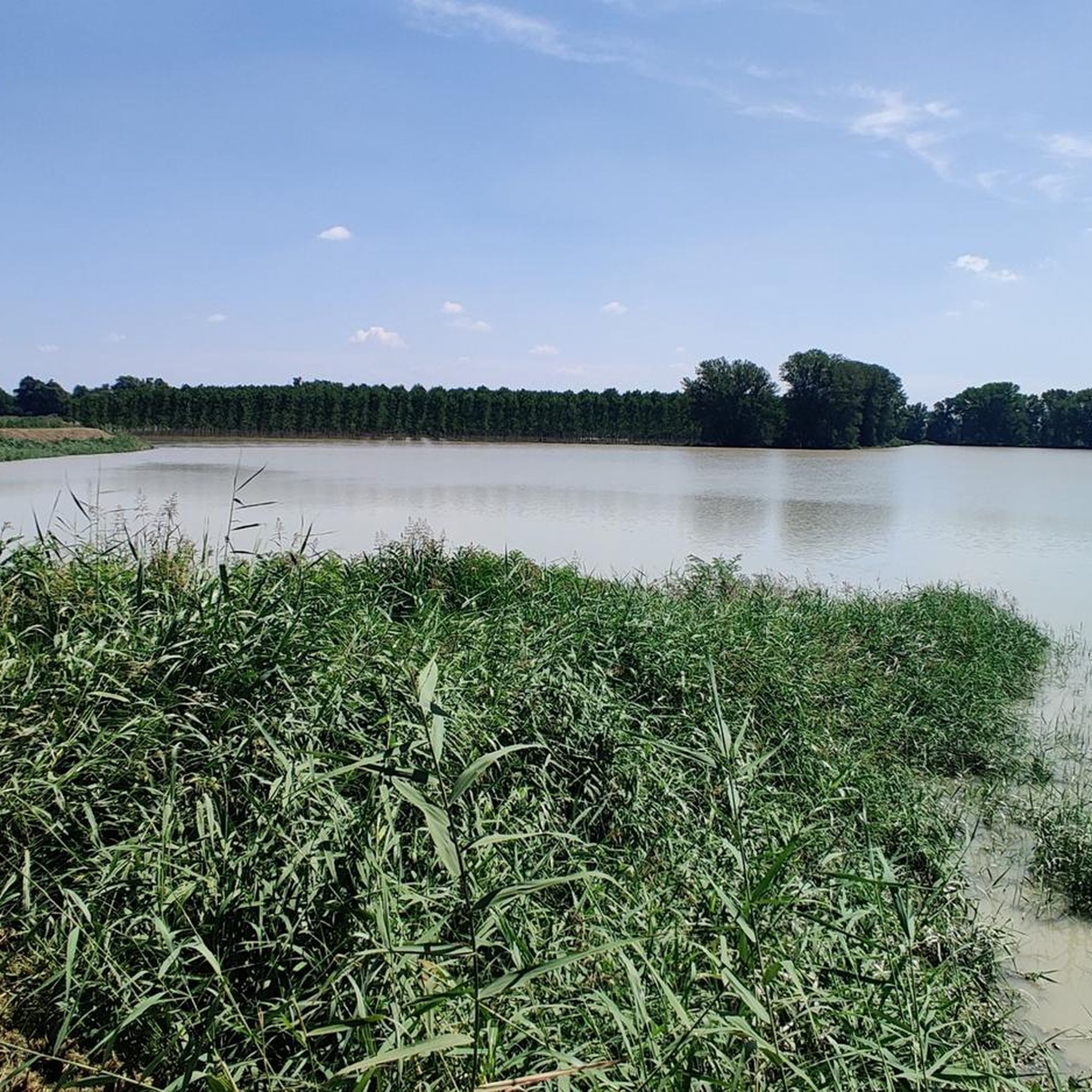
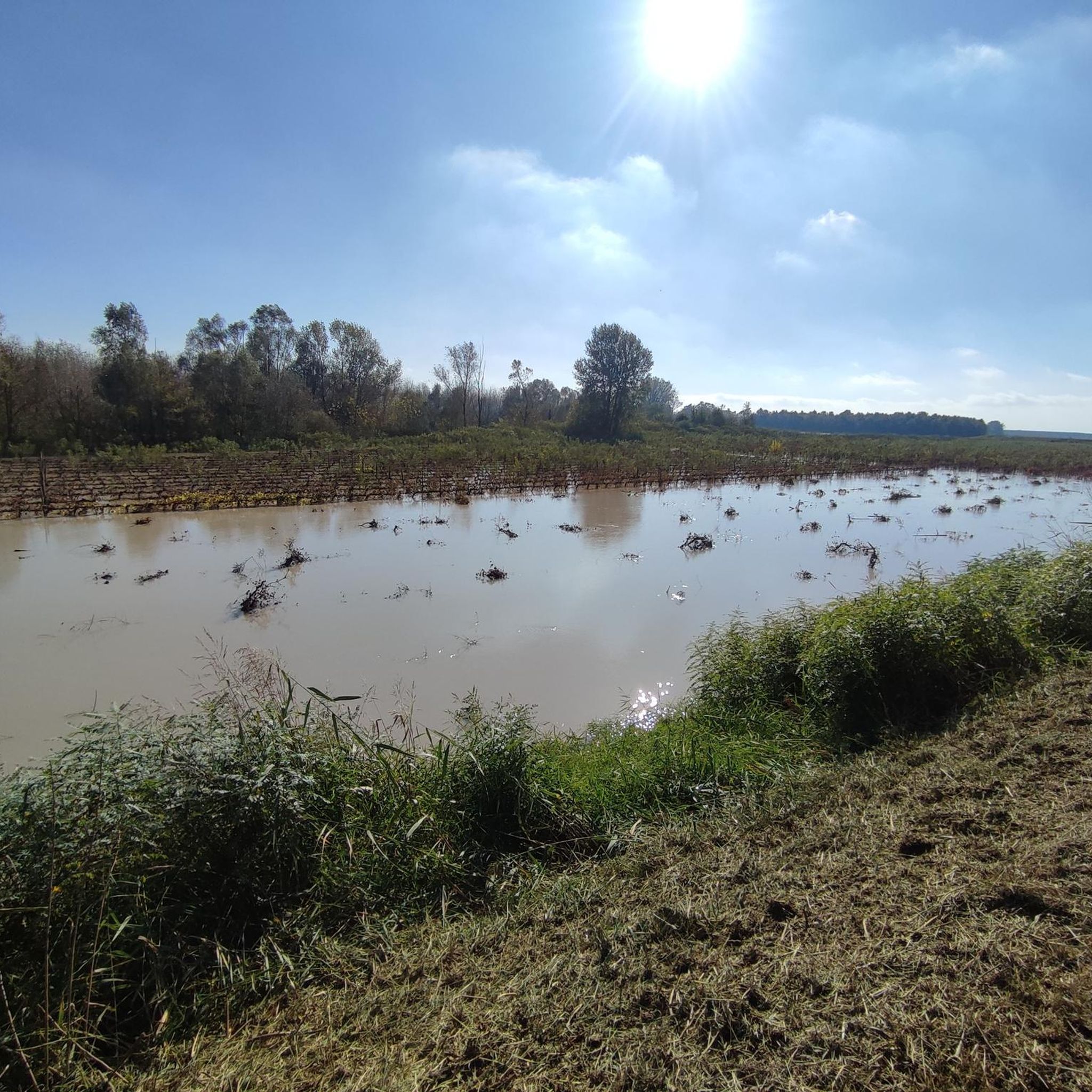
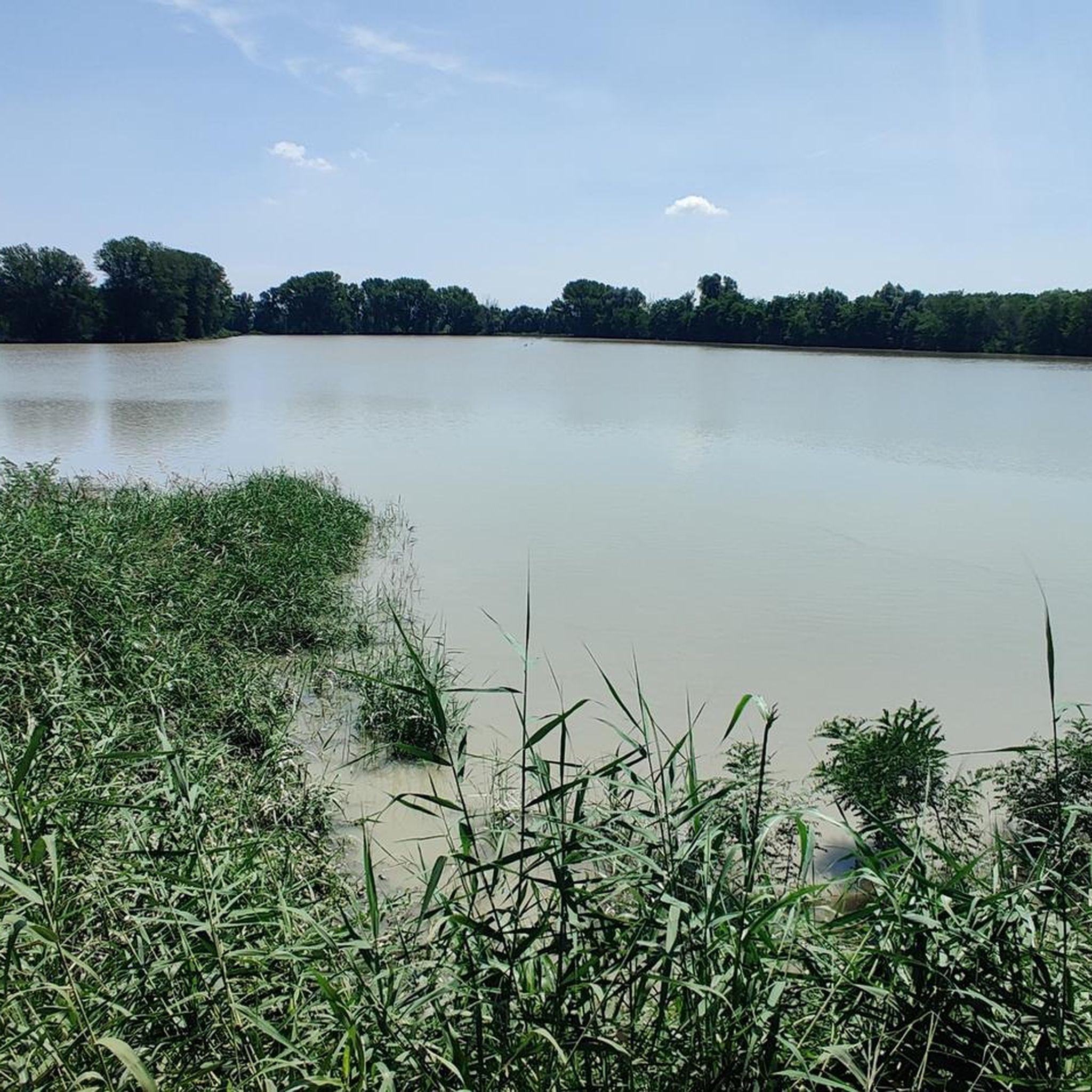
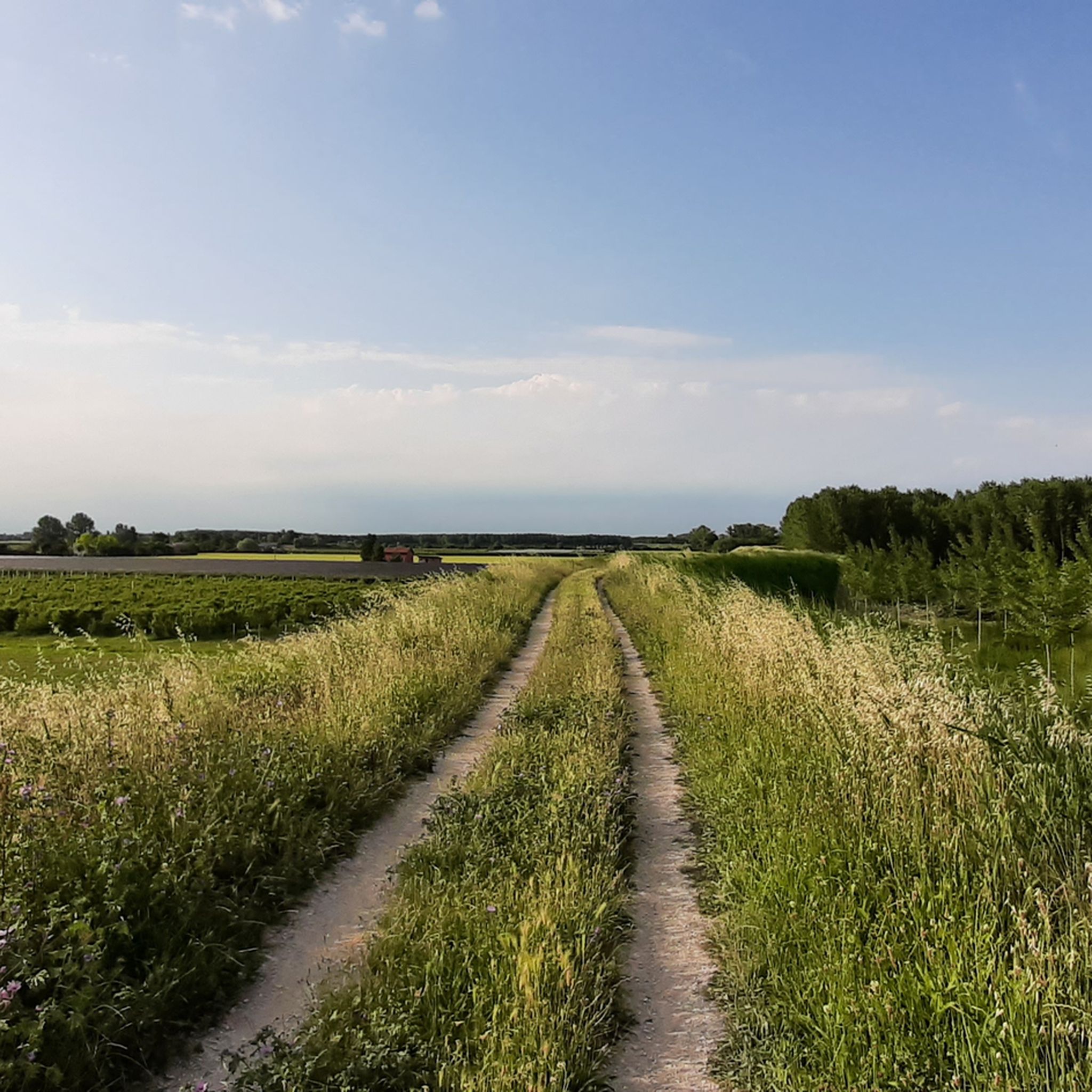
Nature Trail of the Secchia River Expansion Reserve
Highlight (Segment) • Trail
Translated by Google •
Tip by

Sign up now to discover places like this
Get recommendations on the best single tracks, peaks, & plenty of other exciting outdoor places.
Barchetta Bridge on the Secchia River
Highlight • Bridge
Translated by Google •
Tip by
Modena Cathedral
Highlight • Religious Site
Translated by Google •
Tip by

Piazza Grande
Highlight • Historical Site
Translated by Google •
Tip by

Sign up for free to discover even more attractions around Carpi.
Already have an account?
Start today with a free account
Your next adventure awaits.
Tips from the Community

The Duomo of Modena, whose official name is Cattedrale Metropolitana di Santa Maria Assunta in Cielo e San Geminiano, is one of the greatest masterpieces of Romanesque style in Europe. Inscribed on the UNESCO World Heritage List since 1997 along with the Ghirlandina Tower and Piazza Grande, it represents the historical, religious, and cultural heart of the Emilian city.
2
0

characteristic little bridge with the inevitable lovers' padlocks
1
0

HISTORIC CENTER is worth visiting for breakfast, aperitif, lunch and dinner
2
0

Wonderful square near the center of Modena
1
0

The main square of Modena. Center of social life, located close to the Duomo and its tower, the Ghirlandina.
1
0

If its official name is the metropolitan cathedral of Santa Maria Assunta in Cielo and San Geminiano, the cathedral of Modena is known by this name among those who live in the city, of which this is the main place of worship. Consecrated in 1184, it has a Romanesque architectural style and in 1934 Pope Pius XI elevated it to the dignity of a minor basilica. Of particular value are the bas-reliefs on Genesis sculpted by Wiligelmo.
3
0

Nice cycle bridge...it was recently made safe as the wooden floorboards were in bad shape
1
0

Frequently Asked Questions
What historical landmarks and cultural sites can I explore in Carpi?
Carpi boasts a rich history. You can visit the monumental Piazza dei Martiri, one of Italy's largest squares, surrounded by elegant porticoes. Dominating the square is the Palazzo dei Pio, a Renaissance palace complex housing several museums, including the City Museum and the poignant Museo Monumento al Deportato. The Duomo di Carpi, with its neoclassical façade, is also located on the piazza. Don't miss the ancient Romanesque-style church La Sagra (Church of Santa Maria in Castello), dating back to the early 12th century.
Are there any significant museums in Carpi?
Yes, Carpi offers several notable museums. Within the Palazzo dei Pio, you'll find the Musei di Palazzo dei Pio, which includes the Palazzo Pio Museum and the City Museum, tracing Carpi's history. Also housed there is the Museo Monumento al Deportato, a powerful museum documenting the town's World War II history and honoring victims of the nearby Fossoli Camp. Carpi is also known for its textile industry, and you can learn about its history at the Textile Museum.
What natural attractions and parks are available in Carpi for outdoor enjoyment?
Carpi offers several green spaces for relaxation and outdoor activities. You can explore the Oasi La Francesa Nature Reserve, the Parco delle Rimembranze, or the modern Parco Sandro Pertini with its well-equipped play area. Other natural spots include the Budrio Oasis, a rebalancing area with a lake and diverse bird species, and Herons' Hill for outdoor exploration.
What outdoor activities, like hiking or cycling, can I do near Carpi?
The area around Carpi offers various outdoor activities. For hiking, you can find routes like the 'Santa Croce (Carpi) – Vineyard loop from Carpi' or a 'Hiking loop from Carpi'. Cyclists can enjoy routes such as 'Piazza Garibaldi – Duomo di Carpi loop from Carpi' or 'Stadio di Carpi – Fontana di Campagna loop from Carpi'. You can find more details and routes for hiking, road cycling, and running around Carpi.
Are there family-friendly attractions or activities in Carpi?
Yes, Carpi offers several family-friendly options. Many of the historical sites, such as Piazza dei Martiri and the Palazzo dei Pio, are suitable for families to explore. The Parco Sandro Pertini features a well-equipped play area, perfect for children. Additionally, the Barchetta Bridge on the Secchia River is a popular spot for families to enjoy nature and a unique wooden bridge crossing.
What is the best time of year to visit Carpi?
Carpi is pleasant to visit during spring (April-May) and autumn (September-October) when the weather is mild and comfortable for exploring historical sites and enjoying outdoor parks. Summer can be warm, but still enjoyable, especially in the evenings. Winter offers a quieter experience, though some outdoor activities might be limited by colder temperatures.
Can I visit the historic Fossoli Camp from Carpi?
Yes, the Fossoli Camp (Campo di Fossoli), a significant historical site from World War II, is located about 15 minutes north of Carpi. Visitors can explore the remains of this former transit camp, which serves as a powerful reminder of humanity's past. It's an important site for reflection and understanding.
What is the significance of Piazza dei Martiri in Carpi?
Piazza dei Martiri is one of the largest squares in Italy and is considered the heart of Carpi's historic center. It is a prime example of a Renaissance piazza, surrounded by elegant porticoes and significant historical buildings like the Palazzo dei Pio and the Duomo di Carpi. It has historically been a central point for civic life and cultural events.
Are there any unique architectural features to see in Carpi?
Beyond the grand Piazza dei Martiri and Palazzo dei Pio, Carpi features the elegant 19th-century Teatro Comunale with its richly decorated interior. The Portico Lungo, a Renaissance-era arcade with fifty-two arches, is also a distinctive architectural element, culminating in the impressive 'voltone' arch.
What do visitors enjoy most about the attractions around Carpi?
Visitors often appreciate the blend of historical grandeur and natural beauty. Highlights like the Barchetta Bridge on the Secchia River are noted for being 'very impressive' and 'in the middle of nature'. The historical sites, such as the Modena Cathedral and Piazza Grande (located nearby in Modena), are praised for their historical significance and architectural beauty.
Is public transport available to reach parks and outdoor areas in Carpi?
While specific public transport routes to all individual parks may vary, Carpi has a local bus network that connects various parts of the town, including areas near some of the larger parks like Parco Sandro Pertini. For more remote natural reserves, driving or cycling might be more convenient. It's advisable to check local bus schedules for specific destinations.
Are there any hidden gems or lesser-known spots worth visiting in Carpi?
Beyond the main attractions, consider exploring Piazzale Re Astolfo, which was the town's center until the early 1500s and showcases Carpi's medieval history. The recently restored Church of San Nicolò, built between 1493 and 1520, also offers notable interior decoration and artworks. For art enthusiasts, the Galleria Civica displays works by local and international artists.
Most popular attractions around Carpi

Get inspired with the komoot mobile app


Explore more
Still not found the Highlight you’re looking for? See guides of the top attractions in other regions:
