Attractions and Places To See around Bagnolo In Piano - Top 20
Best attractions and places to see around Bagnolo In Piano include historical landmarks and natural areas within the province of Reggio Emilia, Italy. The region is characterized by its agricultural landscape, situated in the Po Valley, known for its flat terrain, canals, and numerous farms. Visitors can explore sites reflecting its past under noble families and enjoy outdoor activities. The area offers a blend of cultural heritage and natural beauty.
Best attractions and places to see around Bagnolo In Piano
…Last updated: July 6, 2026
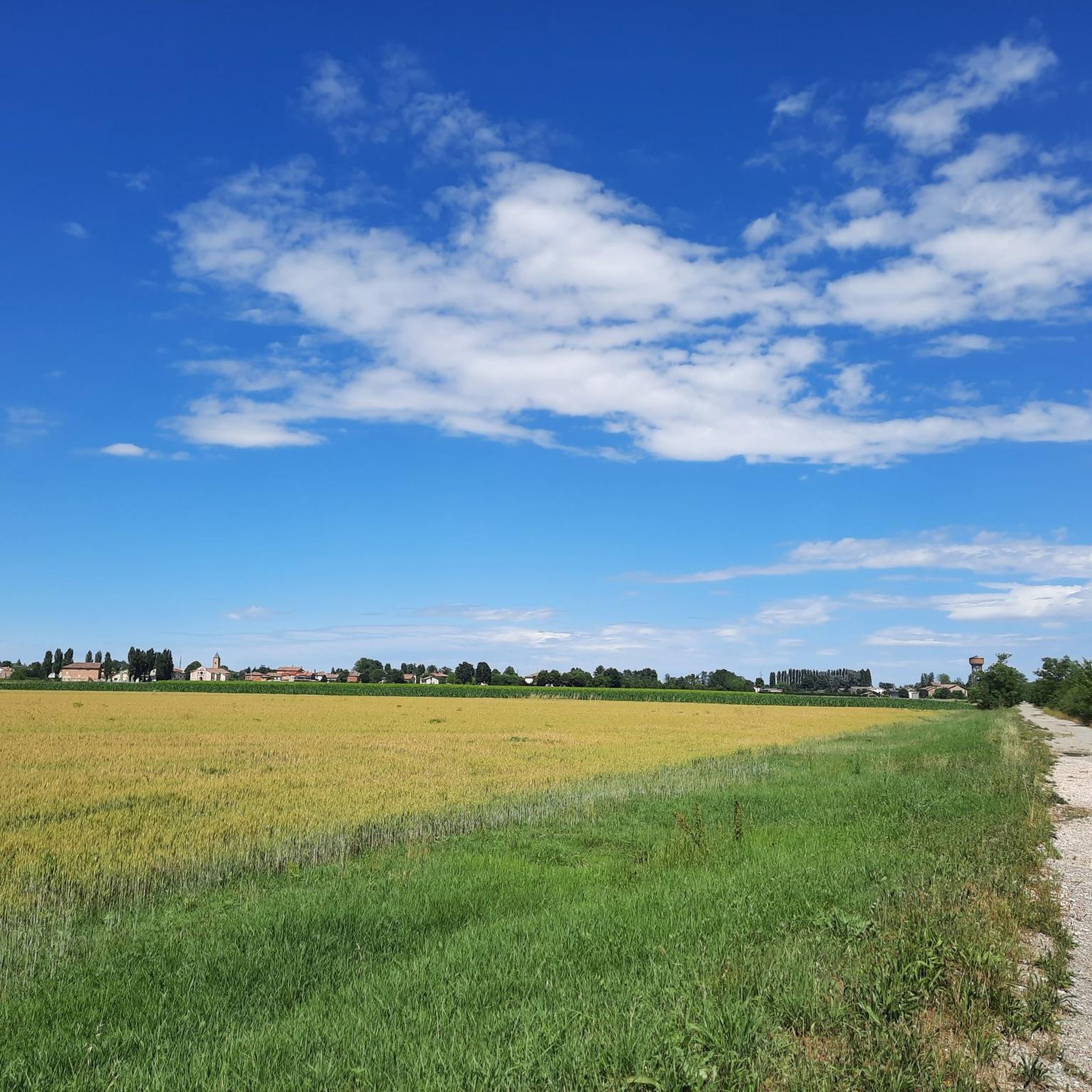
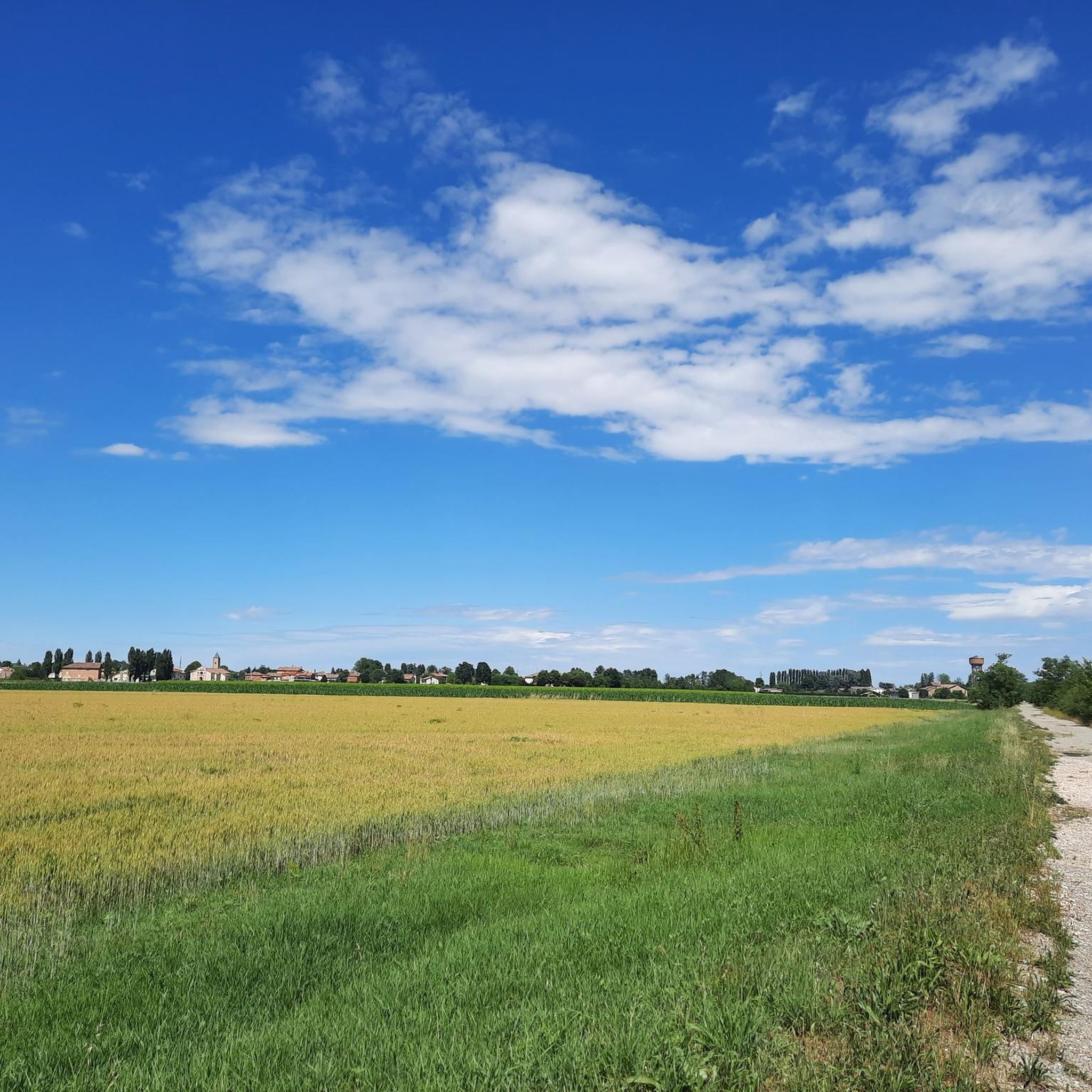
Bagnolo–Correggio Rail Trail
Highlight (Segment) • Cycleway
Translated by Google •
Tip by

Basilica of Saint Prospero
Highlight • Religious Site
Old church consecrated in 997 and dedicated to Bishop Prospero, named Holy Protector of the city. It was completely rebuilt in the 16th century; The facade dates from the 16th century.
Translated by Google •
Tip by

Sign up now to discover places like this
Get recommendations on the best single tracks, peaks, & plenty of other exciting outdoor places.
Sign up for free
Reggio Emilia Cathedral
Highlight • Religious Site
Translated by Google •
Tip by
Budrio Oasis
Highlight • Lake
Translated by Google •
Tip by

Town Hall with the Hall of the Tricolore
Highlight • Historical Site
Translated by Google •
Tip by
Sign up for free to discover even more attractions around Bagnolo In Piano.
Sign up for free
Already have an account?
Start today with a free account
Your next adventure awaits.
Login or Signup

Tips from the Community

The bell tower of the Basilica of San Prospero is one of the most important and beloved architectural symbols of Reggio Emilia. Located in the square of the same name in the heart of the historic center, this imposing structure stands out for its characteristic octagonal shape and for being fascinatingly unfinished. Construction work on the bell tower began between 1535 and 1536. Its construction saw the collaboration of important master craftsmen and architects of the time. The builders: The construction site was initially directed by the local master builders Leonardo, Alberto, and Roberto Pacchioni. Design and consultation: The initial design is attributed to the sculptor Cristoforo Ricci (known as Il Rossino). In 1538, Ricci himself went to Mantua to submit the drawings to Giulio Romano, the famous pupil of Raphael, who supervised the project, introducing prominent elements (such as shell-shaped niches inspired by Palazzo Te). Partial completion: Upon Rossino's death in 1555, the sculptor Prospero Sogari (known as Il Clemente) took over, carrying forward the third order. Work definitively ceased around 1575, leaving the structure without the planned fourth level and covering dome. The tower is composed of three superimposed octagonal volumes, decorated according to the classical superposition of architectural orders: Doric on the lower floor, Ionic on the second, and Corinthian on the third. The nickname derives from its characteristic external cladding in local sandstone. Sandstone is sand naturally cemented over millennia; while providing a warm golden color, it is a friable material that tends to flake under the action of atmospheric agents.
0
0
The Basilica of San Prospero is one of the most important religious monuments in Reggio Emilia, located in the square of the same name in the heart of the historic center. Dedicated to the city's patron saint, the church represents an extraordinary testimony of the Emilian Renaissance, enriched with late Baroque elements. It houses the relics of the Saint under the high altar.
0
0
The Duomo of Reggio Emilia (Cathedral of Santa Maria Assunta) is the main religious building of the city and the mother church of the diocese of Reggio Emilia-Guastalla. Located in the very central Piazza Prampolini, the building has represented the historical and spiritual heart of the Reggio community since the 9th century. Entry to the structure is free.
1
0
The Palazzo Comunale of Reggio Emilia, located in the central Piazza Prampolini, houses the famous Sala del Tricolore, the place where, on January 7, 1797, the Italian national flag was born.
1
0

It is a rebalancing area of over 13 hectares, 40% of which is occupied by a residual reservoir from the cultivation of an abandoned open-air clay quarry, filled over time with spring and rainwater, where a thick hedge, also dotted with tall trees, it flanks the right side of the lake and the spontaneous vegetation acts as a refuge for numerous species of resident and transient birds.
0
0

The square in front of the Church of San Prospero is commonly called Little Square (Piasa Céca). Its origins date back to the end of the 10th century, when Bishop Teuzone had the new church dedicated to the Patron Saint built behind the Cathedral.
1
0

In the square dedicated to the well-known socialist politician and deputy from Reggio Prampolini, stands the Cathedral of Reggio Emilia which is built in Romanesque/Renaissance style.
5
0
Piazza San Prospero is also known as the small square due to its proximity to the larger Piazza Prampolini. It is surrounded by arcades
2
0
Frequently Asked Questions
What historical and cultural landmarks can I explore around Bagnolo in Piano?
Bagnolo in Piano offers a rich historical tapestry. You can visit the ancient Torrazzo, a remnant of a 14th-century fortress, or the elegant Gonzaga - Ilva Ligabue Municipal Theatre with its Art Nouveau style. Other notable sites include the 18th-century Parish Church of San Francesco da Paola, the Romanesque Pieve Rossa (Church of Santissima Immacolata Concezione), and the 17th-century "Cà Rossa" Rural Estate. Don't miss the Basilica of Saint Prospero, a 15th-century frescoed church, and the Estense Fortress of San Martino in Rio, which now houses a museum.
Are there any natural areas or parks to visit near Bagnolo in Piano?
Yes, the region is characterized by the agricultural landscape of the Po Valley, featuring flat terrain and canals. A significant natural highlight is the Budrio Oasis, a rebalancing area of over 13 hectares. This natural monument, formed from an abandoned clay pit, provides a refuge for numerous sedentary and migratory birds and is a great spot for nature observation.
What kind of outdoor activities can I do near these attractions?
The flat terrain around Bagnolo in Piano is ideal for cycling and running. You can explore various routes, including the Bagnolo–Correggio Rail Trail, a former railway transformed into a cycle path. For more options, consider the many road cycling routes, gravel biking trails, and running trails available in the area.
Are there family-friendly attractions around Bagnolo in Piano?
Absolutely. The Budrio Oasis is considered family-friendly, offering a peaceful environment for observing nature. Historical sites like the Estense Fortress of San Martino in Rio and the Basilica of Saint Prospero can also be engaging for families interested in history and architecture.
What is the terrain like for cycling and walking routes in the area?
The terrain around Bagnolo in Piano is predominantly flat, characteristic of the Po Valley. This makes it suitable for easy and moderate cycling and walking, with routes often following canals and agricultural landscapes. The Bagnolo–Correggio Rail Trail, for instance, offers a pleasant, flat ride through the countryside.
Where can I see historical collections or museums?
In the village of Pieve Rossa, you can visit the Salsapariglia Collection, a private collection showcasing a variety of historical items, including motorcycles, bicycles, tractors, engines, radios, and gramophones from the late 19th and 20th centuries. Additionally, the Estense Fortress of San Martino in Rio houses the Museum of Agriculture and the Rural World.
What do visitors enjoy most about the attractions near Bagnolo in Piano?
Visitors particularly appreciate the immersive experience of nature offered by the Bagnolo–Correggio Rail Trail, which allows for pleasant rides through the countryside. The Budrio Oasis is valued as a tranquil rebalancing area and a refuge for birds. The historical sites, such as the Basilica of Saint Prospero, are admired for their rich history and architectural details.
Are there any specific churches or religious buildings worth visiting?
Yes, the Basilica of Saint Prospero is a must-see, known for its 15th-century frescoes and unique column-bearing lions in the churchyard. The Parish Church of San Francesco da Paola in Piazza Garibaldi and the 12th-century Romanesque Pieve Rossa (Church of Santissima Immacolata Concezione) are also significant. Another historical religious site is the Church of the Nativity of Mary.
Can I find places for a longer bike ride or a more challenging route?
While the immediate area is flat, you can find longer and more challenging road cycling routes that extend into the surrounding regions. For instance, the "Borzano village – King of the Mountains — Baiso loop from Bagnolo in Piano" is a difficult 105 km route. You can explore these and other options on the Road Cycling Routes around Bagnolo In Piano guide.
What is the best time to visit Bagnolo in Piano for outdoor activities?
The Budrio Oasis is best visited in spring or early autumn for optimal birdwatching and pleasant weather. Generally, spring and autumn offer mild temperatures ideal for cycling and walking through the agricultural landscapes, avoiding the heat of summer and the colder, potentially wetter conditions of winter.
Are there any unique architectural styles to observe?
Yes, the Gonzaga - Ilva Ligabue Municipal Theatre stands out with its late Art Nouveau style. The Pieve Rossa (Church of Santissima Immacolata Concezione) showcases a Romanesque architectural plan with three naves and terracotta pillars, reflecting its ancient origins. The Basilica of Saint Prospero also features notable 15th-century architecture and frescoes.
Most popular routes around Bagnolo In Piano
Most popular attractions around Bagnolo In Piano

Get inspired with the komoot mobile app


Explore more
Still not found the Highlight you’re looking for? See guides of the top attractions in other regions:
