Top 18 Natural Monuments around Alba
Natural monuments around Alba, Italy, are found within a landscape shaped by rolling hills, ancient river erosion, and unique geological features. The region, encompassing the Langhe and Roero, offers a blend of viticultural landscapes and dramatic natural formations. These areas provide opportunities to explore distinct natural attractions and experience the varied terrain of Piedmont.
Best natural monuments around Alba
- The most popular natural monuments is La Castagna Granda, a natural monument that features an imposing centuries-old chestnut tree. This…
Last updated: June 26, 2026
La Castagna Granda
Highlight • Natural Monument
Translated by Google •
Tip by

Rocche of the Seven Brothers
Highlight (Segment) • Gorge
Translated by Google •
Tip by

Sign up now to discover places like this
Get recommendations on the best single tracks, peaks, & plenty of other exciting outdoor places.
Sign up for free
Plane trees "the nativity scenes"
Highlight • Natural Monument
Translated by Google •
Tip by

Cedar of Lebanon in the Langhe
Highlight • Natural Monument
Translated by Google •
Tip by
Sanctuary of the Piloni of Montà
Highlight • Religious Site
Translated by Google •
Tip by
Sign up for free to discover even more natural monuments around Alba.
Sign up for free
Already have an account?
Start today with a free account
Your next adventure awaits.
Login or Signup
Popular around Alba
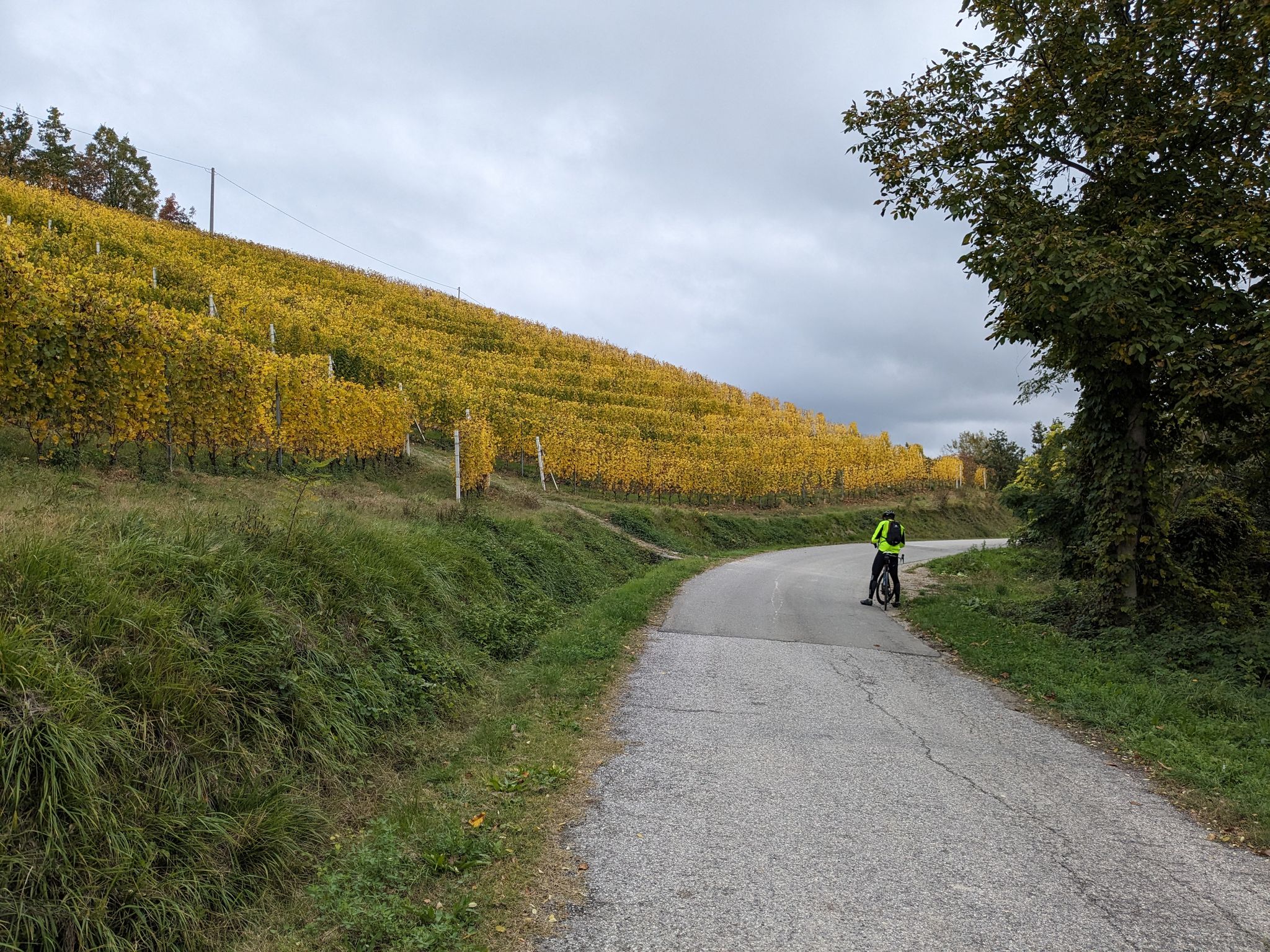
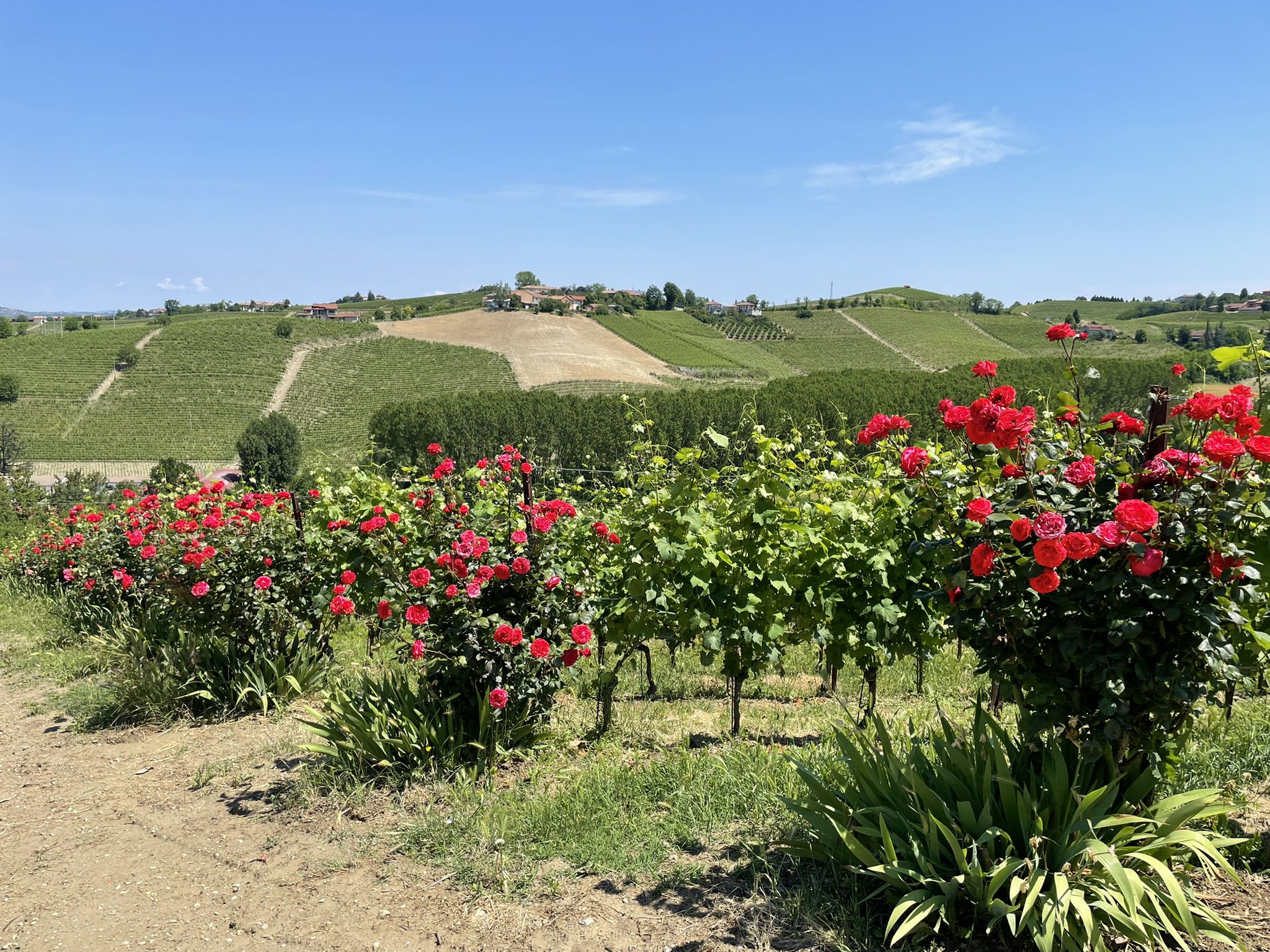
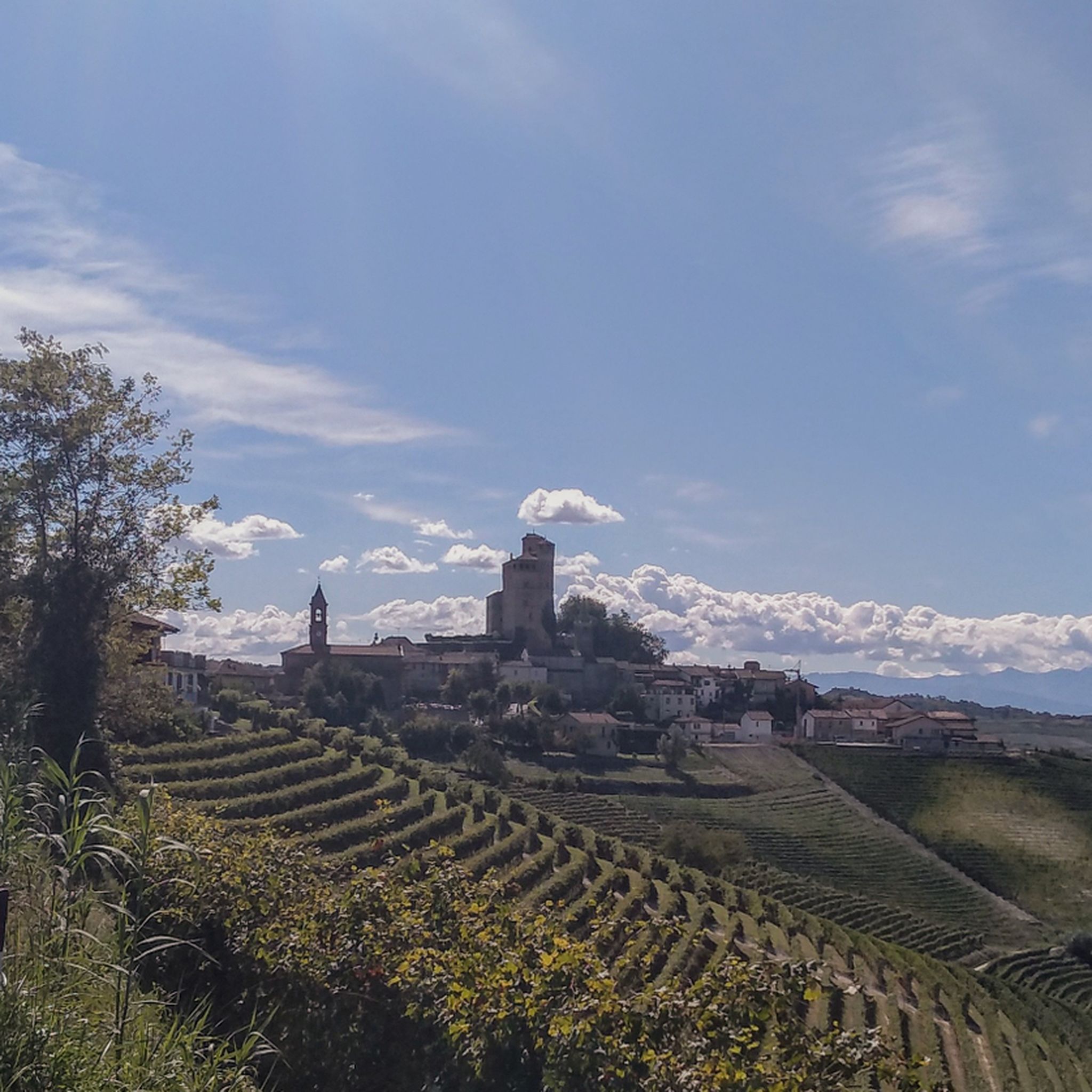
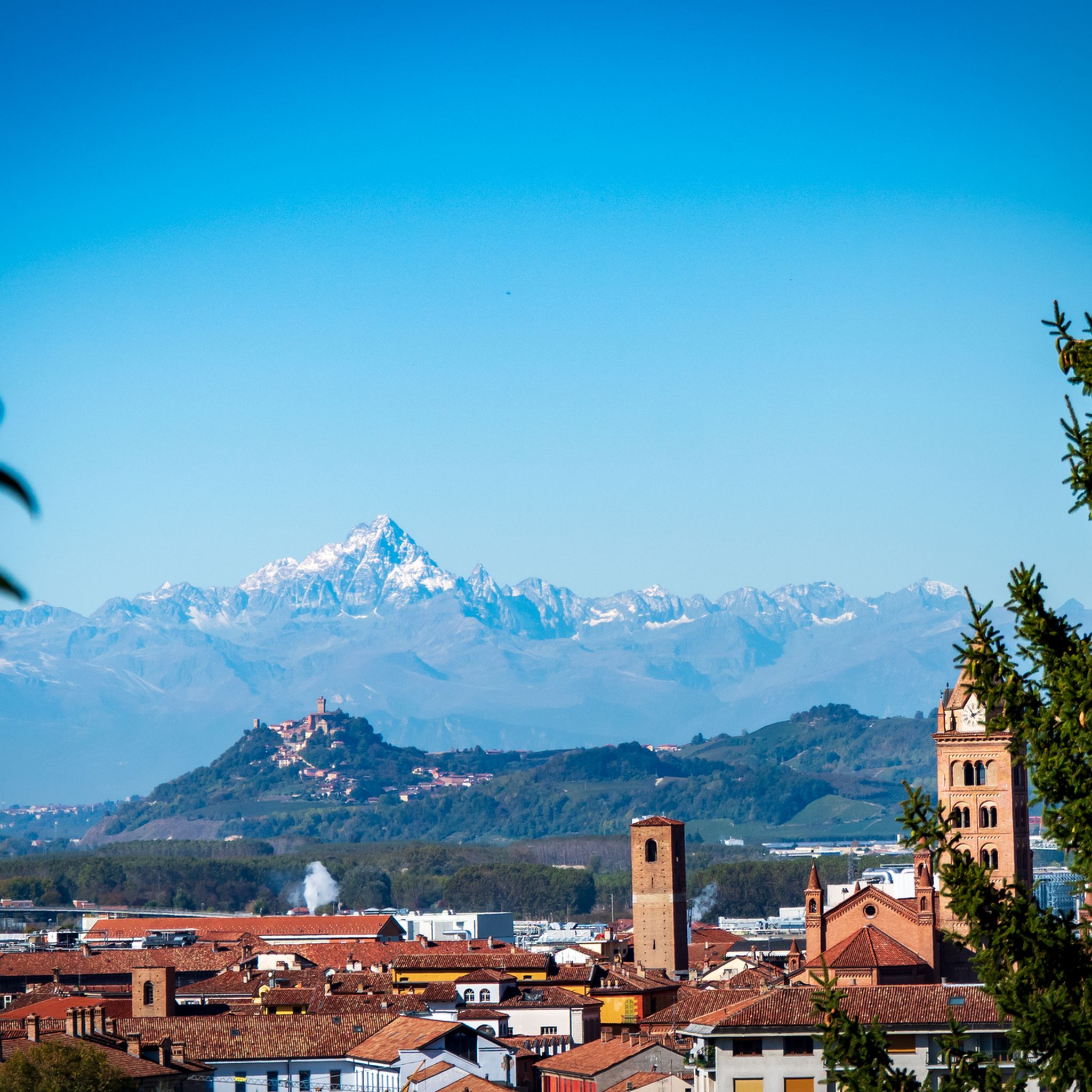



Tips from the Community

This trail has two entrances and a slight elevation gain. If you arrive in San Grato and drive up, the hike takes just over an hour, and the chestnut tree is located along the way and is clearly visible.
0
0

The most famous tree of the Langhe
0
0

On the Castagna Granda Path, we find the protagonist, that is, this imposing centuries-old chestnut tree
3
0

pity it can not be visited because it is located on a private property
0
2

Stunning path that crosses a centuries-old chestnut farm with the monumental Castagna Granda at its heart
1
1
The cedar of Lebanon is one of the most visited places in the Lamorresi Langhe. Unfortunately there is no longer the possibility of access near the tree because the adjacent area has been fenced off.
1
0

Shrine of great beauty. Peace and tranquility reign throughout the area where you can walk and cycle peacefully without the stress of traffic. Outside the Sanctuary there are: a monumental cross, a car park and a picnic area.
1
0
The tree gives its name to the path, of the Castagna Granda, and is a reference point for those who walk in the area. Really beautiful and impressive. The immersion in nature is total.
1
0
Frequently Asked Questions
What are the most distinctive natural monuments to explore near Alba?
The region around Alba offers a variety of distinctive natural monuments. You can visit La Castagna Granda, an imposing centuries-old chestnut tree that gives its name to a path. Another notable spot is the Cedar of Lebanon in the Langhe, a very popular natural monument. For a more dramatic landscape, explore the Rocche of the Seven Brothers, a gorge formed by badlands, recommended for experienced hikers.
Are there family-friendly natural monuments around Alba?
Yes, several natural monuments are suitable for families. La Castagna Granda is easily accessible along the Castagna Granda Path, offering a wonderful experience under its ancient branches. The Plane trees "the nativity scenes" in Cherasco are also family-friendly, with hollow trunks that children might enjoy exploring, especially during the Christmas period when they host nativity scenes.
What kind of geological features can I expect to see in the natural monuments near Alba?
The area around Alba is rich in unique geological formations. The Langhe region is characterized by its iconic rolling hills, shaped by viticulture. North of Alba, the Rocche del Roero present as dramatic chasms, ravines, and gullies carved by erosion, revealing ancient marine fossils. Further afield, the Orridi di Uriezzo are alpine canyons with smooth, sculpted granite walls, formed by ancient torrents and glaciers, showcasing intricate patterns and sub-circular cavities.
What are the best times of year to visit the natural monuments around Alba?
The Langhe region, with its vineyards and rolling hills, offers stunning mosaic of green and gold tones that change with the seasons. Spring and autumn are particularly beautiful for hiking and enjoying the landscapes, with pleasant temperatures and vibrant colors. However, some challenging formations like the Rocche of the Seven Brothers are not recommended when wet, so dry conditions are preferable for those specific trails.
Are there hiking opportunities near the natural monuments?
Absolutely. The Langhe region features marked trails connecting wine villages, perfect for exploring on foot or by bicycle. The Rocche del Roero also offer a network of naturalistic paths, including the Chestnut Trail and the Asphodel Trail, ideal for trekking. For more hiking options, you can explore various routes in the area, such as the easy "Trail of the Rocks" or the more challenging "UNESCO Langhe vineyard trail from Diano d'Alba to Monforte d'Alba." Find more details on Hiking around Alba.
What are the Rocche del Roero and why are they significant?
The Rocche del Roero are a distinctive geological phenomenon north of Alba, consisting of deep chasms, ravines, and gullies carved into sandy terrain by erosion over thousands of years. They are significant because they reveal the Roero's ancient past, including fossils from when the area was covered by sea, and create diverse microclimates supporting varied flora. They offer a unique and dramatic natural landscape, often referred to as canyons, ideal for trekking. You can learn more about their geological history on Wikipedia.
Can I find viewpoints to appreciate the natural beauty of the region?
Yes, the region offers numerous panoramic viewpoints. The Langhe hills, a UNESCO World Heritage site, provide breathtaking vistas, such as the Belvedere in La Morra, which overlooks the surrounding Barolo hills. The Rocche del Roero also feature impressive viewpoints along their naturalistic paths, allowing you to appreciate the dramatic landscape of cliffs and gullies.
What kind of outdoor activities, besides hiking, can I do near Alba's natural monuments?
Beyond hiking, the area around Alba offers various outdoor activities. You can enjoy running on trails like the "Alba Historic Center Loop" or the longer "Historic Center of Alba – Barbaresco Tower loop." Mountain biking is also popular, with routes such as the "Barbaresco Tower – Barbaresco loop from Mussotto" or the "Magliano Alfieri Castle – View over Govone (CN) loop." For more options, check out Running Trails around Alba and MTB Trails around Alba.
Are there any monumental trees to visit near Alba?
Yes, Alba is known for its monumental trees. The La Castagna Granda is a centuries-old chestnut tree with an enormous trunk, a true natural colossus. Another significant tree is the Cedar of Lebanon in the Langhe, one of the most visited places in the Lamorresi Langhe. Additionally, the Plane trees "the nativity scenes" in Cherasco feature ancient plane trees, some with hollow trunks.
What makes the Langhe Hills a natural monument?
The Langhe Hills are a UNESCO World Heritage site, recognized for their iconic rolling hills covered in vineyards, medieval hill towns, and ancient castles. This region is a stunning mosaic of natural beauty, primarily shaped by viticulture, with unique sun exposure for Nebbiolo grapes. It offers a blend of natural landscapes and cultural heritage, making it an exceptional natural monument to visit for its tranquil countryside, vineyard hikes, and breathtaking vistas.
What is the difficulty level for hiking around the natural monuments?
Hiking difficulty varies. Paths like the Castagna Granda Path to La Castagna Granda are generally easy and accessible. However, formations like the Rocche of the Seven Brothers involve very steep descents and ascents, and are recommended for experienced hikers, especially when dry. The Rocche del Roero also offer a range of paths, some of which can be challenging. Always check local signage for specific trail difficulties.
Are there any natural monuments further afield from Alba that are worth visiting in Piedmont?
While a bit further from Alba, the Orridi di Uriezzo in the Province of Verbano-Cusio-Ossola are remarkable alpine canyons. These gorges were carved into granite by ancient torrents during the last ice age, creating narrow valleys, winding passages, and deep gorges with smooth, sculpted walls. They offer an almost surreal experience, allowing visitors to walk through ancient riverbeds surrounded by towering, sculpted rock, and are an excellent destination for those seeking geological wonders.
Most popular attractions around Alba

Get inspired with the komoot mobile app


Explore more
Extend your search for the best caves by checking out these guides of the top ones around Alba:
