Top 19 Castles around Lesignano De' Bagni
Best castles around Lesignano De' Bagni offers a journey into the medieval and Romanesque past of the region. While traditional castles directly within Lesignano De' Bagni no longer exist, the area features other notable historical structures. These include ancient abbeys, churches, and oratories, some with Romanesque origins. The region is also known for its unique geological formations, such as mud volcanoes and badlands, and is situated along the "Strada del Prosciutto" and within the "Lands of Matilde di Canossa."
Best…
Last updated: July 7, 2026
Canossa Castle
Highlight • Castle
Translated by Google •
Tip by

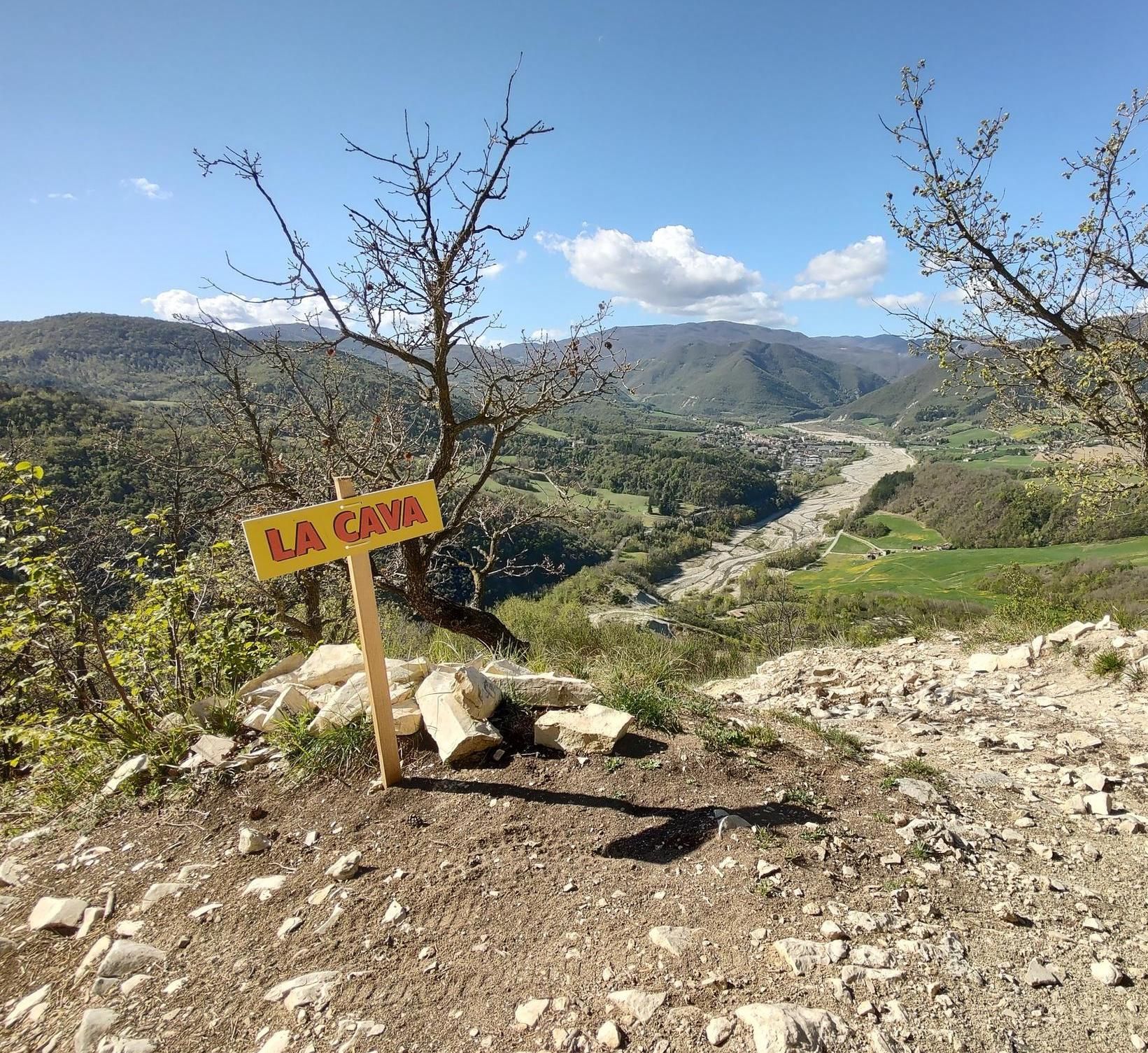
Scenic Road Between the Castles of Canossa and Rossena
Highlight • Viewpoint
Translated by Google •
Tip by

Sign up now to discover places like this
Get recommendations on the best single tracks, peaks, & plenty of other exciting outdoor places.
Sign up for free
Torrechiara Castle
Highlight • Castle
Translated by Google •
Tip by
Rocca Sanvitale di Sala Baganza
Highlight • Castle
fountain. Outside there are also games for children.
Translated by Google •
Tip by

Panocchia
Highlight • Settlement
Translated by Google •
Tip by

Sign up for free to discover even more castles around Lesignano De' Bagni.
Sign up for free
Already have an account?
Start today with a free account
Your next adventure awaits.
Login or Signup
Popular around Lesignano De' Bagni
Other adventures around Lesignano De' Bagni

Tips from the Community

Today, evocative historical ruins remain of the powerful medieval fortress, perched on the summit of the white cliff. In addition to the remains of the walls and the crypt of Sant'Apollonio, it is possible to visit the Canossa Naborre Campanini National Museum, which houses archaeological finds from the area. Historical significance: It is the symbolic site of the 1077 episode where Emperor Henry IV obtained forgiveness from Pope Gregory VII thanks to the mediation of Countess Matilde of Canossa.
0
0

Very scenic spot. Worth a stop for a photo
1
0

A short detour to visit the town center (and perhaps stop at a bar for a snack)
1
0

rideable climbs, well exposed for winter cycling
3
0

definitely for the Votigno nucleus which repays you for the climbs while for the Canossa castle what can I say.... to enjoy a wonderful view you have to climb up the tower which remains after centuries of abandonment on the spur of the hill but after the climbs done with the bike, which often reach 10%, the desire is not always left.
2
0

First Castle encountered during the return, the Catello di Panocchia. The castle, whose history is almost unknown, was probably built between the end of the 15th and the beginning of the 16th century at the behest of the Cantelli counts, feudal lords of Panocchia and already owners of a building in the village at least since 1422. Following the death in 1736 of the last count Paolo Cantelli, the building was inherited by the marquis Alfonso Bevilacqua, his great-nephew, who added his great-uncle's surname to his own. The structure, modified several times, became the summer residence of the family, who hosted various illustrious people there, including the poet Carlo Innocenzo Frugoni, who remembered the stay in one of his compositions. In 1974 it was bought by the brothers of the Piacenza Nicelli family, who later passed it on to their descendants.[
1
0

It was built around 940 by Adalberto Azzo. Known for having been the site of the "Pardon of Canossa": in the midst of the Investiture War, on 27 January 1077, Pope Gregory VII absolved Emperor Henry IV from excommunication in the presence of Countess Matilda and Abbot Hugh of Cluny.
5
0

The name of the castle stems from the term “Torciara”, literally “wine press”, as in the Middle Ages, this area this area was renowned for its vineyards and olive tree groves. Between 1448 and 1460, “condottiero” Pier Maria II de’ Rossi, a powerful lord of these lands, ordered the construction of this complex on a preexisting fortified building. The structure had to fulfill a double role, a dichotomy of sense and function. On the one hand, it was a military and defensive stronghold for the control of the underlying valley. On the other hand, however, it was the cradle of his love for Bianca Pellegrini di Arturo. Inside, the castle the decorations of the lunettes and of the rib vaults pay homage to the story of Pier Mattia and Bianca Pellegrini.
2
0
Frequently Asked Questions
What historical sites can I visit in Lesignano De' Bagni besides traditional castles?
While traditional castles directly within Lesignano De' Bagni no longer exist, the area is rich in history. You can explore ancient abbeys, churches, and oratories, some with Romanesque origins. Notable sites include the Vallombrosan Abbey of San Michele Cavana with its 12th-century Romanesque Basilica of San Basilide, and the Pieve di San Michele, which retains parts dating back to the 1100s.
Are there any castles directly within Lesignano De' Bagni?
The medieval castles directly within Lesignano de' Bagni, such as the Castello di Lesignano and the Castello di Rivalta, no longer stand. However, the surrounding region offers several well-preserved historical fortresses and sites.
Which castles around Lesignano De' Bagni are particularly well-preserved?
One of the best-preserved fortresses in the region is Torrechiara Castle. This 15th-century manor features both medieval and Renaissance elements and is located on a panoramic rocky hill.
What natural landmarks or viewpoints can I find near the castles?
The region offers unique natural features like the 'salse' (mud volcanoes) and 'calanchi' (badlands). For scenic views, consider the Scenic Road Between the Castles of Canossa and Rossena, which provides views of the surrounding castles, the Rossanella tower, and the Emilian landscape with gullies and cultivated fields.
Are there family-friendly castles to visit in the area?
Yes, Rocca Sanvitale di Sala Baganza is considered family-friendly. It features a beautiful garden and a fountain, with games for children outside. This fortress was historically a hunting residence and preserves precious frescoes and stuccos inside.
What outdoor activities can I do near these historical sites?
The area around Lesignano De' Bagni is great for outdoor activities. You can find various routes for cycling, gravel biking, and running. For example, there are cycling routes like the 'Cycle Path to Ciano – San Polo d'Enza Clock Tower loop' and running trails such as the 'Running loop from Lesignano de' Bagni'. You can explore more options in the Cycling around Lesignano De' Bagni, Gravel biking around Lesignano De' Bagni, and Running Trails around Lesignano De' Bagni guides.
What is the historical significance of Canossa Castle?
Canossa Castle, built around 940, is historically significant as the site of the 'Pardon of Canossa' in 1077. It was here that Pope Gregory VII absolved Emperor Henry IV from excommunication, in the presence of Countess Matilda and Abbot Hugh of Cluny. The castle dominates the Val d'Enza and offers splendid views.
Are there any lesser-known historical sites or 'hidden gems' in the vicinity?
Beyond the prominent castles, the region offers sites like the Oratorio di S. Fermo in the municipal capital, traditionally believed to have been erected by Pier Maria Rossi. Also, the small settlement of Panocchia features the castle of the Cantelli counts, dating back to the 16th century, which served as a summer residence for the family.
What is the best time of year to visit the castles and historical sites?
The spring and autumn months generally offer pleasant weather for exploring the castles and engaging in outdoor activities. These seasons avoid the peak heat of summer and the colder temperatures of winter, making for a more comfortable visit to both indoor and outdoor attractions.
What is the 'Strada del Prosciutto' and how does it relate to the area?
Lesignano De' Bagni is situated along the 'Strada del Prosciutto' (Ham Road), which highlights the region's culinary heritage, particularly its famous Parma Ham. This route offers a cultural and gastronomic context to your visit, allowing you to combine historical exploration with local food experiences.
What do visitors enjoy most about the castles and historical sites around Lesignano De' Bagni?
Visitors frequently appreciate the historical depth and the stunning panoramic views offered by these sites. The well-preserved architecture, like that of Torrechiara Castle, and the dramatic settings, such as Canossa Castle perched on a cliff, are often highlighted. The blend of history with the beautiful Emilian landscape, including gullies and cultivated fields, also receives positive feedback.
Can I find information about the historical castles of Lesignano and Rivalta?
The medieval castles of Lesignano and Rivalta no longer exist as standing structures. For historical context on these specific sites, you can refer to external resources such as Wikipedia for Castello di Lesignano and Wikipedia for Castello di Rivalta.
Most popular routes around Lesignano De' Bagni
Most popular attractions around Lesignano De' Bagni

Get inspired with the komoot mobile app


Explore more
Looking for the best castles somewhere else? Discover other guides around Lesignano De' Bagni:
