Top 7 Castles around Trinità
Best castles around Trinità offer a journey through history in the province of Cuneo. The region features a landscape where medieval villages and fortresses stand on cliffs, often overlooking streams. These historical sites provide insights into centuries of architectural and cultural development. Exploring these castles adds a historical dimension to outdoor adventures in the area.
Best castles around Trinità
- The most popular castles is Piazza Pio VI, Rocca de' Baldi, a historical site that features a medieval village built…
Last updated: July 1, 2026
Carrù Castle
Highlight • Castle
Translated by Google •
Tip by

Piazza Pio VI, Rocca de' Baldi
Highlight • Historical Site
Translated by Google •
Tip by

Sign up now to discover places like this
Get recommendations on the best single tracks, peaks, & plenty of other exciting outdoor places.
Sign up for free
Castello di Fossano
Highlight • Castle
Translated by Google •
Tip by

Castello di Bene
Highlight • Castle
Translated by Google •
Tip by

Start today with a free account
Your next adventure awaits.
Login or Signup

Tips from the Community

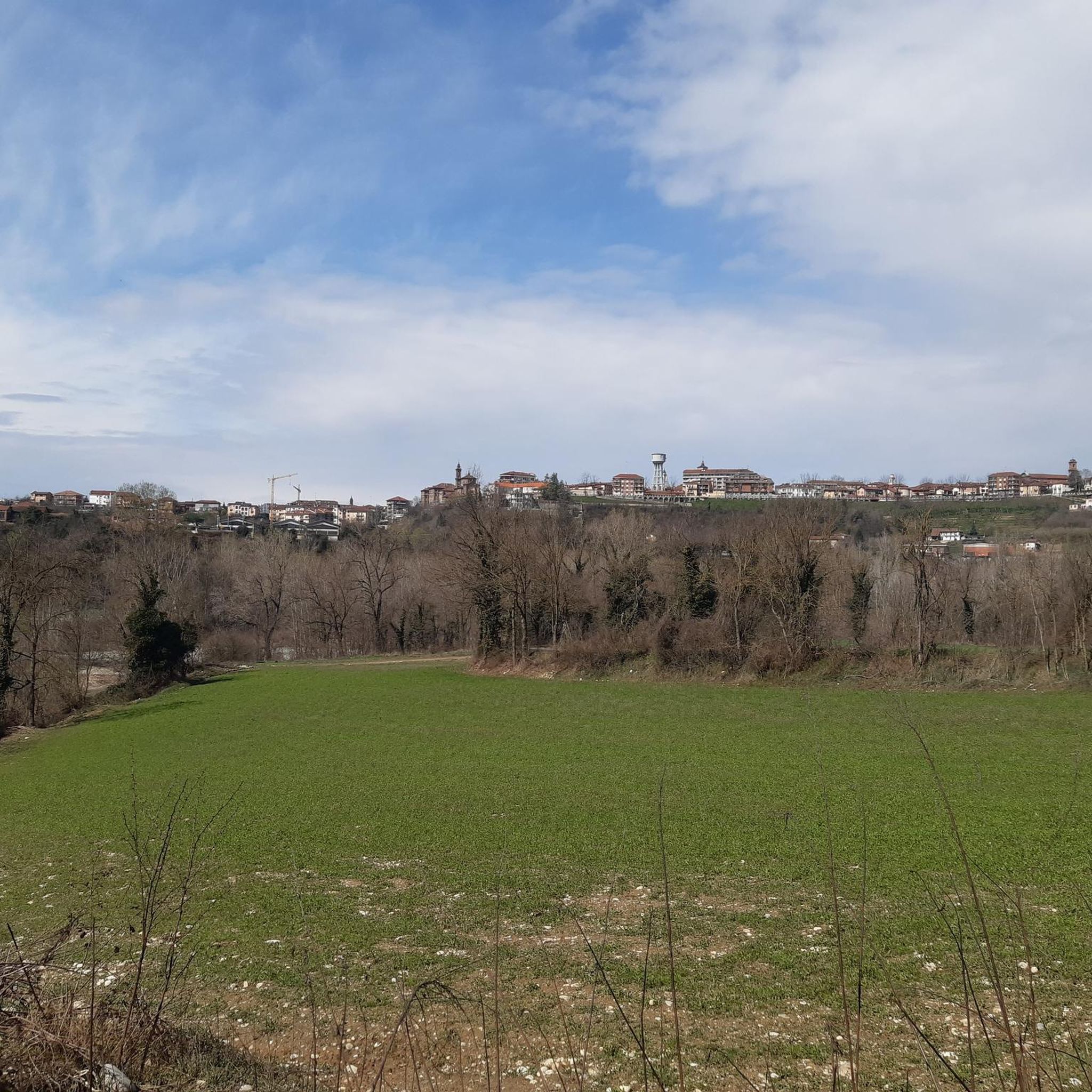
Beautiful medieval village on a hill, so a short 5-7% climb before and after.
0
0

"Castello degli Acaja" Place of historical, cultural, architectural and tourist interest Piazza Castello, 12045 Fossano CN http://www.visitfossano.it/portfolio/castello-fossano/ 017260160
1
0

The Castle of Carrù is an ancient fortress located in the city of Carrù, in the province of Cuneo. Dating back to the 12th century, the castle was built to defend the city from enemy attacks and has undergone numerous transformations over the centuries. In addition to its history, Castello di Carrù is also famous for the legend of the Blue Lady, a ghost who is said to still appear in the castle today. The castle is open to the public and can be visited during some Carruccesi events, such as the Grape Festival, and the surrounding area offers various activities, including excursions on foot and by bicycle, visits to wine cellars and tastings of local products.
2
0

where the princes of Fossano lived
0
0

The castle of the Princes of Acaja is a historic building in Fossano, in the province of Cuneo; stands out majestically in the homonymous square of the town, characterizing the urban landscape. Symbol of the city, it was built in the center of the ancient village of Fossano, in a panoramic and well defensible position, at the behest of Philip I of Savoy-Achaia. Its construction began in 1324 [1] and already eight years later, in 1332, the basic structures were completed. Hundreds of workers worked on its construction; 3,355,000 bricks, 26,000 tiles, 19,861 stone carts were needed. It houses the Historical Archive (with ancient documents dating back to the thirteenth century) and has now become a civic library. In June it serves as the setting for the historic Palio dei Borghi and Giostra dell'Oca. It is included in the "Open Castles" circuit of Lower Piedmont.
0
0
The historic center looks like a country out of time
1
0

The name "Rocca de 'Baldi" derives from the fact that the medieval village stands on a cliff overlooking the Pesio stream. To protect the small town, in the 12th century a noble of the Morozzo family began to build what has become the present castle.
2
0

Frequently Asked Questions
Which castles around Trinità are suitable for families?
Several castles in the Trinità area are considered family-friendly. These include Carrù Castle, Piazza Pio VI, Rocca de' Baldi, Castello di Fossano, and the Castle of the Princes of Acaja. Many offer historical insights and outdoor spaces that can be enjoyed by all ages.
Are there walking or cycling routes connecting the castles around Trinità?
Yes, the region offers various routes that can incorporate castle visits. For road cycling, you can find easy routes like the 'Carrù Castle – Piazza Umberto I, Trinità loop from Trinità Bene Vagienna'. There are also running trails, such as the 'Castello di Fossano loop from Fossano', and MTB trails like the 'Castle of the Princes of Acaja – Giant bench loop from Fossano'. You can explore more options on the Road Cycling Routes around Trinità, Running Trails around Trinità, and MTB Trails around Trinità guide pages.
What is the best time of year to visit the castles around Trinità?
The best time to visit the castles around Trinità is typically during spring (April to June) and autumn (September to October). During these seasons, the weather is generally mild and pleasant for exploring, and the natural scenery is particularly beautiful. Summer can also be enjoyable, but it can be quite warm, especially in July and August.
How much time should I allocate for visiting castles around Trinità?
The time needed can vary depending on the castle. For castles like Piazza Pio VI, Rocca de' Baldi, which offers guided tours, an ethnographic museum, and a park, you might want to allocate 2-3 hours. For others, a quick visit to admire the exterior and surrounding area might take less than an hour. If you plan to visit multiple castles, consider dedicating a full day or more.
Are there parking facilities available at the castles near Trinità?
Parking availability varies by castle. Larger, more popular sites like Castello di Fossano often have designated parking areas nearby, either free or paid. For smaller or more remote castles, parking might be limited to street parking in the nearest village. It's advisable to check specific castle websites or local tourist information for detailed parking options before your visit.
Can I visit the castles around Trinità with my dog?
Generally, dogs are often welcome in the outdoor areas and grounds of castles, especially if kept on a leash. However, access to interior spaces, museums, or specific exhibitions within the castles is usually restricted for pets. It's best to verify the specific pet policy for each castle you plan to visit beforehand.
Are the castles around Trinità accessible for visitors with mobility issues?
Given their historical nature, many castles in the Trinità area, like other medieval structures, may present challenges for visitors with mobility issues due to stairs, uneven terrain, and lack of elevators. However, some sites, particularly those that have undergone modern renovations or house public services like libraries, might offer better accessibility in certain areas. It is recommended to contact individual castles directly for specific accessibility information.
What are some lesser-known or 'hidden gem' castles around Trinità?
While not extensively detailed in visitor tips, Castello di Bene is a castle of medieval origin surrounded by ramparts. It is currently not open to visitors and is undergoing restoration, suggesting it's a less commercialized site with potential for future exploration once restoration is complete.
What kind of views can I expect from the castles around Trinità?
Many castles in the Trinità region offer panoramic views, often overlooking streams, medieval villages, and the surrounding landscape of the Cuneo province. For example, Piazza Pio VI, Rocca de' Baldi is situated on a cliff overlooking the Pesio stream. The Castle of the Princes of Acaja also provides awesome views, especially during sunset from its square, and sometimes offers visits to its towers for elevated perspectives.
What historical insights do the castles around Trinità offer?
The castles around Trinità provide a journey through centuries of architectural and cultural development. Sites like Carrù Castle, dating back to the 12th century, showcase transformations over time and even host local legends. The Castle of the Princes of Acaja, a symbol of Fossano, houses a civic library with ancient documents from the thirteenth century, offering deep historical context.
Are there any events or festivals associated with the castles?
Yes, some castles are active cultural hubs. For instance, the Carrù Castle is open to the public during Carruccesi events like the Grape Festival. The Castle of the Princes of Acaja serves as the setting for the historic Palio dei Borghi and Giostra dell'Oca in June, offering a vibrant cultural experience.
What should I wear for castle visits in the Trinità area, especially in autumn?
In autumn, the weather can be variable. It's best to dress in layers, including a waterproof or windproof jacket, as you'll likely be exploring both indoors and outdoors. Comfortable walking shoes are essential, as many castles involve uneven surfaces, stairs, and potentially muddy paths in their surrounding grounds.
Most popular routes around Trinità
Most popular attractions around Trinità

Get inspired with the komoot mobile app


Explore more
Looking for the best castles somewhere else? Discover other guides around Trinità:
