The 20 Most Amazing Peaks around Ormea
Best mountain peaks around Ormea are located in the Ligurian Alps, providing diverse landscapes and geological features. This region offers opportunities for hiking and observing nature within the Piedmont area. The mountains surrounding Ormea include prominent peaks and extensive karst systems. The town itself is nestled amidst these varied mountain terrains.
Best mountain peaks around Ormea
- The most popular mountain peaks is Monte Mondolè Summit Cross and Virgin Mary Statue, a summit that features two small sacred monuments. From…
Last updated: October 10, 2026
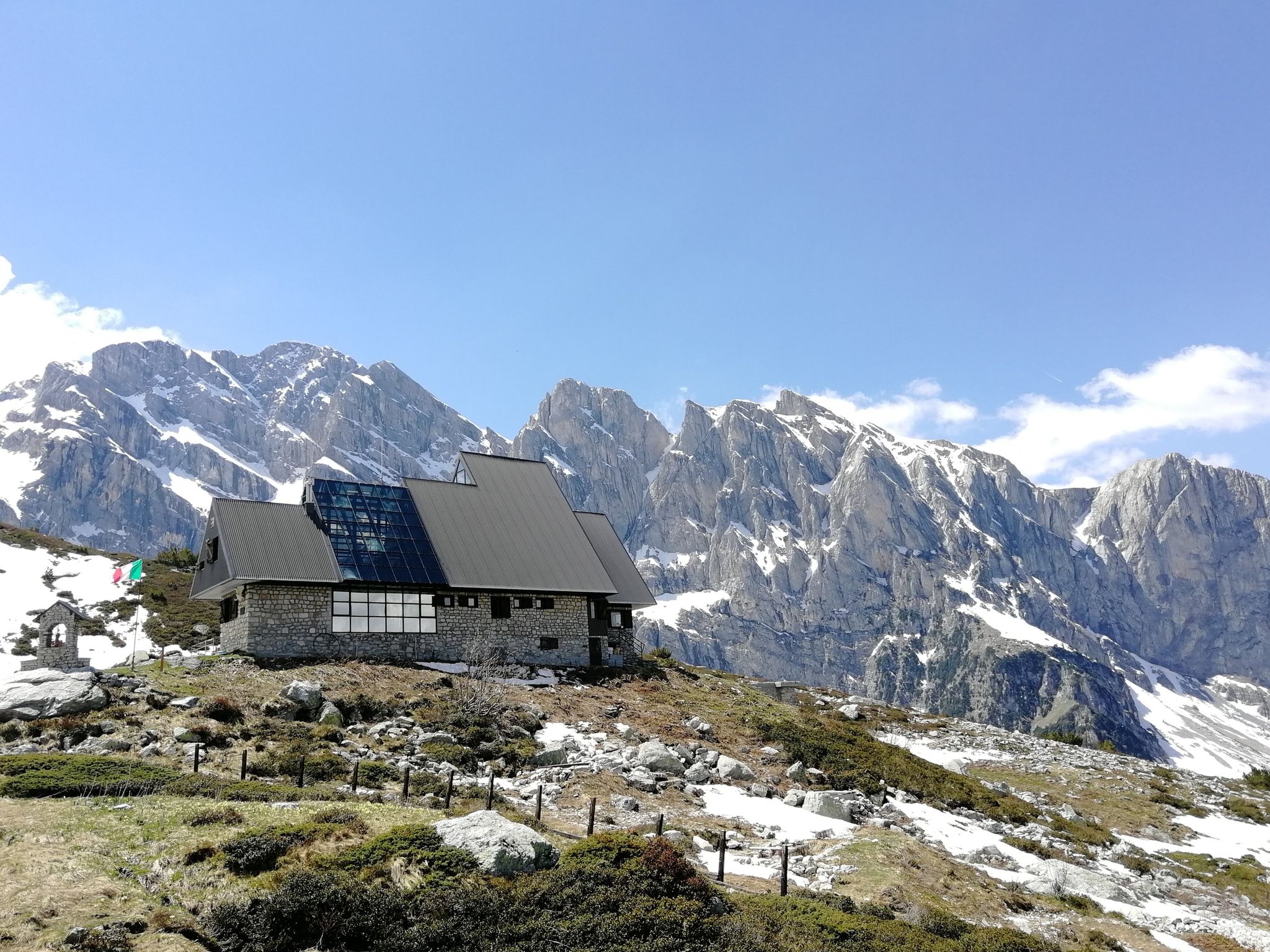
Pian delle Gorre
Highlight • Mountain Hut
Showing Translation
Tip by

Statue of Christ the Redeemer on Monte Saccarello
Highlight • Monument
This statue is …
Showing Translation
Tip by

Sign up now to discover places like this
Get recommendations on the best single tracks, peaks, & plenty of other exciting outdoor places.
Monte Mondolè Summit Cross and Virgin Mary Statue
Highlight • Summit
Translated by Google •
Tip by

Duke Pass
Highlight • Mountain Pass
Showing Translation
Tip by
Marguareis Lake
Highlight • Lake
Translated by Google •
Tip by
Sign up for free to discover even more peaks around Ormea.
Already have an account?
Start today with a free account
Your next adventure awaits.
Popular around Ormea
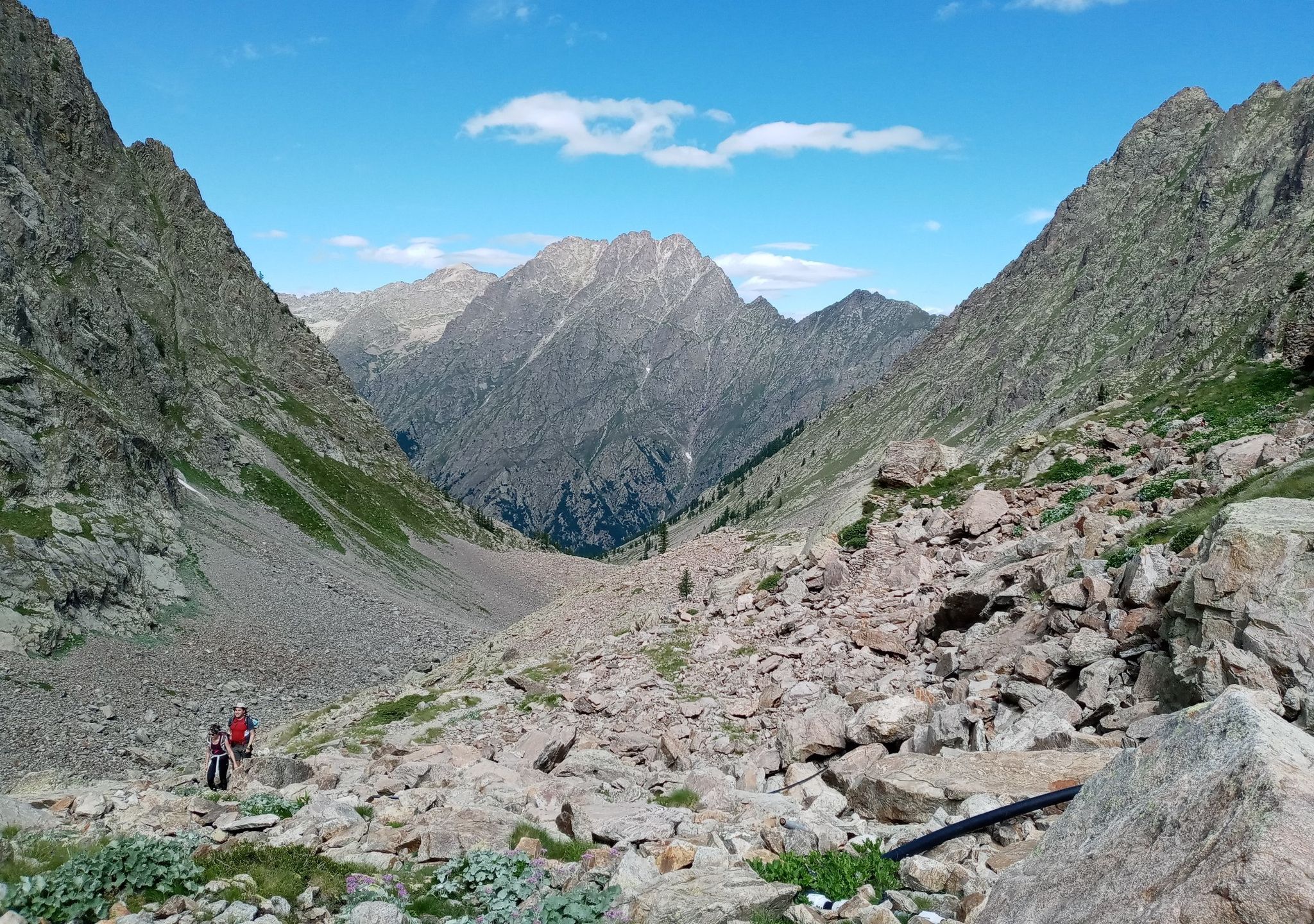
GTA South Piedmont — Hiking in Italy's Occitan valleys
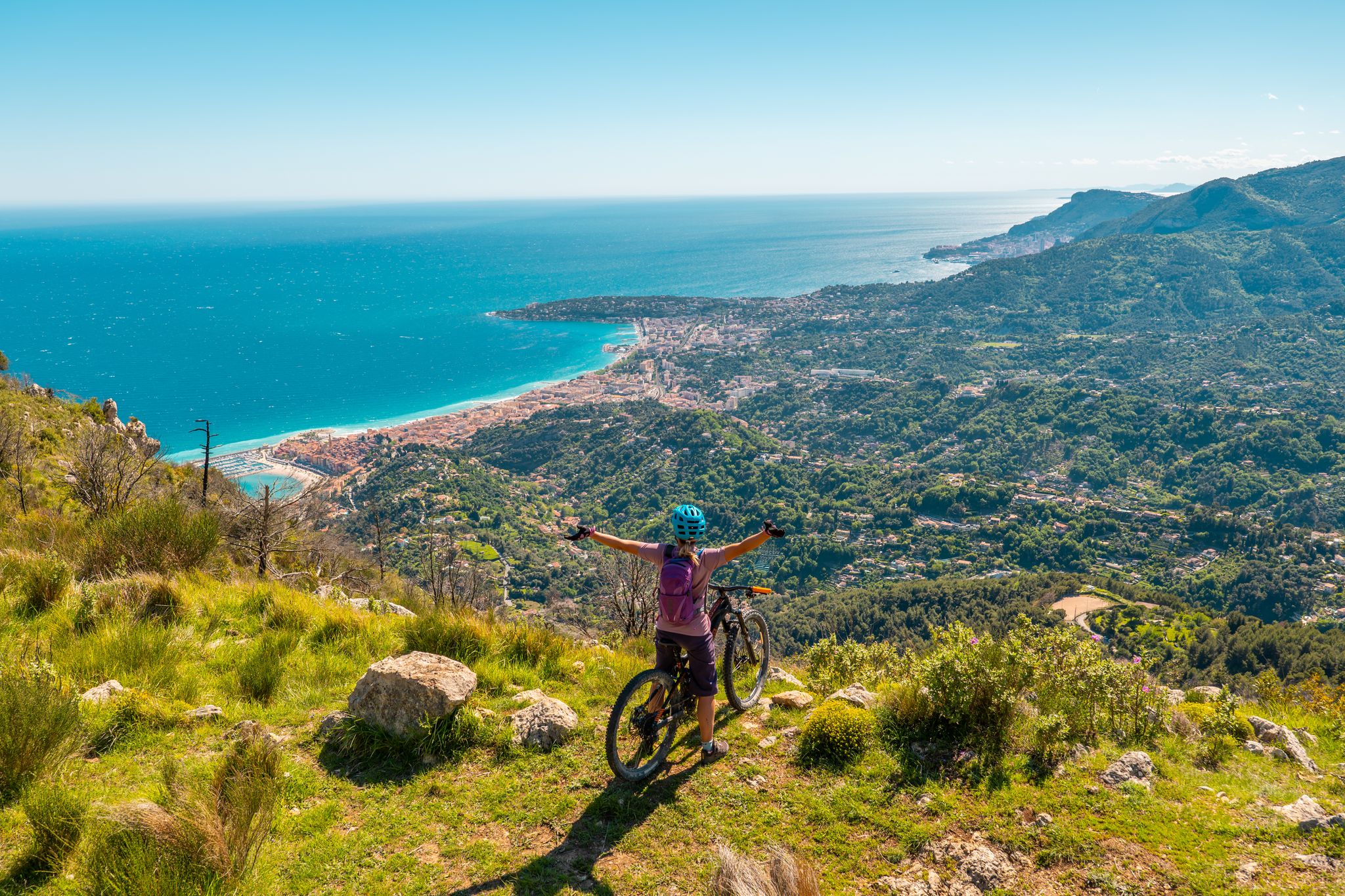
RivierALP – MTB routes from alpine passes to the Riviera
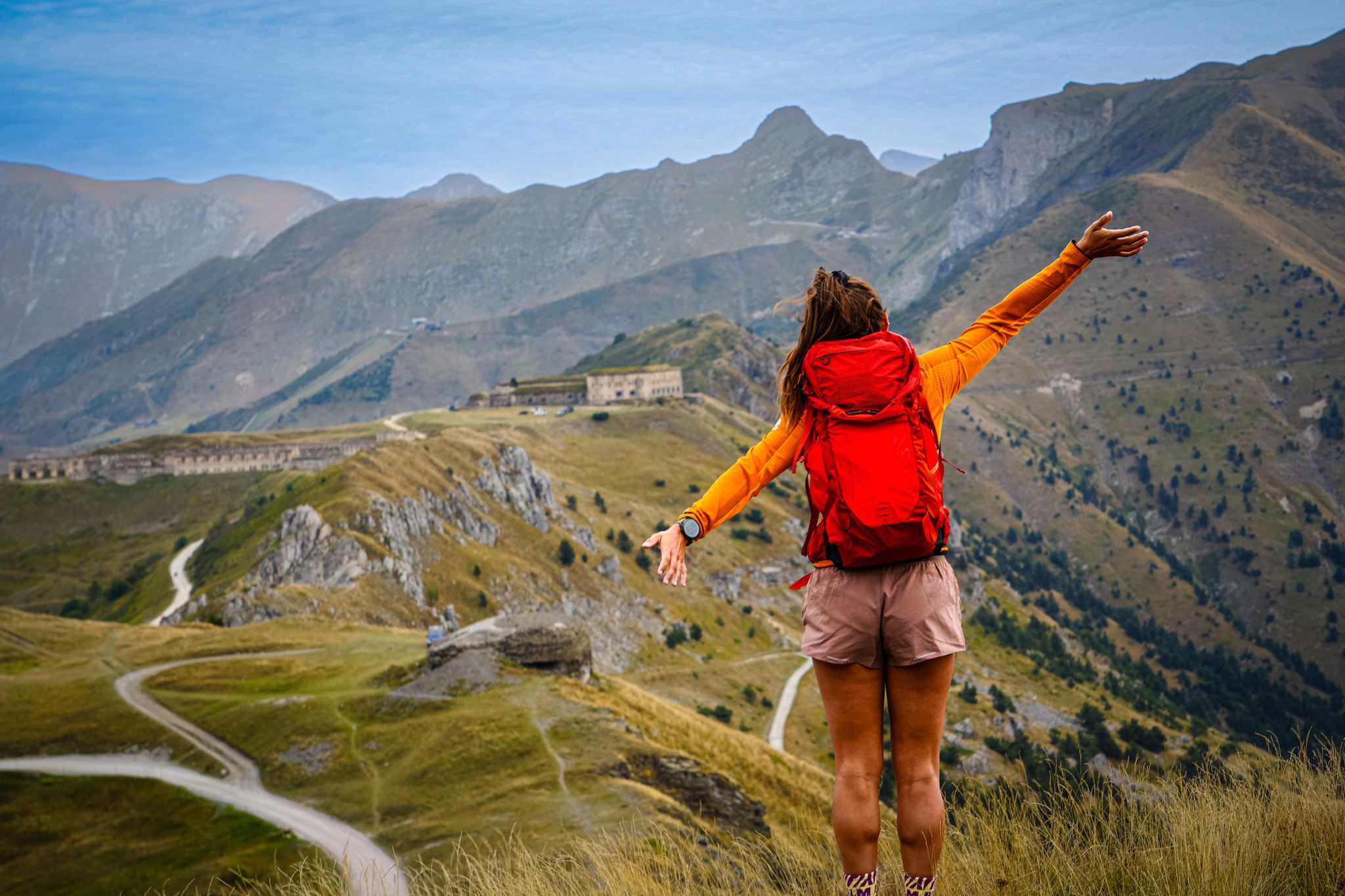
RivierALP – great hikes between the Alps and the Mediterranean
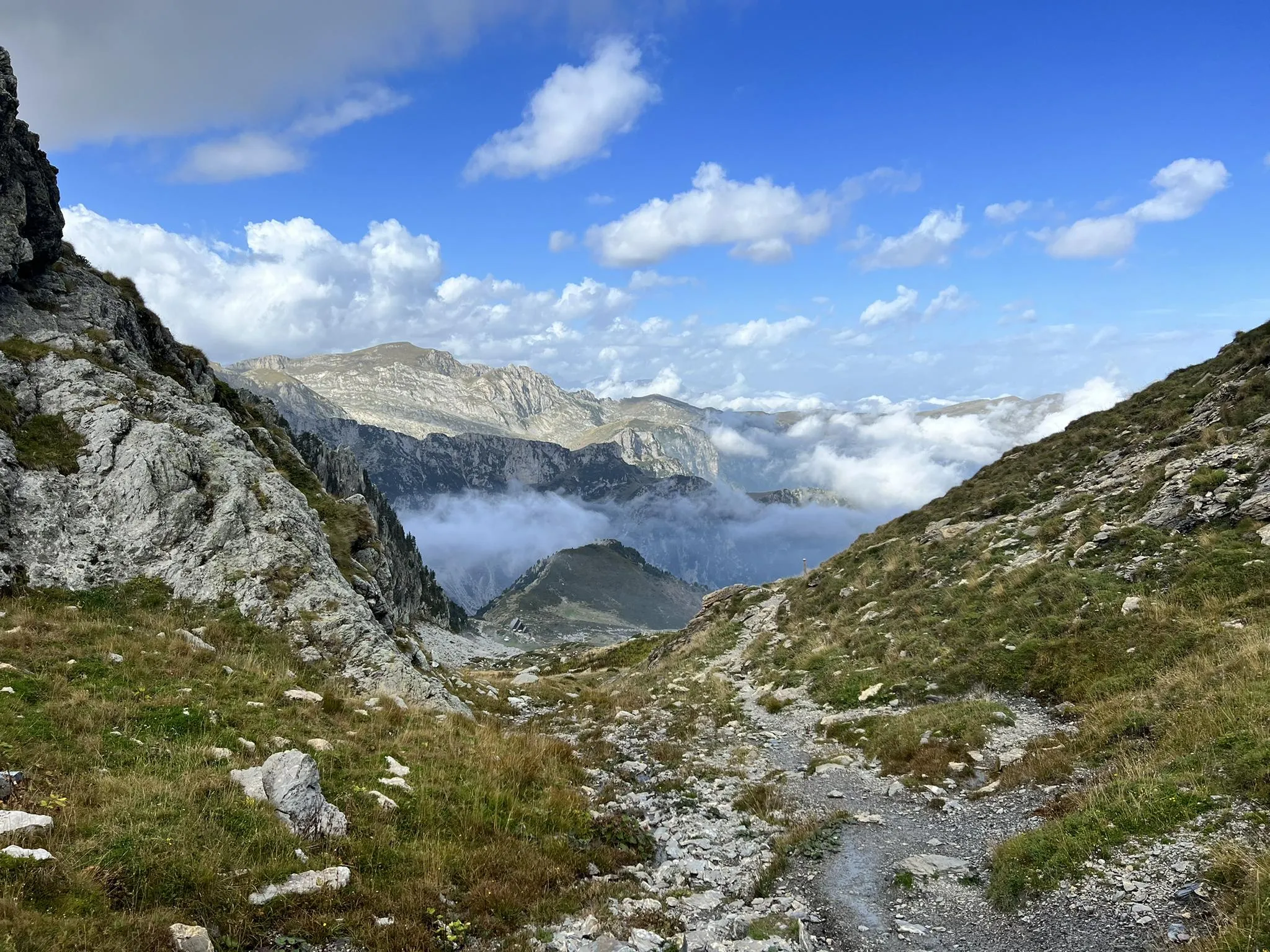
Explore the highest peak in Italy's Ligurian Alps – Giro del Marguareis
Marguareis Tour – discover caves, ravines and karstic rocks in Italy
Hiking around Ormea
MTB Trails around Ormea
Cycling around Ormea
Road Cycling Routes around Ormea
Running Trails around Ormea
Other adventures around Ormea


Tips from the Community

Left home at 7 am, arrived at the Pian delle Gorre refuge at 8:30 am for breakfast and around 8:45 am departure for the tour… and to think that it was supposed to be just the Pis del Pesio loop… but then, arriving at the crossroads, I remembered Tissone's words who had been there just a week before and told me that the Pis doesn't wet, so what do I do, go see a waterfall without water?? No way!! And so off towards the Duca pass… then, arriving from the Duca… it was still early… alright, I got carried away… off towards the Garelli refuge… and back to the Pian delle Gorre refuge… a top day!!! I almost didn't deserve it!!! But that’s it!!! So, a big loop!! But damn me and damn these f…ing loop tours… ahahahah… a very positive first experience!!! I was home at 4:30 pm
0
0
... Duca e Garelli trail … show me the way Started from home at 7, arrived at Rifugio Pian delle Gorre at 8:30, breakfast and around 8:45 departure for the tour… and to think that it was supposed to be just the Pis del Pesio loop… but then, arriving at the crossroads, I remembered Tissone's words who had been there just a week before and told me that the Pis wasn't pissing anymore and so what do I do, go see a waterfall without water?? No way!! And so off towards Passo del Duca… then arriving from the Duca… it was still early… alright then I got carried away… off towards Rifugio Garelli… and back to Rifugio Pian delle Gorre… a top day!!! I almost didn't deserve it!!! But that’s it!!! So loop!! But damn me and damn these fucking loop trails… ahahahah … as a first experience very positive!!! At 16:30 I was home
0
0

Located at 1,928 meters above sea level in the heart of the homonymous Natural Park, this small alpine body of water lies in a picturesque grassy hollow right at the foot and start of the famous Torinesi and Genovesi canals. Next to the lake is the Rifugio Garelli with the adjacent botanical station "Danilo Re". Being a protected area with a very high biodiversity value, it is the ideal place to stop and observe up close the rich flora typical of the park and, with a bit of attention, spot the chamois and marmots that inhabit the area.
0
0

An Alpine pass that can be reached quite easily, if you follow the wide mule track that climbs in hairpin bends and that starts from Gias degli Arpi
0
0

The summit plateau of Monte MONDOLE is home to two small sacred monuments: + Firstly, a classic cross, such as those often found on mountain peaks. This one is simple in its design, without the body of the crucified Christ; the white frame clearly highlights the darkness of the longitudinal and transverse beams. + Secondly, hikers will find a figure of the Virgin Mary here; the statue of the Mother of God does not stand under the cross beam, as in a classic crucifixion group (on the other side you would then find the favorite disciple John), but rather to one side. Her gaze is also not directed towards the cross, but rather goes down from the mountain into the distance.
3
1

Magnificent route, both uphill and downhill. Not for beginners. You need to have some technical riding skills both uphill and downhill (and conditional training even with e-bikes), but very beautiful. ABSOLUTELY AVOID the very technical Gias Funtena part downhill and especially very popular with hikers between April and September especially the period May - July (phenomenon of the Pis del Pesio) and continue along the uphill route also downhill thus visiting, in 3 minutes of walking, the Cascate del Saut before arriving at Pian delle Gorre. Pedaling all uphill including the last 3 hairpin bends. Breathtaking landscapes. Period June (evaluate the presence of potentially dangerous snow at Passo del Duca) - October
0
0

with e-bike you can pedal almost everything, only small sections, not suitable for everyone, experience is required
0
0

Frequently Asked Questions
Which mountain peaks around Ormea offer the most impressive panoramic views?
For breathtaking panoramic views, consider Mount Antoroto, which provides a 360-degree vista allowing you to see the sea of Albenga to the east and prominent Alpine peaks like the Matterhorn and Monte Rosa to the north. Pizzo d'Ormea also offers an extraordinary 360-degree panorama stretching from the Apuan Alps and the Ligurian coast to the entire Alpine range. Monte Mongioie, due to its isolated position, provides extensive views across the Western Alps.
Are there any family-friendly mountain areas or easy walks near Ormea?
Yes, Pian delle Gorre is an excellent family-friendly spot. It's a hut and a starting point for numerous walks, accessible by bike or on foot, offering a place for relaxation with services available at the refuge. Its categories include 'family_friendly' and 'forest', making it suitable for easier excursions.
What kind of terrain and difficulty can I expect on mountain trails around Ormea?
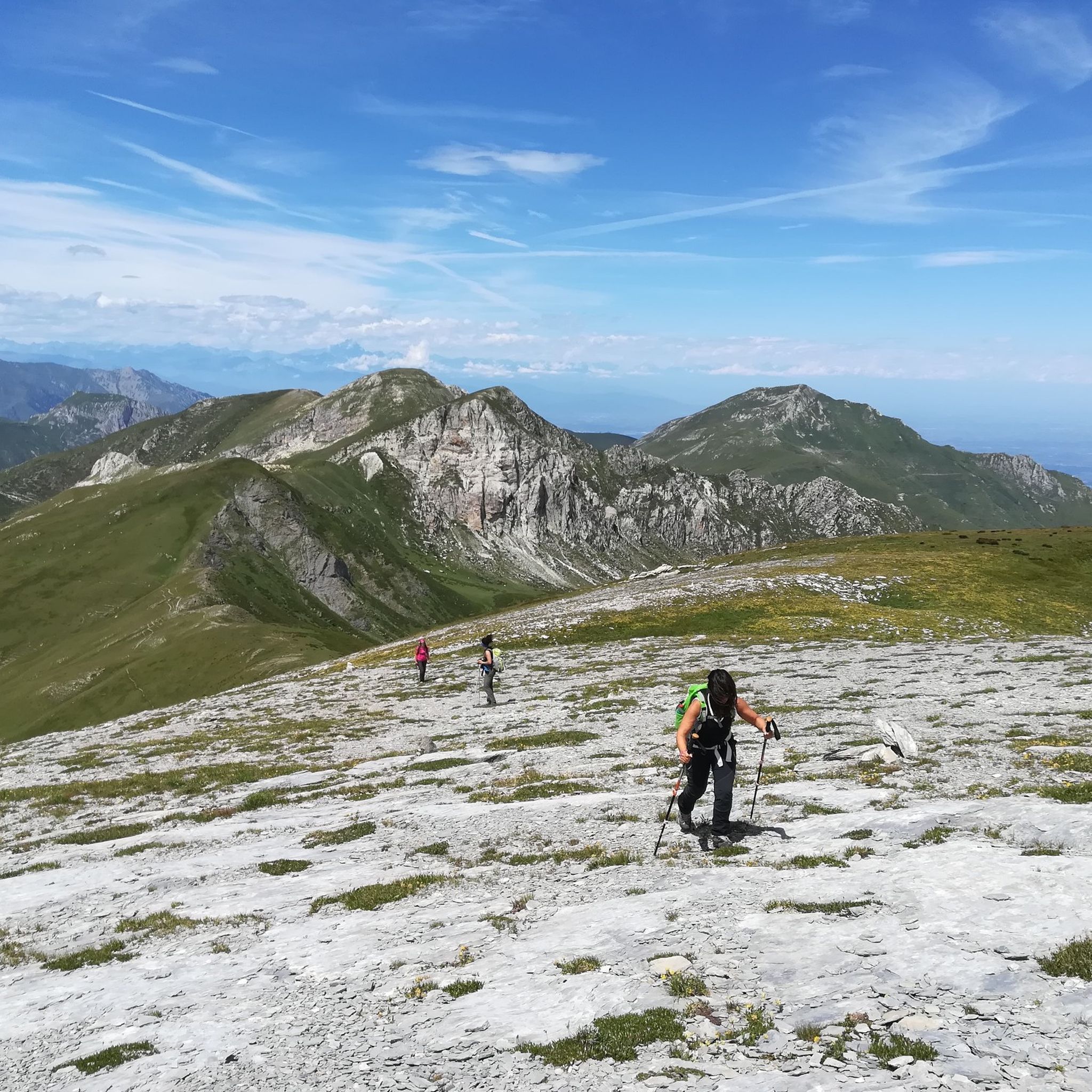
The mountain peaks around Ormea offer a diverse range of terrain and difficulty. You'll find everything from challenging alpine ascents on peaks like Monte Mongioie and Pizzo d'Ormea, which may include easy climbing sections, to more accessible routes and gentler slopes on mountains like Monte Armetta. The Marguareis Massif features extensive karst systems and rocky north faces, contrasting with lush forests. Trails can vary from well-marked paths to less marked sections, so downloading tracks is often recommended.
What historical or cultural landmarks can be found on the mountain peaks near Ormea?
You can find several interesting landmarks. Monte Mondolè Summit Cross and Virgin Mary Statue features two small sacred monuments at its 2,382 m elevation. Additionally, the Statue of Christ the Redeemer on Monte Saccarello is a large bronze statue built in the 20th century, part of a group of sculptures placed on the highest mountains of each region of Italy. Roc d'Orméa, though in France, has a small chapel with traditional offerings and prayer flags at its peak.
What are the best outdoor activities to do near the mountain peaks of Ormea?
The region around Ormea is ideal for various outdoor activities. Hiking is very popular, with routes like the 'Ascent to Monte Mongioie — Ring tour' and 'Pizzo d'Ormea Loop from Quarzina'. You can also find cycling routes such as the 'Selle Vecchie Pass (2,097 m) – Upega Village loop from Viozene', and running trails like the 'Rifugio Quarzina loop from Quarzina'. For more details on these activities, explore the Hiking around Ormea, Cycling around Ormea, and Running Trails around Ormea guides.
Are there any specific natural features or unique geological formations to observe?
Yes, the region is rich in natural features. Pizzo d'Ormea is composed of porphyritic quartz rocks from the Permian period, and below the Colla del Pizzo, you can find the alpine Lago del Pizzo d'Ormea. The Marguareis Massif is renowned for its extensive karst system, being the largest Alpine karst area in Piedmont with over 150 km of explored caves. Monte Armetta is home to typical mountain flowers such as Edelweiss.
What is the best time of year to visit the mountain peaks around Ormea?
While specific seasonal considerations are not detailed for all peaks, the presence of Lago del Pizzo d'Ormea often snow-covered for much of the year suggests that late spring to early autumn would be ideal for hiking and enjoying snow-free trails. The Marguareis Massif's diverse landscapes are best explored when trails are clear. For winter hiking, specific preparation and gear would be necessary.
Where can I find accommodation or amenities like cafes and pubs near the mountain trails?
Several refuges and huts serve as excellent bases or stops. Pian delle Gorre has a refuge offering all services, and it's a great place to relax and enjoy lunch. The Rifugio Mongioie is a common stop on the normal route to Monte Mongioie. The Morgantini Hut, owned by CAI, can be used as a bivouac by arrangement. The town of Ormea itself offers cafes, pubs, and accommodation options for hikers.
Is parking available at the trailheads for mountain peaks around Ormea?
Yes, parking is available at some key access points. For instance, Pian delle Gorre has a car park, though it is subject to a fee during the high season. Alternatively, you can leave your car at the Certosa di Pesio and walk up. For other peaks, trailheads often start from villages like Viozene (for Monte Mongioie), Quarzina (for Pizzo d'Ormea), Valdinferno or Cascine (for Monte Antoroto), where parking options may be available.
What makes the Marguareis Massif a unique destination for hikers?
The Marguareis Massif, home to Punta Marguareis, is unique due to its status as the highest peak in the Ligurian Alps and the heart of the Marguareis Natural Park. It boasts the largest Alpine karst area in Piedmont, with over 150 km of explored caves. The park's exceptional biodiversity preserves about a quarter of Italy's plant species. The 'Giro del Marguareis' multi-day trek allows hikers to explore its diverse landscapes, from barren karstic areas to lush forests, often on ancient 'salt roads'.
Are there any specific tips for hiking to the summit of Monte Mongioie?
The normal route to Monte Mongioie starts from Viozene, a hamlet of Ormea, and passes through the Rifugio Mongioie. It is a well-marked itinerary suitable for hikers with some experience, providing strenuous alpine climbing and panoramic views. Due to its isolated position, the summit offers extensive views across a wide stretch of the Western Alps.
What are the highlights of hiking Monte Armetta?
Monte Armetta, the highest summit of the Ligurian Prealps, offers accessible hiking with rewarding views. You can reach the summit from Ormea or Colle di Caprauna. Despite its moderate elevation, it provides panoramic views that include the unique heart-shaped town of Ormea below and the sea in the distance. The ascent is not overly challenging and allows you to enjoy beautiful natural scenery, including typical mountain flowers like Edelweiss.
Most popular attractions around Ormea

Get inspired with the komoot mobile app


Explore more
See even more amazing summits around Ormea with these guides:
